

-
On this page
Wrist painHow you can ease wrist pain yourselfA pharmacist can help with wrist painSee a GP if:Go to an urgent treatment centre or A&E if you:Self-refer for treatmentCommon causes of wrist painFinger painHow you can ease finger pain yourselfA pharmacist can help with finger painSee a GP if:Go to an urgent treatment centre or A&E if you:Self-refer for treatmentCommon causes of finger painThumb painHow you can ease thumb pain yourselfA pharmacist can help with thumb painSee a GP if:Go to an urgent treatment centre or A&E if you:Common causes of thumb painPain in the palm of the handHow you can ease palm pain yourselfSee a GP if:Go to an urgent treatment centre or A&E if:Common causes of pain in the palm of your handSelf-refer for treatmentPain in the back of the handHow you can ease pain in the back of your hand yourselfSee a GP if:Go to an urgent treatment centre or A&E if you:Common causes of pain in the back of your handSelf-refer for treatment -
Medicines commonly prescribed for Hand pain
For informational purposes only. Always consult a doctor before taking any medication.
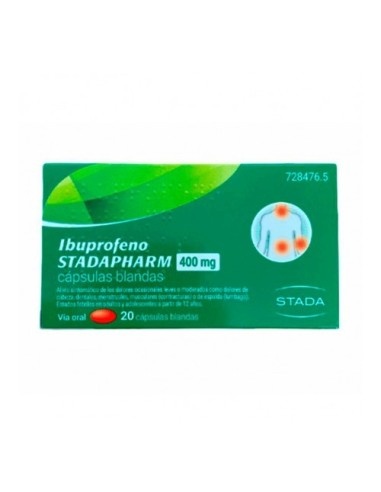
Dosage form: TABLET, 400 mgActive substance: ibuprofenManufacturer: Aurovitas Spain, S.A.U.Prescription not requiredDosage form: CAPSULE, 400 mgActive substance: ibuprofenManufacturer: Laboratorio Stada S.L.Prescription not requiredDosage form: ORAL SOLUTION/SUSPENSION, Ibuprofen 4 gActive substance: ibuprofenManufacturer: Laboratorios Ern S.A.Prescription required


Choose which area of your hand hurts most to find out about treatments, when to get medical help and possible causes.
Wrist pain
There are many causes of wrist pain. You can often ease the pain yourself. But see a GP if the pain does not improve.
How you can ease wrist pain yourself
If you see a GP about pain in your wrist, they'll usually suggest you try these things:
Do
-
rest your wrist when you can
-
put an ice pack (or a bag of frozen peas) in a towel and place it on your wrist for up to 20 minutes every 2 to 3 hours
-
keep your hands and wrists moving with gentle exercises to help ease pain and stiffness
-
use painkillers such as paracetamol or ibuprofen gel (or ibuprofen tablets if needed)
-
take off any jewellery if your hand looks swollen
-
stop or cut down activities that are causing the pain – for example, typing, using vibrating tools for work, or playing an instrument
-
wear a splint to support your wrist and ease pain, especially at night – you can get these at most pharmacies and supermarkets
-
think about using gadgets or tools to make difficult or painful tasks easier – for example, to open jars or chop vegetables
-
think about getting a soft pad to support your wrist when typing
Don’t
-
do not use heat packs or have hot baths for the first 2 to 3 days after an injury
-
do not lift heavy objects or grip anything too tightly
A pharmacist can help with wrist pain
You can ask a pharmacist about:
- the best painkiller to take
- the best splint to support your wrist and ease pain – flexible rubber splints are available if you still need to use your wrist
- if you need to see a GP
See a GP if:
- pain in your wrist is stopping you doing normal activities
- the pain is getting worse or keeps coming back
- the pain has not improved after treating it at home for 2 weeks
- you have any tingling or loss of sensation in your hand or wrist
- you have diabetes – hand problems can be more serious if you have diabetes
- you have wrist pain and also feel unwell with a high temperature
- your wrist is painful, warm, swollen and stiff
Go to an urgent treatment centre or A&E if you:
- have severe wrist pain
- feel faint, dizzy or sick from the pain
- heard a snap, grinding or popping noise at the time of the injury
- are not able to move your wrist or hold things
- have a wrist that's changed shape or colour
- have lost the feeling in part or all of your hand
These might be signs of a broken wrist.
What we mean by severe pain Severe pain:
- always there and so bad it's hard to think or talk
- you cannot sleep
- it's very hard to move, get out of bed, go to the bathroom, wash or dress
Moderate pain:
- always there
- makes it hard to concentrate or sleep
- you can manage to get up, wash or dress
Mild pain:
- comes and goes
- is annoying but does not stop you doing daily activities
Self-refer for treatment
If you have wrist pain, you might be able to refer yourself directly to services for help with your condition without seeing a GP.
To find out if there are any services in your area:
- ask the reception staff at your GP surgery
- check your GP surgery's website
- contact your integrated care board (ICB) – find your local ICB
Common causes of wrist pain
Wrist pain is often caused by bruising or injuring your wrist.
Your symptoms might also give you an idea of what's causing the pain in your wrist.
| Symptoms | Possible cause |
|---|---|
| Pain, swelling and bruising, difficult to move wrist or grip anything | Sprained wrist |
| Pain, swelling and stiffness at the base of the thumb (near the wrist) that lasts a long time, may be hard to move fingers and thumb, may have a lump | Tendonitis (de Quervain's disease) or arthritis |
| Aching pain that's worse at night, tingling, numbness or pins and needles in the fingers, hand or arm, a weak thumb or difficulty gripping | Carpal tunnel syndrome |
| Smooth lump on top of the wrist, may be painful | Ganglion cyst |
| Sudden, sharp wrist pain, swelling, a popping or snapping sound during the injury | Broken wrist |
Do not worry if you're not sure what the problem is.
Follow the advice on this page and see a GP if the pain does not get better in 2 weeks.
Finger pain
There are many causes of finger pain. You can often ease the pain yourself. But see a GP if the pain does not improve.
How you can ease finger pain yourself
If you see a GP about pain in your finger, they'll usually suggest you try these things:
Do
-
rest your finger when you can
-
put an ice pack (or a bag of frozen peas) in a towel and place it on your finger for up to 20 minutes every 2 to 3 hours
-
use painkillers such as paracetamol or ibuprofen gel (or ibuprofen tablets if needed)
-
stop or cut down activities that are causing the pain – for example, typing, using vibrating tools for work, or playing an instrument
-
remove any jewellery on the painful finger
-
strap the painful finger to another finger next to it – put a small piece of cotton wool or gauze between the 2 fingers and use tape to loosely strap them together
-
think about using gadgets or tools to make difficult or painful tasks easier – for example, to open jars or chop vegetables
Don’t
-
do not use heat packs or have hot baths for the first 2 to 3 days after an injury
-
do not lift heavy objects or grip anything too tightly
-
do not stop using your finger completely – after a few days, do gentle hands and finger exercises to help ease any stiffness
A pharmacist can help with finger pain
You can ask a pharmacist about:
- the best painkiller to take
- splints to support your finger and ease pain – flexible rubber splints are available if you still need to use your finger
- if you need to see a GP
See a GP if:
- pain in your finger is stopping you doing normal activities
- the pain is getting worse or keeps coming back
- the pain has not improved after treating it at home for 2 weeks
- you've noticed a tingling in your hand or your hand is starting to feel numb
- you have diabetes – hand problems can be more serious if you have diabetes
Go to an urgent treatment centre or A&E if you:
- have severe pain
- feel faint, dizzy or sick from the pain
- heard a snap, grinding or popping noise at the time of the injury
- are not able to move your finger or hold things
- have a finger that's changed shape or colour
- have lost the feeling of part or all of your hand after an injury
These might be signs of a broken finger.
What we mean by severe pain Severe pain:
- always there and so bad it's hard to think or talk
- you cannot sleep
- it's very hard to move, get out of bed, go to the bathroom, wash or dress
Moderate pain:
- always there
- makes it hard to concentrate or sleep
- you can manage to get up, wash or dress
Mild pain:
- comes and goes
- is annoying but does not stop you doing daily activities
Self-refer for treatment
If you have finger pain you might be able to refer yourself directly to services for help with your condition without seeing a GP.
To find out if there are any services in your area:
- ask the receptionist staff at your GP surgery
- check your GP surgery's website
- contact your local integrated care board (ICB) – find your local ICB
Common causes of finger pain
Finger pain is often caused by bruising or injuring your finger.
Your symptoms might also give you an idea of what's causing the pain in your finger.
| Symptoms | Possible cause |
|---|---|
| Pain, swelling and bruising, difficult to move finger or grip anything | Sprained finger |
| Pain, swelling and stiffness at the base of your finger that lasts a long time, may be hard to move your finger, may have a lump | Tendonitis (de Quervain's disease) or arthritis |
| Pain, swelling, cannot straighten the end of your finger, often happens after catching your finger on something | Mallet finger |
| Pain or tenderness in your palm at the base of your finger, stiffness, clicking when you move your finger | Trigger finger |
| Ache, numbness, tingling or weakness in your fingers or hands | Carpal tunnel syndrome |
| Sudden, sharp pain, swelling, a popping or snapping sound during the injury | Broken finger |
Do not worry if you're not sure what the problem is.
Follow the advice on this page and see a GP if the pain does not get better in 2 weeks.
Thumb pain
There are many causes of thumb pain. You can often ease the pain yourself. But see a GP if the pain does not improve.
How you can ease thumb pain yourself
If you see a GP about pain in your thumb, they'll usually suggest you try these things:
Do
-
rest your thumb when you can
-
put an ice pack (or a bag of frozen peas) in a towel and place it on your thumb for up to 20 minutes every 2 to 3 hours
-
use painkillers such as paracetamol or ibuprofen gel (or ibuprofen tablets if needed) – ibuprofen is not suitable for everyone, such as older people who have a higher chance of getting stomach ulcers and kidney problems
-
take off any jewellery if your thumb looks swollen
-
stop or cut down activities that are causing the pain – for example, typing, using vibrating tools for work, or playing an instrument
-
wear a splint to support your thumb and ease pain, especially at night – you can get these at most pharmacies and supermarkets
-
consider taping something like a lollipop stick to your thumb – this will keep it in place until you can get a splint
-
consider using gadgets or tools to make difficult or painful tasks easier – for example, to open jars or chop vegetables
-
keep your thumb moving with gentle exercises
Don’t
-
do not use heat packs or have hot baths for a few days after an injury or if your thumb is swollen – this can make it worse
-
do not lift heavy objects or grip anything too tightly

A pharmacist can help with thumb pain
You can ask a pharmacist about:
- the best painkiller to take
- the best splint to support your thumb and ease pain – flexible rubber splints are available if you still need to use your thumb
- if you need to see a GP
See a GP if:
- the pain in your thumb is stopping you doing normal activities
- the pain is getting worse or keeps coming back
- the pain has not improved after treating it at home for 2 weeks
- you have any tingling or loss of sensation in your hand
- you have diabetes – hand problems can be more serious if you have diabetes
Go to an urgent treatment centre or A&E if you:
- have severe pain
- feel faint, dizzy or sick from the pain
- heard a snap, grinding or popping noise at the time of the injury
- are not able to move your thumb or hold things
- have a thumb that's changed shape or colour
- have lost the feeling in part or all of your hand
These might be signs of a broken thumb.
What we mean by severe pain Severe pain:
- always there and so bad it's hard to think or talk
- you cannot sleep
- it's very hard to move, get out of bed, go to the bathroom, wash or dress
Moderate pain:
- always there
- makes it hard to concentrate or sleep
- you can manage to get up, wash or dress
Mild pain:
- comes and goes
- is annoying but does not stop you doing daily activities
Common causes of thumb pain
Thumb pain is often caused by bruising or injuring your thumb.
Your symptoms might also give you an idea of what's causing the pain in your thumb.
| Symptoms | Possible cause |
|---|---|
|
Pain, swelling, bruising after an injury |
|
|
Pain, swelling and stiffness at the base of the thumb that lasts a long time, may be hard to move your thumb, may have a lump |
Tendonitis (de Quervain's disease) or arthritis |
|
Aching pain that's worse at night, numbness or pins and needles, a weak thumb or difficulty gripping |
|
|
Pain or tenderness in your palm at the base of your thumb, stiffness, clicking when you move your finger or thumb |
Trigger finger |
|
Sudden, sharp pain, swelling, a popping or snapping sound during the injury |
Broken thumb |
Do not worry if you're not sure what the problem is.
Follow the advice on this page and see a GP if the pain does not get better in 2 weeks.
Pain in the palm of the hand
There are many causes of pain in the palm of your hand. You can often ease the pain yourself. But see a GP if the pain does not improve.
How you can ease palm pain yourself
If you see a GP about pain in your palm, they'll usually suggest you try these things:
Do
-
rest your hand when you can
-
put an ice pack (or a bag of frozen peas) in a towel and place it on your palm for up to 20 minutes every 2 to 3 hours
-
use painkillers such as paracetamol or ibuprofen gel (or ibuprofen tablets if needed
-
remove any jewellery if your hand is swollen
-
stop or cut down activities that are causing the pain – for example, writing, typing, DIY or housework
-
wrap a bandage around your hand to support it
-
wear a splint to support your palm and ease pain, especially at night – you can get these at most pharmacies and supermarkets
-
keep your hands and wrists moving with gentle exercises to help ease pain and stiffness
Don’t
-
do not use heat packs or have hot baths for the first 2 to 3 days after an injury
-
do not lift heavy objects or grip anything too tightly
A pharmacist can help with hand pain
You can ask a pharmacist about:
- the best painkiller to take
- the best splint to support your hand and ease pain
- if you need to see a GP
See a GP if:
- pain in the palm of your hand is stopping you doing normal activities
- the pain is getting worse or keeps coming back
- the pain has not improved after treating it at home for 2 weeks
- you have any tingling or loss of sensation in your hand
- you have diabetes – hand problems can be more serious if you have diabetes
- you have a painful palm and also feel unwell with a high temperature
- your palm is painful, warm, swollen and stiff
Go to an urgent treatment centre or A&E if:
- you have severe pain in your hand
- you feel faint, dizzy or sick from the pain
- you heard a snap, grinding or popping noise at the time of the injury
- you're not able to move your thumb or hold things
- your finger or thumb has changed shape or colour
- you've lost the feeling of part or all of your hand
These might be signs of a broken hand.
What we mean by severe pain Severe pain:
- always there and so bad it's hard to think or talk
- you cannot sleep
- it's very hard to move, get out of bed, go to the bathroom, wash or dress
Moderate pain:
- always there
- makes it hard to concentrate or sleep
- you can manage to get up, wash or dress
Mild pain:
- comes and goes
- is annoying but does not stop you doing daily activities
Common causes of pain in the palm of your hand
Pain in the palm of your hand is often caused by bruising or injuring your hand.
Your symptoms might also give you an idea of what's causing the pain in your palm.
| Symptoms | Possible cause |
|---|---|
| Aching pain that's worse at night, numbness or pins and needles, a weak thumb or difficulty gripping | Carpal tunnel syndrome |
| Pain or tenderness in your palm at the base of your fingers or thumb, stiffness, clicking when you move your finger or thumb | Trigger finger |
| Pain, swelling and stiffness that lasts a long time, may be hard to move fingers, may have a lump | Arthritis |
| Sharp or burning pain, tingling or numbness, palm feels more or less sensitive to touch or heat | Peripheral neuropathy |
| Heat, pain and redness in the palms | Erythromelalgia |
If you're not sure what's causing pain in the palm of your hand
Do not worry if you're not sure what the problem is.
Follow the advice on this page and see a GP if the pain does not get better in 2 weeks.
Self-refer for treatment
If you have pain in the palm of your hand, you might be able to refer yourself directly to services for help with your condition without seeing a GP.
To find out if there are any services in your area:
- ask the reception staff at your GP surgery
- check your GP surgery's website
- contact your integrated care board (ICB) – find your local ICB
Pain in the back of the hand
There are many causes of pain in the back of your hand. You can often ease the pain yourself. But see a GP if the pain does not improve.
How you can ease pain in the back of your hand yourself
If you see a GP about pain in the back of your hand, they'll usually suggest you try these things:
Do
-
rest your hand when you can
-
put an ice pack (or a bag of frozen peas) wrapped in a towel and place it on the back of your hand for up to 20 minutes every 2 to 3 hours
-
use painkillers such as paracetamol or ibuprofen gel (or ibuprofen tablets if needed)
-
take off any jewellery if your hand is swollen
-
wrap a bandage around your hand to support it
-
wear a splint to support your hand and ease pain, especially at night – you can get these at most pharmacies and supermarkets
-
gently exercise your hand and fingers to help ease pain and stiffness
Don’t
-
do not use heat packs or have hot baths for the first 2 to 3 days after an injury
A pharmacist can help with hand pain
You can ask a pharmacist about:
- the best painkiller to take
- treatments for common skin problems
- if you need to see a GP
See a GP if:
- pain in the back of your hand is stopping you doing normal activities
- the pain is getting worse or keeps coming back
- the pain has not improved after treating it at home for 2 weeks
- you have any tingling or loss of sensation in your hand
- you have diabetes and hand pain – hand problems can be more serious if you have diabetes
Go to an urgent treatment centre or A&E if you:
- have severe hand pain
- feel faint, dizzy or sick from the pain
- heard a snap, grinding or popping noise at the time of the injury
- are not able to move your hand or hold things
- have lost the feeling in part or all of your hand
- have a hand that's changed shape or colour
These might be signs of a broken hand.
What we mean by severe pain Severe pain:
- always there and so bad it's hard to think or talk
- you cannot sleep
- it's very hard to move, get out of bed, go to the bathroom, wash or dress
Moderate pain:
- always there
- makes it hard to concentrate or sleep
- you can manage to get up, wash or dress
Mild pain:
- comes and goes
- is annoying but does not stop you doing daily activities
Common causes of pain in the back of your hand
Pain in the back of your hand is often caused by bruising or injuring your hand.
Your symptoms might also give you an idea of what's causing the pain in the back of your hand.
| Symptoms | Possible cause |
|---|---|
| Pain, swelling and stiffness that lasts a long time, may be hard to move your fingers, may have a lump | Tendonitis or arthritis |
| Sudden, sharp pain, swelling, a popping or snapping sound during the injury | Broken bone in the hand |
| Smooth lump near a joint or tendon, may be painful | Ganglion cyst |
| Aching pain that's worse at night, numbness or pins and needles, a weak thumb or difficulty gripping | Carpal tunnel syndrome |
| Itchy and painful skin, rash | Scabies |
If you're not sure what's causing pain in the back of your hand
Do not worry if you're not sure what the problem is.
Follow the advice on this page and see a GP if the pain does not get better in 2 weeks.
Self-refer for treatment
If you have pain in the back of your hand, you might be able to refer yourself directly to services for help with your condition without seeing a GP.
To find out if there are any services in your area:
- ask the reception staff at your GP surgery
- check your GP surgery's website
- contact your integrated care board (ICB) – find your local ICB
Online doctors for Hand pain
Discuss your symptoms and possible next steps for Hand pain with a doctor online.