


Consultas neurológicas online
Reserva una cita neurológica online para migrañas, mareos, crisis epilépticas, dolor neuropático y más — con valoración experta y prescripción cuando sea necesario.
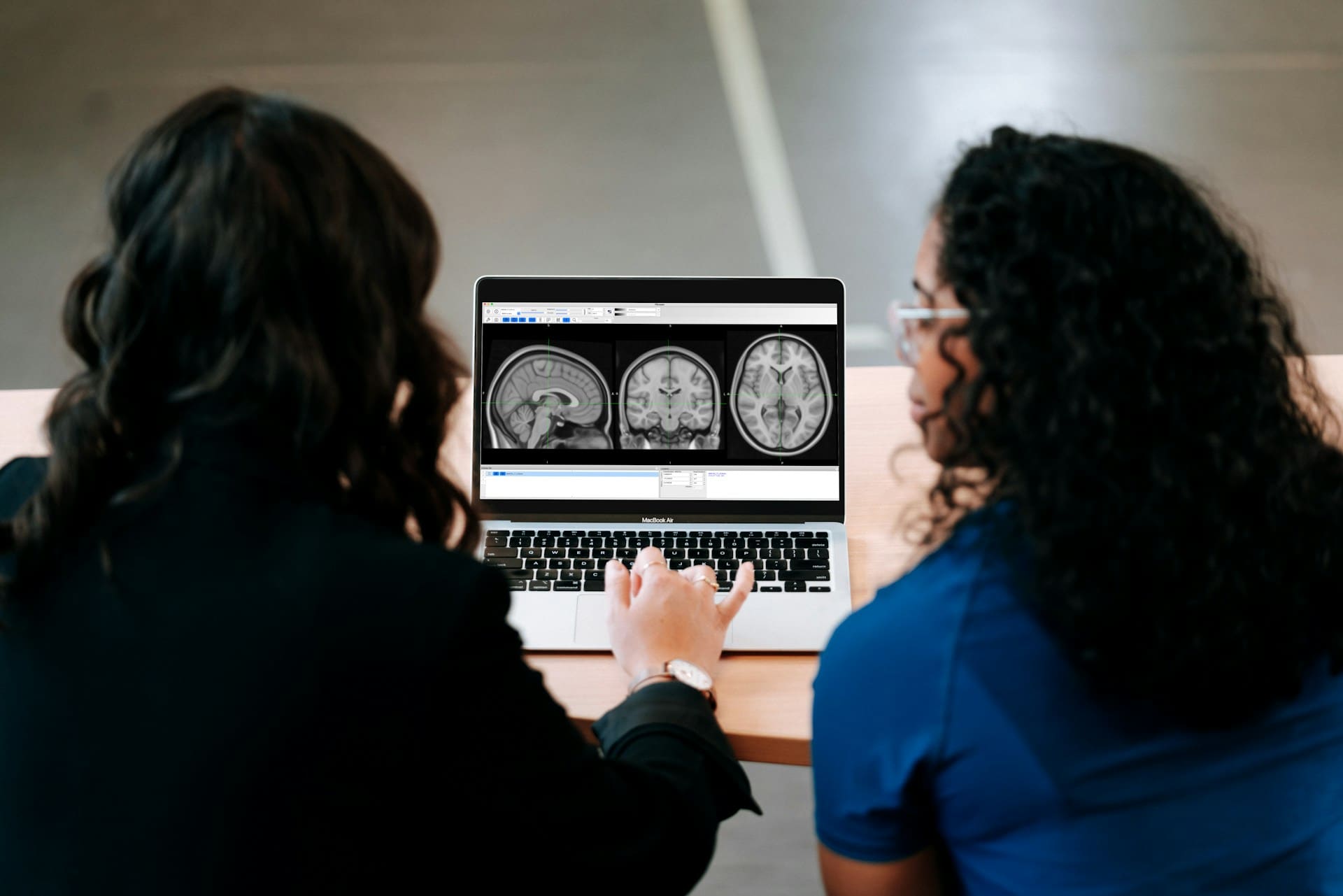
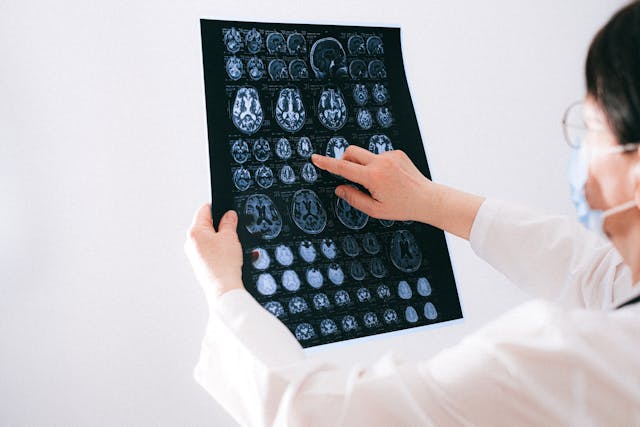
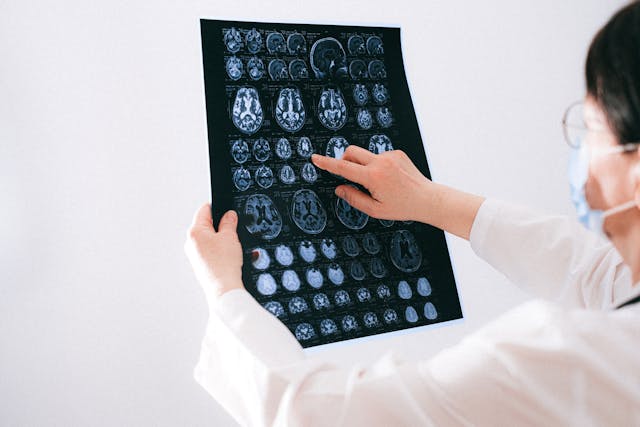
 Acceso rápido a un especialista en neurologíaRevisión de pruebas como resonancia, EEG y análisisAlivio para dolores de cabeza, vértigo, entumecimiento, tembloresTratamientos habituales: triptanes, gabapentina, topiramato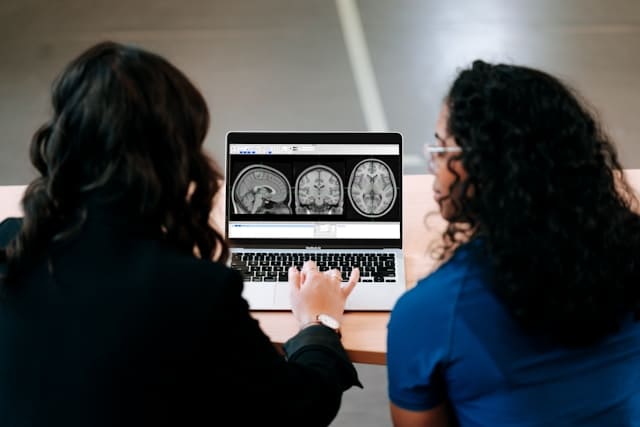
Cómo reservar una cita neurológica online
Consulta con un neurólogo online en tres pasos rápidos: videollamada segura, diagnóstico experto y plan de tratamiento adaptado a ti.
Nota: Acude a urgencias si presentas síntomas como dolor de cabeza repentino e intenso, pérdida de conciencia o signos de ictus.
Neurólogo cerca de mí
Consulta con un neurólogo especialista por videollamada para migrañas, vértigo, crisis epilépticas y dolor neuropático — atención rápida y profesional desde donde estés.


Cuándo consultar a un neurólogo en línea
Síntomas como mareos, debilidad, hormigueo o dolor de cabeza pueden tener múltiples causas. Una consulta neurológica en línea te ayuda a entender qué ocurre y decidir los siguientes pasos: tratamiento, pruebas o simplemente tranquilidad.

Dolores de cabeza, migrañas y síntomas vestibulares
Los dolores de cabeza de origen neurológico incluyen cefaleas tensionales, migrañas (con o sin aura) y cefaleas en racimo. A diferencia de los dolores comunes, suelen seguir un patrón, aumentar en intensidad o acompañarse de alteraciones visuales, sensibilidad a la luz o náuseas.
Las migrañas pueden deberse a una combinación de factores neurológicos, hormonales, genéticos y de estilo de vida, como el sueño irregular o la alimentación. Los síntomas vestibulares —como vértigo, inestabilidad o sensibilidad al movimiento— pueden estar relacionados con migraña vestibular, alteraciones del oído interno o trastornos del tronco encefálico.
Un neurólogo puede identificar la causa según el historial clínico, la evolución de los síntomas y signos acompañantes como el zumbido en los oídos (tinnitus) o la fotofobia. Un diagnóstico temprano permite definir si se trata de un cuadro episódico, crónico o secundario a otra condición.

Hormigueo, entumecimiento y sensaciones relacionadas con los nervios
El entumecimiento, el hormigueo o la sensación de «alfileres y agujas» pueden indicar problemas en los nervios periféricos, compresión de raíces nerviosas o alteraciones en el sistema nervioso central. Estos síntomas suelen aparecer en las manos, pies o rostro, y pueden intensificarse con el tiempo.
La debilidad muscular que afecta la movilidad, la coordinación o la resistencia física puede estar asociada a neuropatías, enfermedades neuromusculares o lesiones medulares. Signos tempranos como soltar objetos, temblores finos en las manos o fatiga en las piernas al caminar pueden pasar desapercibidos si no se evalúan a tiempo.
Los temblores, movimientos involuntarios y rítmicos, varían según su causa. El temblor esencial es común y suele tener origen familiar, mientras que el temblor parkinsoniano aparece en reposo y es más lento. Otros movimientos como sacudidas mioclónicas o fasciculaciones musculares pueden estar relacionados con enfermedades más complejas.
Un neurólogo puede evaluar la simetría, evolución y relación de los síntomas con la postura o la actividad física para detectar afecciones como esclerosis múltiple, mielopatía cervical o neuropatías periféricas.

Debilidad muscular, temblores y problemas de coordinación
La debilidad muscular que limita la movilidad, la coordinación o la resistencia física puede ser un signo de alteraciones neuromusculares, compresión de nervios espinales o afecciones del sistema nervioso central. Entre los primeros síntomas pueden estar la caída frecuente de objetos, temblores en las manos o cansancio excesivo en las piernas al realizar tareas sencillas.
Los temblores, movimientos rítmicos e involuntarios, tienen múltiples causas. El temblor esencial es frecuente y suele tener un componente hereditario, mientras que los temblores parkinsonianos se presentan en reposo y con menor velocidad. Sacudidas musculares (mioclonías) o contracciones involuntarias (fasciculaciones) pueden indicar enfermedades neuronales motoras o desequilibrios sistémicos como alteraciones electrolíticas.
Estos síntomas motores pueden desarrollarse de forma gradual y confundirse con fatiga o falta de forma física. Observar su simetría, evolución y relación con la postura o el movimiento permite detectar enfermedades como la esclerosis múltiple, la mielopatía cervical o neuropatías periféricas.

Trastornos del sueño, niebla mental y lentitud cognitiva
El sueño y la función cognitiva están estrechamente relacionados con la salud neurológica. El insomnio crónico, la somnolencia excesiva durante el día y los ritmos circadianos alterados pueden ser señales de trastornos como el síndrome de piernas inquietas, la narcolepsia o los trastornos del sueño REM.
La fatiga y la niebla mental, descritas como falta de claridad, olvidos o pensamiento lento, pueden deberse a neuroinflamación, disfunción autonómica, síndromes postvirales o procesos neurodegenerativos incipientes. Estos síntomas también pueden variar con el estrés, los cambios hormonales o la privación de sueño.
Evaluar si los síntomas son primarios o secundarios es clave. Pruebas como el cribado del sueño, la evaluación de la memoria y la exploración neurológica ayudan a diferenciar el cansancio psicológico de los primeros signos de deterioro cognitivo leve o del síndrome de fatiga crónica.

Estrés, ansiedad, cambios vitales y síntomas neurológicos
El estrés psicofisiológico puede alterar la forma en que el sistema nervioso procesa la información, provocando síntomas que parecen neurológicos, pero que se originan en una disfunción funcional. Es común experimentar entumecimiento, presión en el pecho, mareos, temblores o alteraciones visuales transitorias durante episodios de ansiedad o agotamiento emocional.
Estos síntomas suelen aparecer en momentos de transición vital — como una mudanza, un cambio de trabajo o el cuidado prolongado de un familiar — y pueden fluctuar sin una causa neurológica clara. Sin embargo, en algunos casos, el estrés puede agravar afecciones neurológicas latentes o retrasar el diagnóstico al ocultar signos orgánicos.
Comprender la diferencia entre síntomas funcionales y trastornos estructurales es esencial. Para ello, se evalúan los patrones en el tiempo, los desencadenantes, la reversibilidad y la consistencia clínica. Un neurólogo puede ayudar a interpretar esta complejidad y proponer un plan de cuidados adecuado, sin juicios ni estigmas.
Lo que valoran nuestros pacientes





Tu guía para la salud en España
Guías prácticas sobre el sistema sanitario en España, seguros, normas de prescripción y precios.

Análisis clínico: el bajo conocimiento sobre la disfunción eréctil en Europa y su impacto en la salud masculina

Georgi Eremeishvili
24 de junio de 2026

Temporada de gripe en España 2026
Oladoctor Editorial Team
29 de noviembre de 2025

Detección de cáncer de próstata después de los 40
Oladoctor Editorial Team
11 de septiembre de 2025

Psiquiatra vs psicólogo: ¿cuál es la diferencia?
Oladoctor Editorial Team
30 de abril de 2025
Análisis clínico: el bajo conocimiento sobre la disfunción eréctil en Europa y su impacto en la salud masculina
Georgi Eremeishvili
24 de junio de 2026
Temporada de gripe en España 2026
Oladoctor Editorial Team
29 de noviembre de 2025
Detección de cáncer de próstata después de los 40
Oladoctor Editorial Team
11 de septiembre de 2025
Psiquiatra vs psicólogo: ¿cuál es la diferencia?
Oladoctor Editorial Team
30 de abril de 2025
Preguntas frecuentes sobre la consulta neurológica online
Lo que suelen preguntar los pacientes antes de reservar una consulta con neurólogo online por vídeo.
Un neurólogo online puede evaluar migrañas, vértigo o mareos, hormigueo y entumecimiento, dolor neuropático, temblor, pérdida leve de memoria, trastornos del sueño, síndrome de piernas inquietas, ciática y fatiga sin causa clara. Ideal para síntomas persistentes pero no urgentes.
Sí. Muchos usuarios reservan una consulta neurológica online privada para revisar tratamientos de epilepsia, migraña o dolor neuropático. El médico puede explicar efectos secundarios y, si procede, ajustar triptanes, gabapentina, pregabalina, topiramato o betabloqueantes.
Ten a mano informes de resonancia o EEG, análisis de sangre y una lista de fármacos. Anota cuándo empiezan los síntomas (p. ej., temblor, mareos), su frecuencia y qué los empeora o alivia. Cuantos más datos, mejor la valoración.
A veces. Migraña o neuropatía periférica suelen diagnosticarse en una sesión; otros casos necesitan pruebas o seguimiento. Si es seguro, el médico emitirá una receta neurológica online conforme a la normativa.
Posiblemente. Si tu caso lo justifica, el neurólogo puede recetar medicación para la migraña online (sumatriptán, otros triptanes) o derivarte para Botox en migraña crónica. Todo depende del criterio médico y tu historial.
Llama al 112 o acude a urgencias ante dolor de cabeza súbito e intenso, pérdida de conciencia o signos de ictus. La consulta neurológica online no sustituye la atención de emergencia.
