


TICLOPIDINE CINFA 250 mg FILM-COATED TABLETS
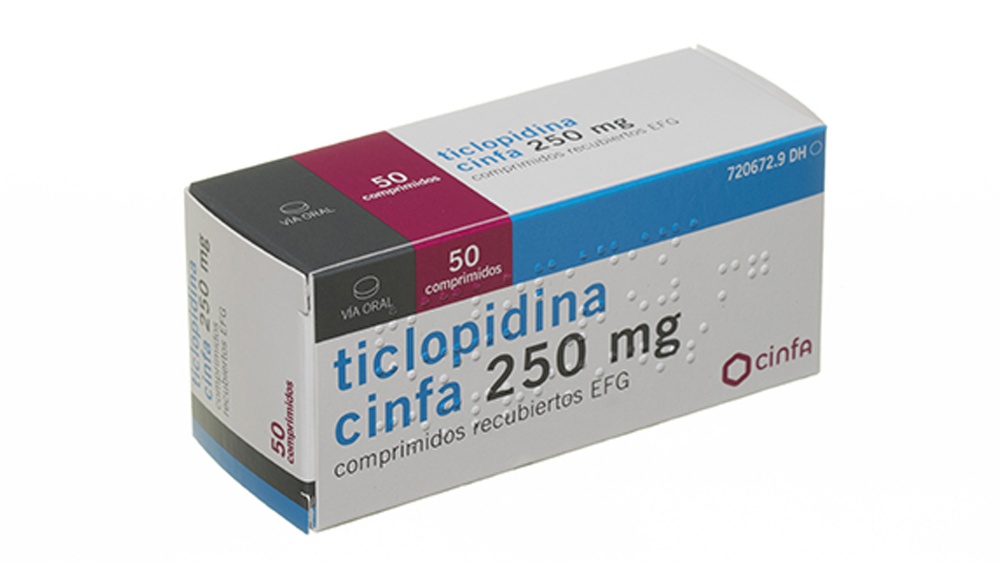



How to use TICLOPIDINE CINFA 250 mg FILM-COATED TABLETS
Translated with AI
This page provides general information and does not replace a doctor’s consultation. Always consult a doctor before taking any medication. Seek urgent medical care if symptoms are severe.
Show originalContents of the leaflet
Introduction
Package Leaflet: Information for the User
Ticlopidine Cinfa 250 mg Film-Coated Tablets EFG
Ticlopidine Hydrochloride
Read the package leaflet carefully before starting to take this medication, as it contains important information for you.
- Keep this package leaflet, as you may need to read it again.
- If you have any questions, consult your doctor or pharmacist.
- This medication has been prescribed to you only, and you should not give it to others, even if they have the same symptoms as you, as it may harm them.
- If you experience side effects, consult your doctor or pharmacist, even if they are not listed in this package leaflet. See section 4.
Contents of the Package Leaflet
- What is Ticlopidine Cinfa and what is it used for.
- What you need to know before taking Ticlopidine Cinfa.
- How to take Ticlopidine Cinfa.
- Possible side effects.
- Storage of Ticlopidine Cinfa.
- Package contents and additional information.
1. What is Ticlopidine Cinfa and what is it used for
Ticlopidine belongs to a group of medications called antiplatelet agents (which prevent blood clotting), thus reducing the possibility of clot formation.
Ticlopidine is indicated in adults for:
- Prevention of recurrent cerebrovascular accidents when treatment with acetylsalicylic acid is not tolerated or is considered inadequate.
- Prevention of thromboembolism, especially coronary, in patients with arterial circulation disorders in the legs.
- Prevention and correction of platelet disorders during extracorporeal circulation surgery or hemodialysis (artificial kidney).
- Prevention of the progression of the number of microaneurysms in insulin-dependent diabetics with retinal disorders in initial stages.
- Prevention of occlusions after coronary surgical procedures (type of heart operations):
- in aortocoronary bypass surgery,
- in percutaneous transluminal coronary angioplasty with endovascular prosthesis placement (stent).

2. What you need to know before taking Ticlopidine Cinfa
Never forget to inform the doctor who prescribes this medication about all the diseases you currently have or have had in the past.
Do not take Ticlopidine Cinfa
- If you are allergic to ticlopidine or any of the other components of this medication (listed in section 6).
- If you have a predisposition to bleeding.
- If you have lesions that are prone to bleeding, such as gastroduodenal ulcer, acute cerebral hemorrhage, etc.
- If you have blood disorders that involve prolonged bleeding time, such as hemophilia, etc.
- If you have previously suffered from blood disorders, such as a decrease in the number of white blood cells, granulocytes, or platelets (cells involved in blood clotting).
Warnings and Precautions
Consult your doctor or pharmacist before starting to take Ticlopidine Cinfa, as undesirable effects may appear during treatment:
Hematological and hemorrhagic adverse effects may occur. Cases of alterations in blood components such as agranulocytosis, pancytopenia, neutropenia, thrombotic thrombocytopenic purpura, and rarely leukemia have been reported.
Severe and sometimes fatal hematological and hemorrhagic adverse effects may occur, especially associated with:
- Inadequate control, delayed diagnosis, and inadequate therapeutic measures for adverse effects.
- Concomitant administration of anticoagulants or antiplatelet agents such as acetylsalicylic acid and NSAIDs. However, in the case of stent implantation, ticlopidine should be associated with low-dose acetylsalicylic acid for approximately one month after implantation.
In order to detect any blood anomalies, your doctor will perform a blood test before starting treatment and every 2 weeks during the first 3 months of treatment. Patients who interrupt treatment during the first 90 days should have an additional blood test 2 weeks after discontinuation of treatment.
One of these adverse effects, called neutropenia (significant decrease in the number of white blood cells characterized by fever, throat inflammation, ulcers in the oral cavity), can be dangerous as it prevents the patient from fighting infections. It can occur in a low percentage of patients, mainly during the first three months of treatment.
Other undesirable effects that may appear are mainly: thrombocytopenia (decrease in platelet count) and/or hemostasis problems (prolonged or unexpected bleeding, hematomas or skin spots, bloody stools). You should immediately stop taking the medication and consult your doctor if any of these symptoms appear.
In some patients taking ticlopidine, a thrombotic thrombocytopenic purpura syndrome may occur, which can sometimes be associated with serious consequences. It is characterized by a significant decrease in platelet count, anemia, neurological changes, kidney alterations, and fever. It usually occurs during the first 8 weeks of treatment.
Due to the risk of fatal outcome in case of suspected thrombotic thrombocytopenic purpura, it is recommended to consult a specialist.
This medication should be used with caution in patients with hepatic disorders. In case of suspected liver dysfunction, liver function tests should be performed, especially during the first months of treatment. Inform your doctor if symptoms of hepatitis appear, such as jaundice (yellowing of skin and mucous membranes), light-colored stools, dark urine.
In patients with renal disorders, it is necessary to reduce the dose of ticlopidine or discontinue treatment if hemorrhagic or hematopoietic problems appear.
It should be investigated whether patients have a history of hypersensitivity to another thienopyridine (such as clopidogrel, prasugrel) due to the risk of cross-reactivity between thienopyridines (see section 4 Possible Side Effects). Thienopyridines can cause allergic reactions ranging from moderate to severe, such as skin rash, angioedema, or hematological reactions.
This medication should be used with caution in patients who are at risk of bleeding. Although it is recommended not to associate it with heparins, oral anticoagulants, and antiplatelet agents (see section Other Medications and Ticlopidine Cinfa), in exceptional cases where such association is made, close monitoring of the patient should be maintained.
Treatment with ticlopidine should be stopped and your doctor consulted immediately if:
- Bleeding, hemorrhages, or hematomas or black stools occur.
- Fever, chills, sore throat, or mouth ulcers appear.
- Jaundice (yellowing of skin and mucous membranes), dark urine, or stool discoloration occurs.
- A combination of yellowish skin and mucous membranes, skin rash, pallor, fever, weakness on one side of the body, and dark urine appears.
Under treatment with ticlopidine, bleeding may be more prolonged than usual.
It is essential to inform your doctor about taking this medication in case of surgical intervention or dental extractions, as your doctor may recommend temporary interruption of treatment. All patients should be carefully monitored for signs and symptoms of adverse reactions, especially during the first three months of treatment.
In case of doubt, consult your doctor or pharmacist.
Children and Adolescents
The safety and efficacy of ticlopidine in children have not been established yet.
Other Medications and Ticlopidine Cinfa
In order to avoid potential interactions between several medications, inform your doctor or pharmacist if you are taking, have recently taken, or may need to take any other medication, particularly if it is:
- a selective serotonin reuptake inhibitor (including but not limited to fluoxetine or fluvoxamine), medications commonly used to treat depression,
- pentoxifylline, a medication used for poor circulation in the arms and legs,
- medications related to an increased risk of bleeding,
- anticoagulants (heparin, vitamin K antagonists),
- antiplatelet agents (medications used to prevent thrombus formation),
- acetylsalicylic acid (with the exception of stent implantation, in which ticlopidine may be associated with low-dose acetylsalicylic acid and should be strictly followed as prescribed by your doctor) and derivatives,
- non-steroidal anti-inflammatory drugs,
- theophylline (medication used for asthma treatment),
- digoxin (medication used for heart failure),
- phenobarbital (medication used for epilepsy treatment),
- phenytoin (medication used for epilepsy treatment),
- phenazone (medication used for pain and fever treatment),
- cyclosporine (medication used to prevent transplant rejection),
- antacids and cimetidine (medications used for gastrointestinal ulcer treatment),
- S-ketamine (medication used as an anesthetic).
Pregnancy and Breastfeeding
If you are pregnant or breastfeeding, think you may be pregnant, or plan to become pregnant, consult your doctor or pharmacist before using this medication.
Pregnancy:
Treatment with this medication should be avoided during pregnancy.
Breastfeeding:
Treatment with this medication should be avoided during breastfeeding.
Driving and Using Machines
Possible side effects of ticlopidine, such as dizziness, may affect the ability to drive vehicles and use machines.
Ticlopidine Cinfa Contains Sodium
This medication contains less than 23 mg of sodium (1 mmol) per tablet; this is, essentially "sodium-free".
3. How to Take Ticlopidine Cinfa
Follow the administration instructions of this medication exactly as indicated by your doctor or pharmacist. In case of doubt, consult your doctor or pharmacist again.
Remember to take your medication.
This medication has been prescribed to you personally in a specific situation:
- Do not take it in another situation.
- Do not interrupt or prolong treatment without your doctor's indication.
- Do not advise it to another person.
The dispensation of this medication cannot be repeated if your doctor does not explicitly indicate it in the prescription or without presenting a new prescription.
If you think the effect of this medication is too strong or too weak, inform your doctor or pharmacist.
The route of administration of ticlopidine is oral.
The recommended daily dose is 2 tablets per day, which means a maximum daily dose of 500 mg of ticlopidine.
It is recommended to take one tablet during a meal and another during dinner.
Your doctor will indicate the duration of your treatment with ticlopidine. Do not stop treatment without consulting your doctor first.
If You Take More Ticlopidine Cinfa Than You Should
If you take more ticlopidine than you should, consult your doctor or pharmacist immediately.
In case of overdose or accidental ingestion, consult your doctor or pharmacist immediately or call the Toxicological Information Service, phone 91 562 04 20, indicating the medication and the amount ingested.
It has been shown that overdose can cause a risk of bleeding. In case of poisoning, gastric lavage and general supportive measures are recommended.
If urgent correction of bleeding time is needed, a platelet transfusion can reverse the effects of ticlopidine.
If You Forget to Take Ticlopidine Cinfa
Do not take a double dose to make up for forgotten doses.
If you have any other questions about the use of this medication, ask your doctor or pharmacist.

4. Possible Side Effects
Like all medications, this medication can cause side effects, although not everyone will experience them.
The side effects that may occur are the following:
Very common (may affect more than 1 in 10 people).
Common (may affect up to 1 in 10 people).
Uncommon (may affect up to 1 in 100 people).
Rare (may affect up to 1 in 1,000 people).
Very rare (may affect up to 1 in 10,000 people).
Frequency not known (cannot be estimated from available data).
Blood and Lymphatic System Disorders:
- Common: neutropenia, including severe neutropenia (see Warnings and Precautions), agranulocytosis.
- Uncommon: thrombocytopenia, isolated or exceptionally accompanied by hemolytic anemia, sepsis, and septic shock, which can be fatal complications of agranulocytosis.
- Rare: cases of thrombotic thrombocytopenic purpura (combination of yellowish skin and mucous membranes, skin rash, pallor, fever, weakness on one side of the body, and dark urine; thrombocytosis, pancytopenia, bone marrow aplasia, and leukemia (see Warnings and Precautions).
Vascular Disorders:
- Uncommon: hematomas, ecchymoses, epistaxis, hematuria, conjunctival hemorrhage, peri- and postoperative bleeding, hemorrhages that can be severe and sometimes fatal.
- Rare: intracranial bleeding.
Gastrointestinal Disorders:
- Common: diarrhea, nausea (usually appear during the first 3 months of treatment).
- Uncommon: gastroduodenal ulcer.
- Very rare: severe diarrhea with colitis (including lymphocytic colitis).
Hepatobiliary Disorders:
- Common: increased liver enzymes, increased alkaline phosphatase and transaminases (see Warnings and Precautions).
- Uncommon: increased bilirubin.
- Rare: hepatitis (cytolitic and/or cholestatic).
- Very rare: fulminant hepatitis, fatal hepatitis.
Skin and Subcutaneous Tissue Disorders:
- Common: skin rash, particularly maculopapular or urticarial, accompanied by pruritus, these skin rashes can be generalized.
- Uncommon: exfoliative dermatitis.
- Very rare: skin conditions with desquamative lesions (cases of erythema multiforme, Stevens-Johnson syndrome, and Lyell syndrome).
- Frequency not known: eczema/dermatitis.
Immune System Disorders:
- Very rare: immunological reactions with various manifestations such as allergic reactions, angioedema (generalized urticaria accompanied by inflammation of feet, hands, throat, lips, and respiratory tract), joint pain, allergic inflammation of the veins, lupus syndrome (severe skin and mucous membrane disease of unknown origin, which sometimes causes fatigue and weight loss, fever, arthritis, kidney involvement, convulsions, psychosis, and gastrointestinal disorders), kidney problems (hypersensitivity nephropathy sometimes with renal failure and eosinophilia), anaphylaxis, Quincke's edema,
- Frequency not known: hypersensitivity due to cross-reactivity between thienopyridines (such as clopidogrel, prasugrel) (see Warnings and Precautions).
Nervous System Disorders:
- Common: headache, dizziness.
- Uncommon: sensory disorders (peripheral neuropathy).
- Rare: tinnitus.
Respiratory, Thoracic, and Mediastinal Disorders:
- Frequency not known: pulmonary inflammation.
General Disorders and Administration Site Conditions:
- Very rare: fever.
Investigations:
- Common: increased serum cholesterol and triglyceride levels.
Reporting of Side Effects
If you experience any side effects, consult your doctor or pharmacist, even if they are not listed in this package leaflet. You can also report them directly through the Spanish Pharmacovigilance System for Human Use Medications: https://www.notificaram.es By reporting side effects, you can contribute to providing more information on the safety of this medication.
5. Storage of Ticlopidine Cinfa
This medication does not require special storage conditions.
Keep this medication out of the sight and reach of children.
Do not use this medication after the expiration date shown on the packaging after CAD. The expiration date is the last day of the month indicated.
Medications should not be disposed of through wastewater or household waste. Deposit the packaging and any unused medications at the SIGRE collection point in your pharmacy. If in doubt, ask your pharmacist how to dispose of the packaging and any unused medications. This will help protect the environment.
6. Packaging Content and Additional Information
Composition of Ticlopidine Cinfa:
The active ingredient is ticlopidine hydrochloride. Each tablet contains 250 mg of ticlopidine hydrochloride.
The other components are:
- Tablet core: microcrystalline cellulose, corn starch, povidone, citric acid, magnesium stearate, stearic acid, anhydrous colloidal silica, and sodium carboxymethyl starch (type A) (from potato).
- Tablet coating: titanium dioxide (E-171), hypromellose, and macrogol 400.
Product Appearance and Packaging Content
Ticlopidine Cinfa is presented in the form of white, cylindrical, coated, biconvex tablets, smooth on one side and with the code "T250C" on the other.
It is presented in PVC-PVDC/Aluminum blisters. Each package contains 20 or 50 tablets.
Only some package sizes may be marketed.
Marketing Authorization Holder and Manufacturer
Laboratorios Cinfa, S.A.
Carretera Olaz-Chipi, 10. Polígono Industrial Areta.
31620 Huarte (Navarra) - Spain.
Date of the Last Revision of this Leaflet:May 2021
Detailed information on this medicinal product is available on the website of the Spanish Agency for Medicines and Health Products (AEMPS) http://www.aemps.gob.es
You can access detailed and updated information about this medicinal product by scanning the QR code included in the leaflet and packaging with your mobile phone (smartphone). You can also access this information at the following internet address: https://cima.aemps.es/cima/dochtml/p/63680/P_63680.html
QR code to: https://cima.aemps.es/cima/dochtml/p/63680/P_63680.html
- Country of registration
- Active substance
- Prescription requiredYes
- Manufacturer
- This information is for reference only and does not constitute medical advice. Always consult a doctor before taking any medication. Oladoctor is not responsible for medical decisions based on this content.
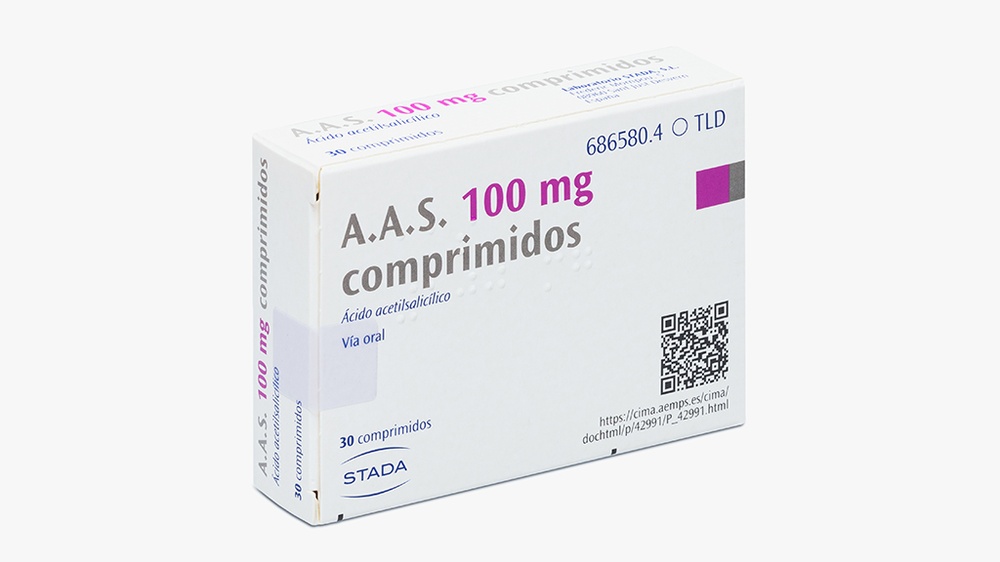
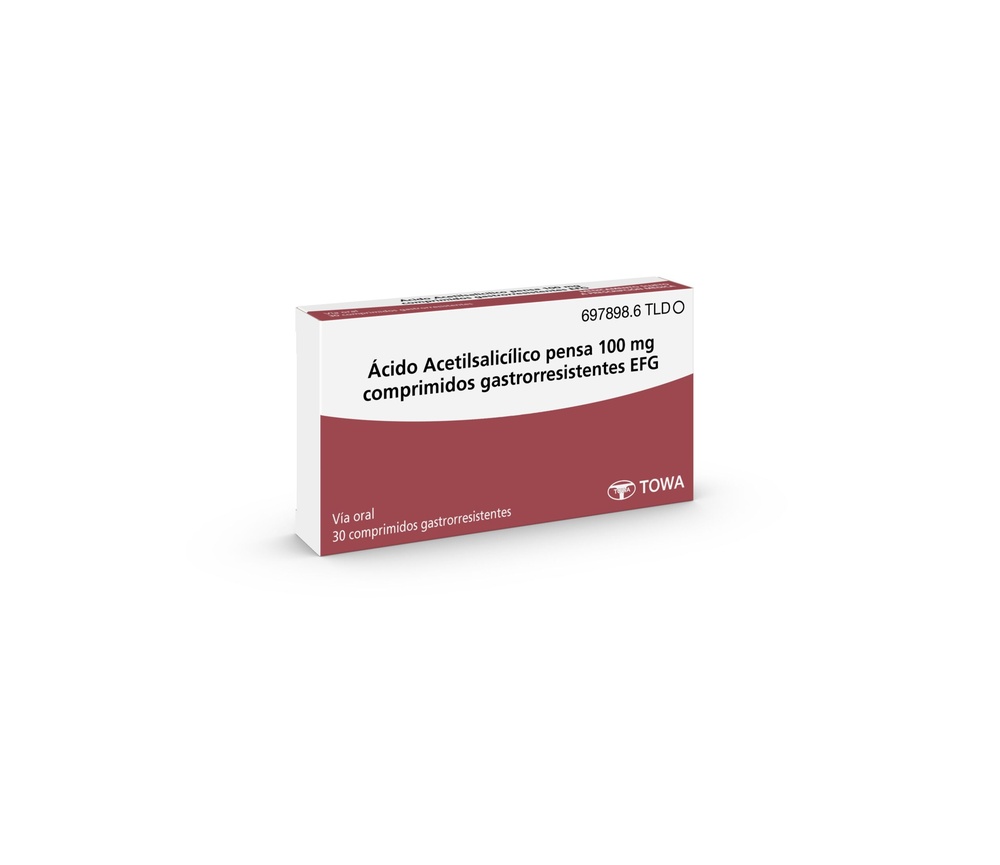
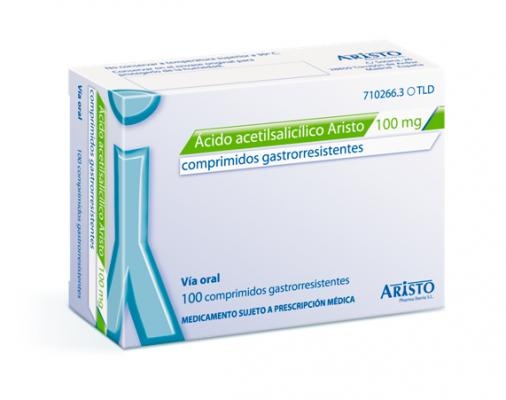
- Alternatives to TICLOPIDINE CINFA 250 mg FILM-COATED TABLETSDosage form: TABLET, 100 mgActive substance: acetylsalicylic acidManufacturer: Laboratorio Stada S.L.Prescription requiredDosage form: TABLET, 100 mgActive substance: acetylsalicylic acidManufacturer: Laboratorios Alter S.A.Prescription requiredDosage form: TABLET, 100 mgActive substance: acetylsalicylic acidManufacturer: Aristo Pharma Iberia S.L.Prescription required
Online doctors for TICLOPIDINE CINFA 250 mg FILM-COATED TABLETS
Discuss questions about TICLOPIDINE CINFA 250 mg FILM-COATED TABLETS, including use, safety considerations and prescription review, subject to medical assessment and local regulations.







Frequently Asked Questions
