


RELIF 1000 mg DISPERSIBLE TABLETS



How to use RELIF 1000 mg DISPERSIBLE TABLETS
Translated with AI
This page provides general information and does not replace a doctor’s consultation. Always consult a doctor before taking any medication. Seek urgent medical care if symptoms are severe.
Show originalContents of the leaflet
Introduction
Package Leaflet: Information for the User
Relif 1000 mg Dispersible Tablets
nabumetone
Read all of this leaflet carefully before you start taking this medicine because it contains important information for you.
- Keep this leaflet, you may need to read it again.
- If you have any further questions, ask your doctor or pharmacist.
- This medicine has been prescribed for you only. Do not pass it on to others. It may harm them, even if their signs of illness are the same as yours.
- If you get any side effects, talk to your doctor or pharmacist. This includes any possible side effects not listed in this leaflet. See section 4.
Contents of the Package Leaflet
- What is Relif and what is it used for
- What you need to know before you take Relif
- How to take Relif
- Possible side effects
- Storage of Relif
- Contents of the pack and further information
1. What is Relif and what is it used for
Relif belongs to a group of medicines called non-steroidal anti-inflammatory drugs (NSAIDs) with high anti-inflammatory activity and analgesic and antipyretic properties.
Relif is indicated in adults for the treatment of inflammatory processes, such as osteoarthritis and rheumatoid arthritis and periarticular disorders.

2. What you need to know before you start taking Relif
It is important that you use the smallest dose that relieves-controls the pain and you should not take this medicine for longer than necessary to control your symptoms.
Do not take Relif:
- If you are allergic to nabumetone or any of the other ingredients of this medicine (listed in section 6).
- If you have experienced asthma, itching or other types of allergic reactions after taking acetylsalicylic acid or other non-steroidal anti-inflammatory drugs (NSAIDs).
- If you have a severe liver disease.
- If you have had or have a stomach or duodenal ulcer or have suffered a perforation of the digestive tract.
- If you are in the third trimester of pregnancy or during breastfeeding.
- If you have severe heart failure, or a cerebrovascular problem (stroke or cerebral hemorrhage) or other bleeding.
Warnings and precautions
Consult your doctor or pharmacist before starting to take nabumetone:
- If you are taking other anti-inflammatory medicines.
- If you are an elderly person, or have had ulcers, gastrointestinal bleeding or perforation, as your doctor may prescribe a stomach protector for you.
- If you are taking medicines that alter blood coagulation, such as oral anticoagulants, corticosteroids, antidepressants (selective serotonin reuptake inhibitors) and antiplatelet agents of the type of acetylsalicylic acid and clopidogrel.
- If you have Crohn's disease or ulcerative colitis, as medicines of the type of Relif may worsen these conditions.
- If you have a bleeding or ulcer during treatment with nabumetona, stop the medication immediately.
- If you have or have had a heart disorder, cerebrovascular disorder or have high blood pressure.
- If you have edema (fluid retention).
- It is possible that serious skin reactions may occur with this medicine (skin erythema, mucosal lesions and other signs of hypersensitivity). In this case, stop the medication with nabumetona immediately.
- If you are a woman of childbearing age or are trying to become pregnant.
- If acetylsalicylic acid or other anti-inflammatory drugs cause you asthma, itching or other types of allergic reactions. Your doctor will monitor the first dose of nabumetona.
- If you have systemic lupus erythematosus and mixed connective tissue disease (chronic diseases that affect the immune system), as aseptic meningitis (inflammation of the meninges not caused by bacteria) may occur.
- If you have kidney or liver disease, it is possible that your doctor may need to perform regular checks. Your doctor will indicate the frequency of these checks and if necessary the interruption of treatment.
Non-steroidal anti-inflammatory drugs, including nabumetone, may mask the symptoms or signs of an infection (fever, pain and inflammation).
If you experience vision problems during treatment with nabumetona, consult your doctor, you may need an ophthalmological examination.
Side effects can be minimized by taking the lowest effective dose and for the shortest possible time to control symptoms.
Children and adolescents
This medicine is not recommended for children or adolescents.
Other medicines and Relif
Tell your doctor or pharmacist if you are taking, have recently taken or might take any other medicines.
The following medicines may interfere and should not be taken with nabumetona without first consulting your doctor:
- Medicines that alter blood coagulation, such as corticosteroids, oral anticoagulants of the warfarin type, or antiplatelet agents of the type of acetylsalicylic acid.
- Medicines that may increase the risk of bleeding, such as corticosteroids and selective serotonin reuptake inhibitor antidepressants, bisphosphonates (to prevent osteoporosis), pentoxifylline (to treat intermittent claudication), sulfinpyrazone (to treat gout) and alcohol.
In general, nabumetone may also interact with other medicines, such as:
- Methotrexate (to treat cancer and inflammatory diseases).
- Digoxin and other cardiac glycosides (to treat heart disorders).
- Lithium (antidepressant).
(Your doctor may adjust the doses of these medicines).
- Diuretics (increase urine elimination).
- Antihypertensives (to treat high blood pressure).
- Sulfonamides (to treat some bacterial infections).
- Sulfonylureas (to treat diabetes).
- Hydantoins (antiepileptic).
- Cyclosporin (to prevent organ rejection).
- Mifepristone (for abortion).
- Probenecid (to treat gout).
- Quinolone antibiotics.
The use of nabumetone at the same time as another non-steroidal anti-inflammatory drug is not recommended.
However, other commonly used medicines such as paracetamol, acetylsalicylic acid, cimetidine, aluminum hydroxide antacids do not interfere with nabumetona.
Taking Relif with food, drinks and alcohol
If you drink alcohol while taking this medicine, you may be more likely to experience gastrointestinal side effects.

Pregnancy, breastfeeding and fertility
If you are pregnant or breastfeeding, think you may be pregnant or are planning to have a baby, ask your doctor or pharmacist for advice before taking this medicine.
Because the administration of medicines of the type of nabumetona has been associated with an increased risk of congenital anomalies/abortions, it is not recommended to administer it during the first and second trimester of pregnancy unless it is strictly necessary. In these cases, the dose and duration will be limited to the minimum possible.
In the third trimester, the administration of nabumetona is contraindicated, as it may harm the fetus or cause problems during delivery. It may cause kidney and heart problems in the fetus. It may affect your tendency to bleed and that of your baby and make delivery delayed or prolonged more than expected. You should not take nabumetona during the first 6 months of pregnancy unless it is absolutely necessary and your doctor advises you to do so. If you need treatment during this period or while trying to become pregnant, you should use the lowest dose for the shortest possible time. If you take it for more than a few days from the 20th week of pregnancy, nabumetona may cause kidney problems in your unborn baby/fetus that may lead to low levels of amniotic fluid surrounding the baby (oligohydramnios) or narrowing of a blood vessel (ductus arteriosus) in the baby's heart. If you need treatment for more than a few days, your doctor may recommend additional monitoring.
It is not known if nabumetona is excreted in breast milk, however, its active metabolite is excreted in milk in animals. Due to the possible risk of serious adverse reactions in the breastfed child, a decision should be made to either discontinue breastfeeding or discontinue/discontinue treatment, taking into account the benefit of breastfeeding for the child and the benefit of treatment for the mother.
Women of childbearing age should be aware that medicines of the type of nabumetona have been associated with a decrease in fertility, so their use is not recommended in women who are trying to become pregnant.
Driving and using machines
Patients who experience dizziness and confusion after taking nabumetona should not drive vehicles, operate hazardous machinery and avoid situations that require special alertness.
Relif contains sodium and glucose
This medicine contains less than 1 mmol of sodium (23 mg) per tablet; this is, essentially "sodium-free".
This medicine contains glucose (from corn maltodextrin). If your doctor has told you that you have an intolerance to some sugars, consult with him before taking this medicine.
3. How to take Relif
Follow exactly the administration instructions of this medicine indicated by your doctor. In case of doubt, consult your doctor or pharmacist again.
The recommended dose is:
Adults:
1 tablet (1000 mg) per day, orally. The tablets can be taken with or without food. In those cases where the doctor considers it appropriate, the dose may be increased up to 1500 mg or 2000 mg, which may be taken in a single dose or divided into two doses.
Do not exceed the dose of 2000 mg (2 tablets) per day.
Use in children and adolescents:
This medicine is not recommended for children or adolescents.
Elderly patients:
The total daily dose should not exceed 1000 mg. The initial dose should be 500 mg.
Kidney problems:
Generally, it is not necessary to adjust the dose in patients with kidney problems.
Method of administration:
Oral.
The Relif tablets should be dissolved in a little water before administration.
Your doctor will indicate the duration of your treatment with Relif. Do not stop treatment before.
Remember to take your medicine.
If you take more Relif than you should
Symptoms such as nausea, vomiting, stomach pain, gastrointestinal bleeding, rarely diarrhea, disorientation, excitement, coma, somnolence, dizziness and occasionally convulsions may appear. In case of severe poisoning, acute kidney failure and liver damage may occur.
In case of overdose or accidental ingestion, consult the Toxicological Information Service. Phone 91 5620420. However, if the amount is significant, go to the doctor without delay or to the emergency service of the nearest hospital and take this leaflet with you.
If you forget to take Relif
Do not take a double dose to make up for forgotten doses.
4. Possible side effects
Like all medicines, this medicine can cause side effects, although not everybody gets them.
The most frequent side effects that occur with medicines like nabumetone are gastrointestinal: peptic ulcers, gastrointestinal bleeding, perforations (in some cases fatal), especially in elderly people. Nausea, vomiting, diarrhea, flatulence, constipation, heartburn, abdominal pain, blood in stools, oral aphthae, worsening of ulcerative colitis and Crohn's disease have also been observed. Less frequently, gastritis has been observed.
If you experience any of these adverse reactions, inform your doctor and he will assess the convenience of stopping or continuing treatment.
The usual side effects in terms of frequency are the following:
Frequent(affect up to 1 in 10 people):
Tinnitus or ear disorders. Increased blood pressure. Diarrhea, constipation, heartburn, stomach mucosa inflammation, nausea, abdominal pain, flatulence. Skin rash and itching. Edema.
Uncommon(affect up to 1 in 100 people):
Confusion, nervousness, insomnia. Somnolence, dizziness, headache, paresthesia (tingling sensation in limbs). Abnormal vision, eye disorders. Difficulty breathing and respiratory disorders, nosebleeds. Duodenal ulcer, gastrointestinal bleeding, gastric ulcer, gastrointestinal disorders, black stools, vomiting, stomatitis (inflammation of the mouth mucosa), dry mouth. Sensitivity to light, itching, sweating. Myopathy (muscle disease). Urinary tract disorders. Feeling of tiredness, fatigue. Elevated liver function tests.
Rare(affect up to 1 in 10,000 people):
Decreased platelets. Allergic reactions. Interstitial pneumonitis (inflammation of the lungs). Jaundice (yellowing of the skin), liver failure. Bullous skin reactions including Stevens-Johnson syndrome, toxic epidermal necrolysis, pseudoporphyria, erythema multiforme, angioedema (skin swelling), alopecia. Nephrotic syndrome (kidney inflammation), kidney failure. Menorrhagia (abundant menstrual bleeding).
Frequency not known(cannot be estimated from the available data):
Anemia (lack of blood due to insufficient production of red blood cells or premature destruction of them). Hallucinations. Aseptic meningitis (with symptoms such as neck stiffness, headache, nausea, vomiting, fever, or disorientation).
Edema, arterial hypertension and heart failure have been reported in association with treatment with NSAIDs. Additionally, if NSAIDs are taken in high doses and for a long time, the risk of atherothrombotic events (such as myocardial infarction or stroke) may increase.
Generalized rash, elevated body temperature, elevated liver enzymes, blood abnormalities (eosinophilia), enlarged lymph nodes and involvement of other body organs (drug reaction with eosinophilia and systemic symptoms, also known as DRESS or drug hypersensitivity syndrome). Stop using Relif if you experience these symptoms and contact your doctor or seek immediate medical attention. See also section 2.
Reporting of side effects
If you experience any side effects, talk to your doctor or pharmacist, even if it is possible side effects that are not listed in this leaflet. You can also report them directly through the Spanish Medicines Monitoring System: www.notificaRAM.es. By reporting side effects, you can help provide more information on the safety of this medicine.
5. Storage of Relif
Keep the blister pack in the outer packaging to protect it from light and moisture. Keep this medicine out of the sight and reach of children.
Do not use this medicine after the expiry date which is stated on the packaging after CAD or EXP. The expiry date is the last day of the month indicated.
Medicines should not be disposed of via wastewater or household waste. Dispose of the packaging and any unused medicine in the SIGRE collection point at the pharmacy. If in doubt, ask your pharmacist how to dispose of the packaging and any unused medicine. This will help protect the environment.
6. Contents of the pack and further information
Composition of Relif
The active substance is nabumetone.
Each dispersible tablet contains 1000 mg of nabumetone.
The other ingredients are: sodium saccharin, sodium croscarmellose, povidone, sodium lauryl sulfate, peppermint flavor, vanilla flavor (contains corn maltodextrin), magnesium stearate, microcrystalline cellulose.
Appearance of the product and packaging contents
Relif is presented in the form of dispersible tablets. Each pack contains a blister pack with 20 dispersible tablets.
Marketing authorization holder:
Viatris Healthcare Limited
Damastown Industrial Park
Mulhuddart, Dublin 15
Dublin
Ireland
Manufacturer:
Haupt Pharma Wülfing GmbH
Bethelner Landstraße 18
31028 Gronau/Leine, Niedersachen
Germany
You can request more information about this medicine by contacting the local representative of the marketing authorization holder:
Viatris Pharmaceuticals, S.L.
C/ General Aranaz, 86
28027 - Madrid
Spain
Date of the last revision of this leaflet:February 2023
Other sources of information
Detailed information about this medicine is available on the website of the Spanish Agency for Medicines and Health Products (AEMPS) https://www.aemps.gob.es/
- Country of registration
- Average pharmacy price10.82 EUR
- Active substance
- Prescription requiredYes
- Manufacturer
- This information is for reference only and does not constitute medical advice. Always consult a doctor before taking any medication. Oladoctor is not responsible for medical decisions based on this content.
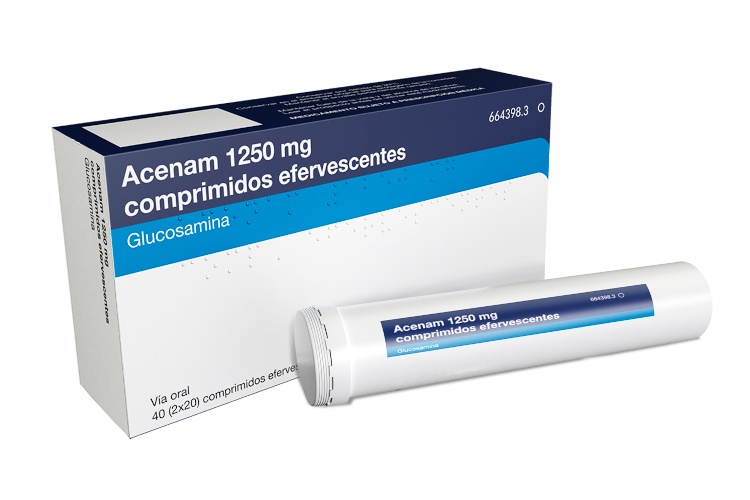
- Alternatives to RELIF 1000 mg DISPERSIBLE TABLETSDosage form: EFFERVESCENT TABLET, 1250 mgActive substance: glucosamineManufacturer: Especialidades Farmaceuticas Centrum S.A.Prescription requiredDosage form: ORAL SOLUTION/SUSPENSION, 1500 mg of glucosamine sulfateActive substance: glucosamineManufacturer: Laboratorio Reig Jofre, S.A.Prescription requiredDosage form: CAPSULE, 400 mgActive substance: chondroitin sulfateManufacturer: Laboratorio Reig Jofre, S.A.Prescription required
Online doctors for RELIF 1000 mg DISPERSIBLE TABLETS
Discuss questions about RELIF 1000 mg DISPERSIBLE TABLETS, including use, safety considerations and prescription review, subject to medical assessment and local regulations.











Frequently Asked Questions
