


AMPICILLIN/SULBACTAM REIWA HEALTHCARE 1 g/0.5 g POWDER FOR INJECTABLE SOLUTION AND FOR INFUSION



How to use AMPICILLIN/SULBACTAM REIWA HEALTHCARE 1 g/0.5 g POWDER FOR INJECTABLE SOLUTION AND FOR INFUSION
Translated with AI
This page provides general information and does not replace a doctor’s consultation. Always consult a doctor before taking any medication. Seek urgent medical care if symptoms are severe.
Show originalContents of the leaflet
- Introduction
- What is Ampicillin/Sulbactam Reiwa Healthcare and what is it used for
- What you need to know before you use Ampicillin/Sulbactam Reiwa Healthcare
- How to use Ampicillin/Sulbactam Reiwa Healthcare
- Possible side effects
- Storage of Ampicillin/Sulbactam Reiwa Healthcare
- Package Contents and Additional Information
Introduction
Package Leaflet: Information for the Patient
Ampicillin/Sulbactam Reiwa Healthcare 1 g/0.5 g powder for solution for injection and infusion EFG
Read all of this leaflet carefully before you start using this medicine because it contains important information for you.
- Keep this leaflet, you may need to read it again. If you have any further questions, ask your doctor, pharmacist, or nurse.
- This medicine has been prescribed for you only. Do not pass it on to others. It may harm them, even if their signs of illness are the same as yours.
- If you get any side effects, talk to your doctor, pharmacist, or nurse. This includes any possible side effects not listed in this leaflet. See section 4.
Contents of the pack
- What is Ampicillin/Sulbactam Reiwa Healthcare and what is it used for
- What you need to know before you use Ampicillin/Sulbactam Reiwa Healthcare
- How to use Ampicillin/Sulbactam Reiwa Healthcare
- Possible side effects
- Storage of Ampicillin/Sulbactam Reiwa Healthcare
- Contents of the pack and other information
1. What is Ampicillin/Sulbactam Reiwa Healthcare and what is it used for
This medicine is an antibiotic and works by killing the bacteria that cause infections. It contains two active substances called ampicillin and sulbactam. Ampicillin belongs to a group of active substances called “penicillins”, which sometimes become ineffective (inactive). The second active substance (sulbactam) prevents this from happening.
Antibiotics are used to treat bacterial infections and are not effective against viral infections such as flu or the common cold. It is important that you follow the instructions regarding dose, administration interval, and treatment duration as indicated by your doctor. Do not store or reuse this medicine. If you have any leftover antibiotic after completing treatment, return it to the pharmacy for proper disposal. Do not throw medicines down the drain or into the trash. |
Ampicillin/Sulbactam is indicated for the treatment of the following infections in adults, adolescents, and children:
- Severe acute infections of the ear, nose, and throat (including middle ear infection [otitis media], frontal and sinus cavities [sinusitis], and epiglottis) with severe signs and symptoms affecting the whole body.
- Exacerbation of chronic bronchitis (after adequate diagnosis).
- Bacterial infections of the lungs that are acquired outside the hospital (community-acquired pneumonia).
- Infections of the kidneys and structures that carry urine, including infection of the renal pelvis (pyelonephritis).
- Infections within the abdomen (belly).
- Infections of the female genital organs.
- Infections of the skin and tissues under the skin, especially the lower layers of the skin, animal bites, and severe mouth or tooth infections that have spread locally (dental abscesses).
Ampicillin/Sulbactam is also used to prevent infections associated with abdominal and pelvic surgery.

2. What you need to know before you use Ampicillin/Sulbactam Reiwa Healthcare
Do not useAmpicillin/Sulbactam Reiwa Healthcare
- If you are allergic to ampicillin, sulbactam, or other antibiotics called beta-lactams (such as penicillin or cephalosporins).
- If you have infectious mononucleosis (glandular fever) or a type of white blood cell cancer called lymphocytic leukemia, as you may be more prone to a generalized skin rash (a reaction similar to measles).
Warnings and precautions
Consult your doctor, pharmacist, or nurse before starting treatment with this medicine.
Immediately inform your doctor if you notice abdominal pain, itching, dark urine, yellowing of the skin or eyes, nausea (feeling sick), or a general feeling of being unwell. These signs may indicate a liver condition, which can occur with ampicillin/sulbactam.
If you experience a severe skin reaction during treatment with ampicillin/sulbactam, you must contact your doctor immediately, who will decide whether to discontinue treatment with ampicillin/sulbactam or take other therapeutic measures.
If you observe a generalized skin rash between 5 and 11 days after starting treatment (an ampicillin-like rash similar to measles), this allows for subsequent treatment with penicillin derivatives.
If you have or have had a fungal skin infection, you may develop an allergic reaction to penicillins, even if you have never used this type of medicine before. This is because there may be common antigens between fungal skin infections and penicillin.
If you have impaired kidney function or are receiving high doses, you may experience seizures.
In the case of prolonged treatment (more than 14 days), periodic checks of blood cells and kidney function should be performed. These checks are especially important for newborns, particularly premature babies and infants.
Special caution is required when using ampicillin/sulbactam in the following circumstances:
- If you have abdominal pain, itching, dark urine, yellowing of the skin or eyes, nausea, or general malaise, speak to your doctor immediately. These signs may indicate liver damage that can occur with ampicillin/sulbactam.
- If you have bronchial asthma, hives (itchy rash), or hay fever (seasonal allergic rhinitis), inform your doctor before starting treatment.
- If you are allergic to penicillins, cephalosporins, or other substances or have other allergic diseases. Treatment with ampicillin/sulbactam, like other penicillins, can occasionally cause severe allergic reactions (anaphylactic shock). The risk of this reaction is especially high in patients with known penicillin allergy or other allergic diseases. Therefore, before starting treatment with ampicillin/sulbactam, it should be determined if such an allergy exists. If an allergic reaction occurs (e.g., skin rash, itching, or redness), ampicillin/sulbactam administration should be discontinued immediately; the doctor will initiate appropriate treatment. Severe allergic reactions require treatment with adrenaline. If necessary, oxygen should be administered, possibly with intubation, and glucocorticoids intravenously.
- If you notice an increase in the growth of non-susceptible microorganisms, including fungi, during treatment with ampicillin/sulbactam, your doctor will take appropriate precautions.
- If you experience severe and persistent diarrhea during treatment with ampicillin/sulbactam or up to 2 months after, contact your doctor immediately, as it may be a sign of antibiotic-induced colitis. This condition is characterized by watery diarrhea or diarrhea that occurs several times a day, fever, and severe abdominal cramps that may be accompanied by blood and mucus in the stool. In these circumstances, do not take any medicine that inhibits or slows down bowel movements (antidiarrheal).
- If administered into a muscle in newborns, young children, and children under 2 years of age. In these cases, administration into a muscle should only be considered if other routes of administration are not expected to produce the desired result.
- If you receive treatment with ampicillin/sulbactam for a prolonged period, your doctor will examine your liver, kidney, bone marrow, and blood. It is essential that you undergo the tests indicated by your doctor.
Other medicines and Ampicillin/Sulbactam Reiwa Healthcare
Inform your doctor or pharmacist if you are using, have recently used, or might use any other medicines. When used at the same time, the following medicines may affect the way ampicillin/sulbactam works, or ampicillin/sulbactam may affect the way these medicines work:
- Acetylsalicylic acid, indomethacin, and phenylbutazone (pain medications) delay the excretion of penicillins.
- Probenecid (used to treat gout) reduces the excretion of ampicillin and sulbactam, increasing the risk of side effects. However, this effect can also be used in the treatment of certain diseases (e.g., gonorrhea).
- Anticoagulants (prevent blood clot formation): parenterally administered penicillins can cause alterations in blood coagulation, and these alterations may increase with the simultaneous administration of anticoagulants.
- Methotrexate (for the treatment of rheumatic diseases, Crohn's disease, and certain types of cancer): concomitant use of penicillins reduces the excretion of methotrexate, which may increase the side effects of this medicine.
- Allopurinol (for the treatment of gout): concomitant administration of allopurinol and ampicillin results in a significant increase in the frequency of skin rashes compared to the administration of ampicillin alone.
- Aminoglycosides (a type of antibiotic): mixing ampicillin with aminoglycosides results in considerable mutual inactivation.
- Bacteriostatic medicines (antibiotics that inhibit the growth or multiplication of bacteria, such as tetracyclines, erythromycin, chloramphenicol, and sulfonamides): concomitant use with ampicillin/sulbactam should be avoided due to a possible decrease in effect.
Effect on laboratory tests:
- False positives in non-enzymatic glucose urine analysis.
- Urobilinogen detection (a test performed on urine) may also be altered.
- Ampicillin/sulbactam may cause variations in hormone levels in pregnant women.
Pregnancy, breastfeeding, and fertility
If you are pregnant or breastfeeding, think you may be pregnant, or are planning to have a baby, ask your doctor or pharmacist for advice before using this medicine.
Ampicillin/Sulbactam should only be used during pregnancy after careful evaluation of the risks and benefits.
Breastfeeding is not recommended during treatment with ampicillin/sulbactam; milk should be expressed and discarded. Ampicillin/sulbactam in a breastfeeding mother may cause side effects in the child, such as diarrhea.
Reproduction studies in animals have not shown any indication of impaired fertility or teratogenic effects due to sulbactam or ampicillin.
Driving and using machines
Ampicillin/Sulbactam has no known effects on the ability to drive or use machines. However, please note that in rare cases, dizziness, fatigue, or drowsiness may occur after administration of this medicine.
Ampicillin/Sulbactam Reiwa Healthcare contains sodium
This medicine contains 115 mg of sodium (the main component of table/cooking salt) in each vial. This is equivalent to 6% of the maximum recommended daily sodium intake for an adult.
The maximum recommended daily dose of this medicine is equivalent to 920 mg of sodium (the main component of table/cooking salt). This is equivalent to 46% of the maximum recommended daily sodium intake for an adult.
3. How to use Ampicillin/Sulbactam Reiwa Healthcare
Follow the instructions for administration of this medicine exactly as indicated by your doctor or pharmacist. If you are unsure, consult your doctor or pharmacist again.
Via intramuscular (into a muscle) or intravenous (into a vein). The dose will be administered as an intramuscular injection, intravenous injection, or intravenous infusion.
Your doctor will determine the daily dose you need. Unless your doctor prescribes otherwise, the recommended dose is:
Treatment of infections caused by bacteria sensitive to ampicillin/sulbactam:
Adults and adolescents from 40 kg body weight:
Daily dose of 1 g/0.5 g to 8 g/4 g of ampicillin/sulbactam, depending on the severity of the infection, divided into appropriate doses every 6-8 hours; every 12 hours in less severe infections. Do not exceed a daily dose of 8 g/4 g.
Adolescents up to 40 kg, children, young children, and newborns:
Adolescents up to 40 kg, children, young children, and newborns from the second week of life usually receive a daily dose of 100 mg/50 mg/kg, divided into several doses every 6 or 8 hours.
For newborns in the first week of life (especially premature babies), the recommended daily dose is 50 mg/25 mg/kg in 2 doses separated by 12-hour intervals.
Surgical infection prophylaxis:
1 g/0.5 g to 2 g/1 g of ampicillin/sulbactam injectable is used when anesthesia is administered. This dose may be repeated at 6-8 hour intervals; after 24 hours, treatment will be discontinued unless there is a therapeutic indication for ampicillin/sulbactam.
Special patient groups:
Patient with renal insufficiency:
In patients with severe renal insufficiency (creatinine clearance equal to or less than 30 ml/min), ampicillin/sulbactam is excreted in the same way as ampicillin or sulbactam administered alone. Since the excretion of ampicillin is affected by renal insufficiency, the administration intervals of ampicillin/sulbactam should be extended in these patients according to the usual recommendations for ampicillin.
Dosage recommendations for patients with renal insufficiency
Creatinine clearance (ml/min) | Recommended dosage |
>30 | every 6 to 8 hours |
15-30 | every 12 hours |
5-14 | every 24 hours |
<5 | every 48 hours |
Patient with hepatic insufficiency:
No dose adjustment is necessary in patients with hepatic insufficiency.
Patient on dialysis:
Ampicillin and sulbactam are eliminated from the bloodstream by hemodialysis to the same extent. Therefore, ampicillin/sulbactam should be administered immediately after dialysis and then at 48-hour intervals until the next dialysis treatment.
Elderly patient:
If there is no renal insufficiency, no dose adjustment is necessary in elderly patients.
Treatment duration:
The duration of treatment depends on the progression of the infection. Normally, treatment lasts between 5 and 14 days, although it may be extended for a longer period. Ampicillin/Sulbactam should be administered for 2 days after the resolution of fever and other clinical symptoms of bacterial infection.
In the case of infections caused by beta-hemolytic streptococci, treatment should be extended to at least 10 days for safety reasons, to avoid late complications (rheumatic fever, glomerulonephritis).
If you use more Ampicillin/Sulbactam Reiwa Healthcare than you should
If you know that you have been given too much of this medicine, talk to your doctor or healthcare professional immediately.
If you forget to use Ampicillin/Sulbactam Reiwa Healthcare
This medicine is administered under special medical supervision, so it is unlikely that a dose will be missed. However, you should inform your doctor or pharmacist if you think you have missed a dose.
If you stop using Ampicillin/Sulbactam Reiwa Healthcare
Do not stop using this medicine unless your doctor tells you to, even if your symptoms improve or if you do not have symptoms.
If you have any further questions on the use of this medicine, ask your doctor or pharmacist.

4. Possible side effects
Like all medicines, this medicine can cause side effects, although not everybody gets them.
Since this medicine contains two active substances (ampicillin and sulbactam), side effects known for both substances may occur.
Talk to your doctor immediately if you experience any of the following side effects
- Severe, persistent, or bloody diarrhea (which may be accompanied by stomach pain or fever). This is a sign of severe inflammation of the large intestine (pseudomembranous colitis); its frequency is unknown (it cannot be calculated from the available data).
- Signs of a severe allergic reaction (anaphylactic shock), such as sudden wheezing, coughing, or difficulty breathing; frequency unknown (it cannot be calculated from the available data).
- Swelling of the face, lips, tongue, or throat with difficulty swallowing or breathing (angioedema), itchy rash (urticaria), blisters, redness of the skin (erythema); frequency unknown (it cannot be calculated from the available data).
- Yellowing of the skin and eyes (jaundice); frequency unknown (it cannot be calculated from the available data).
- Chest pain, which can be a sign of a potentially severe allergic reaction called Kounis syndrome; frequency unknown (it cannot be calculated from the available data).
Side effects and their frequencies
Frequent: may affect up to 1 in 10 people
- Alterations in blood cell count (anemia, thrombocytopenia, eosinophilia).
- Inflammation of a vein (after intravenous administration).
- Diarrhea, stomach pain, loss of appetite, gas (flatulence).
- Increased bilirubin concentration in the blood.
- Pain at the injection site.
- Increased liver enzyme concentrations.
Infrequent: may affect up to 1 in 100 people
- Decrease in the number of a subgroup of white blood cells (neutropenia), decrease in the number of white blood cells (leukopenia).
- Headache.
- Vomiting.
- Skin rash, itching, other skin reactions.
- Fatigue, feeling of discomfort.
Rare: may affect up to 1 in 1,000 people
- Dizziness, drowsiness.
- Abdominal pain, nausea, inflammation of the tongue (glossitis).
- Pain in the joints.
- Fever.
Very rare: may affect up to 1 in 10,000 people
- Impairment of blood coagulation.
- Disorder in which the bone marrow cannot produce enough blood cells (myelosuppression), low counts of all types of blood cells (pancytopenia).
- Reversible prolongation of bleeding time (reversible), reversible prolongation of prothrombin time (reversible).
Frequency unknown: cannot be calculated from the available data
- Excessive growth of non-susceptible microorganisms.
- Severe reduction in the number of granulocytes, a subgroup of white blood cells (agranulocytosis), anemia due to the breakdown of red blood cells (hemolytic anemia), a disease in which people do not have enough platelets and have a high risk of bleeding (thrombocytopenic purpura).
- Kounis syndrome, a strong heartbeat that can be fast or irregular (palpitations).
- Seizures, calming effect (sedation), drowsiness.
- Difficulty breathing (dyspnea).
- Severe inflammation of the large intestine (pseudomembranous colitis), inflammation of the small and large intestine (enterocolitis), black and tarry stools (melena), indigestion (dyspepsia), inflammation of the mouth lining (stomatitis), discoloration of the tongue.
- Inflammation of the liver (cholestatic hepatitis), accumulation of bile (cholestasis), impairment of liver function, yellowing of the skin and eyes (jaundice).
- Potentially fatal reaction with pseudo-flu-like effects and blistering of the skin, mouth, eyes, and genitals (toxic epidermal necrolysis), potentially fatal reaction with pseudo-flu-like symptoms and painful rash affecting the skin, mouth, eyes, and genitals (Stevens-Johnson syndrome), blistering and peeling in extensive areas of the skin (exfoliative dermatitis), red spots on the skin (erythema multiforme), redness of the skin and blisters (generalized acute pustular exanthema), swelling of the face or neck with difficulty swallowing or breathing (angioedema), redness of the skin or small areas with bleeding in the skin (urticaria), generalized redness of the skin (maculopapular and measles-like exanthema), inflammation of blood vessels (allergic vasculitis).
- Inflammation of the kidneys (tubulointerstitial nephritis).
- Reaction at the injection site.
- Transient and slight increase in creatine phosphokinase (CPK), decrease in blood pressure.
Reporting of side effects
If you experience side effects, consult your doctor, pharmacist, or nurse, even if they are possible side effects not listed in this leaflet. You can also report them directly through the Spanish Pharmacovigilance System for Human Use Medicines: https://www.notificaRAM.es. By reporting side effects, you can help provide more information on the safety of this medicine.
5. Storage of Ampicillin/Sulbactam Reiwa Healthcare
Keep this medicine out of the sight and reach of children.
Do not use this medicine after the expiration date stated on the vial label and on the carton after CAD. The expiration date is the last day of the month indicated.
Do not store above 25°C. Keep the container in the outer packaging to protect it from light.
After opening, before dilution:
The contents of the vial must be used immediately after opening the vial.
Reconstituted/Diluted Solution:
Reconstituted solutions must be used immediately after preparation.
From a microbiological point of view, unless the opening/reconstitution/dilution method precludes the risk of microbial contamination, the product should be used immediately. If not used immediately, the storage times and conditions before use are the responsibility of the user and should not exceed the times indicated above for chemical and physical stability during use.
Medicines should not be disposed of via wastewater or household waste. Ask your pharmacist how to dispose of the packaging and any unused medicines. This will help protect the environment.
6. Package Contents and Additional Information
Ampicillin/Sulbactam Reiwa Healthcare Composition
- The active ingredients in each vial are 1 g of ampicillin (as ampicillin sodium) and 0.5 g of sulbactam (as sulbactam sodium).
- There are no other ingredients.
Appearance of the Product and Package Contents
Ampicillin/Sulbactam Reiwa Healthcare 1 g/0.5 g powder for solution for injection and infusion is a white or almost white powder contained in a sealed glass vial.
The vials are placed in a box.
This medicine is marketed in packs of 10 vials.
Marketing Authorization Holder
Reiwa Healthcare, S.L.
Carretera de Fuencarral 22,
28108 Alcobendas (Madrid), Spain
Manufacturer
Netpharmalab Consulting Services, S.L.
Carretera de Fuencarral 22,
28108 Alcobendas (Madrid), Spain
This medicine is authorized in the Member States of the European Economic Area under the following names:
Spain: Ampicillin/Sulbactam Reiwa Healthcare 1 g/0.5 g powder for solution for injection and infusion EFG
Germany: Ampicillin/Sulbactam Reiwa Healthcare 1 g/0.5 g powder for solution for injection/infusion
Portugal: Ampicillin/Sulbactam Reiwa Healthcare 1 g/0.5 g powder for solution for injection or infusion
Date of the last revision of this leaflet: April 2023
Detailed information on this medicine is available on the website of the Spanish Agency for Medicines and Health Products (AEMPS) (https://www.aemps.gob.es/).
This information is intended only for healthcare professionals:
Instructions for Reconstitution and Dilution
If a solution for injection or infusion is to be prepared, the operation must be performed by trained healthcare personnel in aseptic conditions and in a designated aseptic area.
Intramuscular Injection
Dissolve the contents of one vial of ampicillin/sulbactam 1 g/0.5 g in 3.2 ml of water for injectable preparations.
Intravenous Injection
For intravenous injection, the contents of one vial of ampicillin/sulbactam 1 g/0.5 g can be diluted with at least 3.2 ml of water for injectable preparations and injected intravenously over at least 3 minutes after the substance has been completely dissolved.
Short Intravenous Infusion
As for intravenous injection, dissolve the contents of one vial of ampicillin/sulbactam 1 g/0.5 g in water for injectable preparations and dilute the resulting solution with 50 to 100 ml of one of the following infusion solutions: water for injectable preparations, sodium chloride 0.9% injection, and Ringer's lactate solution. Infuse the final solution intravenously over 15 to 30 minutes.
After administration, it is recommended to flush the intravenous line with a 9 mg/ml (0.9%) sodium chloride injection solution to ensure administration of the complete dose.
Reconstitution/dilution must be performed under aseptic conditions. The solution must be visually inspected for particles and color changes before administration. The solution should only be used if it is clear, colorless, or slightly yellowish and free of particles.
For single use only. Discard unused solution.
The disposal of unused medicine and all materials that have come into contact with it will be carried out in accordance with local regulations.
- Country of registration
- Active substance
- Prescription requiredYes
- Manufacturer
- This information is for reference only and does not constitute medical advice. Always consult a doctor before taking any medication. Oladoctor is not responsible for medical decisions based on this content.
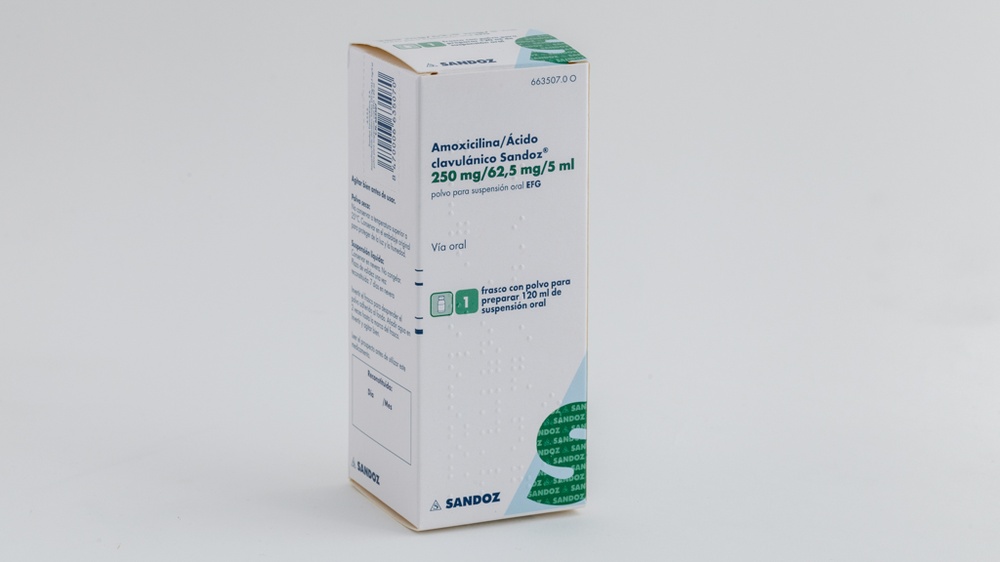
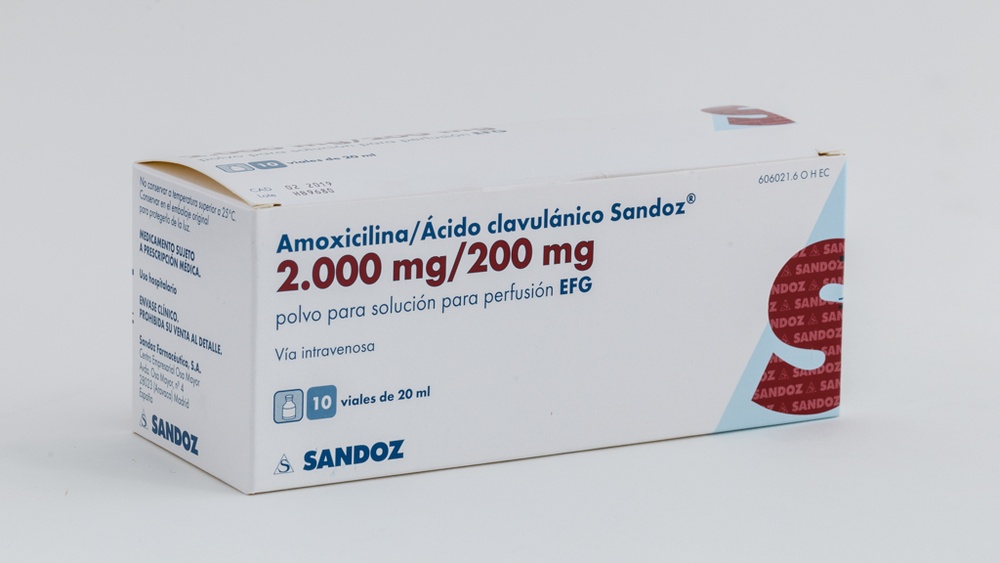
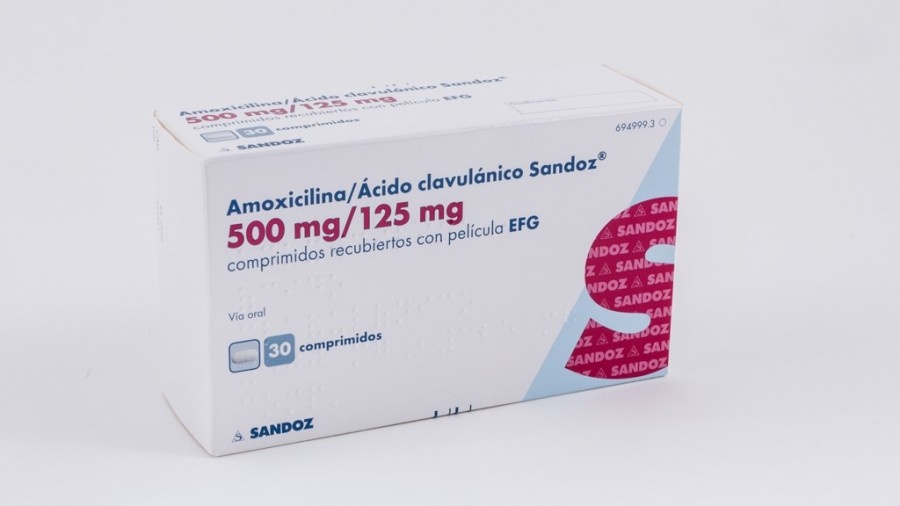
- Alternatives to AMPICILLIN/SULBACTAM REIWA HEALTHCARE 1 g/0.5 g POWDER FOR INJECTABLE SOLUTION AND FOR INFUSIONDosage form: ORAL SOLUTION/SUSPENSION, 250 mg amoxicillin/62.5 mg clavulanic acidActive substance: amoxicillin and beta-lactamase inhibitorManufacturer: Sandoz Farmaceutica S.A.Prescription requiredDosage form: INJECTABLE PERFUSION, 2 g / 200 mgActive substance: amoxicillin and beta-lactamase inhibitorManufacturer: Laboratorio Reig Jofre, S.A.Prescription requiredDosage form: TABLET, 500 mg amoxicillin/125 mg clavulanic acidActive substance: amoxicillin and beta-lactamase inhibitorManufacturer: Sun Pharmaceutical Industries (Europe) B.V.Prescription required
Online doctors for AMPICILLIN/SULBACTAM REIWA HEALTHCARE 1 g/0.5 g POWDER FOR INJECTABLE SOLUTION AND FOR INFUSION
Discuss questions about AMPICILLIN/SULBACTAM REIWA HEALTHCARE 1 g/0.5 g POWDER FOR INJECTABLE SOLUTION AND FOR INFUSION, including use, safety considerations and prescription review, subject to medical assessment and local regulations.











Frequently Asked Questions
