


Dermatologists online in Spain
Book an online consultation with Dermatologists. Discuss your symptoms or follow up on your treatment online.
Dermatologists for skin, hair, and nail concerns
What dermatologists treat, which symptoms usually lead to a consultation, and when specialist care is needed

What a dermatologist does
Skin symptoms can have many causes, including inflammation, infection, allergic reactions, hormonal changes, or chronic conditions. A dermatologist evaluates symptoms in a medical context, taking into account medical history, symptom progression, and previous treatments.
People often consult a dermatologist when symptoms persist, worsen, or recur despite basic care. Skin changes that affect daily comfort, self-confidence, or quality of life also commonly lead to specialist evaluation.
Dermatology covers a wide age range, from childhood skin conditions to adult and age-related concerns. Many conditions require monitoring over time rather than a one-off assessment.
Dermatologists also help distinguish between harmless skin changes and those that require closer attention or further investigation.

Common skin symptoms and reasons to book
Rashes, redness, itching, or sudden skin reactions are also common. These symptoms may be related to allergies, infections, contact reactions, or underlying inflammatory processes.
Hair and scalp concerns frequently lead to dermatology consultations. Hair thinning, hair loss, scalp irritation, dandruff, or inflammatory scalp conditions benefit from targeted evaluation.
Nail changes such as discoloration, thickening, brittleness, or infections are another reason to seek dermatological care. Nail symptoms can reflect both local and systemic conditions.
Dermatologists also assess changes in skin texture, pigmentation, or the appearance of new or changing lesions that require professional evaluation.

Chronic skin conditions and ongoing care
Ongoing dermatological care allows symptoms to be monitored, treatments adjusted, and flare-ups managed more effectively. Skin conditions often vary in severity over time.
Treatment plans may involve topical therapies, systemic treatments, or lifestyle-related recommendations, depending on the condition and its impact.
Medication tolerance and skin response can change, making follow-up an important part of dermatological care.
For people living abroad or moving between countries, continuity with a dermatologist helps maintain stable management despite changes in environment or routine.

Dermatological assessment and diagnosis
Medical history plays a key role. Information about previous treatments, allergies, medications, hormonal factors, and environmental exposures helps clarify the diagnosis.
Many skin conditions share similar features. A dermatologist distinguishes between infectious, inflammatory, autoimmune, and other causes to guide appropriate care.
Assessment also helps determine severity. Mild symptoms may require observation, while more extensive involvement needs active treatment.
Accurate diagnosis is essential to avoid unnecessary treatments and ensure safe, effective care.

When dermatology may not be enough
Dermatologists also recognise when skin symptoms may be linked to internal medical conditions and require further investigation.
Certain cases may benefit from collaboration with other specialists, depending on the underlying cause and overall health context.
Understanding these boundaries helps ensure timely and appropriate care.
Knowing when to consult a dermatologist and when additional support is needed contributes to better outcomes and patient safety.


Your guide to healthcare in Spain
Practical information about the healthcare system, doctors and medical services in Spain.

Flu season in Spain 2025–2026
Nov 29, 2025

Prostate cancer screening after 40
Sep 11, 2025

Psychiatrist vs psychologist: what’s the difference?
Apr 30, 2025
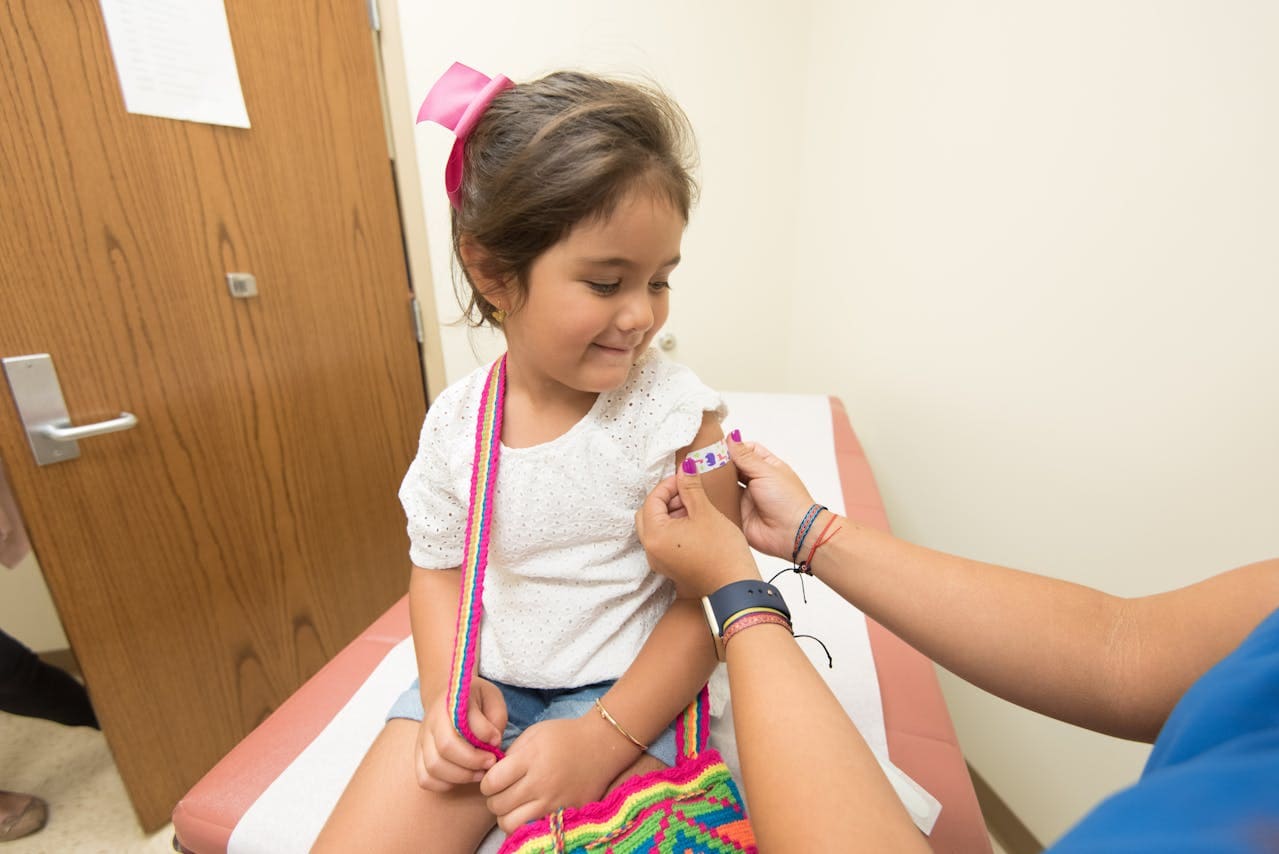
Children’s healthcare in Spain
Apr 9, 2025

Healthcare in Spain for expats in 2026
Apr 9, 2025
Flu season in Spain 2025–2026
Nov 29, 2025
Prostate cancer screening after 40
Sep 11, 2025
Psychiatrist vs psychologist: what’s the difference?
Apr 30, 2025
Children’s healthcare in Spain
Apr 9, 2025
Healthcare in Spain for expats in 2026
Apr 9, 2025
Dermatologists: frequently asked questions
Answers to common questions about dermatology, skin symptoms, and when to see a dermatologist
