


CLONAZEPAM BIOMED 2 mg TABLETS



How to use CLONAZEPAM BIOMED 2 mg TABLETS
Translated with AI
This page provides general information and does not replace a doctor’s consultation. Always consult a doctor before taking any medication. Seek urgent medical care if symptoms are severe.
Show originalContents of the leaflet
Introduction
Package Leaflet: Informationfor the user
Clonazepam Biomed 2mg tablets EFG
Read all of this leaflet carefully before you start takingthismedicine, because it contains important information for you.
- Keep this leaflet, as you may need to read it again.
- If you have any further questions, ask your doctor, pharmacist, or nurse.
- This medicine has been prescribed for you only. Do not pass it on to others. It may harm them, even if their signs of illness are the same as yours.
- If you get any side effects, talk to your doctor or pharmacist. This includes any possible side effects not listed in this leaflet. See section 4.
Contents of the pack
- What is Clonazepam Biomed and what is it used for
- What you need to know before you take Clonazepam Biomed
- How to take Clonazepam Biomed
- Possible side effects
- Storing Clonazepam Biomed
- Contents of the pack and other information
1. What is Clonazepam Biomed and what is it used for
Clonazepam Biomed contains clonazepam as the active substance, which belongs to a group of medicines known as benzodiazepines. Clonazepam has anticonvulsant properties, i.e., it prevents tremors (convulsions).
It is used in most forms of infantile and childhood epilepsy, especially petit mal and tonic-clonic seizures. It is also indicated in adult epilepsies, focal seizures, and status epilepticus.

2. What you need to know before you take Clonazepam Biomed
Do not take Clonazepam Biomed
- if you are allergic to clonazepam or any of the other ingredients of this medicine (listed in section 6),
- if you have drug, alcohol, or medicine dependence problems,
- in case of coma,
- in case of severe respiratory problems,
- in case of severe liver problems, as benzodiazepines may cause hepatic encephalopathy (a brain disease originating in the liver),
- if you are breastfeeding (see Pregnancy and breastfeeding).
Warnings and precautions
Consult your doctor or pharmacist before starting to take this medicine.
During treatment with clonazepam, you may experience some loss of efficacy.
Liver problems
- If you have severe liver problems, you should not be treated with clonazepam (see Do not take Clonazepam Biomed). Benzodiazepines may cause episodes of hepatic encephalopathy in cases of severe liver damage. Special precautions should be taken when administering this medicine to patients with mild to moderate liver problems, so the lowest possible dose should be given (see section 3).
CNS, psychosis, and depression
- This medicine should only be used with special caution in patients with disorders of the ordered interaction between muscle groups (cerebellar or spinocerebellar ataxia).
- Benzodiazepines are not recommended for the primary treatment of psychotic illness. Patients with a history of depression and/or suicide attempts should be kept under close supervision.
- In patients with depression or anxiety associated with depression, treatment with benzodiazepines may increase symptoms if there is no adequate treatment of the underlying disease with appropriate drugs (antidepressants).
- A small number of people who have been treated with antiepileptics such as clonazepam have had thoughts of self-harm or suicide. If you have these thoughts at any time, contact your doctor immediately.
Myasthenia gravis
- Special care should be taken if you have myasthenia gravis (a chronic autoimmune neuromuscular disease that causes muscle weakness).
Sleep apnea (a disease in which people suffer from respiratory failure while sleeping)
- If you have sleep apnea (a sleep disorder in which breathing stops and starts repeatedly), you should not use benzodiazepines due to the possible additional effect on respiratory depression.
Sleep apnea appears to be more frequent in patients with epilepsy; therefore, the relationship between sleep apnea, the onset of epileptic seizures, and lack of oxygen after a seizure should be taken into account when administering benzodiazepines. They also have a sedative effect and weaken breathing. For this reason, this medicine should only be prescribed if your doctor expects the benefits to outweigh the possible risks.
Porphyria
- This medicine should be used with caution in patients with porphyria, a disease in which hemoglobin formation is altered.
History of alcohol, drug, or medicine dependence
- If you have previously suffered from alcoholism, drug addiction, or drug dependence, as there is a risk of misuse of the medicine. Taking this medicine can lead to physical or psychological dependence. The risk of dependence increases with the dose and duration of treatment; however, it exists even with the correct dose and shorter treatment. This risk is increased if you have a history of alcohol, drug, or medicine abuse. If treatment is stopped abruptly, physical dependence may develop, and withdrawal symptoms may appear (see below).
Concomitant use of alcohol or central nervous system depressants
You should avoid concomitant use of this medicine with alcohol and/or central nervous system depressants (CNS), as it may increase the effects of clonazepam and cause excessive sedation or anesthesia, as well as a clinically significant depression of cardiovascular and respiratory function, and even lead to coma or death.
Psychiatric and "paradoxical" reactions
It is known that the use of benzodiazepines can cause hallucinations, as well as opposite effects (so-called "paradoxical reactions", such as restlessness, agitation, irritability, aggression, anxiety, delirium, anger, nightmares, hallucinations, psychosis, behavioral changes, and other behavioral disorders (see section 4). If this occurs, treatment with this medicine should be discontinued according to the doctor's instructions.
These paradoxical reactions are more common in children and elderly patients.
Memory disorders
This medicine can also cause temporary memory failures (anterograde amnesia) at the prescribed dose. This means, for example, that activities performed after taking the medicine will not be remembered. These effects may be associated with inappropriate behavior. The risk of anterograde amnesia increases if higher doses are given (see section 4).
Respiratory disorders
When taking clonazepam, a flattening and slowing of breathing (respiratory depression) may occur (see section 4). This may be more pronounced in people who already have difficulty breathing due to obstruction of the airways or in patients with brain damage, as well as when other respiratory depressant drugs are given concomitantly. In general, this effect can be avoided by carefully adjusting the dose individually. If you have sleep apnea, persistent respiratory weakness, pre-existing diseases of the respiratory organs (e.g., chronic obstructive pulmonary disease), your doctor should adjust the dose individually. The same applies if the patient is being treated simultaneously with other central-acting or anticonvulsant medicines (see also below Other medicines and Clonazepam Biomed).
Epilepsy
If you have epilepsy, you should never stop treatment with this medicine abruptly, as this may cause the onset of status epilepticus. If the doctor considers it necessary to reduce the dose or stop the medicine, it should be done gradually. In these cases, combination with other antiepileptics is indicated.
The dose of clonazepam should be carefully adjusted to the personal needs of patients receiving treatment with central-acting or anticonvulsant medicines (see section 3).
The side effects on the nervous system and muscles (dizziness, drowsiness, slowing of reaction time, decrease in muscle tone, vertigo, disorders of the ordered interaction of muscle groups, and muscle weakness, as well as fatigue and tiredness, which may occur relatively frequently [see section 4]) are generally temporary and usually disappear spontaneously or after reducing the dose during treatment. Therefore, it is necessary to adjust the doses individually. These effects can be partially avoided if the doctor gradually increases the initial dose at the start of treatment.
Changes in regression capacity, such as slow or slurred speech, unsteady movements and gait, nystagmus, and double vision (see section 4), may occur, especially during long-term treatment and with high doses.
An increase in the frequency of seizures may occur in certain forms of epilepsy in the context of long-term treatment.
Discontinuation of treatment/withdrawal symptoms
Withdrawal symptoms may appear, particularly when a prolonged treatment is finished, especially with high doses. Withdrawal symptoms may manifest as headaches, myalgias, extreme anxiety or tension, excitement, inner restlessness, sweating, tremors, sleep disorders, confusion, and irritability.
In severe cases, the following symptoms may occur: cognitive impairment related to oneself or the environment, increased auditory sensitivity (hyperacusis), hypersensitivity to light, noise, and physical contact, numbness, and tingling in arms and legs, hallucinations, or epileptic seizures.
Both when the daily dose is suddenly reduced or when treatment with this medicine is suddenly stopped, even after short-term treatment, temporary withdrawal symptoms such as anxiety and tension states and agitation may appear. Side effects may include mood changes, sleep disorders, and restlessness. Therefore, it is recommended to finish treatment with a gradual reduction of the daily dose.
The risk of withdrawal symptoms increases when benzodiazepines are used together with daytime sedatives (cross-tolerance).
Elderly patients
Benzodiazepines seem to have a more intense effect in elderly patients than in young patients, even with comparable blood levels. This may be due to age-related changes in the body and organs. Clonazepam should be used with caution in elderly or debilitated patients.
Children and adolescents
In infants and young children, this medicine may cause an increase in saliva production and bronchial secretion, so care should be taken to keep the airways clear.
Other medicines and Clonazepam Biomed
Tell your doctor or pharmacist if you are taking, have recently taken, or might take any other medicines.
Your doctor may prescribe Clonazepam Biomed together with other medicines for epilepsy. The likelihood of interaction with these other medicines is low (see section 2).
However, when another medicine is added to the treatment, your response should be carefully monitored, as side effects such as drowsiness and lethargy may appear more frequently. In this case, your doctor will adjust the dose of each medicine to achieve the maximum desired effect.
Concomitant use of the medicine with the following active substances may have effects:
- medicines that increase the activity of certain liver enzymes (liver enzyme inducers), such as barbiturates, hydantoins, and antiepileptics like phenytoin, phenobarbital, carbamazepine, lamotrigine, and, to a lesser extent, valproate, may accelerate the breakdown of clonazepam and thus reduce the efficacy of the medicine.
- The concentration of phenytoin may be affected by the medicine (depending on the dose and individual patient factors, unchanged, increased, or decreased phenytoin levels were detected).
- Clonazepam may alter the plasma concentrations of primidone (normally increased). The doctor should check your phenytoin or primidone blood levels if you are being treated with these active substances and clonazepam simultaneously.
- The combination of clonazepam with valproic acid may occasionally cause the development of convulsive states (of the petit mal type).
Concomitant use of the medicine with the following drugs may also increase the effects and cause excessive sedation or anesthesia, as well as a clinically significant depression of cardiovascular and respiratory function:
- hypnotics, sedatives, analgesics, and anesthetics;
- medicines for the treatment of psychological and emotional disorders (antipsychotics, antidepressants, lithium preparations);
- medicines for the treatment of convulsive disorders (antiepileptics)
- certain medicines for allergies (sedating antihistamines);
- anxiolytics.
To achieve the best possible effect, the dose should be adjusted individually if you are taking other medicines that have an effect on the central nervous system.
Clonazepam Biomed with alcohol
You should avoid drinking alcohol during treatment with Clonazepam Biomed, as it may modify its effects, reducing the efficacy of the treatment or producing unforeseen side effects.
Pregnancy and breastfeeding
If you are pregnant or breastfeeding, or think you may be pregnant or are planning to have a baby, ask your doctor for advice before taking this medicine.
During pregnancy, this medicine should only be taken after a rigorous benefit/risk assessment by your doctor. If you wish to become pregnant during treatment with this medicine or suspect that you are pregnant, inform your doctor as soon as possible, so that he/she can decide whether you should continue or stop treatment.
If treatment with clonazepam is essential during pregnancy, especially in the first three months, your doctor should prescribe clonazepam in the lowest dose to control seizures. If possible, combination treatment with other antiepileptics should be avoided.
It should be taken into account that pregnancy may worsen your epilepsy. Do not stop treatment with your medicine during pregnancy without consulting your doctor, as sudden discontinuation of treatment or uncontrolled reduction of the dose may cause epileptic seizures that can harm you or the fetus.
If you take a higher dose of your medicine before or during childbirth, as well as long-term intake during pregnancy, clonazepam may affect the state and behavior of the fetus or newborn (including breathing and feeding problems, irregular heartbeats, reduced muscle tone, and decreased body temperature).
Do not take this medicine if you are breastfeeding, as small amounts of clonazepam pass into breast milk. Breastfeeding should be discontinued if it is necessary to take clonazepam.
Occasionally, symptoms of withdrawal have been reported in the newborn when the mother is treated with benzodiazepines.
Driving and using machines
Clonazepam Biomed may cause symptoms such as drowsiness, dizziness, or changes in vision, and reduce your reaction ability. These effects, as well as the disease itself, may impair your ability to drive vehicles or operate machines.
Therefore, do not drive, operate machines, or engage in other activities that require special attention until your doctor assesses your response to this medicine.
Clonazepam Biomed contains lactose.
This medicine contains lactose. If your doctor has told you that you have an intolerance to some sugars, consult them before taking this medicine.
3. How to take Clonazepam Biomed
Follow exactly the administration instructions of this medication as indicated by your doctor or pharmacist. In case of doubt, consult your doctor or pharmacist again.
Depending on your response to the medication, the nature of your illness, your age, and your weight, your doctor will indicate the correct dose for you, starting with a low initial dose and gradually increasing the dose until the desired effect is achieved.
AdultsThe initial dose should not exceed 1.5 mg/day, divided into three doses. This dose can be increased by 0.5 mg every 3 days until the seizures are well controlled or side effects prevent further dose increases. The maintenance dose must be adjusted for each patient. It is usually sufficient with a maintenance dose of 3-6 mg daily. The maximum dose of 20 mg daily should never be exceeded in adults.
The Clonazepam Biomed 2 mg tablets can be divided into four equal halves.
Usein children and adolescents:
Infants and children under 10years (or up to 30 kg of weight)
The initial dose is 0.01-0.03 mg/kg/day, divided into two or three doses. The dose can be increased by 0.25-0.5 mg every 3 days, until the seizures are well controlled or side effects prevent further dose increases. The maintenance dose is 0.1 mg/kg/day.
The maximum dose of 0.2 mg/kg/day should never be exceeded in infants and children under 10 years.
Children and adolescents from 10-16years
The initial dose is 1-1.5 mg/day, divided into two or three doses. This dose can be increased by 0.25-0.5 mg every 3 days until the maintenance dose is reached (usually 3-6 mg/day). As with all medications for treating epilepsy, treatment with Clonazepam Biomed should not be stopped abruptly, but rather gradually reduced.
Consult your doctor if you think the effect of this medication is too strong or too weak.Methodofadministration
Take the tablets with water or another non-alcoholic beverage.
The tablet can be divided into two or four equal doses.
Duration of treatment:
Your doctor will indicate when you should finish treatment with Clonazepam Biomed.
This treatment can last a lifetime, so if you want to stop taking Clonazepam Biomed, you should always consult your doctor, as suddenly stopping treatment can cause withdrawal symptoms such as tremors.
If you take more Clonazepam Biomed than you should
In case of overdose or accidental ingestion, consult your doctor or pharmacist immediately or call the Toxicology Information Service, Telephone 91 562 04 20, indicating the medication and the amount ingested.
The symptoms of overdose or intoxication vary significantly from person to person, depending on age, weight, and individual response to the medication.
The symptoms can range from fatigue and dizziness to ataxia (lack of coordination of voluntary movements), somnolence (sleepiness), lack of breathing, absence of reflexes, hypotension (low blood pressure), and stupor (low response to stimuli), and finally, coma with respiratory depression and circulatory failure.
The benzodiazepine antagonist flumazenil is not indicated in epileptic patients treated with benzodiazepines. In these patients, the antagonism of benzodiazepines can cause seizures.If you forget to take ClonazepamBiomed
If you forget to take a dose, you should never take a double dose when it's time for your next dose.
If you interrupt treatment with Clonazepam Biomed
When stopping administration, restlessness, anxiety, insomnia, lack of concentration, headache, and sweating may appear. It is not recommended to interrupt medication abruptly, but rather to gradually reduce the dose, always following the doctor's instructions.
If you have any other doubts about the use of this medication, ask your doctor or pharmacist.

4. Possible side effects
Like all medications, Clonazepam Biomed can cause side effects, although not all people experience them.
Very common (may affect 1 in 10 people)
- difficulty concentrating
- dizziness
- sleepiness
- prolonged reaction time
- decreased muscle tension
- alteration of the coordinated interaction of muscle groups
- involuntary eye movements
- muscle weakness (see section 2)
- fatigue
- weakness
Rare (may affect 1 in 1,000 people)
- reduction in platelet count
- headache
- nausea
- pain in the upper abdomen
- urinary incontinence
- hives
- itching
- rash
- temporary hair loss
- changes in skin color
- erectile dysfunction
- changes in libido
Very rare (may affect 1 in 10,000 people)
- generalized seizures
- severe immediate allergic reactions (anaphylaxis)
Frequency not known (cannot be estimated from available data)
- heart failure, including cardiac arrest
- reversible disorders, such as slow or slurred speech, instability of movements and gait, eye tremors
- temporary memory lapses (anterograde amnesia, which may be associated with inappropriate behavior, see section 2 "Memory disorders")
- increased frequency of seizures in certain forms of epilepsy (see section 2)
- reversible visual disturbances (double vision)
- flattening and slowing of breathing (respiratory depression)
- falls and fractures (the risk may increase when taking sedative medications or alcohol at the same time or if you are elderly)
- allergic reactions
- emotional disorders and mood changes, confusion, and disorientation have been observed
- "paradoxical" reactions such as restlessness, agitation, irritability, aggression, nervousness, hostility, anxiety, sleep disorders, delirium, anger, nightmares, abnormal dreams, hallucinations, psychosis, hyperkinesia (hyperactivity), and other behavioral disorders
Clonazepam has a primary dependence potential. Although it has been taken daily for some weeks, there is a risk of developing dependence (see section 2, "History of dependence on alcohol, drugs, or medications").
Regarding withdrawal effects or withdrawal symptoms, see section 2, "Treatment interruption/withdrawal symptoms".
Other side effects in children
- Respiratory disorders: Clonazepam may cause anincrease in saliva or hypersecretion of bronchial mucus (increase in liquid secretion in the bronchi) in infants and young children, so it is necessary to pay special attention to keeping the airways clear (see section 2).
Reporting side effects
If you experience any type of side effect, consult your doctor or pharmacist, even if it is a side effect that is not listed in this leaflet. You can also report them directly through the Spanish Pharmacovigilance System for Human Use Medicines: www.notificaram.es/. By reporting side effects, you can contribute to providing more information on the safety of this medication.
5. Conservation of Clonazepam Biomed
Keep this medication out of sight and reach of children.
Do not use this medication after the expiration date shown on the box. The expiration date is the last day of the month indicated.
Store below 25°C. Store in the original package.
Medications should not be thrown down the drain or into the trash.
Deposit the packaging and medications you no longer need at the SIGRE point in the pharmacy. If in doubt, ask your pharmacist how to dispose of the packaging and medications you no longer need. This will help protect the environment.
6. Package contents and additional information
Composition of Clonazepam Biomed
- The active ingredient is clonazepam. Each tablet contains 2 mg of clonazepam.
- The other components are anhydrous lactose, pregelatinized cornstarch, microcrystalline cellulose, and magnesium stearate.
Appearance of the product and package contents
Clonazepam Biomed 2 mg tablets EFG are presented in the form of circular, flat, and scored white tablets.
The Clonazepam Biomed tablet can be divided into two or four equal halves to facilitate dose adjustment.
Each package contains 60 scored tablets.
Marketing authorization holder and manufacturer
Marketing authorization holder:
Biowise Pharmaceuticals, S.L.
C/Teixidors 22,
Polígono Can Rubiol
07141-Marratxí
Illes Balears
Manufacturer:
Toll Manufacturing Services, S.L.
C/ Aragoneses, 2
- Alcobendas. Madrid.
Spain
Date of the last revision of this leaflet:February 2024
Detailed and updated information on this medication is available on the website of the Spanish Agency for Medicines and Health Products (AEMPS) http://www.aemps.gob.es
- Country of registration
- Dosage formTABLET, 2 mg
- ATC codeN03AE01
- Average pharmacy price2.08 EUR
- Active substance
- Prescription requiredYes
- Manufacturer
- This information is for reference only and does not constitute medical advice. Always consult a doctor before taking any medication. Oladoctor is not responsible for medical decisions based on this content.
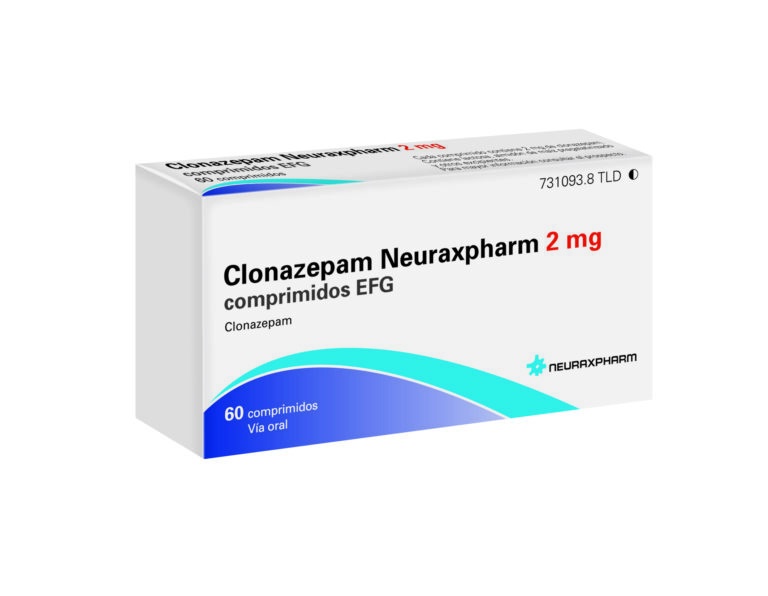
- Alternatives to CLONAZEPAM BIOMED 2 mg TABLETSDosage form: TABLET, 0.5 mgActive substance: clonazepamManufacturer: Neuraxpharm Spain S.L.Prescription requiredDosage form: TABLET, 1 mgActive substance: clonazepamManufacturer: Neuraxpharm Spain S.L.Prescription requiredDosage form: TABLET, 2 mgActive substance: clonazepamManufacturer: Neuraxpharm Spain S.L.Prescription required


Online doctors for CLONAZEPAM BIOMED 2 mg TABLETS
Discuss questions about CLONAZEPAM BIOMED 2 mg TABLETS, including use, safety considerations and prescription review, subject to medical assessment and local regulations.




Frequently Asked Questions
