



TRANILCIPROMINA ARISTO 10 MG COMPRIMIDOS RECUBIERTOS CON PELICULA

Revisión de receta online
Un médico revisará tu caso y determinará si la prescripción es médicamente apropiada.

Habla con un médico sobre este medicamento
Comenta tus síntomas y las opciones de tratamiento en una consulta online.



Cómo usar TRANILCIPROMINA ARISTO 10 MG COMPRIMIDOS RECUBIERTOS CON PELICULA
Contenido del prospecto
- Introducción
- Qué es Tranilcipromina Aristo y para qué se utiliza
- Qué necesita saber antes de empezar a tomar Tranilcipromina Aristo
- Cómo tomar Tranilcipromina Aristo
- Posibles efectos adversos
- Conservación de Tranilcipromina Aristo
- Contenido del envase e información adicional
Introducción
Prospecto: información para el paciente
Tranilcipromina Aristo 10 mg comprimidos recubiertos con película
Lea todo el prospecto detenidamente antes de empezar a tomar este medicamento, porque contiene información importante para usted.
- Conserve este prospecto, ya que puede tener que volver a leerlo.
- Si tiene alguna duda, consulte a su médico o farmacéutico.
- Este medicamento se le ha recetado solamente a usted, y no debe dárselo a otras personas aunque tengan los mismos síntomas que usted, ya que puede perjudicarles.
- Si experimenta efectos adversos, consulte a su médico o farmacéutico, incluso si se trata de efectos adversos que no aparecen en este prospecto. Ver sección 4.
Contenido del prospecto
- Qué es Tranilcipromina Aristo y para qué se utiliza
- Qué necesita saber antes de empezar a tomar Tranilcipromina Aristo
- Cómo tomar Tranilcipromina Aristo
- Posibles efectos adversos
- Conservación de Tranilcipromina Aristo
- Contenido del envase e información adicional
1. Qué es Tranilcipromina Aristo y para qué se utiliza
Este medicamento contiene el principio activo tranilcipromina que pertenece al grupo de los inhibidores de la MAO (monoamino oxidasa).
Tranilcipromina se utiliza para el tratamiento de los trastornos depresivos (episodios de trastorno depresivo mayor) en adultos (a partir de los 18 años).
Tranilcipromina debe utilizarse cuando otros medicamentos para la depresión no han producido una mejoría satisfactoria o no pueden utilizarse, es decir, como un llamado antidepresivo de reserva.

¿No estás seguro de si este medicamento es adecuado para ti?
Comenta tus síntomas y tratamiento con un médico online.
2. Qué necesita saber antes de empezar a tomar Tranilcipromina Aristo
No tometranilcipromina
- si es alérgico a la tranilcipromina o a alguno de los demás componentes de este medicamento incluidos en la sección 6;
- si padece tumores productores de hormonas de la médula suprarrenal (feocromocitoma);
- si tiene un tumor, generalmente en la zona del tracto gastrointestinal, que produce sustancias que aumentan la presión sanguínea (tumor carcinoide);
- si padece enfermedades de los vasos cerebrales (por ejemplo, después de un ictus);
- si tiene malformaciones vasculares como dilataciones de los vasos sanguíneos arteriales (aneurismas);
- si padece formas graves de hipertensión o de enfermedades cardiovasculares;
- si padece insuficiencia hepática o enfermedad hepática;
- si padece insuficiencias renales graves o enfermedades renales;
- si padece trastornos metabólicos en el sistema hematopoyético (porfiria);
- si padece una enfermedad caracterizada por un aumento de la excreción de orina y una mayor sensación de sed con un aumento de la ingestión de líquidos (diabetes insípida);
- si tiene la llamada hipertermia maligna (una enfermedad rara que puede producirse en relación con la anestesia) aunque se haya producido en un momento anterior;
- si presenta un cuadro de confusión aguda (delirio);
- si presenta una intoxicación aguda con fármacos depresores del SNC (como por ejemplo somníferos, analgésicos y psicofármacos como neurolépticos, antidepresivos, litio) y alcohol;
- si padece la llamada hipertermia maligna (una enfermedad rara que puede ocurrir en relación con anestesia), aunque haya ocurrido antes;
- si es un niño o un adolescente (menor de 18 años).
No debe tomar tranilcipromina si está tomando uno de los siguientes medicamentos al mismo tiempo:
- Citalopram, escitalopram, fluoxetina, fluvoxamina, paroxetina, sertralina y otros de los llamados "inhibidores selectivos de la recaptación de serotonina" (un grupo de agentes utilizados para tratar la depresión). Existe el riesgo de que se desencadene el llamado síndrome serotoninérgico con síntomas como contracciones involuntarias y rítmicas de los músculos, incluyendo los músculos que controlan el movimiento de los ojos, agitación, aumento de la presión sanguínea, alucinaciones, coma, sudoración excesiva, temblores, reflejos exagerados, aumento de la tensión muscular, irritabilidad y aumento de la temperatura corporal por encima de 38 °C.
- Vortioxetina, un agente para el tratamiento de la depresión. Existe un riesgo de síndrome serotoninérgico (ver primer guión).
- Venlafaxina, duloxetina y milnaciprán, agentes para el tratamiento de la depresión. Existe un riesgo de síndrome serotoninérgico (ver primer guión).
- Sibutramina, un agente para el tratamiento del sobrepeso (que ya no se usa hoy en día). Existe un riesgo de síndrome serotoninérgico (ver primer guión).
- Clomipramina, un agente utilizado para tratar la depresión. Existe un riesgo de síndrome serotoninérgico (ver primer guión).
- Sumatriptán, zolmitriptán, naratriptán, rizatriptán, eletriptán y otros denominados "triptanes", agentes utilizados para tratar la migraña. Existe un riesgo de síndrome serotoninérgico (ver primer guión).
- L-triptófano. Pueden aparecer síntomas de delirio.
- Buspirona, un agente para el tratamiento de la ansiedad y la agitación. Se ha informado de un fuerte aumento de la presión sanguínea.
- Imipramina, un agente usado para tratar la depresión. Pueden producirse efectos adversos graves como irritabilidad, coma, aumento de la temperatura corporal, convulsiones y grandes fluctuaciones en la presión sanguínea, especialmente como un aumento de la presión sanguínea.
- Ciertos agentes para aumentar la presión sanguínea, pero que también pueden estar contenidos en los remedios nasales, antitusígenos o antigripales y en los supresores del apetito (los llamados simpaticomiméticos indirectos, por ejemplo, efedrina, metilsulfato de amezinio, fenilpropanolamina, catina, amfepramona, metamfepramona y anfetaminas, también conocidas como "aminas estimulantes"). Existe el riesgo de padecer crisis hipertensivas graves, caracterizadas por un aumento repentino de la presión sanguínea.
- Petidina (agente para el dolor intenso), tramadol (agente para el dolor moderado) y dextrometorfano (contenido en antitusígenos). Es posible que se produzcan efectos adversos con riesgo para la vida en la región del sistema nervioso central o influencias con riesgo para la vida en las funciones respiratoria y circulatoria.
- Disulfiram, un agente disuasorio del consumo de alcohol. Es posible el delirio.
- Levodopa (agente para el tratamiento de la enfermedad de Parkinson), siempre que no se combine con agentes como la benserazida o la carbidopa. Existe el riesgo de un aumento incontrolado de la presión sanguínea.
Advertencias y precauciones
Consulte a su médico o farmacéutico antes de empezar a tomar este medicamento.
Se requiere una precaución especial al tomar este medicamento,
- junto con comida y bebida. No debe consumir alimentos, estimulantes ni bebidas con niveles elevados de tiramina durante un período de 1 día antes del tratamiento hasta 14 días después del tratamiento con tranilcipromina, lo que también se conoce como dieta baja en tiramina (ver la sección 2. "Toma de tranilcipromina junto con alimentos, bebidas y alcohol"). Tampoco debe beber nada de alcohol durante el tratamiento con tranilcipromina. El alcohol cambia y aumenta el efecto de tranilcipromina de forma impredecible;
- si tiene la presión sanguínea alta o demasiado baja o si tiene una glándula tiroides hiperactiva. En ese caso, debería informar a su médico. Entonces solo usará tranilcipromina bajo un riguroso control de la presión sanguínea;
- si constata un aumento patológico de la vitalidad con un estado de ánimo elevado (episodio maníaco). En ese caso, debería informar inmediatamente a su médico o a su cuidador. Si es así, deberá suspender la toma de tranilcipromina. Esto también se aplica si se tratan trastornos depresivos en el transcurso de otras enfermedades mentales y si se producen ideas delirantes, alucinaciones y trastornos del pensamiento;
- si ha consumido drogas o alcohol indebidamente en el pasado. En ese caso, debería informar a su médico;
- si padece o ha padecido convulsiones o epilepsia. En ese caso, debería informar a su médico. No se puede descartar que tranilcipromina pueda causar convulsiones;
- si padece diabetes. En ese caso, debería informar a su médico. El tratamiento con tranilcipromina puede reducir sus niveles de azúcar en la sangre. La dosis de insulina y la medicación que se debe tomar entonces debe ser ajustada. Sus niveles de azúcar en la sangre deben ser controlados más a menudo;
- si padece insuficiencias renales. En ese caso, debería informar a su médico. No existe suficiente experiencia para tratar a los pacientes con un trastorno de la función renal. Por lo tanto, los pacientes con disfunción renal grave no deben ser tratados con tranilcipromina. Los pacientes con una función renal deficiente deben ser supervisados cuidadosamente (ver la sección 3. "Cómo tomar tranilcipromina").
Pensamientos suicidas y empeoramiento de la depresión
Si usted está deprimido, a veces puede tener pensamientos de lesionarse o suicidarse (matarse). Estos pensamientos pueden ser más fuertes la primera vez que se usan antidepresivos, ya que todos estos medicamentos tardan un tiempo en hacer efecto, normalmente unas dos semanas, a veces más.
Es más probable que se produzcan tales pensamientos
- si alguna vez ha pensado en quitarse la vida o ha pensado en lesionarse antes;
- si es un adulto joven. Los resultados de ensayos clínicos han demostrado un mayor riesgo de comportamiento suicida en adultos jóvenes de hasta 25 años que padecen una enfermedad psiquiátrica y han sido tratados con un antidepresivo.
Si en algún momento tiene pensamientos de hacerse daño o quitarse la vida, consulte a su médico o vaya al hospital inmediatamente.
Puede resultar de ayuda si le dice a un amigo o pariente que está deprimido. Pídales que lean este prospecto. Pídales que le informen si creen que su depresión está empeorando o si están preocupados por cambios en su comportamiento.
Pacientes de edad avanzada
Si usted es mayor de 65 años, su médico aumentará lentamente la dosis diaria total, mantendrá la dosis tan baja como sea posible y controlará su presión sanguínea con regularidad (ver la sección 3. "Dosis en pacientes de edad avanzada").
Niños y adolescentes
Tranilcipromina no debe ser usado en niños y jóvenes.
Otros medicamentos y Tranilcipromina
Informe a su médico o farmacéutico si está tomando, ha tomado recientemente o pudiera tener que tomar cualquier otro medicamento.
Tranilcipromina no debe tomarse al mismo tiempo que ciertos medicamentos. Lea para ello en la sección 2. "Qué necesita saber antes de empezar a tomar Tranilcipromina Aristo" atentamente la sección "No debe tomar Tranilcipromina si está tomando uno de los siguientes medicamentos al mismo tiempo" y consulte a su médico.
Tenga en cuentatambién que ciertos medicamentosque son incompatiblescon tranilcipromina requieren un período sin tratamiento. Si se cambiade otro medicamento a tranilcipromina, el período sin tratamientocon el medicamento utilizado anteriormente se basa en el tiempo que tarda el principio activo en ser eliminado del cuerpo. Si ha terminado recientemente un tratamiento con tranilcipromina, debe esperar al menos 14 días antes de poder empezar a tomar otro medicamento.
Aumento del riesgo de efectos adversos de tranilcipromina
Evite tomar tranilcipromina al mismo tiempo que ciertos llamados simpaticomiméticos directos (por ejemplo, los contenidos en medicamentos para problemas circulatorios, para relajar la musculatura bronquial o en gotas nasales).
La combinación con β2-simpaticomiméticos selectivos por inhalación tampoco se asocia a ningún riesgo particular.
Si padece depresión persistente que ha sido tratada con otros medicamentos para el tratamiento de la depresión (antidepresivos tricíclicos, por ejemplo, amitriptilina) sin ninguna mejoría satisfactoria, su médico puede, en casos individuales, administrar una dosis adicional de tranilcipromina con un aumento lento de la dosis. Sin embargo, esto no se aplica a la clomipramina, imipramina ni a los antidepresivos administrados por infusión.
Tranilcipromina puede aumentar el efecto de otros medicamentos e incluso aumentar el riesgo de efectos adversos
El efecto reductor de la presión sanguínea de agentes para la hipertensión (por ejemplo, guanetidina, metildopa) puede potenciarse con tranilcipromina. Sin embargo, en casos individuales, el aumento de la presión sanguínea también puede desencadenarse con estados de excitación.
El efecto de la insulinay los agentes orales (agentes que deben tomarse por vía oral) contra la diabetes puede verse reforzado (ver la sección 2. "Advertencias y precauciones").
Los efectos adversos de bupropióno anfebutamona(agente para la deshabituación tabáquica), como las convulsiones y los estados de excitación, pueden intensificarse tomando tranilcipromina al mismo tiempo. Por ello, evite esta combinación.
El efecto de neurolépticos, antidepresivos, benzodiacepinasy analgésicos(medicamentos con efecto calmante sobre el cerebro) puede potenciarse tomando tranilcipromina al mismo tiempo.
En raras ocasiones, se ha notificado la aparición del síndrome serotoninérgico con ciertos agentes para el tratamiento de la depresión conocidos por causar un síndrome serotoninérgico potencialmente mortal y el tratamiento simultáneo con buprenorfina (agente para el dolor intenso). No se puede descartar que también se produzca un síndrome serotoninérgico con el tratamiento simultáneo de buprenorfinay tranilcipromina. Los síntomas del síndrome serotoninérgico se describen en la sección 2 bajo el epígrafe "No debe tomar tranilcipromina si está tomando uno de los siguientes medicamentos al mismo tiempo". Informe a su médico si experimenta síntomas de un síndrome serotoninérgico.
Interacciones durante cirugías y tratamiento dental
Si tiene programado operarse con anestésicosy ciertos analgésicos, el médico debe interrumpir la administración de tranilcipromina 14 días antes de la operación. Se ha informado de interacciones entre medicamentos similares al tranilcipromina y los anestésicos, que en algunos casos han sido graves (por ejemplo, circulación inestable, coma).
Por favor, informe al anestesista que está tomando este medicamento antes de la cirugía. La petidina, un fuerte analgésico utilizado, por ejemplo, para la terapia del dolor postoperatorio, no debe administrarse nunca cuando se está tratando con tranilcipromina.
Los anestésicos inhalatorios(agentes evaporables utilizados para producir una anestesia) no suponen un mayor riesgo para los pacientes tratados con este medicamento que para cualquier otro paciente bajo anestesia. El éter es la única excepción y, por lo tanto, no debe utilizarse.
Anestésicos locales:Las concentraciones generalmente bajas de adrenalina o noradrenalina en los agentes para anestesia local, por ejemplo, en intervenciones odontológicas o gotas oculares, no plantean un riesgo especial para los pacientes tratados con tranilcipromina.
Tenga en cuenta que esta información también puede aplicarse a medicamentos de uso reciente.
Toma de tranilcipromina con alimentos, bebidas y alcohol
Al tomar tranilcipromina, debe prestar atención al problemaparticular de las aminas biógenas(especialmente la tiramina). Las aminas biógenas son ingredientes naturales de muchos alimentos. En la mayoría de los casos, su contenido en alimentos animales y vegetales no procesados es muy bajo. En cambio, ciertos métodos de procesamiento que conllevan transformaciones microbiológicas (por ejemplo, la fermentación en la producción del queso) pueden aumentar considerablemente el contenido en aminas biógenas, pero también como resultado de un almacenamiento a una temperatura demasiado alta o del deterioro.
En concentraciones bajas, las aminas biógenas no son peligrosas para el ser humano, dado que el organismo humano dispone de enzimas (mono- y diaminaoxidasas) que descomponen las aminas. Sin embargo, la ingestión de concentraciones más elevadas de aminas biógenas puede producir un efecto tóxico (venenoso), especialmente si se toman al mismo tiempo medicamentos como p. ej. tranilcipromina con efecto de bloqueo de las aminoxidasas. El efecto tóxico de las aminas biógenas puede manifestarse en forma de náuseas, vómitos, dolores de cabeza occipitales palpitantes y enfermedades del sistema nervioso, pero sobre todo en forma de cambios en la presión sanguínea hasta un aumento muy marcado de la misma (crisis hipertensiva).
Desde un día antes del tratamiento con tranilcipromina, durante el tratamiento y hasta 14 días después de la última dosis, debe evitar ciertos alimentos y bebidas con un contenido relativamente alto de aminas biógenas (por ejemplo, carne curada al aire, fermentada o envejecida, embutidos, salami, pescado o aves de corral, queso curado, habas, salsas de pescado, todos los productos de soja fermentados, extractos de levadura, bebidas fermentadas como la cerveza o el vino). Esta dieta baja en tiramina se aplica a todas las dosis de tranilcipromina.
Por favor, use todos los alimentostan frescoscomo sea posible. Consuma alimentos crudos o parcialmente cocinados el día de la preparación. Utilice inmediatamente semiconservas abiertas y alimentos congelados que se hayan descongelado. Puede guardar las conservas abiertas o los alimentos completamente cocinados en el frigorífico durante un máximo de 48 horas hasta su consumo. Ponga su frigorífico a una temperatura baja de < 4 °C si es posible.
Al final del prospecto encontrará una lista de alimentos permitidos, prohibidosy permitidosen pequeñas cantidades(según su contenido en aminas biógenas). Por favor, tenga en cuenta: solo se recomienda un alimento por comida, que se permite en pequeñas cantidades.
Tampoco debe beber nada de alcoholdurante el tratamiento con este medicamento. El alcohol cambia y aumenta el efecto de tranilcipromina de forma impredecible.
Embarazo y lactancia
Si está embarazada o en periodo de lactancia, cree que podría estar embarazada o tiene intención de quedarse embarazada, consulte a su médico o farmacéutico antes de utilizar este medicamento.
Embarazo
No existe suficiente experiencia para el uso de tranilcipromina en mujeres embarazadas. Este medicamento puede tener efectos negativos en el feto. Una alta presión sanguínea existente de la madre puede verse agravada, además es posible una reducción de la circulación sanguínea en la placenta.
Por lo tanto, su médico sólo le recetará este medicamento durante el embarazo y especialmente en el primer trimestre del embarazo si es absolutamente necesario. Dígale a su médico inmediatamente si está planeando quedarse embarazada o si sospecha que está embarazada. Su médico puede entonces realizar un cambio a otro medicamento si es necesario.
Lactancia
No debe tomar tranilcipromina durante la lactancia. Si su médico considera que es necesario su uso durante la lactancia, debe dejar de amamantar.
Conducción y uso de máquinas
Tranilcipromina tiene poca o moderada influencia sobre la capacidad para conducir y utilizar máquinas. Por ello, incluso cuando se utiliza según lo previsto, y especialmente en los primeros días de tratamiento, tranilcipromina puede afectar a la capacidad de participar activamente en el tráfico rodado y de utilizar máquinas. Esto es particularmente cierto en combinación con sustancias que actúan sobre el sistema nervioso central. ¡Recuerde que no debe beber alcohol durante el tratamiento con tranilcipromina!
Durante los primeros díasdel tratamiento no debe conducirun automóvilu otros vehículos, ni utilizar máquinas o aparatos eléctricos, ni realizar trabajos que requieran mucha atención, p. ej. los que se realizan sin un agarre firme.
La decisión la tomará en cada caso el médico que le trata, teniendo en cuenta su reacción individual y la dosis.
Tranilcipromina contiene lactosa
Este medicamento contiene lactosa. Si su médico le ha indicado que padece una intolerancia a ciertos azúcares, consulte con él antes de tomar este medicamento.
3. Cómo tomar Tranilcipromina Aristo
Siga exactamente las instrucciones de administración de este medicamento indicadas por su médico o farmacéutico. En caso de duda, consulte de nuevo a su médico o farmacéutico.
A menos que el médico prescriba otra cosa, la dosis habitual es:
Al comienzo del tratamiento, tome 10 mg de tranilcipromina (correspondiente a 1 comprimido recubierto con película) una vez al día por la mañana. Su médico puede aumentar esta dosis en 10 mg de tranilcipromina (correspondiente a 1 comprimido recubierto con película de Tranilcipromina 10 mg) por semana hasta alcanzar la dosis diaria total adecuada para usted.
La dosis diaria total recomendada es de 20 mg a 40 mg de tranilcipromina (equivalente a 2 a 4 comprimidos recubiertos con película de Tranilcipromina 10 mg).
Normalmente, se puede esperar que los efectos de elevación del estado de ánimo y de alivio de la depresión surtan efecto después de 1 a 3 semanas. Su médico comprobará la dosis durante la terapia y la ajustará si es necesario.
Si la enfermedad no responde adecuadamente a la dosis diaria total recomendada de 20 mg a 40 mg de tranilcipromina (correspondiente a 2 a 4 comprimidos recubiertos con película de Tranilcipromina 10 mg), su médico puede aumentar aún más la dosis en condiciones hospitalarias en incrementos de 10 mg de tranilcipromina (correspondiente a 1 comprimido recubierto con película) por día cada 1 a 3 semanas. La dosis diaria total máxima es de 60 mg de tranilcipromina (correspondiente a 6 comprimidos recubiertos con película de Tranilcipromina 10 mg).
Después de la mejoría del trastorno depresivo, su médico puede reducir la dosis diaria total a una dosis de mantenimiento de 10 mg a 20 mg de tranilcipromina (equivalente a 1 o 2 comprimidos recubiertos con película de Tranilcipromina 10 mg).
Dosis en pacientes de edad avanzada (mayores de 65 años)
En el caso de los pacientes mayores de 65 años, el médico a cargo del caso aumentará la dosis más lentamente bajo control regular de la presión sanguínea.
Pacientes con insuficiencia renal
Los pacientes con insuficiencia renal grave no deben ser tratados con este medicamento, ya que no hay suficiente experiencia terapéutica. Si padece una función renal deficiente, su médico supervisará cuidadosamente la evolución del tratamiento (ver la sección 2. "Advertencias y precauciones").
Pacientes con insuficiencia hepática
Tranilcipromina no debe ser usado para tratar a pacientes con insuficiencia hepática (ver sección 2. " No tome tranilcipromina").
Uso en niños y adolescentes
Tranilcipromina no debe ser usado en niños y adolescentes (ver sección 2. " No tome tranilcipromina").
Forma de administración
Los comprimidos recubiertos con película se toman por vía oral.
Tome este medicamento exactamente como se lo ha indicado su médico. Si tiene dudas, consulte a su médico o farmacéutico.
Tome los comprimidos recubiertos con película con suficiente líquido, preferiblemente un vaso de agua, y no los mastique.
El comprimido puede dividirse en dosis iguales.
La dosis diaria total puede ser dividida de 1 a 3 veces. No tome el último comprimido recubierto con película de tranilcipromina más tarde de las 15 h para evitar la alteración del sueño.
Indicaciones para facilitar la división
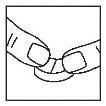
Coloque el comprimido sobre una superficie firme y plana (con el surco hacia arriba). Utilice los pulgares o los dedos índice para presionar el comprimido desde arriba, a ambos lados del surco, para dividirlo en dos partes.
Duración del tratamiento
La duración de un período de tratamiento con tranilcipromina hasta la mejoría de una enfermedad depresiva suele ser de al menos 4 a 6 semanas. Su médico puede continuar el tratamiento con tranilcipromina en una dosis reducida durante 4 a 6 meses.
Si se cambia de otro agente para el tratamiento de la depresión a tranilcipromina, su médico generalmente prescribirá un período sin tratamiento de por lo menos 7 días y solo le recetará 1 comprimido recubierto con película de tranilcipromina 10 mg por lo menos durante la primera semana después de iniciar el tratamiento.
Es importante no suspender el tratamiento o cambiar la dosis sin consultar con el médico.
Por favor, consulte a su médico o farmacéutico si considera que el efecto de este medicamento es demasiado fuerte o demasiado débil.
Si toma más Tranilcipromina del que debe
Informe a su médico inmediatamentepara que pueda decidir qué medidaadoptar.
Los signos de sobredosisincluyen confusión, sobreexcitación hasta crisis convulsivas cerebrales, obnubilación hasta desvanecimiento, fiebre, deterioro de la función respiratoria (hasta el punto de parada respiratoria) y del sistema cardiovascular (fluctuaciones intensas en la presión sanguínea, latidos irregulares del corazón) así como de los músculos (espasmos musculares fuertes).
En determinadas circunstancias, los signos de una sobredosis pueden no aparecer hasta varias horas después de tomar los comprimidos.
En caso de sobredosis o ingestión accidental consulte a su médico o farmacéutico o llame al Servicio de Información Toxicológica, teléfono 91 562 04 20, indicando el medicamento y la cantidad ingerida.
Si olvidó tomar tranilcipromina
No tome una dosis doble para compensar las dosis olvidadas. Continúe tomando la dosis en la próxima ocasión como se le ha prescrito.
Si interrumpe el tratamiento con tranilcipromina
Pueden aparecer síntomas por retirada como ansiedad, inquietud, alteraciones del sueño, estupor o delirio. Evite interrumpir repentinamente una terapia de altas dosis a largo plazo con tranilcipromina. Siempre termine la terapia bajo supervisión médica reduciendo lentamente la dosis. Informe a su médico si experimenta tales síntomas por retirada después de reducir la dosis o después de dejar de tomar este medicamento. Es posible que tenga que volver a tomar la última dosis y luego reducir la dosis en intervalos más pequeños.
Si tiene alguna duda en cuanto a la toma de este medicamento, consulte a su médico o farmacéutico.

¿Has empezado a tomar el medicamento y tienes preguntas?
Comenta tus síntomas y tratamiento con un médico online.
4. Posibles efectos adversos
Al igual que todos los medicamentos, este medicamento puede producir efectos adversos, aunque no todas las personas los sufran.
Si experimenta un estado de ánimo inusualmente elevado o irritable (trastorno maníaco), no siga tomando este medicamento y consulte a su médico lo antes posible.
.
Otros efectos adversos
Los siguientes efectos adversos son muy comunes, especialmente al principio del tratamiento: alteraciones del sueño, baja presión sanguínea, disminución de la presión sanguínea al levantarse.
Muy frecuentes:pueden afectar a más de 1 de cada 10 personas:
- insomnio, alteraciones del sueño;
- disminución de la presión sanguínea al levantarse, presión sanguínea baja.
Frecuentes:pueden afectar hasta 1 de cada 10 personas:
- ansiedad, hiperactividad, agitación;
- sensación de vértigo, boca seca, cansancio;
- palpitaciones;
- presión sanguínea alta (hipertensión arterial);
- aumento de peso, pérdida de peso, debilidad.
Poco frecuentes:pueden afectar hasta a 1 de cada 100 personas:
- aumentos graves de la presión sanguínea (crisis hipertensivas), que pueden ir acompañados de latidos cardíacos rápidos o palpitaciones, rubor facial, dolores de cabeza (especialmente dolores de cabeza occipitales), rigidez de nuca, náuseas, vómitos y fotofobia.
En casos individuales, especialmente si no se observan las pautas dietéticas y si hay una interacción medicamentosa con otros medicamentos, pueden provocar una hemorragia en la cavidad craneal (hemorragia intracraneal) (ver la sección 2. "Toma de tranilcipromina con alimentos, bebidas y alcohol" u "Otros medicamentos y tranilcipromina").
Raros:pueden afectar hasta a 1 de cada 1.000 personas:
- anemia (recuento bajo de glóbulos rojos), reducción del número de diferentes células en la sangre;
- dependencia psíquica;
- crisis convulsivas cerebrales;
- hinchazón debido a la acumulación de líquido tisular (edema);
- estreñimiento, diarrea;
- sudoración;
- espasmos musculares, mialgias;
- orgasmos anómalos, disfunción eréctil, alteraciones de la capacidad de eyaculación;
- alucinaciones, confusión (raro/muy raro);
- neuralgias (polineuropatías) (raro/muy raro);
- visión borrosa (raro/muy raro);
- insuficiencias hepáticas, aumento de la actividad de las enzimas hepáticas (raro/muy raro);
- erupciones cutáneas alérgicas (raro/muy raro);
- dolor en las articulaciones (raro/muy raro);
- aumento de la temperatura corporal (raro/muy raro).
Muy raros:puede afectar hasta a 1 de cada 10.000 personas:
- alopecia;
- aumento de la liberación de la hormona ADH, que regula el equilibrio de agua, con la consiguiente reducción de la micción.
Frecuencia no conocida:la frecuencia no puede estimarse a partir de los datos disponibles
- pensamientos suicidas, comportamiento suicida*
- Se han comunicado casos de pensamientos y comportamientos suicidas durante la terapia con medicamentos que contienen el mismo principio activo que Tranilcipromina o poco después de finalizar el tratamiento (ver la sección 2. "Advertencias y precauciones").
- temblores, somnolencia y mareos;
- zumbido de oídos (tinnitus);
- náuseas con o sin vómitos y síntomas gastrointestinales inespecíficos;
- contracciones musculares;
- trastornos urinarios;
- dolor en el pecho, sensación de frío y fatiga.
Comunicación de efectos adversos
Si experimenta cualquier tipo de efecto adverso, consulte a su médico o farmacéutico, incluso si se trata de posibles efectos adversos que no aparecen en este prospecto. También puede comunicarlos directamente a través del Sistema Español de Farmacovigilancia de medicamentos de Uso Humano: https://www.notificaram.es. Mediante la comunicación de efectos adversos usted puede contribuir a proporcionar más información sobre la seguridad de este medicamento.
5. Conservación de Tranilcipromina Aristo
Mantener este medicamento fuera de la vista y del alcance de los niños.
No utilice este medicamento después de la fecha de caducidad que aparece en la caja y el blíster después de "cad.". La fecha de caducidad es el último día del mes que se indica.
No conservar a temperatura superior a 25°C.
Los medicamentos no se deben tirar por los desagües ni a la basura. Deposite los envases y los medicamentos que no necesita en el Punto SIGRE de la farmacia. En caso de duda pregunte a su farmacéutico cómo deshacerse de los envases y de los medicamentos que no necesita. De esta forma, ayudará a proteger el medio ambiente.
6. Contenido del envase e información adicional
Composición de Tranilcipromina
- El principio activo es tranilcipromina.
Cada comprimido recubierto con película contiene 10 mg de tranilcipromina (como tranilcipromina sulfato).
- Los demás componentes son:
Núcleo del comprimido: lactosa monohidrato, almidón de maíz, celulosa microcristalina, sílice coloidal anhidra.
Recubrimiento: poli(alcohol vinílico), Macrogol 3350, dióxido de titanio, talco,
óxido de hierro amarillo (E 172), óxido de hierro negro (E 172), índigo carmín (E 132).
Aspecto del producto y contenido del envase
Tranilcipromina Aristo 10 mg son comprimidos recubiertos con película, verdes, redondos, con pestaña a presión y con una ranura.
El comprimido se puede dividir en dosis iguales.
Blíster (PVC/PE/ACLAR con lámina de aluminio a prueba de niños o película de PVC/PVDC con lámina de aluminio a prueba de niños).
Tranilcipromina Aristo 10 mg está disponible en envases de 30, 45, 50, 60, 90 y 100 comprimidos recubiertos con película.
Puede que solamente estén comercializados algunos tamaños de envases.
Titular de la autorización de comercialización y responsable de la fabricación
Aristo Pharma GmbH
Wallenroder Straße 8-10
13435 Berlín, Alemania
Pueden solicitar más información respecto a este medicamento dirigiéndose al representante local del titular de la autorización de comercialización:
Aristo Pharma Iberia, S.L.
C/ Solana, 26
28850, Torrejón de Ardoz
Madrid. España
Este medicamento está autorizado en los Estados miembros del Espacio Económico Europeo con los siguientes nombres:
Austria Tranylcypromin Aristo 10 mg Filmtabletten
Países Bajos Tranylcypromine Aristo 10 mg filmomhulde tabletten
España Tranilcipromina Aristo 10 mg comprimidos recubiertos con película
Fecha de la última revisión de este prospecto:10/2022
La información detallada de este medicamento está disponible en la página Web de la Agencia Española de Medicamentos y Productos Sanitarios (AEMPS) http://www.aemps.gob.es/
Anexo
Por favor, tenga en cuenta la siguiente indicación: tome solo un alimento por comida, que se permite en pequeñas cantidades.
La lista no es exclusiva y pueden aplicarse especificidades regionales.
Prohibido | Permitido en pequeñas cantidades | Permitido | |
Leche y productos lácteos |
|
|
|
Carne y productos cárnicos |
|
|
|
Pescado y productos de pescado |
|
|
|
Huevos y productos de huevos |
|
| |
Levadura y productos de levadura |
|
|
|
Cereales y productos de cereales |
|
| |
Legumbres |
|
| |
Cacao y productos de cacao |
de coñac, bombones rellenos de licor, licor de cacao
|
|
|
Fruta |
|
20 g |
|
Verduras y productos de verduras |
|
|
|
Nueces y productos de nueces |
|
|
|
Bebidas |
|
|
|
Otros productos alimenticios |
|
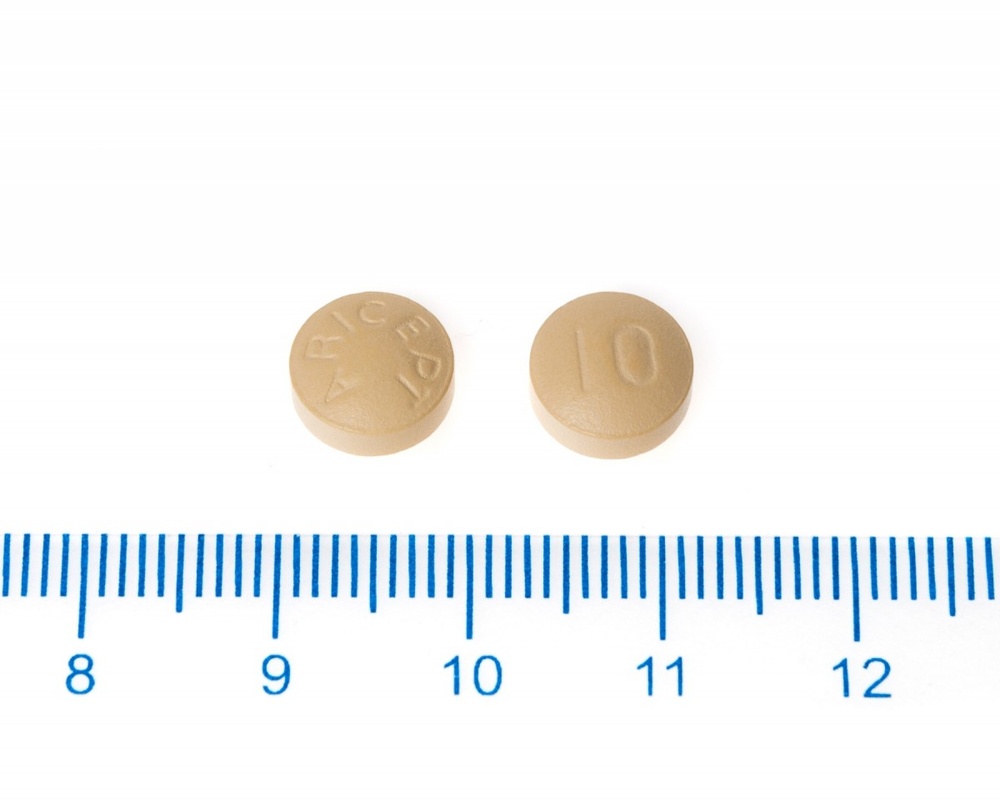
- País de registro
- Forma farmacéuticaCOMPRIMIDO, 10 mg
- Código ATCN06AF04
- Principio activo
- Requiere recetaSí
- Fabricante
- ComposiciónLACTOSA MONOHIDRATO (89,520 mg mg)
- Esta información es de carácter general y no sustituye la consulta con un profesional sanitario.
- Alternativas a TRANILCIPROMINA ARISTO 10 MG COMPRIMIDOS RECUBIERTOS CON PELICULAForma farmacéutica: COMPRIMIDO, 20 mgPrincipio activo: tranylcypromineFabricante: Aristo Pharma GmbhRequiere recetaForma farmacéutica: COMPRIMIDO, 15 mgPrincipio activo: mirtazapinaFabricante: Laboratorios Alter S.A.Requiere recetaForma farmacéutica: COMPRIMIDO, 30 mgPrincipio activo: mirtazapinaFabricante: Laboratorios Alter S.A.Requiere receta
Médicos online para TRANILCIPROMINA ARISTO 10 MG COMPRIMIDOS RECUBIERTOS CON PELICULA
Comenta la dosis, los posibles efectos secundarios, interacciones, contraindicaciones o la revisión de receta de TRANILCIPROMINA ARISTO 10 MG COMPRIMIDOS RECUBIERTOS CON PELICULA, sujeto a valoración médica y a la normativa local.







Obtén una receta de TRANILCIPROMINA ARISTO 10 MG COMPRIMIDOS RECUBIERTOS CON PELICULA online
Rellena un formulario de 2 minutos
Cuéntanos tus síntomas, historial y el medicamento que necesitas.
Elige un médico o nosotros te asignamos uno
Escoge un especialista o te conectamos con el próximo médico disponible.
El médico revisa tu caso
Normalmente en 30 minutos. Puede hacerte preguntas adicionales por chat.
Recógela en cualquier farmacia
Receta electrónica enviada a tu correo, válida en toda España.
Preguntas frecuentes
TRANILCIPROMINA ARISTO 10 MG COMPRIMIDOS RECUBIERTOS CON PELICULA requiere receta en España. Puedes confirmarlo con un médico online según tu caso.
El principio activo de TRANILCIPROMINA ARISTO 10 MG COMPRIMIDOS RECUBIERTOS CON PELICULA es tranylcypromine. Esta información ayuda a identificar medicamentos con la misma composición pero con diferentes nombres comerciales.
TRANILCIPROMINA ARISTO 10 MG COMPRIMIDOS RECUBIERTOS CON PELICULA es fabricado por Aristo Pharma Gmbh. La marca y el envase pueden variar según el distribuidor.
Los Médicos de familia, Psiquiatras, Dermatólogos, Cardiólogos, Endocrinólogos, Gastroenterólogos, Neumólogos, Nefrólogos, Reumatólogos, Hematólogos, Infectólogos, Alergólogos, Geriatras, Pediatras, Oncólogos pueden valorar la prescripción de TRANILCIPROMINA ARISTO 10 MG COMPRIMIDOS RECUBIERTOS CON PELICULA cuando esté clínicamente indicado. Puedes reservar una videoconsulta para comentar tu caso y las opciones de tratamiento.
España cuenta con una infraestructura sanitaria bien desarrollada en ciudades principales como Madrid, Barcelona, Valencia y Sevilla. Las farmacias están ampliamente disponibles y operan bajo estrictas regulaciones, garantizando el acceso a medicamentos con receta.
Puedes comprar TRANILCIPROMINA ARISTO 10 MG COMPRIMIDOS RECUBIERTOS CON PELICULA en Madrid, Barcelona, Sevilla o Valencia en cualquier farmacia local con una receta válida.
Para obtener una receta, puedes utilizar Oladoctor:
Otros medicamentos con el mismo principio activo (tranylcypromine) incluyen TRANILCIPROMINA ARISTO 20 MG COMPRIMIDOS RECUBIERTOS CON PELICULA, AFLOYAN 15 mg COMPRIMIDOS RECUBIERTOS CON PELICULA, AFLOYAN 30 mg COMPRIMIDOS RECUBIERTOS CON PELICULA. Pueden tener diferentes nombres comerciales o formulaciones, pero contienen el mismo componente terapéutico. Consulta siempre con un médico antes de cambiar o iniciar un nuevo medicamento.
