



TANONALLA 10 mg/5 mg Comprimidos De Liberación Prolongada

Revisión de receta online
Un médico revisará tu caso y determinará si la prescripción es médicamente apropiada.

Habla con un médico sobre este medicamento
Comenta tus síntomas y las opciones de tratamiento en una consulta online.



Cómo usar TANONALLA 10 MG/5 MG COMPRIMIDOS DE LIBERACIÓN PROLONGADA EFG
Contenido del prospecto
- Introducción
- Qué es Tanonalla y para qué se utiliza
- Qué necesita saber antes de empezar a tomar Tanonalla
- Cómo tomar Tanonalla
- Posibles efectos adversos
- Conservación de Tanonalla
- Contenido del envase e información adicional
Introducción
Prospecto:información para el paciente
Tanonalla 10 mg/5 mg comprimidos de liberación prolongada EFG
hidrocloruro de oxicodona/hidrocloruro de naloxona
Lea todo el prospecto detenidamente antes de empezar a tomar este medicamento,porque contiene información importante para usted.
- Conserve este prospecto, ya que puede tener que volver a leerlo.
- Si tiene alguna duda, consulte a su médico o farmacéutico.
- Este medicamento se le ha recetado solamente a usted, y no debe dárselo a otras personas aunque tengan los mismos síntomas que usted, ya que puede perjudicarles.
- Si experimenta efectos adversos, consulte a su médico o farmacéutico, incluso si se trata de efectos adversos que no aparecen en este prospecto. Ver sección 4.
Contenido del prospecto
- Qué es Tanonalla y para qué se utiliza
- Qué necesita saber antes de empezar a tomar Tanonalla
- Cómo tomar Tanonalla
- Posibles efectos adversos
- Conservación de Tanonalla
- Contenido del envase e información adicional
1. Qué es Tanonalla y para qué se utiliza
Tanonalla es un comprimido de liberación prolongada, lo que significa que sus principios activos se liberan durante un periodo de tiempo prolongado. Su acción dura 12 horas.
Estos comprimidos son sólo para uso en adultos.
Alivio del dolor
Se le ha recetado Tanonalla para el tratamiento del dolor intenso, que sólo se puede tratar adecuadamente con analge´sicos opioides. Se añade hidrocloruro de naloxona para contrarrestar el estreñimiento.
Co´mo funcionan estos comprimidos para el alivio del dolor
Tanonalla contiene como principios activos hidrocloruro de oxicodona e hidrocloruro de naloxona. Hidrocloruro de oxicodona es responsable del efecto analge´sico de Tanonalla, y es un analge´sico potente del grupo de los opioides.
El segundo principio activo de Tanonalla, hidrocloruro de naloxona, tiene la funcio´n de contrarrestar el estren~imiento. La disfuncio´n intestinal (p. ej.: estren~imiento) es un efecto secundario habitual del tratamiento con analge´sicos opioides.

¿No estás seguro de si este medicamento es adecuado para ti?
Comenta tus síntomas y tratamiento con un médico online.
2. Qué necesita saber antes de empezar a tomar Tanonalla
No tome Tanonalla:
- si es alérgico a hidrocloruro de oxicodona, hidrocloruro de naloxona o a alguno de los demás componentes de este medicamento (incluidos en la sección 6),
- si tiene problemas respiratorios, como respiración más lenta o débil que la esperada (depresión respiratoria),
- si padece una enfermedad pulmonar grave asociada a estrechamiento de las vi´as respiratorias (enfermedad pulmonar obstructiva cro´nica o EPOC),
- si padece un trastorno que se denomina Cor pulmonale. Este trastorno consiste en que el lado derecho del corazo´n aumenta de taman~o por el aumento de la presio´n en el interior de los vasos sangui´neos del pulmo´n, etc. (p. ej.: a consecuencia de EPOC, ver anteriormente),
- si padece asma bronquial grave,
- si padece i´leo parali´tico (un tipo de obstruccio´n intestinal) no causado por opioides,
- si padece problemas en el hígado de moderados a graves.
Advertencias y precauciones
Consulte a su médico o farmacéutico antes de empezar a tomar Tanonalla:
- si es un paciente de edad avanzada o debilitado (de´bil),
- si padece i´leo parali´tico (un tipo de obstruccio´n intestinal) causado por opioides,
- si padece problemas en el rin~o´n,
- si padece trastorno leve del hi´gado,
- si padece trastorno grave del pulmo´n (p. ej.: reduccio´n de la capacidad de respirar),
- si padece una enfermedad que se caracteriza por frecuentes paradas en la respiración durante la noche, lo cual le puede hacer sentir muy somnoliento durante el día (apnea del sueño),
- si padece mixedema (un trastorno tiroideo que se caracteriza por sequedad, frio e hinchazo´n de la piel, que afecta a la cara y las extremidades),
- si su gla´ndula tiroidea no produce suficientes hormonas (tiroides poco activo o hipotiroidismo),
- si sus gla´ndulas suprarrenales no producen suficientes hormonas (insuficiencia suprarrenal o enfermedad de Addison),
- si padece alguna enfermedad mental acompan~ada por una pe´rdida (parcial) de la nocio´n de realidad (psicosis), debido a alcoholismo o intoxicacio´n por otras sustancias (psicosis inducida por sustancias),
- si tiene problemas por ca´lculos biliares,
- si presenta un aumento ano´malo del taman~o de la pro´stata (hipertrofia de pro´stata),
- si padece alcoholismo o delirium tremens,
- si presenta inflamacio´n del pa´ncreas (pancreatitis),
- si tiene la presio´n arterial baja (hipotensio´n),
- si tiene la presio´n arterial alta (hipertensio´n),
- si presenta alguna enfermedad cardiovascular previa,
- si presenta un traumatismo craneoencefa´lico (por el riesgo de aumento de la presio´n en el cerebro),
- si padece epilepsia o es propenso a las convulsiones,
- si tambie´n recibe tratamiento con inhibidores de la MAO (que se utilizan para tratar la depresio´n, la enfermedad de Parkinson o infecciones bacterianas), p. ej.: medicamentos que contengan tranilcipromina, fenelzina, isocarboxazida, moclobemida y linezolid,
- si se siente somnoliento o si a veces se queda dormido de repente.
Este medicamento puede causar problemas respiratorios mientras duerme. Estos problemas pueden incluir pausas en la respiración mientras se duerme, despertarse por falta de aliento, dificultad para quedarse dormido o somnolencia diurna excesiva. Si usted u otra persona observa estos síntomas, contacte con su médico. Su médico puede considerar disminuir la dosis.
Informe a su me´dico si ha tenido alguna de esas enfermedades en el pasado. Informe tambie´n a su me´dico si presenta cualquiera de ellas durante el tratamiento con Tanonalla.
El resultado ma´s grave de la sobredosis de opioides es la depresio´n respiratoria(respiracio´n lenta y superficial). Esto puede provocar tambie´n que disminuya la concentracio´n de oxi´geno en la sangre, lo que puede causar desmayos, etc.
Comunique a su médico si padece cáncer asociado a metástasis peritoneal o con obstrucción intestinal inicial en estadíos avanzados de cánceres digestivos y pélvicos.
Contacte con su médico si tiene dolor intenso en el abdomen superior que posiblemente se extienda a la espalda, náuseas, vómitos o fiebre, puesto que estos pueden ser síntomas asociados con la inflamación del páncreas (pancreatitis) o del sistema del tracto biliar.
Si experimenta una diarrea intensa al inicio del tratamiento, puede deberse al efecto de la naloxona. Puede ser un signo de que la funcio´n intestinal se esta´ normalizando. Esta diarrea puede presentarse en los primeros 3 a 5 di´as de tratamiento. Si persiste pasado ese peri´odo de 3 a 5 di´as, o si le preocupa, po´ngase en contacto con su me´dico.
Si ha estado recibiendo otro opioide, puede experimentar si´ntomas de abstinencia poco despue´s de empezar el tratamiento con Tanonalla, p. ej.: inquietud, ataques de sudor y dolor muscular. Si experimenta alguno de estos si´ntomas, puede que necesite un control especial por parte de su me´dico
Al igual que otros opioides, oxicodona puede afectar a la producción normal de hormonas en el cuerpo tales como cortisol u hormonas sexuales, especialmente si se tienen que tomar dosis altas durante largos periodos de tiempo. Si nota síntomas persistentes como malestar (incluyendo vómitos), pérdida de apetito, cansancio, debilidad, mareo, cambios en el ciclo menstrual, impotencia, fertilidad o disminución del deseo sexual, consulte con su médico para que pueda monitorizar sus niveles de hormonas.
Intervención quirúrgica
Si necesita someterse a una intervencio´n quiru´rgica, informe a los me´dicos que recibe tratamiento con Tanonalla.
Tratamiento a largo plazo
Puede que, si utiliza Tanonalla durante mucho tiempo, experimente tolerancia. Esto significa que necesitara´ una dosis superior para lograr el alivio deseado del dolor. El uso prolongado de Tanonalla tambie´n puede producir dependencia fi´sica. Pueden aparecer si´ntomas de abstinencia si el tratamiento se suspende de manera repentina (inquietud, ataques de sudor, dolor muscular). Si deja de necesitar el tratamiento, debera´ reducir la dosis diaria de manera progresiva, consultando con su me´dico.
Tolerancia, dependencia y adicción
Este medicamento contiene oxicodona, que es un opioide, y puede producir dependencia y/o adicción. |
Dependencia psicológica
El principio activo hidrocloruro de oxicodona sin combinar tiene las mismas caracteri´sticas de abuso que otros opioides potentes (analge´sicos potentes). Puede crear dependencia psicolo´gica. Deben evitarse los medicamentos que contengan hidrocloruro de oxicodona en pacientes que presenten o hayan presentado antecedentes de abuso de alcohol, drogas o medicamentos.
Uso incorrecto de Tanonalla
Estos comprimidos no sirven como tratamiento del síndrome de abstinencia.
El comprimido no se debe romper, masticar ni triturar. Sin embargo, el comprimido se puede dividir en dosis iguales (ver sección 3. “Forma de administración”).
Romper, masticar o triturar los comprimidos de liberacio´n prolongada puede conducir a una absorción de una dosis letal de hidrocloruro de oxicodona potencialmente mortal (ver sección 3 “Si toma más Tanonalla del que debe”).
Nunca debe abusar de Tanonalla, sobre todo si padece de adicción a drogas. Si es adicto a sustancias como heroi´na, morfina o metadona, es probable que presente si´ntomas de abstinencia graves si hace mal uso de Tanonalla, porque contiene el principio activo naloxona. Pueden empeorar los si´ntomas de abstinencia preexistentes.
Tampoco debe disolver nunca estos comprimidos para inyecta´rselos (p. ej.: en un vaso sangui´neo). El motivo es que contienen talco, que puede producir destruccio´n de tejidos locales (necrosis) y alteraciones del tejido pulmonar (granuloma pulmonar). Este abuso tambie´n puede tener otras consecuencias graves e incluso causar la muerte.
Puede que vea residuos del comprimido en su materia fecal. No se preocupe, ya que las sustancias activas (hidrocloruro de oxicodona e hidrocloruro de naloxona) se han liberado antes mientras el comprimido pasaba por el estómago y el intestino y ha comenzado a ser efectiva en su cuerpo.
Dopaje
El uso de este medicamento puede dar resultados positivos en los controles antidopaje. El uso de este medicamento como dopante puede poner en peligro la salud.
Niños y adolescentes
Tanonalla no ha sido estudiado en niños y adolescentes menores de 18 años. Su seguridad y eficacia no ha sido demostrada en niños y adolescentes. Por lo tanto, no se recomienda su utilizacio´n en nin~os y adolescentes menores de 18 an~os.
Otros medicamentos y Tanonalla
Informe a su médico o farmacéutico si está tomando, ha tomado recientemente o pudiera tener que tomar cualquier otro medicamento.
El uso concomitante de hidrocloruro de oxicodona/hidrocloruro de naloxona y medicamentos sedantes como las benzodiazepinas o medicamentos relacionados, (medicamentos que pueden afectar la función del cerebro ver a continuación) aumentan el riesgo de somnolencia, dificultad para respirar (depresión respiratoria), coma y puede poner en riesgo la vida. Debido a esto, el uso concomitante solo debe considerarse cuando no son posibles otras opciones de tratamiento.
Sin embargo, si su médico le prescribe oxicodona/hidrocloruro de naloxona junto con medicamentos sedantes, su médico debe limitar la dosis y la duración del tratamiento concomitante.
Informe a su médico de todos los medicamentos sedantes que esté tomando y siga atentamente las dosis recomendadas por su médico. Podría ser de utilidad informar a amigos o familiares que estén al tanto de los signos y síntomas indicados anteriormente. Póngase en contacto con su médico cuando experimente dichos síntomas.
Algunos ejemplos de medicamentos que pueden afectar a la función del cerebro son:
- otros analgésicos potentes (opioides),
- medicamentos para tratar la epilepsia, el dolor y la ansiedad, como gabapentina y pregabalina,
- somníferos y tranquilizantes (medicamentos sedantes, incluyendo benzodiazepinas, hipnóticos, ansiolíticos),
- medicamentos para tratar la depresión,
- medicamentos que se utilizan para tratar las alergias, los mareos o las náuseas (antihistamínicos o antieméticos),
- medicamentos para tratar trastornos psiquiátricos o mentales (fenotiazinas, neurolépticos, antipsicóticos),
- relajantes musculares,
- medicamentos para tratar la enfermedad de Parkinson.
El riesgo de presentar efectos secundarios aumenta si se utilizan antidepresivos (como citalopram, duloxetina, escitalopram, fluoxetina, fluvoxamina, paroxetina, sertralina, venlafaxina). Estos medicamentos pueden interaccionar con la oxicodona y es posible que se presenten síntomas como contracciones rítmicas e involuntarias de los músculos, incluidos los músculos que controlan los movimientos oculares, agitación, sudor excesivo, temblor, exageración de los reflejos, aumento de la tensión muscular y temperatura corporal superior a 38 °C. Contácte con su médico si presenta dichos síntomas.
- Si toma estos comprimidos al mismo tiempo que otros medicamentos, los efectos de los comprimidos o de los otros medicamentos descritos a continuación pueden cambiar. Informe a su médico si está tomando:
- medicamentos que reducen la capacidad de coagulación de la sangre (derivados cumarínicos), puede que la velocidad de la coagulación aumente o disminuya,
- antibióticos macrólidos (tales como claritromicina, eritromicina o telitromicina),
- agentes antifúngicos tipo -azoles (tales como ketoconazol, voriconazol, itraconazol o posaconazol),
- un tipo específico de medicamento usado para tratar el VIH (inhibidores de la proteasa, tales como ritonavir, indinavir, nelfinavir o saquinavir),
- cimetidina (un medicamento para tratar úlceras de estómago, indigestion o acidez),
- rifampicina (usada para tratar la tuberculosis),
- carbamazepina (usada para tratar ataques o convulsiones y ciertas enfermedades dolorosas),
- fenitoína (usada para tratar ataques o convulsiones).
- una planta medicinal llamada Hierba de San Juan (también conocida como Hypericum perforatum),
- quinidina (un medicamento para tratar arritmias).
Toma de Tanonalla con alimentos, bebidas y alcohol
Beber alcohol mientras esté tomando Tanonalla puede hacerle sentir más somnoliento o aumentar el riesgo de efectos adversos graves tales como respiración superficial con el riesgo de dejar de respirar, y pérdida de conocimiento. Se recomienda no beber alcohol mientras esté tomando Tanonalla.
Debe evitar beber zumo de pomelo mientras esté tomando Tanonalla.
Embarazo y lactancia
Si está embarazada o en período de lactancia, cree que podría estar embarazada o tiene intención de quedarse embarazada,consulte a su médico o farmacéutico antes de utilizar este medicamento.
Embarazo
Durante el embarazo se evitará utilizar este medicamento en la medida de lo posible. Si se utiliza durante períodos prolongados del embarazo, hidrocloruro de oxicodona puede producir síntomas de abstinencia en el recién nacido. Si se administra hidrocloruro de oxicodona durante el parto, el recién nacido puede presentar depresión respiratoria (respiración lenta y superficial).
Lactancia
Se suspenderá la lactancia durante el tratamiento con Tanonalla. Hidrocloruro de oxicodona pasa a la leche materna. No se sabe si hidrocloruro de naloxona también pasa a la leche materna. Por ello no se puede descartar el riesgo para el lactante, sobre todo si la madre recibe varias dosis de este medicamento.
Conducción y uso de máquinas
Tanonalla puede afectar a su capacidad para conducir y utilizar máquinas. Esto ocurre especialmente al inicio del tratamiento con este medicamento, después de un aumento de la dosis o después de un cambio desde otra medicación. Sin embargo, estos efectos adversos desaparecen una vez establecida la dosis de este medicamento.
Tanonalla se ha asociado con somnolencia y episodios de sueño repentino. Si experimenta estos efectos adversos, no debe conducir o utilizar maquinaria. Si esto le ocurre debe informar a su médico.
Pregunte a su médico si puede conducir o utilizar máquinas durante el tratamiento con este medicamento.
Tanonalla contiene sodio
Este medicamento contiene menos de 1 mmol de sodio (23 mg) por comprimido de liberación prolongada; esto es, esencialmente “exento de sodio”.
3. Cómo tomar Tanonalla
Siga exactamente las instrucciones de administración de este medicamento indicadas por su médico. En caso de duda, consulte de nuevo a su médico o farmacéutico.
Tanonalla es un comprimido de liberación prolongada lo que significa que los principios activos son liberados durante un periodo de tiempo prolongado. Su acción dura 12 horas.
Salvo que su médico le indique otra cosa, la dosis habitual es:
Para el tratamiento del dolor
Adultos
La dosis inicial habitual es de 10 mg de hidrocloruro de oxicodona /5 mg de hidrocloruro de naloxona en comprimidos de liberación prolongada cada 12 horas.
Su médico decidirá la dosis de Tanonalla que debe tomar al día y cómo dividir la dosis total diaria entre la dosis de mañana y la dosis de noche. Su médico también decidirá si es necesario ajustar la dosis durante el tratamiento. Su dosis se adaptará a su grado de dolor y a su sensibilidad individual. Deberá recibir la mínima dosis necesaria para aliviar el dolor. Si ya ha recibido tratamiento con opioides, la dosis inicial de Tanonalla puede ser mayor.
La dosis diaria máxima es de 160 mg de hidrocloruro de oxicodona y de 80 mg de hidrocloruro de naloxona. Si necesita una dosis mayor, su médico puede recetarle más hidrocloruro de oxicodona sin hidrocloruro de naloxona. Sin embargo, la dosis diaria máxima de hidrocloruro de oxicodona no debe superar los 400 mg. El efecto beneficioso de hidrocloruro de naloxona en la actividad intestinal se puede ver afectado si se aumenta la dosis de hidrocloruro de oxicodona sin aumentar la dosis de hidrocloruro de naloxona.
Si sustituye Tanonalla por otro analgésico opioide, es probable que su función intestinal empeore.
Si experimenta dolor entre dos tomas de Tanonalla, puede que necesite un analgésico de acción rápida. Tanonalla no es adecuado en este caso. Consulte con su médico.
Si tiene la impresión de que el efecto de Tanonalla es demasiado fuerte o demasiado débil, consulte a su médico o farmacéutico.
Edad avanzada
En general no es necesario ajustar la dosis en pacientes de edad avanzada con una función normal del riñón y/o hígado.
Trastorno del hígado o riñón
Si padece trastorno del riñón de cualquier grado o trastorno leve del hígado, su médico le recetará este medicamento con especial precaución. Si padece trastorno moderado o grave del hígado, no debe tomar Tanonalla (ver también la sección 2 “No tome Tanonalla” y “Advertencias y precauciones”).
Forma de administración
Vía oral.
- Tome Tanonalla con un vaso de agua.
- El comprimido se puede dividir en dosis iguales. El comprimido no se debe romper, masticar o machacar.
- Puede tomar los comprimidos de liberación prolongada con o sin alimentos.
Tome Tanonalla cada 12 horas, siguiendo un horario fijo (p. ej.: a las 8 de la mañana y a las 8 de la tarde).
[Blíster pelable:]
Como sacar los comprimidos de los blísteres resistentes a prueba de niños
Los comprimidos están envasados en un blíster unidosis resistentes a prueba de niños.
No empujelos comprimidos a travésde la lámina del blíster.
Saque los comprimidos como se indica a continuación:
- Doble el alveolo a lo largo de la línea perforada.
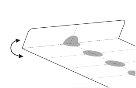
- Separe una lámina del blister por las líneas de perforación.
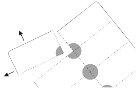
- Despegue cuidadosamente la lámina desde la esquina.
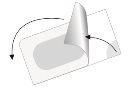
Saque el comprimido.
[Blíster por presión:]
Como sacar los comprimidos de los blísteres resistentes a prueba de niños
Los comprimidos están envasados en un blíster unidosis resistente a prueba de niños.
Para sacar el comprimido, presione el comprimido a través de la lámina del blíster reforzada.
Duración del tratamiento
En general no debe tomar Tanonalla más tiempo del necesario. Si recibe Tanonalla durante mucho tiempo, su médico debe comprobar con regularidad que lo sigue necesitando.
Si toma más Tanonalla del que debe
Si ha tomado más hidrocloruro de oxicodona/hidrocloruro de naloxona del que debe, consulte inmediatamente a su médico, a su farmacéutico o llame al Servicio de Información Toxicológica, teléfono: 91 562 04 20, indicando el medicamento y la cantidad utilizada.
Una sobredosis puede ocasionar:
- contracción de las pupilas,
- respiración lenta y superficial (depresión respiratoria),
- somnolencia hasta pérdida de la consciencia,
- tono muscular bajo (hipotonía),
- reducción de la frecuencia cardíaca, y
- descenso de la presión arterial.
En casos graves pueden producirse pérdida del conocimiento (coma), acumulación de líquido en los pulmones y colapso circulatorio, que puede ser mortal en algunas ocasiones.
Debe evitar las situaciones que requieran un nivel de alerta elevado, por ejemplo, conducir.
Si olvidó tomar Tanonalla
Si olvidó tomar Tanonalla o si toma una dosis menor que la recetada, puede que deje de notar el efecto analgésico.
Si se olvida de tomar una dosis, siga las instrucciones siguientes:
- Si faltan 8 horas o más para la siguiente dosis normal: tome inmediatamente la dosis olvidada, y continúe con la pauta normal.
- Si faltan menos de 8 horas para la siguiente dosis normal: tome la dosis olvidada. Espere otras 8 horas antes de tomar la siguiente dosis. Intente recuperar el horario original (por ejemplo, las 8 de la mañana y las 8 de la tarde). No tome Tanonalla más de una vez en un periodo de 8 horas.
No tome una dosis doble para compensar las dosis olvidadas.
Si interrumpe el tratamiento con Tanonalla
No interrumpa el tratamiento con Tanonalla sin consultarlo con su médico.
Si no necesita seguir con el tratamiento, debe reducir la dosis diaria de forma gradual, tras hablarlo con su médico. De esta forma evitará los síntomas de abstinencia, como inquietud, accesos de sudoración y dolor muscular.
Si tiene cualquier otra duda sobre el uso de este medicamento, pregunte a su médico o farmacéutico.

¿Has empezado a tomar el medicamento y tienes preguntas?
Comenta tus síntomas y tratamiento con un médico online.
4. Posibles efectos adversos
Al igual que todos los medicamentos, este medicamento puede producir efectos adversos, aunque no todas las personas los sufran.
Efectos adversos importantes a los que debe estar atento, y qué hay que hacer si los presenta
Si ya presenta alguno de los siguientes efectos adversos importantes, consulte inmediatamente con el médico más cercano.
La respiración lenta y superficial (depresión respiratoria) es el principal peligro de la sobredosis de opioides. Se produce sobre todo en pacientes de edad avanzada y debilitados. Los opioides también pueden producir una intensa disminución de la presión arterial en pacientes susceptibles.
Los siguientes efectos adversos han sido observados en pacientes que reciben tratamiento para el dolor:
Frecuentes(puede afectar hasta 1 de cada 10 personas)
- reducción o pérdida del apetito,
- dificultad para dormir, cansancio o debilidad,
- sensación de mareo o de que “todo da vueltas”, dolor de cabeza, somnolencia,
- sofocos,
- dolor abdominal, estreñimiento, diarrea, sequedad de boca, indigestión, estar enfermo, malestar, flatulencia,
- picor de piel, reacciones cutáneas, aumento de la sudoración,
- sensación inusual de debilidad.
Poco frecuentes(puede afectar hasta 1 de cada 100 personas)
- reacciones de hipersensibilidad/alérgicas,
- descenso del deseo sexual,
- inquietud, pensamientos extraños, ansiedad, confusión, depresión, nerviosismo,
- crisis epilépticas (especialmente en personas con trastornos epilépticos o predisposición a las convulsiones), dificultad para concentrarse, alteración del gusto, alteración del habla, desmayo, temblor, pérdida de energía.
- trastorno de la visión,
- sensación de opresión en el tórax, sobre todo si ya padece enfermedad coronaria, palpitaciones,
- descenso de la presión arterial, aumento de la presión arterial,
- dificultad para respirar, rinorrea, tos,
- distensión abdominal,
- aumento de las enzimas hepáticas, cólico biliar,
- calambres musculares, contracciones musculares, dolor muscular,
- aumento de la necesidad imperiosa de orinar,
- síntomas de abstinencia como agitación,
- dolor torácico,
- escalofríos, sensación de malestar general, dolor, sed,
- hinchazón de manos, tobillos o pies,
- pérdida de peso,
- lesiones por accidentes.
Raros(puede afectar hasta 1 de cada 1.000 personas)
- aumento de la frecuencia cardíaca,
- dependencia al medicamento,
- bostezos,
- alteraciones dentales,
- aumento de peso.
Frecuencia no conocida(no puede estimarse a partir de los datos disponibles)
- euforia, alucinaciones, pesadillas, agresión,
- hormigueo, somnolencia intensa,
- respiracion superficial,
- eructos,
- dificultades para orinar,
- disfunción eréctil,
- problemas con la respiración durante el sueño (síndrome de apnea de sueño).
Se sabe que el principio activo hidrocloruro de oxicodona, si no se combina con hidrocloruro de naloxona, tiene los siguientes efectos adversos, diferentes de los citados:
Oxicodona puede producir problemas respiratorios (depresión respiratoria), disminución del tamaño de las pupilas, calambres de los músculos bronquiales y de los músculos lisos, y depresión del reflejo de la tos.
Frecuentes(puede afectar hasta 1 de cada 10 personas)
- alteración del estado de ánimo y cambios de personalidad (p. ej.: depresión, sensación de extrema felicidad), disminución de la actividad, aumento de la actividad,
- hipo,
- dificultad para orinar.
Poco frecuentes(puede afectar hasta 1 de cada 100 personas)
- deshidratación,
- agitación, trastornos de la percepción (p. ej.: alucinaciones, desrealización),
- dificultad para concentrarse, migrañas, aumento de la tensión muscular, contracciones musculares involuntarias, reducción de la sensibilidad al dolor o del tacto, alteraciones de la coordinación,
- dificultades auditivas,
- ampliación de los vasos sanguíneos,
- alteraciones de la voz (disfonía),
- dificultad para tragar,
- condición en la que el intestino deja de funcionar correctamente (íleo),úlceras bucales, encías irritadas,
- sequedad de piel,
- disminución de los niveles de hormonas sexuales que puede afectar a la producción de esperma en hombres o al ciclo menstrual en mujeres
- hinchazón por retención de agua, tolerancia al medicamento.
Raros(puede afectar hasta 1 de cada 1.000 personas)
- infecciones como herpes bucal o herpes (que puede causar ampollas alrededor de la boca o la zona genital),
- aumento del apetito,
- heces negras (con aspecto de alquitrán), hemorragia gingival,
- erupción con picor (urticaria).
Frecuencia no conocida(no puede estimarse a partir de los datos disponibles)
- reacciones alérgicas agudas generalizadas (reacciones anafilácticas),
- aumento de la sensibilidad al dolor,
- caries dental,
- problemas con el flujo de bilis, un problema que afecta a una válvula en el intestino, que puede causar dolor intenso en el abdomen superior (disfunción del esfínter de Oddi),
- ausencia de períodos menstruales,
- síndrome de abstinencia en el recién nacido.
Comunicación de efectos adversos
Si experimenta cualquier tipo de efecto adverso, consulte a su médico o farmacéutico, incluso si se trata de posibles efectos adversos que no aparecen en este prospecto. También puede comunicarlos directamente a través del Sistema Español de Farmacovigilancia de medicamentos de Uso Humano: https://www.notificaram.es. Mediante la comunicación de efectos adversos usted puede contribuir a proporcionar más información sobre la seguridad de este medicamento.
5. Conservación de Tanonalla
Mantener este medicamento fuera de la vista y del alcance de los niños.
No utilice este medicamento después de la fecha de caducidad que aparece en el envase, frasco o blíster después de CAD/EXP. La fecha de caducidad es el último día del mes que se indica.
Blíster:
No conservar a temperatura superior a 25°C.
Frascos:
No conservar a temperatura superior a 30°C.
Caducidad tras la primera apertura: 3 meses.
Los medicamentos no se deben tirar por los desagües ni a la basura. Deposite los envases y los medicamentos que no necesita en el Punto SIGRE de la farmacia. En caso de duda pregunte a su farmacéutico cómo deshacerse de los envases y de los medicamentos que no necesita. De esta forma, ayudará a proteger el medio ambiente.
6. Contenido del envase e información adicional
Composición de Tanonalla
Los principios activos son hidrocloruro de oxicodona e hidrocloruro de naloxona.
Cada comprimido de liberacio´n prolongada contiene 10 mg de hidrocloruro de oxicodona (equivalente a 9 mg de oxicodona) y 5 mg de hidrocloruro de naloxona (como 5,45 mg de hidrocloruro de naloxona dihidrato, equivalente a 4,5 mg de naloxona).
Los demás excipientes son:
Núcleo del comprimido:
Acetato de polivinilo
Povidona K30
Laurilsulfato de sodio
Sílice coloidal anhidra
Celulosa microcristalina
Esterato de magnesio
Recubrimiento del comprimido:
Alcohol de polivinilo
Dióxido de titanio (E171)
Macrogol 3350
Talco
Óxido de hierro rojo (E172)
Aspecto del producto y contenido del envase
Comprimido de liberacio´n prolongada rosa, oblongo, biconvexo con ranuras en ambos lados, con un largo de 10,2 mm, ancho de 4,7 mm y un grosor de 3,0 a 4,0 mm. El comprimido se puede dividir en dosis iguales.
Tanonalla está disponible en blíster unidosis perforado resistente a prueba de niños por presión o pelable, aluminio/PVC/PE/PVDC que contienen 10 x1 (envase hospitalario), 14x1, 20x1, 28x1, 30x1, 50x1, 56x1, 60x1, 98x1 y 100x1 comprimidos de liberación prolongada o
blíster resistente a prueba de niños, aluminio/PVC/PE/PVDC que contienen 28,56 y 84 comprimidos de liberación prolongada o en frascos HDPE con cierre de rosca resistente a niños que contienen 50 y 100 comprimidos de liberación prolongada.
Puede que solamente estén comercializados algunos tamaños de envases.
Titular de la autorización de comercialización y responsable de la fabricación
Titular de la autorización de comercialización
Sandoz Farmacéutica, S.A.
Centro Empresarial Parque Norte
Edificio Roble
C/ Serrano Galvache, 56
28033 Madrid
España
Responsable de la fabricación
Develco Pharma GmbH
Grienmatt 27, Baden-Wuerttemberg
D-79650 Schopfheim
Alemania
ó
Salutas Pharma GmbH
Otto-von-Guericke-Allee 1
39179 Barleben
Alemania
Este medicamento está autorizado en los estados miembros del Espacio Económico Europeo y en el Reino Unido (Irlanda del Norte) con los siguientes nombres:
Alemania: Oxycodon comp HEXAL 10 mg/5 mg Retardtabletten
Eslovaquia: Oxycodone/Naloxone Sandoz 10 mg/5 mg
Eslovenia: Codilek Combo 10 mg/5 mg tablete s podaljšanim sprošcanjem
Finlandia: Tanonalla 10 mg/5 mg depottabletti
Irlanda: Dancex SR Plus 10 mg/5 mg Prolonged-release tablets
Islandia: Tanonalla 10 mg/5 mg forðatafla
Italia: Ossicodone e Naloxone Sandoz
Noruega : Tanonalla 10 mg/5 mg depottablett
Reino Unido: Doneloxon 10 mg/5 mg Prolonged-release tablets
República Checa: Oxycodon/Naloxon Sandoz 10 mg/5 mg
Suecia: Oxycodone/Naloxone Sandoz 10 mg/5 mg depottabletter
Polonia: Xanconalon
Portugal: Oxicodona + Naloxona Sandoz 10mg/5 mg comprimidos revestidos por película
Fecha de la última revisión de este prospecto:mayo 2025.
La información detallada de este medicamento está disponible en la página web de la Agencia Española de Medicamentos y Productos Sanitarios (AEMPS) http://www.aemps.gob.es/
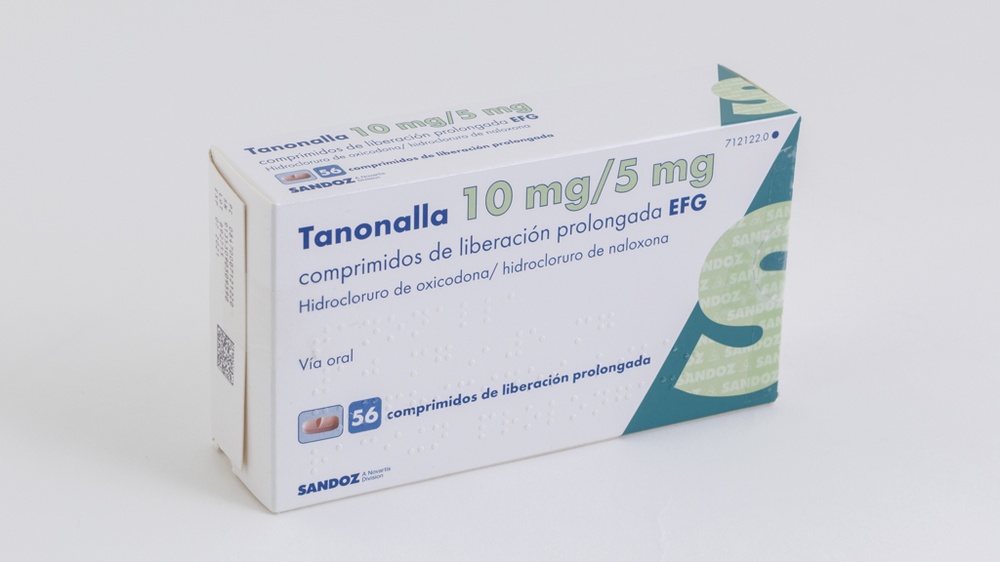
- País de registro
- Forma farmacéuticaCOMPRIMIDO LIBERACION MODIFICADA, 10 mg/5 mg
- Código ATCN02AA55
- Precio medio en farmacia25.38 EUR
- Principio activo
- Requiere recetaSí
- Fabricante
- ComposiciónLAURILSULFATO DE SODIO (0,520 mg mg)
- Esta información es de carácter general y no sustituye la consulta con un profesional sanitario.
- Alternativas a TANONALLA 10 MG/5 MG COMPRIMIDOS DE LIBERACIÓN PROLONGADA EFGForma farmacéutica: COMPRIMIDO LIBERACION MODIFICADA, 10 mg/5 mgPrincipio activo: oxycodone and naloxoneFabricante: Neuraxpharm Spain S.L.Requiere recetaForma farmacéutica: COMPRIMIDO LIBERACION MODIFICADA, 20 mg/10 mgPrincipio activo: oxycodone and naloxoneFabricante: Neuraxpharm Spain S.L.Requiere recetaForma farmacéutica: COMPRIMIDO LIBERACION MODIFICADA, 30 mg/15 mgPrincipio activo: oxycodone and naloxoneFabricante: Neuraxpharm Spain S.L.Requiere receta
Médicos online para TANONALLA 10 MG/5 MG COMPRIMIDOS DE LIBERACIÓN PROLONGADA EFG
Comenta la dosis, los posibles efectos secundarios, interacciones, contraindicaciones o la revisión de receta de TANONALLA 10 MG/5 MG COMPRIMIDOS DE LIBERACIÓN PROLONGADA EFG, sujeto a valoración médica y a la normativa local.









Obtén una receta de TANONALLA 10 MG/5 MG COMPRIMIDOS DE LIBERACIÓN PROLONGADA EFG online
Rellena un formulario de 2 minutos
Cuéntanos tus síntomas, historial y el medicamento que necesitas.
Elige un médico o nosotros te asignamos uno
Escoge un especialista o te conectamos con el próximo médico disponible.
El médico revisa tu caso
Normalmente en 30 minutos. Puede hacerte preguntas adicionales por chat.
Recógela en cualquier farmacia
Receta electrónica enviada a tu correo, válida en toda España.
Preguntas frecuentes
TANONALLA 10 MG/5 MG COMPRIMIDOS DE LIBERACIÓN PROLONGADA EFG requiere receta en España. Puedes confirmarlo con un médico online según tu caso.
El principio activo de TANONALLA 10 MG/5 MG COMPRIMIDOS DE LIBERACIÓN PROLONGADA EFG es oxycodone and naloxone. Esta información ayuda a identificar medicamentos con la misma composición pero con diferentes nombres comerciales.
El precio medio en farmacia de TANONALLA 10 MG/5 MG COMPRIMIDOS DE LIBERACIÓN PROLONGADA EFG es de aproximadamente 25.38 EUR. Puede variar según el fabricante y la forma farmacéutica.
TANONALLA 10 MG/5 MG COMPRIMIDOS DE LIBERACIÓN PROLONGADA EFG es fabricado por Sandoz Farmaceutica S.A.. La marca y el envase pueden variar según el distribuidor.
Los Médicos de familia, Psiquiatras, Dermatólogos, Cardiólogos, Endocrinólogos, Gastroenterólogos, Neumólogos, Nefrólogos, Reumatólogos, Hematólogos, Infectólogos, Alergólogos, Geriatras, Pediatras, Oncólogos pueden valorar la prescripción de TANONALLA 10 MG/5 MG COMPRIMIDOS DE LIBERACIÓN PROLONGADA EFG cuando esté clínicamente indicado. Puedes reservar una videoconsulta para comentar tu caso y las opciones de tratamiento.
España cuenta con una infraestructura sanitaria bien desarrollada en ciudades principales como Madrid, Barcelona, Valencia y Sevilla. Las farmacias están ampliamente disponibles y operan bajo estrictas regulaciones, garantizando el acceso a medicamentos con receta.
Puedes comprar TANONALLA 10 MG/5 MG COMPRIMIDOS DE LIBERACIÓN PROLONGADA EFG en Madrid, Barcelona, Sevilla o Valencia en cualquier farmacia local con una receta válida.
Para obtener una receta, puedes utilizar Oladoctor:
Otros medicamentos con el mismo principio activo (oxycodone and naloxone) incluyen DUOXONA 10 MG/5 MG COMPRIMIDOS DE LIBERACION PROLONGADA EFG, DUOXONA 20 MG/10 MG COMPRIMIDOS DE LIBERACION PROLONGADA EFG, DUOXONA 30 MG/15 MG COMPRIMIDOS DE LIBERACION PROLONGADA EFG. Pueden tener diferentes nombres comerciales o formulaciones, pero contienen el mismo componente terapéutico. Consulta siempre con un médico antes de cambiar o iniciar un nuevo medicamento.
