


SANCUSO 3,1 MG/24 H PARCHE TRANSDERMICO
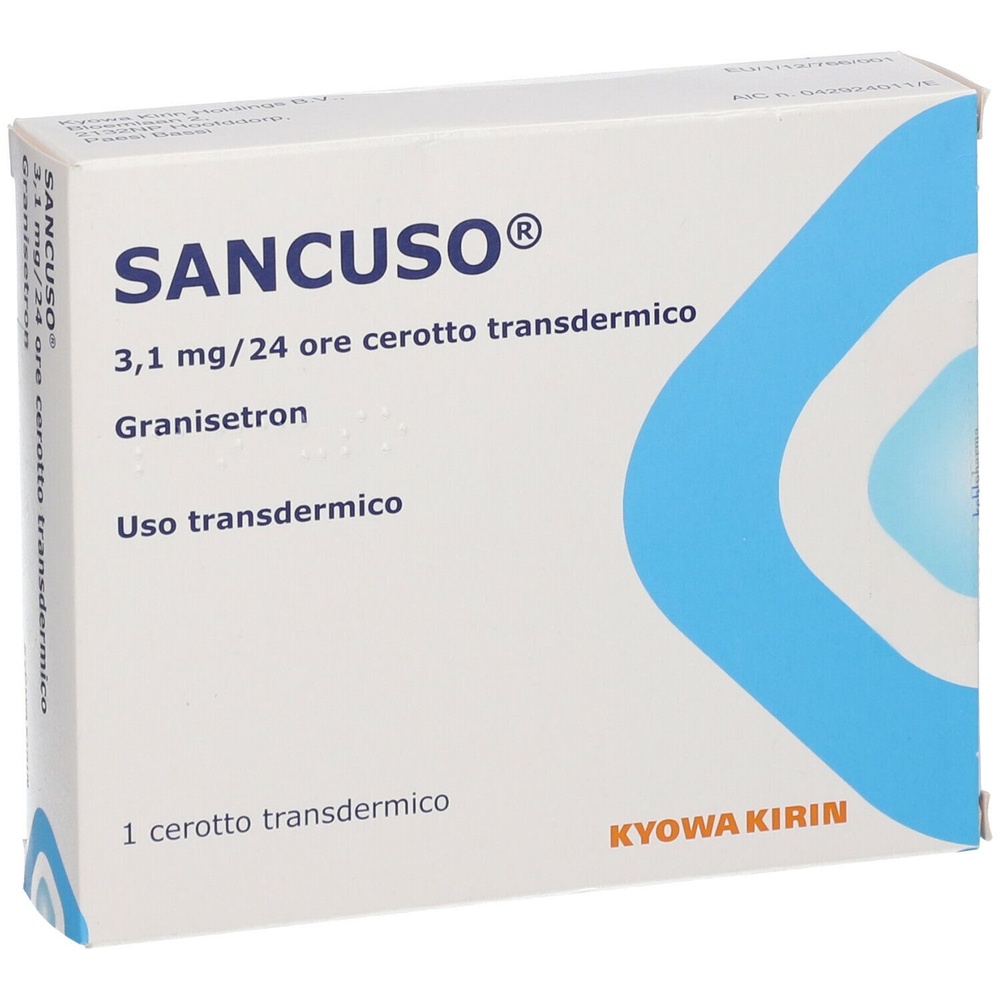



Cómo usar SANCUSO 3,1 MG/24 H PARCHE TRANSDERMICO
Traducción generada por IA
Este contenido ha sido traducido automáticamente y se ofrece solo con fines informativos. No sustituye la consulta con un profesional sanitario.
Ver originalContenido del prospecto
Introducción
Prospecto: Información para el paciente
SANCUSO 3,1 mg/24 horas parche transdérmico
granisetrón
Lea todo el prospecto detenidamente antes de empezar a usar este medicamento, porque contiene información importante para usted.
- Conserve este prospecto, ya que puede tener que volver a leerlo.
- Si tiene alguna duda, consulte a su médico o enfermero.
- Este medicamento se le ha recetado solamente a usted, y no debe dárselo a otras personas aunque tengan los mismos síntomas que usted, ya que puede perjudicarles.
- Si experimenta efectos adversos, consulte a su médico o enfermero, incluso si se trata de efectos adversos que no aparecen en este prospecto. Ver sección 4.
Contenido del prospecto
- Qué es SANCUSO y para qué se utiliza
- Qué necesita saber antes de empezar a usar SANCUSO
- Cómo usar SANCUSO
- Posibles efectos adversos
- Conservación de SANCUSO
- Contenido del envase e información adicional
1. Qué es SANCUSO y para qué se utiliza
El principio activo en SANCUSO es granisetrón, que pertenece a un grupo de medicamentos llamados antieméticos y antinauseosos.
SANCUSO es un parche transdérmico (piel) que se utiliza para prevenir las náuseas y los vómitos en adultos que reciben tratamientos de quimioterapia (medicamentos para tratar el cáncer) durante 3 a 5 días y que tienen dificultad para tragar comprimidos (por ejemplo debido a dolor, sequedad o inflamación de la boca o garganta).
Debe consultar a un médico si empeora o si no mejora tras el primer día de quimioterapia.

2. Qué necesita saber antes de empezar a usar SANCUSO
No use SANCUSO:
- si es alérgico a granisetrón o a cualquiera de los demás componentes de este medicamento (incluidos en la sección 6);
- si es alérgico a algún otro medicamento antinauseoso cuyo nombre termine en “setrón” por ejemplo, ondansetrón.
Advertencias y precauciones
Consulte a su médico o enfermero antes de empezar a usar este tratamiento si alguno de los siguientes puntos es aplicable en su caso:
- si le han informado de que tiene una enfermedad o trastorno del corazón;
- si tiene dolor de estómago o tiene el estómago hinchado;
- si tiene problemas de riñones o hígado.
Este medicamento puede no funcionar tan bien y/o puede afectar a la piel si se expone a la luz solar directa o a la luz de las lámparas solares o camas de bronceado. Es importante hacer lo siguiente:
- mientras lleve puesto el parche transdérmico, cúbralo con ropa si se va a exponer a la luz solar o va a estar cerca de una lámpara solar, incluidas las camas de bronceado;
- mantenga cubierta la piel donde se aplicó este medicamento durante otros 10 días más después de haberse quitado el parche transdérmico para proteger la zona de la exposición a la luz solar directa.
Se desconoce cómo pueden afectar a este medicamento actividades como la natación, el ejercicio extenuante o el uso de saunas o bañeras de hidromasaje. Evite estas actividades mientras lleve puesto el parche transdérmico. Puede seguir duchándose o aseándose de la forma normal mientras lleva puesto el parche transdérmico.
Se debe evitar el calor externo, por ejemplo el procedente de las bolsas de agua caliente o de las compresas de calor, en la zona del parche transdérmico.
Niños y adolescentes
Este medicamento no deben utilizarlo los niños ni adolescentes menores de 18 años.
Uso de SANCUSO con otros medicamentos
Informe a su médico o enfermero si está utilizando, ha utilizado recientemente o podría tener que utilizar cualquier otro medicamento. SANCUSO puede afectar a la forma en la que funcionan algunos medicamentos. Asimismo, algunos medicamentos pueden afectar a la forma en la que funciona SANCUSO. En concreto, informe a su médico o enfermero si toma los siguientes medicamentos:
- Paracetamol, se utiliza para tratar el dolor.
- Fenobarbital, se utiliza para tratar la epilepsia.
- Ketoconazol, se utiliza para tratar las infecciones causadas por hongos (fúngicas).
- ISRS (inhibidores selectivos de la recaptación de serotonina) utilizados para el tratamiento de la depresión y/o la ansiedad, incluidos fluoxetina, paroxetina, sertralina, fluvoxamina, citalopram y escitalopram.
- IRSN (inhibidores de la recaptación de la serotonina y noradrenalina) utilizados para el tratamiento de la depresión y/o la ansiedad, incluidos venlafaxina y duloxetina.
- Buprenorfina, opioides u otros medicamentos serotoninérgicos.
Embarazo y lactancia
No utilice este medicamento si está embarazada a menos que su médico se lo haya recomendado específicamente.
Debe interrumpirse la lactancia mientras lleve el parche.
Si está embarazada o en periodo de lactancia, cree que podría estar embarazada o tiene intención de quedarse embarazada, consulte a su médico antes de utilizar este medicamento.
Conducción y uso de máquinas
La influencia de SANCUSO sobre la capacidad para conducir y utilizar máquinas es nula o insignificante.
3. Cómo usar SANCUSO
Siga exactamente las instrucciones de administración de este medicamento indicadas por su médico. En caso de duda, consulte de nuevo a su médico o enfermero.
La dosis recomendada es un solo parche transdérmico. El medicamento del parche transdérmico pasa gradualmente al organismo a través de la piel y, por lo tanto, el parche se debe poner de 1 a 2 días (24 a 48 horas) antes de comenzar la quimioterapia.
Este medicamento se administra por vía transdérmica. Este medicamento libera el principio activo lentamente y de forma constante a través de la piel y entra en el torrente sanguíneo durante todo el tiempo que lleve puesto el parche transdérmico.
Cosas que debe recordar mientras utiliza el parche transdérmico
- No guarde o almacene el parche transdérmico fuera del sobre sellado.
- No corte el parche transdérmico en partes más pequeñas.
- Utilice solo un parche transdérmico a la vez.
- Cuando se quite el parche transdérmico, mírese la piel e informe a su médico si observa una reacción cutánea grave (si tiene la piel muy roja, con picor o si observa ampollas).
- La luz solar directa o la exposición a lámparas solares pueden afectar al parche transdérmico. Mientras lleve puesto el parche transdérmico debe mantenerlo cubierto, por ejemplo, debajo de la ropa, si hay riesgo de exposición a la luz solar directa o a lámparas solares. Continúe cubriéndose la zona de aplicación durante otros 10 días más después de haberse quitado el parche transdérmico.
- El contacto con el agua al bañarse o ducharse no cambiará la forma en la que funciona SANCUSO. Sin embargo, el parche transdérmico puede despegarse parcialmente. Intente no llevar puesto el parche transdérmico en el agua durante periodos de tiempo prolongados.
- No hay información sobre el efecto en el parche transdérmico de actividades como el ejercicio extenuante o el uso de saunas o bañeras de hidromasaje; por lo tanto, debe evitar estas actividades mientras lleve puesto el parche transdérmico.
- Debe evitar el calor externo (por ejemplo las bolsas de agua caliente o las compresas de calor) en la zona del parche transdérmico.
Cuándo debe ponerse y quitarse el parche transdérmico
No saque el parche transdérmico del sobre hasta que vaya a ponérselo. Póngase un parche transdérmico al menos 1 día (24 horas) antes de su cita para la quimioterapia. Se puede poner el parche transdérmico hasta un máximo de 2 días (48 horas) antes de la quimioterapia. Lleve puesto el parche transdérmico durante todo el tiempo que dure la quimioterapia. El parche transdérmico se puede llevar puesto hasta 7 días, dependiendo de la duración de la quimioterapia. Quítese el parche transdérmico al menos 1 día (24 horas) después de completar la quimioterapia.
Dónde debe ponerse el parche transdérmico
Póngase el parche transdérmico en una zona de piel limpia, seca y sana en la parte exterior del brazo. Si no se puede poner el parche transdérmico en los brazos, el médico le podrá decir que se lo ponga en el abdomen. La zona que elija no debe estar grasienta, recientemente afeitada ni tener problemas cutáneos tales como estar dañada (cortes o rozaduras) o irritada (enrojecimiento o una erupción cutánea). No se ponga SANCUSO en zonas tratadas con cremas, aceites, lociones, polvos u otros productos cutáneos que podrían hacer que el parche transdérmico no se pegue bien a la piel.
Cómo debe ponerse el parche transdérmico
- Saque un sobre de la caja y ábralo utilizando la hendidura facilitada. Cada sobre contiene un parche transdérmico pegado sobre una película de plástico rígido.
- Saque el parche transdérmico del sobre.
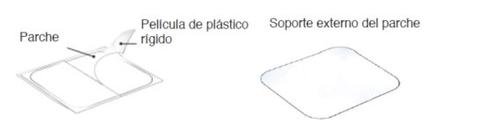
- La cara adhesiva del parche transdérmico está cubierta por una película de plástico rígido de dos piezas. Doble el parche transdérmico por la mitad y retire una mitad de la película de plástico rígido. Tenga cuidado para que el parche transdérmico no se pegue a sí mismo y evite tocar la cara adhesiva del parche transdérmico.
- Mientras sujeta la mitad restante de la película de plástico rígido, póngase el parche transdérmico sobre la piel de la parte exterior del brazo.
- Retire la segunda mitad de la película de plástico rígido y presione con los dedos sobre todo el parche transdérmico con firmeza y alíselo. Presione con firmeza asegurándose que esté bien en contacto con la piel, especialmente por los bordes.
- Lávese las manos después de ponerse el parche transdérmico.
- Déjese el parche transdérmico puesto durante todo el tiempo que reciba la quimioterapia.
- No reutilice el parche transdérmico una vez quitado. A continuación se dan las instrucciones sobre una vez quitado y la eliminación del parche transdérmico (ver sección 5).
Después de quitarse el parche transdérmico
- El parche transdérmico utilizado sigue conteniendo algo de granisetrón y debe eliminarse inmediatamente de la forma descrita en la sección 5.
- Después de quitarse el parche transdérmico, podrá observar que queda algo de material pegajoso en la piel. Lave suavemente la zona con jabón y agua para eliminarlo. El alcohol u otros disolventes líquidos como quitaesmaltes pueden producir irritación cutánea y no se deben utilizar.
- Lávese las manos.
- Podrá observar un ligero enrojecimiento de la piel donde llevó puesto el parche transdérmico. Este enrojecimiento debe desaparecer con el tiempo. Si no desaparece, informe a su médico.
Si el parche transdérmico se despega
Si el parche transdérmico comienza a despegarse, puede ponerse el mismo parche transdérmico en la misma zona de piel. En caso necesario, utilice vendas quirúrgicas o esparadrapo para sujetar el parche transdérmico en su sitio. Si se le pierde o deteriora el parche transdérmico, acuda a su médico.
Si usa más SANCUSO del que debe
Si usa más SANCUSO del que debe, solo tiene que quitarse los parches adicionales y acudir al médico.
Si olvidó usar SANCUSO
Es importante utilizar este medicamento según las instrucciones de su médico para prevenir las náuseas o los vómitos después de la quimioterapia. Si olvidó ponerse el parche transdérmico en el momento correcto, póngaselo en cuanto lo recuerde e informe a su médico lo antes posible antes de la quimioterapia.
Si interrumpe el tratamiento con SANCUSO
Es importante que use este medicamento durante toda la duración de su quimioterapia (hasta 7 días) para evitar las náuseas o los vómitos después de la quimioterapia. Consulte a su médico si desea quitarse el parche antes de finalizar el ciclo de tratamiento quimioterapéutico (hasta 7 días).
Si tiene cualquier otra duda sobre el uso de este medicamento, pregunte a su médico o enfermero.

4. Posibles efectos adversos
Al igual que todos los medicamentos, SANCUSO puede producir efectos adversos, aunque no todas las personas los sufran.
Si usted está recibiendo tratamiento con quimioterapia que le provoca náuseas de forma moderada o intensa, puede que aún tenga vómitos a pesar del tratamiento con un medicamento antinauseoso, incluido este.
Informe a su médico inmediatamentesi desarrolla estreñimiento o si tiene dolor o hinchazón de estómago. El estreñimiento es un efecto adverso frecuente y puede afectar hasta 1 de cada 10 personas.
Quítese el parche transdérmico e informe a su médicosi observa:
- signos y síntomas de una afección llamada síndrome serotoninérgico, que puede ser grave y, en algunos casos, potencialmente mortal. Estos pueden incluir cambios en la tensión arterial (que podrían hacerle sentirse mareado o tener dolor de cabeza), latido cardiaco rápido, visión borrosa (que puede deberse a la dilatación de la pupila del ojo), sudoración, aumento en el número de defecaciones/ruidos intestinales, escalofríos, temblores, espasmos o sacudidas musculares y reflejos hiperactivos. También puede tener fiebre alta o muy alta, sentirse agitado o confundido, tener rigidez muscular y notar que habla más rápido. No se sabe cuántas personas presentarán el síndrome serotoninérgico (no se puede estimar a partir de los datos disponibles);
- una reacción cutánea grave (si tiene la piel muy roja, con picor o si observa ampollas). Las reacciones cutáneas en el lugar de aplicación, tales como irritación, picor o enrojecimiento son poco frecuentes y pueden afectar hasta 1 de cada 100 personas.
Otros posibles efectos adversos:
Los efectos adversos poco frecuentes son:
- dolor de cabeza, sensación de “darle todo vueltas” incluso cuando está quieto (vértigo);
- disminución del apetito, pérdida de peso;
- sofocos (o enrojecimiento);
- ganas de vomitar (náuseas), arcadas, sequedad de boca;
- dolor en las articulaciones;
- hinchazón debida a la retención de líquidos (edema);
- cambios en las pruebas de la función hepática (si le hacen análisis de sangre, informe al médico o enfermero que ha recibido SANCUSO).
Los efectos adversos raros (pueden afectar hasta 1 de cada 1.000 personas) son:
- movimientos musculares anormales (tales como temblores, rigidez muscular y contracciones musculares).
Efectos adversos con una frecuencia no conocida (no se puede estimar a partir de los datos disponibles):
Reacciones alérgicas cutáneas. Los signos pueden incluir bultos rojos y protuberantes de pequeño tamaño, con comezón.
Otros posibles efectos adversos asociados con los medicamentos con granisetrón (de frecuencia no conocida):
- Reacciones alérgicas, entre las que se incluyen urticaria (erupción cutánea protuberante, enrojecida y con comezón) y anafilaxis (una reacción alérgica grave que puede incluir sibilancia súbita, dificultad para respirar, hinchazón de los párpados, el rostro o los labios, erupción o picor).
- Dificultad para dormir/alteraciones del sueño.
- Somnolencia excesiva.
- Prolongación del intervalo QT en el ECG (cambios en la frecuencia cardiaca [ECG] que indican un trastorno del ritmo cardiaco).
- Estreñimiento.
- Diarrea.
- Falta de energía/debilidad/pérdida de fuerzas.
Comunicación de efectos adversos
Si experimenta cualquier tipo de efecto adverso, consulte a su médico o enfermero, incluso si se trata de posibles efectos adversos que no aparecen en este prospecto. También puede comunicarlos directamente a través del sistema nacional de notificación incluido en el Apéndice V. Mediante la comunicación de efectos adversos usted puede contribuir a proporcionar más información sobre la seguridad de este medicamento.
5. Conservación de SANCUSO
Mantener este medicamento fuera de la vista y del alcance de los niños.
No utilice este medicamento después de la fecha de caducidad que aparece en la caja y en el sobre después de CAD. La fecha de caducidad es el último día del mes que se indica.
Conservar en el embalaje original para protegerlo de la luz.
Los parches transdérmicos utilizados siguen conteniendo principios activos, que pueden ser nocivos para otras personas. Doble el parche transdérmico utilizado por la mitad con la cara adhesiva hacia dentro y deséchelo de forma segura, fuera del alcance de los niños. Los medicamentos no se deben tirar por los desagües ni a la basura. Pregunte a su farmacéutico cómo deshacerse de los envases y de los medicamentos que ya no necesita. De esta forma, ayudará a proteger el medio.
6. Contenido del envase e información adicional
Composición de SANCUSO
- El principio activo es granisetrón. Cada parche transdérmico de 52 cm2 contiene 34,3 mg de granisetrón, que libera 3,1 mg de granisetrón cada 24 horas.
- Los demás componentes son:
- Adhesivo del parche transdérmico: copolímero de acrilato-vinilacetato
- Película de soporte: poliéster
- Película de plástico rígido: poliéster siliconizado
Aspecto del producto y contenido del envase
SANCUSO es un parche transdérmico fino, transparente y rectangular con esquinas redondeadas, pegado sobre una película de plástico rígido. El parche transdérmico viene dentro de un sobre. Cada caja contiene un parche transdérmico.
Titular de la autorización de comercialización
Grünenthal GmbH
Zieglerstraße 6
52078 Aachen
Alemania
Responsable de la fabricación
Pharbil Waltrop GmbH (una subsidiaria de NextPharma)
ImWirrigen 25
45731 Waltrop
Alemania
Fecha de la última revisión de este prospecto:
La información detallada de este medicamento está disponible en la página web de la Agencia Europea de Medicamentos: http://www.ema.europa.eu.
- País de registro
- Forma farmacéuticaPARCHE TRANSDERMICO, 3,1 mg/24 h
- Código ATCA04AA02
- Principio activo
- Requiere recetaSí
- Fabricante
- Esta información es de carácter general y no sustituye la consulta con un profesional sanitario.
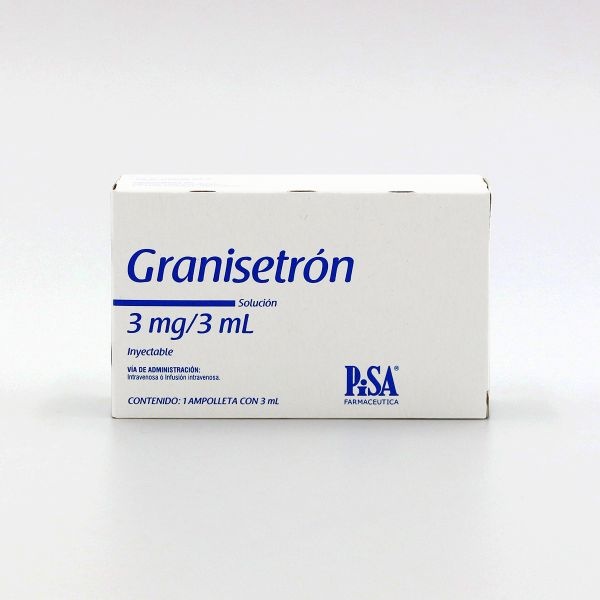
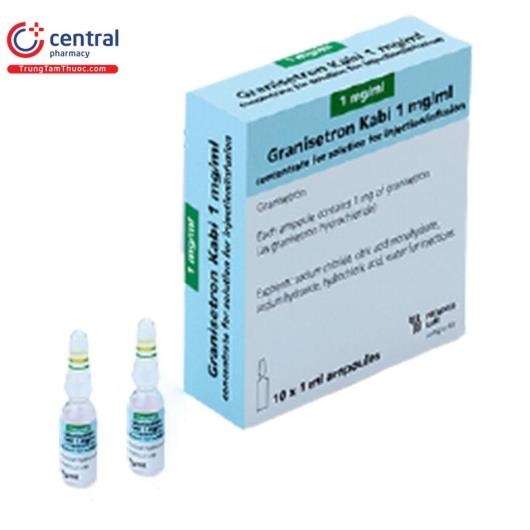
- Alternativas a SANCUSO 3,1 MG/24 H PARCHE TRANSDERMICOForma farmacéutica: INYECTABLE PERFUSION, 3 mg granisetron hidrocloruro/50 mlPrincipio activo: granisetronFabricante: Altan Pharmaceuticals SaRequiere recetaForma farmacéutica: COMPRIMIDO, 1 mgPrincipio activo: granisetronFabricante: Aurovitas Spain, S.A.U.Requiere recetaForma farmacéutica: INYECTABLE, 1 mgPrincipio activo: granisetronFabricante: Fresenius Kabi España, S.A.U.Requiere receta

Médicos online para SANCUSO 3,1 MG/24 H PARCHE TRANSDERMICO
Comenta la dosis, los posibles efectos secundarios, interacciones, contraindicaciones o la revisión de receta de SANCUSO 3,1 MG/24 H PARCHE TRANSDERMICO, sujeto a valoración médica y a la normativa local.











Preguntas frecuentes
