

PHARMAGRIP 500 mg/30 mg /15 Mg Solución/Suspensión Oral





Cómo usar PHARMAGRIP TOS Y CONGESTIÓN POLVO PARA SOLUCION ORAL
Traducción generada por IA
Este contenido ha sido traducido automáticamente y se ofrece solo con fines informativos. No sustituye la consulta con un profesional sanitario.
Ver originalContenido del prospecto
Introducción
Prospecto: información para el paciente
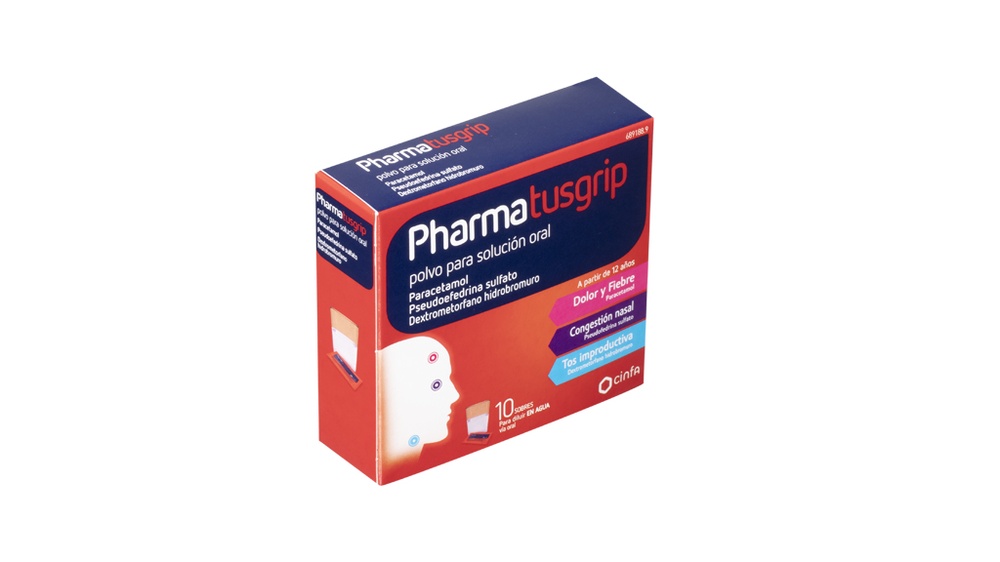
Pharmagrip tos y congestiónpolvo para solución oral
Paracetamol / Pseudoefedrina sulfato / Dextrometorfano hidrobromuro
Lea todo el prospecto detenidamente antes de empezar a tomar este medicamento, porque contiene información importante para usted.
Siga exactamente las instrucciones de administración del medicamento contenidas en este prospecto o las indicadas por su médico o farmacéutico.
- Conserve este prospecto, ya que puede tener que volver a leerlo.
- Si necesita consejo o más información, consulte a su farmacéutico.
- Si experimenta efectos adversos, consulte a su médico o farmacéutico, incluso si se trata de efectos adversos que no aparecen en este prospecto. Ver sección 4.
- Debe consultar a un médico si empeora o si no mejora o si la fiebre persiste durante más de 3 días o el dolor o los otros síntomas persisten más de 5 días.
Contenido del prospecto
- Qué es Pharmagrip tos y congestión y para qué se utiliza
- Qué necesita saber antes de empezar a tomar Pharmagrip tos y congestión
- Cómo tomar Pharmagrip tos y congestión
- Posibles efectos adversos
- Conservación de Pharmagrip tos y congestión
- Contenido del envase e información adicional
1. Qué es Pharmagrip tos y congestión y para qué se utiliza
El paracetamol pertenece al grupo de medicamentos llamados analgésicos y antipiréticos, por lo que reduce el dolor y la fiebre. La Pseudoefedrina pertenece al grupo de medicamentos Descongestionantes Nasales. El Dextrometorfano pertenece al grupo de medicamentos Antitusivos.
Este medicamento está indicado en el alivio sintomático de los catarros y gripes que cursen con dolor, fiebre, congestión nasal y tos improductiva (irritativa y nerviosa). Para mayores de 12 años.
Debe consultar a un médico si empeora o si no mejora o si la fiebre persiste durante más de 3 días o el dolor o los otros síntomas persisten más de 5 días.

2. Qué necesita saber antes de empezar a tomar Pharmagrip tos y congestión
Este medicamento puede provocar dependencia. Por lo tanto el tratamiento debe ser de corta duración.
Existe la posibilidad de que se abuse de uno de los principios activos que contiene Pharmagrip tos y congestión, la pseudoefedrina. Grandes dosis de pseudoefedrina pueden ser tóxicas. El uso continuo puede provocar tolerancia y llevar a tomar más Pharmagrip tos y congestión de la dosis recomendada para obtener el efecto deseado, lo que podría dar lugar a un aumento del riesgo de sobredosis. No se debe superar la dosis máxima recomendada ni la duración del tratamiento (ver sección 3).
No tomePharmagrip tos y congestión
- Si es alérgico al paracetamol, pseudoefedrina, dextrometorfano o a alguno de los demás componentes de este medicamento (incluidos en la sección 6).
- Si tiene la presión arterial muy alta (hipertensión grave) o hipertensión que no está controlada por su medicación.
- Si tiene una enfermedad grave del corazón o coronaria.
- Si tiene una enfermedad renal grave, aguda (repentina) o crónica (de larga duración), o fallo del riñón.
- Si padece glaucoma de ángulo cerrado (lesión del nervio ocular con presión ocular alta).
- Si padece hipertiroidismo.
- Si tiene alguna enfermedad grave en los pulmones.
- Si sufre tos crónica o persistente debida a enfermedades como enfisema o asma, o si tiene tos acompañada de abundantes secreciones.
- Si está en tratamiento o ha estado durante las 2 semanas anteriores con algún medicamento del tipo de los inhibidores de la monoaminooxidasa (IMAO) (como algunos antidepresivos o medicamentos para la enfermedad de Parkinson, u otras) (ver “Otros medicamentos y Pharmagrip tos y congestión”).
- Si está embarazada y se encuentra en el primer trimestre de embarazo.
- Si sufre de insuficiencia respiratoria.
Advertencias y precauciones
Consulte a su médico o farmacéutico antes de empezar a tomar Pharmagrip tos y congestión.
Debido a su contenido en Paracetamol:
- No tomar más cantidad de medicamento que la recomendada en la sección 3. “Cómo tomar Pharmagrip tos y congestión”.
- Debe evitarse el uso simultáneo de este medicamento con otros medicamentos que contengan paracetamol, ya que las dosis altas pueden dar lugar a daño en el hígado. No use más de un medicamento que contenga paracetamol sin consultar al médico.
- Deben consultar a su médico antes de tomar este medicamento:
- los pacientes con anemia, con enfermedades del corazón, pulmón o riñón e hígado, ya que se recomienda evitar tratamientos largos (en el último caso, el uso ocasional es aceptable, pero la administración prolongada de dosis elevadas puede aumentar el riesgo de aparición de efectos adversos);
- los pacientes asmáticos sensibles al ácido acetilsalicílico;
- los pacientes que consumen habitualmente alcohol (3 o más bebidas alcohólicas- cerveza, vino, licor- al día) ya que este medicamento puede dañar el hígado.
- Los pacientes alcohólicos crónicos no deben tomar más de 2 g de paracetamol al día (4 sobres).
- Si tiene enfermedades graves, como insuficiencia renal grave o sepsis (cuando las bacterias y sus toxinas circulan en la sangre, lo que provoca daños en los órganos), o si padece malnutrición, alcoholismo crónico o si también está tomando flucloxacilina (un antibiótico). Se ha notificado una enfermedad grave denominada acidosis metabólica (una anomalía en la sangre y los líquidos) en pacientes en estas situaciones cuando se utiliza paracetamol a dosis regulares durante un período prolongado o cuando se toma paracetamol junto con flucloxacilina. Los síntomas de acidosis metabólica pueden incluir: dificultad respiratoria grave con respiración profunda y rápida, somnolencia, sensación de malestar (náuseas) y vómitos.
Debido a su contenido en Pseudoefedrina:
- No tomar este medicamento con otros medicamentos que contengan descongestivos nasales.
- Debe consultar con su médico antes de tomar este medicamento si tiene:
- enfermedad cardiovascular, como arritmias o isquemia cardiaca (estrechamiento de una arteria disminuyendo la llegada de oxígeno al corazón);
- diabetes mellitus (puede aumentar la concentración de la glucosa en sangre);
- presión ocular alta (glaucoma o predisposición al mismo);
- próstata aumentada de tamaño (hipertrofia prostática) (puede aumentar la retención de orina);
- enfermedad de riñón;
- tumor de la glándula suprarrenal productora de hormonas que afectan a la frecuencia del corazón y a la presión arterial (feocromocitoma).
Con Pharmagrip tos y congestión, podría reducirse el flujo sanguíneo transportado al nervio óptico. Si sufre una pérdida repentina de la visión, deje de tomar Pharmagrip tos y congestión y póngase en contacto con su médico o busque atención médica de inmediato. Ver sección 4.
Se han comunicado casos de síndrome de encefalopatía posterior reversible (SEPR) y de síndrome de vasoconstricción cerebral reversible (SVCR) después del uso de medicamentos que contienen pseudoefedrina. PRES y RCVS son enfermedades raras que pueden implicar una reducción del riego de sangre al cerebro. Deje de usar Pharmagrip tos y congestión inmediatamente y busque asistencia médica inmediata si presenta síntomas que puedan ser signos de SEPR o de SVCR (para conocer los síntomas consulte la sección 4 "Posibles efectos adversos").
- Los pacientes mayores de 60 años pueden ser especialmente sensibles a los efectos adversos de las aminas simpaticomiméticas (medicamentos para el tratamiento de la depresión). La sobredosis que se puede producir de dichas aminas simpaticomiméticas en pacientes mayores de 60 años, puede causar alucinaciones, depresión del SNC, convulsiones y fallecimiento.
Puede producirse dolor abdominal repentino o sangrado rectal con la toma de Pharmagrip tos y congestión, debido a una inflamación del colon (colitis isquémica). Si estos síntomas gastrointestinales aparecen, deje de tomar Pharmagrip tos y congestión y contacte con su médico o busque atención médica inmediatamente. Ver sección 4.
Debido a su contenido en Dextrometorfano:
- No administrar en caso de pacientes sedados, debilitados o encamados.
- Deben consultar con su médico antes de tomar este medicamento:
- los pacientes con enfermedades en el hígado, ya que puede alterarse el metabolismo del dextrometorfano, para que se establezca la pauta posológica más adecuada;
- los pacientes con tos persistente o crónica, como la debida al tabaco, ya que el dextrometorfano puede impedir la salida de las mucosidades;
- los pacientes con dermatitis atópica (enfermedad alérgica de la piel caracterizada por picor, rojez u otras lesiones, a menudo en individuos con predisposición hereditaria);
- si usted está tomando otros medicamentos como antidepresivos o antipsicóticos, Pharmagrip tos y congestión puede interactuar con estos medicamentos y es posible que experimente cambios en su estado mental (p. ej. agitación, alucinaciones, coma) y otros efectos como temperatura corporal superior a los 38º C, aumento de la frecuencia cardiaca, hipertensión arterial y exageración de los reflejos, rigidez muscular, falta de coordinación y/o síntomas gastrointestinales (p. ej., náuseas, vómitos y diarrea).
Se han descrito casos de abuso con medicamentos que contienen dextrometorfano en adolescentes. Por lo tanto deberá tenerse en cuenta esta posibilidad, debido a que pueden ocasionarse efectos adversos graves (ver apartado “Si toma más Pharmagrip tos y congestión del que debe”).
Niños y adolescentes
No utilizar en menores de 12 años.
Otros medicamentos yPharmagrip tos y congestión
Informe a su médico o farmacéutico si está tomando, ha tomado recientemente o pudiera tener que tomar cualquier otro medicamento.
Interacciones debidas a paracetamol
- anticoagulantes orales (acenocumarol, warfarina)
- antiepilépticos (lamotrigina, fenitoína, fenobarbital, metilfenobarbital, primidona, carbamazepina)
- alcohol etílico
- anticonceptivos orales y tratamientos con estrógenos
- antibióticos (cloranfenicol)
- antituberculosos (isoniazida, rifampicina)
- barbitúricos (utilizados como inductores del sueño, sedantes y anticonvulsivantes)
- carbón activado utilizado para la diarrea o el tratamiento de los gases
- colestiramina (utilizado para disminuir los niveles de colesterol en sangre)
- medicamentos utilizados para el tratamiento de la gota (probenecid y sulfinpirazona)
- algunos medicamentos utilizados para aumentar la eliminación de orina (diuréticos del asa como los del grupo furosemida)
- medicamentos usados para el alivio de espasmos o contracciones de estómago, intestino y vejiga (anticolinérgicos)
- metoclopramida y domperidona (utilizados para evitar las náuseas y los vómitos)
- propranolol utilizado en el tratamiento de la tensión arterial alta (hipertensión) y las alteraciones del ritmo del corazón (arritmias cardiacas).
Informe también a su médico o farmacéutico si está tomando:
-flucloxacilina (antiobiótico), debido a un riesgo grave de alteración de la sangre y los fluidos (denominada acidosis metabólica con alto desequilibrio aniónico) que debe ser tratada urgentemente (veáse la sección 2).
Interacciones debidas a pseudoefedrina
No tome este medicamento durante el tratamiento, ni en las 2 semanas posteriores al tratamiento con medicamentos del tipo de los inhibidores de la monoaminooxidasa (IMAO) como los que se indican debajo, ya que se pueden producir efectos adversos como hipertensión grave, arritmias, vómitos y dolor de cabeza:
- antidepresivos como moclobemida o tranilcipromina
- linezolid (utilizado como antibacteriano)
- procarbazina (utilizado para tratar el cáncer)
- selegilina (utilizado para el tratamiento del Parkinson).
No tome este medicamento con otros medicamentos para aliviar la congestión nasal.
Si está utilizando alguno de los siguientes medicamentos, puede ser necesario modificar la dosis de alguno de ellos o interrumpir el tratamiento:
- alcalinizantes urinarios (bicarbonato sódico, citratos)
- medicamentos utilizados para el corazón (glucósidos digitálicos)
- estimulantes del sistema nervioso (anfetaminas, xantinas)
- anestésicos por inhalación
- algunos medicamentos para bajar la tensión arterial o para favorecer la eliminación de orina (como beta-bloqueantes, inhibidores de la ECA, metildopa, guanetidina, alcaloides de la rauwolfia como la reserpina)
- hormonas tiroideas (utilizadas para las enfermedades del tiroides)
- levodopa (utilizado para el tratamiento del Parkinson)
- nitratos (utilizados para el tratamiento de la angina de pecho)
- cocaína
- otros simpaticomiméticos.
Interacciones debidas a dextrometorfano
No tome este medicamento durante el tratamiento, ni en las 2 semanas posteriores al tratamiento con medicamentos del tipo de
- los inhibidores de la monoaminooxidasa (IMAO) como moclobemida o tranilcipromina, procarbazina (utilizado para tratar el cáncer), selegilina (utilizado para el tratamiento del Parkinson) o linezolid ( utilizado como antibacteriano)
- antidepresivos inhibidores de la recaptación de la serotonina (ISRS) como fluoxetina y paroxetina
- fármacos serotoninérgicos como bupropión o sibutramina (utilizado para tratar la obesidad)
- ya que se pueden producir graves efectos adversos como tensión arterial alta (hipertensión), excitación y sudoración, entre otros síntomas.
Si está utilizando alguno de los siguientes medicamentos, puede ser necesario modificar la dosis de alguno de ellos o interrumpir el tratamiento:
- medicamentos que producen depresión (sedación) del sistema nervioso central (algunos utilizados para enfermedades mentales, para la alergia, para la enfermedad de Parkinson, etc.)
- antiinflamatorios (celecoxib, parecoxib, valdecoxib)
- antiarrítmicos para tratar las arritmias del corazón (amiodarona o quinidina)
- haloperidol (utilizado para tratar alteraciones psíquicas)
- expectorantes mucolíticos.
Interferencias con pruebas analíticas:
Si le van a realizar alguna prueba analítica (incluidos análisis de sangre, orina, etc.) comunique al médico que está tomando este medicamento, ya que puede alterar el resultado de dichas pruebas.
Toma dePharmagrip tos y congestióncon alimentos, bebidas y alcohol
La utilización de paracetamol en pacientes que consumen habitualmente alcohol (3 o más bebidas alcohólicas al día) puede provocar daño en el hígado. |
Limite el consumo de bebidas que contenga cafeína (café, té, chocolate y bebidas con cola) mientras esté tomando este medicamento.
No debe consumirse bebidas alcohólicas durante el tratamiento ya que puede aumentar la aparición de reacciones adversas.
No tomar conjuntamente con zumo de pomelo de naranja amarga.
Embarazo y lactancia
Si está embarazada o en periodo de lactancia, cree que podría estar embarazada o tiene intención de quedarse embarazada, consulte a su médico o farmacéutico antes de utilizar este medicamento.
No utilice Pharmagrip tos y congestión, por la pseudoefedrina, durante el primer trimestre de embarazo porque se pueden producir malformaciones del aparato digestivo y en la cara del recién nacido con mayor riesgo en mujeres fumadoras, y durante los demás meses del embarazo sólo se podrá utilizar bajo prescripción médica.
Las mujeres en periodo de lactancia no deben tomar este medicamento, porque el paracetamol pasa a la leche materna y la pseudoefedrina también en pequeñas cantidades, pudiendo producir efectos adversos en el lactante.
Conducción y uso de máquinas
En raras ocasiones, durante el tratamiento, pueden aparecer somnolencia y mareos, leves, por lo que si notase estos síntomas no deberá conducir automóviles ni manejar máquinas peligrosas.
Pharmagrip tos y congestióncontiene sacarosa
Este medicamento contiene sacarosa. Si su médico le ha indicado que padece una intolerancia a ciertos azúcares, consulte con él antes de tomar este medicamento.
Pharmagrip tos y congestión contiene sorbitol (E-420)
Este medicamento contiene 10 mg de sorbitol (E-420) en cada sobre.
Pharmagrip tos y congestión contiene amaranto (E-123)
Este medicamento puede producir reacciones alérgicas porque contiene amaranto (E-123). Puede provocar asma, especialmente en pacientes alérgicos al ácido acetilsalicílico.
Pharmagrip tos y congestióncontiene sodio
Este medicamento contiene 60,84 mg de sodio (componente principal de la sal de mesa/para cocinar) en cada sobre. Esto equivale al 3% de la ingesta diaria máxima de sodio recomendada para un adulto.
3. Cómo tomar Pharmagrip tos y congestión
Siga exactamente las instrucciones de administración del medicamento contenidas en este prospecto o las indicadas por su médico o farmacéutico. En caso de duda, pregunte a su médico o farmacéutico.
La dosis recomendada es:
Adultos:la dosis recomendada es de 1 sobre cada 4, 6 u 8 horas (6, 4 o 3 veces al día) según necesidad. No tomar más de 3 gramos de paracetamol (6 sobres) en 24 horas. Ver apartado “Advertencias y precauciones”.
Adolescentes (a partir de 12 años) de más de 43 kg de peso:la dosis recomendada es de 1 sobre 3 o 4 veces al día, según necesidad. Las tomas deben espaciarse al menos 4 horas. No se excederá de 5 sobres cada 24 horas.
Pacientes con enfermedad de hígado o riñón: deben consultar a su médico antes de tomar este medicamento. Si su médico le prescribe este medicamento, debe esperar al menos 8 horas entre dos tomas.
Mayores de 60 años: la posología debe ser establecida por el médico, ya que cabe la posibilidad de que se necesite una reducción de la dosis habitual.
Uso en niños y adolescentes
Este medicamento no está indicado en niños menores de 12 años.
Este medicamento se administra por vía oral.
Verter el contenido de un sobre en medio vaso de agua y agitar hasta su total disolución.
Ingerir una vez disuelto.
Si el medicamento se administra por la noche se debe tomar unas horas antes de acostarse para reducir la posibilidad de insomnio en pacientes con dificultades para dormir.
La administración de este medicamento está supeditada a la aparición del dolor o de la fiebre. A medida que estos desaparezcan, se debe suspender esta medicación.
Si la fiebre persiste más de 3 días, el dolor más de 5 días, o bien los síntomas empeoran o aparecen otros como fiebre alta, erupciones en la piel o dolor de cabeza persistente, debe consultar al médico.
Si toma másPharmagrip tos y congestióndel que debe
Debe consultar inmediatamente a su médico o a su farmacéutico.
Los síntomas por sobredosis de paracetamol pueden ser: mareos, vómitos, pérdida de apetito, coloración amarillenta de la piel y los ojos (ictericia), dolor abdominal y alteración del riñón y del hígado.
Si ha ingerido una sobredosis debe acudir inmediatamente a un centro médico aunque no note los síntomas, ya que a menudo estos no se manifiestan hasta pasados 3 días desde la ingestión de la sobredosis, incluso en casos de intoxicación grave.
Los pacientes con tratamiento con barbitúricos o los alcohólicos crónicos, pueden ser más susceptibles a la toxicidad de una sobredosis de paracetamol.
La sintomatología por sobredosis de pseudoefedrina incluye estimulación del sistema nervioso y del corazón: respiración rápida, excitación, nerviosismo, irritabilidad, inquietud, temblores, convulsiones, alucinaciones, latidos irregulares (lentos o rápidos) graves o continuos, aumento de la tensión arterial, dificultad respiratoria grave o continua y dificultad en la micción. En pacientes de edad avanzada se ha comunicado la aparición de efectos adversos graves como alucinaciones, depresión del sistema nervioso central o convulsiones. En casos más graves se puede producir: disminución del potasio en sangre (hipocaliemia), trastorno mental con la percepción de la realidad alterada (psicosis), convulsiones, coma y crisis hipertensivas.
Con una sobredosis de dextrometorfano podrá sufrir confusión, excitabilidad, nerviosismo e inquietud, entre otros efectos, dependiendo de la dosis.
En los niños la ingestión accidental de dosis muy altas puede producir alucinaciones (visiones o audiciones no presentes), histeria, inflamación de la cara, náuseas, vómitos, sopor, nerviosismo y alteraciones en la forma de andar, entre otros síntomas.
Se han producido casos de abuso con medicamentos que contienen dextrometorfano en adolescentes, pudiendo aparecer efectos adversos graves, como: cambios mentales y emocionales, que pueden incluir ansiedad, depresión y psicosis (enfermedad mental).
El tratamiento de la sobredosis es más eficaz si se inicia dentro de las 4 horas siguientes a la ingestión del medicamento.
Si toma más Pharmagrip tos y congestión de lo indicado, puede experimentar los siguientes síntomas: náuseas y vómitos, contracciones musculares involuntarias, agitación, confusión, somnolencia, trastornos de la consciencia, movimientos oculares involuntarios y rápidos, trastornos cardiacos (aceleración del ritmo cardiaco), trastornos de coordinación, psicosis con alucinaciones visuales e hiperexcitabilidad.
Otros síntomas en caso de sobredosis masiva pueden ser: coma, problemas respiratorios graves y convulsiones.
Póngase en contacto con su médico u hospital inmediatamente si experimenta cualquiera de los síntomas mencionados.
En caso de sobredosis o ingestión accidental consulte inmediatamente a su médico o farmacéutico o llame al Servicio de Información Toxicológica, teléfono 91 562 04 20, indicando el medicamento y la cantidad ingerida.
Si olvidó tomarPharmagrip tos y congestión
No tome una dosis doble para compensar las dosis olvidadas. Si fuera necesario vuelva a tomar el medicamento como se indica en la sección 3. “Cómo tomar Pharmagrip tos y congestión”.

4. Posibles efectos adversos
Al igual que todos los medicamentos, este medicamento puede producir efectos adversos, aunque no todas las personas los sufran.
Efectos adversos debidos al Paracetamol:
Raros (pueden afectar hasta 1 de cada 1.000 personas) son: malestar, bajada de la tensión (hipotensión), y aumento de los niveles de transaminasas en sangre.
Muy raros (pueden afectar hasta 1 de cada 10.000 personas) son: Enfermedades del riñón, orina turbia, dermatitis alérgica (erupción cutánea), ictericia (coloración amarillenta de la piel), alteraciones sanguíneas (agranulocitosis, leucopenia, neutropenia, anemia hemolítica) e hipoglucemia (bajada de azúcar en sangre).
Frecuencia no conocida (no puede estimarse a partir de los datos disponibles): Una enfermedad grave que puede hacer que la sangre sea más ácida (denominada acidosis metabólica) en pacientes con enfermedad grave que utilizan paracetamol (ver sección 2).
Se han notificado muy raramente casos de reacciones graves en la piel.
El paracetamol puede dañar el hígado cuando se toma en dosis altas o en tratamientos prolongados.
Efectos adversos debidos a Pseudoefedrina:
Durante el periodo de utilización de la pseudoefedrina se han notificado los siguientes efectos adversos cuya frecuencia no se ha podido establecer con exactitud:
Efectos adversos graves (frecuencia no conocida): enfermedades graves que afectan a los vasos sanguíneos del cerebro conocidas como síndrome de encefalopatía posterior reversible (SEPR) y síndrome de vasoconstricción cerebral reversible (SVCR).
Deje de usar Pharmatusgrip inmediatamente y busque asistencia médica urgente si presenta síntomas que puedan ser signos de síndrome de encefalopatía posterior reversible (SEPR) y de síndrome de vasoconstricción cerebral reversible (SVCR). Éstos incluyen:
- dolor de cabeza intenso de aparición repentina
- malestar
- vómitos
- confusión
- convulsiones
- cambios en la visión
Con mayor frecuencia se pueden producir: síntomas de excitación del sistema nervioso central incluidos trastornos del sueño, nerviosismo, inquietud, temblor muscular, ansiedad y distorsión del gusto.
En menos ocasiones se pueden producir:hiperactividad, hiperexcitabilidad, mareo, dolor de cabeza, ataxia (trastorno del movimiento), temblor, dilatación de las pupilas, taquicardias, palpitaciones, hipertensión (principalmente en pacientes hipertensos), náuseas, vómitos, inflamación del intestino que cursa con diarrea frecuente (colitis isquémica), erupciones cutáneas rojizas endurecidas con picores, inflamación de la piel, dificultad o dolor al orinar, aumento de la sudoración , palidez inusual y debilidad.
En más raras ocasiones se puede producir: alucinaciones (más frecuente con grandes dosis), pesadillas, chillidos y confusión en niños, convulsiones, arritmias y bradicardia (latidos de corazón muy rápidos o muy lentos, más frecuente con grandes dosis), infarto de miocardio (con frecuencia muy rara), dificultad respiratoria.
Frecuencia no conocida(no puede estimarse a partir de los datos disponibles): inflamación del colon debido a una irrigación sanguínea insuficiente (colitis isquémica), disminución del flujo sanguíneo al nervio óptico (neuropatía óptica isquémica).
Efectos adversos debidos a Dextrometorfano:
Durante el periodo de utilización de dextrometorfano, se han observado los siguientes efectos adversos cuya frecuencia no se ha podido establecer con exactitud:
- En algunos casos se puede producir: somnolencia, mareo, vértigo, estreñimiento, molestias gastrointestinales, náuseas, vómitos.
- En más raras ocasiones se puede producir: confusión mental y dolor de cabeza.
Comunicación de efectos adversos
Si experimenta cualquier tipo de efecto adverso, consulte a su médico o farmacéutico, incluso si se trata de posibles efectos adversos que no aparecen en este prospecto. También puede comunicarlos directamente a través del Sistema Español de Farmacovigilancia de Medicamentos de Uso Humano: https://www.notificaram.es/. Mediante la comunicación de efectos adversos usted puede contribuir a proporcionar más información sobre la seguridad de este medicamento.
5. Conservación de Pharmagrip tos y congestión
Mantener este medicamento fuera de la vista y del alcance de los niños.
No utilice este medicamento después de la fecha de caducidad que aparece en el envase después de CAD. La fecha de caducidad es el último día del mes que se indica.
No conservar a temperatura superior a 25ºC.
Los medicamentos no se deben tirar por los desagües ni a la basura. Deposite los envases y los medicamentos que no necesita en el Punto SIGRE de la farmacia. En caso de duda, pregunte a su farmacéutico cómo deshacerse de los envases y de los medicamentos que no necesita. De esta forma, ayudará a proteger el medio ambiente.
6. Contenido del envase e información adicional
Composición de Pharmatusgrip
- Los principios activos son paracetamol, pseudoefedrina sulfato y dextrometorfano hidrobromuro. Cada sobre contiene 500 mg de paracetamol, 30 mg de pseudoefedrina sulfato y 15 mg de dextrometorfano hidrobromuro.
- Los demás componentes son: ácido cítrico anhidro, sacarosa, sacarina sódica, sorbitol (E-420), citrato de sodio (E-331), aroma de fresa (compuesto por aromatizantes naturales, sustancias aromatizantes idénticas a las naturales, maltodextrina, propilenglicol (E-1520), y alfatocoferol (E-307)) y amaranto (E-123).
Aspecto del producto y contenido del envase
Pharmatusgrip polvo para solución oral es un polvo para solución oral, de color rosa y con sabor a fresa.
Cada envase contiene 10 o 20 sobres monodosis.
Puede que solamente estén comercializados algunos tamaños de envases.
Titular de la autorización de comercialización y responsable de la fabricación
Titular de la autorización de comercialización:
Laboratorios Cinfa, S.A.
Carretera Olaz-Chipi, 10. Polígono Industrial Areta
31620 Huarte (Navarra) - España
Responsable de la fabricación:
FARMALIDER, S.A.
C/ Aragoneses, 2
28108 (Alcobendas) Madrid
España
o
TOLL MANUFACTURING SERVICES S.L.
C/ Aragoneses, 2
28108 Alcobendas, Madrid (España)
o
Laboratorios Cinfa, S.A.
Carretera Olaz-Chipi, 10. Polígono Industrial Areta
31620 Huarte (Navarra) – España
o
Lamp San Prospero SPA
Via della Pace, 25/A,
41030, San Prospero (Modena)
Italy
Fecha de la última revisión de este prospecto:Marzo 2025
La información detallada y actualizada de este medicamento está disponible en la página web de la Agencia Española de Medicamentos y Productos Sanitarios (AEMPS) http://www.aemps.gob.es/
-

- País de registro
- Forma farmacéuticaSOLUCIÓN/SUSPENSIÓN ORAL, 500 mg/ 30 mg/ 15 mg
- Requiere recetaNo
- Fabricante
- ComposiciónSORBITOL (10 mg mg), SACAROSA (2514,85 mg mg), CITRATO DE SODIO (E-331) (215,0 mg mg), AMARANTO (CI=16185,E-123) (0,15 mg mg), SACARINA SODICA (30 mg mg)
- Esta información es de carácter general y no sustituye la consulta con un profesional sanitario.
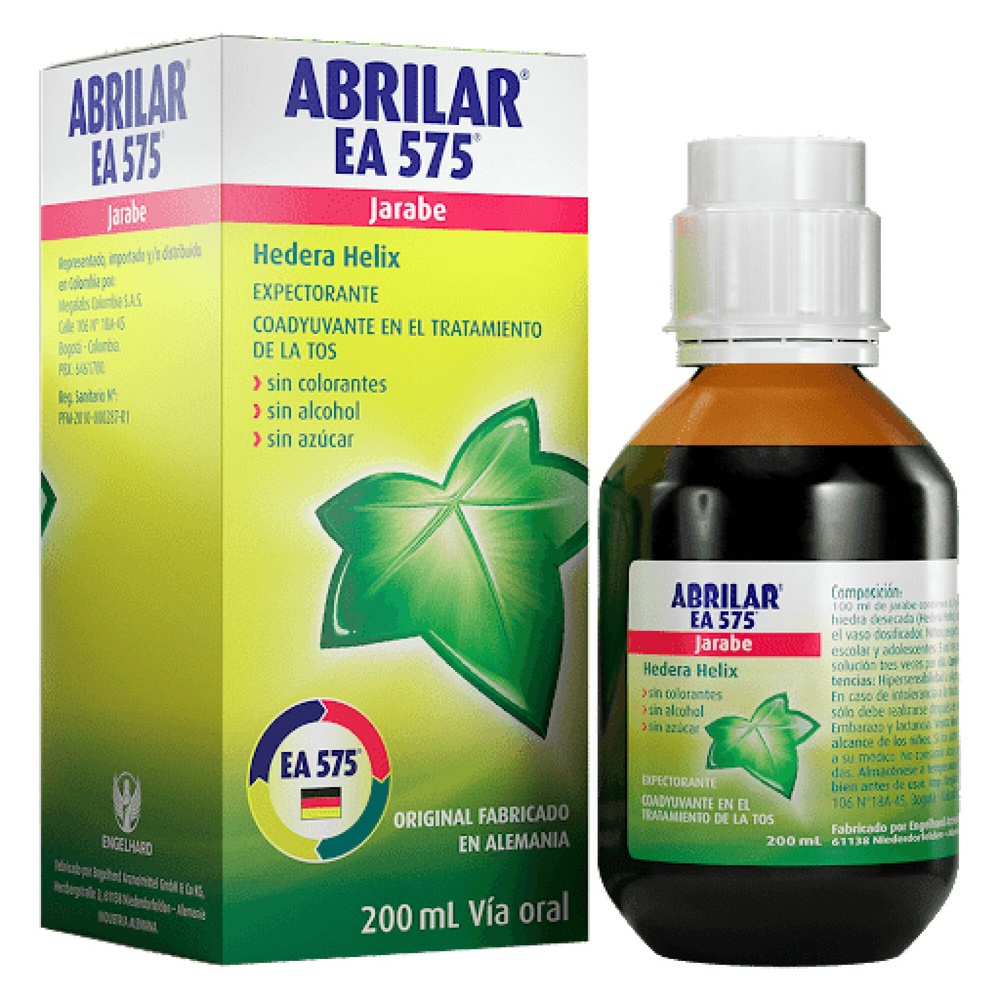
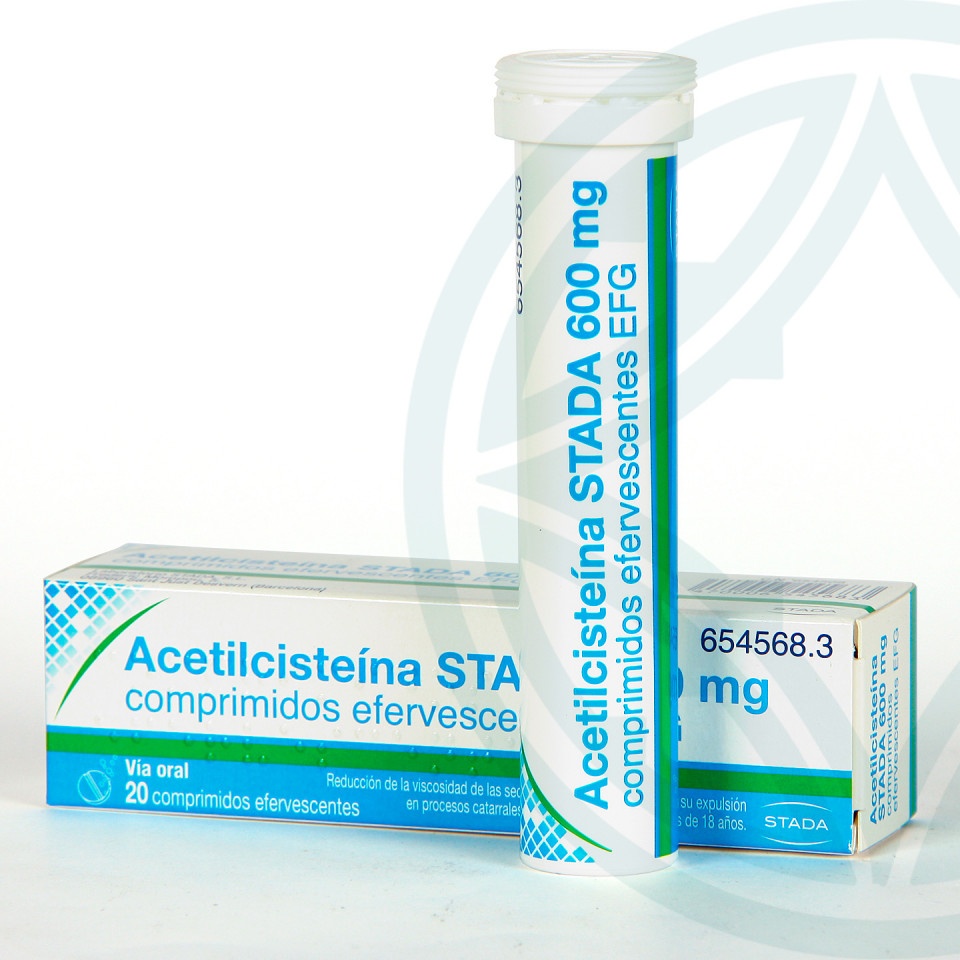
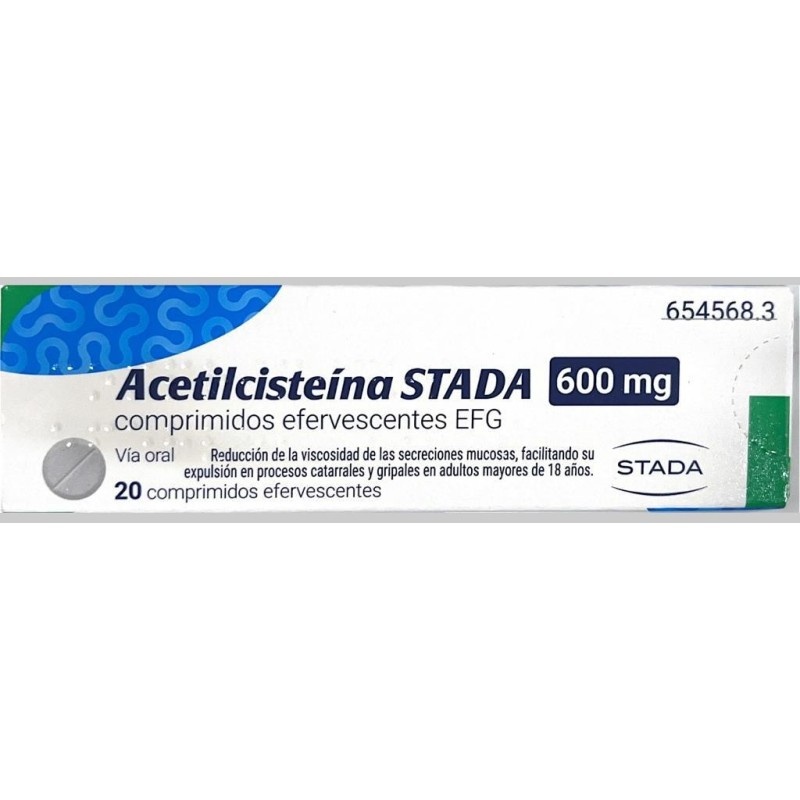
- Alternativas a PHARMAGRIP TOS Y CONGESTIÓN POLVO PARA SOLUCION ORALForma farmacéutica: SOLUCIÓN/SUSPENSIÓN ORAL, 7 mg/mlPrincipio activo: Hederae helicis foliumFabricante: Engelhard Arzneimittel Gmbh & Co. KgNo requiere recetaForma farmacéutica: COMPRIMIDO EFERVESCENTE, 600 MGPrincipio activo: AcetilcisteinaFabricante: Kern Pharma S.L.No requiere recetaForma farmacéutica: COMPRIMIDO EFERVESCENTE, 600 mgPrincipio activo: AcetilcisteinaFabricante: Laboratorios Alter S.A.Requiere receta
Médicos online para PHARMAGRIP TOS Y CONGESTIÓN POLVO PARA SOLUCION ORAL
Comenta la dosis, los posibles efectos secundarios, interacciones, contraindicaciones o la revisión de receta de PHARMAGRIP TOS Y CONGESTIÓN POLVO PARA SOLUCION ORAL, sujeto a valoración médica y a la normativa local.









Obtén una receta de PHARMAGRIP TOS Y CONGESTIÓN POLVO PARA SOLUCION ORAL online
Rellena un formulario de 2 minutos
Cuéntanos tus síntomas, historial y el medicamento que necesitas.
Elige un médico o nosotros te asignamos uno
Escoge un especialista o te conectamos con el próximo médico disponible.
El médico revisa tu caso
Normalmente en 30 minutos. Puede hacerte preguntas adicionales por chat.
Recógela en cualquier farmacia
Receta electrónica enviada a tu correo, válida en toda España.
Preguntas frecuentes
¿Se requiere receta para PHARMAGRIP TOS Y CONGESTIÓN POLVO PARA SOLUCION ORAL?
PHARMAGRIP TOS Y CONGESTIÓN POLVO PARA SOLUCION ORAL does not require receta en España. Puedes confirmarlo con un médico online según tu caso.
¿Quién fabrica PHARMAGRIP TOS Y CONGESTIÓN POLVO PARA SOLUCION ORAL?
PHARMAGRIP TOS Y CONGESTIÓN POLVO PARA SOLUCION ORAL es fabricado por Laboratorios Cinfa S.A.. La marca y el envase pueden variar según el distribuidor.
¿Qué médicos pueden recetar PHARMAGRIP TOS Y CONGESTIÓN POLVO PARA SOLUCION ORAL online?
Los Médicos de familia, Psiquiatras, Dermatólogos, Cardiólogos, Endocrinólogos, Gastroenterólogos, Neumólogos, Nefrólogos, Reumatólogos, Hematólogos, Infectólogos, Alergólogos, Geriatras, Pediatras, Oncólogos pueden valorar la prescripción de PHARMAGRIP TOS Y CONGESTIÓN POLVO PARA SOLUCION ORAL cuando esté clínicamente indicado. Puedes reservar una videoconsulta para comentar tu caso y las opciones de tratamiento.
¿Cómo comprar PHARMAGRIP TOS Y CONGESTIÓN POLVO PARA SOLUCION ORAL en España?
España cuenta con una infraestructura sanitaria bien desarrollada en ciudades principales como Madrid, Barcelona, Valencia y Sevilla. Las farmacias están ampliamente disponibles y operan bajo estrictas regulaciones, garantizando el acceso a medicamentos con receta.
Puedes comprar PHARMAGRIP TOS Y CONGESTIÓN POLVO PARA SOLUCION ORAL en Madrid, Barcelona, Sevilla o Valencia en cualquier farmacia local con una receta válida.
Para obtener una receta, puedes utilizar Oladoctor:
¿Cuáles son las alternativas a PHARMAGRIP TOS Y CONGESTIÓN POLVO PARA SOLUCION ORAL?
Otros medicamentos con el mismo principio activo () incluyen ABRILAR JARABE, ACETILCISTEINA ABEX 600 MG COMPRIMIDOS EFERVESCENTES, ACETILCISTEINA ALTER 600 MG COMPRIMIDOS EFERVESCENTES EFG. Pueden tener diferentes nombres comerciales o formulaciones, pero contienen el mismo componente terapéutico. Consulta siempre con un médico antes de cambiar o iniciar un nuevo medicamento.
