



METHERGIN 0,2 mg/ml SOLUCION INYECTABLE

Revisión de receta online
Un médico revisará tu caso y determinará si la prescripción es médicamente apropiada.

Habla con un médico sobre este medicamento
Comenta tus síntomas y las opciones de tratamiento en una consulta online.



Cómo usar METHERGIN 0,2 mg/ml SOLUCION INYECTABLE
Contenido del prospecto
- Introducción
- Qué es Methergín 0,2 mg/ml solución inyectable y para qué se utiliza
- Qué necesita saber antes de empezar a usar Methergín 0,2 mg/ml solución inyectable
- No use Methergín
- Uso de Methergín con otros medicamentos
- Cómo usar Methergín 0,2 mg/ml solución inyectable
- Posibles efectos adversos
- Conservación de Methergín 0,2 mg/ml solución inyectable
- Contenido del envase e información adicional
Introducción
Prospecto: información para el paciente
METHERGÍN 0,2 mg/ml solución inyectable
metilergometrina maleato
Lea todo el prospecto detenidamente antes de empezar a usar este medicamento, porque contiene información importante para usted.
- Conserve este prospecto, ya que puede tener que volver a leerlo.
- Si tiene alguna duda, consulte a su médico o farmacéutico.
- Este medicamento se le ha recetado solamente a usted, y no debe dárselo a otras personas aunque tengan los mismos síntomas que usted, ya que puede perjudicarles.
- Si experimenta efectos adversos, consulte a su médico o farmacéutico, incluso si se trata de efectos adversos que no aparecen en este prospecto. Ver sección 4.
Contenido del prospecto
- Qué es Methergín 0,2 mg/ml solución inyectable y para qué se utiliza
- Qué necesita saber antes de empezar a usar Methergín 0,2 mg/ml solución inyectable
- Cómo usar Methergín 0,2 mg/ml solución inyectable
- Posibles efectos adversos
- Conservación de Methergín 0,2 mg/ml solución inyectable
- Contenido del envase e información adicional
1. Qué es Methergín 0,2 mg/ml solución inyectable y para qué se utiliza
Methergín contiene metilergometrina como principio activo. Pertenece a un grupo de medicamentos que actúan estimulando el útero aumentando la frecuencia y duración de las contracciones uterinas.
Methergín se utiliza:
- cuando hay pérdida del tono muscular del útero y hemorragias después del parto
- en los partos programados, para la expulsión de la placenta
- hemorragias del útero en el curso de cesáreas
- hemorragias después del parto, cuando no disminuye el tamaño del útero o aparecen coágulos en el útero tras el parto
- hemorragias del aborto, abortos iniciados e incompletos y legrados
Methergín no debe utilizarse para inducir o acelerar el parto.

¿No estás seguro de si este medicamento es adecuado para ti?
Comenta tus síntomas y tratamiento con un médico online.
2. Qué necesita saber antes de empezar a usar Methergín 0,2 mg/ml solución inyectable
No use Methergín
- si es alérgico a metilergometrina, a los alcaloides del cornezuelo o a alguno de los demás componentes de este medicamento (incluidos en la sección 6)
- si está embarazada o cree que pudiera estarlo
- si está en la fase de dilatación del parto o antes de que asome el hombro del niño
- si tiene la tensión muy alta
- si tiene una complicación grave del embarazo que se asocia a la tensión alta, edema, presencia de proteínas en orina y convulsiones (pre-eclampsia o eclampsia)
- si padece enfermedades por falta de riego sanguíneo (incluida angina de pecho)
- si tiene infección en la sangre
Advertencias y precauciones
Consulte a su médico o farmacéutico antes de empezar a usar Methergín.
Si se da alguna de estas circunstancias coménteselo a su médico:
- si tiene la tensión arterial alta
- si tiene una enfermedad de corazón (en particular alguna que afecte a las arterias que conectan con el corazón) o si tiene riesgo de sufrir una enfermedad de corazón (por obesidad, diabetes, colesterol alto o por fumar)
- si padece alguna enfermedad de hígado o de riñón
Niños
Methergín no es para uso en niños. Se han notificado administraciones accidentales en recién nacidos que han tenido consecuencias graves.

¿Has empezado a tomar el medicamento y tienes preguntas?
Comenta tus síntomas y tratamiento con un médico online.
Uso de Methergín con otros medicamentos
Informe a su médico o farmacéutico si está utilizando, ha utilizado recientemente o pudiera tener que utilizar cualquier otro medicamento.
Es importante que comunique a su médico si está usando:
- antibióticos macrólidos como eritromicina, claritromicina y troleandomicina
- medicamentos utilizados para tratar la infección por VIH (antirretrovirales),como ritonavir, nelfinavir, indinavir, delavirdina o nevirapina
- medicamentos para tratar una infección por hongos, como itraconazol o voriconazol
- medicamentos vasoconstrictores incluyendo los triptanes (utilizados para la migraña) o los que contienen alcaloides del cornezuelo como ergotamina o betabloqueantes (medicamentos utilizados en los trastornos del ritmo cardiaco y tras un infarto de corazón)
- bromocriptina (medicamento utilizado para inhibir la lactancia)
- anestésicos (incluidos los anestésicos locales)
- prostaglandinas (utilizados para contraer el útero)
- trinitrato de glicerilo u otros medicamentos utilizados para la angina de pecho
- rifampicina (antibiótico)
Embarazo y lactancia
Si está embarazada o en periodo de lactancia, cree que podría estar embarazada o tiene intención de quedarse embarazada, consulte a su médico o farmacéutico antes de utilizar este medicamento.
Consulte a su médico o farmacéutico antes de utilizar cualquier medicamento.
Methergín no debe administrarse a mujeres embarazadas dado su potente acción estimulante del útero.
Methergín pasa a la leche materna. Dados los posibles efectos sobre el niño y la reducción de la secreción de la leche provocada por este medicamento, no se recomienda la lactancia mientras se esté utilizando Methergín. Se ha de desechar la leche durante su tratamiento con Methergín hasta transcurridas 12 horas desde la última administración.
Conducción y uso de máquinas
Methergín puede provocar mareos y convulsiones, por tanto debe tenerse precaución al conducir, utilizar maquinaria o realizar cualquier actividad que requiera concentración.
Methergín contiene sodio
Este medicamento contiene menos de 23 mg de sodio (1mmol) por 5 ml (dosis máxima diaria); esto es, esencialmente “exento de sodio”.
3. Cómo usar Methergín 0,2 mg/ml solución inyectable
Siga exactamente las instrucciones de administración de este medicamento indicadas por su médico. En caso de duda, consulte de nuevo a su médico o farmacéutico.
Tanto para partos programados como para la pérdida de tono del útero, la vía de administración de Methergín recomendada es la vía intramuscular.
Partos programados
La vía de administración de Methergín recomendada es la vía intramuscular.
1 ml (0,2 mg) inyectado en músculo o 0,5 a 1 ml (0,1 a 0,2 mg) por vía intravenosa lenta cuando aparece el hombro, o como máximo inmediatamente después de la salida del niño.
En algún caso puede ser conveniente ayudar manualmente a la expulsión de la placenta.
En caso de parto con anestesia, la dosis recomendada es de 1 ml (0,2 mg) inyectado lentamente en la vena.
Pérdida del tono muscular del útero
La vía de administración de Methergín recomendada es la vía intramuscular.
1 ml (0,2 mg) intramuscular o de 0,5 a 1 ml (0,1 a 0,2 mg) intravenosa lenta. Puede repetirse cada 2-4 horas si fuera necesario, hasta 5 veces en 24 horas.
Cesárea
Después de la extracción del niño 1 ml intramuscular o de 0,5 a 1 ml intravenosa o en el músculo del útero.
Hemorragias, cuando no disminuye el tamaño del útero o aparecen coágulos en el útero
De 0,5 a 1 ml (0,1 a 0,2 mg) intramuscular o subcutánea hasta 3 veces al día durante 5 días.
Al final del prospecto en el apartado “Instrucciones para la correcta administración de Methergín” se dan instrucciones detalladas de uso.
Si usa más Methergín del que debe
Si cree que se le ha administrado más Methergín del que debiera, informe inmediatamente a su médico, enfermero o farmacéutico o acuda al centro hospitalario más cercano.
Una dosis demasiado alta puede provocar náuseas, vómitos, cambios en la tensión, adormecimiento, hormigueo y dolor en las extremidades, dificultad para respirar, convulsiones y pérdida de consciencia.
En caso de sobredosis o ingestión accidental, consulte inmediatamente a su médico o farmacéutico o llame al Servicio de Información Toxicológica. Teléfono 91 562 04 20, indicando el medicamento y la cantidad ingerida.
Si tiene cualquier otra duda sobre el uso de este medicamento, pregunte a su médico o farmacéutico.
4. Posibles efectos adversos
Al igual que todos los medicamentos, este medicamento puede producir efectos adversos, aunque no todas las personas los sufran.
Estos efectos adversos aparecen con más frecuencia cuando se utiliza la vía intravenosa y afectan principalmente a los músculos del útero, aparato digestivo, vasos sanguíneos y bronquios.
- Frecuentes (pueden afectar a más de 1 de cada 10 personas):
- dolor de cabeza
- tensión alta
- erupciones en la piel
- dolor abdominal (causado por contracciones uterinas)
- Poco frecuentes (pueden afectar hasta 1 de cada 100 personas):
- convulsiones (ataques). Si este síntoma aparece, consulte inmediatamente a su médico o acuda al servicio de urgencias del hospital más cercano
- dolor de pecho. Si este síntoma aparece, consulte inmediatamente a su médico o acuda al servicio de urgencias del hospital más cercano
- náuseas, vómitos
- mareos
- tensión baja
- aumento de la sudoración
- Raros (pueden afectar hasta 1 de cada 1.000 personas):
- latido lento del corazón
- latido rápido del corazón
- palpitaciones
- dedos de los pies y manos dormidos o con hormigueo y manos o pies fríos y pálidos. Si estos síntomas aparecen, consulte inmediatamente a su médico o acuda al servicio de urgencias del hospital más cercano
- Muy raros (pueden afectar hasta 1 de cada 10.000 personas):
- zumbido en el oído
- congestión nasal
- diarrea
- calambres musculares
- dificultad respiratoria de origen desconocido, fuerte dolor de pecho, confusión mental. Si estos síntomas aparecen, consulte inmediatamente a su médico o acuda al servicio de urgencias del hospital más cercano
- signos de alergia, tales como una repentina bajada de tensión, enrojecimiento y/o hinchazón generalizada. Si estos síntomas aparecen, consulte inmediatamente a su médico o acuda al servicio de urgencias del hospital más cercano
- alucinaciones. Si este síntoma aparece, consulte inmediatamente a su médico o acuda al servicio de urgencias del hospital más cercano
- hinchazón, enrojecimiento o dolor local debido a un taponamiento de una vena (síntomas de una tromboflebitis). Si estos síntomas aparecen, consulte inmediatamente a su médico o acuda al servicio de urgencias del hospital más cercano
- Frecuencia no conocida (no se puede estimar la frecuencia a partir de los datos disponibles):
- debilidad o parálisis de las extremidades, de labios o cara, dificultad en el habla (signos de accidente cerebrovascular). Si estos síntomas aparecen, consulte inmediatamente a su médico o acuda al servicio de urgencias del hospital más cercano
- angina de pecho. Si este síntoma aparece, consulte inmediatamente a su médico o acuda al servicio de urgencias del hospital más cercano
- latido del corazón muy rápido y/o irregular muy grave. Si estos síntomas aparecen, consulte inmediatamente a su médico o acuda al servicio de urgencias del hospital más cercano
Comunicación de efectos adversos
Si experimenta cualquier tipo de efecto adverso, consulte a su médico, farmacéutico o enfermero, incluso si se trata de efectos adversos que no aparecen en este prospecto. También puede comunicarlos directamente a través del Sistema Español de Farmacovigilancia de Medicamentos de Uso Humano (www.notificaRAM.es). Mediante la comunicación de efectos adversos usted puede contribuir a proporcionar más información sobre la seguridad de este medicamento.
5. Conservación de Methergín 0,2 mg/ml solución inyectable
Mantener este medicamento fuera de la vista y del alcance de los niños.
Conservar en el embalaje exterior para protegerlo de la luz. Conservar en nevera (entre 2 y 8ºC). No congelar. Las ampollas pueden conservarse fuera de la nevera durante 14 días a temperatura no superior a 25ºC.
No utilice este medicamento después de la fecha de caducidad que aparece indicada en la caja después de CAD. La fecha de caducidad es el último día del mes que se indica.
Los medicamentos no se deben tirar por los desagües ni a la basura. Deposite los envases y los medicamentos que no necesita en el Punto SIGRE de la farmacia. En caso de duda pregunte a su farmacéutico cómo deshacerse de los envases y de los medicamentos que ya no necesita. De esta forma, ayudará a proteger el medio ambiente.
6. Contenido del envase e información adicional
Composición de Methergín 0,2 mg/ml solución inyectable
- El principio activo es metilergometrina maleato 0,20 mg (en 1 ml de solución inyectable).
- Los demás componentes son: ácido maleico, cloruro de sodio y agua para preparaciones inyectables.
Aspecto del producto y contenido del envase
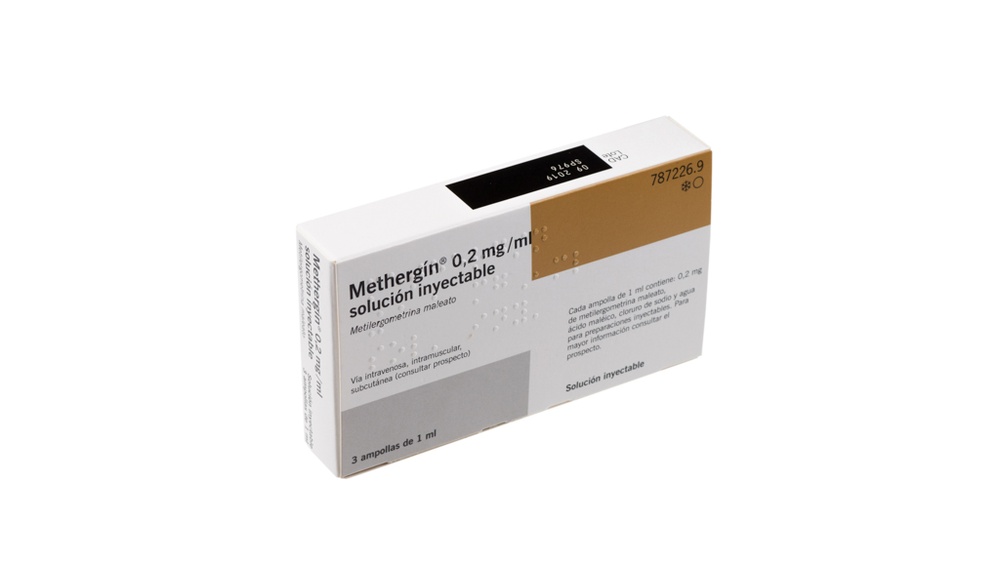
Methergín solución inyectable se presenta en ampollas de 1 ml que contienen una solución inyectable transparente e incolora.
Titular de la autorización de comercialización
Essential Pharma Limited,
Vision Exchange Building
Triq it-Territorjals, Zone 1,
Central Business District,
Birkirkara, CBD 1070,
Malta
Responsable de fabricación
Novartis Farmacéutica, S.A.
Ronda Santa María 158
Barberà del Vallès
08210 – Barcelona
Fecha de la última revisión de este prospecto:Diciembre 2020
Otras fuentes de información
La información detallada de este medicamento está disponible en la página web de la Agencia Española de Medicamentos y Productos Sanitarios (AEMPS) http://www.aemps.gob.es/.
Esta información está destinada únicamente a profesionales del sector sanitario:
Ver también la sección 3 “Cómo usar Methergín 0,2 mg/ml solución inyectable”.
Instrucciones para la correcta administración de Methergín
Las inyecciones en músculo son más recomendadas que en vena. En el caso de inyectarlo en vena, Methergín solución inyectable deberá administrarse lentamente durante un período no inferior a 60 segundos. Deberá evitarse la inyección intra- o periarterial.
Administrar únicamente si la solución es transparente e incolora.
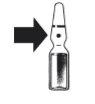
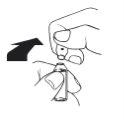
Ampolla rompible. Línea de Colocar el pulgar por encima del punto
ruptura por debajo del punto coloreado y romper la ampolla presionando
coloreado hacia atrás.
- País de registro
- Forma farmacéuticaINYECTABLE, 0,2 mg/ml
- Código ATCG02AB01
- Precio medio en farmacia1.33 EUR
- Principio activo
- Requiere recetaSí
- Fabricante
- ComposiciónCLORURO DE SODIO (7 mg mg)
- Esta información es de carácter general y no sustituye la consulta con un profesional sanitario.
- Alternativas a METHERGIN 0,2 mg/ml SOLUCION INYECTABLEForma farmacéutica: COMPRIMIDO, 0,125 mgPrincipio activo: methylergometrineFabricante: Essential Pharma LimitedRequiere recetaForma farmacéutica: COMPRIMIDO, 25 microgramosPrincipio activo: MisoprostolFabricante: Norgine B.V.Requiere recetaForma farmacéutica: OVULO/CAPSULA/COMPRIMIDO VAGINAL, 200 µgPrincipio activo: MisoprostolFabricante: Laboratorios Bial S.A.Requiere receta
Médicos online para METHERGIN 0,2 mg/ml SOLUCION INYECTABLE
Comenta la dosis, los posibles efectos secundarios, interacciones, contraindicaciones o la revisión de receta de METHERGIN 0,2 mg/ml SOLUCION INYECTABLE, sujeto a valoración médica y a la normativa local.
Obtén una receta de METHERGIN 0,2 mg/ml SOLUCION INYECTABLE online
Rellena un formulario de 2 minutos
Cuéntanos tus síntomas, historial y el medicamento que necesitas.
Elige un médico o nosotros te asignamos uno
Escoge un especialista o te conectamos con el próximo médico disponible.
El médico revisa tu caso
Normalmente en 30 minutos. Puede hacerte preguntas adicionales por chat.
Recógela en cualquier farmacia
Receta electrónica enviada a tu correo, válida en toda España.
Preguntas frecuentes
METHERGIN 0,2 mg/ml SOLUCION INYECTABLE requiere receta en España. Puedes confirmarlo con un médico online según tu caso.
El principio activo de METHERGIN 0,2 mg/ml SOLUCION INYECTABLE es methylergometrine. Esta información ayuda a identificar medicamentos con la misma composición pero con diferentes nombres comerciales.
El precio medio en farmacia de METHERGIN 0,2 mg/ml SOLUCION INYECTABLE es de aproximadamente 1.33 EUR. Puede variar según el fabricante y la forma farmacéutica.
METHERGIN 0,2 mg/ml SOLUCION INYECTABLE es fabricado por Essential Pharma Limited. La marca y el envase pueden variar según el distribuidor.
Los Médicos de familia, Psiquiatras, Dermatólogos, Cardiólogos, Endocrinólogos, Gastroenterólogos, Neumólogos, Nefrólogos, Reumatólogos, Hematólogos, Infectólogos, Alergólogos, Geriatras, Pediatras, Oncólogos pueden valorar la prescripción de METHERGIN 0,2 mg/ml SOLUCION INYECTABLE cuando esté clínicamente indicado. Puedes reservar una videoconsulta para comentar tu caso y las opciones de tratamiento.
España cuenta con una infraestructura sanitaria bien desarrollada en ciudades principales como Madrid, Barcelona, Valencia y Sevilla. Las farmacias están ampliamente disponibles y operan bajo estrictas regulaciones, garantizando el acceso a medicamentos con receta.
Puedes comprar METHERGIN 0,2 mg/ml SOLUCION INYECTABLE en Madrid, Barcelona, Sevilla o Valencia en cualquier farmacia local con una receta válida.
Para obtener una receta, puedes utilizar Oladoctor:
Otros medicamentos con el mismo principio activo (methylergometrine) incluyen METHERGIN 0,125 MG COMPRIMIDOS RECUBIERTOS, ANGUSTA 25 MICROGRAMOS COMPRIMIDOS, MISOFAR 200 microgramos COMPRIMIDOS VAGINALES. Pueden tener diferentes nombres comerciales o formulaciones, pero contienen el mismo componente terapéutico. Consulta siempre con un médico antes de cambiar o iniciar un nuevo medicamento.
