

LIDOCAINA B. BRAUN 20 mg/ml solución inyectable





Cómo usar LIDOCAINA B. BRAUN 20 mg/ml solucion inyectable
Traducción generada por IA
Este contenido ha sido traducido automáticamente y se ofrece solo con fines informativos. No sustituye la consulta con un profesional sanitario.
Ver originalContenido del prospecto
Introducción
Prospecto: información para el paciente
Lidocaína B. Braun 20 mg/ml solución inyectable
Lidocaína hidrocloruro
Lea todo el prospecto detenidamente antes de empezar a usar el medicamento, porque contiene información importante para usted.
- Conserve este prospecto, ya que puede tener que volver a leerlo.
- Si tiene alguna duda, consulte a su médico, farmacéutico o enfermero.
- Si experimenta efectos adversos, consulte a su médico, farmacéutico o enfermero, incluso si se trata de efectos adversos que no aparecen en este prospecto. Ver sección 4.
Contenido del prospecto
- Qué es Lidocaína B. Braun y para qué se utiliza
- Qué necesita saber antes de empezar a usar Lidocaína B. Braun
- Cómo usar Lidocaína B. Braun
- Posibles efectos adversos
- Conservación de Lidocaína B. Braun
- Contenido del envase e información adicional
1. Qué es Lidocaína B. Braun y para qué se utiliza
Este medicamento contiene hidrocloruro de lidocaína y pertenece a un grupo de medicamentos denominados anestésicos locales de tipo amida. Se utiliza para bloquear el dolor al reducir la conducción de impulsos nerviosos cerca de su lugar de acción.
La lidocaína también pertenece a un grupo de medicamentos denominados antiarrítmicos, por lo que también se puede utilizar para controlar un latido cardíaco rápido o anormal grave (arritmias ventriculares severas).

2. Qué necesita saber antes de empezar a usar Lidocaína B. Braun
No useLidocaína B. Braun:
- Si es alérgico a la lidocaína, a otros anestésicos locales de tipo amida o a cualquiera de los demás componentes de este medicamento (incluidos en la sección 6).
- Para anestesia epidural en pacientes con hipotensión pronunciada (presión arterial muy baja) o choque cardiogénico (el corazón bombea sangre de manera inadecuada) o hipovolémico.
La anestesia epidural no debe usarse durante el parto.
No debe utilizarse para controlar los latidos rápidos o anormales del corazón si :
- tiene trastornos cardíacos graves, en particular cuando su corazón late de forma irregular o lenta,
- ha sufrido un ataque al corazón en los últimos 3 meses o si la capacidad de su corazón para bombear sangre a todo el cuerpo está notablemente disminuida, a menos que su estado sea potencialmente mortal.
Advertencias y precauciones:
Consulte a su médico, farmacéutico o enfermero antes de empezar a usar Lidocaína B. Braun.
- si usted es una persona de edad avanzada o se encuentra en un estado general debilitado,
- si sufre de problemas cardíacos tales como latido cardíaco lento o irregular o insuficiencia cardíaca,
- si padece algún trastorno pulmonar o respiratorio,
- si padece alguna enfermedad hepática o problemas renales,
- si padece ataques epilépticos,
- si presenta inflamación o infección en el lugar de la inyección,
- si tiene porfiria (una enfermedad hereditaria rara que afecta a la piel y al sistema nervioso),
- si tiene problemas de coagulación de la sangre,
- si se encuentra en el último trimestre del embarazo.
- trastorno de una nervio facial en concreto (síndrome de Melkerssohn-Rosenthal),
- si tiene presión arterial o volumen de sangre bajos,
- si padece una debilidad muscular grave especial (miastenia grave).
Control de los latidos cardíacos rápidos o anormales
Su médico le administrará este medicamento para el tratamiento de los problemas cardíacos sólo con especial precaución si tiene una acidez sanguínea elevada (acidosis).
Si usted recibe este medicamento su :
- electrocardiograma,
- la presión arterial,
- estado de conciencia y
- respiración serán supervisados.
Si uno de los parámetros mencionados empeora, su médico puede tener que revisar su terapia. Además, se asegurará de que durante la terapia esté disponible el equipo habitual para emergencias.
Si recibe este medicamento durante un periodo de tiempo prolongado, su médico se asegurará de que:
- su equilibrio de líquidos,
- los niveles de sales en sangre y
- su equilibrio ácido-base serán controlados.
Si recibe grandes cantidades de este medicamento, su médico corregirá:
- cualquier nivel bajo de potasio existente en su sangre,
- un déficit de oxígeno y
- trastornos de su equilibrio ácido-base antes de comenzar la perfusión/inyección.
Nota:
Si está bajo anestesia, su médico examinará su estado con mucho cuidado. Esto se hará porque los efectos secundarios que afectan a su sistema nervioso y a su corazón pueden pasar desapercibidos y pueden ocurrir sin síntomas previos de advertencia.
Niños
No se recomienda el uso de lidocaína en menores de 1 año de edad. En niños menores de 4 años se debe utilizar con precaución ya que los datos de eficacia y seguridad son limitados.
Uso de Lidocaína B. Braun con otros medicamentos:
Informe a su médico o farmacéutico si está utilizando, ha utilizado recientemente o podría tener que utilizar cualquier otro medicamento.
En especial, informe a su médico si está tomando alguno de los siguientes medicamentos:
- otros anestésicos locales.
- medicamentos utilizados en el tratamiento de úlceras gastroduodenales (p.ej. cimetidina).
- medicamentos utilizados para tratar el latido cardíaco irregular (p.ej. amiodarona)
Embarazo, lactancia y fertilidad
Si está embarazada o en periodo de lactancia, cree que podría estar embarazada o tiene intención de quedarse embarazada, consulte a su médico o farmacéutico antes de utilizar este medicamento.
Su médico sólo le administrarán este medicamento durante su embarazo o durante el periodo de lactancia, si lo considerarán necesario.
Conducción y uso de máquinas
Lidocaína B. Braun puede alterar temporalmente su capacidad de movimiento, atención y coordinación. Su médico le indicará si puede conducir o utilizar máquinas.
Lidocaína B. Braun contiene sodio
Este medicamento contiene menos de 23 mg (1 mmol) de sodio por ampolla; esto es, esencialmente “exento de sodio”.
.
3. Cómo usar Lidocaína B. Braun
Terapia anestésica
Lidocaína B. Braun le será administrada por un médico. Se le administrará como inyección en una vena, en un músculo, debajo de la piel, alrededor de los nervios o en el espacio epidural próximo a la médula espinal.
Lidocaína B. Braun se administrará normalmente cerca de la parte del cuerpo que se vaya a operar.
La dosis que le administre el médico dependerá del tipo de alivio del dolor que necesite. Asimismo dependerá de su estatura, edad y estado físico, así como de la parte del cuerpo en la que se inyecte el medicamento. Recibirá la dosis más baja posible para producir el efecto deseado. La dosis de lidocaína debe reducirse en las poblaciones especiales y en pacientes en mal estado general.
Control de los latidos cardíacos rápidos o anormales
Este medicamento será administrado únicamente por personal sanitario y su médico determinará cuál es la dosis más adecuada para usted.
La dosis de carga habitual para adultos es de 50 a 100 mg, o de 1 a 1,5 mg/kg de peso corporal como inyección intravenosa directa, a una velocidad que no debe exceder los 25-50 mg por minuto.
Para mantener las concentraciones terapéuticas en plasma (1,5-5 µg/ml), la lidocaína se debe perfundir a una velocidad de 20 a 50 µg/kg/min (sobre 1-4 mg por minuto).
La dosis debe ajustarse según las necesidades individuales y el efecto terapéutico.
Esto se aplica especialmente cuando se padecen problemas de corazón, hígado o riñones.
Durante el embarazo la dosis debe ser tan baja como sea posible.
Uso en niños
Terapia anestésica
La dosis se debe reducir en niños. La lidocaína debe utilizarse con precaución en niños menores de cuatro años.
La dosis máxima habitual es de 400 mg o aproximadamente 20 ml de Lidocaína B. Braun.
Control de los latidos cardíacos rápidos o anormales
No se recomienda el uso de lidocaína en recién nacidos. La dosis inicial de lidocaína en niños es de 0,5 a 1 mg/kg . Esta dosis puede ser repetida de acuerdo con la respuesta del paciente, pero la dosis total no debe exceder 3-5 mg/kg de peso. Si es necesario un mantenimiento, se puede administrar una perfusión i.v. de 10 a 50 µg/kg/min utilizando una bomba de perfusión.
Si usa más Lidocaína B. Braun del que debe
El médico que le atiende está preparado para tratar los efectos adversos graves relacionados con un exceso de Lidocaína B. Braun.
Los primeros signos de que está usando más lidocaína de la que debe son normalmente los siguientes:
- convulsiones,
- inquietud,
- sensación de cansancio o mareo,
- náuseas,
- entumecimiento o sensación de hormigueo de los labios y alrededor de la boca,
- problemas de vista.
Si experimenta cualquiera de estos signos o si cree que ha recibido más lidocaína de la que debiera, informe inmediatamente a su médico o enfermero.
Pueden aparecer efectos adversos más graves relacionados con un exceso de lidocaína, tales como trastornos de equilibrio y coordinación, cambios auditivos, euforia, confusión, problemas con el habla, palidez, sudoración, temblores, convulsiones, efectos sobre el corazón y los vasos sanguíneos, pérdida de la consciencia, coma e interrupción de la respiración que dura poco tiempo (apnea).
Si tiene cualquier otra duda sobre el uso de este producto, pregunte a su médico.
En caso de sobredosis o ingestión accidental, consulte inmediatamente a su médico o farmacéutico o llame al Servicio de Información Toxicológica teléfono: 91.562 04 20, indicando el medicamento y la cantidad utilizada. Lleve este prospecto con usted.

4. Posibles efectos adversos
Al igual que todos los medicamentos, este medicamento puede producir efectos adversos, aunque no todas las personas los sufran.
Informe inmediatamente a su médico o enfermero si experimenta una reacción alérgica grave (angioedema o choque anafiláctico). Los signos pueden incluir la aparición repentina de:
- Hinchazón de la cara, los labios, la lengua o la garganta; puede conllevar dificultades para tragar.
- Hinchazón intensa o repentina de las manos, los pies y los tobillos.
- Dificultad para respirar.
- Picor intenso de la piel (con ronchas).
- Fiebre.
- Disminución de la presión arterial.
Los posibles efectos adversos tras la administración son esencialmente los mismos que los producidos por otros anestésicos locales de tipo amida.
Efectos adversos muy frecuentes (pueden afectar a más de 1 de cada 10 pacientes):
- Náuseas y vómitos.
- Molestias al tragar.
- Estado de ánimo depresivo.
Efectos adversos frecuentes (pueden afectar a entre 1 y 10 de cada 100 pacientes):
- Síntomas neurológicos transitorios (dolor en las piernas y nalgas).
- Confusión, inquietud, irritabilidad, euforia, alucinaciones y depresión.
- Somnolencia.
- Sensación de mareo.
- Visión borrosa.
- Temblores.
- Vértigo.
- Sensación de hormigueo.
Efectos adversos poco frecuentes (pueden afectar a entre 1 y 10 de cada 1.000 pacientes):
- Convulsiones.
- Entumecimiento de la lengua o sensación de hormigueo alrededor de la boca.
- "Ruidos" en los oídos o sensibilidad al ruido.
- Pérdida de la consciencia.
- Acúfenos.
- Dificultades con el habla.
- Hipertensión (presión arterial alta).
Efectos adversos raros (pueden afectar a entre 1 y 10 de cada 10.000 pacientes):
- Reacciones de hipersensibilidad, tales como urticaria, erupción cutánea, angioedema, broncoespasmo, dificultad respiratoria y, en casos graves, choque anafiláctico.
- Trauma.
- Escalofríos.
- Irritación (reacción en una zona del cuerpo).
- Compresión de la médula espinal.
- Espasmos musculares.
- Hipotensión (presión arterial baja).
- Depresión respiratoria (respiración lenta o interrumpida).
- Bradicardia (ritmo cardiaco lento).
Efectos adversos muy raros (pueden afectar a 1 cada 10.000 pacientes)
- Taquicardia ventricular.
Efectos adversos con frecuencia no conocida (no puede estimarse a partir de los datos disponibles)
- Síndrome de Horner (asociado a la anestesia epidural o aplicaciones en la región de
cabeza y cuello).
Control de los latidos cardíacos rápidos o anormales
Los siguientes efectos adversos pueden ser graves. Si se produce alguno de los siguientes efectos secundarios, informe a su médico inmediatamente. Podría ser necesario un tratamiento inmediato
Efectos adversos raros (pueden afectar a entre 1 y 10 de cada 10.000 pacientes):
- Reacciones alérgicas que van desde sarpullidos e hinchazón hasta reacciones alérgicas graves como caída de la presión arterial, dificultad para respirar, constricción de las vías respiratorias y choque anafiláctico.
- Contracciones musculares hasta ataques generalizados y convulsiones.
- Depresión del nivel de conciencia hasta el coma.
- Latidos cardíacos lentos, bloqueo cardíaco y hasta paro cardíaco.
- Presión arterial baja.
- Dificultades para respirar hasta la interrupción de la respiración.
Muy raros (pueden afectar a 1 cada 10.000 pacientes):
- Latidos cardíacos rápidos.
Otros efectos adversos incluyen:
muy frecuentes (pueden afectar a más de 1 de cada 10 pacientes):
- Sensación de malestar, vómitos.
- Ansiedad, dificultades para tragar.
Efectos adversos frecuentes (pueden afectar a entre 1 y 10 de cada 100 pacientes):
- Confusión, inquietud, irritabilidad, euforia, alucinaciones, depresión.
- Somnolencia, mareos, sensación de giro, dificultad para hablar, acúfenos, visión borrosa.
- Sensación de cosquilleo, hormigueo, ardor, pinchazos o adormecimiento de la piel.
Comunicación de efectos adversos
Si experimenta cualquier tipo de efecto adverso, consulte a su médico, farmacéutico o enfermero, incluso si se trata de posibles efectos adversos que no aparecen en este prospecto. También puede comunicarlos directamente a través del Sistema de Farmacovigilancia de Medicamentos de Uso Humano www.notificaRAM.es. Mediante la comunicación de efectos adversos usted puede contribuir a proporcionar más información sobre la seguridad de este medicamento.
5. Conservación de Lidocaína B. Braun
Mantener este medicamento fuera de la vista y del alcance de los niños.
No utilice este medicamento después de la fecha de caducidad que aparece en el envase. La fecha de caducidad es el último día del mes que se indica.
No requiere condiciones especiales de conservación.
De un solo uso. El contenido de las ampollas debe ser utilizado inmediatamente tras su apertura. Una vez abierto el envase, desechar la porción no utilizada de la solución.
La solución sólo debe usarse si es transparente e incolora y el envase no está deteriorado.
Los medicamentos no se deben tirar por los desagües ni a la basura. Deposite los envases y los medicamentos que no necesita en el Punto SIGRE de la farmacia. En caso de duda pregunte a su farmacéutico cómo deshacerse de los envases y de los medicamentos que ya no necesita. De esta forma, ayudará a proteger el medio ambiente.
6. Contenido del envase e información adicional
Composición de Lidocaína B. Braun
El principio activo es lidocaína hidrocloruro.
Un ml de la solución inyectable contiene 20 mg de lidocaína hidrocloruro.
Cada ampolla de 5 ml de solución contiene 100 mg de lidocaína hidrocloruro.
Cada ampolla de 10 ml de solución contiene 200 mg de lidocaína hidrocloruro.
Los demás componentes son: cloruro sódico, hidróxido de sodio (para ajuste de pH) y agua para preparaciones inyectables.
Aspecto del producto y contenido del envase
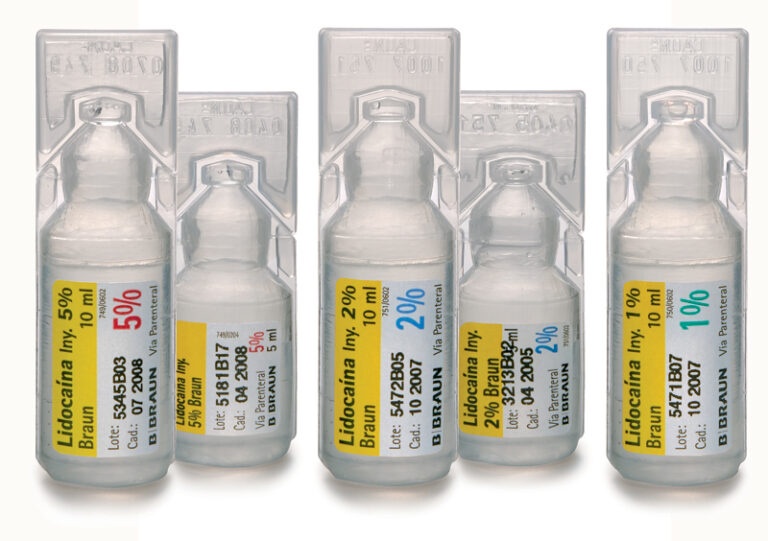
Lidocaína B. Braun es una solución inyectable transparente e incolora.
Se presenta en ampollas de polietileno (Mini-Plasco) de 5 y 10 ml. Se presenta en envases de 1, 20 y 100 ampollas.
Puede que solamente estén comercializados algunos tamaños de envases.
Titular de la autorización de comercialización y responsable de la fabricación
Titular de la autorización de comercialización
- Braun Medical, S.A.
Ctra. de Terrassa, 121
08191-Rubí (Barcelona)
España
Responsable de la fabricación
- Braun Medical, S.A.
Ctra. de Terrassa, 121
08191-Rubí (Barcelona)
- Braun Melsungen AG
Carl-Braun-Strasse 1 Postal address:
34212 Melsungen, Germany 34209 Melsungen, Germany
Fecha de la última revisión de esteprospecto:Junio 2021.
La información detallada de este medicamento está disponible en la página Web de la Agencia Española de Medicamentos y Productos Sanitarios. http//www.aemps.gob.es/
-------------------------------------------------------------------------------------------
Esta información está destinada únicamente a médicos o profesionales del sector sanitario:
Posología y forma de administración
Lidocaína B. Braun solo debe ser utilizada por médicos con experiencia en anestesia regional y en técnicas de reanimación o bajo su supervisión. Debe haber disponibles equipos de reanimación cuando se administren anestésicos locales. Debe administrarse la dosis más baja posible que produzca el efecto deseado. La dosis debe ajustarse individualmente a las particularidades de cada caso.
Tratamiento anestésico
Adultos
Cuando se inyecta en tejidos con elevada absorción sistémica, la dosis única de lidocaína hidrocloruro no debe exceder los 400 mg. La tabla descrita a continuación puede servir de guía para adultos con un peso corporal de aproximadamente 70 kilogramos. Se deberá ajustar la dosis en función de la edad, el peso y el estado del paciente:
Vía de administración o procedimiento | Dosis recomendadas de hidrocloruro de lidocaína | ||
Concentración (mg/ml) | Volumen (ml) | Dosis total (mg) | |
Anestesia por infiltración | |||
Procedimientos menores | 10 mg/ml | 2-10 ml | 20-100 mg |
Procedimientos mayores | 10 mg/ml 20 mg/ml | 10-20 ml 5-10 ml | 100-200 mg 100-200 mg |
Anestesia regional intravenosa: | |||
Brazo | 10 mg/ml 20 mg/ml | 10-20 ml 5-10 ml | 100-200 mg 100-200 mg |
Pierna | 10 mg/ml 20 mg/ml | 20 ml 10 ml | 200 mg 200 mg |
Bloqueos nerviosos | 10 mg/ml 20 mg/ml | 2-20 ml 1-10 ml | 20-200 mg 20-200 mg |
Anestesia epidural: | |||
Analgesia lumbar | 10 mg/ml 20 mg/ml | 25-40 ml 12,5-20 ml | 250-400 mg 250-400 mg |
Anestesia torácica | 10 mg/ml 20 mg/ml | 20-30 ml 10-15 ml | 200-300 mg 200-300 mg |
Analgesia quirúrgica sacra | 10 mg/ml 20 mg/ml | 40 ml 20 ml | 400 mg 400 mg |
Analgesia obstétrica sacra | 10 mg/ml 20 mg/ml | 20-30 ml 10-15 ml | 200-300 mg 200-300 mg |
Para prolongar la anestesia puede combinarse la lidocaína con un vasoconstrictor, como la adrenalina. La adición de adrenalina a una concentración de 1/100.000 a 1/200.000 ha resultado eficaz.
Poblaciones especiales
En pacientes con insuficiencia renal o insuficiencia hepática y en pacientes de edad avanzada se debe reducir la dosis acorde con la edad y el estado físico del paciente (ver sección 4.4 y sección 5.2 de la ficha técnica).
Población pediátrica
Las dosis se calculan de forma individual de acuerdo con la edad y el peso corporal de los pacientes y la naturaleza del procedimiento. La técnica de anestesia debe seleccionarse cuidadosamente y se deben evitar aquellas técnicas que sean dolorosas. El comportamiento del niño debe monitorizarse estrechamente durante el tratamiento. La dosis media que se debe administrar se encuentra en el rango de 20 mg a 30 mg de hidrocloruro de lidocaína por sesión. La dosis en mg de hidrocloruro de lidocaína que se puede administrar a niños también se puede calcular mediante la expresión: peso del niño (en kilogramos) x 1,33.
No se debe superar el equivalente de 5 mg de hidrocloruro de lidocaína por kilogramo de peso corporal.
Para prevenir la toxicidad sistémica en niños siempre debe usarse la concentración efectiva más baja.
La lidocaína está indicada en adultos y niños. Sin embargo, se debe utilizar con precaución en niños menores de cuatro años, ya que hay datos limitados para apoyar la seguridad y eficacia de este producto en esta población de pacientes en este momento.
Lidocaína inyectable no está recomendada para uso en recién nacidos (ver sección 5.2 de la ficha técnica). En este grupo de edad se desconoce la concentración óptima de lidocaína en suero necesaria para evitar efectos tóxicos tales como convulsiones y arritmias cardíacas.
Tratamiento de arritmias ventriculares severas
La lidocaína se administra generalmente en caso de arritmias ventriculares severas que no responden a otros antiarrítmicos como los bloqueadores beta o amiodarona o en caso de contraindicaciones para la amiodarona.
La dosis debe ser ajustada individualmente según las necesidades de cada paciente y la respuesta clínica obtenida.
Adultos
Dosis de carga (bolo intravenoso):
La dosis de carga habitual es de 50 a 100 mg o de 1 a 1,5 mg/kg de peso corporal como inyección intravenosa directa, correspondientes a 2,5 – 5 ml o 0,05 – 0,075 ml/kg de Lidocaína B.Braun 20 mg/ml.
La velocidad de inyección no debe exceder los 25-50 mg/min, correspondientes a 1,25 – 2,5 ml/min de Lidocaína B. Braun 20 mg/ml.
Si el efecto terapéutico después de la primera dosis es insuficiente durante los primeros 5-10 minutos, se debe administrar una segunda dosis de 0,5 a 0,75 mg/kg una o dos veces hasta un máximo de 200-300 mg en 1 hora.
Dosis de mantenimiento (perfusión intravenosa):
Para mantener las concentraciones terapéuticas en plasma (1.5 - 5 µg/ml), la lidocaína se debe perfundir a una velocidad de 20 - 50 µg/kg/min (sobre 1-4 mg/min), correspondientes a 0,001 – 0,0025 ml /kg /min de Lidocaína B. Braun 20 mg/ml.
La perfusión se debe detener tan pronto como el ritmo cardíaco del paciente sea aparentemente estable o a los primeros signos de toxicidad. Raramente es necesario continuar la perfusión después de 24 horas. Puede ser necesaria una reducción de la dosis en perfusiones intravenosas prolongadas (durante más de 24 horas) debido al riesgo de acumulación. Tan pronto como sea posible, a los pacientes se les debe sustituir esta terapia con un tratamiento oral antiarrítmico de mantenimiento.
Poblaciones especiales
Uso en pacientes de edad avanzada
En pacientes de edad avanzada, la dosis debe ser calculada individualmente de acuerdo con la edad del paciente y el peso corporal. Puede ser necesaria la reducción de la dosis en esta población, ya que el gasto cardíaco y el flujo sanguíneo hepático disminuyen en edades avanzadas, produciendo una disminución de la eliminación de lidocaína (ver sección 5.2 de la ficha técnica)
Insuficiencia cardíaca e insuficiencia hepática
La dosis debe ser reducida en pacientes con insuficiencia cardíaca e insuficiencia hepática, debido a una reducción en el aclaramiento de la lidocaína (ver sección 5.2 de la ficha técnica).
Insuficiencia renal
La insuficiencia renal como norma general no requiere ajuste especial de dosis. Sin embargo, estos pacientes deben ser monitorizados para los efectos tóxicos causados por la acumulación de metabolitos. En caso de insuficiencia renal severa, puede ser necesario ajustar la dosis (ver sección 5.2 de la ficha técnica).
Población pediátrica
La seguridad y la eficacia del uso de lidocaína en niños todavía no ha sido totalmente establecida. No se recomienda el uso de lidocaína en recién nacidos (ver sección 5.2 de la ficha técnica).
La dosis inicial de lidocaína en niños es de 0.5- 1 mg/kg . Esta dosis puede ser repetida de acuerdo con la respuesta del paciente, pero la dosis total no debe exceder 3-5 mg/kg de peso. Si es necesario un mantenimiento, se puede administrar una perfusión i.v. 10 - 50 µg/kg/min utilizando una bomba de perfusión.
Para el soporte vital cardiovascular avanzado en niños, se recomienda una dosis inicial rápida i.v. o una inyección intraósea (en bolo) de 1 mg/kg de peso corporal hasta una dosis máxima de 100 mg.
Si la taquicardia ventricular o la fibrilación ventricular no son corregidas mediante desfibrilación (o cardioversión) y la dosis inicial de lidocaína recomendada, se debe administrar una perfusión intravenosa o intraósea a una velocidad de 20-50 µg/kg de peso por minuto.
Forma de administración
Terapia anestésica
La forma de administración de lidocaína varía en función del procedimiento de anestesia que se utilice (anestesia por infiltración, anestesia regional intravenosa, bloqueo nervioso o anestesia epidural).
Lidocaína B. Braun se puede administrar vía intramuscular, subcutánea, intradérmica, perineural, epidural o vía intravenosa (en anestesia local intravenosa o bloqueo de Bier).
Tratamiento de arritmias ventriculares severas
Vía intravenosa. Vía intraósea.
Administrar como inyección intravenosa lenta o como perfusión intravenosa después de la dilución con una solución apropiada (ver secciones 6.2 y 6.6 de la ficha técnica).
Debido a la relativa corta duración de la acción de la lidocaína, a la inyección le debería seguir una perfusión continua, si es posible, utilizando una bomba de perfusión. Se recomienda una monitorización continua del ECG, presión sanguínea, estado de conciencia y respiración (ver sección 4.4 de la ficha técnica) durante la administración de lidocaína.
La solución para perfusión se puede preparar añadiendo 1000 mg de hidrocloruro de lidocaína, que corresponden a 50 ml de Lidocaína B. Braun 20 mg/ml, en un volumen de 500 ml de solución de glucosa o una solución salina fisiológica, con lo cual se obtiene una concentración de 2 mg/ml.
Interacción con otros medicamentos y otras formas de interacción
Los fármacos que inhiben el metabolismo de la lidocaína (p.ej. cimetidina) pueden provocar concentraciones plasmáticas potencialmente tóxicas cuando la lidocaína se administra repetidamente en altas dosis durante periodos de tiempo prolongados. Tales interacciones carecen de relevancia clínica durante un tratamiento con lidocaína a corto plazo a las dosis recomendadas.
La lidocaína debe usarse con precaución en pacientes que reciban otros anestésicos locales o fármacos antiarrítmicos de clase Ib, ya que los efectos tóxicos son acumulativos.
No se han llevado a cabo estudios específicos de interacciones con lidocaína y fármacos antiarrítmicos de clase III (como, por ejemplo, amiodarona), pero se recomienda tener precaución (ver sección 4.4 de la ficha técnica).
Si la lidocaína se administra como agente antiarrítmico, la medicación con epinefrina o norepinefrina de forma adicional puede potenciar los efectos adversos cardiacos.
Agentes antiarrítmicos de Clase I
La administración simultánea de lidocaína con otros agentes antiarrítmicos de clase I se debería evitar ya que hay riesgo de efectos adversos cardíacos graves.
Otros agentes antiarrítmicos
Si la lidocaína se utiliza en combinación con otros agentes antiarrítmicos como betabloqueantes o bloqueantes de canales de calcio, el efecto inhibitorio en la conducción auriculo-ventricular e intraventricular y en la contractibilidad se podrían ver incrementados.
Medicamentos que pueden disminuir el umbral de convulsiones
Dado que la lidocaína en si misma disminuye el umbral de presentar convulsiones la coadministración con otros medicamentos que disminuyan este umbral de presentar convulsiones (p.ej. tramadol o bupropiona) puede incrementar el riesgo de convulsiones.
Advertencias y precauciones especiales de empleo
En general, antes de la inyección de lidocaína, se debe asegurar que todo el equipo de reanimación de emergencia y medicamentos para el tratamiento de reacciones tóxicas están disponibles al instante. En caso de bloqueos mayores se deberá insertar una cánula intravenosa antes de inyectar el anestésico local. Como todos los agentes anestésicos locales, la lidocaína puede provocar efectos tóxicos agudos sobre el sistema cardiovascular y sistema nervioso central cuando se producen altas concentraciones en sangre, especialmente después de una administración intravascular extensa.
Se debe tener precaución en el tratamiento de las siguientes categorías de pacientes:
- Pacientes de edad avanzada y debilitados de forma general.
- Pacientes con bloqueo AV II o III puesto que el anestésico local puede reducir la conductividad del miocardio.
- Pacientes con insuficiencia cardíaca congestiva, bradicardia o deterioro de la función respiratoria.
- Pacientes con enfermedad hepática grave o insuficiencia renal.
- Pacientes con epilepsia. Estos pacientes deben ser controlados cuidadosamente para detectar la aparición de síntomas del sistema nervioso central. Se debe considerar un aumento en la tendencia a las convulsiones incluso con dosis por debajo de la máxima.
- Pacientes con coagulopatía. El tratamiento con anticoagulantes (p.ej. heparina), AINE o sustitutos de plasma aumentan la tendencia a hemorragias. Las lesiones accidentales de los vasos sanguíneos pueden provocar hemorragias graves. En caso necesario se deberá comprobar el tiempo de sangrado y de tromboplastina parcial activada (TTPa), la prueba rápida y el recuento de plaquetas.
- Tercer trimestre del embarazo
- En niños menores de 4 años ya que los datos de seguridad y eficacia son limitados
- En recién nacidos se debe tener especial precaución (ver sección 5.2 de la ficha técnica)
Los pacientes tratados con fármacos antiarrítmicos de clase III (p.ej. amiodarona) deben ser vigilados estrechamente, y debe plantearse una monitorización ECG ya que los efectos cardíacos de lidocaína y de los fármacos antiarrítmicos de clase III pueden ser acumulativos (ver sección 4.5 de la ficha técnica).
Existen informes posteriores a la comercialización sobre casos de condrolisis en pacientes que recibieron perfusión intra-articular postoperatoria continua de anestésicos locales. En la mayoría de los casos de condrolisis referidos estaba implicada la articulación del hombro. Debido a los múltiples factores contribuyentes y la incoherencia existente en la bibliografía científica en relación con el mecanismo de acción no se ha establecido una causalidad. La perfusión continua intra-articular no es una indicación aprobada para lidocaína (ver sección 4.8 de la ficha técnica).
La anestesia epidural puede provocar efectos adversos graves tales como depresión cardiovascular, especialmente en los casos de hipovolemia concomitante. Siempre se debe tener precaución en pacientes con una función cardiovascular reducida.
La anestesia epidural puede provocar hipotensión y bradicardia. Este riesgo se puede reducir mediante la administración intravenosa de soluciones cristaloides o coloidales. La hipotensión se debe tratar inmediatamente con, por ejemplo, efedrina 5-10 mg por vía intravenosa; repetir según sea necesario.
El bloqueo paracervical puede causar en ocasiones bradicardia o taquicardia fetal y es necesario monitorizar estrechamente la frecuencia cardíaca del feto (ver sección 4.6 de la ficha técnica).
Las lesiones nerviosas traumáticas y/o los efectos tóxicos locales en músculos y nervios son causados principalmente por la inyección de anestésicos locales. La extensión de estas lesiones tisulares depende de la magnitud del traumatismo, la concentración del anestésico local y la duración de la exposición del tejido al anestésico local. Por esta razón, debe usarse la mínima dosis eficaz.
También debe tenerse especial precaución cuando se inyecta el anestésico local en el tejido inflamado (infectado) debido al incremento en la absorción sistémica ocasionado por un mayor flujo sanguíneo y la disminución del efecto por el pH más bajo de tejido infectado.
Una vez retirado el torniquete después de la anestesia regional intravenosa hay mayor riesgo de reacciones adversas. Por tanto, el anestésico local debe eliminarse en varias fracciones.
Durante los procedimientos anestésicos en la región de cuello y cabeza los pacientes están expuestos a un mayor riesgo de efectos tóxicos del fármaco en el sistema nervioso central incluso a dosis bajas (ver sección 4.8 de la ficha técnica).
Raramente, las inyecciones retro-oculares pueden alcanzar el espacio subaracnoideo craneal, provocando reacciones intensas/graves que incluyen colapso cardiovascular, apnea, convulsiones y ceguera transitoria.
Las inyecciones retro- y perioculares de anestésicos locales conllevan un bajo riesgo de disfunción motora ocular persistente. Las causas principales incluyen traumatismo y/o efectos tóxicos locales en músculos y/o nervios.
Lidocaína intramuscular puede aumentar las concentraciones de la creatinina fosfocinasa, que pueden interferir con el diagnóstico del infarto agudo de miocardio.
Lidocaína inyectable no está recomendada para uso en recién nacidos (ver sección 5.2 de la ficha técnica).
Se ha mostrado que la lidocaína es porfirinogénica en animales y no debe administrarse a pacientes con porfiria aguda salvo que sea absolutamente inevitable. Se deben extremar las precauciones en todos los pacientes con porfiria.
Terapia Antiarrítmica
En acidosis, la unión a proteínas plasmáticas de lidocaína se reduce y por lo tanto la concentración de lidocaína libre se incrementa. Por lo tanto el efecto de la lidocaína puede ser intensificado en caso de acidosis.
La hipocalemia, hipoxia, y los desórdenes del balance ácido-base necesitan ser corregidos antes de utilizar lidocaína en pacientes que requieren grandes dosis de agentes antiarrítmicos.
Durante la terapia parenteral prolongada con lidocaína, el balance de fluidos, electrolitos serológicos y el balance ácido-base debería ser monitorizado regularmente.
La administración de lidocaína debería ser acompañada por una monitorización continua del ECG, presión sanguínea, estado de conciencia y respiración. Especialmente el ajuste de la dosis de fármacos antiarrítmicos requiere una monitorización cuidadosa. Equipos de emergencia cardiológica deben estar disponibles. Si uno o más de los parámetros indican un empeoramiento de la función cardíaca, se debe hacer una revisión terapéutica, que puede incluir la discontinuación de lidocaína si es necesario.
Nota: En pacientes narcotizados los desórdenes del sistema nervioso central pueden pasar desapercibidos y los efectos adversos cardíacos pueden ocurrir sin otros síntomas de alerta previos.
-

- País de registro
- Forma farmacéuticaINYECTABLE, -
- Código ATCN01BB02
- Precio medio en farmacia1 EUR
- Principio activo
- Requiere recetaSí
- Fabricante
- ComposiciónCLORURO DE SODIO (53 mg mg), HIDROXIDO DE SODIO (E 524) (csp PH 5,0– 7,0 mg mg)
- Esta información es de carácter general y no sustituye la consulta con un profesional sanitario.
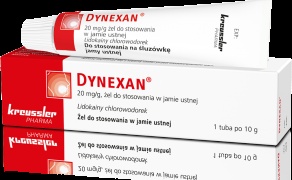
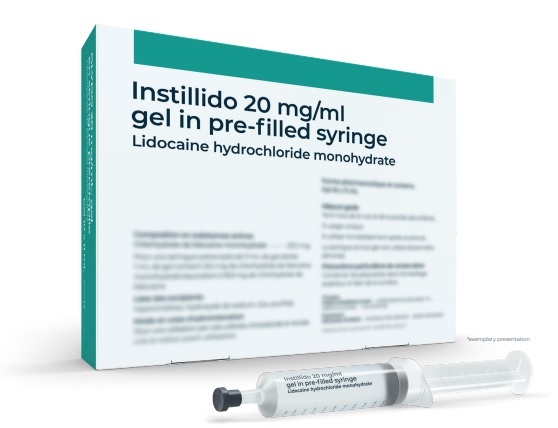
- Alternativas a LIDOCAINA B. BRAUN 20 mg/ml solucion inyectableForma farmacéutica: APÓSITO, 700 mgPrincipio activo: LidocainaFabricante: Grünenthal Pharma S.A.Requiere recetaForma farmacéutica: GEL/PASTA/LIQUIDO BUCAL, 20 mg/gPrincipio activo: LidocainaFabricante: Chemische Fabrik Kreussler & Co GmbhNo requiere recetaForma farmacéutica: GEL, 20 mg/mlPrincipio activo: LidocainaFabricante: Farco-Pharma GmbhRequiere receta
Médicos online para LIDOCAINA B. BRAUN 20 mg/ml solucion inyectable
Comenta la dosis, los posibles efectos secundarios, interacciones, contraindicaciones o la revisión de receta de LIDOCAINA B. BRAUN 20 mg/ml solucion inyectable, sujeto a valoración médica y a la normativa local.









Obtén una receta de LIDOCAINA B. BRAUN 20 mg/ml solucion inyectable online
Rellena un formulario de 2 minutos
Cuéntanos tus síntomas, historial y el medicamento que necesitas.
Elige un médico o nosotros te asignamos uno
Escoge un especialista o te conectamos con el próximo médico disponible.
El médico revisa tu caso
Normalmente en 30 minutos. Puede hacerte preguntas adicionales por chat.
Recógela en cualquier farmacia
Receta electrónica enviada a tu correo, válida en toda España.
Preguntas frecuentes
¿Se requiere receta para LIDOCAINA B. BRAUN 20 mg/ml solucion inyectable?
LIDOCAINA B. BRAUN 20 mg/ml solucion inyectable requires receta en España. Puedes confirmarlo con un médico online según tu caso.
¿Cuál es el principio activo de LIDOCAINA B. BRAUN 20 mg/ml solucion inyectable?
El principio activo de LIDOCAINA B. BRAUN 20 mg/ml solucion inyectable es Lidocaina. Esta información ayuda a identificar medicamentos con la misma composición pero con diferentes nombres comerciales.
¿Cuánto cuesta LIDOCAINA B. BRAUN 20 mg/ml solucion inyectable en farmacia?
El precio medio en farmacia de LIDOCAINA B. BRAUN 20 mg/ml solucion inyectable es de aproximadamente 1 EUR. Puede variar según el fabricante y la forma farmacéutica.
¿Quién fabrica LIDOCAINA B. BRAUN 20 mg/ml solucion inyectable?
LIDOCAINA B. BRAUN 20 mg/ml solucion inyectable es fabricado por B Braun Medical S.A.. La marca y el envase pueden variar según el distribuidor.
¿Qué médicos pueden recetar LIDOCAINA B. BRAUN 20 mg/ml solucion inyectable online?
Los Médicos de familia, Psiquiatras, Dermatólogos, Cardiólogos, Endocrinólogos, Gastroenterólogos, Neumólogos, Nefrólogos, Reumatólogos, Hematólogos, Infectólogos, Alergólogos, Geriatras, Pediatras, Oncólogos pueden valorar la prescripción de LIDOCAINA B. BRAUN 20 mg/ml solucion inyectable cuando esté clínicamente indicado. Puedes reservar una videoconsulta para comentar tu caso y las opciones de tratamiento.
¿Cómo comprar LIDOCAINA B. BRAUN 20 mg/ml solucion inyectable en España?
España cuenta con una infraestructura sanitaria bien desarrollada en ciudades principales como Madrid, Barcelona, Valencia y Sevilla. Las farmacias están ampliamente disponibles y operan bajo estrictas regulaciones, garantizando el acceso a medicamentos con receta.
Puedes comprar LIDOCAINA B. BRAUN 20 mg/ml solucion inyectable en Madrid, Barcelona, Sevilla o Valencia en cualquier farmacia local con una receta válida.
Para obtener una receta, puedes utilizar Oladoctor:
¿Cuáles son las alternativas a LIDOCAINA B. BRAUN 20 mg/ml solucion inyectable?
Otros medicamentos con el mismo principio activo (Lidocaina) incluyen ACTILOGIC 700 MG APOSITO ADHESIVO MEDICAMENTOSO, DYNEXAN 20 MG/G GEL BUCAL, INSTILLIDO 20 MG/ML GEL. Pueden tener diferentes nombres comerciales o formulaciones, pero contienen el mismo componente terapéutico. Consulta siempre con un médico antes de cambiar o iniciar un nuevo medicamento.
