






Cómo usar IMMUNINE 1200 UI POLVO Y DISOLVENTE PARA SOLUCION INYECTABLE O PARA PERFUSION
Traducción generada por IA
Este contenido ha sido traducido automáticamente y se ofrece solo con fines informativos. No sustituye la consulta con un profesional sanitario.
Ver originalContenido del prospecto
Introducción
Prospecto: información para el usuario
IMMUNINE 1200 UI
Polvo y disolvente para solución inyectable o para perfusión
factor IX humano de coagulación sanguínea
Lea todo el prospecto detenidamente antes de empezar a usar este medicamento, porque contiene información importante para usted.
- Conserve este prospecto, ya que puede tener que volver a leerlo.
- Si tiene alguna duda, consulte a su médico o farmacéutico.
- Este medicamento se le ha recetado solamente a usted y no debe dárselo a otras personas, aunque tengan los mismos síntomas que usted, ya que puede perjudicarles.
- Si experimenta efectos adversos, consulte a su médico o farmacéutico, incluso si se trata de efectos adversos que no aparecen en este prospecto. Ver sección 4.
Contenido del prospecto
- Qué es IMMUNINE y para qué se utiliza
- Qué necesita saber antes de empezar a usar IMMUNINE
- Cómo usar IMMUNINE
- Posibles efectos adversos
- Conservación de IMMUNINE
- Contenido del envase e información adicional
1. Qué es IMMUNINE y para qué se utiliza

IMMUNINE es un concentrado del factor IX de la coagulación. Sustituye al factor IX que falta o que no funciona correctamente en la hemofilia B. La hemofilia B es un defecto en la coagulación de la sangre de tipo hereditario y ligado al sexo y que se debe a la disminución de los niveles de factor IX. Provoca hemorragias graves en articulaciones, músculos y órganos internos, ya sea de forma espontánea o como consecuencia de un trauma accidental o quirúrgico. La administración de IMMININE corrige temporalmente la deficiencia de factor IX y reduce la tendencia a sufrir hemorragias.
IMMUNINE se usa para el tratamiento y la profilaxis de hemorragias en pacientes con hemofilia B congénita.
IMMUNINE está indicado para todos los grupos de edad, desde niños mayores de 6 años hasta adultos.
No hay datos suficientes para recomendar el uso de IMMUNINE en niños menores de 6 años de edad.
2. Qué necesita saber antes de empezar a usar IMMUNINE
No use IMMUNINE
- Si es alérgicoal factor IX de coagulación humano o a cualquiera de los demás componentes de este medicamento (incluidos en la sección 6).
- Si tiene alergia conocida a la heparina o ha tenido un descenso anormal del número de células sanguíneas involucrado en la formación de coágulos sanguíneos que es causado por la administración de heparina (trombocitopenia inducida por heparina).
Después de un tratamiento adecuado de estas situaciones, IMMUNINE debe ser utilizado sólo en caso de episodios hemorrágicos con riesgo vital.
Advertencias y precauciones
Consulte a su médico o farmacéutico antes de empezar a usar IMMUNINE.
Cuando se producen reacciones alérgicas:
Existe la posibilidad poco frecuente de que pueda experimentar una reacción alérgica repentina y grave (reacción anafiláctica) a IMMUNINE.
Si detecta uno o más de los siguientes síntomas interrumpa inmediatamente la administración y pida asistencia médica al instante. Pueden ser signos de un shock anafiláctico y requieren un tratamiento urgente inmediato.
- enrojecimiento de la piel
- sarpullido
- formación de ronchas en la piel (urticaria)
- picor en todo el cuerpo
- hinchazón de labios y lengua
- dificultades para respirar / disnea
- dificultad para inspirar o espirar debido a la constricción de las vías respiratorias (sibilancias)
- opresión en el pecho
- malestar general
- mareo
- disminución de la tensión arterial
- pérdida del conocimiento
Cuando se requiere una monitorización:
- Es posible que su médico desee realizar alguna prueba para asegurar que la dosis que usted recibe es suficiente para alcanzar y mantener niveles adecuados del factor IX en sangre.
- Su médico le vigilará con especial cuidado con objeto de detectar posibles complicaciones:
- si recibe dosis altas de IMMUNINE
- si es propenso a desarrollar trombosis. En ese caso recibirá niveles más bajos de factor IX, el principio activo de IMMUNINE.
Cuando la hemorragia sigue produciéndose:
- Si su hemorragia no llega a controlarse con IMMUNINE, consulte a su médico inmediatamente. Es posible que haya desarrollado inhibidores del Factor IX. Los inhibidores del factor IX son anticuerpos presentes en la sangre que contrarrestan el efecto del factor IX. Eso reduce la eficacia de IMMUNINEen el tratamiento de las hemorragias. Su médico realizará las pruebas necesarias para confirmarlo.
- Existe una posible conexión entre la aparición de inhibidores del factor IX y las reacciones alérgicas. Los pacientes con inhibidores del factor IX pueden tener un mayor riesgo de reacciones alérgicas (anafilaxis) repentinas y graves.. Por consiguiente, en los pacientes que sufran una reacción alérgica debe investigarse la presencia de un inhibidor del factor IX.
Informe a su médico si padece enfermedad cardíaca o hepática o si se ha sometido recientemente a intervenciones de cirugía mayor, porque existe un mayor riesgo de complicaciones de formación de coágulos (coagulación) de sangre.
Información de seguridad con respecto a agentes transmisores de infecciones
Cuando se administran medicamentos derivados de plasma o sangre humano, hay que llevar a cabo ciertas medidas para evitar que las infecciones pasen a los pacientes. Tales medidas incluyen:
- una cuidadosa selección de los donantes, para excluir a aquellos que están en riesgo de ser portadores de enfermedades infecciosas
- análisis de marcadores específicos de infecciones en las donaciones individuales y en las mezclas de plasma para detectar posibles virus o infecciones
- la inclusión de etapas en el proceso de fabricación para eliminar / inactivar virus.
A pesar de esto, cuando se administran medicamentos derivados de la sangre o plasma humanos, la posibilidad de transmisión de agentes infecciosos no se puede excluir totalmente. Esto también se refiere a virus emergentes o de naturaleza desconocida u otros tipos de infecciones.
Estas medidas se consideran efectivas para virus envueltos como el virus de la inmunodeficiencia humana (VIH), virus de hepatitis B y virus de la hepatitis C y para el virus no envuelto de la hepatitis A.
Las medidas tomadas pueden tener un valor limitado frente a otros virus no envueltos como el parvovirus B19 (virus que causa enrojecimiento de la piel (eritema infeccioso)).
La infección por parvovirus B19 puede ser grave para una mujer embarazada (infección fetal) y para personas cuyo sistema inmune está deprimido o en pacientes que tiene algún tipo de anemia (por ejemplo anemia drepanocítica o anemia hemolítica).
Es posible que su médico le recomiende vacunarse frente a hepatitis A y hepatitis B, si a usted se le administra de forma regular o repetida medicamentos obtenidos de plasma humano.
Se recomienda encarecidamente que, cada vez que se administre una dosis de IMMNUNINE se deje constancia del nombre del medicamento y el número de lote administrado con el fin de mantener un registro de los lotes utilizados.
Niños
No hay datos suficientes para recomendar el uso de IMMUNINE en niños menores de 6 años.
Uso de IMMUNINE con otros medicamentosInforme a su médico o farmacéutico si está tomando o si ha tomado o pudiera tener que tomar otro medicamento.
No se conocen interacciones de IMMUNINE con otros medicamentos.
Embarazo y lactancia
La hemofilia B se da raramente en la mujer. Por tanto, actualmente no se dispone de experiencia sobre el uso de IMMUNINE durante el embarazo y la lactancia.
Si está embarazada o en periodo de lactancia, cree que podría estar embarazada o tiene intención de quedarse embarazada, consulte a su médico antes de usar este medicamento.
Su médico decidirá si puede usar Immunine durante el embarazo y la lactancia.
Conducción y uso de máquinas
No se han observado efectos sobre la capacidad para conducir y utilizar máquinas.
IMMUNINE contiene cloruro de sodio y citrato de sodio
Este medicamento contiene 41 mg de sodio (componente principal de la sal de mesa/para cocinar) en cada vial. Esto equivale al 2 % de la ingesta diaria máxima de sodio recomendada para un adulto.

3. Cómo usar IMMUNINE
El tratamiento debe ser iniciado y supervisado por un médico con experiencia en el tratamiento de la hemofilia B.
Su médico decidirá cuál es la dosis adecuada para usted. Calculará la dosis de acuerdo a sus necesidades particulares. Informe a su médico si tiene la impresión de que el efecto de Immunine es demasiado fuerte o demasiado débil en usted.
Uso en niños
No existen datos suficientes para recomendar el uso de IMMUNINE en niños menores de 6 años.
Monitorización por su médico
Su médico realizará los análisis de laboratorio apropiados a intervalos regulares para asegurarse de que tiene niveles suficientes de Factor IX. Esto es especialmente importante si se va a someter a una operación importante o de hemorragias que pongan en peligro su vida.
Pacientes con inhibidores
Si el nivel de factor IX en la sangre no alcanza los niveles esperados, o si no se controla la hemorragia después de una dosis adecuada, se debe sospechar la presencia de inhibidores del factor IX. Su médico comprobará la presencia de inhibidores realizando las pruebas adecuadas. En caso de desarrollo de inhibidor, se debe contactar con un centro especializado en hemofilia.
Si ha desarrollado inhibidores del factor IX, puede necesitar una mayor cantidad de IMMUNINE para controlar la hemorragia. Si esta dosis no controla su hemorragia, su médico puede considerar el uso de otro medicamento alternativo. No aumente la dosis total de IMMUNINE que utiliza para controlar su hemorragia sin consultar a su médico.
Frecuencia de administración
Su médico le indicará con qué frecuencia y a qué intervalos debe administrarse IMMUNINE. Lo calculará para su caso en particular, dependiendo de su respuesta a IMMUNINE.
Vía y/o forma de administración
IMMUNINE se administra lentamenteen una vena (por vía intravenosa) después de preparar la solución con el disolvente proporcionado.
Antes de su administración, IMMUNINE no se debe mezclar con otros medicamentos. Esto puede afectar la eficacia y la seguridad del producto.
Por favor, siga estrictamente las instrucciones de su médico.
La velocidad de administración dependerá de las molestias que pueda usted sentir, sin sobrepasar los 2 ml por minuto.
- Utilice sólo el equipo de administración suministrado. Si se utilizan otros equipos de administración, se puede producir una incorrecta dosificación como consecuencia de la adsorción de IMMUNINE a las superficies internas de algunos equipos de perfusión.
- Si usted recibe también otros productos a través del mismo acceso venoso, se debelavar dicho acceso con una solución adecuada, como suero salino fisiológico, antes y despuésde la administración de IMMUNINE.
- IMMUNINE debe reconstituirse sólo inmediatamente antes de ser administrado y la solución debe ser utilizada de inmediato. (La solución no contiene conservantes). La perfusión se debe completar en las 3 horas siguientes a la reconstitución.
- La solución inyectable es transparente o ligeramente lechosa (opalescente). No utilice soluciones turbias o que contengan partículas visibles.
- Cualquier solución no utilizada se debe eliminar correctamente.
Reconstitución del polvo para preparar una solución inyectable:
¡Procure preparar la solución en condiciones lo más limpias y estériles posibles!
- Calentar el vial cerrado con tapón de goma que contiene el disolvente (agua esterilizada para preparaciones inyectables) a temperatura ambiente (máx. 37 ºC).
- Quitar los protectores de los viales con tapones de goma que contienen el polvo y el disolvente (fig. A) y limpiar los tapones de goma de ambos viales.
- Quitar el precinto que cubre uno de los extremos de la aguja de trasvasación girando y tirando de él. Introducir la aguja a través del tapón de goma del vial de disolvente (fig. B y C).
- Quitar el precinto que cubre el otro extremo de la aguja de trasvasación, teniendo cuidado de no tocar el extremo expuesto.
- Invertir el vial de disolvente sobre el vial de polvo e introducir el extremo libre de la agua de trasvasación en el vial de polvo, perforando el tapón obturador (fig. D). El vacío existente en el vial de polvo aspirará el disolvente.
- Después de que todo el disolvente haya pasado al vial de polvo, separar los dos viales retirando la aguja de trasvasación del vial de polvo (fig. E). Agitar suavemente el vial de polvo para acelerar la disolución.
- Una vez que se ha disuelto completamente el polvo, introducir la aguja de aireación incluida (Fig. F) y desaparecerá la espuma que pudiera haberse formado. Retirar la aguja de aireación.
Inyección / Perfusión:
¡Procure preparar la solución en condiciones lo más limpias y estériles posibles!
- Quitar el protector de la aguja filtro incluida girando y tirando de ella y colocarla en una jeringa estéril desechable. Aspirar la solución con la jeringa (fig. G).
- Separar la jeringa de la aguja filtro e inyectar lentamente (velocidad máxima de 2 ml por minuto) la solución por vía intravenosa con el equipo de perfusión que se proporciona (o con la aguja desechable incluida).
Si el producto se administra por perfusión, utilice el equipo de perfusión con aletas desechable con un filtro adecuado.
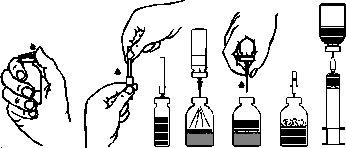
fig.A fig.B fig.C fig.D fig.E fig.F fig.G
Duración del tratamiento
El tratamiento con IMMUNINE normalmente debe mantenerse de por vida.
Si usa más IMMUNINE del que debiera:
Informe a su médico. Los síntomas por sobredosis con factor IX no se han notificado.
Si olvidó usar IMMUNINE
- No tome una dosis doble para compensar las dosis olvidadas.
- Continúe con la siguiente administración inmediatamente y siga a intervalos regulares tal como le indicó su médico.
Si interrumpe el tratamiento con IMMUNINE
No decida interrumpir el tratamiento con IMMUNINE sin consultar a su médico.
Si tiene cualquier otra duda sobre el uso de este medicamento, pregunte a su médico o farmacéutico.
4. Posibles efectos adversos
Al igual que todos los medicamentos, este medicamento puede producir efectos adversos, aunque no todas las personas los sufran.
Debe buscar ayuda médica urgente si se producen algunos de los siguientes efectos adversos graves
- reacción alérgica peligrosa (reacción anafiláctica). Interrumpa inmediatamente la administración y pida asistencia médica al instante si experimenta alguno de los siguientes síntomas. Preste una atención especial si su médico detecta inhibidores en su sangre.enrojecimiento de la piel
- erupción cutánea
- formación de ronchas en la piel (urticaria)
- picor en todo el cuerpo
- hinchazón de labios y lengua
- dificultades para respirar (disnea)
- dificultad para inspirar o espirar debido a la constricción de las vías respiratorias (sibilancias)
- opresión en el pecho
- malestar general
- mareo
- disminución de la tensión arterial
- pérdida de conocimiento una hinchazón repentina de la piel o las membranas mucosas, con o sin dificultad para tragar o respirar (angioedema)
- formación de coágulos de sangre en vasos sanguíneos pequeños por todo el cuerpo (coagulación intravascular diseminada (DIC))
- ataque cardíaco (infarto de miocardio)
- palpitación rápida del corazón (taquicardia)
- caída de la tensión arterial (hipotensión),
- coágulos en sangre (episodios tromboembólicos)
- oclusión de un vaso por un coágulo de sangre (p. ej. embolia pulmonar, trombosis venosa, trombosis arterial, trombosis de la arteria cerebral)
- enrojecimiento.
- dificultad para inspirar o espirar debido a la constricción de las vías respiratorias (sibilancias)
- dificultad para respirar (disnea)
- un tipo de trastorno renal con síntomas como hinchazón de labios, rostro y parte inferior de las piernas, con aumento de peso y eliminación de proteínas por la orina (síndrome nefrótico)
Si su médico detecta inhibidores en su sangre puede tener un riesgo específico de padecer una enfermedad llamada enfermedad del suero. Interrumpa inmediatamente la administración y pida asistencia médica al instante si experimenta alguno de los siguientes síntomas
- erupción cutánea
- picor
- dolor de las articulaciones (artralgia), especialmente en los dedos de las manos y de los pies
- fiebre
- hinchazón de los nódulos linfáticos (linfoadenopatías)
- caída de la tensión arterial (hipotensión)
- aumento del tamaño del bazo (esplenomegalia)
Otros efectos adversos
Efectos adversos poco frecuentes (pueden afectar hasta 1 de cada 100 personas)
- irritación de garganta, dolor de garganta y tos (seca)
- erupción cutánea y picor (prurito)
- fiebre (pirexia)
Efectos adversos con frecuencia no conocida (no puede estimarse a partir de los datos disponibles)
- dolor de cabeza
- inquietud
- hormigueo
- sensación de mareo (náuseas)
- vómitos
- sarpullido en todo el cuerpo (urticaria)
- escalofríos
- reacciones de hipersensibilidad
- sensación de quemazón y escozor en el lugar de la inyección
- letargo
- enrojecimiento
- opresión en el pecho
Los siguientes efectos adversos se han observado con otros medicamentos del mismo grupo:sensibilidad reducida o anormal (parestesia).
Comunicación de efectos adversos
Si experimenta cualquier tipo de efecto adverso, consulte a su médico, incluso si se trata de posibles efectos adversos que no aparecen en este prospecto. También puede comunicarlos directamente a través del sistema nacional de notificación incluido en el Sistema Español de Farmacovigilancia de Medicamentos de Uso Humano: www.notificaRAM.es.
Mediante la comunicación de efectos adversos usted puede contribuir a proporcionar más información sobre la seguridad de este medicamento.
5. Conservación de IMMUNINE
Mantener este medicamento fuera de la vista y del alcance de los niños.
No utilice este medicamento después de la fecha de caducidad que aparece en la etiqueta y en la caja. La fecha de caducidad es el último día del mes que se indica.
Conservar en nevera (2ºC-8ºC). No congelar.
Conservar el vial en el embalaje exterior para protegerlo de la luz.
Durante su período de validez, IMMUNINE se puede conservar a temperatura ambiente hasta 25ºC durante un período no superior a 3 meses únicamente. Anote en el envase del producto el inicio y el final del período de conservación a temperatura ambiente (hasta 25ºC). IMMUNINE tiene que utilizarse dentro de esos tres meses. Después del final de este período, IMMUNINE no debe refrigerarse, sino utilizarse inmediatamente o desecharlo.
Los medicamentos no se deben tirar por los desagües ni a la basura. Pregunte a su farmacéutico cómo deshacerse de los envases y de los medicamentos que no necesita. De esta forma ayudará a proteger el medio ambiente.
6. Contenido del envase e información adicional
Composición de IMMUNINE
Polvo
- El principio activo es factor IX humano de coagulación sanguínea. 1 vial con polvo para solución inyectable contiene 1200 UI de factor IX humano de coagulación. 1 ml de solución contiene aproximadamente 120 UI de factor IX humano de coagulación, cuando se reconstituye con 10 ml de agua esterilizada para preparaciones inyectables.
- Los otros componentes son cloruro de sodio y citrato de sodio.
Disolvente
- Agua esterilizada para preparaciones inyectables
Aspecto del producto y contenido del envase
Immunine es un polvo de color blanco o amarillo claro para preparar una solución inyectable. Tras su reconstitución con el disolvente proporcionado (agua esterilizada para preparaciones inyectables), se obtiene una solución transparente o ligeramente lechosa (opalescente). Si se observan partículas o coloración o la solución está turbia, por favor, no utilice el producto y contacte con el departamento de Servicio al Cliente de Shire.
Tamaño del envase:1 x 1200 UI
Cada caja contiene:- 1 vial de IMMUNINE 1200 UI
- 1 vial con 10 ml de agua esterilizada para preparaciones inyectables
-1 aguja de trasvasación
-1 aguja de aireación
-1 aguja de filtro
-1 aguja desechable
-1 jeringa desechable (10 ml)
- 1 equipo de perfusión
Titular de la autorización de comercializacióny responsable de la fabricación:
Titular de la autorización de comercialización:
Baxalta Innovations GmbH
Industriestrasse 67
1221 Viena
Austria
Responsable de la fabricación:
Takeda Manufacturing Austria AG
Industriestrasse, 67
A-1221 Viena, Austria
Representante local:
Takeda Farmacéutica España S.A.
Calle Albacete, 5 , planta 9ª
Edificio Los Cubos
28027 Madrid
España
Tel: +34 91 790 42 22
Número de autorización de comercialización: 69603
Este medicamento está autorizado en los estados miembros del Espacio Económico Europeo con los siguientes nombres:
Austria, Bulgaria, República Checa, Estonia, Alemania, Letonia, Lituania, Noruega, Polonia, Portugal, Rumania, Eslovaquiia, Eslovenia, España, Suecia: Immunine
Italia: Fixnove
Fecha de la última revisión de este prospecto:agosto 2022.
La información detallada y actualizada de este medicamento está disponible en la página web de la Agencia Española del Medicamento y Productos Sanitarios (AEMPS) http://www.aemps.gob.es/
---------------------------------------------------------------------------------------------------------------------------
Esta información está destinada únicamente a profesionales del sector sanitario:
Posología y forma de administración
El tratamiento debe iniciarse bajo la supervisión de un médico con experiencia en el tratamiento de la hemofilia.
Posología
La dosis y duración de la terapia de sustitución depende de la gravedad de la deficiencia del factor IX, de la localización y extensión de la hemorragia y del estado clínico del paciente.
El número de unidades de factor IX administradas se expresa en Unidades Internacionales (UI), que se relacionan con el estándar actual de la OMS para productos de factor IX. La actividad del factor IX en el plasma se expresa bien como porcentaje (referido a plasma humano normal) o en Unidades Internacionales (referidas a un estándar internacional de concentrados de factor IX en plasma).
Una Unidad Internacional (UI) de actividad de factor IX es equivalente a la cantidad de factor IX existente en un ml de plasma humano normal.
Tratamiento a demanda
El cálculo de la dosis de factor IX requerida se basa en el hallazgo empírico de que 1 Unidad Internacional (UI) de factor IX por kg de peso corporal incrementa la actividad del factor IX en el plasma en un 1,1 % de la actividad normal en pacientes de 12 años y mayores.
La dosis requerida se determina utilizando la siguiente fórmula:
UI requeridas = peso corporal (kg) x aumento de factor IX deseado (%) (UI/dl) x 0,9
La cantidad a administrar y la frecuencia de administración siempre deben orientarse a la eficacia clínica en cada caso individual. Los productos de factor IX raramente precisan administrarse más de una vez al día.
En caso de los siguientes episodios hemorrágicos, la actividad del factor IX no debe descender por debajo del nivel de actividad plasmática dada (en % del normal o en UI/dl) en el período de tiempo correspondiente.
En cirugía y en los episodios hemorrágicos, puede utilizarse la siguiente tabla como guía de dosificación:
Grado de hemorragia/Tipo de intervención quirúrgica | Nivel de factor IX requerido (% del normal)(UI/dl) | Frecuencia de dosis (horas)/Duración del tratamiento (días) |
Hemorragia | ||
Hemartrosis incipiente o hemorragia muscular u oral | 20-40 | Repetir cada 24 horas al menos 1 día, hasta que el episodio hemorrágico, según indique el dolor, se resuelva o se logre la curación. |
Hemartrosis más extensa, hemorragia muscular o hematoma | 30–60 | Repetir la perfusión cada 24 horas durante 3-4 días o más, hasta que cese el dolor y se resuelva la incapacidad aguda. |
Hemorragias con riesgo vital | 60-100 | Repetir la perfusión cada 8-24 horas hasta superar el peligro. |
Cirugía | ||
Cirugía menor incluyendo las extracciones dentales | 30-60 | Cada 24 horas, al menos durante 1 día, hasta la curación. |
Cirugía mayor | 80-100 (pre y postoperatorio) | Repetir la perfusión cada 8-24 horas hasta la adecuada curación de la herida y continuar la terapia al menos durante otros 7 días, para mantener una actividad del factor IX del 30% al 60 % |
Profilaxis
Para la profilaxis de larga duración frente a las hemorragias en pacientes con hemofilia B grave, las dosis normales son de 20 a 40 UI de factor IX por kg de peso corporal a intervalos de 3 a 4 días.
En algunos casos, especialmente en los pacientes más jóvenes, pueden requerirse intervalos de dosificación más cortos o dosis mayores.
Durante el curso del tratamiento, se aconseja determinar de forma adecuada los niveles de factor IX como guía de la dosis a administrar y la frecuencia de las infusiones repetidas. Particularmente, en el caso de intervenciones de cirugía mayor es indispensable una exacta monitorización de la terapia de sustitución por medio de análisis de la coagulación (actividad del factor IX plasmático). La respuesta al factor IX puede variar en cada paciente individualmente, alcanzando diferentes niveles de recuperación in vivo y mostrando diferentes vidas medias.
Población pediátrica
De acuerdo a los datos clínicos disponibles la recomendación posológica en la población pediátrica se puede realizar en pacientes de 12 a 18 años de edad. No hay datos clínicos suficientes para proporcionar una recomendación posológica en pacientes entre 6 y 12 años de edad.
Reacciones adversas
Población especial
El uso de IMMUNINE fue investigado en pacientes pediátricos con hemofilia B. La seguridad fue similar a la de los adultos que utilizan IMMUNINE.
El uso de IMMUNINE fue investigado en dos estudios observacionales en niños hasta 6 años de edad y en pacientes de 0-64 años de edad con hemofilia B, respectivamente. La seguridad en niños hasta 6 años de edad fue similar a la de niños mayores de 6 años de edad y a la de adultos que utilizan IMMUNINE.
-

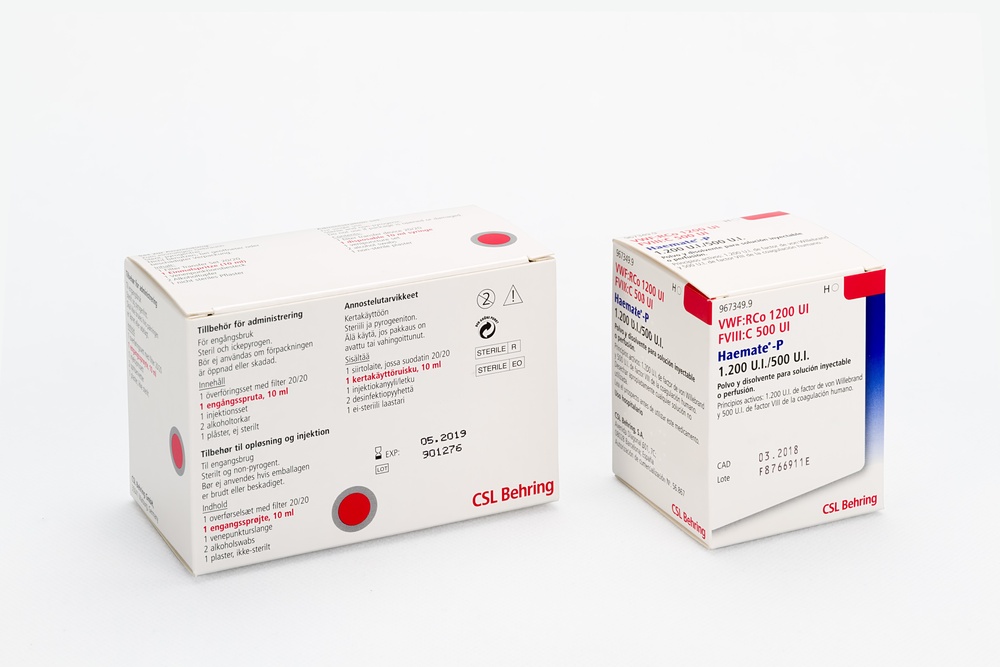
- País de registro
- Forma farmacéuticaINYECTABLE, 1200 UI
- Código ATCB02BD04
- Principio activo
- Requiere recetaSí
- Fabricante
- Esta información es de carácter general y no sustituye la consulta con un profesional sanitario.
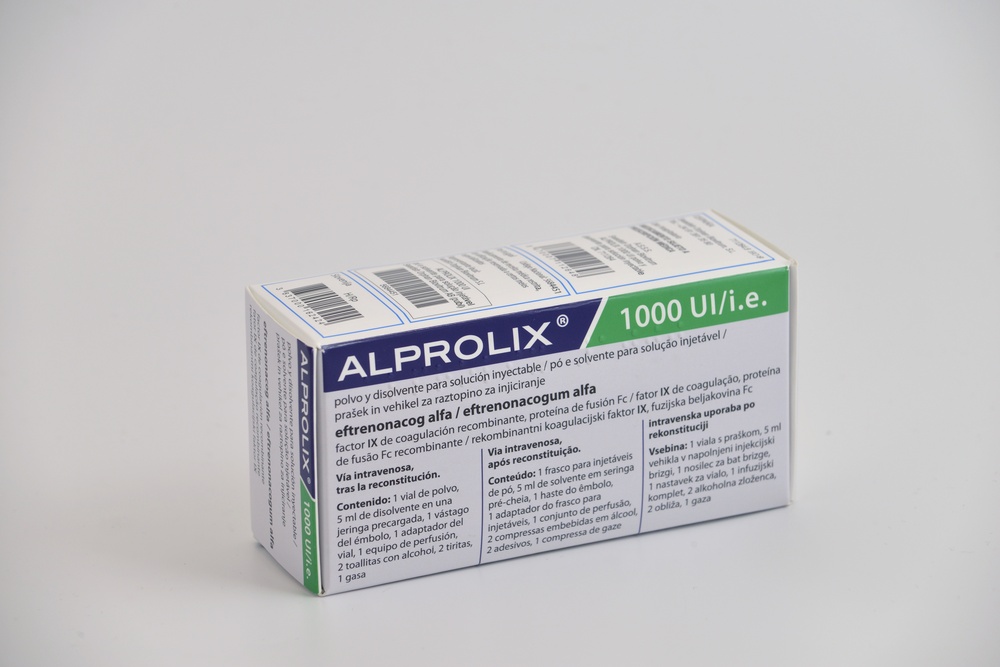
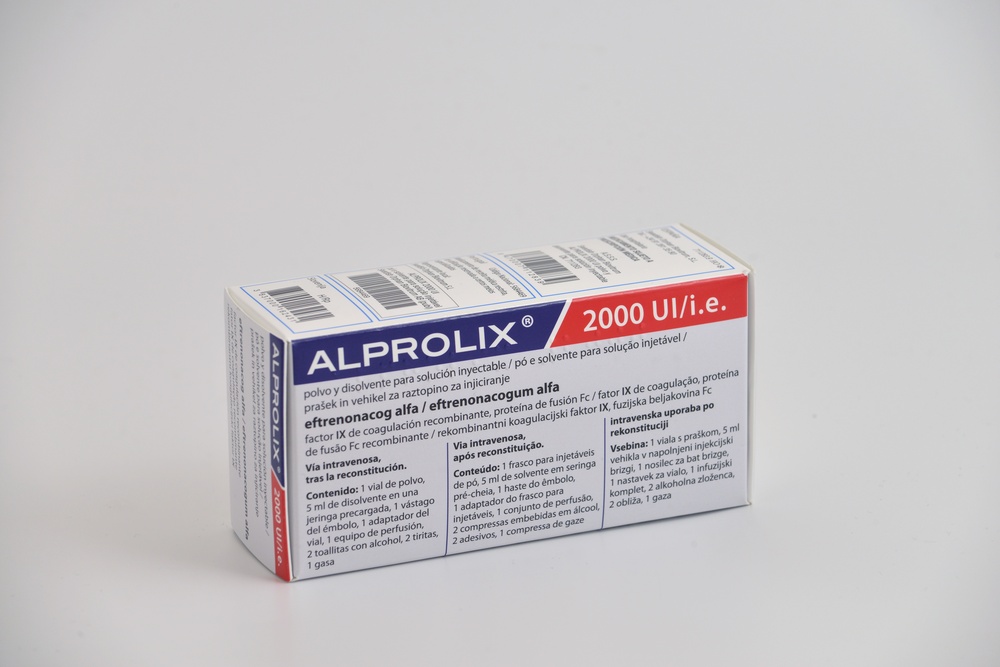
- Alternativas a IMMUNINE 1200 UI POLVO Y DISOLVENTE PARA SOLUCION INYECTABLE O PARA PERFUSIONForma farmacéutica: INYECTABLE, 1.000 UIPrincipio activo: Factor de coagulación de la sangre humana IXFabricante: Swedish Orphan Biovitrum Ab (Publ)Requiere recetaForma farmacéutica: INYECTABLE, 2.000 UIPrincipio activo: Factor de coagulación de la sangre humana IXFabricante: Swedish Orphan Biovitrum Ab (Publ)Requiere recetaForma farmacéutica: INYECTABLE, 250 UIPrincipio activo: Factor de coagulación de la sangre humana IXFabricante: Swedish Orphan Biovitrum Ab (Publ)Requiere receta
Médicos online para IMMUNINE 1200 UI POLVO Y DISOLVENTE PARA SOLUCION INYECTABLE O PARA PERFUSION
Comenta la dosis, los posibles efectos secundarios, interacciones, contraindicaciones o la revisión de receta de IMMUNINE 1200 UI POLVO Y DISOLVENTE PARA SOLUCION INYECTABLE O PARA PERFUSION, sujeto a valoración médica y a la normativa local.




Obtén una receta de IMMUNINE 1200 UI POLVO Y DISOLVENTE PARA SOLUCION INYECTABLE O PARA PERFUSION online
Rellena un formulario de 2 minutos
Cuéntanos tus síntomas, historial y el medicamento que necesitas.
Elige un médico o nosotros te asignamos uno
Escoge un especialista o te conectamos con el próximo médico disponible.
El médico revisa tu caso
Normalmente en 30 minutos. Puede hacerte preguntas adicionales por chat.
Recógela en cualquier farmacia
Receta electrónica enviada a tu correo, válida en toda España.
Preguntas frecuentes
IMMUNINE 1200 UI POLVO Y DISOLVENTE PARA SOLUCION INYECTABLE O PARA PERFUSION requires receta en España. Puedes confirmarlo con un médico online según tu caso.
El principio activo de IMMUNINE 1200 UI POLVO Y DISOLVENTE PARA SOLUCION INYECTABLE O PARA PERFUSION es Factor de coagulación de la sangre humana IX. Esta información ayuda a identificar medicamentos con la misma composición pero con diferentes nombres comerciales.
IMMUNINE 1200 UI POLVO Y DISOLVENTE PARA SOLUCION INYECTABLE O PARA PERFUSION es fabricado por Baxalta Innovations Gmbh. La marca y el envase pueden variar según el distribuidor.
Los Médicos de familia, Psiquiatras, Dermatólogos, Cardiólogos, Endocrinólogos, Gastroenterólogos, Neumólogos, Nefrólogos, Reumatólogos, Hematólogos, Infectólogos, Alergólogos, Geriatras, Pediatras, Oncólogos pueden valorar la prescripción de IMMUNINE 1200 UI POLVO Y DISOLVENTE PARA SOLUCION INYECTABLE O PARA PERFUSION cuando esté clínicamente indicado. Puedes reservar una videoconsulta para comentar tu caso y las opciones de tratamiento.
España cuenta con una infraestructura sanitaria bien desarrollada en ciudades principales como Madrid, Barcelona, Valencia y Sevilla. Las farmacias están ampliamente disponibles y operan bajo estrictas regulaciones, garantizando el acceso a medicamentos con receta.
Puedes comprar IMMUNINE 1200 UI POLVO Y DISOLVENTE PARA SOLUCION INYECTABLE O PARA PERFUSION en Madrid, Barcelona, Sevilla o Valencia en cualquier farmacia local con una receta válida.
Para obtener una receta, puedes utilizar Oladoctor:
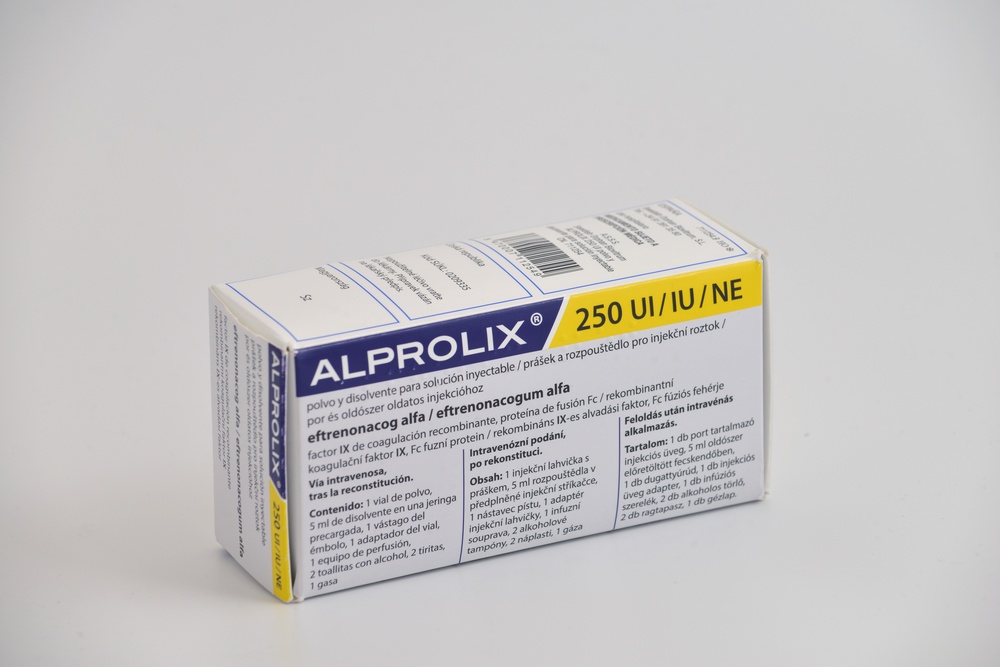
Otros medicamentos con el mismo principio activo (Factor de coagulación de la sangre humana IX) incluyen ALPROLIX 1.000 UI POLVO Y DISOLVENTE PARA SOLUCION INYECTABLE, ALPROLIX 2.000 UI POLVO Y DISOLVENTE PARA SOLUCION INYECTABLE, ALPROLIX 250 UI POLVO Y DISOLVENTE PARA SOLUCION INYECTABLE. Pueden tener diferentes nombres comerciales o formulaciones, pero contienen el mismo componente terapéutico. Consulta siempre con un médico antes de cambiar o iniciar un nuevo medicamento.
