


DOLALGIAL CLONIXINE LYSINE 125 mg FILM-COATED TABLETS



How to use DOLALGIAL CLONIXINE LYSINE 125 mg FILM-COATED TABLETS
Translated with AI
This page provides general information and does not replace a doctor’s consultation. Always consult a doctor before taking any medication. Seek urgent medical care if symptoms are severe.
Show originalContents of the leaflet
Introduction
PACKAGE LEAFLET: INFORMATION FOR THE USER
Dolalgial clonixine lysine 125mg coated tablets
Clonixine lysine
Read all of this leaflet carefully before you start taking this medicine because it contains important information for you.
|
Contents of the package leaflet:
- What is Dolalgial and what is it used for
- What you need to know before taking Dolalgial
- How to take Dolalgial
- Possible side effects
- Storage of Dolalgial
- Package contents and additional information
1. What is Dolalgial and what is it used for
Dolalgial is a pain-relieving medication that belongs to a group of medications called non-steroidal anti-inflammatory drugs. It is an effective medication for reducing pain.
Dolalgial is indicated for the symptomatic relief of mild to moderate pain in adults, such as headache, dental, menstrual, muscle (contractures) or back (lumbago) pain.

2. What you need to know before taking Dolalgial
Do not take Dolalgial
- if you are allergic (hypersensitive) to clonixine lysine or any of the other components of Dolalgial.
- if you have an active stomach ulcer.
- if you have blood cell formation disorders.
- if you have severe kidney failure.
- if you have a tendency to suffer from digestive bleeding.
- if you are pregnant or breastfeeding (see the section on pregnancy and breastfeeding).
Warnings and precautions
Consult your doctor or pharmacist before taking Dolalgial if:
- you have a history of gastrointestinal disorders, stomach ulcers, or inflammatory bowel disease, especially if you are taking clonixine lysine at high doses (4 tablets a day).
- you have mild to moderate kidney function impairment.
- you have any heart condition.
- you have a history of hypersensitivity (allergy) to non-steroidal anti-inflammatory drugs, history of asthma attacks, as well as skin eruptions or acute rhinitis.
- you are taking non-steroidal anti-inflammatory drugs at very high doses.
- you have liver function impairment.
- clonixine lysine may cause difficulty in becoming pregnant. You should inform your doctor if you are planning to become pregnant or are having trouble becoming pregnant.
Consult your doctor, even if any of the above circumstances have occurred to you in the past.
Children and adolescents
Do not use in children under 18 years of age without consulting a doctor.
Using Dolalgial with other medications
Tell your doctor or pharmacist if you are taking or have recently taken any other medications, including those obtained without a prescription.
Certain medications may interact with Dolalgial, and it may be necessary to change the dose or discontinue treatment with one of the medications. Therefore, do not use them without consulting your doctor.
This is especially important in the case of:
- Lithium salts (used in the treatment of depression).
- Antihypertensives (medications used to treat high blood pressure).
- Diuretics (medications that increase urine production).
- Non-steroidal anti-inflammatory drugs.
- Glucocorticoids (medications used to treat inflammation).
- Ticlopidine, heparin, and thrombolytics (medications that prevent blood clot formation).
- Methotrexate (used to treat cancer and rheumatoid arthritis).
Using Dolalgial with food, drinks, and alcohol
Do not take with alcohol, as it increases the risk of stomach ulcers.
Take it preferably with meals.
Pregnancy and breastfeeding
Consult your doctor or pharmacist before taking any medication.
Pregnancy:
Do not take Dolalgial during the first and second trimesters of pregnancy.
This medication is contraindicated during the third trimester.
IMPORTANT FOR WOMEN:
If you are pregnant or think you may be pregnant, consult your doctor before taking this medication. Taking medications during pregnancy can be hazardous to the embryo or fetus and should be monitored by your doctor.
Breastfeeding:
It is not recommended to administer this medication to breastfeeding women, as clonixine lysine passes into breast milk.
Driving and using machines
During treatment, avoid situations that require a special state of alertness, such as driving vehicles or operating hazardous machinery, as clonixine lysine may decrease reaction capacity. Therefore, try not to perform tasks that require special attention until you know how you tolerate the medication.
3. How to take Dolalgial
Follow your doctor's instructions for taking Dolalgial exactly. Consult your doctor or pharmacist if you have any doubts.
Dolalgial is administered orally. The tablets should be swallowed whole without being broken or chewed, accompanied by a glass of liquid, preferably water. Administration should be done with meals to reduce possible stomach discomfort.
Adults (over 18 years):
The normal dose is 1 or 2 tablets up to 3 times a day, depending on the intensity of the pain, with a maximum of 6 tablets per day (750 mg of clonixine lysine per day).
Use in children and adolescents:
Do not use in children under 18 years of age without consulting a doctor.
Patient over 65 years:
Treatment will be used with caution, following the doctor's instructions.
Patient with kidney disease:
Treatment will be used with caution, following the doctor's instructions.
Patient with liver disease:
Treatment will be used with caution, following the doctor's instructions.
Administration of this medication is subject to the appearance of painful symptoms. As they disappear, the medication should be discontinued.
The duration of this treatment depends on the type of pain, intensity, and evolution of the disease. If the pain persists for more than 10 days or other symptoms appear, treatment should be discontinued and a doctor consulted.
If you take more Dolalgial than you should:
If the recommended doses are exceeded, headaches, dizziness, tremors, as well as abdominal pain, nausea, and vomiting may occur.
In case of overdose or accidental ingestion, consult your doctor or pharmacist immediately or call the Toxicology Information Service, phone: 91 562 04 20, indicating the medication and the amount ingested.
In case of massive ingestion, stomach lavage and symptomatic treatment will be performed.
If you forget to take Dolalgial:
Do not take a double dose to make up for forgotten doses.
If you have any other doubts about the use of this medication, ask your doctor or pharmacist.

4. Possible side effects
Like all medications, this medication can cause side effects, although not everyone will experience them.
Frequent (may affect up to 1 in 10 people):
- discomfort
- stomach pain
- nausea
- vomiting
- diarrhea
- minimal intestinal bleeding.
Rare (may affect up to 1 in 1,000 people):
- stomach inflammation
- vomiting blood.
Very rare (may affect up to 1 in 10,000 people):
- dizziness
- hypersensitivity reactions (allergy) with skin rash and itching sensation.
- eczema with spots
- skin disorders.
- blood disorders such as: agranulocytosis (decrease in white blood cells), anemia, or thrombocytopenia (decrease in platelet count)
- bronchospasm (sudden feeling of suffocation)
- breathing difficulties
- insomnia
- shortness of breath
- tremors
- pharyngitis
- fever
- fatigue
- loss of appetite.
If you consider that any of the side effects you are experiencing is serious or if you notice any side effect not mentioned in this leaflet, inform your doctor or pharmacist.
Reporting side effects:
If you experience any type of side effect, consult your doctor, pharmacist, or nurse, even if it is a possible side effect not listed in this leaflet. You can also report them directly through the Spanish Medication Surveillance System for Human Use: www.notificaRAM.es
By reporting side effects, you can contribute to providing more information on the safety of this medication.
5. Storage of Dolalgial
Keep out of sight and reach of children.
Store in the original package to protect it from moisture and do not store above 30°C.
Do not use Dolalgial after the expiration date shown on the package after CAD. The expiration date is the last day of the month indicated.
Medications should not be disposed of through wastewater or household waste. Deposit the packages and medications you no longer need at the SIGRE point in the pharmacy. If in doubt, ask your pharmacist how to dispose of packages and medications you no longer need. This will help protect the environment.
6. Package contents and additional information
Composition of Dolalgial
The active ingredient is clonixine lysine. Each tablet contains 125 mg of clonixine lysine.
The other components are: pregelatinized cornstarch, microcrystalline cellulose, magnesium stearate, colloidal silicon dioxide, sepifilm 820 white (hypromellose, glycerol triacetate, titanium dioxide (E-171), and talc).
Appearance of the product and package contents
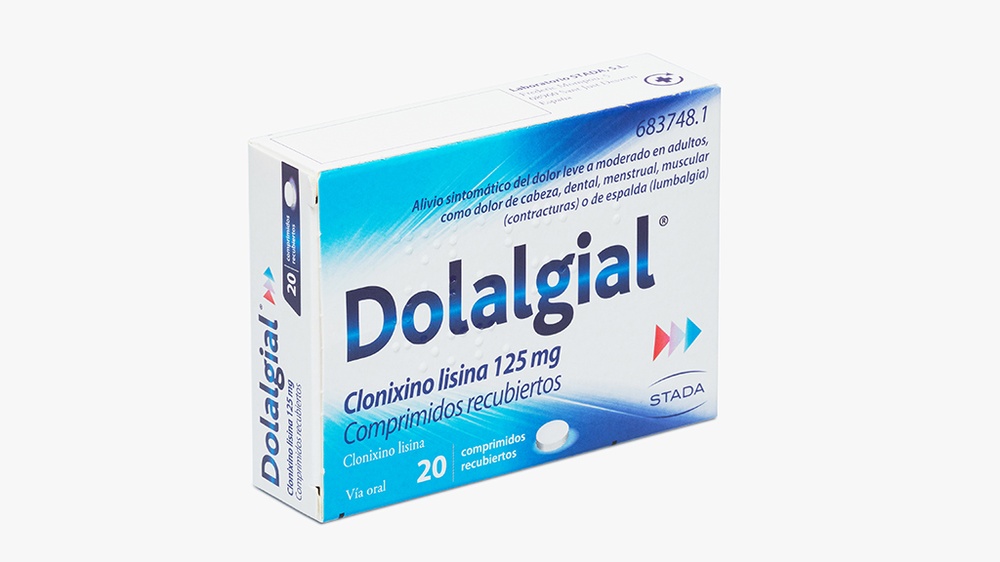
Dolalgial is a coated tablet, white, round, and has the letter "D" engraved on one side.
It is available in a package of 20 coated tablets in a blister pack.
Marketing authorization holder and manufacturer:
Holder:
Laboratory STADA, S.L.
Frederic Mompou, 5
08960 Sant Just Desvern
Spain
Manufacturer:
sanofi-aventis, S.A.
Ctra. La Batlloria a Hostalrich, km. 63,09
17404 - Riells i Viabrea (Girona)
Spain
Date of the last revision of this leaflet: December 2021
Detailed and updated information on this medication is available on the website of the Spanish Agency for Medicines and Health Products (AEMPS) http://www.aemps.gob.es/
- Country of registration
- Dosage formTABLET, 125 mg
- ATC codeN02BG91
- Active substance
- Prescription requiredNo
- Manufacturer
- This information is for reference only and does not constitute medical advice. Always consult a doctor before taking any medication. Oladoctor is not responsible for medical decisions based on this content.
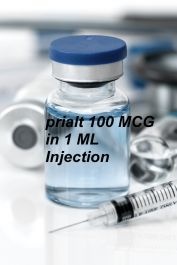
- Alternatives to DOLALGIAL CLONIXINE LYSINE 125 mg FILM-COATED TABLETSDosage form: INJECTABLE PERFUSION, 100 µgActive substance: ziconotideManufacturer: Esteve Pharmaceuticals GmbhPrescription requiredDosage form: INJECTABLE PERFUSION, 100 µgActive substance: ziconotideManufacturer: Esteve Pharmaceuticals GmbhPrescription requiredDosage form: ORAL SPRAY, 27 MG/ML THC AND 25 MG/ML CBDActive substance: cannabinoidsManufacturer: Jazz Pharmaceuticals Ireland LimitedPrescription required
Online doctors for DOLALGIAL CLONIXINE LYSINE 125 mg FILM-COATED TABLETS
Discuss questions about DOLALGIAL CLONIXINE LYSINE 125 mg FILM-COATED TABLETS, including use, safety considerations and prescription review, subject to medical assessment and local regulations.


Frequently Asked Questions
