



CEFIXIMA REIWA HEALTHCARE 200 mg Comprimidos recubiertos con película

Revisión de receta online
Un médico revisará tu caso y determinará si la prescripción es médicamente apropiada.

Habla con un médico sobre este medicamento
Comenta tus síntomas y las opciones de tratamiento en una consulta online.



Cómo usar CEFIXIMA REIWA HEALTHCARE 200 MG COMPRIMIDOS RECUBIERTOS CON PELICULA EFG
Contenido del prospecto
- Introducción
- Qué es Cefixima Reiwa Healthcare y para qué se utiliza
- Qué necesita saber antes de empezar a tomar Cefixima Reiwa Healthcare
- Cómo tomar Cefixima Reiwa Healthcare
- Posibles efectos adversos
- Conservación de Cefixima Reiwa Healthcare
- Contenido del envase información adicional
Introducción
Prospecto: información para el usuario
Cefixima Reiwa Healthcare 200 mg comprimidos recubiertos con película EFG
Lea todo el prospecto detenidamente antes de empezar a tomar este medicamento, porque contiene información importante para usted.
- Conserve este prospecto, ya que puede tener que volver a leerlo.
- Si tiene alguna duda, consulte a su médico o farmacéutico.
- Este medicamento se le ha recetado solamente a usted, y no debe dárselo a otras personas, aunque tengan los mismos síntomas que usted, ya que puede perjudicarles.
- Si experimenta efectos adversos, consulte a su médico o farmacéutico, incluso si se trata de efectos adversos que no aparecen en este prospecto. Ver sección 4.
Contenido del prospecto
- Qué es Cefixima Reiwa Healthcare y para qué se utiliza
- Qué necesita saber antes de empezar a tomar Cefixima Reiwa Healthcare
- Cómo tomar Cefixima Reiwa Healthcare
- Posibles efectos adversos
- Conservación de Cefixima Reiwa Healthcare
- Contenido del envase información adicional
1. Qué es Cefixima Reiwa Healthcare y para qué se utiliza
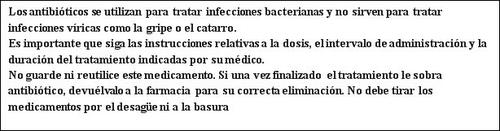 Este medicamento contiene cefixima, que es un antibiótico de la familia de los betalactámicos, del grupo de las cefalosporinas conocidas como 3ª generación, un grupo cercano al grupo de las penicilinas.
Este medicamento está indicado para el tratamiento de:
- Infecciones bronquiales y pulmonares,
- Sinusitis e infecciones agudas del oído,
- Pielonefritis aguda sin uropatía,
- Infecciones no complicadas del tracto urinario inferior a excepción de la prostatitis,
- Uretritis gonocócica masculina no complicada.

¿No estás seguro de si este medicamento es adecuado para ti?
Comenta tus síntomas y tratamiento con un médico online.
2. Qué necesita saber antes de empezar a tomar Cefixima Reiwa Healthcare
No tomeCefixima Reiwa Healthcare:
- Si es alérgico a la cefixima, a cualquier otro antibiótico cefalosporínico o a cualquiera de los demás componentes de este medicamento (incluidos en la sección 6).
- Si alguna vez ha tenido una reacción alérgica inmediata o grave a la penicilina o cualquier otro antibiótico betalactámico. Una reacción alérgica puede incluir erupción, picor, dificultad para respirar o hinchazón de la cara, labios, garganta o lengua.
Advertencias y precauciones
Consulte a su médico o farmacéutico antes de tomar cefixima:
- Si es alérgico a los antibióticos de penicilina o a cualquier otro tipo de antibióticos betalactámicos. No todas las personas alérgicas a la penicilina también son alérgicas a las cefalosporinas. Sin embargo, tenga especial cuidado si alguna vez ha tenido una reacción alérgica a alguna penicilina. Esto se debe a que también podría ser alérgico a este medicamento.
- Si alguna vez le han dicho que sus riñones no funcionan muy bien. También si está tomando algún tipo de tratamiento (como diálisis) para la insuficiencia renal. Puede tomar cefixima pero es posible que necesite una dosis más baja.
- Si tiene asma.
- Si ha tenido previamente anemia hemolítica después de tomar un antibiótico de cefalosporina, incluida cefixima (una disminución de los glóbulos rojos, que puede provocar palidez, debilidad o dificultad para respirar).
Durante o después del tratamiento, debe informar a su médico inmediatamente:
- Si tiene diarrea severa o persistente que puede ser sanguinolenta y que puede estar asociada con dolor de estómago o calambres: estos síntomas pueden ocurrir durante o poco después del tratamiento y la señal es una reacción adversa rara, pero potencialmente mortal. Deje de tomar cefixima y contacte con su médico inmediatamente. No se deben tomar medicamentos que puedan retardar o detener las deposiciones.
- Observe cambios en la forma en que funcionan los riñones o en la sangre en su orina o la de su hijo. Pueden ser signos de insuficiencia renal aguda, incluida una inflamación del riñón que afecta a su estructura y función (insuficiencia renal aguda, incluida nefritis tubulointersticial). En este caso, se debe interrumpir la administración de cefixima y se debe administrar el tratamiento adecuado.
- El tratamiento con un ciclo de cefixima puede aumentar temporalmente la posibilidad de contraer infecciones causadas por otro tipo de gérmenes sobre los que cefixima no actúa. Por ejemplo, puede ocurrir aftas (infección causada por un germen de levadura llamado Candida).
- Si tiene una reacción alérgica, los síntomas pueden variar desde sarpullido y urticaria con picor hasta anafilaxia potencialmente mortal (reacción alérgica grave que causa dificultad para respirar o mareos) con presión arterial baja, hinchazón de la cara o garganta, dificultad para respirar.
- Si tiene una reacción cutánea grave, como descamación de la piel o ampollas, que puede extenderse rápidamente por todo el cuerpo y ponerlo en riesgo (síndrome de Lyell, síndrome de Stevens-Johnson) o síntomas similares a los de la gripe y una erupción en la cara seguida de Erupción cutánea extendida con temperatura corporal alta (reacción al fármaco con eosinofilia y síntomas sistémicos, DRESS). Su médico puede decidir interrumpir el tratamiento con este medicamento y / o prescribir el tratamiento adecuado (ver sección 4 "Posibles efectos adversos").
- Si desarrolla palidez, debilidad o dificultad para respirar mientras toma este medicamento. Estos pueden ser síntomas de una enfermedad llamada anemia hemolítica.
- Si tiene fatiga, náuseas o disminución de la producción de orina. Estos pueden ser síntomas de insuficiencia renal aguda.
- Como con todos los medicamentos pertenecientes a esta clase de antibióticos (antibióticos beta-lactámicos), existe el riesgo de encefalopatía, que puede provocar convulsiones, confusión, alteración de la conciencia o trastornos del movimiento, especialmente en el caso de sobredosis o insuficiencia renal. Si se producen estos trastornos, consulte a su médico o farmacéutico inmediatamente (ver secciones 3 y 4).
En caso de pruebas de laboratorio:
Si le realizan análisis de sangre u orina, informe a su médico que está tomando cefixima, ya que la cefixima puede alterar los resultados de algunos de estos análisis.
La cefixima puede alterar los resultados de algunas pruebas de azúcar en orina (como las pruebas de Benedict, Fehling o las pruebas de sulfato de cobre). Si tiene diabetes y se analiza la orina de forma rutinaria, informe a su médico. Esto se debe a que es posible que deban usarse otras pruebas para controlar su diabetes mientras esté tomando este medicamento.
La cefixima puede alterar los resultados de algunas pruebas para medir las cetonas en la orina. Informe a su médico que está tomando cefixima porque es posible que deban realizarse otras pruebas.
La cefixima puede alterar los resultados de un análisis de sangre para anticuerpos llamado prueba directa de Coombs.
Otros medicamentos y Cefixima Reiwa Healthcare
Informe a su médico o farmacéutico si está utilizando, ha utilizado recientemente o podría tener que utilizar cualquier otro medicamento
En particular, informe a su médico o farmacéutico si está tomando lo siguiente:
- medicamentos que pueden dañar los riñones, ya que pueden aumentar el riesgo de insuficiencia renal. Ejemplos:
- antibióticos como aminoglucósidos, colistina, polimixina y viomicina,
- medicamentos que aumentan la cantidad de orina que produce su cuerpo (diuréticos), como ácido etacrínico o furosemida,
- nifedipino, un medicamento utilizado para tratar la presión arterial alta o problemas cardíacos,
- anticoagulantes (medicamentos que previenen la coagulación de la sangre) como warfarina. En algunos pacientes, la cefixima puede causar problemas de coagulación y puede aumentar el tiempo necesario para que la sangre se coagule.
- anticonceptivos orales (píldora anticonceptiva)
- antiácidos que contienen hidróxido de aluminio o magnesio. Deben tomarse 2 horas antes o después de cefixima.
Cefixima Reiwa Healthcare con alimentos y bebidas
Cefixima puede tomarse con o sin alimentos.
Embarazo y lactancia
Si está embarazada o en periodo de lactancia, cree que podría estar embarazada o tiene intención de quedarse embarazada, consulte a su médico antes de utilizar este medicamento:
Conducción y uso de máquinas
La cefixima no suele afectar a la capacidad para conducir o utilizar máquinas. Sin embargo, si se siente aturdido o mareado, no conduzca ni maneje maquinaria.
3. Cómo tomar Cefixima Reiwa Healthcare

¿Has empezado a tomar el medicamento y tienes preguntas?
Comenta tus síntomas y tratamiento con un médico online.
Siga exactamente las instrucciones de administración de este medicamento indicadas por su médico o farmacéutico. En caso de duda, consulte de nuevo a su médico o farmacéutico.
Dosis
Su médico decidirá la dosis correcta de cefixima y le dirá cuánto tiempo debe tomar su medicamento. La cantidad de Cefixima Reiwa Healthcare 200 mg comprimidos recubiertos con película que necesita tomar dependerá de su condición. Siga exactamente las instrucciones de su médico y nunca cambie la dosis usted mismo. Pregúntele a su médico o farmacéutico si no está seguro de la cantidad de medicamento que debe tomar o cuándo debe tomarlo. El medicamento debe tomarse siempre a la misma hora todos los días.
Cefixima está recomendado para adultos.
Adultos
La dosis habitual es de una a dos comprimidos al día. Si se prescriben dos comprimidos de cefixima al día, estos pueden tomarse como una sola dosis o en dos dosis divididas.
Para que sea eficaz, este antibiótico debe usarse regularmente en las dosis prescritas y durante el tiempo que su médico le haya indicado que lo haga.
Adolescentes mayores de 12 años
Adolescentes mayores de 12 años pueden recibir la misma dosis que la recomendada para adultos.
Niños menores de 12 años
Cefixima puede no ser adecuado para niños menores de 12 años, por lo que debe considerarse el uso de otras formas farmacéuticas de cefixima.
Pacientes de edad avanzada
Para los pacientes de edad avanzada, las dosis son las mismas que las de los adultos siempre que las funciones renales sean normales.
Pacientes con problemas renales
En pacientes adultos con problemas renales, puede ser necesario reducir la dosis de cefixima. Su médico calculará la dosis adecuada para usted de acuerdo con los resultados de los análisis de sangre u orina que miden qué tan bien están funcionando sus riñones y también de acuerdo con la gravedad de su infección. No existen datos suficientes sobre el uso de cefiximaen niños y adolescentes con problemas renales. Por tanto, no se recomienda el uso de cefixima en estos pacientes.
Método de administración
Vía oral. El comprimido recubierto con película debe tragarse con un vaso de agua.
Si toma más Cefixima Reiwa Healthcare del que debe:
Como ocurre con todos los medicamentos que pertenecen a esta clase de antibióticos (antibióticos betalactámicos), la administración de este medicamento, especialmente en caso de sobredosis, puede provocar riesgo de encefalopatía, que puede provocar convulsiones, confusión, alteración de la conciencia o movimientos anormales. Si se producen estos trastornos, consulte a su médico o farmacéutico inmediatamente (ver secciones 2 y 4).
En caso de sobredosis o ingestión accidental, consulte inmediatamente a su médico o farmacéutico o llame al Servicio de Información Toxicológica, teléfono 91 562 04 20, indicando el medicamento y la cantidad ingerida.
Si olvidó tomar Cefixima Reiwa Healthcare
Si olvidó tomar una dosis, tómela tan pronto como se acuerde. Sin embargo, si la próxima dosis vence en menos de 6 horas, omita la dosis olvidada y vuelva a su horario regular de dosificación. No tome una dosis doble para compensar las dosis olvidadas.
Si interrumpe el tratamiento con Cefixima Reiwa Healthcare
Es importante que tome este medicamento hasta que termine el ciclo prescrito. No debe dejar de tomar cefixima solo porque se sienta mejor. Si deja de tomarlo demasiado pronto, la infección puede volver a comenzar. Si aún se siente mal al final del ciclo de tratamiento prescrito o se siente peor durante el tratamiento, informe a su médico.
Si tiene más preguntas sobre el uso de este medicamento, consulte a su médico o farmacéutico.
4. Posibles efectos adversos
Al igual que todos los medicamentos, este medicamento puede producir efectos adversos, aunque no todas las personas los sufran.
Los siguientes efectos adversos son importantes y precisarán medidas inmediatas si los presenta. Deje de tomar cefixima y consulte a su médico de inmediato si se presentan los siguientes síntomas:
- Efectos adversos muy raros (pueden afectar hasta 1 de cada 10.000 personas):
- colitis asociada a antibióticos y colitis pseudomembranosa, que pueden causar diarrea acuosa y severa que también puede ser sanguinolenta
- anemia hemolítica, que puede provocar palidez, debilidad o dificultad para respirar
- reacciones alérgicas repentinas graves (shock anafiláctico) como erupción o urticaria, picor, hinchazón de la cara, labios, lengua u otras partes del cuerpo, sensación de opresión en el pecho, sibilancias o síncope,
- reacción similar a la enfermedad del suero (una reacción alérgica que puede incluir síntomas como erupción cutánea, dolor en las articulaciones, dolores musculares, fiebre),
- enfermedad grave de la piel con ampollas en la piel, boca, ojos y genitales (síndrome de Stevens-Johnson, necrólisis epidérmica tóxica) (ver sección 2: Qué necesita saber antes de tomar Cefixima Netpharmalab)
- Efectos adversos de frecuencia no conocida (no puede estimarse a partir de los datos disponibles):
- erupción grave, fiebre, aumento del tamaño de los ganglios linfáticos, aumento del número de un tipo de leucocitos (glóbulos blancos) llamados eosinófilos (síndrome DRESS) (ver sección 2: Qué necesita saber antes de tomar Cefixima Netpharmalab)
Se han notificado los siguientes efectos adversos:
Efectos adversos frecuentes (pueden afectar hasta 1 de cada 10 personas):
- diarrea (si tiene diarrea intensa o si observa sangre en las heces, debe dejar de tomar este medicamento y hablar con su médico inmediatamente porque puede tener una infección muy rara del intestino grueso que necesita un tratamiento especial).
Efectos adversos poco frecuentes (pueden afectar hasta 1 de cada 100 personas):
- dolor de cabeza
- náuseas
- vómitos
- dolor abdominal (en la tripa),
- cambios en los análisis de sangre que miden el funcionamiento del hígado,
- erupción cutánea
Efectos adversos raros (pueden afectar hasta 1 de cada 1.000 personas):
- infecciones causadas por gérmenes sobre los que cefixima no actúa. Por ejemplo, candidiasis
- un aumento en el número de un tipo de glóbulos blancos llamados eosinófilos
- una disminución en el número de un tipo de glóbulos blancos llamados granulocitos
- reacciones de hipersensibilidad (estas son erupciones cutáneas que son reacciones alérgicas menos graves que las mencionadas anteriormente, erupción con bultos [urticaria], picazón)
- pérdida de apetito
- flatulencia (gases)
- cambios en un análisis de sangre que comprueba el funcionamiento de su riñón (aumento de urea en sangre)
- fiebre
- mareos
- hinchazón de la piel y las membranas mucosas, que puede afectar a la cara, la lengua o la garganta (angioedema)
- picazón en la piel
- inflamación del revestimiento de la boca y / u otras superficies internas (membranas mucosas)
Efectos adversos muy raros (pueden afectar hasta 1 de cada 10.000 personas):
- disminución del número de células diferentes en la sangre (los síntomas pueden ser cansancio, nuevas infecciones y facilidad para la aparición de hematomas o hemorragias)
- reacción alérgica caracterizada por sarpullido, fiebre, dolor en las articulaciones y aumento del tamaño de ciertos órganos
- inquietud y aumento de la actividad.
- problemas hepáticos, incluida la ictericia (coloración amarilla de la piel o del blanco de los ojos)
- cambios en un análisis de sangre que comprueba el funcionamiento del riñón (aumento de la creatinina en sangre)
Efectos adversos de frecuencia no conocida (no puede estimarse a partir de los datos disponibles):
- aumento del número de plaquetas (trombocitosis), reducción del número de un tipo de glóbulo blanco (neutropenia),
- latidos cardíacos fuertes (palpitaciones)
- disminución de la presión arterial
- dificultad para respirar
- contracciones bronquiales anormales (broncoespasmo)
- ataques (convulsiones)
- alucinaciones
- agitación
- confusión
- indigestión (malestar estomacal),
- Erupción cutánea o lesiones cutáneas con un anillo rosad de color rosa/rojo y un centro pálido, que pueden picar, descamarse o estar llenas de líquido. La erupción aparece especialmente en las palmas de las manos o en las plantas de los pies. Pueden ser signos de una alergia grave al medicamento, que se denomina eritema multiforme.
- insuficiencia renal aguda, incluida una inflamación del riñón que afecta a su estructura y función (insuficiencia renal aguda, incluida la nefritis tubulointersticial).
Notificación de sospechas de reacciones adversas
Si experimenta cualquier tipo de efecto adverso, consulte a su médico o farmacéutico, incluso si se trata de posibles efectos adversos que no aparecen en este prospecto. También puede comunicarlos directamente a través del Sistema Español de Farmacovigilancia de Medicamentos de Uso Humano:https://www.notificaram.es. Mediante la comunicación de efectos adversos usted puede contribuir a proporcionar más información sobre la seguridad de este medicamento.
5. Conservación de Cefixima Reiwa Healthcare
Mantener este medicamento fuera de la vista y del alcance de los niños.
No utilice este medicamento después de la fecha de caducidad que aparece en el envase, después de CAD. La fecha de caducidad es el último día del mes que se indica.
Conservar por debajo de 25ºC.
Conservar el blíster en el embalaje exterior para protegerlo de la luz.
No utilice este medicamento si observa signos visibles de deterioro.
Los medicamentos no se deben tirar por los desagües ni a la basura. Deposite los envases y los medicamentos que no necesita en el Punto Sigre de la farmacia. En caso de duda pregunte a su farmacéutico cómo deshacerse de los envases y de los medicamentos que no necesita. De esta forma, ayudará a proteger el medio ambiente.
6. Contenido del envase información adicional
Composicion de Cefixima Reiwa Healthcare
- El principio activo es cefixima. Cada comprimido recubierto con película contiene 200 mg de cefixima (equivalente a 223,84 mg de cefixima trihidrato).
- Los demás componentes son:
Núcleo del comprimido
Celulosa microcristalina
Hidrógeno fosfato de calcio anhidro,
Almidón de maíz pregelatinizado
Estearato de magnesio,
Recubrimiento
Hipromelosa,
Macrogol,
Dióxido de titanio(E-171)
Aspecto del producto y contenido del envase
Comprimido recubierto con película, redondo, de color blanco a blanco marfil, con bordes lisos e intactos.
Envases de 14 comprimidos recubiertos con película en blíster de PVC/papel de aluminio en una caja de cartón.
Titular de la autorización de comercialización
Reiwa Healthcare S.L
Carretera de Fuencarral, 22
28108 – Alcobendas
Madrid
España
Responsable de la fabricación
Netpharmalab Consulting Services S.L
Carretera de Fuencarral, 22
28108 – Alcobendas
Madrid
España
Este medicamento está autorizado en los estados miembros del Espacio Económico Europeo con los siguientes nombres
Hungría: Cefixime Reiwa Healthcare 200 mg filmtabletta
Alemania: Cefixim Reiwa Healthcare 200 mg Filmtabletten
España: Cefixima Reiwa Healthcare 200 mg comprimidos recubiertos con película EFG
Fecha de la última revisión de este prospecto:mayo/2022
La información detallada de este medicamento está disponible en la página web de la Agencia Española de Medicamentos y Productos Sanitarios (AEMPS) (http://www.aemps.gob.es/)
- País de registro
- Forma farmacéuticaCOMPRIMIDO, 200 mg
- Código ATCJ01DD08
- Principio activo
- Requiere recetaSí
- Fabricante
- Esta información es de carácter general y no sustituye la consulta con un profesional sanitario.
- Alternativas a CEFIXIMA REIWA HEALTHCARE 200 MG COMPRIMIDOS RECUBIERTOS CON PELICULA EFGForma farmacéutica: COMPRIMIDO, 400 mgPrincipio activo: cefíximaFabricante: Codal-Synto LimitedRequiere recetaForma farmacéutica: COMPRIMIDO, 200 mgPrincipio activo: cefíximaFabricante: Mabo Farma S.A.Requiere recetaForma farmacéutica: COMPRIMIDO, 400 mgPrincipio activo: cefíximaFabricante: Mabo Farma S.A.Requiere receta
Médicos online para CEFIXIMA REIWA HEALTHCARE 200 MG COMPRIMIDOS RECUBIERTOS CON PELICULA EFG
Comenta la dosis, los posibles efectos secundarios, interacciones, contraindicaciones o la revisión de receta de CEFIXIMA REIWA HEALTHCARE 200 MG COMPRIMIDOS RECUBIERTOS CON PELICULA EFG, sujeto a valoración médica y a la normativa local.









Obtén una receta de CEFIXIMA REIWA HEALTHCARE 200 MG COMPRIMIDOS RECUBIERTOS CON PELICULA EFG online
Rellena un formulario de 2 minutos
Cuéntanos tus síntomas, historial y el medicamento que necesitas.
Elige un médico o nosotros te asignamos uno
Escoge un especialista o te conectamos con el próximo médico disponible.
El médico revisa tu caso
Normalmente en 30 minutos. Puede hacerte preguntas adicionales por chat.
Recógela en cualquier farmacia
Receta electrónica enviada a tu correo, válida en toda España.
Preguntas frecuentes
CEFIXIMA REIWA HEALTHCARE 200 MG COMPRIMIDOS RECUBIERTOS CON PELICULA EFG requiere receta en España. Puedes confirmarlo con un médico online según tu caso.
El principio activo de CEFIXIMA REIWA HEALTHCARE 200 MG COMPRIMIDOS RECUBIERTOS CON PELICULA EFG es cefíxima. Esta información ayuda a identificar medicamentos con la misma composición pero con diferentes nombres comerciales.
CEFIXIMA REIWA HEALTHCARE 200 MG COMPRIMIDOS RECUBIERTOS CON PELICULA EFG es fabricado por Reiwa Healthcare S.L.. La marca y el envase pueden variar según el distribuidor.
Los Médicos de familia, Psiquiatras, Dermatólogos, Cardiólogos, Endocrinólogos, Gastroenterólogos, Neumólogos, Nefrólogos, Reumatólogos, Hematólogos, Infectólogos, Alergólogos, Geriatras, Pediatras, Oncólogos pueden valorar la prescripción de CEFIXIMA REIWA HEALTHCARE 200 MG COMPRIMIDOS RECUBIERTOS CON PELICULA EFG cuando esté clínicamente indicado. Puedes reservar una videoconsulta para comentar tu caso y las opciones de tratamiento.
España cuenta con una infraestructura sanitaria bien desarrollada en ciudades principales como Madrid, Barcelona, Valencia y Sevilla. Las farmacias están ampliamente disponibles y operan bajo estrictas regulaciones, garantizando el acceso a medicamentos con receta.
Puedes comprar CEFIXIMA REIWA HEALTHCARE 200 MG COMPRIMIDOS RECUBIERTOS CON PELICULA EFG en Madrid, Barcelona, Sevilla o Valencia en cualquier farmacia local con una receta válida.
Para obtener una receta, puedes utilizar Oladoctor:
Otros medicamentos con el mismo principio activo (cefíxima) incluyen CEFIXIMA CODAL 400 MG COMPRIMIDOS RECUBIERTOS CON PELÍCULA EFG, CEFIXIMA MABO 200 MG COMPRIMIDOS RECUBIERTOS CON PELICULA EFG, CEFIXIMA MABO 400 MG COMPRIMIDOS RECUBIERTOS CON PELICULA EFG. Pueden tener diferentes nombres comerciales o formulaciones, pero contienen el mismo componente terapéutico. Consulta siempre con un médico antes de cambiar o iniciar un nuevo medicamento.
