



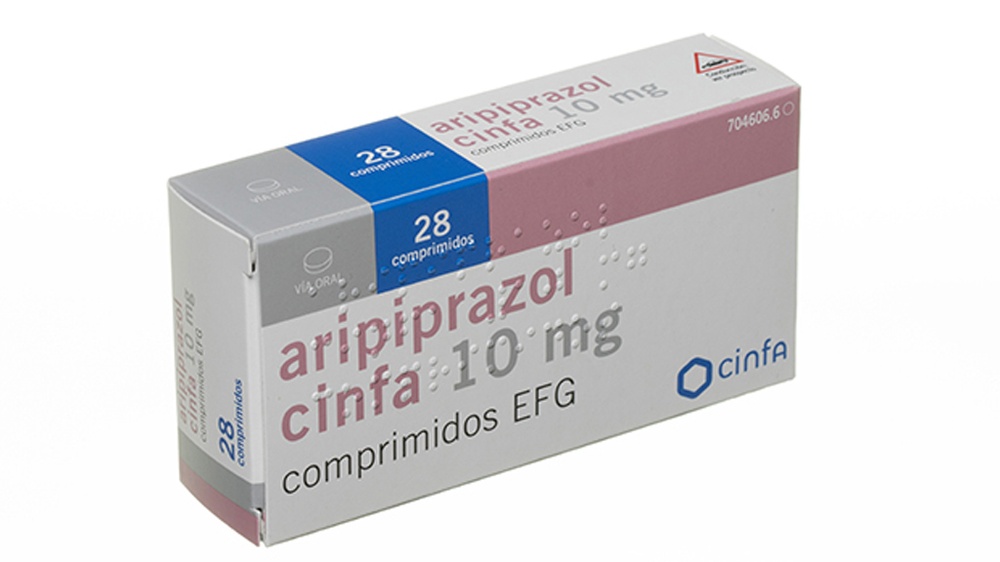
ARIPIPRAZOL 10 mg Tablets

Prescription review online
A doctor will review your case and decide whether a prescription is medically appropriate.

Talk to a doctor about this medicine
Discuss your symptoms and possible next steps in a quick online consultation.



How to use ARIPIPRAZOLE CINFA 10 mg TABLETS
Contents of the leaflet
- Introduction
- What aripiprazol cinfa is and what it is used for
- What you need to know before you take aripiprazol cinfa
- How to take aripiprazol cinfa
- Possible Adverse Effects
- Storage of Aripiprazole Cinfa
- Package Contents and Additional Information
Introduction
Package Leaflet: Information for the User
aripiprazol cinfa 10mg tablets EFG
Read all of this leaflet carefully before you start taking this medicine because it contains important information for you.
- Keep this leaflet, you may need to read it again.
- If you have any further questions, ask your doctor or pharmacist.
- This medicine has been prescribed for you only. Do not pass it on to others. It may harm them, even if their signs of illness are the same as yours.
- If you experience any side effects, talk to your doctor or pharmacist. This includes any possible side effects not listed in this leaflet. See section 4.
Contents of the pack and other information
- What aripiprazol cinfa is and what it is used for
- What you need to know before you take aripiprazol cinfa
- How to take aripiprazol cinfa
- Possible side effects
- Storing aripiprazol cinfa
- Contents of the pack and other information
1. What aripiprazol cinfa is and what it is used for
Aripiprazol cinfabelongs to a group of medicines called antipsychotics.
It is used to treat adults and adolescents aged 15 and older who suffer from a disease characterized by symptoms such as hearing, seeing, and feeling things that do not exist, distrust, false beliefs, incoherent speech, and emotional and behavioral monotony. People in this state may also feel depressed, guilty, restless, or tense.
Aripiprazol is used to treat adults and adolescents aged 13 and older who suffer from a disorder characterized by symptoms such as feeling euphoric, having excessive energy, needing to sleep much less than usual, talking very quickly with flight of ideas, and sometimes severe irritability. In adults, it also prevents this situation in patients who have responded to treatment with aripiprazol.

Not sure if this medicine is right for you?
Discuss your symptoms and treatment with a doctor online.
2. What you need to know before you take aripiprazol cinfa
Do not takearipiprazol cinfa
- if you are allergic to aripiprazol or any of the other ingredients of this medicine (listed in section 6).
Warnings and precautions
Talk to your doctor or pharmacist before you start taking aripiprazol cinfa.
There have been reports of patients experiencing suicidal thoughts and behaviors during treatment with aripiprazol. Tell your doctor immediately if you have thoughts or feelings of harming yourself.
Before starting treatment with aripiprazol, tell your doctor if you suffer from
- high blood sugar levels (characterized by symptoms such as excessive thirst, increased urine production, increased appetite, and feeling of weakness) or a family history of diabetes;
- seizures, as your doctor may want to monitor you more closely;
- irregular and involuntary muscle movements, especially in the face;
- cardiovascular diseases (heart and circulation diseases), family history of cardiovascular disease, stroke, or "mini" stroke, abnormal blood pressure;
- blood clots or a family history of blood clots, as antipsychotics have been associated with the formation of blood clots;
- a history of gambling addiction.
Aripiprazol may cause drowsiness, low blood pressure when standing up, dizziness, and changes in the ability to move and maintain balance, which could lead to falls. You should be cautious, especially if you are an elderly patient or have some weakness.
If you notice that you are gaining weight, developing unusual movements, experiencing drowsiness that interferes with your daily activities, having difficulty swallowing, or experiencing allergic symptoms, please inform your doctor.
If you have dementia (loss of memory and other mental abilities), you or your caregiver or family member should inform your doctor if you have ever had a stroke or "mini" stroke.
Talk to your doctor immediately if you have thoughts or feelings of harming yourself. There have been reports of patients experiencing suicidal thoughts and behaviors during treatment with aripiprazol.
Talk to your doctor immediately if you notice numbness or stiffness of the muscles with high fever, sweating, altered mental state, or a very fast or irregular heartbeat.
Tell your doctor if you, your family, or caregiver notice that you are developing impulses or urges to behave in an unusual way and that you cannot resist the impulse, instinct, or temptation to carry out certain activities that may harm you or others. This is called impulse control disorder and may include behaviors such as gambling addiction, excessive eating or spending, abnormally high sexual appetite, or concern about an increase in sexual thoughts and feelings.
Your doctor may consider adjusting or interrupting the dose.
Children and adolescents
Do not use this medicine in children and adolescents under 13 years of age. It is not known if it is safe and effective in these patients.
Other medicines andaripiprazol cinfa
Tell your doctor or pharmacist if you are taking, have recently taken, or might take any other medicines.
Medicines that lower blood pressure: aripiprazol may increase the effect of medicines used to lower blood pressure. Make sure to tell your doctor if you use any medicine to control blood pressure.
If you are using this medicine with any other medicine, your doctor may need to change your dose of aripiprazol or the other medicines. It is especially important to mention to your doctor if you are taking:
- Medicines to correct heart rhythm (such as quinidine, amiodarone, flecainide).
- Antidepressants or herbal medicines used to treat depression and anxiety (such as fluoxetine, paroxetine, venlafaxine, St. John's Wort).
- Medicines to treat fungal infections (antifungals) (such as ketoconazole, itraconazole).
- Certain medicines to treat HIV infection (such as efavirenz, nevirapine, and protease inhibitors such as indinavir, ritonavir).
- Anticonvulsants used to treat epilepsy (such as carbamazepine, phenytoin, phenobarbital).
- Certain antibiotics used to treat tuberculosis (rifabutin, rifampicin).
These medicines may increase the risk of side effects or reduce the effect of aripiprazol; if you notice any unusual symptoms when taking any of these medicines at the same time as aripiprazol, you should tell your doctor.
Medicines that increase serotonin levels are commonly used in diseases that include depression, generalized anxiety disorder, obsessive-compulsive disorder (OCD), and social phobia, as well as migraine and pain:
- triptans, tramadol, and tryptophan used for diseases such as depression, generalized anxiety disorder, obsessive-compulsive disorder (OCD), and social phobia, as well as migraine and pain;
- selective serotonin reuptake inhibitors (SSRIs) (such as paroxetine and fluoxetine) used for depression, OCD, panic, and anxiety;
- other antidepressants (such as venlafaxine and tryptophan) used in severe depression;
- tricyclic antidepressants (such as clomipramine and amitriptyline) used in depressive diseases;
- St. John's Wort (Hypericum perforatum) used in herbal medicines for mild depression;
- analgesics (such as tramadol and pethidine) used to relieve pain;
- triptans (such as sumatriptan and zolmitriptan) used to treat migraine.
These medicines may increase the risk of side effects; if you notice any unusual symptoms when taking any of these medicines at the same time as aripiprazol, you should tell your doctor.
Takingaripiprazol cinfawith food, drinks, and alcohol
Aripiprazol can be taken with or without food.
Alcohol consumption should be avoided while taking this medicine.
Pregnancy, breastfeeding, and fertility
If you are pregnant or breastfeeding, think you may be pregnant, or are planning to have a baby, ask your doctor or pharmacist for advice before taking this medicine.
The following symptoms may occur in newborn babies of mothers who have been treated with aripiprazol in the last trimester of pregnancy (last three months of pregnancy): tremor, stiffness, and/or muscle weakness, drowsiness, agitation, breathing problems, and difficulty feeding. If your baby develops any of these symptoms, you should contact your doctor.
If you are taking aripiprazol, your doctor will discuss with you whether you should breastfeed, considering the benefit of treatment for you and the benefit of breastfeeding for your baby. If you are being treated with aripiprazol, you should not breastfeed. Talk to your doctor about the best way to feed your baby if you are taking this medicine.
Driving and using machines
Aripiprazol may cause symptoms such as drowsiness, dizziness, or changes in vision, and may reduce your reaction ability. These effects, as well as the disease itself, may affect your ability to drive vehicles or operate machines. Therefore, do not drive, operate machines, or engage in other activities that require special attention until your doctor assesses your response to this medicine.
Aripiprazol cinfa contains lactose
If your doctor has told you that you have an intolerance to some sugars, consult them before taking this medicine.
Aripiprazol cinfa contains sodium
This medicine contains less than 23 mg of sodium (1 mmol) per tablet; this is essentially "sodium-free".
3. How to take aripiprazol cinfa
Follow exactly the administration instructions of this medicine given by your doctor or pharmacist. If you are unsure, ask your doctor or pharmacist again.
The recommended dose for adults is 15 mg once a day.However, your doctor may prescribe lower or higher doses up to a maximum of 30 mg once a day.
Use in children and adolescents
Aripiprazol should be started with the oral solution (liquid) at a low dose. The dose can be gradually increased to the recommended dose for adolescents of 10 mg once a day. However, your doctor may prescribe lower or higher doses up to a maximum of 30 mg once a day.
If you think the effect of aripiprazol is too strong or too weak, tell your doctor or pharmacist.
Try to take the aripiprazol tablet at the same time each day. It does not matter if you take it with or without food.
Always take the tablets with water and swallow them whole.
Even if you feel better, do not change or interrupt the daily dose of aripiprazol without consulting your doctor first.
If you take morearipiprazol cinfathan you should
If you realize that you have taken more aripiprazol than your doctor recommended (or if someone else has taken part of your aripiprazol), contact your doctor immediately. If you cannot contact your doctor, go to the nearest hospital and take the package with you.
Patient who have taken too much aripiprazol have experienced the following symptoms:
- rapid heartbeat, agitation/aggression, language problems;
- unusual movements (especially of the face or tongue) and decreased level of consciousness.
Other symptoms may include:
- acute confusion, seizures (epilepsy), coma, a combination of fever, rapid breathing, sweating;
- muscle stiffness and drowsiness, slower breathing, choking, high or low blood pressure, abnormal heart rhythms.
In case of overdose or accidental ingestion, consult your doctor or pharmacist immediately or call the Toxicology Information Service, phone: 91.562.04.20, indicating the medicine and the amount taken.
If you forget to takearipiprazol cinfa
If you forget a dose, take the missed dose as soon as you remember, but do not take a double dose to make up for the missed dose.
If you stop taking aripiprazol cinfa
Do not stop your treatment just because you feel better. It is important that you continue taking aripiprazol for the time your doctor has indicated.
If you have any further questions on the use of this medicine, ask your doctor or pharmacist.

Started taking the medicine and have questions?
Discuss your symptoms and treatment with a doctor online.
4. Possible Adverse Effects
Like all medicines, this medicine can cause adverse effects, although not all people suffer from them.
Frequent Adverse Effects (may affect up to 1 in 10 patients):
- diabetes mellitus;
- sleeping problems;
- anxiety;
- feeling of restlessness and inability to stay still, difficulty staying seated;
- akathisia (an uncomfortable feeling of inner restlessness and an urgent need to move constantly);
- twisting, contorting, or spasmodic uncontrollable movements;
- tremor;
- headache;
- fatigue;
- drowsiness;
- dizziness;
- shaking and blurred vision;
- difficulty evacuating or decreased frequency of bowel movements (constipation);
- indigestion;
- nausea;
- increased saliva production;
- vomiting;
- feeling of fatigue.
Uncommon Adverse Effects (may affect up to 1 in 100 patients):
- increase in prolactin hormone levels in the blood;
- excessively high blood sugar levels;
- depression;
- altered or increased sexual interest;
- uncontrollable movements of the mouth, tongue, and limbs (tardive dyskinesia);
- muscular disorder causing twisting movements (dystonia);
- double vision;
- rapid heartbeat;
- drop in blood pressure when standing up, causing dizziness, fainting, or loss of consciousness;
- hypo;
- ocular photosensitivity.
The following adverse effects have been reported during the post-marketing phase of oral aripiprazole, but the frequency at which they occur is unknown (the frequency cannot be estimated from the available data):
- low white blood cell count;
- low platelet count;
- allergic reaction (e.g., swelling in the mouth, tongue, face, and throat, itching, and redness);
- onset or worsening of diabetes, ketoacidosis (ketones in blood and urine), or coma;
- high blood sugar;
- insufficient sodium levels in the blood;
- loss of appetite (anorexia);
- weight loss;
- weight gain;
- suicidal thoughts, attempted suicide, and suicide;
- aggression;
- agitation;
- nervousness;
- combination of fever, muscle stiffness, rapid breathing, sweating, decreased consciousness, sudden changes in blood pressure and heart rate, and fainting (neuroleptic malignant syndrome);
- seizures;
- serotonin syndrome (a reaction that can cause feelings of intense happiness, drowsiness, clumsiness, restlessness, feeling of being drunk, fever, sweating, or muscle stiffness);
- speech disorder;
- sudden unexplained death;
- potentially fatal irregular heartbeat;
- heart attack;
- slower heartbeat;
- blood clots in the veins, especially in the legs (symptoms include swelling, pain, and redness of the leg), which can travel through the bloodstream to the lungs, causing chest pain and difficulty breathing (if you notice any of these symptoms, seek medical attention immediately);
- high blood pressure;
- fainting;
- accidental inhalation of food with risk of pneumonia (lung infection);
- muscle spasms around the glottis (a part of the larynx);
- pancreatitis;
- difficulty swallowing;
- abdominal discomfort;
- stomach upset;
- liver failure;
- liver inflammation;
- yellowing of the skin and the white part of the eyes;
- fixation of the eyeballs in a position;
- abnormal liver values in blood tests;
- rash;
- cutaneous photosensitivity;
- hair loss;
- excessive sweating;
- severe allergic reactions, such as drug reaction with eosinophilia and systemic symptoms (DRESS syndrome). DRESS syndrome initially appears as pseudo-flu-like symptoms with a rash on the face and, later, with a generalized rash, high temperature, enlarged lymph nodes, increased liver enzyme concentrations observed in blood tests, and increased eosinophilia;
- abnormal muscle breakdown that can cause kidney problems;
- muscle pain;
- stiffness;
- involuntary loss of urine (incontinence);
- difficulty urinating;
- withdrawal symptoms in newborns due to exposure to drugs during pregnancy;
- prolonged and/or painful erection;
- difficulty controlling body temperature or overheating;
- chest pain;
- swollen hands, ankles, or feet;
- in blood tests: fluctuation of blood sugar levels, increased hemoglobin glycosylation;
- inability to resist the impulse, instinct, or temptation to perform an action that may be harmful to yourself or others, which may include:
- strong impulse to gamble excessively despite serious personal or family consequences;
- altered or increased sexual interest and worrying behavior for yourself or others, for example, increased sexual appetite;
- uncontrollable excessive shopping;
- binge eating (consuming large amounts of food in a short period) or compulsive eating (consuming more food than normal and more than necessary to satisfy hunger);
- tendency to wander.
Inform your doctor if you experience any of these behaviors; he will explain how to manage or reduce the symptoms.
In elderly patients with dementia, a higher number of fatal cases have been reported while taking aripiprazole. Additionally, cases of stroke or "mini" stroke have been reported.
Other Adverse Effects in Children and Adolescents
Adolescents 13 years or older experienced adverse effects similar in frequency and type to those of adults, except for drowsiness, spasms, or uncontrollable contractions, restlessness, and fatigue, which were very frequent (may affect more than 1 in 10 patients), and upper abdominal pain, dry mouth, increased heart rate, weight gain, increased appetite, muscle fasciculations, involuntary movements of the limbs, and dizziness, especially when standing up after being seated or lying down, which were frequent (may affect up to 1 in 10 patients).
Reporting Adverse Effects
If you experience any type of adverse effect, consult your doctor or pharmacist, even if it is a possible adverse effect that does not appear in this leaflet. You can also report them directly through the Spanish Medicines and Healthcare Products Agency (AEMPS) https://www.notificaram.es. By reporting adverse effects, you can contribute to providing more information on the safety of this medicine.
5. Storage of Aripiprazole Cinfa
Keep this medicine out of sight and reach of children.
This medicine does not require special storage conditions.
Do not use this medicine after the expiration date stated on the packaging after CAD. The expiration date is the last day of the month indicated.
Medicines should not be disposed of through wastewater or household waste. Deposit the packaging and medicines you no longer need at the SIGRE Point in the pharmacy. In case of doubt, ask your pharmacist how to dispose of the packaging and medicines you no longer need. This way, you will help protect the environment.
6. Package Contents and Additional Information
Composition of Aripiprazole Cinfa
- The active ingredient is aripiprazole. Each tablet contains 10 mg of aripiprazole.
- The other components are lactose monohydrate, pregelatinized cornstarch, povidone, microcrystalline cellulose, sodium croscarmellose, magnesium stearate, red iron oxide (E-172).
Appearance of the Product and Package Contents
Aripiprazole Cinfa 10 mg are pink, cylindrical, biconvex tablets marked with the code "10" on one face.
Each package contains 14, 28, 49, 56, and 98 tablets, packaged in PA/AL/PVC-aluminum blisters.
Only some package sizes may be marketed.
Marketing Authorization Holder and Manufacturer
Laboratorios Cinfa, S.A.
Carretera Olaz-Chipi, 10. Polígono Industrial Areta
31620 Huarte (Navarra) - Spain
Date of the Last Revision of this Leaflet: May 2021
Detailed and updated information on this medicine is available on the website of the Spanish Agency for Medicines and Healthcare Products (AEMPS) http://www.aemps.gob.es /
You can access detailed and updated information about this medicine by scanning the QR code included in the leaflet and packaging with your mobile phone (smartphone). You can also access this information at the following internet address: https://cima.aemps.es/cima/dochtml/p/79317/P_79317.html
QR code to: https://cima.aemps.es/cima/dochtml/p/79317/P_79317.html
- Country of registration
- Dosage formTABLET, 10 mg
- ATC codeN05AX12
- Average pharmacy price47.18 EUR
- Active substance
- Prescription requiredYes
- Manufacturer
- CompositionLACTOSA MONOHIDRATO (119,5 mg mg), CROSCARMELOSA SODICA (2,0 mg mg)
- This information is for reference only and does not constitute medical advice. Always consult a doctor before taking any medication. Oladoctor is not responsible for medical decisions based on this content.
- Alternatives to ARIPIPRAZOLE CINFA 10 mg TABLETSDosage form: ORAL SOLUTION/SUSPENSION, 1 mg/mlActive substance: aripiprazoleManufacturer: Kern Pharma S.L.Prescription requiredDosage form: ORALLY DISINTEGRATING TABLET/LIOTAB, 10 mgActive substance: aripiprazoleManufacturer: Kern Pharma S.L.Prescription requiredDosage form: TABLET, 10 mgActive substance: aripiprazoleManufacturer: Kern Pharma S.L.Prescription required
Online doctors for ARIPIPRAZOLE CINFA 10 mg TABLETS
Discuss questions about ARIPIPRAZOLE CINFA 10 mg TABLETS, including use, safety considerations and prescription review, subject to medical assessment and local regulations.







Get ARIPIPRAZOLE CINFA 10 mg TABLETS Prescription Online
Fill in a 2-min form
Tell us your symptoms, history, and what medicine you're requesting.
Pick a doctor or let us assign
Choose a specialist or we'll match you with the next available doctor.
Doctor reviews your case
Usually within 30 minutes. They may ask follow-up questions via chat.
Collect from any pharmacy
Electronic prescription sent to your email — valid across Spain.
Frequently Asked Questions
ARIPIPRAZOLE CINFA 10 mg TABLETS requires a prescription in Spain. You can check with a doctor online whether this medicine may be appropriate for your situation.
The active ingredient in ARIPIPRAZOLE CINFA 10 mg TABLETS is aripiprazole. This information helps identify medicines with the same composition but different brand names.
The average pharmacy price for ARIPIPRAZOLE CINFA 10 mg TABLETS is around 47.18 EUR. Prices may vary depending on the manufacturer and dosage form.
ARIPIPRAZOLE CINFA 10 mg TABLETS is manufactured by Laboratorios Cinfa S.A.. Pharmacy brands and packaging may differ depending on the distributor.
Doctors such as Family doctors, Psychiatrists, Dermatologists, Cardiologists, Endocrinologists, Gastroenterologists, Pulmonologists, Nephrologists, Rheumatologists, Hematologists, Infectious disease physicians, Allergists, Geriatricians, Paediatricians, Oncologists may assess whether ARIPIPRAZOLE CINFA 10 mg TABLETS is appropriate, depending on your situation and local regulations. You can book an online consultation to discuss your symptoms and possible next steps.
Spain has a well-developed healthcare infrastructure across major cities such as Madrid, Barcelona, Valencia, and Seville. Pharmacies are widely available and operate under strict regulations, ensuring access to prescribed medications.
You can buy ARIPIPRAZOLE CINFA 10 mg TABLETS in Madrid, Barcelona, Seville, or Valencia at any local pharmacy with a valid prescription.
To obtain a prescription, you can use Oladoctor:
Other medicines with the same active substance (aripiprazole) include ABIK 1 mg/ml ORAL SOLUTION, ABIK 10 mg ORALLY DISINTEGRATING TABLETS, ABIK 10 mg TABLETS. These may have different brand names or formulations but contain the same therapeutic ingredient. Always consult a doctor before switching or starting a new medicine.
