



ARENBIL 10 mg Comprimidos Bucodispersables

Revisión de receta online
Un médico revisará tu caso y determinará si la prescripción es médicamente apropiada.

Habla con un médico sobre este medicamento
Comenta tus síntomas y las opciones de tratamiento en una consulta online.



Cómo usar ARENBIL FLAS 10 mg COMPRIMIDOS BUCODISPERSABLES EFG
Contenido del prospecto
- Introducción
- Qué es Arenbil Flas y para qué se utiliza
- Qué necesita saber antes de empezar a tomar Arenbil Flas
- Cómo tomar Arenbil Flas
- Posibles efectos adversos
- Conservación de Arenbil Flas
- Contenido del envase e información adicionall
Introducción
Prospecto: información para el usuario
Arenbil Flas 10 mg comprimidos bucodispersables EFG
olanzapina
Lea todo el prospecto detenidamente antes de empezar a tomar este medicamento, porque contiene información importante para usted.
- Conserve este prospecto, ya que puede tener que volver a leerlo.
- Si tiene alguna duda, consulte a su médico o farmacéutico.
- Este medicamento se le ha recetado solamente a usted, y no debe dárselo a otras personas aunque tengan los mismos síntomas que usted, ya que puede perjudicarles.
- Si experimenta efectos adversos, consulte a su médico o farmacéutico, incluso si se trata de efectos adversos que no aparecen en este prospecto. Ver sección 4.
Contenido del prospecto
- Qué es Arenbil Flas y para qué se utiliza
- Qué necesita saber antes de empezar a tomar Arenbil Flas
- Cómo tomar Arenbil Flas
- Posibles efectos adversos
- Conservación de Arenbil Flas
- Contenido del envase e información adicional
1. Qué es Arenbil Flas y para qué se utiliza
Arenbil Flas contiene el principio activo olanzapina. Pertenece al grupo terapéutico de los antipsicóticos y está indicado para tratar las siguientes enfermedades:
- Esquizofrenia, una enfermedad cuyos síntomas son oír, ver o sentir cosas irreales, creencias erróneas, suspicacia inusual y volverse retraído. Las personas que sufren estas enfermedades pueden encontrarse, además, deprimidas, con ansiedad o tensas.
- Trastorno maníaco de moderado a grave, una enfermedad cuyos síntomas son excitación o euforia.
Este medicameno ha demostrado prevenir la recurrencia de estos síntomas en pacientes con trastorno bipolar cuyos episodios maníacos han respondido al tratamiento con olanzapina.

¿No estás seguro de si este medicamento es adecuado para ti?
Comenta tus síntomas y tratamiento con un médico online.
2. Qué necesita saber antes de empezar a tomar Arenbil Flas
No tome Arenbil Flas
- Si es alérgico a olanzapina o a alguno de los demás componentes de este medicamento (incluidos en la sección 6). La reacción alérgica puede manifestarse en forma de erupción, picor, hinchazón de la cara o de los labios o dificultad para respirar. Si le pasara esto, dígaselo a su médico.
- Si previamente le han diagnosticado problemas en los ojos tales como ciertos tipos de glaucoma (aumento de la presión en el ojo).
Advertencias y precauciones
Consulte a su médico o farmacéutico antes de empezar a tomar Arenbil Flas
- No se recomienda el uso de este medicamento en pacientes de edad avanzada con demencia ya que puede tener efectos adversos graves.
- Medicamentos de este tipo pueden provocar movimientos inusuales, sobre todo en la cara o en la lengua. Si le pasara esto después de haber tomado Arenbil Flas, dígaselo a su médico.En muy raras ocasiones, medicamentos de este tipo producen una combinación de fiebre, respiración acelerada, sudoración, rigidez muscular y un estado de obnubilación o somnolencia. Si le ocurriera esto, póngase en contacto con su médico inmediatamente.
- Se ha observado un aumento de peso en los pacientes que están tomando este medicamento. Usted y su médico deben comprobar su peso con regularidad. Si fuera necesario, su médico le puede ayudar a planificar una dieta o considerar la posibilidad de remitirle a un nutricionista.
- Se han observado niveles elevados de azúcar y grasas (triglicéridos y colesterol) en sangre en los pacientes que están tomando Arenbil Flas. Su médico debe hacerle análisis de sangre para controlar su azúcar en sangre y los niveles de grasa antes de que comience a tomar este medicamento y de forma regular durante el tratamiento.
- Si usted o alguien en su familia tiene antecedentes de coágulos sanguíneos, consulte con su médico, ya que los medicamentos de este tipo han sido asociados con la formación de coágulos en la sangre
Si usted padece cualquiera de las siguientes enfermedades, hágaselo saber a su médico lo antes posible:
- Infarto cerebral o falta de riego sanguíneo transitorio en el cerebro (síntomas pasajeros de infarto cerebral)
- Enfermedad de Parkinson
- Problemas de próstata
- Bloqueo intestinal (Íleo paralítico)
- Enfermedad del hígado o riñón
- Alteraciones de la sangre
- Enfermedades del corazón
- Diabetes
- Convulsiones
- Si cree que puede tener pérdida de sales como consecuencia de tener diarrea y vómitos intensos de forma prolongada o por el uso de medicamentos diuréticos (comprimidos para orinar)
Si sufre demencia, usted o su cuidador o familiar deben informar a su médico si ha tenido alguna vez un infarto cerebral o una falta de riego sanguíneo en el cerebro.
Como precaución rutinaria, si tiene más de 65 años, convendría que su médico le controlara la tensión arterial.
Niños y adolescentes
Los pacientes menores de 18 años no deben tomar Arenbil Flas.
Otros medicamentos y Arenbil Flas
Sólo use otras medicinas al mismo tiempo que este medicamento, si su médico se lo autoriza. Es posible que sienta cierta sensación de sueño si lo combina con antidepresivos o medicamentos para la ansiedad o que ayuden a dormir (tranquilizantes).
Informe a su médico si está tomando, ha tomado recientemente o pudiera tener que tomar cualquier otro medicamento.
En concreto, diga a su médico si está tomando:
- medicación para la enfermedad de Parkinson
- carbamazepina (un antiepiléptico y estabilizador del humor), fluvoxamina (un antidepresivo) o ciprofloxacino (un antibiótico). Puede que necesiten cambiar su dosis de Arenbil Flas.
Uso de Arenbil Flas con alcohol
No debe beber alcohol mientras tome este medicamento puesto que la combinación con alcohol puede producir somnolencia.
Embarazo y lactancia
Si está embarazada o en periodo de lactancia, cree que podría estar embarazada o tiene intención de quedarse embarazada, consulte a su médico antes de utilizar este medicamento. No debe tomar este medicamento cuando esté dando el pecho ya que pequeñas cantidades de Arenbil Flas pueden pasar a la leche materna.
Se pueden producir los siguientes síntomas en bebés recién nacidos, de madres que han sido tratadas con este medicamento en el último trimestre de embarazo (últimos tres meses de su embarazo): temblor, rigidez y/o debilidad muscular, somnolencia, agitación, problemas al respirar y dificultad en la alimentación.
Si su bebé desarrolla cualquiera de estos síntomas se debe poner en contacto con su médico.
Conducción y uso de máquinas
Existe el riesgo de sufrir somnolencia cuando esté tomando Arenbil Flas. Si le ocurriera esto, no conduzca vehículos ni use maquinaria. Consúltelo con su médico.
Arenbil Flas contiene lactosa, aspartamo y sodio.
Este medicamento contiene lactosa. Si su médico le ha indicado que padece una intolerancia a ciertos azúcares, consulte con él antes de tomar este medicamento.
Este medicamento contiene 1,06 mg de aspartamo en cada comprimido. El aspartamo contiene una fuente de fenilalanina que puede ser perjudicial en caso de padecer fenilcetonuria (FCN), una enfermedad genética rara en la que la fenilalanina se acumula debido a que el organismo no es capaz de eliminarla correctamente.
Este medicamento contiene menos de 23 mg de sodio (1mmol) por comprimido; esto es, esencialmente “exento de sodio”.
3. Cómo tomar Arenbil Flas
Siga exactamente las instrucciones de administración de este medicamento indicadas por su médico. En caso de duda, consulte de nuevo a su médico o farmacéutico.
Su médico le indicará cuántos comprimidos debe tomar y durante cuánto tiempo. La dosis diaria oscila entre 5 mg y 20 mg. Consulte con su médico si vuelve a sufrir los síntomas pero no deje de tomar este medicamento a menos que se lo diga su médico.
Los comprimidos se deben tomar una vez al día, siguiendo las indicaciones de su médico. Procure tomarlos a la misma hora todos los días. Pueden administrarse con o sin alimentos. Los comprimidos bucodispersables de Arenbil Flas son para administración por vía oral.
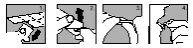
Los comprimidos se desmoronan fácilmente, por lo que se deben manipular con cuidado. No manipule los comprimidos con las manos húmedas porque se pueden deshacer.
- Sujete el blíster por los extremos y separe una de las celdillas, rompiéndola suavemente por las perforaciones que la rodean.
- Retirar suavemente la parte de atrás de la celdilla.
- Extraiga con cuidado el comprimido.
- Deposite el comprimido en la boca. Se disolverá directamente en la boca, por lo que le será muy fácil de tragar.
También se puede echar el comprimido en una taza o en un vaso lleno de agua, zumo de naranja, zumo de manzana, leche o café, removiéndolo. Con algunas bebidas la mezcla puede cambiar de color y tomar un aspecto turbio. Se debe beber inmediatamente.
Si toma másArenbil Flasdel que debe
Los pacientes que han tomado más Arenbil Flas del que debían, han experimentado los siguientes síntomas: latidos rápidos del corazón, agitación/agresividad, problemas con el habla, movimientos inusuales (especialmente de la cara y de la lengua) y un nivel reducido de consciencia. Otros síntomas pueden ser: confusión aguda, convulsiones (epilepsia), coma, una combinación de fiebre, respiración rápida, sudor, rigidez muscular, somnolencia o letargo, enlentecimiento de la frecuencia respiratoria, aspiración, aumento o disminución de la tensión arterial o ritmos anormales del corazón. Póngase en contacto con su médico o diríjase inmediatamente al hospital si presenta cualquiera de los síntomas especificados anteriormente. Enséñele al médico el envase con los comprimidos.
En caso de sobredosis o ingestión accidental también puede consultar inmediatamente a su farmacéutico o llamar al Servicio de Información Toxicológica, teléfono: 91 562 04 20, indicando el medicamento y la cantidad ingerida.
Si olvidó tomarArenbil Flas
Tome su comprimido tan pronto como se acuerde. No tome una dosis doble para compensar las dosis olvidadas.
Si interrumpe el tratamiento conArenbil Flas
No interrumpa el tratamiento simplemente porque note que se encuentra mejor. Es muy importante que continúe tomando Arenbil Flas mientras se lo diga su médico.
Si deja de tomar este medicamento de forma repentina, pueden aparecer síntomas como sudoración, imposibilidad para dormir, temblor, ansiedad o náuseas y vómitos. Su médico puede sugerirle que reduzca la dosis gradualmente antes de dejar el tratamiento.
Si tiene cualquier otra duda sobre el uso de este medicamento, pregunte a su médico o farmacéutico.

¿Has empezado a tomar el medicamento y tienes preguntas?
Comenta tus síntomas y tratamiento con un médico online.
4. Posibles efectos adversos
Al igual que todos los medicamentos, este medicamento puede producir efectos adversos, aunque no todas las personas los sufran.
Póngase en contacto inmediatamente con su médico si usted tiene:
- movimientos inusuales (un efecto adverso frecuente que puede afectar hasta 1 de cada 10 personas) especialmente de la cara o de la lengua.
- coágulos sanguíneos en las venas (un efecto adverso poco frecuente que puede afectar hasta 1 de cada 100 personas), especialmente en las piernas (los síntomas incluyen hinchazón, dolor y enrojecimiento en la pierna), que pueden viajar a través de la sangre hacia los pulmones, causando dolor en el pecho y dificultad para respirar. Si experimenta cualquiera de estos síntomas, acuda al médico de inmediato.
- combinación de fiebre, respiración acelerada, sudoración, rigidez muscular y un estado de obnubilación o somnolencia (la frecuencia no puede ser estimada a partir de los datos disponibles)
Efectos adversos muy frecuentes (que pueden afectar a más de 1 de cada 10 personas) incluyen aumento de peso; somnolencia; y aumento de los niveles de prolactina en sangre. En las primeras fases del tratamiento, algunas personas pueden sentir mareos o desmayos (con latidos del corazón más lentos), sobre todo al incorporarse cuando están tumbados o sentados. Esta sensación suele desaparecer espontáneamente, pero si no ocurriera así, consulte con su médico.
Efectos adversos frecuentes (pueden afectar hasta 1 de cada 10 personas) incluyen cambios en los niveles de algunas células sanguíneas, lípidos circulantes y al comienzo del tratamiento aumentos temporales de las enzimas hepáticas; aumento de los niveles de azúcar en sangre y orina; aumento de los niveles de ácido úrico y creatinfosfoquinasa en sangre; aumento del apetito; mareos; agitación; temblor; movimientos extraños (discinesia); estreñimiento; sequedad de boca; erupción en la piel; pérdida de fuerza; cansancio excesivo; retención de líquidos que provoca inflamación de las manos, los tobillos o los pies; fiebre, dolor en las articulaciones y disfunciones sexuales tales como disminución de la libido en hombres y mujeres o disfunción eréctil en hombres.
Efectos adversos poco frecuentes (pueden afectar hasta 1 de cada 100 personas) incluyen hipersensibilidad (p. ej. Inflamación de la boca y de la garganta, picores, erupción en la piel); diabetes o empeoramiento de la diabetes, relacionados ocasionalmente con cetoacidosis (acetona en sangre y orina) o coma; convulsiones, en la mayoría de los casos se relacionan con antecedentes de convulsiones (epilepsia); rigidez muscular o espasmos (incluyendo movimientos de los ojos); síndrome de piernas inquietas; problemas con el habla; tartamudeo; pulso lento; sensibilidad a la luz del sol; sangrado por la nariz; distensión abdominal; salivación excesiva; pérdida de memoria u olvidos; incontinencia urinaria; pérdida de la habilidad para orinar; pérdida de cabello; ausencia o disminución de los periodos menstruales; y cambios en la glándula mamaria en hombres y en mujeres tales como producción anormal de leche materna o crecimiento anormal.
Efectos adversos raros (pueden afectar hasta 1 de cada 1000 personas) incluyen descenso de la temperatura corporal normal; ritmo anormal del corazón; muerte repentina sin explicación aparente; inflamación del páncreas, que provoca fuerte dolor de estómago, fiebre y malestar; enfermedad del hígado, con aparición de coloración amarillenta en la piel y en las zonas blancas del ojo; trastorno muscular que se presenta como dolores sin explicación aparente y erección prolongada y/o dolorosa.
Efectos adversos muy raros incluyen reacciones alérgicas graves tales como reacción a fármaco con eosinofilia y síntomas sistémicos (DRESS por sus siglas en inglés). Inicialmente DRESS se manifiesta con síntomas similares a la gripe con sarpullido en la cara y posteriormente, con un sarpullido extenso, fiebre, ganglios linfáticos agrandados, elevación de enzimas hepáticas observado en análisis de sangre y aumento de un tipo de glóbulos blancos de la sangre (eosinofilia).
Durante el tratamiento con olanzapina, los pacientes de edad avanzada con demencia pueden sufrir ictus, neumonía, incontinencia urinaria, caídas, cansancio extremo, alucinaciones visuales, una subida de la temperatura corporal, enrojecimiento de la piel y tener problemas al caminar. Se han notificado algunos fallecimientos en este grupo particular de pacientes.
Este medicamento puede empeorar los síntomas en pacientes con enfermedad de Parkinson.
Comunicación de efectos adversos
Si experimenta cualquier tipo de efecto adverso, consulte a su médico o enfermero, incluso si se trata de posibles efectos adversos que no aparecen en este prospecto. También puede comunicarlos directamente a través del Sistema Español de Farmacovigilancia de Medicamentos de Uso Humano: www.notificaRAM.es. Mediante la comunicación de efectos adversos usted puede contribuir a proporcionar más información sobre la seguridad de este medicamento.
5. Conservación de Arenbil Flas
Mantener este medicamento fuera de la vista y del alcance de los niños.
No utilice este medicamento después de la fecha de caducidad que aparece en el envase después de CAD. La fecha de caducidad es el último día del mes que se indica.
No requiere condiciones especiales de conservación.
Los medicamentos no se deben tirar por los desagües ni a la basura. Deposite los envases y los medicamentos que no necesita en el Punto SIGRE de la farmacia. Pregunte a su farmacéutico cómo deshacerse de los envases y de los medicamentos que ya no necesita. De esta forma, ayudará a proteger el medio ambiente.
6. Contenido del envase e información adicionall
Composición de Arenbil Flas
El principio activo es olanzapina. Cada comprimido bucodispersable de Arenbil Flas contiene 10 mg de principio activo.
Los demás componentes son lactosa monohidrato, silicato de calcio, hidroxipropil celulosa de baja sustitución (E-463), crospovidona, aspartamo (E-951), aroma de naranja, aroma de plátano (contiene sodio), sílice coloidal anhidra (E-551) y estearato de magnesio (E-470).
Aspecto de Arenbil Flas 10mg y contenido del envase
Arenbil Flas 10 mg comprimidos bucodispersables son amarillos.
Arenbil Flas 10 mg comprimidos bucodispersables está disponible en envases de 28 y 56 comprimidos.
Otras presentaciones:
Arenbil Flas 5 mg comprimidos bucodispersables: envases de 28 comprimidos.
Arenbil Flas 15 mg mg comprimidos bucodispersables: envases de 28 comprimidos.
Arenbil Flas 20 mg mg comprimidos bucodispersables: envases de 28 comprimidos.
Titular de la autorización de comercialización y responsable de la fabricación
Titular de la autorización de comercialización:
Neuraxpharm Spain, S.L.U.
Avda. Barcelona, 69
08970 Sant Joan Despí
Barcelona - España
Responsable de la fabricación:
Neuraxpharm Pharmaceuticals, S.L.
Avda. Barcelona, 69
08970 Sant Joan Despí
Barcelona -España
Fecha de la última revisión de este prospecto:enero 2024
La información detallada de este medicamento está disponible en la página web de la Agencia Española de Medicamentos y Productos Sanitarios (AEMPS) http://www.aemps.es/.
- País de registro
- Forma farmacéuticaCOMPRIMIDO BUCODISPERSABLE/LIOTAB, 10 mg
- Código ATCN05AH03
- Precio medio en farmacia52.89 EUR
- Principio activo
- Requiere recetaSí
- Fabricante
- ComposiciónLACTOSA MONOHIDRATO (54,62 mg mg), ASPARTAMO (E-951) (1,06 mg mg)
- Esta información es de carácter general y no sustituye la consulta con un profesional sanitario.
- Alternativas a ARENBIL FLAS 10 mg COMPRIMIDOS BUCODISPERSABLES EFGForma farmacéutica: COMPRIMIDO, 10 mgPrincipio activo: OlanzapinaFabricante: Neuraxpharm Spain S.L.Requiere recetaForma farmacéutica: COMPRIMIDO, 2,5 mgPrincipio activo: OlanzapinaFabricante: Neuraxpharm Spain S.L.Requiere recetaForma farmacéutica: COMPRIMIDO, 5 mgPrincipio activo: OlanzapinaFabricante: Neuraxpharm Spain S.L.Requiere receta
Médicos online para ARENBIL FLAS 10 mg COMPRIMIDOS BUCODISPERSABLES EFG
Comenta la dosis, los posibles efectos secundarios, interacciones, contraindicaciones o la revisión de receta de ARENBIL FLAS 10 mg COMPRIMIDOS BUCODISPERSABLES EFG, sujeto a valoración médica y a la normativa local.







Obtén una receta de ARENBIL FLAS 10 mg COMPRIMIDOS BUCODISPERSABLES EFG online
Rellena un formulario de 2 minutos
Cuéntanos tus síntomas, historial y el medicamento que necesitas.
Elige un médico o nosotros te asignamos uno
Escoge un especialista o te conectamos con el próximo médico disponible.
El médico revisa tu caso
Normalmente en 30 minutos. Puede hacerte preguntas adicionales por chat.
Recógela en cualquier farmacia
Receta electrónica enviada a tu correo, válida en toda España.
Preguntas frecuentes
ARENBIL FLAS 10 mg COMPRIMIDOS BUCODISPERSABLES EFG requiere receta en España. Puedes confirmarlo con un médico online según tu caso.
El principio activo de ARENBIL FLAS 10 mg COMPRIMIDOS BUCODISPERSABLES EFG es Olanzapina. Esta información ayuda a identificar medicamentos con la misma composición pero con diferentes nombres comerciales.
El precio medio en farmacia de ARENBIL FLAS 10 mg COMPRIMIDOS BUCODISPERSABLES EFG es de aproximadamente 52.89 EUR. Puede variar según el fabricante y la forma farmacéutica.
ARENBIL FLAS 10 mg COMPRIMIDOS BUCODISPERSABLES EFG es fabricado por Neuraxpharm Spain S.L.. La marca y el envase pueden variar según el distribuidor.
Los Médicos de familia, Psiquiatras, Dermatólogos, Cardiólogos, Endocrinólogos, Gastroenterólogos, Neumólogos, Nefrólogos, Reumatólogos, Hematólogos, Infectólogos, Alergólogos, Geriatras, Pediatras, Oncólogos pueden valorar la prescripción de ARENBIL FLAS 10 mg COMPRIMIDOS BUCODISPERSABLES EFG cuando esté clínicamente indicado. Puedes reservar una videoconsulta para comentar tu caso y las opciones de tratamiento.
España cuenta con una infraestructura sanitaria bien desarrollada en ciudades principales como Madrid, Barcelona, Valencia y Sevilla. Las farmacias están ampliamente disponibles y operan bajo estrictas regulaciones, garantizando el acceso a medicamentos con receta.
Puedes comprar ARENBIL FLAS 10 mg COMPRIMIDOS BUCODISPERSABLES EFG en Madrid, Barcelona, Sevilla o Valencia en cualquier farmacia local con una receta válida.
Para obtener una receta, puedes utilizar Oladoctor:
Otros medicamentos con el mismo principio activo (Olanzapina) incluyen ARENBIL 10 mg COMPRIMIDOS RECUBIERTOS CON PELICULA EFG, ARENBIL 2,5 mg COMPRIMIDOS RECUBIERTOS CON PELICULA EFG, ARENBIL 5 mg COMPRIMIDOS RECUBIERTOS CON PELICULA EFG. Pueden tener diferentes nombres comerciales o formulaciones, pero contienen el mismo componente terapéutico. Consulta siempre con un médico antes de cambiar o iniciar un nuevo medicamento.
