


ACTITHIOL MUCOLITIC ANTIHISTAMINE ORAL SOLUTION



How to use ACTITHIOL MUCOLITIC ANTIHISTAMINE ORAL SOLUTION
Translated with AI
This page provides general information and does not replace a doctor’s consultation. Always consult a doctor before taking any medication. Seek urgent medical care if symptoms are severe.
Show originalContents of the leaflet
- Introduction
- What is Actithiol Mucolytic Antihistamine and what is it used for
- What you need to know before you take Actithiol Mucolytic Antihistamine
- How to take Actithiol Mucolytic Antihistamine
- Possible side effects
- Storage of Actithiol Mucolytic Antihistamine
- Contents of the pack and other information
Introduction
Package Leaflet: Information for the User
Actithiol Mucolytic Antihistamine Oral Solution
carbocisteine/promethazine hydrochloride
Read all of this leaflet carefully before you start taking this medicine because it contains important information for you.
- Keep this leaflet, you may need to read it again.
- If you have any further questions, ask your doctor or pharmacist.
- This medicine has been prescribed for you only. Do not pass it on to others. It may harm them, even if their signs of illness are the same as yours.
- If you get any side effects, talk to your doctor or pharmacist. This includes any possible side effects not listed in this leaflet. See section 4.
Contents of the package leaflet:
- What is Actithiol Mucolytic Antihistamine and what is it used for
- What you need to know before you take Actithiol Mucolytic Antihistamine
- How to take Actithiol Mucolytic Antihistamine
- Possible side effects
- Storage of Actithiol Mucolytic Antihistamine
- Contents of the pack and other information
1. What is Actithiol Mucolytic Antihistamine and what is it used for
Actithiol Mucolytic Antihistamine contains carbocisteine and promethazine.
Carbocisteine is a mucolytic that liquefies and decreases the viscosity of mucus to facilitate its elimination and has an anti-inflammatory action.
Promethazine is a phenothiazine with antihistaminic properties that is effective in relieving symptoms of irritation of the nose and throat.
This medicine is used for the symptomatic relief of allergic conditions of the respiratory tract, such as sinusitis, rhinopharyngitis, acute, subacute and chronic bronchitis.

2. What you need to know before you take Actithiol Mucolytic Antihistamine
Do not take Actithiol Mucolytic Antihistamine
- if you are allergic to carbocisteine or promethazine or phenothiazines in general, or to any of the other components of this medicine (listed in section 6).
- if you have a gastroduodenal ulcer.
- if you have asthma or other severe respiratory disease.
- if you have a history of blood diseases (agranulocytosis: lack or decrease of white blood cells) or jaundice (yellowing of the skin and mucous membranes).
- if you have urinary or prostate disorders due to the risk of urinary retention.
- if you are at risk of closed-angle glaucoma (eye disease in which there is an increase in pressure inside the eye and which can lead to blindness).
- if you have myasthenia (neuromuscular disease that causes muscle weakness).
- if you have taken an MAO inhibitor (medicines used to treat depression) in the last two weeks.
- if your bone marrow function is decreased.
- if your doctor has told you that you have an intolerance to certain sugars, consult with him before taking this medicine.
- if you are a child who has severe dehydration or acute illness (chickenpox, measles, central nervous system infections, gastroenteritis) as you are more susceptible to neuromuscular reactions including abnormal movements (dystonias).
Actithiol Mucolytic Antihistamine is contraindicated in children under 2 years of age.
Warnings and precautions
Consult your doctor or pharmacist before starting to take Actithiol Mucolytic Antihistamine.
- If you have hypothyroidism.
- If you have pyloro-duodenal obstruction.
- If you have difficulty urinating.
- If you have porphyria (metabolic disease that causes a disorder of a component of red blood cells).
- In elderly patients who are particularly sensitive to the adverse effects of carbocisteine or promethazine.
- In patients with cardiovascular disorders.
- In case of severe hepatic and/or renal insufficiency.
- Do not take at the same time as a medicine that inhibits the cough reflex or dries up bronchial secretions (e.g. "atropinic" medicines).
- Increase surveillance in epileptic persons.
- Avoid taking alcoholic beverages during treatment.
- Avoid exposure to sunlight, as there is a risk of abnormal skin reactions caused by the sun (photosensitization).
- If you have any serious heart problems.
- If you have a personal or family history of heart disease.
- If you have irregular heartbeats.
Interference with laboratory tests
This medicine may interfere with pregnancy tests in urine, producing both false positives and false negatives.
It should be discontinued at least 72 hours before the start of skin allergy tests, as it inhibits the histamine response in the skin and may produce false negatives.
Other medicines and Actithiol Mucolytic Antihistamine
Tell your doctor or pharmacist if you are taking, have recently taken or might take any other medicines.
- Concomitant use of carbocisteine with cough reflex inhibitors or bronchial secretion inhibitors (atropinics) is not recommended, as it may cause retention of these bronchial secretions and difficulty in expelling sputum.
- Do not take concomitantly with anticholinergic drugs, such as imipraminic antidepressants, monoamine oxidase inhibitors, antiparkinsonian anticholinergics, atropinic antispasmodics, disopyramide or phenothiazinic neuroleptics, as they may increase the adverse effects of promethazine (dry mouth, urinary retention, constipation).
- Do not take concomitantly with central nervous system depressant drugs (sedatives, hypnotics, anxiolytics, analgesics), as they may potentiate the sedative effect of promethazine.
- Medicines that may affect heart rhythm.
Taking Actithiol Mucolytic Antihistamine with food, drinks and alcohol
It is recommended to take this medicine before meals (see section 3. How to take Actithiol Mucolytic Antihistamine). It is advised not to ingest alcoholic beverages during treatment.
Pregnancy, breastfeeding and fertility
If you are pregnant or breastfeeding, think you may be pregnant or are planning to have a baby, ask your doctor or pharmacist for advice before taking this medicine.
Do not take Actithiol Mucolytic Antihistamine if you are pregnant.
If you are breastfeeding, do not take Actithiol Mucolytic Antihistamine as it is excreted in breast milk.
Driving and using machines
Actithiol Mucolytic Antihistamine may cause drowsiness, especially at the start of treatment, which may affect your ability to drive and/or use machines. Patients should avoid handling hazardous machinery, including automobiles, until they know how they tolerate the medicine.
Actithiol Mucolytic Antihistamine contains saccharose, methyl parahydroxybenzoateand propyl parahydroxybenzoate, propylene glycol, ethanol and sodium.
This medicine contains saccharose. If your doctor has told you that you have an intolerance to certain sugars, consult with him before taking this medicine. Patients with diabetes mellitus should note that this medicine contains 6 g of saccharose per 10 ml.
This medicine may cause allergic reactions (possibly delayed) because it contains methyl parahydroxybenzoate(E-218) and propyl parahydroxybenzoate(E-216).
This medicine contains 1.036 mg of propylene glycol(E-1520) in each 10 ml. If you are pregnant or breastfeeding, do not take this medicine unless recommended by your doctor. Your doctor may perform additional checks while you are taking this medicine. If you have liver or kidney failure, do not take this medicine unless recommended by your doctor. Your doctor may perform additional checks while you are taking this medicine. If the child is under 5 years of age, consult your doctor or pharmacist, especially if other medicines containing propylene glycol or alcohol have been administered.
This medicine contains 2.4% ethanol(alcohol), which corresponds to an amount of 0.12 g per 5 ml of solution, equivalent to 2.4 ml of beer or 1 ml of wine. This medicine is harmful to people with alcoholism. The alcohol content should be taken into account in the case of pregnant or breastfeeding women, children and high-risk groups, such as patients with liver disease or epilepsy.
This medicine contains 27.6 mg of sodium(main component of table/cooking salt) per 10 ml. This is equivalent to 1.38% of the maximum daily intake of sodium recommended for an adult.
3. How to take Actithiol Mucolytic Antihistamine
Actithiol Mucolytic Antihistamine is administered orally.
Follow exactly the administration instructions of this medicine indicated by your doctor or pharmacist. In case of doubt, consult your doctor or pharmacist again.
Remember to take your medicine.
The recommended dose for children from 2 to 5 years is:
1 dose of 5 ml from the measuring cup (100 mg of carbocisteine and 2.5 mg of promethazine) 2 to 3 times a day.
The recommended dose for children over 5 years is:
1 dose of 5 ml from the measuring cup (100 mg of carbocisteine and 2.5 mg of promethazine) 3 to 5 times a day.
The recommended dose for adolescents from 16 years and adults is:
1 dose of 10 ml from the measuring cup (200 mg of carbocisteine and 5 mg of promethazine) 3 to 5 times a day.
It is recommended to use the measuring cup included in the package for correct dosing.
Actithiol Mucolytic Antihistamine is used for short-term treatment.
It is recommended to take this medicine before meals, and to distribute the doses preferably in the afternoon or at bedtime due to the pronounced sedative effect of promethazine.
Do not take more than the recommended dose.
Your doctor may increase the dose depending on the clinical picture.
If you think the effect of Actithiol Mucolytic Antihistamine is too strong or too weak, tell your doctor or pharmacist.
If you take more Actithiol Mucolytic Antihistamine than you should
Consult your doctor or pharmacist immediately.
Signs of overdose in children may be various combinations of excitability, ataxia, athetosis, incoordination and hallucinations, while in adults they may be drowsiness and coma. Seizures, preceded by excitability or coma, may occur in both populations. In case of overdose or accidental ingestion, go immediately to a medical center or consult the Toxicology Information Service, telephone 915 620 420, indicating the medicine and the dose taken.
If you forget to take Actithiol Mucolytic Antihistamine
If you forget to take a dose, take it as soon as you can. However, if it is already time for the next dose, wait for the next dose and take it at the usual time.
Do not take a double dose to make up for forgotten doses.

4. Possible side effects
Like all medicines, this medicine can cause side effects, although not everybody gets them.
Sedation, drowsiness, dizziness, dry mouth, visual disturbances, constipation and urinary retention may occur.
In some cases, allergic reactions such as skin rashes, urticaria or asthma attacks may occur.
Gastrointestinal disorders (gastric discomfort, diarrhea, nausea, vomiting and very rarely gastrointestinal bleeding), headache, dizziness, lack of motor coordination, tremors in elderly patients, postural hypotension (dizziness when standing up or getting up), bradycardia (slow heart rate), tachycardia (fast heart rate), increased blood pressure or jaundice (yellowing of the skin and mucous membranes) may also appear. Rarely, mental confusion or disorientation and very rarely bronchospasm (narrowing of the bronchial lumen) may occur.
In children, excitement may be observed.
Very rarely, hematological disorders (decrease in platelets, red or white blood cells) may occur.
Extrapyramidal disorders (uncoordinated movements) at high doses have also been described.
In these cases, it is recommended to reduce the dose or discontinue treatment.
With frequency not known (cannot be estimated from the available data), the following may occur:
- Abnormal heart rhythm that affects its rhythm, including potentially fatal rhythm disorders
- A severe reaction with fever, muscle stiffness, changes in blood pressure and coma (malignant neuroleptic syndrome)
- Low platelet count in blood (which can cause bleeding and bruising)
- Restlessness
- Hallucinations
- Aggression
Reporting of side effects
If you experience any side effects, talk to your doctor, pharmacist or nurse. This includes any possible side effects not listed in this leaflet. You can also report side effects directly through the Spanish Pharmacovigilance System for Human Use Medicines: https://www.notificaram.es. By reporting side effects, you can help provide more information on the safety of this medicine.
5. Storage of Actithiol Mucolytic Antihistamine
Keep this medicine out of the sight and reach of children.
No special storage conditions are required.
Do not use this medicine after the expiry date which is stated on the package after EXP. The expiry date is the last day of the month indicated.
Medicines should not be disposed of via wastewater or household waste. Ask your pharmacist how to dispose of medicines no longer required. These measures will help protect the environment.
6. Contents of the pack and other information
Composition of Actithiol Mucolytic Antihistamine Oral Solution
The active substances of Actithiol Mucolytic Antihistamine are carbocisteine and promethazine.
Each 5 ml of oral solution contains 100 mg of carbocisteine and 2.5 mg of promethazine hydrochloride.
Each 10 ml of oral solution contains 200 mg of carbocisteine and 5 mg of promethazine hydrochloride.
The other components are: citric acid, sodium hydroxide, saccharose, ethanol, methyl parahydroxybenzoate (E-218), propyl parahydroxybenzoate (E-216), propylene glycol (E-1520), pineapple flavor, peach flavor and purified water.
Appearance of the product and contents of the pack
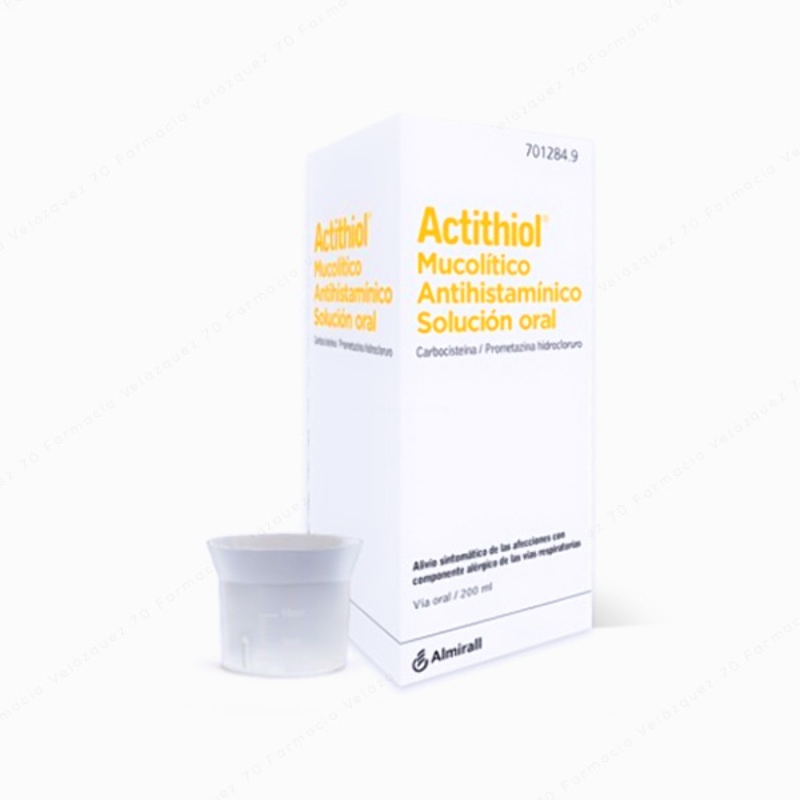
Actithiol Mucolytic Antihistamine Oral Solution is presented in 200 ml bottles, with a measuring cup.
Marketing authorization holder and manufacturer
Marketing authorization holder
Almirall, S.A. General Mitre, 151 08022 Barcelona (Spain)
Manufacturer
Industrias Farmacéuticas Almirall, S.A., Ctra. de Martorell, 41-61, 08740 - Sant Andreu de la Barca – Barcelona (Spain).
or
Manufacturer
Almirall Hermal, GmbH, Scholtzstrasse, 3 D-21465 Reinbek (Germany)
Date of last revision of this leaflet: March 2025
Detailed information on this medicine is available on the website of the Spanish Agency for Medicines and Health Products (AEMPS) (http://www.aemps.gob.es)
- Country of registration
- Dosage formORAL SOLUTION/SUSPENSION, 2 g carbocisteine; 0.05 g promethazine/100 ml
- ATC codeR05CB10
- Active substance
- Prescription requiredYes
- Manufacturer
- This information is for reference only and does not constitute medical advice. Always consult a doctor before taking any medication. Oladoctor is not responsible for medical decisions based on this content.
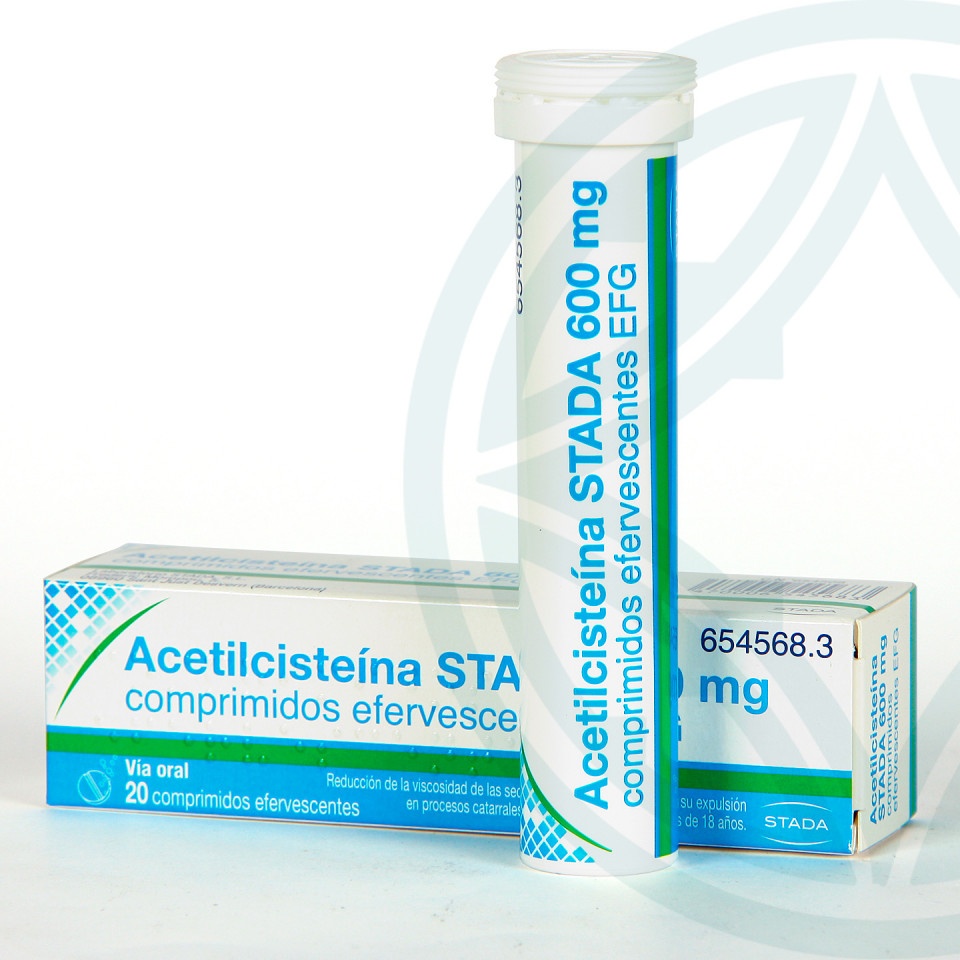
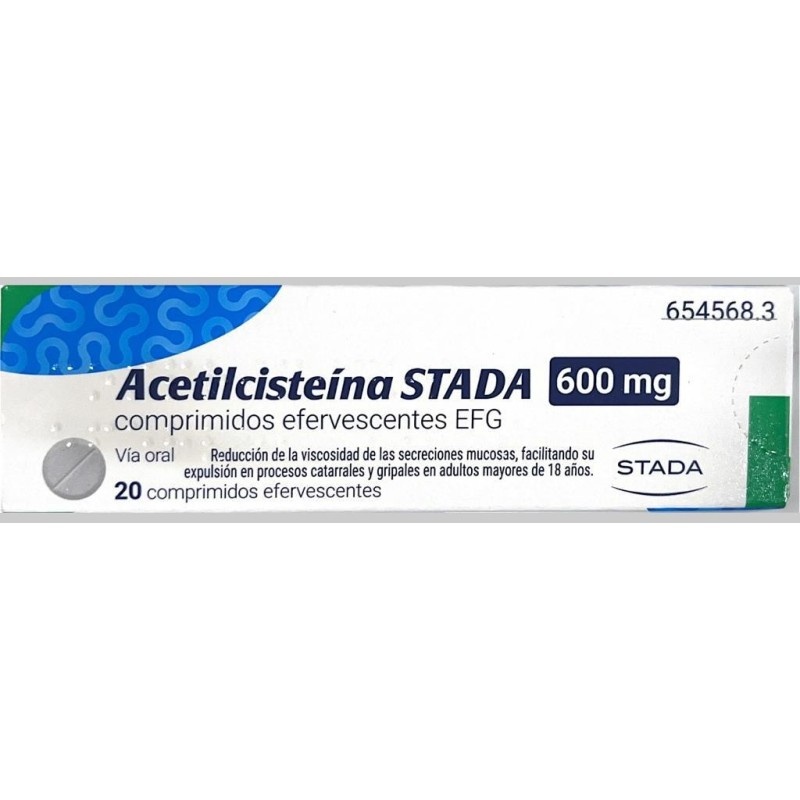
- Alternatives to ACTITHIOL MUCOLITIC ANTIHISTAMINE ORAL SOLUTIONDosage form: EFFERVESCENT TABLET, 600 mgActive substance: acetylcysteineManufacturer: Kern Pharma S.L.Prescription not requiredDosage form: EFFERVESCENT TABLET, 600 mgActive substance: acetylcysteineManufacturer: Laboratorios Alter S.A.Prescription requiredDosage form: EFFERVESCENT TABLET, 200 mgActive substance: acetylcysteineManufacturer: Aurovitas Spain, S.A.U.Prescription required

Online doctors for ACTITHIOL MUCOLITIC ANTIHISTAMINE ORAL SOLUTION
Discuss questions about ACTITHIOL MUCOLITIC ANTIHISTAMINE ORAL SOLUTION, including use, safety considerations and prescription review, subject to medical assessment and local regulations.




Frequently Asked Questions
