



ABRION 150 mg Comprimidos Recubiertos Con Película

Revisión de receta online
Un médico revisará tu caso y determinará si la prescripción es médicamente apropiada.

Habla con un médico sobre este medicamento
Comenta tus síntomas y las opciones de tratamiento en una consulta online.



Cómo usar ABRION 150 mg COMPRIMIDOS RECUBIERTOS CON PELICULA EFG
Contenido del prospecto
- Introducción
- PROSPECTO: INFORMACIÓN PARA EL USUARIO
- Qué es ABRION y para qué se utiliza
- ANTES DE TOMAR ABRION
- Embarazo y lactancia
- No tome ABRION si está embarazada o se encuentra en periodo de lactancia. Si está en periodo de lactancia posiblemente tenga que suspenderla para tomar ABRION.
- Cómo TOMAR ABRION
- Posibles efectos adversos
- Conservación de ABRION
- INFORMACIÓN ADICIONAL
Introducción
PROSPECTO: INFORMACIÓN PARA EL USUARIO
ABRION 150 mg comprimidos recubiertos con película EFG
Ácido ibandrónico
Contenido del prospecto:
- Qué es ABRION y para qué se utiliza
- Antes de tomar ABRION
- Cómo tomar ABRION
- Posibles efectos adversos
- Conservación de ABRION
- Información adicional

¿No estás seguro de si este medicamento es adecuado para ti?
Comenta tus síntomas y tratamiento con un médico online.
1. Qué es ABRION y para qué se utiliza
ABRION pertenece a un grupo de medicamentos denominados bisfosfonatos que contiene ácido ibandrónico. No contiene hormonas.
ABRION puede invertir la pérdida de hueso ya que impide que se pierda más hueso y aumenta la masa de hueso en la mayoría de las mujeres que lo toman, aún incluso cuando éstas no son capaces de ver o apreciar la diferencia. ABRION puede ayudar a reducir los casos de rotura de huesos (fracturas). Esta reducción ha sido demostrada en fracturas vertebrales pero no en las de cadera.
Se le ha recetado ABRION para tratar su osteoporosis porque tiene un riesgo elevado de sufrir fracturas.La osteoporosis consiste en un adelgazamiento y debilitamiento de los huesos, hecho frecuente entre las mujeres después de la menopausia. En la menopausia, los ovarios dejan de producir la hormona femenina —los estrógenos— que ayuda a conservar la salud del esqueleto.
Cuanto antes llegue una mujer a la menopausia, mayor es el riesgo de que sufra fracturas por osteoporosis. Otros factores que aumentan el riesgo de sufrir fracturas son:
- aporte insuficiente de calcio y de vitamina D en la dieta
- tabaquismo o consumo excesivo de alcohol
- pocos paseos u otros ejercicios con carga de peso
- antecedentes familiares de osteoporosis
Muchas personas con osteoporosis no sufren síntomas. Si usted no tiene síntomas, puede resultarle difícil saber si padece el trastorno. De todas maneras, la osteoporosis aumenta la posibilidad de fractura de los huesos en casos de caída o de lesión. Toda fractura ósea que aparezca después de los 50 años puede constituir un signo de la osteoporosis. La osteoporosis también puede provocar dolor de espalda, pérdida de la talla y joroba.
ABRION previene la pérdida de hueso debida a la osteoporosis y ayuda a reconstituir el hueso. Por eso, ABRION reduce las probabilidades de fractura.
Los hábitos saludables de vidatambién facilitan los efectos favorables del tratamiento. Entre éstas se encuentran una alimentación equilibrada, rica en calcio y en vitamina D; los paseos o cualquier otro ejercicio con carga; no fumar y un consumo no excesivo de alcohol.
2. ANTES DE TOMAR ABRION
No tome ABRION:
- Si es alérgico (hipersensible) al ácido ibandrónico o a cualquiera de los demás componentes de ABRION.
- Si tiene ciertos problemas esofágicos (el esófago es el tubo que conecta su boca con su estómago), tales como estrechamiento o dificultad al tragar.
- Si no puede permanecer erguido, tanto de pie como sentado, durante al menos una hora seguida (60 minutos).
- Si tiene o ha tenido valores bajos del calcio en la sangre. Por favor consulte con su médico.
No administre ABRION a los niños ni a los adolescentes.
Tenga especial cuidado con ABRION:
Algunas personas precisan cuidados especiales durante el tratamiento con ABRION.
Consulte a su médico:
- Si padece algún trastorno del metabolismo mineral (por ejemplo, carencia de vitamina D).
- Si tiene algún problema en los riñones.
- Si tiene cualquier problema al tragar o problemas digestivos.
- Si se encuentra bajo tratamiento dental o tiene prevista alguna cirugía dental, comunique a su dentista que está en tratamiento con ABRION.
Puede producirse irritación, inflamación o ulceración del esófago (el esófago es el tubo que conecta su boca con su estómago), a menudo con síntomas de dolor intenso en el pecho, dolor intenso después de tragar comida y/o bebida, náuseas intensas o vómitos, especialmente si los pacientes no beben un vaso lleno de agua y/o si se tumban antes de que transcurra una hora tras la toma de ABRION. Si desarrolla estos síntomas, deje de tomar ABRION e informe a su médico inmediatamente.
Se ha comunicado muy raramente una reacción adversa denominada osteonecrosis de la mandíbula (ONM) (daño óseo en la mandíbula) durante la experiencia post-comercialización en pacientes tratados con Abrion para osteoporosis. La ONM también puede aparecer tras interrumpir el tratamiento.
Es immportante tratar de prevenir el desarrollo de ONM ya que es un estado doloroso que puede ser difícil de tratar. Con el fin de reducir el riesgo de desarollar osteonecrosis de la mandíbula, se deben tomar ciertas precauciones.
Antes de recibir el tratamiento, informe a su médico/enfermero (profesional sanitario) si:
- tiene problemas en la boca o dientes, como son, una salud dental pobre, enfermedad de las encías, o una extracción de los dientes planificada
- no recibe un cuidado dental rutinario o si no ha tenido un chequeo dental desde hace mucho tiempo
- es fumador (ya que esto puede incrementar el riesgo de problemas dentales)
- ha sido tratado previamente con un bisfosfonato (utilizado para tratar o prevenir alteraciones óseas)
- está tomando medicamentos denominados corticosteroides (tales como prednisolona o dexametasona)
- tiene cáncer
Su médico le puede pedir que se someta a un examen dental antes de iniciar el tratamiento con Abrion.
Mientras está en tratamiento, debe mantener una buena higiene bucal (incluyendo cepillado regular de los dientes) y someterse a revisiones dentales rutinarias. Si lleva dentadura postiza, debe asegurarse que esté fijada adecuadamente. Si está bajo tratamiento dental o va a someterse a una cirujia dental (p. ej. extracción dental), informe a su médico acerca de su tratamiento dental e informe a su dentista que está siendo tratado con Abrion.
Contacte con su médico y su dentista inmediatamente si experimenta cualquier problema en la boca o dientes, tales como pérdida dental, dolor o hinchazon, o dificultad en la curación de las úlceras o secrección, ya que estos pueden ser signos de osteonecrosis de la mandíbula.
Uso de otros medicamentos:
Informe a su médico o farmacéutico si está utilizando o ha utilizado recientemente otros medicamentos, incluso los adquiridos sin receta. Especialmente:
- Suplementos que contengan calcio, magnesio, hierro o aluminio ya que posiblemente podrían influir en los efectos de ABRION.
- Aspirina y otros antiinflamatorios no esteroideos (AINEs)(como el ibuprofeno, el diclofenaco sódico y el naproxeno) que pueden irritar el estómago y el intestino; al igual que los bisfosfonatos (como ABRION 150). Por lo tanto, tenga mucho cuidado cuando tome analgésicos o antiinflamatorios al mismo tiempo que ABRION.
Después de ingerir el comprimido mensual de ABRION, espere 1 hora para tomar cualquier otro medicamento, incluidos los comprimidos contra la indigestión, los suplementos de calcio y las vitaminas.
Toma de ABRION con los alimentos y bebidas:
No tome ABRION con los alimentos.ABRION pierde eficacia si se toma con los alimentos.
Puede beber agua del grifo pero no otros líquidos(ver el punto 3 CÓMO TOMAR ABRION).

¿Has empezado a tomar el medicamento y tienes preguntas?
Comenta tus síntomas y tratamiento con un médico online.
Embarazo y lactancia
No tome ABRION si está embarazada o se encuentra en periodo de lactancia. Si está en periodo de lactancia posiblemente tenga que suspenderla para tomar ABRION.
Conducción y uso de maquinas
Es muy poco probable que ABRION modifique su capacidad para conducir y utilizar máquinas.
Información importante sobre alguno de los componentes de ABRION
ABRION contiene lactosa. Si su médico le ha indicado que padece una intolerancia a ciertos azúcares, contacte con él antes de tomar este medicamento.
3. Cómo TOMAR ABRION
Siga exactamente las instrucciones de administración de ABRION, indicadas por su médico. Consulte a su médico o farmacéutico si tiene dudas.
La dosis habitual de ABRION es de un comprimido al mes.
Cómo tomar el comprimido mensual
Es importante que siga con atención estas instrucciones. Están diseñadas para que ABRION llegue en seguida al estómago y ocasione menos irritación.
- Tome un comprimido de ABRION una vez al mes.
- Elija el día del mes que le resulte más fácil de recordar. Puede elegir la misma fecha (ya sea el primer día de cada mes) o siempre el mismo día (como el primer domingo de cada mes). Elija lo que mejor se ajuste a su rutina.
- Tome el comprimido de ABRION después de un mínimo de 6 horas de la última comida o bebida (excepto agua) sólo podrá beber agua durante este período.
- Tome el comprimido de ABRION
- nada más levantarse, y
- antes de desayunar o de ingerir líquidos (con el estómago vacío)
- Trague el comprimido con un vaso de agua del grifo (como mínimo, 180 ml). No tome el comprimido con agua mineral, zumo de fruta u otras bebidas.
- Trague el comprimido entero
No lo mastique, triture ni lo disuelva dentro de la boca.
- Durante la hora siguiente (60 minutos) después de haber ingerido el comprimido
- no se tumbe; si no permanece erguida (de pie o sentada), parte del medicamento podría regresar al esófago
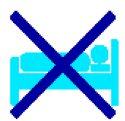
- no coma nada

- no beba nada (salvo agua del grifo, si la necesita)
- no tome ningún otro medicamento
- Después de esperar 1 hora, usted podrá tomar el desayuno y la primera bebida del día. Una vez que haya comido, puede, si lo desea, tumbarse y tomar los demás medicamentos que necesite.
No tome este medicamento a la hora de acostarse ni antes de levantarse.
Continuación del tratamiento con ABRION
Es importante que tome ABRION todos los meses, hasta que se lo indique el médico. ABRION sirve para tratar la osteoporosis sólo mientras usted toma este medicamento.
Si usted toma más ABRION del que debiera:
Si ha tomado por error, algún comprimido de más, beba un vaso entero de leche y comuníqueselo de inmediato a su médico.
No se induzca el vómito ni se tumbeporque podría irritarse el esófago.
En caso de sobredosis o ingestión accidental, llame al Servicio de Información Toxicológica. Teléfono: 91 562 04 20, indicando el medicamento y la cantidad ingerida.
Si olvidó tomar ABRION:
Si olvida tomar el comprimido en la mañana del día que ha elegido, no ingiera el comprimido más tarde. En su lugar, consulte su calendario para ver cuando le corresponde tomar su próxima dosis:
Si su próxima dosis es dentro de1 a7 días...
Espere hasta que le corresponda tomar la siguiente dosis y tómela de manera habitual, después vuelva a tomar un comprimido al mes según los días marcados en su calendario.
Si su próxima dosis es dentro de más de 7 días...
Tome un comprimido la mañana siguiente al día que recuerde que olvidó la dosis, después vuelva a tomar un comprimido al mes según los días marcados en su calendario.
Nunca tome dos comprimidos de ABRION dentro de la misma semana.
4. Posibles efectos adversos
Al igual que todos los medicamentos, ABRION puede tener efectos adversos, aunque no todas las personas los sufran.
Estos efectos secundarios pueden ocurrir con ciertas frecuencias, las cuales se definen a continuación: - muy frecuentes: afecta a más de 1 de cada 10 personas
- frecuentes: afecta a entre 1 y 10 de cada 100 personas
- poco frecuentes: afecta a entre 1 y 10 de cada 1.000 personas
- raras: afecta a entre 1 y 10 de cada 10.000 personas
- muy raras: afecta a menos de 1 de cada 10.000 personas
- desconocidas: la frecuencia no puede estimarse a partir de los datos disponibles.
Los efectos secundarios frecuentescomprenden pirosis (ardor que sube desde el estómago hasta la boca), indigestión, diarrea, dolor de estómago y náuseas.
ABRION también puede irritar el esófago, aunque esta reacción suele evitarse si ingiere la dosis según el prospecto. Si tiene síntomas tales como dolor severo en el pecho, dolor severo al tragar después de comer o beber, náuseas o vómitos comuníqueselo a su médico inmediatamente.
Otros efectos secundarios frecuentes son erupción, calambres musculares, dolor en los músculos y articulaciones y dolor de cabeza.
También comprenden síntomas gripales (como dolor, sensación de malestar, fatiga) que generalmente son leves, de duración corta y desaparecen al poco tiempo de tomar la primera dosis. Es muy probable que pueda tolerarlos y continuar el tratamiento con ABRION. No obstante, hable con su médico si los efectos empeoran o duran mucho tiempo.
Los efectos secundarios poco frecuentes son síntomas de niveles bajos de calcio en sangre (hipocalcemia), incluidos calambres o espasmos musculares y/o sensación de hormigueo en los dedos o alrededor de la boca, mareos, dolor de espalda y flatulencia.
Los efectos secundarios raros que pueden aparecer son hinchazón y picor de la cara, labios y boca.
Fracturas atípicas del fémur (hueso del muslo) que pueden ocurrir en raras ocasiones sobre todo en pacientes en tratamiento prolongado para la osteoporosis. Informe a su médico si nota dolor, debilidad o molestias en el muslo, la cadera o la ingle, ya que pueden ser síntomas precoces e indicativos de una posible fractura del fémur.
Muy raros(puede afectar hasta 1 de cada 10.000 personas).
Consulte a su médico si usted tiene dolor de oído, el oído le supura o sufre una infección de oído. Estos podrían ser síntomas de daño en los huesos del oído.
Si considera que alguno de los efectos adversos que sufre es grave o si aprecia cualquier efecto adverso no mencionado en este prospecto, informe a su médico o farmacéutico.
5. Conservación de ABRION
Mantener fuera del alcance y de la vista de los niños.
No requiere condiciones especiales de conservación.
No utilice ABRION después de la fecha de caducidad que aparece en el envase después de “CAD:”. La fecha de caducidad es el último día del mes que se indica.
Los medicamentos no se deben tirar por los desagües ni a la basura. Pregunte a su farmacéutico cómo deshacerse de los envases y de los medicamentos que no necesita. De esta forma ayudará a proteger el medio ambiente.
6. INFORMACIÓN ADICIONAL
Composición de ABRION:
-El principio activo es el ácido ibandrónico. Cada comprimido contiene 150 mg de ácido ibandrónico.
- Los demás componentes son:
núcleo del comprimido: Polividona, celulosa microcristalina (E460), almidón de maíz, crospovidona (E1202), dióxido de sílice coloidal, dibehenato de gicerol
cubierta del comprimido: Dióxido de titanio (E171), lactosa monohidrato, hipromelosa (E464)/macrogol/polietilenglicol 4000
Aspecto del producto y contenido del envase:
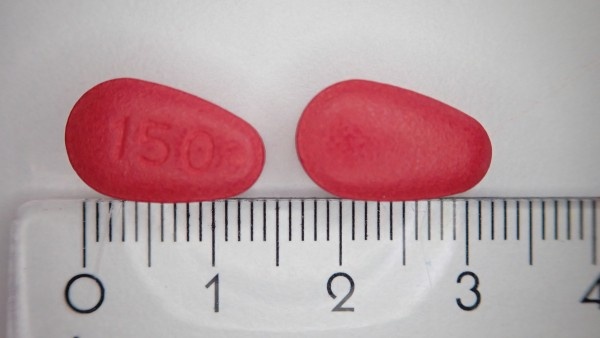
Los comprimidos recubiertos con película, son de color blanco o blanquecino, con forma redonda biconvexa.
Los comprimidos de ABRION 150 mg se presentan en tiras blister “aluminio-aluminio” (PA/ALL/PVC- Aluminium) , conteniendo con una o tres unidades.
Titular de la autorización de comercialización y responsable de la fabricación:
Titular
ESPECIALIDADES FARMACÉUTICAS CENTRUM, S.A
C/Sagitario 14
03006 Alicante (España)
Teléfono: 965 28 67 00
Fax: 965 28 64 34
Responsable de la fabricación
Pharmathen, S.A.
6, Dervenakion Str – GR-16351 (Pallini Attikis), Grecia
o
Pharmathen International, S.A.
Shapes Industrial Park, Block 5 – 69300 (Rodopi), Grecia
Fecha de la última revisión de este prospecto: abril 2022.
- País de registro
- Forma farmacéuticaCOMPRIMIDO, 150 mg
- Código ATCM05BA06
- Precio medio en farmacia13 EUR
- Principio activo
- Requiere recetaSí
- Fabricante
- ComposiciónDIBEHENATO DE GLICEROL (9 mg mg), ALCOHOL ETILICO (ETANOL) (11.48 mg mg)
- Esta información es de carácter general y no sustituye la consulta con un profesional sanitario.
- Alternativas a ABRION 150 mg COMPRIMIDOS RECUBIERTOS CON PELICULA EFGForma farmacéutica: INYECTABLE PERFUSION, 2 mgPrincipio activo: Ibandronico acidoFabricante: Accord Healthcare S.L.U.Requiere recetaForma farmacéutica: INYECTABLE PERFUSION, 6 mgPrincipio activo: Ibandronico acidoFabricante: Accord Healthcare S.L.U.Requiere recetaForma farmacéutica: COMPRIMIDO, 150 mgPrincipio activo: Ibandronico acidoFabricante: Laboratorios Alter S.A.Requiere receta
Médicos online para ABRION 150 mg COMPRIMIDOS RECUBIERTOS CON PELICULA EFG
Comenta la dosis, los posibles efectos secundarios, interacciones, contraindicaciones o la revisión de receta de ABRION 150 mg COMPRIMIDOS RECUBIERTOS CON PELICULA EFG, sujeto a valoración médica y a la normativa local.


Obtén una receta de ABRION 150 mg COMPRIMIDOS RECUBIERTOS CON PELICULA EFG online
Rellena un formulario de 2 minutos
Cuéntanos tus síntomas, historial y el medicamento que necesitas.
Elige un médico o nosotros te asignamos uno
Escoge un especialista o te conectamos con el próximo médico disponible.
El médico revisa tu caso
Normalmente en 30 minutos. Puede hacerte preguntas adicionales por chat.
Recógela en cualquier farmacia
Receta electrónica enviada a tu correo, válida en toda España.
Preguntas frecuentes
ABRION 150 mg COMPRIMIDOS RECUBIERTOS CON PELICULA EFG requiere receta en España. Puedes confirmarlo con un médico online según tu caso.
El principio activo de ABRION 150 mg COMPRIMIDOS RECUBIERTOS CON PELICULA EFG es Ibandronico acido. Esta información ayuda a identificar medicamentos con la misma composición pero con diferentes nombres comerciales.
El precio medio en farmacia de ABRION 150 mg COMPRIMIDOS RECUBIERTOS CON PELICULA EFG es de aproximadamente 13 EUR. Puede variar según el fabricante y la forma farmacéutica.
ABRION 150 mg COMPRIMIDOS RECUBIERTOS CON PELICULA EFG es fabricado por Especialidades Farmaceuticas Centrum S.A.. La marca y el envase pueden variar según el distribuidor.
Los Médicos de familia, Psiquiatras, Dermatólogos, Cardiólogos, Endocrinólogos, Gastroenterólogos, Neumólogos, Nefrólogos, Reumatólogos, Hematólogos, Infectólogos, Alergólogos, Geriatras, Pediatras, Oncólogos pueden valorar la prescripción de ABRION 150 mg COMPRIMIDOS RECUBIERTOS CON PELICULA EFG cuando esté clínicamente indicado. Puedes reservar una videoconsulta para comentar tu caso y las opciones de tratamiento.
España cuenta con una infraestructura sanitaria bien desarrollada en ciudades principales como Madrid, Barcelona, Valencia y Sevilla. Las farmacias están ampliamente disponibles y operan bajo estrictas regulaciones, garantizando el acceso a medicamentos con receta.
Puedes comprar ABRION 150 mg COMPRIMIDOS RECUBIERTOS CON PELICULA EFG en Madrid, Barcelona, Sevilla o Valencia en cualquier farmacia local con una receta válida.
Para obtener una receta, puedes utilizar Oladoctor:
Otros medicamentos con el mismo principio activo (Ibandronico acido) incluyen Acido Ibandronico Accord 2 mg concentrado para solucion para perfusion EFG, Acido Ibandronico Accord 6 mg concentrado para solucion para perfusion EFG, ACIDO IBANDRONICO ALTER 150 mg COMPRIMIDOS RECUBIERTOS CON PELICULA EFG. Pueden tener diferentes nombres comerciales o formulaciones, pero contienen el mismo componente terapéutico. Consulta siempre con un médico antes de cambiar o iniciar un nuevo medicamento.
