
-
On this page
Call 112 or go to A&E now if:How to take a temperatureRash with a high temperatureRash on cheeks with high temperatureSymptoms of slapped cheek syndromeHow long it lastsHow to treat slapped cheek syndrome yourselfDoDon’tSymptoms of hand, foot and mouth diseaseHow to treat hand, foot and mouth disease yourselfA pharmacist can help with hand, foot and mouth diseaseSymptoms of scarlet feverSee a GP if you or your child:Symptoms of measlesCold-like symptomsSpots in the mouthThe measles rashRash with itchingRash caused by heatSymptoms of heat rashHow you can treat heat rash yourselfTo keep your skin coolTo calm the itching or prickly feelingA pharmacist can help with heat rashSymptoms of hivesA pharmacist can help with hivesCall 112 if:Symptoms of ringwormA pharmacist can help with ringwormSymptoms of chickenpoxStage 1: small spots appearStage 2: the spots become blistersStage 3: the blisters become scabsHow you can treat chickenpox yourselfDoDon’tImportantSymptoms of impetigoSee a pharmacist if:See a GP if:Symptoms of scabiesA pharmacist can help with scabiesRash without fever or itchingTiny spots on a baby's faceRed, yellow and white spots in babiesSkin-coloured or pink spotsSymptoms of molluscum contagiosumHow to look after yourself or your childDoDon’tSymptoms of nappy rashThings you can do to help with nappy rashDoDon’tA pharmacist can help with nappy rashSymptoms of cradle capThings you can do to help with cradle capDoDon’tA pharmacist can help with cradle cap -
Medicines commonly prescribed for Rashes in babies and children
For informational purposes only. Always consult a doctor before taking any medication.
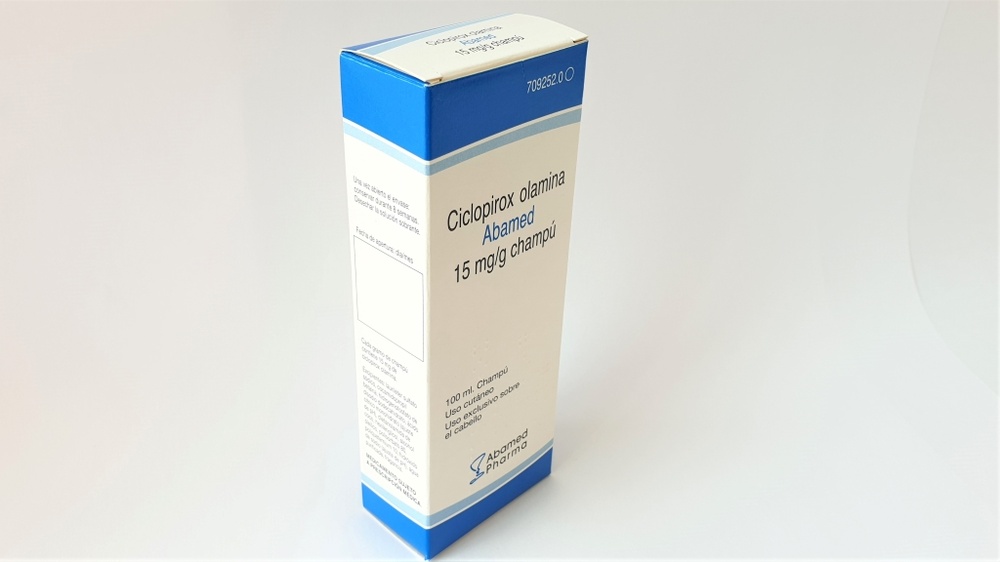
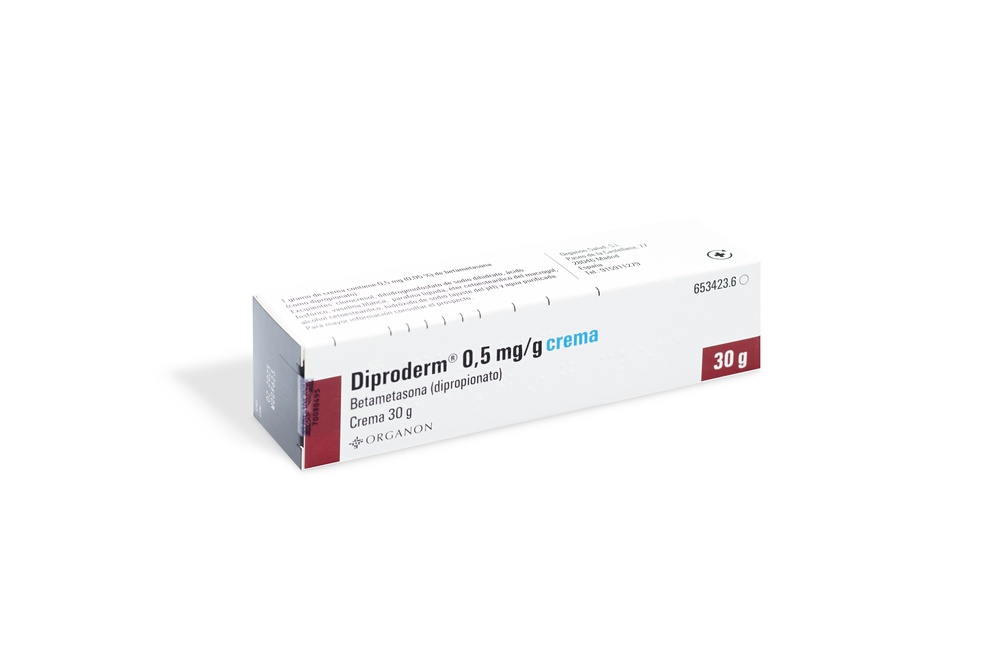
Dosage form: SHAMPOO, 15 mg/gActive substance: ciclopiroxManufacturer: Qualix Pharma S.L.Prescription requiredDosage form: CREAM, 64 mg betamethasone dipropionate / 100 gActive substance: betamethasoneManufacturer: Organon Salud S.L.Prescription requiredDosage form: CREAM, 1 mgActive substance: betamethasoneManufacturer: Galenicum Derma S.L.U.Prescription required

Many things can cause a rash in babies and children, and they're often nothing to worry about.
This page covers some of the common rashes in babies and children.
As a parent, you may know if your child seems seriously unwell and should trust your judgement.
Call 112 or go to A&E now if:
Your child is unwell with a rash and has any of these symptoms:
- a stiff neck
- bothered by light
- they seem confused, agitated or they're not responding like they usually do
- difficulty breathing (you may notice grunting noises or their tummy sucking under their ribs), breathlessness, or they're breathing very fast
- their skin, lips or tongue look pale, blue, grey or blotchy
- sudden swelling of their lips, mouth, throat or tongue
- their throat feels tight or they're struggling to swallow
- the rash looks like small bruises or bleeding under the skin and does not fade when you press a glass against it
On brown and black skin, it may be easier to see the rash or colour changes on the soles of the feet, palms, lips, tongue and inside the eyelids.
Do not drive to A&E. Ask someone to drive you or call 112 and ask for an ambulance.
Bring any medicines your child takes with you.
How to take a temperature
Use a digital thermometer, if you have one, to check if your child has a high temperature.
For more information about how to do this, see:
- high temperature in children
If you do not have a thermometer, look for signs such as their back or chest feeling hotter than usual, sweatiness and shivering (chills).
High temperature is not always a symptom
You child might not have a high temperature but still be seriously unwell. Check for all the possible symptoms and get medical help if you’re worried.
Rash with a high temperature
Rash on cheeks with high temperature
A rash on 1 or both cheeks plus a high temperature, runny nose, sore throat and headache may be slapped cheek syndrome.
Slapped cheek syndrome can usually be treated at home.
Slapped cheek symptoms and what to do
Symptoms of slapped cheek syndrome
The first sign of slapped cheek syndrome is usually feeling unwell for a few days.
Symptoms may include:
- a high temperature
- a runny nose and sore throat
- a headache
How long it lasts
The rash usually fades within 1 to 3 weeks, but it can sometimes last for longer, especially if you're hot or stressed.
Adults might also have joint pain and stiffness. This can happen in children too, but it's rare. Joint pain can continue for many weeks, even after the other symptoms have gone.
How to treat slapped cheek syndrome yourself
You do not usually need to see a GP for slapped cheek syndrome.
There are some things you can do to ease the symptoms.
Do
-
rest
-
drink plenty of fluids to avoid dehydration – babies should continue their normal feeds
-
take paracetamol or ibuprofen if uncomfortable
Don’t
-
do not give aspirin to children under 16
Symptoms of hand, foot and mouth disease
The 1st symptoms of hand, foot and mouth disease can be:
- a sore throat
- a high temperature
- not wanting to eat
The 2nd stage usually starts a few days later and symptoms can include:
- mouth ulcers, which can be painful
- a raised rash of spots on the hands and feet, and sometimes the groin area and bottom
The rash of spots can look pink, red, or darker than the surrounding skin, depending on your skin tone.
The spots can turn into blisters, which might be grey or lighter than surrounding skin and can be painful.
Symptoms are usually mild and are the same in adults and children.
How to treat hand, foot and mouth disease yourself
Hand, foot and mouth disease usually gets better on its own in 7 to 10 days. You cannot take antibiotics or other medicines to cure it.
To help the symptoms:
- drink cool fluids to soothe the mouth and prevent dehydration (but avoid acidic drinks, such as fruit juice)
- eat soft foods like yoghurt and avoid hot, salty and spicy foods
- take paracetamol or ibuprofen to help ease a sore mouth or throat
A pharmacist can help with hand, foot and mouth disease
Ask a pharmacist for advice about treatments, such as mouth ulcer gels, sprays and mouthwashes, to relieve pain.
They can tell you which ones are suitable for children.
Symptoms of scarlet fever
The first signs of scarlet fever can be flu-like symptoms, including a high temperature, a sore throat and swollen neck glands (a large lump on the side of your neck).
A rash appears 12 to 48 hours later. It looks like small, raised bumps and starts on the chest and tummy, then spreads. The rash makes your skin feel rough, like sandpaper.
On white skin the rash looks pink or red. On brown and black skin it might be harder to see a change in colour, but you can still feel the rash and see the raised bumps.
A white coating also appears on the tongue. This peels, leaving the tongue red, swollen and covered in little bumps (called "strawberry tongue").
The rash does not appear on the face, but the cheeks can look red. The redness may be harder to see on brown and black skin.
Sometimes the skin peels, like sunburn, as the rash fades.
The symptoms are the same for children and adults, although scarlet fever is less common in adults.
See a GP if you or your child:
- have scarlet fever symptoms
- do not get better in a week (after seeing a GP)
- have scarlet fever and chickenpox at the same time
- are ill again, weeks after scarlet fever got better – this can be a sign of a complication, such as rheumatic fever
- are feeling unwell and have been in contact with someone who has scarlet fever
Scarlet fever spreads very easily. Check with a GP before you go in. They may suggest a phone consultation.
Symptoms of measles
Measles usually starts with cold-like symptoms, followed by a rash a few days later. Some people may also get small spots in their mouth.
Cold-like symptoms
The first symptoms of measles include:
- a high temperature
- a runny or blocked nose
- sneezing
- a cough
- red, sore, watery eyes
Spots in the mouth
Small white spots may appear inside the cheeks and on the back of the lips a few days later. These spots usually last a few days.
The measles rash
A rash usually appears a few days after the cold-like symptoms.
The rash starts on the face and behind the ears before spreading to the rest of the body.
The spots of the measles rash are sometimes raised and join together to form blotchy patches. They're not usually itchy.
The rash looks brown or red on white skin. It may be harder to see on brown and black skin.
Rash with itching
Rash caused by heat
A rash of small, raised spots that feels itchy or prickly could be heat rash (prickly heat).
Heat rash can usually be treated at home.
Heat rash symptoms and what to do
Symptoms of heat rash
The symptoms of heat rash are:
- small, raised spots
- an itchy, prickly feeling
- mild swelling
The rash looks red on white skin. It may be harder to see or look grey or white on brown or black skin.
The symptoms of heat rash are often the same in adults and children.
It can appear anywhere on the body and spread, but it cannot be passed on to other people.
How you can treat heat rash yourself
If you have heat rash the main thing to do is keep your skin cool so you do not sweat and irritate the rash.
To keep your skin cool
- Wear loose cotton clothing.
- Use lightweight bedding.
- Take cool baths or showers.
- Drink plenty of fluid to avoid dehydration.
To calm the itching or prickly feeling
- Apply something cold, such as a damp cloth or ice pack (wrapped in a tea towel), for up to 20 minutes.
- Tap or pat the rash instead of scratching it.
- Do not use perfumed shower gels or creams.
A pharmacist can help with heat rash
Speak to a pharmacist about heat rash. They can give advice and suggest the best treatment to use.
A pharmacist might recommend:
- calamine lotion
- antihistamine tablets
- hydrocortisone cream – though not for children under 10 as you'll need to get advice from a doctor before giving them this treatment
Symptoms of hives
The main symptom of hives is an itchy rash.
The rash can:
- be raised bumps or patches in many shapes and sizes
- appear anywhere on the body
- be on 1 area or spread across the body
- feel itchy, sting or burn
- look pink or red when affecting someone with white skin; the colour of the rash can be harder to see on brown and black skin
A pharmacist can help with hives
A pharmacist can give you advice about antihistamine treatment to help a hives rash.
Tell the pharmacist if you have a long-term condition, because you might not be able to take antihistamines.
This treatment might not be suitable for young children.
Call 112 if:
- your lips, mouth, throat or tongue suddenly become swollen
- you're breathing very fast or struggling to breathe (you may become very wheezy or feel like you're choking or gasping for air)
- your throat feels tight or you're struggling to swallow
- your skin, tongue or lips turn blue, grey or pale (if you have black or brown skin, this may be easier to see on the palms of your hands or soles of your feet)
- you suddenly become very confused, drowsy or dizzy
- someone faints and cannot be woken up
- a child is limp, floppy or not responding like they normally do (their head may fall to the side, backwards or forwards, or they may find it difficult to lift their head or focus on your face)
You or the person who's unwell may also have a rash that's swollen, raised or itchy.
These can be signs of a serious allergic reaction and may need immediate treatment in hospital.
Symptoms of ringworm
The main symptom of ringworm is a rash. It may look red or darker than the surrounding skin, depending on your skin tone.
The rash may be scaly, dry, swollen or itchy.
Ringworm can appear anywhere on the body, including the scalp (tinea capitis) and groin (jock itch).
A pharmacist can help with ringworm
Speak to a pharmacist first if you think you have ringworm.
They can look at the rash and recommend the best antifungal medicine. This might be tablets, cream, gel or spray depending on where the rash is.
You may need to use an antifungal medicine every day for up to 4 weeks. It's important to use it for the right amount of time, even if the rash has gone away.
A pharmacist will tell you if they think you should see a GP.
Symptoms of chickenpox
The main symptom of chickenpox is an itchy, spotty rash. It can be anywhere on the body.
Before or after the rash appears, you might also have:
- a high temperature
- aches and pains, and generally feel unwell
- loss of appetite
Chickenpox happens in 3 stages, but new spots can appear while others are becoming blisters or forming a scab.
Stage 1: small spots appear
The spots can:
- be anywhere on the body, including inside the mouth and around the genitals, which can be painful
- spread or stay in a small area
- be red, pink, darker or the same colour as surrounding skin, depending on your skin tone
- be harder to see on brown and black skin

Stage 2: the spots become blisters
The spots fill with fluid and become blisters. The blisters are very itchy and may burst.
Stage 3: the blisters become scabs
The spots form a scab. Some scabs are flaky, while others leak fluid.
How you can treat chickenpox yourself
If you have chickenpox, you'll need to stay off school, nursery or work until all the spots have formed a scab. This is usually 5 days after the spots first appeared.
There are things you can do to treat chickenpox yourself at home without needing to see a GP.
Do
-
drink plenty of fluids (try ice lollies if your child is not drinking)
-
take paracetamol to help with any pain and discomfort
-
cut your child's fingernails and put socks on their hands at night to stop them scratching
-
use cooling creams or gels from a pharmacy
-
speak to a pharmacist about using antihistamine medicine to help itching
-
bathe in cool water and pat the skin dry (do not rub)
-
dress in loose clothes
Don’t
-
do not use ibuprofen unless you're told to by a doctor, as it may cause serious skin infections
-
do not give aspirin to children under 16 years
-
do not scratch the spots, as scratching can cause scarring
Important
Do not go near newborn babies or anyone who's pregnant or has a weakened immune system, as chickenpox can be dangerous for them.
Symptoms of impetigo
Impetigo starts with red sores or blisters, but the redness may be harder to see on brown and black skin.
The sores or blisters quickly burst and often leave crusty, golden-brown patches.
The patches can:
- look a bit like cornflakes stuck to your skin
- get bigger and spread to other parts of your body
- be itchy and are sometimes painful
See a pharmacist if:
- you have symptoms of impetigo
- your child is aged 12 months or over and has symptoms of impetigo
A pharmacist can give the same medicines as a GP to treat impetigo. They can also give advice or direct you to to other medical help if you need it.
See a GP if:
You or your child have symptoms of impetigo and:
- your child is aged 11 months or younger
- you're breastfeeding and the impetigo sores are on your breasts
- have a weakened immune system, for example, from chemotherapy
- have had treatment but the symptoms have changed or become worse
- have had impetigo in the past year and it has come back
Impetigo is very infectious. Check with the GP surgery before you go in. They may suggest a phone consultation.
Symptoms of scabies
The symptoms of scabies are:
- intense itching, especially at night
- a raised rash or spots
The spots may look red. They are more difficult to see on brown or black skin, but you should be able to feel them.
The scabies rash usually spreads across the whole body, apart from the head and neck. It often affects skin between the fingers, around the wrists, under the arms, and around the waist, groin and bottom.
However, older people and young children may develop a rash on their head, neck, palms and soles of their feet.
People with a weakened immune system can sometimes get a rare and very contagious type of scabies called crusted scabies. The main symptom is a crusted, flaky rash that often affects the elbows, knees, hands and feet.
A pharmacist can help with scabies
Scabies is not usually a serious condition, but it does need to be treated.
A pharmacist will recommend a cream or lotion that you apply over your whole body, including your scalp and face (apart from the area around your eyes).
Let the pharmacist know if you're breastfeeding or pregnant.
You'll need to repeat the treatment 7 days later.
Scabies is very infectious, but it can take up to 8 weeks for the rash to appear.
Everyone in your home needs to be treated at the same time, even if they do not have symptoms. But do not use pharmacy treatments on children under 2 years old, they will need to see a GP.
Anyone you've had sexual contact with in the past 8 weeks should also be treated.
Rash without fever or itching
Tiny spots on a baby's face
Very small spots, called milia, often appear on a baby's face when they're a few days old. The spots usually appear on their nose but can also be on other parts of the face, inside their mouth, or on their scalp or chest.
Milia can also affect older babies and children, with spots on their eyelids, forehead or nappy area.
The spots may appear white or yellow, depending on your child's skin colour.
In young babies, they usually go away within a few weeks and do not need treatment. In older children milia might last longer.
Red, yellow and white spots in babies
Raised red, yellow and white spots (erythema toxicum) are common on babies in the first few weeks after birth. They usually appear on the face, body, upper arms and thighs.
The rash can disappear and reappear. It should get better in a few weeks without treatment.
Skin-coloured or pink spots
Small, firm, raised spots could be molluscum contagiosum. The spots can be the same colour as surrounding skin, darker than surrounding skin, or pink.
You can usually treat molluscum contagiosum at home.
Molluscum contagiosum symptoms and what to do
Symptoms of molluscum contagiosum
Molluscum contagiosum is more common in children, but anyone can get it.
Usually, the only symptom of molluscum contagiosum is spots.
How to look after yourself or your child
The spots caused by molluscum contagiosum are usually harmless and should clear up within 18 months without needing treatment.
Molluscum contagiosum is contagious. It is usually passed on by direct skin to skin contact.
The chance of passing it on to other people during normal activities is small so you or your child should be able to carry on with your normal activities. If you are not sure, check with a GP.
There are some things you can do to help reduce the risk of the infection spreading and help ease any symptoms.
Do
-
try things to help with dryness and itchy skin, such as holding a damp towel against the skin, having cool baths or using an unperfumed moisturiser regularly
-
keep the affected area covered, including using waterproof bandages if you go swimming
-
use a condom while having sex if you are infected
Don’t
-
do not squeeze or scratch the spots, as it could cause an infection or scarring
-
do not share baths or things such as towels, bedding or clothes
Symptoms of nappy rash
Symptoms of nappy rash can include:
- red or raw patches on your baby’s bottom or the whole nappy area
- skin that looks sore and feels hot to touch
- scaly and dry skin
- an itchy or painful bottom
- your baby seeming uncomfortable or distressed
- spots, pimples, or blisters on bottom (spots can appear red or brown, but may be less noticeable on brown and black skin)
Things you can do to help with nappy rash
Nappy rash can be treated and prevented by following some simple advice.
Do
-
change wet or dirty nappies as soon as possible
-
keep the skin clean and dry – pat or rub the skin gently to dry it
-
leave nappies off when possible
-
use extra absorbent nappies
-
make sure your baby's nappies fit properly
-
clean your baby's skin with water or fragrance-free and alcohol-free baby wipes
-
bath your baby daily (but not more than twice a day, as washing too much can make the skin dry out)
Don’t
-
do not use soaps, baby lotion or bubble bath as they can irritate the skin
-
do not use talcum powder or antiseptics on nappy rash
-
do not put nappies on too tightly as it can irritate the skin
A pharmacist can help with nappy rash
If the rash is causing your baby discomfort, a pharmacist can recommend a nappy rash cream or medicine to treat it at home.
They may suggest using a thin layer of a barrier cream to protect the skin or giving your baby child's paracetamol for pain relief (only suitable for babies over 2 months old).
Symptoms of cradle cap
The main symptom of cradle cap is patches of greasy, scaly skin.
It's usually found on the scalp and face, but sometimes affects the nappy area and areas where the skin creases. It can look like:
- patches of white or yellow greasy scales on the scalp and face that form a crust which might flake off
- small, dry flakes of skin on the nappy area
The scales look similar on all skin tones. But the skin under and around the scales may look pink or red if your baby has white skin, or lighter or darker than the surrounding skin if your baby has brown or black skin.
It is not itchy or painful and does not bother your baby.
The cause of cradle cap is not clear, but it cannot be caught from other babies.
Things you can do to help with cradle cap
There are some things you can do that can help remove cradle cap.
Your baby's hair may come away with the scales. Do not worry if this happens as it will soon grow back.
Do
-
lightly massage an emollient (moisturiser) or coconut oil on to your baby's scalp to help loosen the scales
-
gently brush your baby's scalp with a soft brush and then wash it with baby shampoo
-
bath your baby regularly using water and an emollient instead of soap if scales appear on other areas of the body
-
change wet or dirty nappies as soon as possible and apply a barrier cream to protect the skin if scales are on the bottom or nappy area
Don’t
-
do not use olive oil, it may not be suitable for use on skin
-
do not use peanut oil (because of the allergy risk)
-
do not use soap, adult shampoos or products containing fragrance or perfume
-
do not pick crusts because this can increase the chance of infection
A pharmacist can help with cradle cap
You can ask a pharmacist about:
- an emollient you can use on your baby's scalp
- unperfumed baby shampoos
- barrier creams to use on your baby's nappy area, if it's also affected
Online doctors for Rashes in babies and children
Discuss your symptoms and possible next steps for Rashes in babies and children with a doctor online.