Limping in children

A limp is not a diagnosis. It is the way a child protects whatever hurts: a shorter step on one side, a foot turned outwards, weight taken only on the toes…

Prescription review online

Prescription review online

A doctor will review your case and issue a prescription if medically appropriate.

Talk to a doctor online

Talk to a doctor online

Discuss your symptoms and possible next steps with a doctor online.
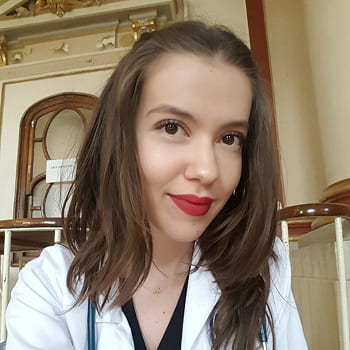
Doctor
5.0(12)

Yevgen Yakovenko

Family medicine12 years of experience

Dr. Yevgen Yakovenko is a licensed surgeon and general practitioner in Spain and Germany. He specialises in general, paediatric, and oncological surgery, internal medicine, and pain management. He offers online consultations for adults and children, combining surgical precision with therapeutic support. Dr Yakovenko works with patients across different countries and provides care in Ukrainian, Russian, English, and Spanish.

Areas of medical expertise:

  • Acute and chronic pain: headaches, muscle and joint pain, back pain, abdominal pain, postoperative pain. Identifying the cause, selecting treatment, and creating a care plan.
  • Internal medicine: heart, lungs, gastrointestinal tract, urinary system. Management of chronic conditions, symptom control, second opinions.
  • Pre- and postoperative care: risk assessment, decision-making support, follow-up after surgery, rehabilitation strategies.
  • General and paediatric surgery: hernias, appendicitis, congenital conditions, both planned and urgent surgeries.
  • Injuries and trauma: bruises, fractures, sprains, soft tissue damage, wound care, dressing, referral when in-person care is required.
  • Oncological surgery: diagnosis review, treatment planning, and long-term follow-up.
  • Obesity treatment and weight management: a medical approach to weight loss, including assessment of underlying causes, evaluation of comorbidities, development of a personalised plan (nutrition, physical activity, pharmacotherapy if needed), and ongoing progress monitoring.
  • Imaging interpretation: analysis of ultrasound, CT, MRI, and X-ray results, surgical planning based on imaging data.
  • Second opinions and medical navigation: clarifying diagnoses, reviewing current treatment plans, helping patients choose the best course of action.

Experience and qualifications:

  • 12+ years of clinical experience in university hospitals in Germany and Spain.
  • International education: Ukraine – Germany – Spain.
  • Member of the German Society of Surgeons (BDC).
  • Certified in radiological diagnostics and robotic surgery.
  • Active participant in international medical conferences and research.

Dr Yakovenko explains complex topics in a clear, accessible way. He works collaboratively with patients to analyse health issues and make evidence-based decisions. His approach is grounded in clinical excellence, scientific accuracy, and respect for each individual.

If you are unsure about a diagnosis, preparing for surgery, or want to discuss your test results – Dr Yakovenko will help you evaluate your options and move forward with confidence.

Book a video appointment
€72
This page provides general information and does not replace a doctor’s consultation. If symptoms are severe, persistent or worsening, seek medical advice promptly.

A limp is not a diagnosis. It is the way a child protects whatever hurts: a shorter step on one side, a foot turned outwards, weight taken only on the toes, or simply sitting down on the floor and refusing to go any further. The cause can lie anywhere between the toe and the lower back, and it is rarely obvious from looking. This page sets out what causes limping, which signs mean a child needs a hospital now rather than tomorrow, and why a limp with no clear explanation is never left to be watched for a week.

A limp that "sorts itself out" does not exist

If your child starts limping and you cannot confidently say why, the child needs examining. Not watching for a week, not resting it off, but seen by a doctor. This is the central rule of the subject, and it is not over-caution: among limping children we find joint and bone infection, a slipped femoral head, tumours and leukaemia, and here the price of a few lost days is not measured in convenience but in outcome.

It is a different matter when the cause is obvious and you saw it happen: a twisted ankle in the playground, a heel rubbed raw by new trainers, standing on something sharp. That kind of limp really does settle in a day or two. Check the whole foot, including the sole and between the toes: a splinter, a deep callus, an ingrowing toenail or a verruca on a weight-bearing spot will make a child limp as convincingly as a fracture, and each takes a minute to find.

One more thing about children. They do not limp out of mischief, and they almost never keep up a pretend pain for more than a few minutes. A child who has stopped running and wants to be carried is telling you something real. A limp lasting more than two or three days, getting worse, or coming back after it had gone, deserves examination whether or not there was an injury.

When it cannot wait until morning

The clock runs in hours with a pus-forming infection inside the joint (septic arthritis) and an infection of the bone itself (osteomyelitis). Pus destroys cartilage and the growth plate quickly, and what is lost does not come back; treatment happens only in hospital, washing out the joint and giving antibiotics into a vein. What gives it away is how the child looks overall: ill, rather than merely limping.

Call an ambulance on the single European number 112, or take your child straight to hospital, if:

  • the child will not put any weight on the leg and cannot take a single step — not limping, but refusing to bear weight;
  • the child will not let anyone touch the leg and screams at any attempt to move it;
  • there is a fever, especially a high one, or shivering;
  • the child is listless, pale, drowsy, refusing drinks, and looks seriously unwell;
  • the joint, thigh or lower leg is hot and swollen, with red skin over it;
  • the leg is held in a fixed position and cannot be straightened;
  • the leg has changed shape or lies at an unnatural angle, or the injury was a heavy one: a fall from height, a road accident, a collision in sport;
  • a rash appears that does not fade when a clear glass is pressed against it.

Fever medicine makes a child look better for a while. Judge how they are an hour after the dose, once the temperature has come down — and still go if any of the above happened. A plain inflamed joint and an infected one cannot be told apart by eye, so in any doubt you act as though it were infection.

Same-day review by a doctor, without an ambulance, is right for a child under three, for a child whose pain wakes them at night, for a limp that is getting worse day by day, and for a child who has recently had surgery or a fracture, is having chemotherapy or medicines that suppress the immune system, or has sickle cell disease.

What happens in younger children

Age narrows the list of causes more than any other single fact, which is why a doctor asks the child's age first.

Under three. A toddler who suddenly stops walking, or starts favouring one leg noticeably, most often has a fracture: a fine spiral crack in the shin bone caused by an ordinary trip. The parents remember nothing, because there may have been nothing worth remembering. This age group is also where hip dysplasia picked up late shows itself: the child walked late, waddles, one leg looks shorter. Harmless causes are at their least common here, and the child cannot describe the pain.

Roughly three to ten. The commonest finding is transient synovitis, a short-lived inflammation of the lining of the hip joint, usually one or two weeks after a cold or a tummy bug. The child limps but is otherwise themselves: playing, eating, no fever, and it settles within days. The same age brings Perthes' disease, in which the blood supply to the head of the femur is disturbed: the pain is quiet, but the limp lasts months and does not go away with rest.

What happens in teenagers

The main danger at this age is a slipped upper femoral epiphysis, where the head of the thigh bone slides off along the growth plate. It comes during the fast-growth years and is markedly more common in teenagers carrying extra weight. It begins with a dull ache in the groin, thigh or knee, along with a limp; the foot turns outwards and turning the hip inwards becomes stiff. Sometimes the slip happens abruptly after a trivial movement and the teenager stops weight-bearing on the spot. This is treated surgically, and the less the head has moved, the simpler the operation and the better the hip afterwards.

Far more common at this age are overload pains where tendons attach to bone — under the kneecap, at the heel, along the rim of the pelvis — and in a sudden effort those attachments can pull away with a chip of bone. That kind of pain follows exertion, eases with rest and returns at the next training session.

At any age juvenile idiopathic arthritis is possible: joint inflammation lasting weeks, with morning stiffness that walks off, a swollen joint, other joints joining in, and a duration of more than six weeks. Less often a limp comes from inflammation of the iliopsoas muscle, from spinal disease, from neurological causes, or from one leg simply being longer than the other.

The knee hurts and the hip is to blame

This is the best-known trap in children's orthopaedics, and people still fall into it. A child with a diseased hip very often complains not about the hip but about the knee or the middle of the thigh. The reason is anatomical: sensory branches of the same nerves supply both the joint and the skin over the knee, and the child physically cannot pinpoint the source more accurately.

Hence a rule worth knowing as a parent too: a child complaining of knee pain always has the hip examined as well — even when the knee looks entirely normal, is not swollen and bends freely. If the knee is clean and the child still limps, you look higher up.

The most dangerous version is a teenager with a slipped epiphysis: they arrive with knee pain, the knee is faultless, they are told it is a strain and sent home with a rub and rest, and meanwhile the femoral head slides further. A teenager with no injury who has knee or thigh pain, drags the leg and turns the foot outwards needs examination and X-rays of both hips, not an ointment.

If the limp began with complaints about the groin and thigh and a doctor has already mentioned an irritable hip or transient synovitis, see the separate page on this site about hip pain in children: it goes through how synovitis differs from joint infection, how it is confirmed, and how it is managed at home.

When a limp makes doctors look for a tumour or leukaemia

These are rare causes, but they must be said out loud, because they are recognised by a collection of small things, each of which looks innocent on its own.

Take note of: pain at rest and especially at night that wakes the child; pain in several bones or joints at once; a limp that does not resolve over weeks and has no injury behind it; unexplained weight loss; night sweats; persistent pallor and tiredness; bruises and pinpoint red spots where the child has not been knocked; frequent nosebleeds; enlarged lymph nodes; a firm swelling over a bone that is slowly growing.

A limp and bone pain together with pallor, bruising and enlarged lymph nodes are a reason to have a full blood count done, not a reason to wait. Bone tumours in teenagers often start as "pain after training" that somehow does not go in a month and hurts more at night than by day. All of this is treatable, and the result depends on how early it is started.

If the child does not talk yet

In a child too young to say "my leg hurts", a limp or a refusal to walk is often the only sign there is, and it falls to an adult to notice it.

Take it seriously if the child suddenly stops standing and walking although they were walking confidently; crawls lopsidedly, dragging one leg; cries during a nappy change when the legs are parted; will not let you put a sock or shoe on one foot; keeps the leg in one position and guards it with a hand; has begun waking at night crying.

Such a child is examined the same day. Undress them completely before the appointment and look yourself: for swelling, bruising, redness, a difference in the thickness of the thighs and calves, a wound on the sole of the foot. And take their temperature — in the youngest children that is often the missing piece.

How a doctor works out the cause

The examination starts by watching: the doctor sees how the child walks down the corridor, gets off a chair and lies down on the couch, because much of it only shows in movement. Then they feel the leg from foot to pelvis, check the range of movement in every joint always comparing one side with the other, assess inward rotation of the hip separately, look at the back, the skin and the lymph nodes, and take the temperature.

They will ask what illnesses the child has had in the past two or three weeks, whether there were any falls, whether the shoes have changed, whether similar conditions run in the family, and whether the child has been anywhere with tick-borne Lyme disease. If the picture is unclear, a blood test with inflammatory markers is taken, an ultrasound of the joint is done because it shows fluid inside best, and X-rays in two views are ordered if a fracture, Perthes' disease or a slipped epiphysis is suspected. When the choice is between inflammation and infection, the joint is aspirated and the fluid analysed: that is the decisive test. Sometimes an MRI scan is added, which finds hidden fractures and pockets of infection within bone.

Prepare for the appointment: recall the exact day the walking changed, film a short video of the child walking, and write down the temperature readings and the names of every medicine given.

What to do at home, and what not to do

Home measures only make sense after the examination, once a doctor has named the cause and agreed to treatment at home. Before that, nothing is "treated" at home.

  • Rest the leg for a few days: no running, jumping, clubs or school sport. There is no need to put the child to bed — children limit themselves exactly as much as it hurts.
  • For pain use children's paracetamol or ibuprofen, measuring the dose by the child's weight as the product information says. Do not combine two preparations containing the same active ingredient. Children and teenagers are not given aspirin.
  • Do not warm the painful area, rub it with heat creams or massage it: if the cause is infection, heat makes it worse.
  • Do not make the child walk through the pain, and do not coax them into standing on the leg if they cannot.
  • Go to the follow-up appointment if one was arranged, even if things have improved: in Perthes' disease and a slipped epiphysis a temporary improvement is deceptive.
  • Return to sport gradually, guided by how the child is rather than by a date in the calendar.

Contact a doctor sooner than planned if a fever appears, if the pain gets worse or stops responding to painkillers, if the child bears weight less well, or if the limp lasts longer than two weeks. A limp that drags on beyond two weeks is no longer a passing inflammation, and the diagnosis needs revisiting.

Online consultation

A child's leg cannot be felt through a screen, and an online consultation does not replace the examination. What it does answer is the question a parent asks first: how urgently that examination is needed — right now, today, or at an appointment booked calmly. An Oladoctor doctor will ask exactly how the child limps, whether they bear weight, what they have been doing in recent weeks, whether there is a fever and how the child looks overall, will watch the video of their walking, and will explain which signs call for an ambulance immediately and which allow a calm trip to a clinic. They will help you make sense of tests and images already done and advise which specialist to see. If what you describe sounds like an infection in a joint or bone, you will be told at once and sent to hospital.

This material is for information only and does not replace medical advice.

Consult with a doctor about Limping in children

Consult with a doctor about Limping in children

Discuss your symptoms and possible next steps with a doctor online.

Online doctors for Limping in children

Discuss your symptoms and possible next steps for Limping in children with a doctor online.
Doctor
5.0(12)

Yevgen Yakovenko

Family medicine12 years of experience

Dr. Yevgen Yakovenko is a licensed surgeon and general practitioner in Spain and Germany. He specialises in general, paediatric, and oncological surgery, internal medicine, and pain management. He offers online consultations for adults and children, combining surgical precision with therapeutic support. Dr Yakovenko works with patients across different countries and provides care in Ukrainian, Russian, English, and Spanish.

Areas of medical expertise:

  • Acute and chronic pain: headaches, muscle and joint pain, back pain, abdominal pain, postoperative pain. Identifying the cause, selecting treatment, and creating a care plan.
  • Internal medicine: heart, lungs, gastrointestinal tract, urinary system. Management of chronic conditions, symptom control, second opinions.
  • Pre- and postoperative care: risk assessment, decision-making support, follow-up after surgery, rehabilitation strategies.
  • General and paediatric surgery: hernias, appendicitis, congenital conditions, both planned and urgent surgeries.
  • Injuries and trauma: bruises, fractures, sprains, soft tissue damage, wound care, dressing, referral when in-person care is required.
  • Oncological surgery: diagnosis review, treatment planning, and long-term follow-up.
  • Obesity treatment and weight management: a medical approach to weight loss, including assessment of underlying causes, evaluation of comorbidities, development of a personalised plan (nutrition, physical activity, pharmacotherapy if needed), and ongoing progress monitoring.
  • Imaging interpretation: analysis of ultrasound, CT, MRI, and X-ray results, surgical planning based on imaging data.
  • Second opinions and medical navigation: clarifying diagnoses, reviewing current treatment plans, helping patients choose the best course of action.

Experience and qualifications:

  • 12+ years of clinical experience in university hospitals in Germany and Spain.
  • International education: Ukraine – Germany – Spain.
  • Member of the German Society of Surgeons (BDC).
  • Certified in radiological diagnostics and robotic surgery.
  • Active participant in international medical conferences and research.

Dr Yakovenko explains complex topics in a clear, accessible way. He works collaboratively with patients to analyse health issues and make evidence-based decisions. His approach is grounded in clinical excellence, scientific accuracy, and respect for each individual.

If you are unsure about a diagnosis, preparing for surgery, or want to discuss your test results – Dr Yakovenko will help you evaluate your options and move forward with confidence.

Book a video appointment
€72
Doctor
5.0(3)

Lina Travkina

Family medicine13 years of experience

Dr. Lina Travkina is a licensed family and preventive medicine doctor based in Italy. She provides online consultations for adults and children, supporting patients across all stages of care – from acute symptom management to long-term health monitoring and prevention.

Areas of medical care include:

  • Respiratory conditions: colds, flu, acute and chronic bronchitis, mild to moderate pneumonia, bronchial asthma.
  • ENT and eye conditions: sinusitis, tonsillitis, pharyngitis, otitis, infectious and allergic conjunctivitis.
  • Digestive issues: gastritis, acid reflux (GERD), IBS, dyspepsia, bloating, constipation, diarrhoea, functional bowel symptoms, intestinal infections.
  • Urological and infectious diseases: acute and recurrent cystitis, bladder and kidney infections, prevention of recurrent UTIs, asymptomatic bacteriuria.
  • Chronic conditions: hypertension, diabetes, hypercholesterolemia, metabolic syndrome, thyroid disorders, excess weight.
  • Neurological and general symptoms: headache, migraine, dizziness, fatigue, sleep disturbances, reduced concentration, anxiety, asthenia.
  • Chronic pain support: back, neck, joint, and muscle pain, tension syndromes, pain associated with osteochondrosis and chronic conditions.

Additional care areas:

  • Preventive consultations and check-up planning.
  • Medical advice and follow-up consultations.
  • Test interpretation and diagnostic guidance.
  • Structured support for undiagnosed complaints.
  • Second opinion on diagnoses and treatment plans.
  • Nutritional and lifestyle support for vitamin deficiencies, anaemia, metabolic issues.
  • Post-operative recovery support and pain management.
  • Preconception counselling and postpartum support.
  • Immunity support and strategies to reduce frequency of infections.

Dr. Travkina combines evidence-based medicine with an attentive, personalised approach. Her consultations focus not only on treatment, but also on prevention, recovery, and long-term wellbeing.

If during the consultation it becomes clear that your case requires in-person assessment or specialised care outside of her scope, the session will be terminated and the payment fully refunded.

Book a video appointment
€75
Doctor
5.0(19)

Nuno Tavares Lopes

Family medicineGeneral medicine18 years of experience

Dr. Nuno Tavares Lopes is a licensed physician in Portugal with 17 years of experience in emergency medicine, family and general practice, and public health. He is the Director of Medical and Public Health Services at an international healthcare network and serves as an external consultant for the WHO and ECDC.

  • Emergency care: infections, fever, chest/abdominal pain, minor injuries, paediatric emergencies
  • Family medicine: hypertension, diabetes, cholesterol, chronic disease management
  • Travel medicine: pre-travel advice, vaccinations, fit-to-fly certificates, travel-related illnesses
  • Sexual and reproductive health: PrEP, STD prevention, counselling, treatment
  • Weight management and wellness: personalised weight loss programmes, lifestyle guidance
  • Skin and ENT issues: acne, eczema, allergies, rashes, sore throat, sinusitis
  • Pain management: acute and chronic pain, post-surgical care
  • Public health: prevention, health screenings, long-term monitoring
  • Sick leave (Baixa médica) connected to Segurança Social in Portugal
  • IMT medical certificates for driving licence exchange
Dr. Nuno Tavares Lopes provides medical support for patients using GLP-1 medications (Mounjaro, Wegovy, Ozempic, Rybelsus) as part of a weight loss strategy. He offers individualised treatment planning, regular follow-up, dose adjustment, and advice on combining medication with sustainable lifestyle changes. Consultations follow the medical standards accepted in Europe.

Dr. Lopes also provides interpretation of medical tests, follow-up care for complex patients, and multilingual support. Whether for urgent concerns or long-term care, he helps patients act with clarity and confidence.

Book a video appointment
€70
Doctor
0.0(0)

Andreea Mateescu

Paediatrics8 years of experience

Dr Andreea Mateescu is a board-certified paediatrician with 7 years of clinical experience. She graduated from Carol Davila University of Medicine and Pharmacy in Bucharest, Romania, and completed her paediatric residency at INSMC Alessandrescu-Rusescu. She also holds additional training in general ultrasound diagnostics.

Dr Mateescu focuses on providing high-quality, evidence-based medical care for children, with a strong emphasis on prevention, healthy development, and long-term wellbeing. She believes that clear, empathetic communication with both children and parents is essential for building trust and ensuring effective care.

Online consultations with Dr Mateescu are suitable for:

  • preventive check-ups and monitoring of growth and development;
  • vaccination planning, including personalised and catch-up schedules;
  • assessment of psychomotor, emotional, and physical development;
  • diagnosis and management of acute and chronic paediatric conditions;
  • nutritional guidance for infants and children, including formula selection when medically indicated;
  • care for children with complex or rare conditions;
  • practical guidance and ongoing support for parents.
Dr Mateescu works with patience, empathy, and professionalism, ensuring that each child receives attentive, individualised care. Her goal is to support healthy, balanced development while helping parents feel confident and well-informed at every stage of their child’s care.
Book a video appointment
€60
Doctor
0.0(0)

Daniel Cichi

Family medicinePaediatricsGeneral medicine24 years of experience

Dr Daniel Cichi is a family medicine doctor with over 20 years of clinical experience. He provides online consultations for adults, supporting patients with acute symptoms, chronic conditions, and everyday health concerns that require timely medical guidance. His background includes work in emergency care, ambulance services, and family medicine, which allows him to assess symptoms quickly, identify warning signs, and help patients choose the safest next steps – whether that means home care, treatment adjustment, or in-person evaluation. Patients commonly consult Dr Daniel Cichi for: 

  • acute symptoms: fever, infections, flu-like illness, cough, sore throat, shortness of breath;
  • chest discomfort, palpitations, dizziness, fatigue, and blood pressure concerns;
  • digestive problems: abdominal pain, nausea, diarrhoea, constipation, reflux;
  • sexually transmitted infections, erectile dysfunction;
  • muscle, joint, and back pain, minor injuries, post-traumatic symptoms;
  • chronic conditions: hypertension, diabetes, high cholesterol, thyroid disorders, weight loss, hair loss;
  • review and interpretation of lab tests, imaging reports, and medical documents;
  • medication review and treatment adjustment;
  • medical advice while travelling or living abroad;
  • second opinions and guidance on whether in-person care is needed.

Dr Cichi’s consultations are structured and practical. He focuses on clear explanations, risk assessment, and actionable recommendations, helping patients understand their symptoms and make informed decisions about their health.

Book a video appointment
€69
Doctor
5.0(5)

Lizaveta Trafimchuk Takhvaniuk

DermatologyFamily medicine10 years of experience

Dr. Lizaveta Trafimchuk Takhvaniuk graduated in Medicine and subsequently specialized in Dermatology and Venereology. She has more than 10 years of clinical experience and is licensed to practice in Spain, where she focuses on the comprehensive diagnosis and treatment of dermatological conditions.

Throughout her education and professional career, Dr. Trafimchuk has gained extensive experience in managing diseases of the skin, hair, and nails, as well as in the diagnosis, treatment, and prevention of sexually transmitted infections (STIs). Her clinical approach is based on evidence-based medicine, combined with personalized care tailored to each patient’s needs.

In her daily practice, she treats a wide range of dermatological conditions, including chronic inflammatory dermatoses such as acne, rosacea, atopic dermatitis, psoriasis, and eczema. She also has experience in treating pigmentation disorders, including melasma, post-inflammatory hyperpigmentation, and dyschromia.

She has developed a particular interest in trichology, treating various types of alopecia, chronic hair loss, and scalp disorders. In addition, she has experience in managing infectious dermatoses of fungal, viral, and bacterial origin, as well as in evaluating benign and suspicious skin lesions, with referral to specialized care when necessary.

With a strong interest in a comprehensive approach to skin health, she also treats scars, post-procedural skin changes, and conditions related to hormonal factors and aging, including those associated with pregnancy, menopause, and age-related skin changes.

Thanks to her experience and continuous professional development, Dr. Trafimchuk provides high-quality medical care that is professional, confidential, and aligned with modern dermatology standards.

Book a video appointment
€72
Doctor
0.0(0)

Cristina Andrada Brazo

General medicineFamily medicineSleep medicine16 years of experience

Dr. Cristina Andrada Brazo is a highly experienced Spanish physician with more than 15 years of clinical practice in emergency medicine, urgent care, and clinical neurophysiology. She provides professional online medical consultations for patients across Spain, helping both residents and international visitors receive timely medical advice, diagnosis, treatment recommendations, and electronic prescriptions when clinically appropriate.

As a licensed physician fully integrated with the Spanish electronic prescription system, Dr. Andrada can issue legally valid e-prescriptions following a medical assessment during an online consultation. Whether you need help with an acute illness, prescription renewal, neurological symptoms, or travel-related healthcare, she offers convenient, patient-centered medical care without the need to visit a clinic.

Dr. Andrada combines extensive emergency medicine experience with advanced expertise in neurology, epilepsy, sleep medicine, and headache disorders. Her international clinical background includes several years working in Switzerland, where she collaborated with multidisciplinary teams in emergency departments and neurology services. This experience strengthened her commitment to evidence-based medicine, compassionate communication, and high-quality patient care.

She graduated in Medicine from the University of Seville and completed her residency in Clinical Neurophysiology at Hospital Virgen de la Salud and the National Hospital for Paraplegics in Toledo. She currently works as a Clinical Neurophysiology Specialist at Hospital San Pedro in Logroño.

To further expand her expertise, Dr. Andrada completed several postgraduate qualifications, including Master's degrees in Sleep Physiology and Medicine, Medical Professionalism and Clinical Practice, Epilepsy, and Clinical Management.

Patients appreciate her thorough consultations, practical treatment recommendations, and empathetic approach. She speaks Spanish, French, and Portuguese, allowing her to communicate comfortably with patients from different backgrounds.

Conditions Dr. Cristina Andrada Treats Online

Dr. Andrada provides online consultations for a wide range of common medical conditions, including:

  • Fever, flu, COVID-19 symptoms, sore throat and respiratory infections
  • Sinusitis, bronchitis, cough and seasonal allergies
  • Urinary tract infections (UTIs)
  • Migraine and tension headaches
  • Dizziness and vertigo
  • Epilepsy and seizure follow-up
  • Sleep disorders, including insomnia and circadian rhythm disturbances
  • Heartburn, gastritis, diarrhea and constipation
  • Back pain, muscle injuries and joint pain
  • Minor skin infections and allergic reactions
  • Fatigue and general medical assessment
  • Prescription renewals for appropriate chronic treatments
  • Follow-up consultations after surgery or previous medical treatment
  • Travel medicine advice and preventive healthcare
  • Interpretation of laboratory results and medical reports

If your condition requires urgent in-person assessment or emergency care, Dr. Andrada will advise you on the most appropriate next steps.

Book an Online Consultation

Book a secure online consultation with Dr. Cristina Andrada Brazo through Oladoctor and receive professional medical advice from an experienced Spanish physician without leaving home. Online appointments are available for adults throughout Spain, with fast access to medical care and electronic prescriptions whenever clinically indicated.

Book a video appointment
€56

Stay informed about Oladoctor

News about new services, product updates and useful information for patients.

Follow us on social media