


Hair loss
Losing your hair is not usually anything to be worried about, but it can be upsetting. Treatment may help with some types of hair loss.
If these symptoms are severe, persistent or worsening, seek medical advice promptly.
-
On this page
-
Medicines commonly prescribed for Hair loss
For informational purposes only. Always consult a doctor before taking any medication.
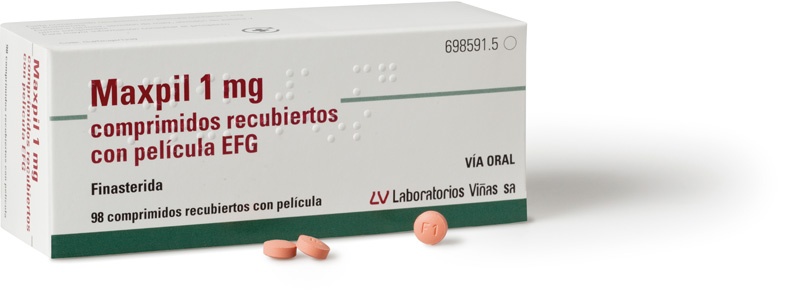
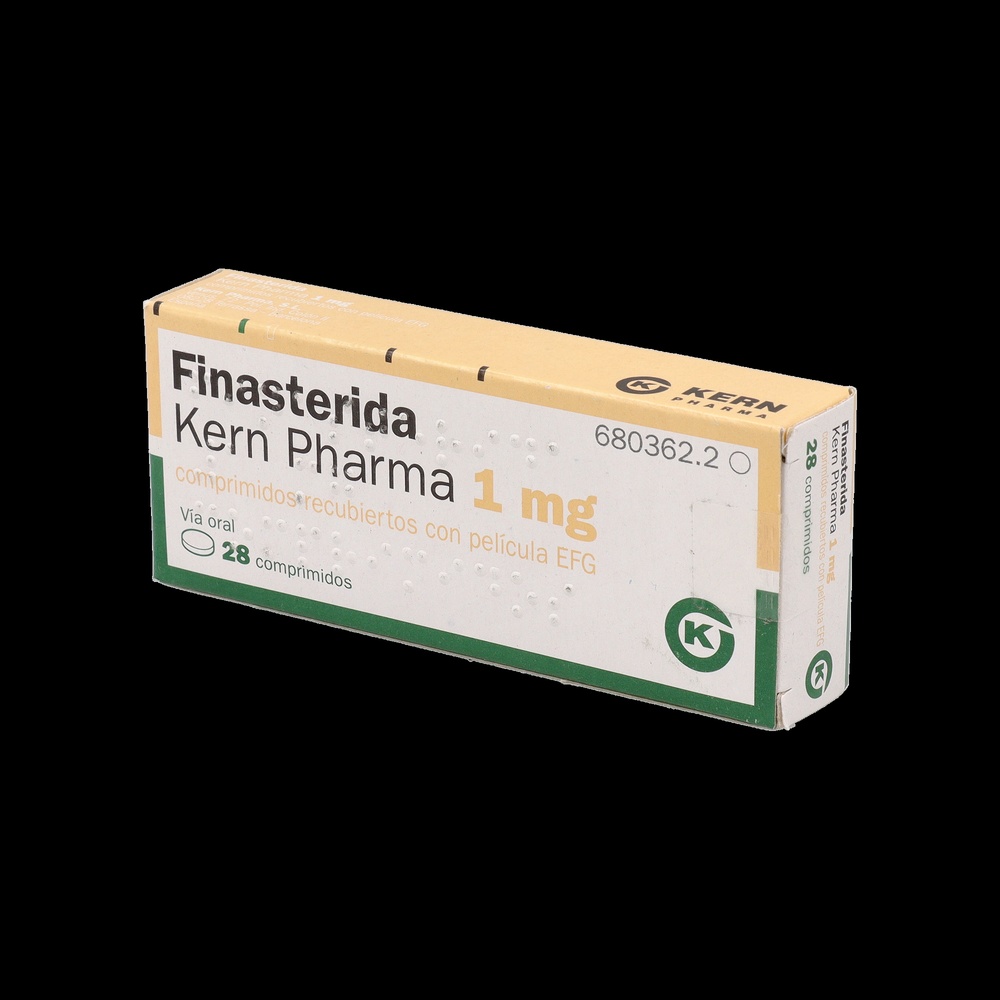
Dosage form: TABLET, 1 mg of finasterideActive substance: finasterideManufacturer: Laboratorios Vinas S.A.Prescription requiredDosage form: TABLET, 1 mgActive substance: finasterideManufacturer: Teva Pharma S.L.U.Prescription requiredDosage form: TABLET, 1 mgActive substance: finasterideManufacturer: Industrial Farmaceutica Cantabria S.A.Prescription required

Losing your hair is not usually anything to be worried about, but it can be upsetting. Treatment may help with some types of hair loss.
Causes of hair loss
It's normal to lose hair. We can lose between 50 and 100 hairs a day, often without noticing.
Hair loss is not usually anything to be worried about, but occasionally it can be a sign of a medical condition.
Some types of hair loss are permanent, like male and female pattern baldness. This type of hair loss usually runs in the family.
Other types of hair loss may be temporary. They can be caused by:
- an illness
- stress
- cancer treatment
- weight loss
- iron deficiency
See a GP if:
- you're worried about your hair loss
What happens at your appointment
The GP may be able to tell you what's causing your hair loss by looking at your hair.
Tell them if your hair loss is affecting your wellbeing, and ask what treatments are available.
Important
See a GP to get an idea about what's causing your hair loss before thinking about going to a commercial hair clinic.
Treatment for hair loss
Most hair loss does not need treatment and is either:
- temporary and it'll grow back
- a normal part of getting older
Hair loss caused by a medical condition usually stops or grows back once you've recovered.
No treatment is 100% effective.
Finasteride and minoxidil
Finasteride and minoxidil are the main treatments for male pattern baldness.
Minoxidil can also be used to treat female pattern baldness. Women should not use finasteride.
These treatments:
- do not work for everyone
- only work for as long as they're used
Wigs
Synthetic wigs:
- last 6 to 9 months
- are easier to look after than real-hair wigs
- can be itchy and hot
- cost less than real-hair wigs
Real-hair wigs:
- last 3 to 4 years
- are harder to look after than synthetic wigs
- look more natural than synthetic wigs
- cost more than synthetic wigs
Other hair loss treatments
| Treatment | Description |
|---|---|
|
Steroid injection |
Injections given into bald patches |
|
Steroid creams |
Cream applied to bald patches |
|
Immunotherapy |
Chemical applied to bald patches |
|
Immunotherapy tablets |
Tablets taken every day to prevent hair loss |
|
Light treatment |
Shining ultraviolet light on bald patches |
|
Permanent make-up (micropigmentation) |
Tattoo used to look like short hair and eyebrows |
|
Hair transplant |
Hair is removed from the back of the head and moved to thinning patches |
|
Scalp reduction surgery |
Sections of scalp with hair are stretched and stitched together |
|
Artificial hair transplant |
Surgery to implant artificial hairs |
Emotional help
Losing hair can be upsetting. For many people, their hair is an important part of who they are.
If your hair loss is causing you distress, your GP may be able to help you get some counselling.
You may also benefit from joining a support group, or speaking to other people in the same situation on online forums.
