

Get a medical certificate for travelling with medication
Medical confirmation explaining the need to carry prescribed medication, syringes, injectables, or medical devices during air travel.
 Same-day medical review No appointment needed Fixed price: 39 €

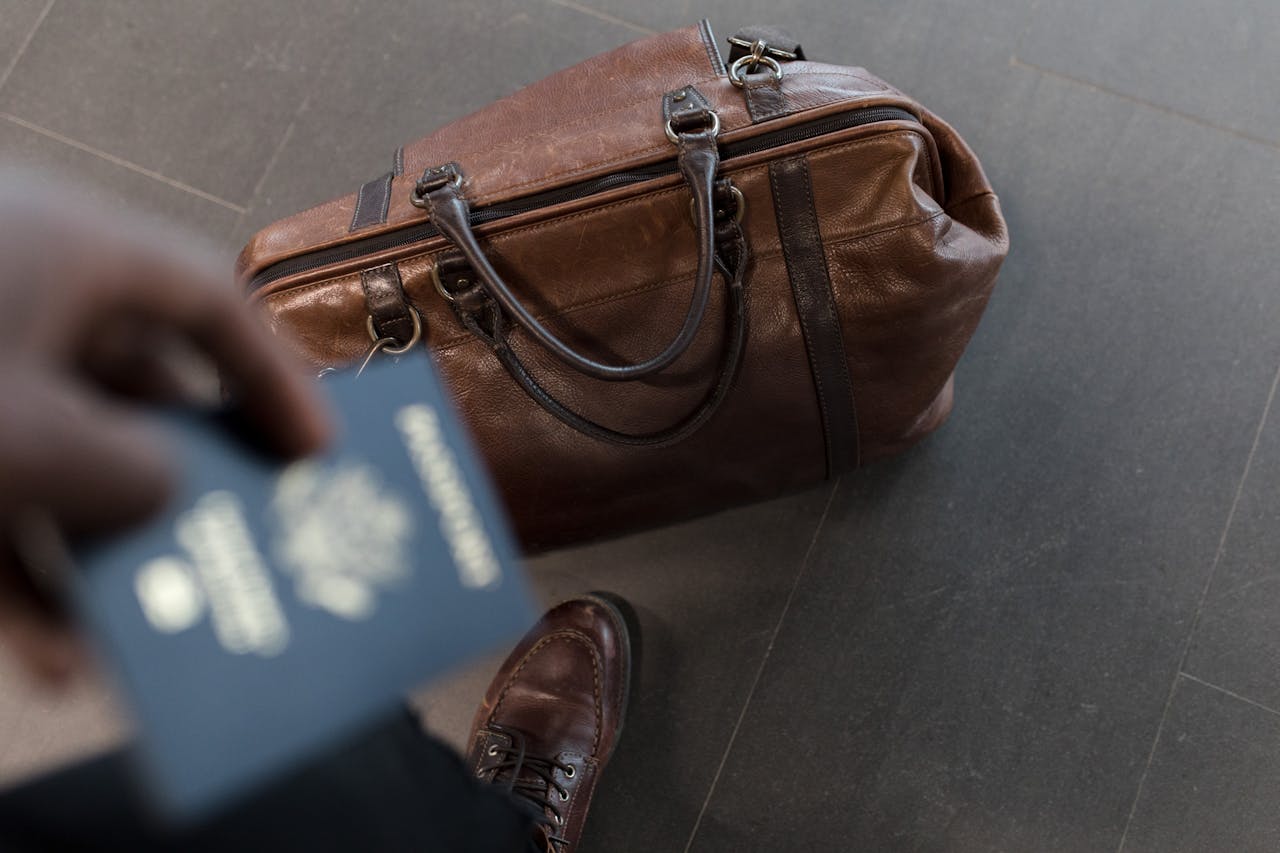
How to get a medical certificate for travelling with medication
A simple online process for passengers who need medical confirmation to carry medication or injection devices while flying.
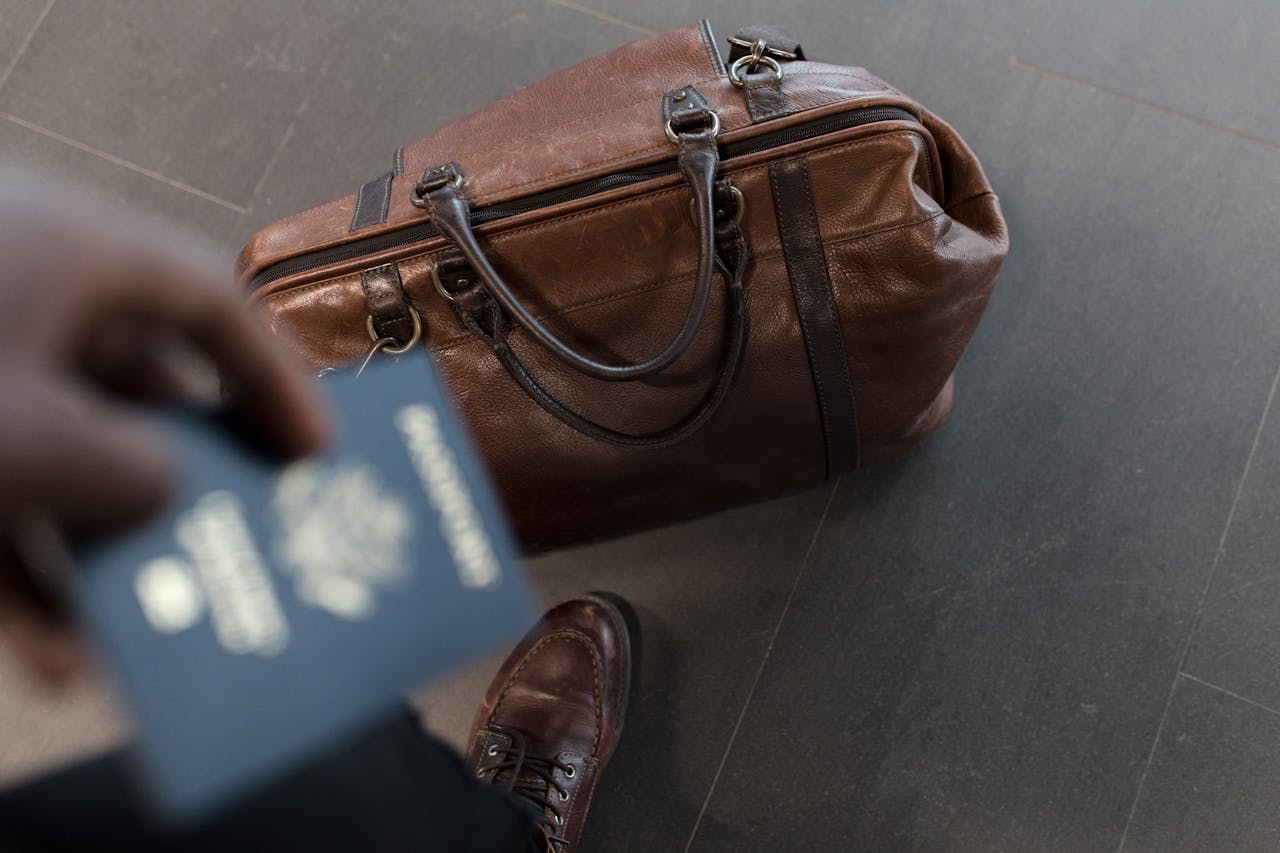
The certificate is delivered digitally, is available in your account, and can be sent by email for presentation to airlines, airport security, or border authorities.
Why order through Oladoctor
A practical online solution when airlines, airport security, or border authorities require medical confirmation for travelling with medication.
Fast medical review
Requests are usually reviewed on the same day, which is important when travel plans are approaching.
Fully online process
No clinic visits or appointments. Everything is handled online, from request to document delivery.
Medical review by a licensed doctor
Each request is assessed by a doctor to confirm the medical necessity of carrying medications or medical devices.
Digital letter by email
You receive the medical certificate with a digital signature, ready to present if requested.
May be used for international travel
The certificate may be used for international flights, subject to airline policy and destination country regulations.
Clear price: 39 €
The cost is shown in advance and remains fixed, with no additional charges.
Medical certificate for travelling with medication explained
Clear, practical information about carrying medication by air and when medical confirmation becomes relevant.

Travelling with medication by air: what usually causes issues
Passengers are often stopped when medication exceeds standard liquid limits, requires cooling, or includes sharp objects. Even medically necessary items can be questioned if they are not clearly explained or documented. This is especially common when travelling early in the morning, during busy periods, or through unfamiliar airports.
Another frequent source of stress is uncertainty. Travellers may receive different advice online, from airlines, or from airport staff. As a result, people often arrive at security unsure whether their medication will be allowed, which can lead to delays or uncomfortable questioning.

Why airport and airline rules differ for medications
For example, airport security focuses on prohibited items and liquids, while airlines are concerned about onboard safety and liability. Border authorities may assess whether a medication is legal to import, especially if it contains controlled substances. This creates overlap and, sometimes, conflicting guidance.
Because of this, what is accepted at one airport may be questioned at another. Travellers are often caught between these systems, which is why written medical confirmation can become useful even when medication is prescribed and legitimate.

When medical confirmation becomes relevant
It is also relevant when travelling internationally, as destination countries may have stricter rules on certain substances. Even common medications can be restricted abroad or require explanation if carried in larger quantities.
A medical certificate helps clarify that the medication is prescribed, medically necessary, and intended for personal use. It provides context in situations where verbal explanations may not be sufficient or where language barriers exist.

What a medical certificate does and what it does not
However, it does not override airline rules, security regulations, or national laws. Authorities may still apply additional checks or deny transport of certain items if local regulations require it. The certificate should be viewed as supporting documentation, not a universal permit.
Understanding this distinction helps set realistic expectations and reduces frustration during travel.

Practical preparation before travelling with medication
Essential medication should usually be carried in hand luggage to avoid loss or temperature issues. Having a medical certificate available, either printed or digital, can make conversations with airport staff clearer and less stressful.
Good preparation does not guarantee a smooth experience, but it significantly reduces the risk of delays or complications.
Patients love



Your guide to healthcare in Spain
Practical information about the healthcare system, doctors and medical services in Spain.

Flu season in Spain 2025–2026
Nov 29, 2025

Prostate cancer screening after 40
Sep 11, 2025

Psychiatrist vs psychologist: what’s the difference?
Apr 30, 2025
Children’s healthcare in Spain
Apr 9, 2025

Healthcare in Spain for expats in 2026
Apr 9, 2025
Flu season in Spain 2025–2026
Nov 29, 2025
Prostate cancer screening after 40
Sep 11, 2025
Psychiatrist vs psychologist: what’s the difference?
Apr 30, 2025
Children’s healthcare in Spain
Apr 9, 2025
Healthcare in Spain for expats in 2026
Apr 9, 2025
Medical certificate for travelling with medication: common questions
Detailed answers to common concerns about carrying medication by plane, documentation, and international travel rules.
Security staff may ask questions to confirm that the medication is safe and intended for personal use. This is normal and does not mean the medication is prohibited.
However, a medical certificate becomes useful when travelling with injectable medication, syringes, needles, auto-injectors, liquid medication, or prescription-only drugs that may raise questions. It is also helpful for international travel.
While not always mandatory, having a certificate can prevent delays and reduce stress if questions arise during security or border checks.
For certain medications, especially liquids or injectables, security staff may ask for documentation. A medical certificate can help explain why the medication must remain in hand luggage.
Carrying medication in original packaging is recommended, especially when travelling internationally, to avoid confusion.
Problems may occur only if very large quantities are carried or if the medication is restricted in the destination country.
Authorities may want to confirm that the medication is for personal use and not for resale. A medical certificate can help clarify this.
Having a medical certificate available can make this process smoother.
A medical certificate helps explain the medical necessity of your medication but does not replace checking local import rules. Travellers should always review destination-specific regulations before departure.
