


Zonisamida Stada 50 mg cápsulas duras

Prescription review online
A doctor will review your case and decide whether a prescription is medically appropriate.

Talk to a doctor about this medicine
Discuss your symptoms and possible next steps in a quick online consultation.



How to use ZONISAMIDE STADA 50 mg HARD CAPSULES
Contents of the leaflet
- Introduction
- What is Zonisamide Stada and what is it used for
- What you need to know before you take Zonisamide Stada
- How to take Zonisamide Stada
- Possible side effects
- Storage of Zonisamida Stada
- Package Contents and Additional Information
Introduction
Package Leaflet: Information for the User
Zonisamide STADA 25 mg hard capsules EFG
Zonisamide STADA 50 mg hard capsules EFG
Zonisamide STADA 100 mg hard capsules EFG
Read all of this leaflet carefully before you start taking this medicine because it contains important information for you.
- Keep this leaflet, you may need to read it again.
- If you have any further questions, ask your doctor or pharmacist.
- This medicine has been prescribed for you only. Do not pass it on to others. It may harm them, even if their signs of illness are the same as yours.
- If you get any side effects, talk to your doctor or pharmacist. This includes any possible side effects not listed in this leaflet. See section 4.
Contents of the pack
- What is Zonisamide Stada and what is it used for
- What you need to know before you take Zonisamide Stada
- How to take Zonisamide Stada
- Possible side effects
- Storing Zonisamide Stada
- Contents of the pack and further information
1. What is Zonisamide Stada and what is it used for
This medicine contains the active substance zonisamide and is used as an antiepileptic.
Zonisamide is used to treat partial seizures that affect only a part of the brain, which may or may not be followed by a generalized seizure affecting the whole brain.
Zonisamide may be used:
- On its own to treat seizures in adults.
- With other antiepileptics to treat seizures in adults, adolescents, and children aged 6 years and older.

Not sure if this medicine is right for you?
Discuss your symptoms and treatment with a doctor online.
2. What you need to know before you take Zonisamide Stada
Do not take Zonisamide Stada:
- if you are allergic to zonisamide or any of the other ingredients of this medicine (listed in section 6).
- if you are allergic to other sulfonamides, such as sulfonamide antibiotics, thiazide diuretics, and sulfonylurea antidiabetics.
Warnings and precautions
Zonisamide belongs to a group of medicines (sulfonamides) that can cause severe allergic reactions, serious skin rashes, and blood disorders, which can very rarely be life-threatening (see section 4. Possible side effects).
There have been reports of serious skin rashes associated with zonisamide therapy, including cases of Stevens-Johnson syndrome.
Tell your doctor or pharmacist before you start taking zonisamide:
- if you are under 12 years old, as you may be at a higher risk of decreased sweating, heat stroke, pneumonia, and liver problems. Zonisamide is not recommended for use in children under 6 years old.
- if you are elderly, as you may need to have your zonisamide dose adjusted, and you may be more likely to develop an allergic reaction, serious skin rash, swelling of the legs and feet, and itching when taking zonisamide (see section 4. Possible side effects).
- if you have liver problems, as you may need to have your zonisamide dose adjusted.
- if you have eye problems such as glaucoma.
- if you have kidney problems, as you may need to have your zonisamide dose adjusted.
- if you have had kidney stones before, as you may be at a higher risk of getting more kidney stones. Reduce the risk of getting kidney stones by drinking plenty of water.
- if you live in a hot place or are going on holiday to a hot place. Zonisamide can make you sweat less, which can cause your body temperature to rise. Reduce the risk of overheating by drinking plenty of water and staying cool.
- if you are underweight or have lost a lot of weight, as zonisamide can make you lose more weight. Tell your doctor, as you may need to be monitored.
- if you are pregnant or think you may be pregnant (for more information, see the section on “Pregnancy, breastfeeding, and fertility”).
Zonisamide may cause high levels of ammonia in the blood, which could change brain function, especially if you are also taking other medicines that can increase ammonia levels (e.g., valproate), if you have a genetic disorder that causes too much ammonia to be produced in the body (urea cycle disorder), or if you have liver disorders. Tell your doctor right away if you feel unusually sleepy or confused.
If any of these statements apply to you, tell your doctor before taking zonisamide.
Children and adolescents
Talk to your doctor about the following risks:
Preventing excessive heat and dehydration in children Zonisamide can cause your child to sweat less or have excessive heat; this can cause brain damage and death if not treated. Children are the most vulnerable population, especially on hot days. While your child is taking zonisamide:
If your child's skin is very hot with little or no sweating, the child feels confused or has muscle cramps, or their heart rate or breathing is rapid.
|
- Weight: you should check your child's weight monthly and see a doctor as soon as possible if they are not gaining enough weight. Zonisamide is not recommended in children who are underweight or have a poor appetite, and should be used with caution in children weighing less than 20 kg.
- Increased acid levels in the blood and kidney stones: reduce these risks by making sure your child drinks plenty of water and does not take any medicines that can cause kidney stones (see Other medicines). Your doctor will check your child's blood bicarbonate levels and kidney function (see also section 4).
Do not give this medicine to children under 6 years old, as it is not known if the possible benefits are greater than the risks in this age group.
Other medicines and Zonisamide Stada
Tell your doctor or pharmacist if you are taking, have recently taken, or might take any other medicines, including those obtained without a prescription.
- Zonisamide should be used with caution in adults if taken with medicines that can cause kidney stones, such as topiramate or acetazolamide. In children, this combination is not recommended.
- Zonisamide may increase the levels of medicines such as digoxin and quinidine in the blood, and therefore may need to have their dose reduced.
- Other medicines such as phenytoin, carbamazepine, phenobarbital, and rifampicin may decrease the levels of zonisamide in the blood, which may require a dose adjustment of zonisamide.
Taking Zonisamide Stada with food and drink
Zonisamide can be taken with or without food.
Pregnancy, breastfeeding, and fertility
Women of childbearing age must use effective contraception during treatment with zonisamide and for one month after stopping zonisamide.
If you plan to become pregnant, talk to your doctor before stopping contraception and before becoming pregnant about the possibility of switching to other suitable treatments. If you are pregnant or think you may be pregnant, tell your doctor immediately. Do not stop treatment without talking to your doctor.
You should only take zonisamide during pregnancy if your doctor advises you to. Research shows a higher risk of birth defects in children of women who take antiepileptics. The risk of birth defects or developmental neurological disorders (problems with brain development) for your child after taking zonisamide during pregnancy is not known. One study showed that children whose mothers used zonisamide during pregnancy were smaller than expected for their age at birth, compared to children whose mothers were treated with lamotrigine monotherapy. Make sure you are fully informed about the risks and benefits of using zonisamide for epilepsy during pregnancy.
Do not breastfeed while taking zonisamide or for one month after stopping zonisamide.
There is no clinical data on the effects of zonisamide on human fertility. Animal studies have shown changes in fertility parameters.
Driving and using machines
Zonisamide may affect your concentration, reaction time, and may make you feel sleepy, especially at the start of treatment or after a dose increase. If zonisamide affects you in this way, be careful when driving or using machines.
Zonisamide Stada contains sodium
This medicine contains less than 23 mg of sodium (1 mmol) per capsule; this is essentially “sodium-free”.
3. How to take Zonisamide Stada
Always take this medicine exactly as your doctor has told you. If you are not sure, check with your doctor or pharmacist.
The recommended dose in adults is:
If you are taking zonisamide alone:
- The initial dose is 100 mg once a day.
- This can be increased by up to 100 mg at intervals of two weeks.
- The recommended dose is 300 mg once a day.
If you are taking zonisamide with other antiepileptics:
- The initial dose is 50 mg a day, divided into two equal doses of 25 mg.
- This can be increased by up to 100 mg at intervals of one to two weeks.
- The recommended daily dose is between 300 mg and 500 mg.
- Some people respond to lower doses. The dose may be increased more slowly if you experience side effects, are elderly, or have kidney or liver problems.
Use in children (6 to 11 years) and adolescents (12 to 17 years) weighing at least 20 kg:
- The initial dose is 1 mg per kilogram of body weight once a day.
- This can be increased by 1 mg per kilogram of body weight at intervals of one to two weeks.
- The recommended daily dose is between 6 mg and 8 mg per kilogram for a child weighing up to 55 kg or between 300 mg and 500 mg for a child weighing over 55 kg (the lower of the two doses) once a day.
Example: a child weighing 25 kg should take 25 mg once a day for the first week, and then the daily dose should be increased by 25 mg at the start of each week until a daily dose of 150 to 200 mg is reached.
If you think the effect of zonisamide is too strong or too weak, talk to your doctor or pharmacist.
- Zonisamide capsules should be swallowed whole with water.
- Do not chew the capsules.
- Zonisamide can be taken once or twice a day, as instructed by your doctor.
- If you take zonisamide twice a day, take half the daily dose in the morning and the other half in the evening.
If you take more Zonisamide Stada than you should
In case of overdose or accidental ingestion, consult your doctor or pharmacist immediately or call the Toxicology Information Service, telephone: 91 562 04 20, stating the medicine and the amount taken.
You may feel drowsy and may lose consciousness. You may also feel like vomiting, have stomach pain, muscle spasms, eye movements, feel like you are going to faint, have a slow heart rate, and decreased kidney function. Do not attempt to drive.
If you forget to take Zonisamide Stada
- If you forget to take a dose, do not worry; take the next dose at the usual time.
- Do not take a double dose to make up for forgotten doses.
If you stop taking Zonisamide Stada
- Zonisamide is intended to be taken as a long-term medicine. Do not reduce the dose or stop taking the medicine unless your doctor tells you to.
- If your doctor advises you to stop treatment, they will reduce the dose gradually to minimize the risk of you having more seizures.
If you have any further questions on the use of this medicine, ask your doctor or pharmacist.

Started taking the medicine and have questions?
Discuss your symptoms and treatment with a doctor online.
4. Possible side effects
Like all medicines, this medicine can cause side effects, although not everybody gets them.
Zonisamide belongs to a group of medicines (sulfonamides) that can cause severe allergic reactions, serious skin rashes, and blood disorders, which can very rarely be life-threatening.
Get medical help immediately if:
- you have difficulty breathing, swelling of the face, lips, or tongue, or a severe skin rash, as these symptoms can be signs of a severe allergic reaction.
- you have signs of overheating: high body temperature with little or no sweating, rapid heart rate and breathing, muscle cramps, and confusion.
- you have had thoughts of self-harm or suicide. A small number of people taking antiepileptics such as zonisamide have had thoughts of self-harm or suicide.
- you have muscle pain or feel weak, as this can be a sign of abnormal muscle breakdown that can lead to kidney problems.
- you have sudden back or stomach pain, pain when urinating, or blood in your urine, as these can be signs of kidney stones.
- you have vision problems such as eye pain or blurred vision while taking zonisamide.
Tell your doctor as soon as possible if:
- you have an unexplained rash, as it can become a more serious skin rash.
- you feel especially tired or feverish, have a sore throat, swollen glands, or bruise more easily, as this can be a sign of a blood disorder.
- you have signs of increased acid levels in the blood: headaches, sleepiness, difficulty breathing, and loss of appetite. You may need medical attention or treatment.
Your doctor may decide that you should stop taking zonisamide.
The most common side effects of zonisamide are all mild. They occur during the first month of treatment and often decrease as treatment continues. In children aged 6 to 17 years, the side effects were consistent with those described below, except for the following: pneumonia, dehydration, decreased sweating (frequent), and abnormal liver enzymes (uncommon).
Very common side effects(may affect more than 1 in 10 people):
- agitation, irritability, confusion, depression
- poor muscle coordination, dizziness, poor memory, sleepiness, double vision
- loss of appetite, decreased bicarbonate levels (a substance that prevents blood from becoming acidic) in the blood
Common side effects(may affect up to 1 in 10 people):
- difficulty sleeping, unusual or abnormal thoughts, feeling anxious or emotionally unstable.
- slow thinking, loss of concentration, speech problems, abnormal sensation in the skin (tingling), tremor, involuntary eye movements.
- kidney stones.
- skin rashes, itching, allergic reactions, fever, tiredness, flu-like symptoms, hair loss.
- bruising (a small bruise caused by blood from a broken blood vessel in the skin).
- weight loss.
- nausea, indigestion, stomach pain, diarrhea (loose stools), constipation.
- swelling of the legs and feet.
Uncommon side effects(may affect up to 1 in 100 people):
- rage, aggression, suicidal thoughts, attempted suicide.
- vomiting.
- inflammation of the gallbladder or gallstones.
- urinary tract stones.
- lung infection/inflammation, urinary tract infections.
- low potassium levels in the blood and seizures/convulsions.
Rare side effects(may affect up to 1 in 10,000 people):
- hallucinations, memory loss, coma, neuroleptic malignant syndrome (inability to move, sweating, fever, incontinence), epileptic status (prolonged or repeated seizures).
- respiratory disorders, breathing difficulties, lung inflammation.
- pancreatitis (severe stomach or back pain)
- liver problems, kidney failure, increased creatinine levels (a waste product that the kidneys should normally remove) in the blood.
- serious skin rashes or skin peeling (you may also feel unwell and have a fever).
- abnormal muscle breakdown (you may have muscle pain or weakness) that can lead to kidney problems.
- swollen glands, blood disorders (reduced number of blood cells, which can make you more likely to get infections and feel pale, tired, and feverish, and bruise more easily).
- decreased sweating, high body temperature.
- glaucoma, which is a blockage of the drainage of fluid from the eye, causing increased pressure inside the eye. You may experience eye pain, blurred vision, or decreased vision, and these can be signs of glaucoma.
Reporting of side effects
If you experience any side effects, talk to your doctor or pharmacist. This includes any possible side effects not listed in this leaflet. You can also report side effects directly via the Spanish Pharmacovigilance System for Human Use Medicines: https://www.notificaram.es. By reporting side effects, you can help provide more information on the safety of this medicine.
5. Storage of Zonisamida Stada
Keep this medicine out of the sight and reach of children.
Do not use this medicine after the expiration date stated on the blister pack and carton after "EXP". The expiration date is the last day of the month indicated.
This medicine does not require special storage conditions.
Do not use this medicine if you notice any signs of deterioration in the capsules, blister pack, or carton, or any visible signs of deterioration in the medicine. Return the packaging to your pharmacist.
Medicines should not be disposed of via wastewater or household waste. Deposit the packaging and any unused medicines at the SIGRE collection point in your pharmacy. If in doubt, ask your pharmacist how to dispose of the packaging and any unused medicines. This will help protect the environment.
6. Package Contents and Additional Information
Composition of Zonisamida Stada
The active ingredient is zonisamide. Zonisamida Stada 25 mg hard capsules contain 25 mg of zonisamide. Zonisamida Stada 50 mg hard capsules contain 50 mg of zonisamide. Zonisamida Stada 100 mg hard capsules contain 100 mg of zonisamide.
The other ingredients present in the capsule content are:
- capsule content: microcrystalline cellulose, hydrogenated vegetable oil, and sodium lauryl sulfate
- capsule shell: gelatin and titanium dioxide (E171)
- printing ink: shellac, black iron oxide (E172) (25 mg and 100 mg doses), red iron oxide (E172) (50 mg dose), and potassium hydroxide (25 mg and 100 mg doses)
Appearance of the Product and Package Contents
Zonisamida Stada 25 mg hard capsules are size 4 capsules, with a white opaque body and a white opaque capsule cap, 14.4 mm in length, and marked with "Z25" in black.
Zonisamida Stada 50 mg hard capsules are size 3 capsules, with a white opaque body and a white opaque capsule cap, 15.8 mm in length, and marked with "Z50" in red.
Zonisamida Stada 100 mg hard capsules are size 1 capsules, with a white opaque body and a white opaque capsule cap, 19.3 mm in length, and marked with "Z100" in black.
The Zonisamida Stada capsules are packaged in blister packs, which are then packaged in cartons. The 25 mg packages contain 14 or 28 capsules, the 50 mg packages contain 28 or 56 capsules, and the 100 mg packages contain 56 capsules.
Only certain package sizes may be marketed.
Marketing Authorization Holder
Laboratorio STADA, S.L.
Frederic Mompou, 5
08960 Sant Just Desvern (Barcelona)
Spain
Manufacturer
Noucor Health S.A.
Av. Camí Reial 51-57
08184 Palau-Solità i Plegamans (Barcelona)
Spain
Date of the Last Revision of this Leaflet: March 2023
Detailed information on this medicine is available on the website of the Spanish Agency for Medicines and Health Products (AEMPS) (http://www.aemps.es)
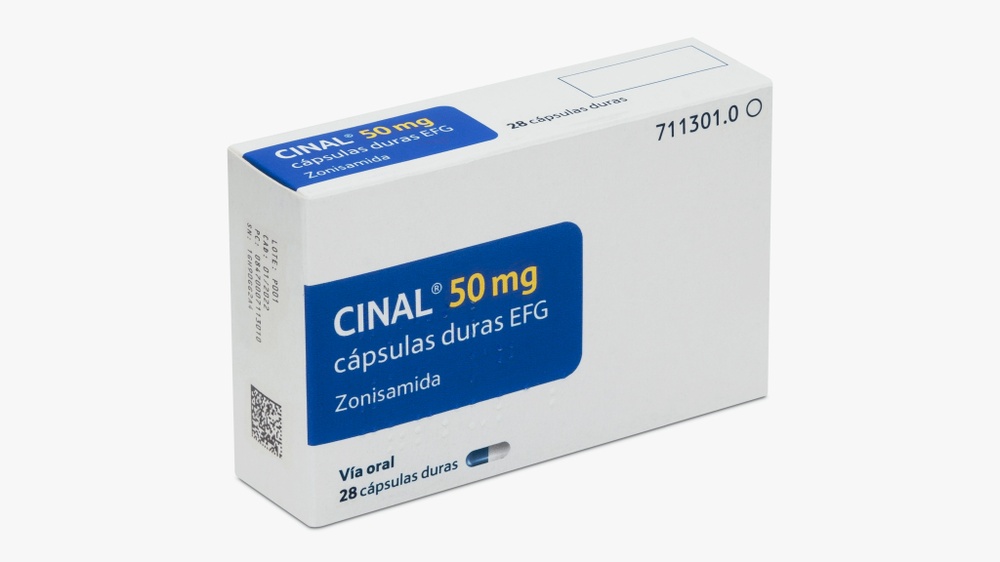
- Country of registration
- Dosage formCAPSULE, 50 mg
- ATC codeN03AX15
- Average pharmacy price19.39 EUR
- Active substance
- Prescription requiredYes
- Manufacturer
- CompositionLAURILSULFATO DE SODIO (1,50 mg mg)
- This information is for reference only and does not constitute medical advice. Always consult a doctor before taking any medication. Oladoctor is not responsible for medical decisions based on this content.
- Alternatives to ZONISAMIDE STADA 50 mg HARD CAPSULESDosage form: CAPSULE, 100 mgActive substance: zonisamideManufacturer: Neuraxpharm Spain S.L.Prescription requiredDosage form: TABLET, 100 mgActive substance: zonisamideManufacturer: Neuraxpharm Spain S.L.Prescription requiredDosage form: TABLET, 200 mgActive substance: zonisamideManufacturer: Neuraxpharm Spain S.L.Prescription required
Online doctors for ZONISAMIDE STADA 50 mg HARD CAPSULES
Discuss questions about ZONISAMIDE STADA 50 mg HARD CAPSULES, including use, safety considerations and prescription review, subject to medical assessment and local regulations.




Frequently Asked Questions
ZONISAMIDE STADA 50 mg HARD CAPSULES requires a prescription in Spain. You can check with a doctor online whether this medicine may be appropriate for your situation.
The active ingredient in ZONISAMIDE STADA 50 mg HARD CAPSULES is zonisamide. This information helps identify medicines with the same composition but different brand names.
The average pharmacy price for ZONISAMIDE STADA 50 mg HARD CAPSULES is around 19.39 EUR. Prices may vary depending on the manufacturer and dosage form.
ZONISAMIDE STADA 50 mg HARD CAPSULES is manufactured by Laboratorio Stada S.L.. Pharmacy brands and packaging may differ depending on the distributor.
Doctors such as Family doctors, Psychiatrists, Dermatologists, Cardiologists, Endocrinologists, Gastroenterologists, Pulmonologists, Nephrologists, Rheumatologists, Hematologists, Infectious disease physicians, Allergists, Geriatricians, Paediatricians, Oncologists may assess whether ZONISAMIDE STADA 50 mg HARD CAPSULES is appropriate, depending on your situation and local regulations. You can book an online consultation to discuss your symptoms and possible next steps.
The prescription is issued by a doctor after assessing your health. In Spain, ZONISAMIDE STADA 50 mg HARD CAPSULES is then dispensed in pharmacies with that prescription. An online consultation does not guarantee that a prescription will be issued: the decision always rests with the doctor.
To request a review, you can use Oladoctor:
Other medicines with the same active substance (zonisamide) include NYZOL 100 mg HARD CAPSULES, NYZOL 100 mg TABLETS, NYZOL 200 mg TABLETS. These may have different brand names or formulations but contain the same therapeutic ingredient. Always consult a doctor before switching or starting a new medicine.
