


XYLONOR SPRAY 150 mg + 1.5 mg per gram, oral spray solution
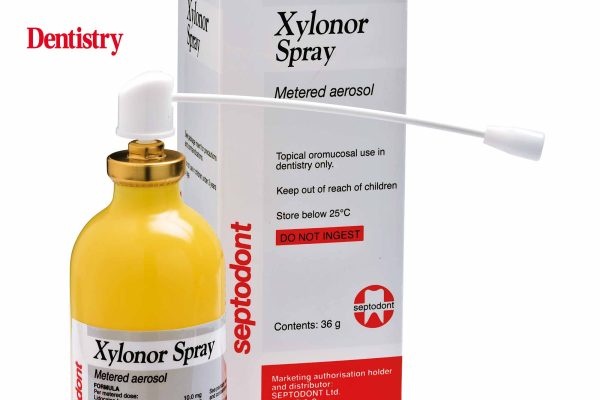



How to use XYLONOR SPRAY 150 mg + 1.5 mg per gram, oral spray solution
Translated with AI
This page provides general information and does not replace a doctor’s consultation. Always consult a doctor before taking any medication. Seek urgent medical care if symptoms are severe.
Show originalContents of the leaflet
Introduction
Package Leaflet: Information for the User
Xylonor Spray, 150 mg + 1.5 mg per gram, solutionfor oral spraying
Lidocaine and cetrimide
Read all of this leaflet carefully before you start using this medicine because it contains important information for you.
- Keep this leaflet, you may need to read it again.
- If you have any further questions, ask your dentist, doctor, or pharmacist.
- This medicine has been prescribed for you only. Do not pass it on to others. It may harm them, even if their symptoms are the same as yours.
- If you experience any side effects, talk to your dentist, doctor, or pharmacist. This includes any possible side effects not listed in this leaflet. See section 4.
Contents of the pack
- What Xylonor Spray is and what it is used for
- What you need to know before you use Xylonor Spray
- How to use Xylonor Spray
- Possible side effects
- Storage of Xylonor Spray
- Contents of the pack and further information
1. What Xylonor Spray is and what it is used for
Xylonor Spray is a topical anesthetic that contains a local anesthetic, lidocaine, and a bactericidal agent, cetrimide. It belongs to the group of local anesthetics of the nervous system.
Xylonor Spray is indicated for topical anesthesia of the internal parts of the mouth (lips, cheeks, gums, palate, base of the mouth, tongue) in dental procedures. It can only be administered by your dentist. It is intended for adults, adolescents, and children over 6 years of age.

2. What you need to know before you use Xylonor Spray
Do not use Xylonor Spray
- If you are allergic to lidocaine or cetrimide or any of the other ingredients of this medicine (listed in section 6).
- If you are allergic to other local anesthetics.
- In children under 6 years of age.
Warnings and precautions
Talk to your dentist before using Xylonor Spray if you have inflammation or infection in the area to be anesthetized.
Other medicines and Xylonor Spray
Tell your dentist, doctor, or pharmacist if you are using, have recently used, or might use any other medicines.
Consult with your dentist if you have mouth sores because lidocaine can easily pass into the blood and interact with other medicines.
Using Xylonor Spray with food
Avoid chewing gum or eating until you recover normal sensation after using this medicine. Otherwise, there is a risk that you may bite your lips, cheeks, or tongue.
Pregnancy, breastfeeding, and fertility
If you are pregnant or breastfeeding, think you may be pregnant, or plan to become pregnant, consult your dentist, doctor, or pharmacist before using this medicine.
This medicine can be used during pregnancy and breastfeeding without risk to the fetus or newborn, provided it is used as indicated.
No effects on fertility have been observed.
Driving and using machines
Xylonor Spray has no influence or insignificant influence on the ability to drive and use machines.
Xylonor Spray contains alcohol (ethanol 96%)
This medicine contains 606 mg of alcohol (ethanol at 96%) in a maximum daily dose of 1.3 g of product, which is equivalent to 45.45% (w/w).
It may cause a slight burning sensation on open wounds.
3. How to use Xylonor Spray
Only dentists and stomatologists are trained to use Xylonor Spray.
The lowest dose that produces effective anesthesia should be used.
Dosage:
Adults:
One spray releases a dose of approximately 10 mg of lidocaine covering an area of approximately 1 cm2. The maximum daily administration should not exceed 20 sprays, equivalent to 200 mg of lidocaine.
Pediatric population (from 6 years old)
One spray releases a dose of approximately 10 mg of lidocaine covering an area of approximately 1 cm2. The maximum daily administration of the medicine in the pediatric population depends on the patient's age.
From 6 to 11 years old (or 25 kg body weight), the maximum daily administration of the medicine should not exceed 5 sprays, equivalent to 50 mg of lidocaine.
From 12 to 18 years old (or 40-55 kg body weight), the maximum daily administration of the medicine should not exceed 10 sprays, equivalent to 100 mg of lidocaine.
It should not be used in children under 6 years of age due to the risk of asphyxiation.
Use in children
Special care should be taken when treating children.
Dentists will adjust the dose according to the child's age and weight.
If you use more Xylonor Spray than you should
Under normal conditions of use in dentistry, overdose effects are not expected with a product for local use only.
However, the following symptoms may be signs of toxicity due to excessive dose of Xylonor Spray:
burning, itching, tingling sensation around the mouth without apparent physical cause, dizziness, nervousness, anxiety, apprehension, euphoric state, confusion, somnolence, hypersensitivity of hearing, ringing in the ears, blurred vision, vomiting, nausea, sensation of heat, cold, numbness, spasms, tremors, convulsions, unconsciousness, depression, respiratory or cardiac arrest, abnormally low or accelerated heart rate, or other heart rhythm coordination problems, low or high blood pressure, circulatory failure, angina pectoris.
If you experience any of these symptoms, talk to your dentist, doctor, or pharmacist.
If you have any other questions about the use of this medicine, ask your dentist, doctor, or pharmacist.

4. Possible side effects
Like all medicines, this medicine can cause side effects, although not everybody gets them.
Tell your dentist, doctor, or pharmacist immediately if you experience any of the following serious side effects:
- Rash, itching, hives, swelling of the face, lips, gums, tongue, and/or throat, and difficulty breathing, wheezing, asthma: these may be symptoms of a hypersensitivity reaction (allergy/allergic reaction)
Other side effects not mentioned above may also occur:
Not known (frequency cannot be estimated from the available data):
- Rash, redness
- Itching
- Sloughing and ulceration of the gums
- Abnormal sensation inside and around the mouth
- Inflammation of the application site, burning at the application site
Reporting of side effects
If you experience any side effects, talk to your dentist, doctor, or pharmacist, even if it is possible side effects not listed in this leaflet. You can also report side effects directly through the Spanish Pharmacovigilance System of Medicines for Human Use www.notificaRAM.es. By reporting side effects, you can help provide more information on the safety of this medicine.
5. Storage of Xylonor Spray
Keep this medicine out of the sight and reach of children.
Do not use this medicine after the expiry date which is stated on the tube and carton after EXP. The expiry date is the last day of the month shown.
Store below 25°C.
Medicines should not be disposed of via wastewater or household waste. Ask your dentist how to dispose of the packaging and any unused medicine. This will help protect the environment.
6. Contents of the pack and further information
Composition of Xylonor Spray
- The active substances are lidocaine 150 mg/g and cetrimide 1.5 mg/g
Each spray releases approximately a dose of 10 mg of lidocaine and 0.1 mg of cetrimide.
- The other ingredients are saccharin (E954), peppermint flavor, dipropylene glycol, ethanol (96%).
Appearance and packaging of the product
This medicine is a clear solution. It is packaged in a multidose container.
The marketed presentation is a 36g bottle.
Marketing authorization holder and manufacturer
SEPTODONT
58, Rue du Pont de Créteil
94100 Saint-Maur-des-Fossés - France
Date of last revision of the leaflet: May 2022
This information is intended only for healthcare professionals:
For professional use by dentists and stomatologists.
The lowest dose that leads to effective anesthesia should be used.
Dosage
Adults
One spray releases a dose of approximately 10 mg of lidocaine covering an area of approximately 1 cm2. The maximum daily administration should not exceed 20 sprays, equivalent to 200 mg of lidocaine.
Pediatric population (from 6 years old)
One spray releases a dose of approximately 10 mg of lidocaine covering an area of approximately 1 cm2. The maximum daily administration of the medicine in the pediatric population depends on the patient's age.
From 6 to 11 years old (or 25 kg body weight), the maximum daily administration of the medicine should not exceed 5 sprays, equivalent to 50 mg of lidocaine.
From 12 to 18 years old (or 40-55 kg body weight), the maximum daily administration of the medicine should not exceed 10 sprays, equivalent to 100 mg of lidocaine.
It should not be used in children under 6 years of age for safety reasons.
Elderly population
Special precautions should be taken to administer the minimum dose resulting in effective anesthesia in elderly patients.
Patients with hepatic function disorders
Special precautions should be taken to administer the minimum dose resulting in effective anesthesia in patients with hepatic function disorders.
Patients with renal function disorders
Special precautions should be taken to administer the minimum dose resulting in effective anesthesia in patients with renal function disorders.
Patients with cardiovascular system function disorders
Special precautions should be taken to administer the minimum dose resulting in effective anesthesia in patients with cardiovascular system function disorders.
Patients with epilepsy
Special precautions should be taken to administer the minimum dose resulting in effective anesthesia in patients with epilepsy.
Method of administration
Oral route.
The solution should be applied to a mucous membrane that has been previously dried.
Place the tip of the cannula 2 to 4 cm from the area to be anesthetized. This operation can be repeated in three different areas of the mouth during the same session.
Special warnings and precautions for use
- Although insignificant systemic passage of lidocaine is expected, the medicine should be used with caution when applied to an inflamed or infected area, due to the risk of rapid systemic absorption of lidocaine.
- Aspiration and isolation of saliva with a cotton roll at the treated site with local anesthesia are required.
- There is a risk of trauma by biting (lips, cheeks, tongue), but with the medicine, it is expected to be very low, due to the limited area of administration. When associated with injectable local anesthetics, the patient should be instructed to avoid chewing gum or eating until sensitivity is regained.
- The oropharyngeal use of local anesthetics should be avoided, as it may interfere with the ability to swallow, especially in children, and therefore cause choking. Accidental direction of the anesthetic towards the uvula (soft palate) or pharynx may trigger a transient paralysis of these areas and temporary discomfort for the patient. It disappears quickly. To avoid choking problems and others, the product should not be sprayed on the back of the throat.
- This medicine contains 606 mg of alcohol (ethanol at 96%) in a maximum daily dose of 1.3 g of product, which is equivalent to 45.45% (w/w).
It may cause a slight burning sensation on open wounds.
Overdose
Under normal conditions of use and administration, it is unlikely that an overdose will occur with a product for local use only.
However, caution should be taken when using the product in combination with injectable local anesthetics, as the risk of CNS toxicity and cardiovascular toxicity may occur with high plasma levels of lidocaine due to excessive dose or rapid absorption. To date, no cases of overdose with the product have been reported.
Symptomatology:
The following reactions may occur with high plasma levels of lidocaine due to excessive dose or rapid absorption, particularly when associated with the use of injectable local anesthetics:
Central Nervous System (CNS):
High plasma concentration may cause CNS stimulation (including convulsions) followed by CNS depression (including respiratory arrest) and may be characterized by the following signs and symptoms of increasing severity: circumoral paresthesia, dizziness, nervousness, anxiety, apprehension, euphoria, confusion, dizziness, somnolence, hyperacusis, tinnitus, blurred vision, vomiting, nausea, sensation of heat or cold, numbness, spasms, tremors, convulsions, unconsciousness, depression, and respiratory arrest. The excitatory manifestations (e.g., spasms, tremors, and convulsions) may be very brief or not occur at all, in which case the first manifestation of toxicity may be somnolence that merges into unconsciousness and respiratory arrest.
Cardiovascular system:
The cardiovascular manifestations are generally depressive and are characterized by bradycardia, hypotension, arrhythmia, and cardiovascular collapse, which may lead to cardiac arrest. Hypertension, tachycardia, and angina may be caused by concomitant use with an injectable local anesthetic containing adrenaline.
Treatment of overdose:
The availability of resuscitation equipment should be ensured before starting dental anesthesia with local anesthesia.
If signs of acute toxicity are suspected, the medicine should be rinsed immediately.
Oxygen should be administered quickly, if necessary, assisted ventilation should be used. Change the patient's position to a supine position if necessary.
In case of cardiac arrest, immediate cardiopulmonary resuscitation should be performed.
- Country of registration
- Dosage formORAL SPRAY, -
- ATC codeN01BB52
- Active substance
- Prescription requiredYes
- Manufacturer
- This information is for reference only and does not constitute medical advice. Always consult a doctor before taking any medication. Oladoctor is not responsible for medical decisions based on this content.
- Alternatives to XYLONOR SPRAY 150 mg + 1.5 mg per gram, oral spray solutionDosage form: INJECTABLE, 20 mg/ml + 0.005 mg/mlActive substance: lidocaine, combinationsManufacturer: Laboratoire AguettantPrescription requiredDosage form: INJECTABLE, 2 g lidocaine; 0.00125 g epinephrine bitartrateActive substance: lidocaine, combinationsManufacturer: Farmalider S.A.Prescription requiredDosage form: INJECTABLE, 10mg/ml + 0.005mg/mlActive substance: lidocaine, combinationsManufacturer: Laboratoire AguettantPrescription required

Online doctors for XYLONOR SPRAY 150 mg + 1.5 mg per gram, oral spray solution
Discuss questions about XYLONOR SPRAY 150 mg + 1.5 mg per gram, oral spray solution, including use, safety considerations and prescription review, subject to medical assessment and local regulations.











Frequently Asked Questions
