



VORTIOXETINA 10 mg Film-Coated Tablets

Prescription review online
A doctor will review your case and decide whether a prescription is medically appropriate.

Talk to a doctor about this medicine
Discuss your symptoms and possible next steps in a quick online consultation.



How to use VORTIOXETINE STADA 10 mg FILM-COATED TABLETS
Contents of the leaflet
- Introduction
- What is Vortioxetina Stada and what is it used for
- What you need to know before you take Vortioxetina Stada
- Do not take Vortioxetina Stada:
- How to take Vortioxetina Stada
- Possible side effects
- Storage of Vortioxetina Stada
- Package Contents and Additional Information
- Composition of Vortioxetina Stada
Introduction
Package Leaflet: Information for the Patient
Vortioxetina Stada 5 mg film-coated tablets EFG
Vortioxetina Stada 10 mg film-coated tablets EFG
Vortioxetina Stada 15 mg film-coated tablets EFG
Vortioxetina Stada 20 mg film-coated tablets EFG
Read all of this leaflet carefully before you start taking this medicine because it contains important information for you.
- Keep this leaflet, you may need to read it again. If you have any further questions, ask your doctor or pharmacist.
- This medicine has been prescribed for you only. Do not pass it on to others. It may harm them, even if their signs of illness are the same as yours.
- If you get any side effects, talk to your doctor or pharmacist. This includes any possible side effects not listed in this leaflet. See section 4.
Contents of the pack
- What is Vortioxetina Stada and what is it used for
- What you need to know before you take Vortioxetina Stada
- How to take Vortioxetina Stada
- Possible side effects
- Storage of Vortioxetina Stada
- Contents of the pack and other information
1. What is Vortioxetina Stada and what is it used for
Vortioxetina Stada contains the active substance vortioxetine. This belongs to a group of medicines called antidepressants.
Vortioxetine is used to treat episodes of major depression in adults.
It has been shown that vortioxetine reduces the wide range of depressive symptoms, including sadness, inner tension (feeling of anxiety), sleep disturbances (reduced sleep), decreased appetite, difficulty concentrating, feelings of worthlessness, loss of interest in pleasurable activities, and feelings of slowness.

Not sure if this medicine is right for you?
Discuss your symptoms and treatment with a doctor online.
2. What you need to know before you take Vortioxetina Stada
Do not take Vortioxetina Stada:
- if you are allergic to vortioxetine or any of the other ingredients of this medicine (listed in section 6)
- if you are taking other medicines for depression known as non-selective monoamine oxidase inhibitors or selective MAO-A inhibitors. If in doubt, consult your doctor.
Warnings and precautions
Consult your doctor or pharmacist before starting to take vortioxetine:
- if you are taking medicines with the so-called serotonergic effect, such as:
- tramadol and similar medicines (strong painkillers)
- sumatriptan and similar medicines, with active ingredient names ending in "-triptan" (used to treat migraine).
Taking these medicines with vortioxetine may increase the risk of serotonin syndrome. This syndrome can be associated with hallucinations, involuntary jerks, rapid heartbeat, high blood pressure, fever, nausea, and diarrhea.
- if you have had seizures
Your doctor will treat you with caution if you have a history of seizures or unstable/epileptic seizure disorders. Seizures are a potential risk of medicines used to treat depression. Treatment should be discontinued in any patient who experiences seizures or an increase in their frequency.
- if you have had mania
- if you have a tendency to bleed or bruise easily or if you are pregnant (see "Pregnancy, breastfeeding, and fertility")
- if you have low sodium levels in your blood
- if you are 65 years of age or older
- if you have severe kidney disease
- if you have severe liver disease or a liver disease called cirrhosis
- if you have increased eye pressure or glaucoma. If you experience eye pain and blurred vision during treatment, contact your doctor.
If you are receiving treatment with antidepressants, including vortioxetine, you may also experience feelings of aggression, agitation, anger, and irritability. If this happens, you should consult your doctor.
Suicidal thoughts and worsening of your depression
If you are depressed and/or suffer from an anxiety disorder, you may sometimes have thoughts of harming or killing yourself. These may increase when you first start taking antidepressants, as these medicines take time to start working, usually around 2 weeks, although in some cases it may be longer.
You are more likely to have these thoughts:
- if you have previously had thoughts of killing or harming yourself
- if you are a young adult.
Clinical trial data have shown an increased risk of suicidal behavior in adults under 25 with psychiatric disorders who were treated with an antidepressant.
If at any time you have thoughts of harming or killing yourself, contact your doctor or go directly to a hospital. It may be helpful for you to tell a relative or close friend that you are depressed or have an anxiety disorder and ask them to read this leaflet. You can ask them if they think your depression or anxiety has got worse or if they are worried about changes in your behavior.
Children and adolescents
Vortioxetine should not be used in pediatric patients (under 18 years of age) because its efficacy has not been established. The safety of vortioxetine in children and adolescents aged 7 to 17 years is described in section 4.
Other medicines and Vortioxetina Stada
Tell your doctor or pharmacist if you are taking, have recently taken, or might take any other medicines.
Tell your doctor if you are taking any of the following medicines:
- phenelzine, iproniazid, isocarboxazid, nialamide, tranylcypromine (medicines for treating depression called non-selective monoamine oxidase inhibitors); you must not take any of these medicines with vortioxetine. If you have taken any of these medicines, you must wait 14 days before starting to take vortioxetine. After stopping vortioxetine, you must wait 14 days before taking any of these medicines.
- moclobemide (a medicine for treating depression)
- selegiline, rasagiline (medicines for treating Parkinson's disease)
- linezolid (an antibiotic)
- medicines with a serotonergic effect, for example, tramadol or similar medicines (strong painkillers) and sumatriptan and similar medicines with active ingredient names ending in "-triptan" (administered to treat migraine). Taking these medicines with vortioxetine may increase the risk of serotonin syndrome (see section 2)
- lithium (a medicine for treating depression and mental disorders) or tryptophan
- medicines known to cause a decrease in sodium levels
- rifampicin (an antibiotic)
- carbamazepine, phenytoin (a medicine for treating epilepsy or other conditions)
- warfarin, dipyridamole, phenprocoumon, some antipsychotics, phenothiazines, tricyclic antidepressants, acetylsalicylic acid at low doses, and non-steroidal anti-inflammatory drugs (anticoagulants and medicines used to relieve pain). These may increase the tendency to bleed.
Medicines that increase the risk of seizures:
- sumatriptan and similar medicines with active ingredient names ending in "-triptan"
- tramadol (a strong painkiller)
- mefloquine (an antimalarial medicine)
- bupropion (a medicine for treating depression, also used to help stop smoking)
- fluoxetine, paroxetine, and other medicines for treating depression called SSRIs/SNRIs, tricyclics
- St. John's Wort (Hypericum perforatum) (a medicine for treating depression)
- quinidine (a medicine for treating heart rhythm disorders)
- chlorpromazine, chlorprothixene, haloperidol (medicines for treating mental disorders belonging to the groups called phenothiazines, thioxanthenes, or butyrophenones).
Please talk to your doctor if you are taking any of the medicines mentioned above, as your doctor needs to know if you are at risk of having seizures.
Drug tests
If you have a urine test, taking vortioxetine may give a positive result for methadone when some test methods are used, even if you are not taking methadone. If this happens, a more specific test can be done.
Taking vortioxetine with alcohol
It is not recommended to combine this medicine with alcohol.
Pregnancy, breastfeeding, and fertility
If you are pregnant or breastfeeding, think you may be pregnant, or are planning to have a baby, ask your doctor for advice before taking this medicine.
Pregnancy
Vortioxetine should not be used during pregnancy unless your doctor considers it absolutely necessary.
If you take medicines for depression, including vortioxetine, during the last 3 months of pregnancy, you should be aware that the following effects may be seen in the newborn: breathing difficulties, blue discoloration of the skin, seizures, changes in body temperature, feeding difficulties, vomiting, low blood sugar, stiff or floppy muscles, exaggerated reflexes, tremors, restlessness, irritability, lethargy, constant crying, and sleep disturbances. If your baby has any of these symptoms, contact your doctor immediately.
Make sure your midwife and/or doctor know you are taking vortioxetine. When taken during pregnancy, especially during the last 3 months, medicines like vortioxetine may increase the risk of a serious condition in the baby called persistent pulmonary hypertension of the newborn (PPHN), making the baby breathe faster and turn blue. These symptoms usually start during the first 24 hours after the baby is born. If this happens to your baby, you should contact your midwife and/or doctor immediately.
If you take this medicine in the final stages of pregnancy, there may be an increased risk of heavy vaginal bleeding shortly after delivery, especially if you have a history of bleeding disorders. Your doctor or midwife should know you are taking vortioxetine so they can advise you.
Breastfeeding
It is expected that the components of this medicine will pass into breast milk. Vortioxetine should not be used during breastfeeding. Your doctor will decide whether you should stop breastfeeding or stop using this medicine, taking into account the benefit of breastfeeding for the child and the benefit of treatment for you.
Driving and using machines
Vortioxetine has little or no influence on the ability to drive or use machines. However, as dizziness has been reported, caution is recommended during these activities at the start of treatment with vortioxetine or when changing the dose.
Vortioxetina Stada contains sodium
This medicine contains less than 1 mmol of sodium (23 mg) per dose, which is essentially "sodium-free".

Started taking the medicine and have questions?
Discuss your symptoms and treatment with a doctor online.
3. How to take Vortioxetina Stada
Take this medicine exactly as your doctor has told you. If you are not sure, consult your doctor or pharmacist.
The recommended dose of vortioxetine is 10 mg of vortioxetine once daily in adults under 65 years of age. Your doctor may increase the dose up to a maximum of 20 mg of vortioxetine per day or reduce it to a minimum of 5 mg of vortioxetine per day, depending on your response to treatment.
Use in elderly patients
For elderly patients 65 years of age or older, the initial dose is 5 mg of vortioxetine once daily.
Method of administration
Take one tablet with a glass of water.
The tablet can be taken with or without food.
If you cannot swallow the tablet whole, you may find other medicines containing vortioxetine in other pharmaceutical forms more suitable.
Duration of treatment
Take this medicine for as long as your doctor tells you.
Continue taking vortioxetine even though it may take some time before you start to feel better.
You should continue treatment for at least 6 months after you feel better again.
If you take more Vortioxetina Stada than you should
If you take more vortioxetine than you have been told, contact your doctor or go to the nearest hospital emergency department immediately. Take the pack and any remaining tablets with you. Do this even if you feel well. The symptoms in case of overdose are: dizziness, nausea, diarrhea, stomach discomfort, itching all over the body, drowsiness, and flushing.
After taking doses several times higher than the prescribed dose, seizures (convulsions) and a rare condition called serotonin syndrome have been reported.
In case of overdose or accidental ingestion, consult your doctor or call the Toxicology Information Service, telephone 91 562 04 20, indicating the medicine and the amount taken.
If you forget to take Vortioxetina Stada
Take the next dose at the usual time. Do not take a double dose to make up for forgotten doses.
If you stop taking Vortioxetina Stada
Do not stop taking vortioxetine without consulting your doctor.
Your doctor may decide to reduce your dose before you stop taking this medicine altogether.
Some patients who have stopped taking vortioxetine have experienced symptoms such as dizziness, headache, tingling or sensations like electric shocks (especially in the head), inability to sleep, nausea or vomiting, feeling anxious, irritable, or agitated, feeling tired or trembling. These symptoms may appear in the first week after stopping this medicine.
If you have any further questions on the use of this medicine, ask your doctor or pharmacist.
4. Possible side effects
Like all medicines, this medicine can cause side effects, although not everybody gets them.
The side effects observed were mostly mild or moderate and occurred in the first two weeks of treatment. These effects were usually transient and did not require discontinuation of treatment.
The following side effects have been observed with the frequencies indicated:
Very common: may affect more than 1 in 10 people
- nausea
Common: may affect up to 1 in 10 people
- diarrhea, constipation, vomiting
- dizziness
- itching all over the body
- abnormal dreams
- increased sweating
- indigestion
Uncommon: may affect up to 1 in 100 people
- flushing
- night sweats
- blurred vision
- involuntary jerks (tremor)
Rare: may affect up to 1 in 1,000 people
- dilated pupils (mydriasis), which may increase the risk of glaucoma (see section 2)
Frequency not known: cannot be estimated from the available data
- low sodium levels in the blood (some of the symptoms may include feeling dizzy, weak, confused, sleepy, or very tired, or having nausea or vomiting; other more serious symptoms are fainting, seizures, or falls)
- serotonin syndrome (see section 2)
- allergic reactions, which can be severe and cause swelling of the face, lips, tongue, or throat; difficulty breathing or swallowing, and/or a sudden drop in blood pressure (which can make you feel dizzy or faint)
- hives
- excessive or unexplained bleeding (including bruising, nosebleeds, gastrointestinal bleeding, and vaginal bleeding)
- rash
- sleep disorders (insomnia)
- agitation and aggression. If you experience these side effects, contact your doctor (see section 2)
- headache
- increased levels of a hormone called prolactin in the blood
- a constant need to move (akathisia)
- grinding your teeth (bruxism)
- inability to open your mouth (trismus)
- restless legs syndrome (an urge to move your legs to stop uncomfortable or unusual sensations, which often occur at night)
- abnormal milk secretion from the breast (galactorrhea)
An increased risk of bone fractures has been observed in patients taking this type of medicine.
A higher risk of sexual dysfunction has been reported with the 20 mg dose, and in some patients, this side effect was observed with lower doses.
Other side effects in children and adolescents
The side effects observed with vortioxetine in children and adolescents were similar to those observed in adults, except for abdominal pain-related events, which were observed more frequently in children and adolescents than in adults, and suicidal ideation, which was observed more frequently in adolescents than in adults.
Reporting of side effects
If you experience any side effects, talk to your doctor or pharmacist, even if it is possible that they are not listed in this leaflet. You can also report side effects directly through the Spanish Medicines Agency's website: www.notificaram.es. By reporting side effects, you can help provide more information on the safety of this medicine.
5. Storage of Vortioxetina Stada
Keep this medicine out of the sight and reach of children.
Do not use this medicine after the expiry date which is stated on the carton and blister after “EXP”. The expiry date refers to the last day of the month stated.
This medicine does not require any special storage conditions.
Medicines should not be disposed of via wastewater or household waste. Place the cartons and any remaining medicines in the SIGRE collection point at your pharmacy. Ask your pharmacist how to dispose of the cartons and any medicines you no longer need. This will help protect the environment.
6. Package Contents and Additional Information
Composition of Vortioxetina Stada
- The active ingredient is vortioxetine. Each film-coated tablet contains 5 mg, 10 mg, 15 mg, or 20 mg of vortioxetine (as vortioxetine hydrobromide).
- The other ingredients are mannitol (E421), microcrystalline cellulose, hypromellose, sodium carboxymethyl starch type A, and magnesium stearate in the core, and hypromellose, macrogol, titanium dioxide (E171), red iron oxide (E172) (5 mg, 15 mg, and 20 mg doses), and yellow iron oxide (E172) (10 mg and 15 mg doses) in the coating.
Appearance of the Product and Package Contents
Vortioxetina Stada 5 mg film-coated tablets EFG
Film-coated, biconvex tablet, pink, oval, 11 mm x 5 mm, engraved with “5” on one side.
Vortioxetina Stada 10 mg film-coated tablets EFG
Film-coated, biconvex tablet, yellow, oval, 13 mm x 6 mm, engraved with “10” on one side.
Vortioxetina Stada 15 mg film-coated tablets EFG
Film-coated, biconvex tablet, light orange, oval, 15 mm x 7 mm, engraved with “15” on one side.
Vortioxetina Stada 20 mg film-coated tablets EFG
Film-coated, biconvex tablet, dark red, oval, 17 mm x 8 mm, engraved with “20” on one side.
Vortioxetina Stada film-coated tablets EFG are available in cardboard boxes containing transparent PVC/PVdC//Al blisters.
Package sizes of 14, 28, 56, or 98 film-coated tablets.
Not all package sizes may be marketed.
Marketing Authorization Holder and Manufacturer
Marketing Authorization Holder
Laboratorio STADA, S.L.
Frederic Mompou, 5
08960 Sant Just Desvern (Barcelona)
Spain
Manufacturer
Pharmadox Healthcare Ltd.
KW20A Kordin Industrial Park
Paola PLA 3000
Malta
Adalvo Limited
Malta Life Sciences Park
Building 1, Level 4, Sir Temi Zammit Buildings
San Gwann, SGN 3000
Malta
Stada Arzneimittel AG
Stadastrasse 2 – 18,
Dortelweil, Bad Vilbel,
Hassia, 61118,
Germany
Clonmel Healthcare Limited
Waterford Rd,
Clonmel,
Tipperary, E91 D768,
Ireland
This medicine is authorized in the Member States of the European Economic Area under the following names:
Germany: | Vortioxetin STADA 5 mg film-coated tablets Vortioxetin STADA 10 mg film-coated tablets Vortioxetin STADA 15 mg film-coated tablets Vortioxetin STADA 20 mg film-coated tablets |
Croatia: | Vortioksetin STADA 5 mg film-coated tablets Vortioksetin STADA 10 mg film-coated tablets Vortioksetin STADA 15 mg film-coated tablets Vortioksetin STADA 20 mg film-coated tablets |
Denmark: | Vortioxetine STADA |
Slovakia: | Vortioxetín STADA 5 mg film-coated tablets Vortioxetín STADA 10 mg film-coated tablets Vortioxetín STADA 15 mg film-coated tablets Vortioxetín STADA 20 mg film-coated tablets |
Slovenia: | Vortioksetin STADA AG 5 mg film-coated tablets Vortioksetin STADA AG 10 mg film-coated tablets Vortioksetin STADA AG 15 mg film-coated tablets Vortioksetin STADA AG 20 mg film-coated tablets |
Spain: | Vortioxetina STADA 5 mg film-coated tablets EFG Vortioxetina STADA 10 mg film-coated tablets EFG Vortioxetina STADA 15 mg film-coated tablets EFG Vortioxetina STADA 20 mg film-coated tablets EFG |
Finland: | Vortioxetine STADA 5 mg film-coated tablets Vortioxetine STADA 10 mg film-coated tablets Vortioxetine STADA 15 mg film-coated tablets Vortioxetine STADA 20 mg film-coated tablets |
France: | VORTIOXETINE EG, 5/10/15/20 mg, film-coated tablets |
Ireland: | Vortioxetine Clonmel 5 mg film-coated tablets Vortioxetine Clonmel 10 mg film-coated tablets Vortioxetine Clonmel 15 mg film-coated tablets Vortioxetine Clonmel 20 mg film-coated tablets |
Iceland: | Vortioxetine STADA 5 mg film-coated tablets Vortioxetine STADA 10 mg film-coated tablets Vortioxetine STADA 15 mg film-coated tablets Vortioxetine STADA 20 mg film-coated tablets |
Italy: | Vortioxetina EG |
Norway: | Vortioxetine STADA 5 mg film-coated tablets Vortioxetine STADA 10 mg film-coated tablets Vortioxetine STADA 15 mg film-coated tablets Vortioxetine STADA 20 mg film-coated tablets |
Poland: | Vortioxetine Stada |
Portugal: | Vortioxetina STADA |
Sweden: | Vortioxetine STADA 5 mg film-coated tablets Vortioxetine STADA 10 mg film-coated tablets Vortioxetine STADA 15 mg film-coated tablets Vortioxetine STADA 20 mg film-coated tablets |
Date of the last revision of this leaflet:December 2023.
Detailed information on this medicine is available on the website of the Spanish Agency for Medicines and Health Products (AEMPS) http://www.aemps.gob.es.
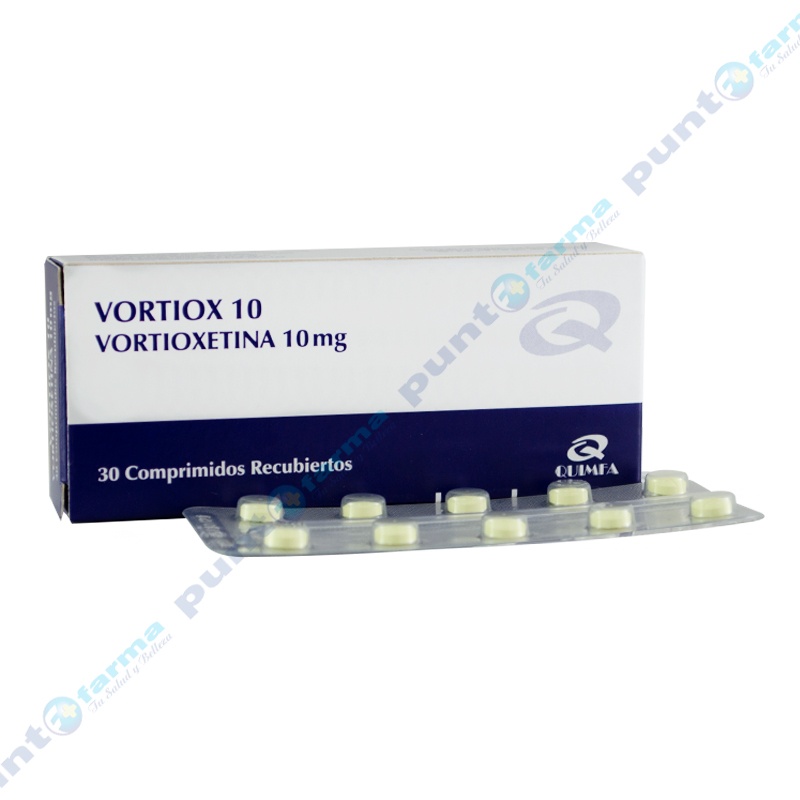
- Country of registration
- Dosage formTABLET, 10 mg
- ATC codeN06AX26
- Active substance
- Prescription requiredYes
- Manufacturer
- CompositionMANITOL (E-421) (149,05 mg mg)
- This information is for reference only and does not constitute medical advice. Always consult a doctor before taking any medication. Oladoctor is not responsible for medical decisions based on this content.
- Alternatives to VORTIOXETINE STADA 10 mg FILM-COATED TABLETSDosage form: TABLET, 10 mgActive substance: vortioxetineManufacturer: H. Lundbeck A/SPrescription requiredDosage form: TABLET, 15 mgActive substance: vortioxetineManufacturer: H. Lundbeck A/SPrescription requiredDosage form: TABLET, 20 mgActive substance: vortioxetineManufacturer: H. Lundbeck A/SPrescription required
Online doctors for VORTIOXETINE STADA 10 mg FILM-COATED TABLETS
Discuss questions about VORTIOXETINE STADA 10 mg FILM-COATED TABLETS, including use, safety considerations and prescription review, subject to medical assessment and local regulations.







Get VORTIOXETINE STADA 10 mg FILM-COATED TABLETS Prescription Online
Fill in a 2-min form
Tell us your symptoms, history, and what medicine you're requesting.
Pick a doctor or let us assign
Choose a specialist or we'll match you with the next available doctor.
Doctor reviews your case
Usually within 30 minutes. They may ask follow-up questions via chat.
Collect from any pharmacy
Electronic prescription sent to your email — valid across Spain.
Frequently Asked Questions
VORTIOXETINE STADA 10 mg FILM-COATED TABLETS requires a prescription in Spain. You can check with a doctor online whether this medicine may be appropriate for your situation.
The active ingredient in VORTIOXETINE STADA 10 mg FILM-COATED TABLETS is vortioxetine. This information helps identify medicines with the same composition but different brand names.
VORTIOXETINE STADA 10 mg FILM-COATED TABLETS is manufactured by Laboratorio Stada S.L.. Pharmacy brands and packaging may differ depending on the distributor.
Doctors such as Family doctors, Psychiatrists, Dermatologists, Cardiologists, Endocrinologists, Gastroenterologists, Pulmonologists, Nephrologists, Rheumatologists, Hematologists, Infectious disease physicians, Allergists, Geriatricians, Paediatricians, Oncologists may assess whether VORTIOXETINE STADA 10 mg FILM-COATED TABLETS is appropriate, depending on your situation and local regulations. You can book an online consultation to discuss your symptoms and possible next steps.
Spain has a well-developed healthcare infrastructure across major cities such as Madrid, Barcelona, Valencia, and Seville. Pharmacies are widely available and operate under strict regulations, ensuring access to prescribed medications.
You can buy VORTIOXETINE STADA 10 mg FILM-COATED TABLETS in Madrid, Barcelona, Seville, or Valencia at any local pharmacy with a valid prescription.
To obtain a prescription, you can use Oladoctor:
Other medicines with the same active substance (vortioxetine) include Brintellix 10 mg film-coated tablets, BRINTELLIX 15 mg FILM-COATED TABLETS, Brintellix 20 mg film-coated tablets. These may have different brand names or formulations but contain the same therapeutic ingredient. Always consult a doctor before switching or starting a new medicine.
