


VANCOMYCIN SALA 1000 mg POWDER FOR CONCENTRATE FOR INFUSION SOLUTION
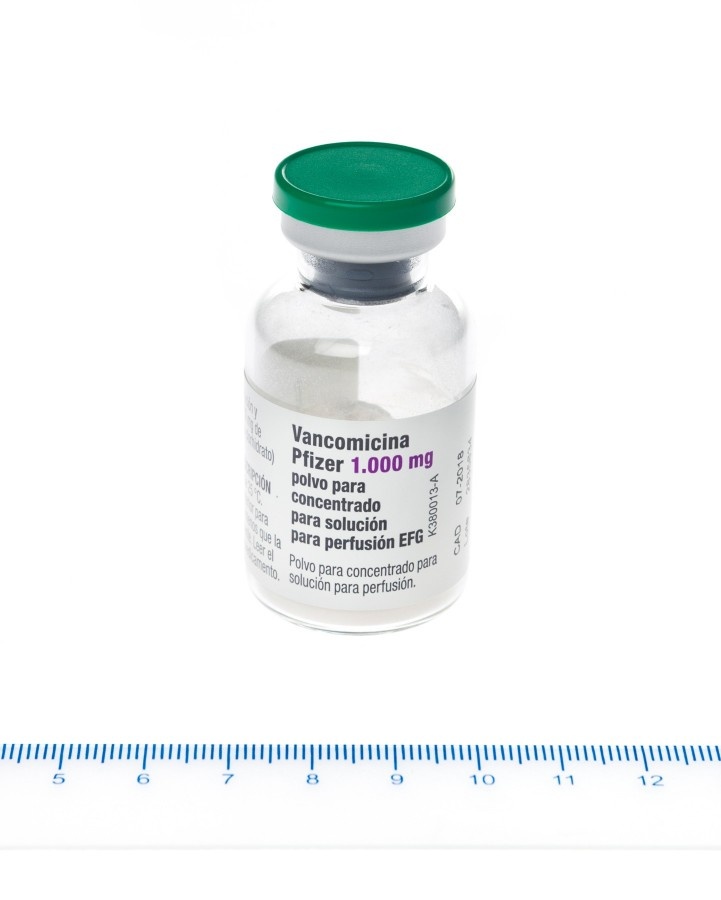



How to use VANCOMYCIN SALA 1000 mg POWDER FOR CONCENTRATE FOR INFUSION SOLUTION
Translated with AI
This page provides general information and does not replace a doctor’s consultation. Always consult a doctor before taking any medication. Seek urgent medical care if symptoms are severe.
Show originalContents of the leaflet
Introduction
Package Leaflet: Information for the Patient
Vancomycin Sala 1000 mg powder for concentrate for solution for infusion EFG
Read all of this leaflet carefully before you start using this medicine because it contains important information for you. -Keep this leaflet, you may need to read it again. -If you have any further questions, ask your doctor, pharmacist, or nurse. -This medicine has been prescribed for you only. Do not pass it on to others. It may harm them, even if their signs of illness are the same as yours. -If you get any side effects, talk to your doctor, pharmacist, or nurse. This includes any possible side effects not listed in this leaflet. See section 4. |
Contents of the pack:
- What Vancomycin Sala is and what it is used for.
- Before you are given Vancomycin Sala
- How Vancomycin Sala is given
- Possible side effects.
- Storing Vancomycin Sala
- Contents of the pack and further information
1. What Vancomycin Sala is and what it is used for
Vancomycin is an antibiotic that belongs to the group of “glycopeptides” and works by killing certain bacteria that cause infections.
Vancomycin powder is converted into a solution for infusion or oral solution.
Antibiotics are used to treat bacterial infections and are not effective against viral infections such as flu or the common cold. It is important that you follow the instructions regarding dose, administration interval, and treatment duration as indicated by your doctor. Do not store or reuse this medicine. If you have any leftover antibiotic after completing treatment, return it to the pharmacy for proper disposal. Do not throw medicines down the drain or in the trash. |
Vancomycin is used in all age groups via intravenous infusion for the treatment of the following severe infections:
-Infections of the skin and tissues under the skin.
-Infections of the bones and joints.
-A lung infection called “pneumonia”
-Infection of the inner lining of the heart (endocarditis) and to prevent endocarditis in patients at risk when undergoing major surgical procedures;
- Infection in the blood related to the aforementioned infections.
Vancomycin can be administered orally in adults and children for the treatment of intestinal mucosa infection, small intestine, and large intestine with mucosal damage (pseudomembranous colitis), caused by the bacteria Clostridium difficile.

2. What you need to know before you are given Vancomycin Sala
Do not use vancomycin
If you are allergic to vancomycin or any of the other ingredients of this medicine (listed in section 6).
Warnings and precautions
Talk to your doctor or hospital pharmacist or nurse before using vancomycin if:
- You have had an allergic reaction to teicoplanin, as this may also mean you are allergic to vancomycin.
- You have a hearing problem, especially if you are an elderly person (you may need hearing tests during treatment).
- You have kidney problems (you will need to have blood tests and kidney tests during treatment).
- You are being given vancomycin by infusion for the treatment of diarrhea associated with Clostridium difficileinfection instead of orally.
- You have ever developed a severe rash or skin peeling, blisters, and/or sores in the mouth after taking vancomycin.
Severe skin reactions have been reported, including Stevens-Johnson syndrome, toxic epidermal necrolysis, drug rash with eosinophilia and systemic symptoms (DRESS), and acute generalized exanthematous pustulosis (AGEP) in association with vancomycin treatment. Stop using vancomycin and seek medical attention immediately if you notice any of the symptoms described in section 4.
Severe side effects have been reported that can cause loss of vision after vancomycin is injected into the eyes.
Talk to your doctor or hospital pharmacist or nurse during treatment with vancomycin if:
- You are being given vancomycin for a long time (you may need to have blood tests, a test to check liver or kidney function, during treatment).
- You develop any skin reaction during treatment.
- You develop severe or chronic diarrhea during or after using vancomycin. This can be a sign of inflammation of the intestine (pseudomembranous colitis) that can occur after antibiotic treatment.
Children
Vancomycin is used with special care in premature babies and small babies, as their kidneys are not fully developed and may accumulate vancomycin in the blood.
To control vancomycin levels in the blood, blood tests are performed for this age group.
The simultaneous administration of vancomycin and anesthetic agents has been associated with skin redness (erythema) and allergic reactions in children. Similarly, the use of other medications such as aminoglycoside antibiotics, non-steroidal anti-inflammatory drugs (NSAIDs, e.g., ibuprofen), or amphotericin B (a medication to treat fungal infections) may increase the risk of kidney damage, and therefore, kidney and blood tests will be needed more frequently.
Other medicines and Vancomycin Sala
Tell your doctor or pharmacist if you are taking, have recently taken, or might take any other medicines, including those obtained without a prescription.
Special care is needed if you are taking or using other medicines, as some may interact with vancomycin.
The following medicines may interact with Vancomycin:
- Piperacillin/tazobactam, as it may affect the kidneys.
- Anesthetic agents: the simultaneous administration of intravenous vancomycin and anesthetic agents has been associated with skin redness and allergic reactions.
- Muscle relaxants.
- Medicines for bacterial infections (e.g., polymyxin B, colistin, bacitracin, and aminoglycosides).
- Medicines for fungal infections (amphotericin B).
- Medicines for tuberculosis (viomycin).
- Medicines for cancer (cisplatin).
- It should be administered with caution in patients allergic to another glycopeptide antibiotic called teicoplanin, as cross-allergic reactions have been detected.
Pregnancy, breastfeeding, and fertility
If you are pregnant or breastfeeding, think you may be pregnant, or are planning to have a baby, ask your doctor or pharmacist for advice before taking this medicine. Vancomycin should only be used during pregnancy and breastfeeding when the benefits outweigh the risks. Vancomycin crosses the placenta and may cause toxicity to the fetus. Vancomycin passes into breast milk. Your doctor may decide that you should stop breastfeeding.
Driving and using machines
Vancomycin has no or negligible influence on the ability to drive and use machines.
3. How to use Vancomycin Sala
Medical staff will give you vancomycin during your hospital stay. Your doctor will decide the amount of medicine you should receive each day and how long the treatment will last.
Dose:
The dose given will depend on:
-your age,
-your weight,
-the infection you have,
-kidney function,
-your hearing,
-any other medicine you are taking.
Intravenous administration
Adults and adolescents (from 12 years and older)
The dose will be calculated according to your body weight. The usual infusion dose is 15 to 20 mg per kg of body weight. It is usually given every 8 to 12 hours. In some cases, the doctor may decide to give an initial dose of up to 30 mg per kg of body weight. The maximum daily dose should not exceed 2g.
Use in children
Children from 1 month to less than 12 years of age
The dose will be calculated according to your body weight. The usual infusion dose is 10 to 15 mg per kg of body weight. It is usually given every 6 hours.
Preterm and term newborns (from 0 to 27 days)
The dose will be calculated according to post-menstrual age (the time between the first day of the last menstrual period and birth (gestational age) plus the time after birth (postnatal age).
Elderly patients, pregnant women, and patients with kidney disorders, including those on dialysis, may need a different dose.
Oral administration
Adults and adolescents (from 12 to 18 years)
The recommended dose is 125mg every 6 hours. In some cases, the doctor may decide to give a higher daily dose of up to 500mg every 6 hours. The maximum daily dose should not exceed 2g.
If you have had other episodes (mucosal infection) before, you may need a different dose and duration of therapy.
Use in children
Neonates, infants, and children under 12 years
The recommended dose is 10 mg per kg of body weight. It is usually given every 6 hours. The maximum daily dose should not exceed 2g.
Method of administration
Intravenous infusion means that the medicine flows from an infusion bottle or bag through a tube into one of your blood vessels and into your body. Your doctor or nurse will always administer vancomycin into the blood and not into the muscle.
Vancomycin is administered into the vein over at least 60 minutes.
If it is administered for the treatment of gastrointestinal disorders (called pseudomembranous colitis), the medicine should be administered as an oral solution.
Duration of treatment
The duration of treatment depends on the infection and may last several weeks.
The duration of therapy may be different depending on the individual response to treatment for each patient.
During treatment, blood samples, urine samples, and possibly hearing tests should be taken to look for signs of possible side effects.
If you are given too much Vancomycin Sala
Consult your doctor or pharmacist immediately. In case of accidental overdose, consult the Toxicological Information Service (telephone: 915620420) indicating the medicine and the amount administered. Bring this leaflet with you.

4. Possible side effects
Like all medicines, this medicine can cause side effects, although not everybody gets them.
Vancomycin may cause allergic reactions, although severe allergic reactions (anaphylactic shock) are rare. Tell your doctor immediately if you notice any sudden breathlessness, difficulty breathing, redness on the upper body, skin rash, or itching.
Stop using vancomycin and seek medical attention immediately if you notice any of the following symptoms:
-Red, target-like, or circular patches on the trunk, often with central blisters, skin peeling, mouth ulcers, throat, nose, genitals, and eyes. These severe skin rashes may be preceded by fever and flu-like symptoms (Stevens-Johnson syndrome and toxic epidermal necrolysis).
-Widespread rash, high body temperature, and swollen lymph nodes (DRESS or drug hypersensitivity syndrome).
-Red, scaly, and widespread rash with bumps under the skin and blisters accompanied by fever at the start of treatment (acute generalized exanthematous pustulosis).
The absorption of vancomycin in the gastrointestinal tract is insignificant. However, if you have an inflammatory disorder of the digestive tract, especially if you also have a kidney disorder, side effects that occur when vancomycin is given by infusion may appear.
Common side effects (may affect up to 1 in 10 people):
- Low blood pressure.
- Shortness of breath, wheezing (a high-pitched sound produced by obstruction of air flow in the upper airway)
- Skin rash, inflammation of the mouth mucosa, itching, itchy rash, hives
- Kidney problems that can be detected by a blood test
- Redness of the upper body and face, vein inflammation
Uncommon side effects (may affect up to 1 in 100 people):
- Temporary or permanent hearing loss
Rare side effects (may affect up to 1 in 1,000 people):
- Decrease in white blood cells, red blood cells, and platelets (cells responsible for blood clotting) in the blood
- Increase in some white blood cells in the blood.
- Loss of balance, ringing in the ears, dizziness
- Vessel inflammation
- Nausea (feeling sick)
- Kidney inflammation and kidney failure
- Chest and back muscle pain
- Fever, chills
Very rare side effects (may affect up to 1 in 10,000 people):
- Sudden appearance of a severe allergic reaction on the skin, with peeling or blistering. This may be associated with high fever and joint pain.
- Cardiac arrest.
- Inflammation of the intestine, which causes abdominal pain and diarrhea (which may contain blood)
Frequency not known (cannot be estimated from the available data):
- Vomiting, diarrhea
- Confusion, drowsiness, lack of energy, swelling, fluid retention, decreased urine output
- Rash with swelling or pain behind the ears, in the neck, groin, under the chin, and armpits (inflamed lymph nodes), abnormal blood and liver tests.
- Rash with blisters and fever.
Reporting of side effects
If you experience any side effects, talk to your doctor, pharmacist, or nurse. This includes any possible side effects not listed in this leaflet. You can also report side effects directly through the Spanish Medicines Monitoring System for Human Use: www.notificaram.es.
By reporting side effects, you can help provide more information on the safety of this medicine.
5. Storing Vancomycin Sala
Keep out of sight and reach of children.
Do not use this medicine after the expiry date which is stated on the outer packaging and on the vial as EXP. The expiry date is the last day of the month stated.
 Store protected from light.
Before reconstitution: Do not store above 30°C.
After reconstitution: Store between 2°C and 8°C (in a refrigerator). Shelf life: 14 days (when 5% dextrose or 0.9% sodium chloride is used as a solvent) or 96 hours (when a mixture of 5% dextrose and 0.9% sodium chloride is used; or Ringer-lactate solution; or a mixture of Ringer-lactate and 5% dextrose; or Ringer-acetate solution)
Medicines should not be disposed of via wastewater or household waste. Place the packaging and any unused medicine in the SIGRE point at the pharmacy. If in doubt, ask your pharmacist how to dispose of the packaging and any unused medicine. This will help protect the environment.
6. Container Content and Additional Information
Composition of Vancomicina Sala
The active ingredient is vancomycin.
Vancomicina Sala 1000 mg powder for concentrate for solution for infusion:
Each vial contains 1000 mg of vancomycin hydrochloride equivalent to 1,000,000 UI of vancomycin.
Appearance of the Product and Container Content
Vancomicina Sala 1000 mg powder for concentrate for solution for infusion:
Container containing 1 vial with lyophilized powder of white or almost white or pinkish color for intravenous administration that contains 1 g of vancomycin and clinical container with 100 vials.
Other Sources of Information
Medical Advice/Education
Antibiotics are used to cure infections caused by bacteria. They are ineffective against infections caused by viruses.
If your doctor has prescribed antibiotics, you need them precisely to treat your current illness.
Despite antibiotics, some bacteria may survive or grow. This phenomenon is known as resistance: some antibiotic treatments become ineffective.
The misuse of antibiotics increases resistance. You can even help bacteria become resistant and thus delay your recovery or decrease the effectiveness of antibiotics if you do not respect the following:
- the dose
- the schedule
- the duration of treatment
Therefore, to preserve the effectiveness of this medication:
1-Use antibiotics only when they are prescribed to you.
2-Strictly follow the prescription instructions.
3-Do not reuse an antibiotic without a medical prescription, even if you want to treat a similar illness.
Marketing Authorization Holder and Manufacturer
Marketing Authorization Holder
Laboratorio Reig Jofre, S.A.
Gran Capitán, 10
08970 Sant Joan Despí (Barcelona)
Spain
Manufacturer
BIOMENDI, S.A.
Polígono Industrial s/n
01118 Bernedo (Álava)
Laboratorio Reig Jofre, S.A.
Gran Capitán, 10
08970 Sant Joan Despí (Barcelona)
Spain
Date of the Last Revision of this Prospectus: January 2021
Detailed and updated information about this medication is available on the website of the Spanish Agency for Medicines and Health Products (AEMPS) http://www.aemps.gob.es/
Additional Information for theHealthcare Professional
This information is intended only for doctors or healthcare professionals
Route of Administration:
Vancomycin hydrochloride is irritating to tissues and must be administered by safe intravenous infusion and intermittent infusion. The efficacy and safety of vancomycin administration via intrathecal, intralumbar, or intraventricular routes have not been established. Vancomycin should not be administered intramuscularly due to the risk of necrosis.
Pain and thrombophlebitis may occur in many patients treated with vancomycin via intravenous infusion, sometimes severely. Frequency and severity can be minimized by administering the drug slowly as a diluted solution and changing the infusion sites regularly.
Rapid bolus administration (over several minutes) may be associated with hypotension (including shock and, very rarely, cardiac arrest) as well as histamine responses and maculopapular or erythematous rash (red man syndrome or red neck syndrome).
The frequency of infusion-related reactions (hypotension, flushing, erythema, urticaria, and pruritus) increases with the concomitant administration of anesthetic agents. This can be minimized by administering vancomycin by infusion for at least 60 minutes before inducing anesthesia.
Although intravitreal injection is not an authorized route of administration for vancomycin, the formation of precipitates has been reported after intravitreal injection of vancomycin and ceftazidime for the treatment of endophthalmitis, using different syringes and needles. The precipitates dissolved gradually, with complete clearance of the vitreous cavity over two months, and with improvement in visual acuity.
Vancomycin solutions are acidic and should remain so to prevent the formation of precipitates, which can cause chemical or physical instability when mixed with other substances. Therefore, their mixture with alkaline solutions should be avoided.
It has been shown that mixtures of vancomycin solutions and beta-lactam antibiotics are physically incompatible. The probability of precipitate formation increases with higher concentrations of vancomycin. It is recommended to thoroughly flush intravenous lines between the administration of these antibiotics. It is also recommended to dilute vancomycin solutions to a concentration equal to or less than 5 mg/ml.
 Mode of preparation of VANCOMICINA SALA 1000 mg:
For intravenous administration:
- Reconstitution: at the time of use, add 20 ml of water for injection to the vial containing 1000 mg of vancomycin; this will result in a concentration of 50 mg/ml.
- Dilution: immediately after reconstitution, dilute the reconstituted solution by adding it to 200 ml of diluent.
The desired dose, diluted in this manner, can be administered by intravenous infusion for at least 60 minutes.
For oral administration
Intravenous administration of vancomycin is not effective for the treatment of Clostridium difficileinfection; for this indication, it should be administered orally.
-Administration in children 12 years and older:
- For the first episode of a non-severe Clostridium difficileinfection (CDI), the recommended dose of vancomycin is 125 mg every 6 hours for 10 days. In cases of severe or complicated disease, this dose may be increased to 500 mg every 6 hours for 10 days. The maximum daily dose should not exceed 2 g.
- In patients with multiple recurrences, it may be considered to treat the current episode of CDI with vancomycin 125 mg four times a day for 10 days, followed by a gradual reduction in dose to 125 mg/day or an intermittent regimen, for example, 125-500 mg/day every 2-3 days for at least 3 weeks.
-Administration in neonates, infants, and children under 12 years:
- The recommended dose of vancomycin is 10 mg/kg orally every 6 hours for 10 days. The maximum daily dose should not exceed 2 g.
- The duration of treatment should be adapted to the individual clinical evolution of the patients. Whenever possible, the suspected antibiotic causing the Clostridium difficileinfection should be discontinued. Adequate fluid and electrolyte intake should also be ensured.
The dose to be administered can be reconstituted in 30 ml of water and can be administered orally or through a nasogastric tube. Common flavoring syrups can be added to the solution to improve the taste.
Administration Rate:
Rapid bolus administration (i.e., over several minutes) may be associated with hypotension, including shock, and, very rarely, cardiac arrest.
Vancomycin should be infused slowly in a diluted solution (2.5 to 5.0 mg/ml) at a rate not exceeding 10 mg/min and over a period of not less than 60 minutes to avoid reactions related to rapid infusion. Interruption of the infusion generally produces an immediate cessation of these reactions. It should be sufficiently diluted (at least 100 ml per 500 mg or at least 200 ml per 1,000 mg).
Patients with fluid restrictions can receive a solution of 500 mg/50 ml or 1,000 mg/100 ml, taking into account that the risk of unwanted effects related to infusion may increase at high concentrations.
- Country of registration
- Dosage formINJECTABLE, 1 g vancomycin hydrochloride
- ATC codeJ01XA01
- Active substance
- Prescription requiredYes
- Manufacturer
- This information is for reference only and does not constitute medical advice. Always consult a doctor before taking any medication. Oladoctor is not responsible for medical decisions based on this content.
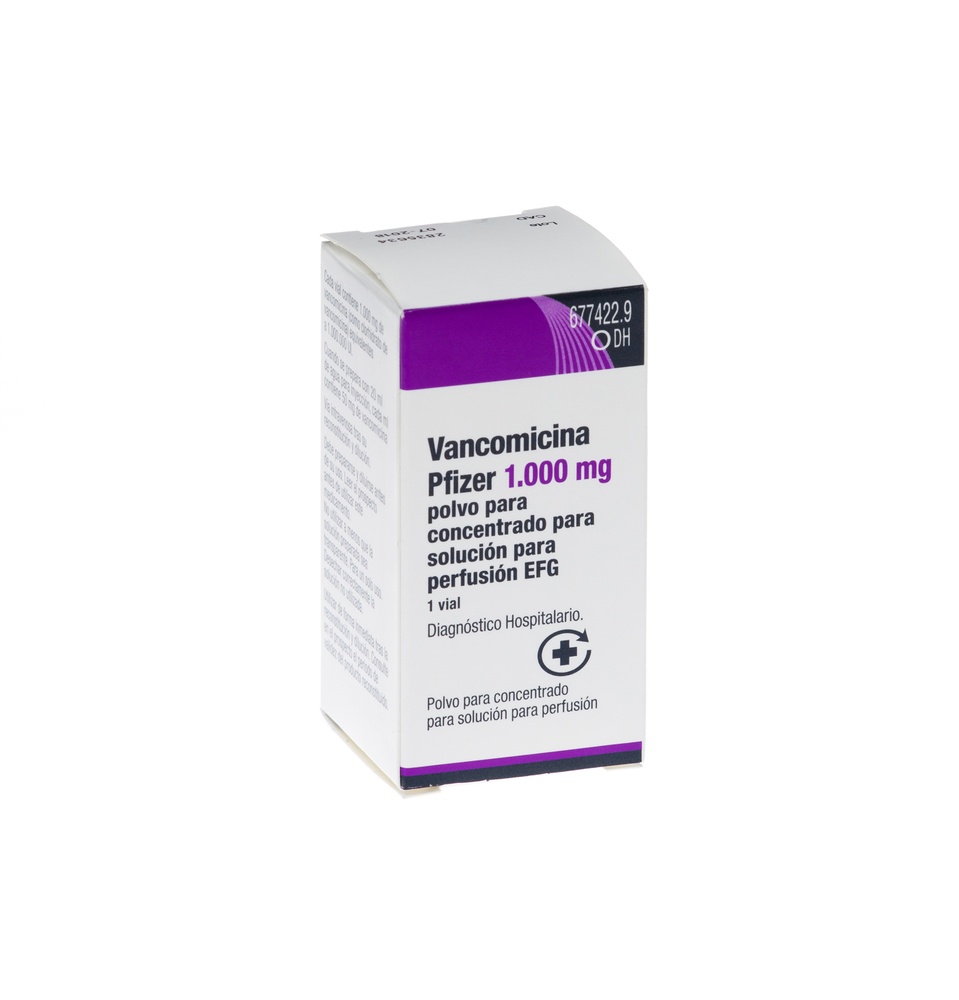
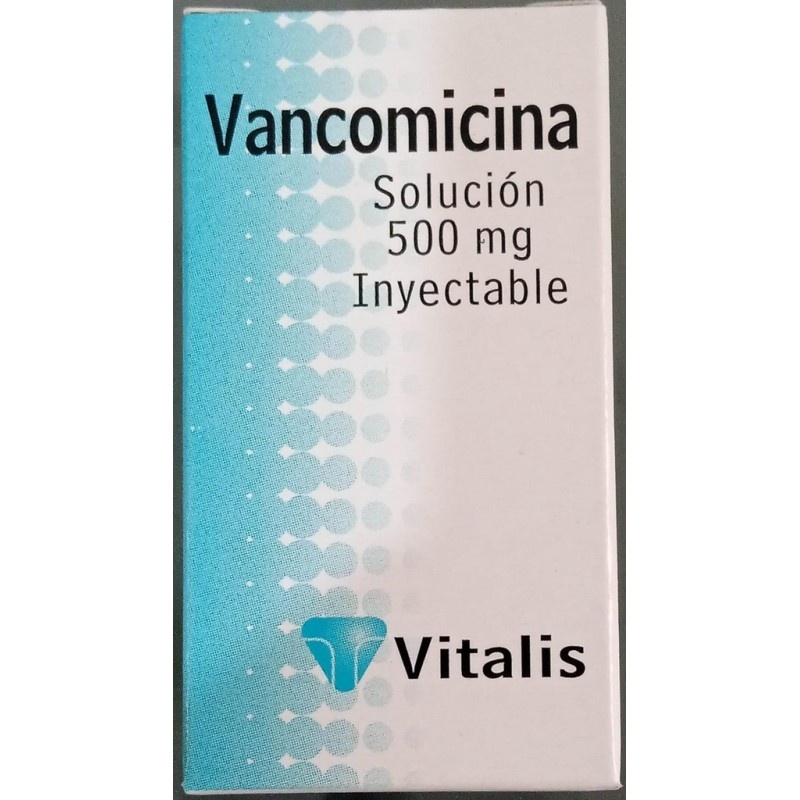
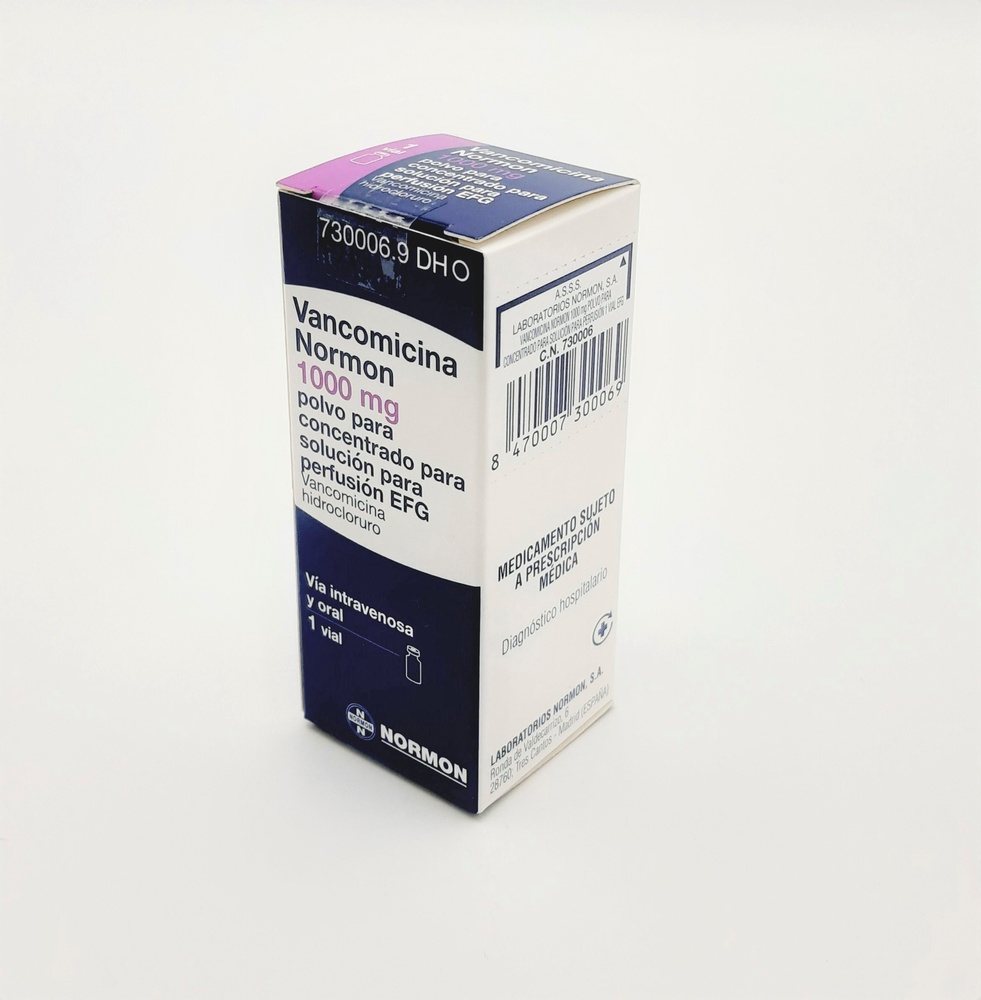
- Alternatives to VANCOMYCIN SALA 1000 mg POWDER FOR CONCENTRATE FOR INFUSION SOLUTIONDosage form: INJECTABLE INFUSION, 1000 mgActive substance: vancomycinManufacturer: Mip Pharma GmbhPrescription requiredDosage form: INJECTABLE PERFUSION, 500 mgActive substance: vancomycinManufacturer: Mip Pharma GmbhPrescription requiredDosage form: INJECTABLE INFUSION, 1000 mgActive substance: vancomycinManufacturer: Laboratorios Normon S.A.Prescription required
Online doctors for VANCOMYCIN SALA 1000 mg POWDER FOR CONCENTRATE FOR INFUSION SOLUTION
Discuss questions about VANCOMYCIN SALA 1000 mg POWDER FOR CONCENTRATE FOR INFUSION SOLUTION, including use, safety considerations and prescription review, subject to medical assessment and local regulations.











Frequently Asked Questions
