


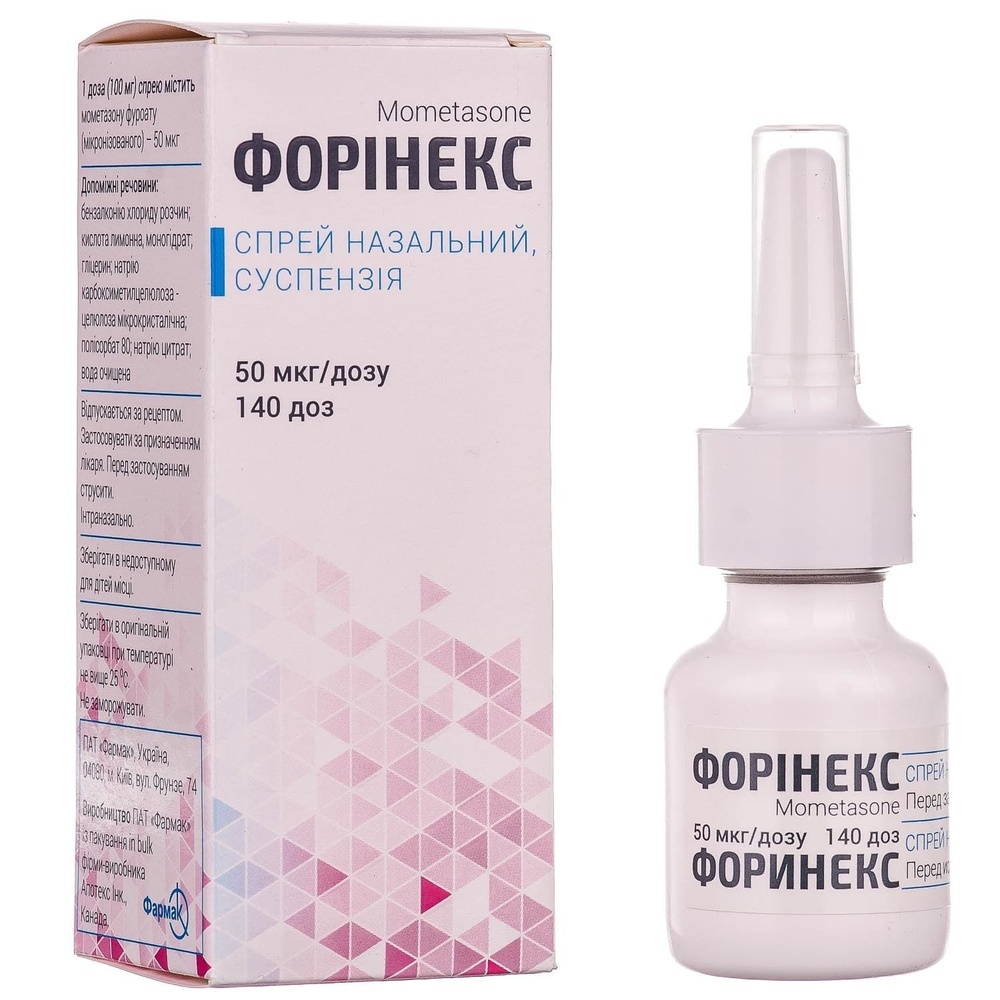
FORINEKS
Ask a doctor about a prescription for FORINEKS




How to use FORINEKS
INSTRUCTIONS FOR MEDICAL USE OF THE MEDICINAL PRODUCT LIPRETTO
Composition
The active substance is rosuvastatin; 1 tablet contains rosuvastatin calcium equivalent to 10 mg or 20 mg or 40 mg of rosuvastatin; excipients: lactose monohydrate; microcrystalline cellulose; calcium hydrogen phosphate; sodium croscarmellose; magnesium stearate; hypromellose; titanium dioxide (E 171); talc; polyethylene glycol 6000 (macrogol 6000).
Pharmaceutical form
Film-coated tablets.
Main physical and chemical properties
Biconvex, round tablets, from white to almost white in color, film-coated.
Pharmacotherapeutic group
Hypolipidemic agents. HMG-CoA reductase inhibitors. Rosuvastatin. ATC code C10AA07.
Pharmacological properties
Pharmacodynamics
Mechanism of action
Rosuvastatin is a selective and competitive inhibitor of HMG-CoA reductase, an enzyme that limits the rate of reaction and converts 3-hydroxy-3-methylglutaryl coenzyme A to mevalonate, a precursor of cholesterol. The main site of action of rosuvastatin is the liver - the target organ for reducing cholesterol levels.
Pharmacodynamic effect
The medicinal product LIPRETTO reduces elevated levels of LDL-C, total cholesterol, and triglycerides, and increases the level of high-density lipoprotein cholesterol (HDL-C). It also reduces the level of apolipoprotein B (ApoB), non-HDL-C, LDL-C, VLDL-C, and VLDL-TG, and increases the level of apolipoprotein A-I (ApoA-I) (see Table 1). The medicinal product LIPRETTO also reduces the ratio of LDL-C/HDL-C, total C/HDL-C, non-HDL-C/HDL-C, and ApoB/ApoA-I.
| Dose | N | LDL-C | Total C | HDL-C | TG | Non-HDL-C | ApoB | ApoA-I |
| Placebo | 13 | -7 | -5 | 3 | -3 | -7 | -3 | 0 |
| 5 | 17 | -45 | -33 | 13 | -35 | -44 | -38 | 4 |
| 10 | 17 | -52 | -36 | 14 | -10 | -48 | -42 | 4 |
| 20 | 17 | -55 | -40 | 8 | -23 | -51 | -46 | 5 |
| 40 | 18 | -63 | -46 | 10 | -28 | -60 | -54 | 0 |
Clinical efficacy and safety
Rosuvastatin is effective in the treatment of adults with hypercholesterolemia - with or without hypertriglyceridemia - regardless of race, gender, or age, as well as in patients with special conditions, such as those with diabetes or patients with familial hypercholesterolemia.
Pharmacokinetics
Absorption
The maximum concentration of rosuvastatin in plasma (Cmax) is reached approximately 5 hours after oral administration. The absolute bioavailability is approximately 20%.
Distribution
Rosuvastatin is extensively taken up by the liver, which is the primary site of cholesterol synthesis and LDL-C clearance. The volume of distribution of rosuvastatin is approximately 134 liters. Approximately 90% of rosuvastatin is bound to plasma proteins, mainly to albumin.
Metabolism
Rosuvastatin undergoes minimal metabolism (approximately 10%). In vitro metabolism studies using human hepatocytes indicate that rosuvastatin is a weak substrate for cytochrome P450 metabolism. The main enzyme involved is CYP2C9, with a minor role for CYP2C19, CYP3A4, and CYP2D6. The main identified metabolites are the N-desmethyl and lactone metabolites. The N-desmethyl metabolite is approximately 50% less active than rosuvastatin, and the lactone metabolite is considered clinically inactive. Rosuvastatin accounts for more than 90% of the circulating HMG-CoA reductase inhibitor activity.
Elimination
Approximately 90% of the rosuvastatin dose is excreted unchanged in the feces (both absorbed and unabsorbed active substance), and the rest is excreted in the urine. Approximately 5% is excreted in the urine in unchanged form. The half-life of rosuvastatin in plasma is approximately 19 hours and does not increase with increasing dose. The mean geometric value of the plasma clearance of the drug is approximately 50 liters/hour (coefficient of variation - 21.7%). As with other HMG-CoA reductase inhibitors, the hepatic uptake of rosuvastatin is mediated by the membrane transporter OATP-C, which plays an important role in the hepatic elimination of rosuvastatin.
Linearity
The systemic exposure to rosuvastatin increases in proportion to the dose. With multiple daily dosing, the parameters of pharmacokinetics do not change.
Special patient groups
Age and gender
No clinically significant effect of age or gender on the pharmacokinetics of rosuvastatin was observed in adults. The exposure to rosuvastatin in children and adolescents with heterozygous familial hypercholesterolemia was similar to or lower than in adult patients with dyslipidemia (see section "Children").
Race
Pharmacokinetic studies have shown that in patients of Mongoloid race (Japanese, Chinese, Filipinos, Vietnamese, and Koreans), the median values of the area under the pharmacokinetic curve "concentration-time" (AUC) and Cmax are approximately twice as high as in Europeans; in Indians, the median values of AUC and Cmax are increased by approximately 1.3 times. The analysis of population pharmacokinetics did not reveal a clinically significant difference between patients of European and Negroid races.
Renal impairment
In a study in patients with varying degrees of renal impairment, changes in plasma concentrations of rosuvastatin or N-desmethyl metabolite were not observed in patients with mild or moderate renal impairment. In patients with severe renal impairment (creatinine clearance <30 mL/min), plasma concentrations of rosuvastatin and N-desmethyl metabolite were 3 and 9 times higher, respectively, compared to healthy volunteers. Steady-state plasma concentrations of rosuvastatin in patients on hemodialysis were approximately 50% higher than in healthy volunteers.
Hepatic impairment
In a study of patients with varying degrees of hepatic impairment, no signs of increased exposure to rosuvastatin were found in patients whose condition was assessed as 7 or less on the Child-Pugh scale. However, in two patients who scored 8 and 9 on the Child-Pugh scale, systemic exposure was at least twice as high as in patients with lower scores. Experience with the use of rosuvastatin in patients whose condition is assessed as more than 9 points on the Child-Pugh scale is absent.
Genetic polymorphism
HMG-CoA reductase inhibitors, including rosuvastatin, are transported by transport proteins, including the hepatic uptake transporter OATP1B1 and the efflux transporter BCRP. In patients with genetic polymorphism SLCO1B1 (OATP1B1) and/or ABCG2 (BCRP), there is a risk of increased exposure to rosuvastatin. In individual forms of SLCO1B1 polymorphism, c.521CC and ABCG2 c.421AA, the AUC of rosuvastatin is increased compared to the SLCO1B1 c.521TT or ABCG2 c.421CC genotypes. Special genotyping in clinical practice is not provided, but patients with such polymorphism are recommended to use a lower daily dose of the medicinal product LIPRETTO.
Clinical characteristics
Indications
Treatment of hypercholesterolemia in adults, adolescents, and children aged 6 years and older with primary hypercholesterolemia (type IIa, including heterozygous familial hypercholesterolemia) or mixed dyslipidemia (type IIb) as an adjunct to diet, when adherence to diet and use of other non-pharmacological means (such as physical exercise, weight loss) are insufficient.
Contraindications
The medicinal product LIPRETTO is contraindicated in patients with hypersensitivity to rosuvastatin or to any of the excipients of the medicinal product; patients with active liver disease, including persistent elevations of serum transaminases of unknown etiology and any elevations of transaminases in serum that exceed three times the upper limit of normal (ULN); patients with severe renal impairment (creatinine clearance <30 mL/min); patients with myopathy; patients who are taking a combination of sofosbuvir/velpatasvir/voxilaprevir (see section "Interactions with other medicinal products and other forms of interaction"); patients who are taking cyclosporine; during pregnancy and breastfeeding, as well as women of reproductive age who do not use adequate means of contraception.
Interactions with other medicinal products and other forms of interaction
Effect of concomitant drugs on rosuvastatin
Transporter inhibitors Rosuvastatin is a substrate for some transport proteins, including the hepatic uptake transporter OATP1B1 and the efflux transporter BCRP. Concomitant administration of the medicinal product LIPRETTO with medicinal products that inhibit these transport proteins may lead to increased concentrations of rosuvastatin in plasma and an increased risk of myopathy (see sections "Method of administration and dosage", "Special warnings and precautions for use", "Interactions with other medicinal products and other forms of interaction", Table 2).
Table 2 - Effect of concomitant medicinal products on exposure to rosuvastatin (AUC; in order of decreasing magnitude) according to published data from clinical studies
| Regimen of concomitant medicinal product | Regimen of rosuvastatin | Changes in AUC of rosuvastatin** |
| Sofosbuvir/velpatasvir/voxilaprevir (400 mg-100 mg-100 mg) + voxilaprevir (100 mg) once daily for 15 days | 10 mg, single dose | ↑ 7.4 times |
| Cyclosporine from 75 mg twice daily to 200 mg twice daily, 6 months | 10 mg once daily, 10 days | ↑ 7.1 times |
| Darolutamide 600 mg twice daily, 5 days | 5 mg, single dose | ↑ 5.2 times |
| Regorafenib 160 mg once daily, 14 days | 5 mg, single dose | ↑ 3.8 times |
| Atazanavir 300 mg/ritonavir 100 mg once daily, 8 days | 10 mg, single dose | ↑ 3.1 times |
| Velpatasvir 100 mg once daily | 10 mg, single dose | ↑ 2.7 times |
| Ombitasvir 25 mg/paritaprevir 150 mg/ritonavir 100 mg once daily/dasabuvir 400 mg twice daily, 14 days | 5 mg, single dose | ↑ 2.6 times |
| Teriflunomide | Data not available | ↑ 2.5 times |
| Grazoprevir 200 mg/elbasvir 50 mg once daily, 11 days | 10 mg, single dose | ↑ 2.3 times |
| Glecaprevir 400 mg/pibrentasvir 120 mg once daily, 7 days | 5 mg once daily, 7 days | ↑ 2.2 times |
| Lopinavir 400 mg/ritonavir 100 mg twice daily, 17 days | 20 mg once daily, 7 days | ↑ 2.1 times |
| Capmatinib 400 mg twice daily | 10 mg, single dose | ↑ 2.1 times |
| Clopidogrel 300 mg, then 75 mg after 24 hours | 20 mg, single dose | ↑ 2 times |
| Fostamatinib 100 mg twice daily | 20 mg, single dose | ↑ 2.0 times |
| Febuxostat 120 mg once daily | 10 mg, single dose | ↑ 1.9 times |
| Gemfibrozil 600 mg twice daily, 7 days | 80 mg, single dose | ↑ 1.9 times |
Special warnings and precautions for use
Effect on kidneys
Proteinuria, detected by dipstick analysis and predominantly of tubular origin, was observed in patients treated with higher doses of rosuvastatin, in particular 40 mg, and in most cases was transient or intermittent. Proteinuria was not a precursor to acute or progressive kidney disease (see section "Adverse reactions"). The frequency of reports of serious renal events in post-marketing studies is higher with the use of a dose of 40 mg. In patients taking the medicinal product in a dose of 40 mg, it is recommended to regularly monitor kidney function.
Effect on skeletal muscle
Disorders of skeletal muscle, such as myalgia, myopathy, and rarely rhabdomyolysis, were observed in patients taking rosuvastatin at any dose, especially more than 20 mg. Very rare cases of rhabdomyolysis have been reported with the use of ezetimibe in combination with HMG-CoA reductase inhibitors. A pharmacodynamic interaction cannot be ruled out (see section "Interactions with other medicinal products and other forms of interaction"), and therefore such a combination should be used with caution.
Use during pregnancy or breastfeeding
The medicinal product LIPRETTO is contraindicated during pregnancy and breastfeeding.
Ability to influence the speed of reaction when driving vehicles or working with mechanisms
Studies of the effect of rosuvastatin on the ability to drive a car and work with mechanisms have not been conducted. However, given the pharmacodynamic properties of the drug, it is unlikely to affect such ability. When driving a car or working with mechanisms, one should take into account the possibility of dizziness during treatment.
Method of administration and dosage
Before starting treatment, the patient should be prescribed a standard hypolipidemic diet, which they should follow during treatment. The dose should be selected individually, depending on the goal of therapy and the patient's response to treatment, following the recommendations of current generally accepted guidelines.
Children
The use of the medicinal product in children should be carried out only by a specialist.
Overdose
There is no specific treatment for overdose. In case of overdose, the patient should be treated symptomatically and, if necessary, supportive measures should be taken. It is necessary to monitor liver function and CK levels. The effectiveness of hemodialysis is unlikely.
Adverse reactions
Undesirable phenomena that occur when using rosuvastatin are usually mild and temporary. In controlled clinical trials, less than 4% of patients who used rosuvastatin withdrew from the study due to adverse reactions.
Shelf life
2 years.
Storage conditions
Store at a temperature not exceeding 25 °C in the original packaging. Store in a place inaccessible to children.
Packaging
Tablets of 10 mg, 20 mg - 10 tablets in a blister pack, 3 blister packs together with instructions for medical use in a cardboard box or 9 blister packs together with instructions for medical use in a cardboard box. Or 30 tablets in a bottle, 1 bottle together with instructions for medical use in a cardboard box. Tablets of 40 mg - 10 tablets in a blister pack, 3 blister packs together with instructions for medical use in a cardboard box. Or 30 tablets in a bottle, 1 bottle together with instructions for medical use in a cardboard box.
Release category
By prescription.
Manufacturer
LLC NPF "MICROHIM" (responsible for the release of the series, excluding control/testing of the series)
Location of the manufacturer and address of the place of its activity
Ukraine, 01013, Kyiv, Budindustrii Street, 5.
Applicant
LLC NPF "MICROHIM"
Location of the applicant
Ukraine, 01013, Kyiv, Budindustrii Street, 5.
You can report an adverse event when using the medicinal product by phone +38 (050) 309-83-54 (around the clock).
- Country of registration
- Active substance
- Prescription requiredYes
- Manufacturer
- This information is for reference only and does not constitute medical advice. Always consult a licensed doctor before taking any medication. Oladoctor is not responsible for medical decisions based on this content.
- Alternatives to FORINEKSDosage form: spray, 50 mcg/doseActive substance: mometasoneManufacturer: ФармеаPrescription requiredDosage form: spray, 50 mcg/doseActive substance: mometasoneManufacturer: Гленмарк Фармасьютикалз Лтд.Prescription requiredDosage form: spray, 50 mcg/dose 18gActive substance: mometasoneManufacturer: УОРЛД МЕДИЦИН ІЛАЧ САН. ВЕ ТІДЖ. А.Ш.Prescription required
Alternatives to FORINEKS in other countries
The best alternatives with the same active ingredient and therapeutic effect.
Alternative to FORINEKS in Spain
Alternative to FORINEKS in Poland
Online doctors for FORINEKS
Discuss dosage, side effects, interactions, contraindications, and prescription renewal for FORINEKS – subject to medical assessment and local rules.



Get updates and exclusive offers
Be the first to know about new services, marketplace updates, and subscriber-only promos.

