



TAPIMIO 25 mg Modified-Release Tablets

Prescription review online
A doctor will review your case and decide whether a prescription is medically appropriate.

Talk to a doctor about this medicine
Discuss your symptoms and possible next steps in a quick online consultation.



How to use TAPIMIO 25 mg PROLONGED-RELEASE TABLETS
Contents of the leaflet
- Introduction
- What is Tapimio and what is it used for
- What you need to know before you take Tapimio
- How to take Tapimio
- Possible Adverse Effects
- Storage of Tapimio
- Package Contents and Additional Information
Introduction
Package Leaflet: Information for the User
Tapimio 25 mg prolonged-release tablets
Tapentadol
Read all of this leaflet carefully before you start taking this medicine because it contains important information for you.
- Keep this leaflet, you may need to read it again.
- If you have any further questions, ask your doctor or pharmacist.
- This medicine has been prescribed for you only. Do not pass it on to others. It may harm them, even if their signs of illness are the same as yours.
- If you get any side effects, talk to your doctor or pharmacist. This includes any possible side effects not listed in this leaflet. See section 4.
Contents of the pack
- What is Tapimio and what is it used for
- What you need to know before you take Tapimio
- How to take Tapimio
- Possible side effects
- Storage of Tapimio
- Contents of the pack and other information
1. What is Tapimio and what is it used for
Tapentadol - the active substance of Tapimio - is a potent analgesic belonging to the class of opioids.
Tapimio is used for the treatment of severe chronic pain in adults that can only be adequately managed with an opioid analgesic.

Not sure if this medicine is right for you?
Discuss your symptoms and treatment with a doctor online.
2. What you need to know before you take Tapimio
Do not take Tapimio:
- if you are allergic to tapentadol or any of the other ingredients of this medicine (listed in section 6),
- if you have asthma or if your breathing is slow or shallow to dangerous levels (respiratory depression, hypercapnia),
- if you have intestinal paralysis,
- if you have consumed alcohol, sleeping pills, other analgesics or other psychotropic medicines (medicines that affect mood and emotions) at high doses (see section "Other medicines and Tapimio”).
Warnings and precautions
Talk to your doctor or pharmacist before you start taking this medicine:
- if your breathing is slow or shallow,
- if you have increased intracranial pressure or altered consciousness up to coma,
- if you have had a head injury or brain tumors,
- if you have liver or kidney disease (see section “How to take Tapimio”),
- if you have a disease of the pancreas or bile ducts, including pancreatitis,
- if you are taking medicines called mixed opioid agonist/antagonists (e.g. pentazocine, nalbuphine) or partial agonists of opioid μ receptors (e.g. buprenorphine),
- if you are prone to epilepsy or convulsive seizures, or if you are taking other medicines with a known risk of increasing seizures, as the risk of these seizures may increase.
- if you or a family member have a history of abuse or dependence on alcohol, prescription drugs, or illicit substances (“addiction”).
- if you smoke,
- if you have ever had problems with your mood (depression, anxiety, or personality disorder) or have received psychiatric treatment for other mental illnesses.
This medicine contains tapentadol, which is an opioid medicine. Repeated use of opioid analgesics can reduce their effectiveness (you can get used to them). It can also lead to dependence and abuse, which can result in a potentially fatal overdose. It is essential that you inform your doctor if you think you may have developed dependence on this medicine. Its use (even at therapeutic doses) can cause physical dependence, which may cause you to suffer from withdrawal effects and a recurrence of your problems if you stop taking this treatment suddenly.
Tapentadol can cause physical and psychological addiction. If you have a tendency to abuse medicines or are dependent on medicines, you should only take these tablets for short periods under strict medical supervision.
Respiratory disorders related to sleep
Tapentadol can cause respiratory disorders related to sleep, such as sleep apnea (pauses in breathing during sleep) and sleep-related hypoxemia (low oxygen levels in the blood). Symptoms may include pauses in breathing during sleep, nighttime awakenings due to difficulty breathing, difficulty maintaining sleep, or excessive daytime sleepiness. If you or someone else observes these symptoms, consult your doctor. Your doctor may consider reducing the dose.
Other medicines and Tapimio
Tell your doctor or pharmacist if you are taking, have recently taken, or might take any other medicines.
- The risk of side effects increases if you are taking medicines that can cause seizures (attacks), such as certain antidepressants or antipsychotics. The risk of seizures increases if you take this medicine simultaneously with these medicines. Your doctor will tell you if this medicine is suitable for you.
- Taking tapentadol with sedative medicines such as benzodiazepines or related medicines (certain sleeping pills or tranquilizers [e.g., barbiturates] or analgesics like opioids, morphine, and codeine [also as a cough medicine], antipsychotics, antihistamines H1, alcohol) increases the risk of drowsiness, breathing difficulties (respiratory depression), coma, and can be potentially fatal. Due to this, concomitant use should only be considered when other treatment options are not possible.
However, if your doctor prescribes tapentadol with sedative medicines, they will limit the dose and duration of concomitant treatment.
Taking opioids with medicines used to treat epilepsy, nerve pain, or anxiety (gabapentin and pregabalin) increases the risk of opioid overdose, respiratory depression, and can be potentially fatal.
Tell your doctor if you are taking gabapentin or pregabalin or any other sedative medicine and follow your doctor's dosage recommendation to the letter.
It may be helpful to inform friends or family members so they are aware of the signs and symptoms mentioned above. Contact your doctor when you experience these symptoms.
- If you are taking a type of medicine that affects serotonin levels (e.g., certain medicines for treating depression), talk to your doctor before taking this medicine, as there have been cases of "serotonin syndrome". Serotonin syndrome is a rare but potentially life-threatening disorder. Symptoms can include involuntary rhythmic muscle contractions, including muscles that control eye movement, agitation, excessive sweating, tremors, exaggerated reflexes, increased muscle tension, and body temperature above 38°C. Your doctor can provide additional information.
- The concomitant administration of tapentadol with other types of medicines called mixed opioid agonist/antagonists (e.g., pentazocine, nalbuphine) or partial agonists of opioid μ receptors (e.g., buprenorphine) has not been studied. It is possible that tapentadol may not have the same efficacy if administered with one of these medicines. Inform your doctor if you are currently being treated with one of these medicines.
- The administration of this medicine with potent inhibitors or inducers (e.g., rifampicin, phenobarbital, St. John's Wort) of certain enzymes necessary for the elimination of tapentadol from your body may affect the efficacy of tapentadol or may cause adverse effects, especially when starting or stopping this other type of medication. Keep your doctor informed about all medicines you are taking.
- Tapentadol should not be taken with MAO inhibitors (medicines for treating depression). Inform your doctor if you are taking MAO inhibitors or if you have taken them in the last 14 days.
Taking Tapimio with food, drinks, and alcohol
Do not consume alcohol while taking this medicine, as some of its adverse effects, such as drowsiness, may increase. Food intake does not affect the effect of this medicine.
Pregnancy and breastfeeding
If you are pregnant or breastfeeding, think you may be pregnant, or plan to become pregnant, consult your doctor or pharmacist before using this medicine.
Do not take this medicine:
- if you are pregnant, unless your doctor has indicated it, if used during prolonged periods during pregnancy, tapentadol may cause withdrawal symptoms in the newborn, which can endanger the newborn's life if not detected and treated by a doctor.
- during breastfeeding, as it may be excreted in breast milk.
The use of tapentadol is not recommended:
- during labor, as it may cause slow or shallow breathing to dangerous levels (respiratory depression) in the newborn,
Driving and using machines
This medicine can cause drowsiness, dizziness, and blurred vision and may affect your reactions.
This can occur especially when you start taking tapentadol, when your doctor changes your dose, or when you drink alcohol or take tranquilizers. Ask your doctor if you can drive or use machines.
3. How to take Tapimio
Always take this medicine exactly as your doctor or pharmacist has told you. If you are not sure, ask your doctor or pharmacist.
Your doctor will adjust the dose according to the intensity of your pain and your personal sensitivity to pain. You should generally take the minimum effective dose to relieve pain.
Adults
The recommended starting dose is 50 mg taken twice a day, approximately every 12 hours. Daily doses above 500 mg of tapentadol are not recommended.
Your doctor may prescribe a different dose or dosing regimen, more suitable for you if necessary. If you think the effect of these tablets is too strong or too weak, talk to your doctor or pharmacist.
Elderly patients
In elderly patients (over 65 years of age), the dose does not usually need to be adjusted. However, the elimination of tapentadol may be delayed and slower in certain patients in this age group. If this applies to you, your doctor may prescribe a different dosing regimen.
Liver and kidney diseases (hepatic and renal insufficiency)
Patients with severe liver problems should not take these tablets. If you have moderate liver problems, your doctor will prescribe a different dosing regimen. In case of mild liver problems, no dose adjustment is necessary.
Patients with severe kidney problems should not take these tablets. In case of mild or moderate kidney problems, no dose adjustment is necessary.
Use in children and adolescents
Tapentadol is not indicated in children and adolescents under 18 years of age.
How and when to take Tapentadol
Tapentadol should be taken orally.
Always swallow the tablet with sufficient liquid. Do not chew or crush them, as this could lead to an overdose because the active substance will be released in your body too quickly.
You can take the tablets with or without food.
The tablet can be divided into equal doses.
The coating of the tablet may not be completely digested and may therefore appear, apparently unchanged, in the feces. This should not worry you, as the active substance of the tablet will have already been absorbed by the body, and what you see is only the empty coating.
Instructions for opening the blister pack
This medicine is packaged in child-resistant, perforated unit-dose blisters.
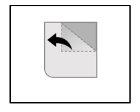
You cannot push the tablets through the blister pack. Note the following instructions for opening the blister pack:
- Tear off a single dose along the perforation line of the blister pack.
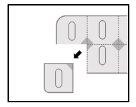
- This will give you access to an unsealed area located where the perforation lines cross.

- Pull the unsealed section to remove the seal from the cover.
How long to take Tapentadol
Do not take the tablets for longer than your doctor has told you.
If you take more Tapentadol than you should
After taking very high doses, you may experience some of the following effects:
- very small pupils,
- vomiting,
- decreased blood pressure,
- rapid heartbeat,
- fainting, altered consciousness, or coma (deep loss of consciousness),
- seizures,
- slow or shallow breathing to dangerous levels or respiratory arrest.
If you experience any of these effects, you should immediately call a doctor.
In case of overdose or accidental ingestion, consult your doctor or pharmacist immediately or call the Toxicology Information Service, phone: 91 562 04 20, indicating the medicine and the amount used. It is recommended to take the packaging and the leaflet of the medicine to the healthcare professional.
If you forget to take Tapimio
If you forget to take a tablet, you will probably feel pain again. Do not take a double dose to make up for forgotten doses, but continue taking the tablets as before.
If you stop taking Tapimio
If you stop or discontinue treatment too early, you will probably feel pain again. If you want to stop treatment, consult your doctor before doing so.
Generally, patients do not experience any adverse effects after stopping treatment, but in rare cases, people who have taken the tablets for a long time may feel unwell if they stop taking them suddenly.
The symptoms may be:
- restlessness, tearful eyes, runny nose, yawning, sweating, chills, muscle pain, and dilated pupils,
- irritability, anxiety, back pain, joint pain, weakness, abdominal cramps, difficulty sleeping, nausea, loss of appetite, vomiting, diarrhea, and increased blood pressure, respiratory rate, or heart rate.
If you experience any of these symptoms after stopping treatment, consult your doctor.
Do not stop taking this medicine abruptly, unless your doctor tells you to. If your doctor wants you to stop taking these tablets, they will tell you how to do it, which may involve gradually reducing the dose.
If you have any further questions on the use of this medicine, ask your doctor or pharmacist.

Started taking the medicine and have questions?
Discuss your symptoms and treatment with a doctor online.
4. Possible Adverse Effects
Like all medicines, this medicine may cause adverse effects, although not all people suffer from them.
Adverse effects or important symptoms to be aware of and what to do if you are affected by them:
- This medicine may cause allergic reactions. The symptoms may consist of wheezing (a kind of whistling when breathing), difficulty breathing, swelling of the eyelids, face or lips, skin rash or itching, especially if they affect the whole body.
- Another serious adverse effect consists of breathing more slowly or more weakly than normal. It occurs mostly in elderly patients or in debilitated patients.
If you experience any of these important symptoms, consult your doctor immediately.
Adverse effects that may occur:
Very common(may affect more than 1 in 10 people):
- nausea, constipation,
- dizziness, drowsiness, headache.
Common(may affect up to 1 in 10 people):
- decreased appetite, anxiety, depression, difficulty sleeping, nervousness, restlessness, attention disorders,
- tremors, muscle twitches,
- hot flashes,
- shortness of breath,
- vomiting, diarrhea, poor digestion,
- itching, increased sweating, skin rashes,
- feeling of weakness, fatigue, feeling of change in body temperature, dryness of the mucous membranes, water accumulation in the tissues (edema).
Uncommon(may affect up to 1 in 100 people):
- allergic reaction to medicines (including swelling under the skin, urticaria and in severe cases difficulty breathing, decreased blood pressure, collapse or shock),
- weight loss,
- disorientation, confusion, excitability (agitation), perception disorders, sleep disorders, euphoric mood, decreased level of consciousness, memory impairment, mental deterioration,
- fainting, sedation, balance disorders, speech difficulties, numbness, abnormal sensations in the skin (e.g., tingling, itching),
- vision disorders,
- rapid heartbeat, slow heartbeat, palpitations, decreased blood pressure,
- abdominal discomfort,
- rash,
- delayed urination, frequent urination,
- sexual dysfunction,
- drug withdrawal syndrome (see section "If you stop treatment with Tapimio"), feeling of discomfort, irritability.
Rare(may affect up to 1 in 1,000 people):
- drug dependence, thought disorders, epileptic seizures, feeling of being about to faint, altered coordination,
- slow or shallow breathing to dangerous levels (respiratory depression),
- gastric emptying disorders,
- feeling of intoxication, feeling of relaxation.
Frequency not known(the frequency cannot be estimated with the available data)
- delirium.
In general, the possibility of having suicidal thoughts and behaviors increases in patients with chronic pain. Additionally, some medications for treating depression (with an impact on the brain's neurotransmitter system) may increase this risk, especially at the start of treatment. Although tapentadol also affects neurotransmitters, experience in patients has not proven that it increases this risk.
Reporting of adverse effects
If you experience any type of adverse effect, consult your doctor or pharmacist, even if it is a possible adverse effect that is not listed in this prospectus. You can also report them directly through the Spanish Pharmacovigilance System for Human Use Medicines: https://www.notificaram.es. By reporting adverse effects, you can contribute to providing more information on the safety of this medicine.
5. Storage of Tapimio
Keep this medicine out of the sight and reach of children.
Do not use this medicine after the expiration date that appears on the box and on the blister after CAD. The expiration date is the last day of the month indicated.
This medicine does not require special storage conditions.
Medicines should not be thrown away through the drains or into the trash. Deposit the packaging and medicines you no longer need at the SIGRE Point of the pharmacy. In case of doubt, ask your pharmacist how to dispose of the packaging and medicines you no longer need. This way, you will help protect the environment.
6. Package Contents and Additional Information
Composition of Tapimio
The active ingredient is tapentadol.
Each prolonged-release tablet contains tapentadol phosphate equivalent to 25 mg of tapentadol.
The other components are:
Tablet core: microcrystalline cellulose (E460); hypromellose (E464); colloidal anhydrous silica (E551); magnesium stearate.
Tablet coating: hypromellose (E464); glycerol (E422); talc (E553b); microcrystalline cellulose (E460); titanium dioxide (E 171); red iron oxide (E172); yellow iron oxide (E172); black iron oxide (E172).
Appearance of the Product and Package Contents
Prolonged-release tablets, biconvex, brownish in color, oblong (6 mm x 12 mm), with a score line on both sides.
The tablet can be divided into equal doses.
Tapimio 25 mg is packaged in child-resistant, single-dose blister packs, in packs of 20, 30, 40, 50, 54, 60 or 100 prolonged-release tablets.
Only some package sizes may be marketed.
Marketing Authorization Holder and Manufacturer
Marketing Authorization Holder:
Neuraxpharm Spain, S.L.U.
Avda. Barcelona, 69
08970 Sant Joan Despí
Barcelona - Spain
Manufacturer:
Develco Pharma GmbH
Grienmatt 27
79650 Schopfheim
Germany
Neuraxpharm Arzneimittel GmgH
Elisabeth-Serbert-Strasse 23
40764 Langenfeld
Germany
This medicine is authorized in the Member States of the European Economic Area under the following names:
Germany Tapentadol neuraxpharm 25 mg Retardtabletten
Ireland Tapimio 25 mg prolonged-release tablets
Spain Tapimio 25 mg prolonged-release tablets EFG
Sweden Tapimio Depot 25 mg depottabletter
Date of the last revision of this prospectus: September 2022
Detailed and updated information on this medicine is available on the website of the Spanish Agency for Medicines and Health Products (AEMPS) http://www.aemps.gob.es/
- Country of registration
- Dosage formMODIFIED-RELEASE TABLET, 25 mg
- ATC codeN02AX06
- Average pharmacy price11.01 EUR
- Active substance
- Prescription requiredYes
- Manufacturer
- CompositionGLICEROL (E 422) (0,50 mg mg)
- This information is for reference only and does not constitute medical advice. Always consult a doctor before taking any medication. Oladoctor is not responsible for medical decisions based on this content.
- Alternatives to TAPIMIO 25 mg PROLONGED-RELEASE TABLETSDosage form: MODIFIED-RELEASE TABLET, 100 mgActive substance: tapentadolManufacturer: Sandoz Farmaceutica S.A.Prescription requiredDosage form: MODIFIED-RELEASE TABLET, 150 mgActive substance: tapentadolManufacturer: Sandoz Farmaceutica S.A.Prescription requiredDosage form: MODIFIED-RELEASE TABLET, 200 mgActive substance: tapentadolManufacturer: Sandoz Farmaceutica S.A.Prescription required
Online doctors for TAPIMIO 25 mg PROLONGED-RELEASE TABLETS
Discuss questions about TAPIMIO 25 mg PROLONGED-RELEASE TABLETS, including use, safety considerations and prescription review, subject to medical assessment and local regulations.









Get TAPIMIO 25 mg PROLONGED-RELEASE TABLETS Prescription Online
Fill in a 2-min form
Tell us your symptoms, history, and what medicine you're requesting.
Pick a doctor or let us assign
Choose a specialist or we'll match you with the next available doctor.
Doctor reviews your case
Usually within 30 minutes. They may ask follow-up questions via chat.
Collect from any pharmacy
Electronic prescription sent to your email — valid across Spain.
Frequently Asked Questions
TAPIMIO 25 mg PROLONGED-RELEASE TABLETS requires a prescription in Spain. You can check with a doctor online whether this medicine may be appropriate for your situation.
The active ingredient in TAPIMIO 25 mg PROLONGED-RELEASE TABLETS is tapentadol. This information helps identify medicines with the same composition but different brand names.
The average pharmacy price for TAPIMIO 25 mg PROLONGED-RELEASE TABLETS is around 11.01 EUR. Prices may vary depending on the manufacturer and dosage form.
TAPIMIO 25 mg PROLONGED-RELEASE TABLETS is manufactured by Neuraxpharm Spain S.L.. Pharmacy brands and packaging may differ depending on the distributor.
Doctors such as Family doctors, Psychiatrists, Dermatologists, Cardiologists, Endocrinologists, Gastroenterologists, Pulmonologists, Nephrologists, Rheumatologists, Hematologists, Infectious disease physicians, Allergists, Geriatricians, Paediatricians, Oncologists may assess whether TAPIMIO 25 mg PROLONGED-RELEASE TABLETS is appropriate, depending on your situation and local regulations. You can book an online consultation to discuss your symptoms and possible next steps.
Spain has a well-developed healthcare infrastructure across major cities such as Madrid, Barcelona, Valencia, and Seville. Pharmacies are widely available and operate under strict regulations, ensuring access to prescribed medications.
You can buy TAPIMIO 25 mg PROLONGED-RELEASE TABLETS in Madrid, Barcelona, Seville, or Valencia at any local pharmacy with a valid prescription.
To obtain a prescription, you can use Oladoctor:
Other medicines with the same active substance (tapentadol) include PAGRENTIL RETARD 100 mg PROLONGED-RELEASE TABLETS, PAGRENTIL RETARD 150 mg PROLONGED-RELEASE TABLETS, PAGRENTIL RETARD 200 mg PROLONGED-RELEASE TABLETS. These may have different brand names or formulations but contain the same therapeutic ingredient. Always consult a doctor before switching or starting a new medicine.
