


VALSARTAN HYDROCHLOROTHIAZIDE VIATRIS 80 mg/12.5 mg FILM-COATED TABLETS




How to use VALSARTAN HYDROCHLOROTHIAZIDE VIATRIS 80 mg/12.5 mg FILM-COATED TABLETS
Translated with AI
This page provides general information and does not replace a doctor’s consultation. Always consult a doctor before taking any medication. Seek urgent medical care if symptoms are severe.
Show originalContents of the leaflet
- Introduction
- What is Valsartan/Hydrochlorothiazide Viatris and what is it used for
- What you need to know before taking Valsartan/Hydrochlorothiazide Viatris
- How to take Valsartan/Hydrochlorothiazide Viatris
- Possible Adverse Effects
- Storage of Valsartan/Hydrochlorothiazide Viatris
- Package Contents and Additional Information
Introduction
Patient Information: Summary of Product Characteristics
Valsartan/Hydrochlorothiazide Viatris 80mg/12.5mg Film-Coated Tablets EFG
Read the entire patient information leaflet carefully before starting to take this medication, as it contains important information for you.
- Keep this patient information leaflet, as you may need to read it again.
- If you have any questions, consult your doctor or pharmacist.
- This medication has been prescribed to you only, and you should not give it to others, even if they have the same symptoms as you, as it may harm them.
- If you experience side effects, consult your doctor or pharmacist, even if they are not listed in this patient information leaflet. See section 4.
Contents of the Patient Information Leaflet
- What is Valsartan/Hydrochlorothiazide Viatris and what is it used for
- What you need to know before taking Valsartan/Hydrochlorothiazide Viatris
- How to take Valsartan/Hydrochlorothiazide Viatris
- Possible side effects
- Storage of Valsartan/Hydrochlorothiazide Viatris
- Package contents and additional information
1. What is Valsartan/Hydrochlorothiazide Viatris and what is it used for
Valsartan/Hydrochlorothiazide Viatris film-coated tablets contain two active substances, valsartan and hydrochlorothiazide. These medications help control high blood pressure (hypertension).
- Valsartanbelongs to a class of medications known as "angiotensin II receptor antagonists", which help control high blood pressure. Angiotensin II is a substance in the body that causes blood vessels to narrow, leading to increased blood pressure. Valsartan works by blocking the effect of angiotensin II. As a result, blood vessels relax and blood pressure decreases.
- Hydrochlorothiazidebelongs to a class of medications known as thiazide diuretics. Hydrochlorothiazide increases urine production, which also reduces blood pressure.
Valsartan/Hydrochlorothiazide Viatris is used to treat high blood pressure that is not adequately controlled with a single medication.
High blood pressure increases the workload of the heart and arteries. If left untreated, it can damage blood vessels in the brain, heart, and kidneys, and may cause stroke, heart failure, or kidney failure. High blood pressure increases the risk of heart attacks. Lowering blood pressure to normal levels reduces the risk of developing these disorders.

2. What you need to know before taking Valsartan/Hydrochlorothiazide Viatris
Do not take Valsartan/Hydrochlorothiazide Viatris
- If you are allergicto valsartan, hydrochlorothiazide, sulfonamide derivatives (chemically related to hydrochlorothiazide), or any of the other ingredients of this medication (listed in section 6).
- If you are pregnant for more than 3 months. (In any case, it is best to avoid taking Valsartan/Hydrochlorothiazide Viatris during the first months of pregnancy; see section "Pregnancy").
- If you have severe liver disease.
- If you have severe kidney disease.
- If you are unable to urinate (anuria).
- If you are undergoing dialysis.
- If you have low potassium or sodium levels in your blood or high calcium levels in your blood despite treatment.
- If you have gout.
- If you have diabetes or kidney failure and are being treated with a medication to lower blood pressure that contains aliskiren.
If any of these situations apply to you, do not take this medication and consult your doctor.
Warnings and precautions
Consult your doctor or pharmacist before starting to take Valsartan/Hydrochlorothiazide Viatris:
- If you have had respiratory or lung problems (such as inflammation or fluid in the lungs) after taking hydrochlorothiazide in the past. If you experience shortness of breath or severe difficulty breathing after taking valsartan/hydrochlorothiazide, seek medical attention immediately.
- If you have had skin cancer or if you develop an unexpected skin lesion during treatment. Treatment with hydrochlorothiazide, particularly long-term use at high doses, may increase the risk of certain types of skin cancer and lip cancer (non-melanoma skin cancer). Protect your skin from sun exposure and UV rays while taking valsartan/hydrochlorothiazide.
- If you are using potassium-sparing medications, potassium supplements, potassium-containing salt substitutes, or other medications that increase potassium levels in your blood, such as heparin. Your doctor may consider it necessary to monitor your potassium levels regularly.
- If you have a history of allergy to sulfonamides or penicillin.
- If your potassium levels in your blood are low.
- If you have severe diarrhea or vomiting.
- If you are taking high doses of diuretics (water pills).
- If you have severe heart disease.
- If you have narrowing of the kidney artery.
- If you have recently undergone a kidney transplant.
- If you have hyperaldosteronism, a condition in which your adrenal glands produce too much aldosterone hormone. In this case, the use of valsartan/hydrochlorothiazide is not recommended.
- If you have kidney or liver disease.
- If you have fever, skin rash, and joint pain, which may be signs of systemic lupus erythematosus (SLE, a known autoimmune disease).
- If you have diabetes, gout, or high cholesterol or triglyceride levels in your blood.
- If you have previously experienced an allergic reaction with the use of another medication in this class to lower blood pressure (angiotensin II receptor antagonists), or if you have any other allergy or asthma.
- It may cause increased sensitivity of the skin to the sun.
- You must inform your doctor if you suspect that you are (or may be) pregnant. The use of valsartan/hydrochlorothiazide is not recommended at the start of pregnancy, and it should not be taken if you are pregnant for more than 3 months, as it may cause serious harm to your baby if used during this period (see section "Pregnancy").
- If you are taking any of the following medications used to treat high blood pressure:
- An angiotensin-converting enzyme inhibitor (ACE inhibitor) (e.g., enalapril, lisinopril, ramipril), particularly if you have kidney problems related to diabetes.
- Aliskiren.
Your doctor may monitor your kidney function, blood pressure, and blood electrolyte levels (e.g., potassium) at regular intervals.
See also the information under the heading "Do not take Valsartan/Hydrochlorothiazide Viatris".
- If you experience vision loss or eye pain, these could be symptoms of fluid accumulation in the vascular layer of the eye (choroidal effusion) or increased pressure in the eye, and can occur within hours to weeks after taking Valsartan/Hydrochlorothiazide Viatris. If left untreated, this can lead to permanent vision loss. You may be at higher risk of developing this if you have previously experienced an allergy to penicillin or sulfonamides.
Consult your doctor if you experience abdominal pain, nausea, vomiting, or diarrhea after taking valsartan/hydrochlorothiazide. Your doctor will decide whether to continue treatment. Do not stop taking valsartan/hydrochlorothiazide on your own.
Use in athletes
This medication contains hydrochlorothiazide, which may produce a positive result in doping tests.
Children and adolescents
Valsartan/hydrochlorothiazide is not recommended in children and adolescents under 18 years of age.
Other medications and Valsartan/Hydrochlorothiazide Viatris
Inform your doctor or pharmacist if you are taking, have recently taken, or may take any other medication.
The effectiveness of this medication may be affected if taken with certain medications. It may be necessary to change the dose, take other precautions, or, in some cases, stop treatment with one of the medications. This applies especially to the following medications:
- Lithium, a medication used to treat certain psychiatric disorders.
- Medications that affect or may be affected by potassium levels in your blood, such as digoxin, a medication to control heart rhythm, or some antipsychotic and antidepressant medications.
- Medications that can increase potassium levels in your blood, such as potassium supplements, potassium-containing salt substitutes, potassium-sparing medications, or heparin.
- Medications that can decrease potassium levels in your blood, such as corticosteroids, some laxatives.
- Diuretics (water pills), medications to treat gout, such as allopurinol, vitamin D, and calcium supplements, medications to treat diabetes (oral or insulin).
- Other medications to lower blood pressure, such as beta blockers or methyldopa, or medications that constrict blood vessels or stimulate the heart, such as noradrenaline or adrenaline.
- Medications to increase blood sugar levels, such as diazoxide.
- Medications to treat cancer, such as methotrexate or cyclophosphamide.
- Pain medications.
- Medications for arthritis.
- Muscle relaxants, such as tubocurarine.
- Anticholinergic medications, such as atropine or biperiden.
- Amantadine (a medication to prevent influenza).
- Colestyramine and colestipol (medications used to treat high lipid levels in your blood).
- Cyclosporine, a medication used to prevent organ rejection after transplantation.
- Barbiturates and narcotics (medications for sleep or analgesic effects used, for example, in surgery).
- Antiepileptics, such as carbamazepine, a medication used to treat seizure disorders.
- Rifampicin, a medication used to treat tuberculosis.
- Ritonavir, a medication used to treat HIV infection.
- Medications that affect gastric motility, such as cisapride.
- If you are taking an ACE inhibitor or aliskiren (see also the information under "Do not take Valsartan/Hydrochlorothiazide Viatris" and "Warnings and precautions").
Taking Valsartan/Hydrochlorothiazide Viatris with food, drinks, and alcohol
You can take Valsartan/Hydrochlorothiazide Viatris with or without food.
Avoid drinking alcohol until you have consulted your doctor. Alcohol can further lower your blood pressure and/or increase the risk of dizziness and weakness.
Pregnancy and breastfeeding
Pregnancy
If you are pregnant, think you may be pregnant, or are planning to become pregnant, consult your doctor or pharmacist before using this medication. Your doctor will usually advise you to stop taking valsartan/hydrochlorothiazide before becoming pregnant or as soon as you know you are pregnant and recommend that you take another antihypertensive medication instead. The use of valsartan/hydrochlorothiazide is not recommended at the start of pregnancy, and it should not be taken if you are pregnant for more than 3 months, as it may cause serious harm to your baby.
Breastfeeding
If you are breastfeeding or about to start breastfeeding, inform your doctor before taking this medication. The use of valsartan/hydrochlorothiazide is not recommended in women during this period. Your doctor may decide to administer a treatment that is more suitable if you wish to breastfeed, especially newborns or premature babies.
Driving and using machines
Do not drive or operate tools or machines or perform activities that require concentration until you know how this medication affects you. Like many other medications used to treat high blood pressure, valsartan/hydrochlorothiazide may occasionally cause dizziness and affect your ability to concentrate.
Valsartan/Hydrochlorothiazide Viatris contains lactose and sodium
If your doctor has told you that you have an intolerance to certain sugars (e.g., lactose), consult your doctor before taking this medication.
This medication contains less than 1mmol of sodium (23mg) per tablet; this is essentially "sodium-free".
3. How to take Valsartan/Hydrochlorothiazide Viatris
Follow the administration instructions for this medication exactly as indicated by your doctor or pharmacist. If in doubt, consult your doctor or pharmacist again.
The recommended dose of Valsartan/Hydrochlorothiazide Viatris is one tablet once a day. This medication should be taken at the same time every day, usually in the morning. Your doctor will tell you exactly how many Valsartan/Hydrochlorothiazide Viatris tablets to take. Depending on how you respond to treatment, your doctor may instruct you to increase or decrease the dose.
Use in children and adolescents
Valsartan/hydrochlorothiazide is not recommended in children and adolescents under 18 years of age.
Administration route and method
This medication can be taken with or without food. Swallow the tablet with a glass of water.
Duration of treatment
Do not change the dose or stop taking the tablets without consulting your doctor. Often, people with high blood pressure do not notice any signs of the disease. Many feel normal. This makes it very important to attend your doctor's appointments, even if you feel well.
If you take more Valsartan/Hydrochlorothiazide Viatris than you should
If you notice severe dizziness and/or fainting, lie down and contact your doctor immediately.
If you have accidentally taken too many tablets, contact your doctor or pharmacist immediately or call the Toxicology Information Service, phone 91 562 04 20, indicating the medication and the amount taken, or go to the emergency department of the nearest hospital.
If you forget to take Valsartan/Hydrochlorothiazide Viatris
If you forget to take a dose, take it as soon as you remember. However, if it is almost time for your next dose, skip the missed dose. Do not take a double dose to make up for missed doses.
If you stop treatment with Valsartan/Hydrochlorothiazide Viatris
If you stop treatment with valsartan/hydrochlorothiazide, your high blood pressure may worsen. Do not stop taking the medication unless your doctor tells you to.
If you have any other questions about the use of this medication, ask your doctor or pharmacist.
You may notice that this medication has an unusual color and/or taste. This is normal and characteristic of the active substance valsartan.

4. Possible Adverse Effects
Like all medicines, this medicine can cause adverse effects, although not all people suffer from them.
Some adverse effects may be serious and require immediate medical attention. Inform your doctor immediately or go to the hospital emergency department if you experience symptoms of angioedema, such as the following:
- Swelling in the face, tongue, or pharynx.
- Difficulty swallowing.
- Hives and difficulty breathing.
- Skin rash, which can form blisters and appears as small white targets (dark central spot surrounded by a paler area, with a dark ring around the edge) (erythema multiforme).
The following adverse effects have been observed during treatment with valsartan/hydrochlorothiazide, with the following frequencies:
Uncommon (may affect up to 1 in 100 people):
- Cough.
- Low blood pressure.
- Dizziness.
- Dehydration (with symptoms of thirst, dry mouth and tongue, reduced urination frequency, dark-colored urine, or dry skin).
- Muscle pain.
- Fatigue.
- Numbness or tingling.
- Blurred vision.
- Noises in the ears, such as ringing or buzzing.
Very Rare (may affect up to 1 in 10,000 people):
- Dizziness.
- Diarrhea.
- Joint pain.
Frequency Not Known (cannot be estimated from the available data):
- Difficulty breathing.
- Severe decrease in urine production.
- Low sodium levels in the blood (sometimes with nausea, fatigue, confusion, general malaise, and convulsions).
- Low potassium levels in the blood (sometimes with muscle weakness, muscle spasms, or abnormal heart rhythm).
- Low white blood cell count in the blood (with symptoms such as fever, skin infections, sore throat, or mouth ulcers due to infections, weakness).
- Increased bilirubin levels in the blood (which, in severe cases, can cause the skin and eyes to turn yellow).
- Increased urea and creatinine levels in the blood (which may indicate abnormal kidney function).
- Increased uric acid levels in the blood (which, in severe cases, can trigger a gout attack).
- Syncope (fainting).
Adverse Effects of Valsartan or Hydrochlorothiazide in Monotherapy Not Observed with Valsartan/Hydrochlorothiazide
Valsartan
Uncommon (may affect up to 1 in 100 people):
- Feeling of rotation.
- Abdominal pain.
Very Rare (may affect up to 1 in 10,000 people):
- Intestinal angioedema: swelling in the intestine that presents symptoms such as abdominal pain, nausea, vomiting, and diarrhea.
Frequency Not Known (cannot be estimated from the available data):
- Blisters on the skin (sign of blistering dermatitis).
- Skin rash with or without itching along with some of the following signs or symptoms: fever, joint pain, muscle pain, lymph node inflammation, and/or flu-like symptoms.
- Rash, red-purple spots, fever, itching (symptoms of blood vessel inflammation).
- Low platelet count in the blood (sometimes with bleeding or unusual bruising).
- High potassium levels in the blood (sometimes with muscle spasms or abnormal heart rhythm).
- Allergic reactions (with symptoms such as skin rash, itching, hives, difficulty breathing or swallowing, dizziness).
- Swelling mainly of the face and throat, skin rash, itching.
- Elevation of liver function values.
- Decrease in hemoglobin levels and reduction of red blood cell percentage in the blood (which, in severe cases, can cause anemia).
- Kidney failure.
Hydrochlorothiazide
Very Common (may affect more than 1 in 10 people):
- Low potassium levels in the blood, increased lipids in the blood (mainly at high doses).
Common (may affect up to 1 in 10 people):
- Itchy skin rash and other types of rash.
- Low sodium levels in the blood, low magnesium levels in the blood.
- High uric acid levels.
- Decreased appetite.
- Mild nausea and vomiting.
- Feeling of fainting, fainting when standing up.
- Impotence.
Rare (may affect up to 1 in 1,000 people):
- Swelling and blisters on the skin (due to increased sun sensitivity).
- Constipation, stomach or intestinal discomfort, diarrhea, liver disorders (yellowing of the skin or eyes).
- Irregular heartbeat.
- High calcium levels, high blood sugar levels, sugar excretion in the urine, worsening of diabetic metabolic status.
- Headache, dizziness, feeling of tingling or numbness in the hands and feet.
- Sleep disorders.
- Sadness (depression).
- Low platelet count (sometimes with bleeding or bruising under the skin).
- Vision disturbances.
Very Rare (may affect up to 1 in 10,000 people):
- Inflammation of blood vessels with symptoms such as skin rash, red-purple spots, fever.
- Itching or redness of the skin.
- Blisters on the lips, eyes, or mouth.
- Peeling of the skin.
- Fever.
- Facial rash associated with joint pain.
- Muscle disorders.
- Fever (cutaneous lupus erythematosus).
- Severe pain in the upper abdomen; absence or low levels of different blood cells.
- Severe allergic reactions.
- Difficulty breathing.
- Lung infection, difficulty breathing.
- Metabolic disorder that causes loss of chloride in the body.
- Acute respiratory distress (signs include severe difficulty breathing, fever, weakness, and confusion).
Frequency Not Known (cannot be estimated from the available data):
- Significant decrease in blood cells that can cause weakness, bruising, and frequent infections.
- Decreased vision or eye pain due to high pressure [possible signs of fluid accumulation in the vascular layer of the eye (choroidal effusion) or acute angle-closure glaucoma].
- Kidney dysfunction, acute kidney failure.
- Fever, weakness.
- Muscle spasms.
- Skin and lip cancer (non-melanoma skin cancer).
Reporting of Adverse Effects
If you experience any of the adverse effects, consult your doctor or pharmacist, even if they are not listed in this leaflet. You can also report them directly through the Spanish Medicines Agency's website: https://www.notificaram.es. By reporting adverse effects, you can contribute to providing more information on the safety of this medicine.
5. Storage of Valsartan/Hydrochlorothiazide Viatris
Keep this medicine out of the sight and reach of children.
Do not use this medicine after the expiration date stated on the packaging, label, blister, or bottle, after CAD or EXP. The expiration date is the last day of the month indicated.
Use within 100 days of opening the bottle. Once opened, keep the bottle tightly closed.
This medicine does not require special storage conditions. Do not use Valsartan/Hydrochlorothiazide Viatris if you notice damage to the packaging or signs of deterioration.
Medicines should not be disposed of via wastewater or household waste. Deposit the packaging and any unused medicines at the SIGRE collection point in your pharmacy. Ask your pharmacist how to dispose of the packaging and any unused medicines. This will help protect the environment.
6. Package Contents and Additional Information
Composition of Valsartan/Hydrochlorothiazide Viatris
The active ingredients are valsartan and hydrochlorothiazide.
Each tablet contains 80 mg of valsartan and 12.5 mg of hydrochlorothiazide.
The other ingredients are: anhydrous colloidal silica (E-551), sodium lauryl sulfate (E-487), microcrystalline cellulose (E-460), pregelatinized corn starch, lactose monohydrate, crospovidone (E-1202), povidone (E-1201), and magnesium stearate (E-572).
The film coating contains hypromellose (E-464), titanium dioxide (E-171), macrogol, talc (E-553b), vanillin, and iron oxide (E-172).
Appearance of the Product and Package Contents
Valsartan/Hydrochlorothiazide Viatris are peach-colored, oval, film-coated tablets, marked with "VH1" on one side of the tablet and an "M" on the other side.
Valsartan/Hydrochlorothiazide Viatris is available in blisters of 7, 10, 14, 28, 30, 56, 60, 84, 90, and 98 tablets; calendar blister of 28 tablets and bottles of 56, 98, 100, 200, 250, and 500 tablets.
It is also available in a multiple pack of 98 tablets, which consists of 2 cartons (each containing 49 tablets).
Not all pack sizes may be marketed.
Marketing Authorization Holder
Viatris Limited
Damastown Industrial Park
Mulhuddart, Dublin 15
Dublin
Ireland
Manufacturer
Mylan Hungary Kft
H-2900 Komárom, Mylan utca 1
Hungary
or
Mylan Germany GmbH
Luetticher Strasse 5
Troisdorf
Nordrhein-Westfalen, 53842
Germany
You can request more information about this medicine by contacting the local representative of the marketing authorization holder:
Viatris Pharmaceuticals, S.L.U.
C/ General Aranaz, 86
28027 - Madrid
Spain
This pharmaceutical product is authorized in the EEA member states under the following names:
Germany Valsartan/HCT Mylan
Spain Valsartán/Hidroclorotiazida Viatris
France VALSARTAN HYDROCHLOROTHIAZIDE VIATRIS
Netherlands Valsartan/Hydrochloorthiazide Viatris
Portugal Valsartan + Hidroclorotiazida Mylan
Date of the Last Revision of this Leaflet:January 2025
Detailed information about this medicine is available on the website of the Spanish Agency for Medicines and Health Products (AEMPS) https://www.aemps.gob.es/
- Country of registration
- Average pharmacy price5.99 EUR
- Active substance
- Prescription requiredYes
- Manufacturer
- This information is for reference only and does not constitute medical advice. Always consult a doctor before taking any medication. Oladoctor is not responsible for medical decisions based on this content.
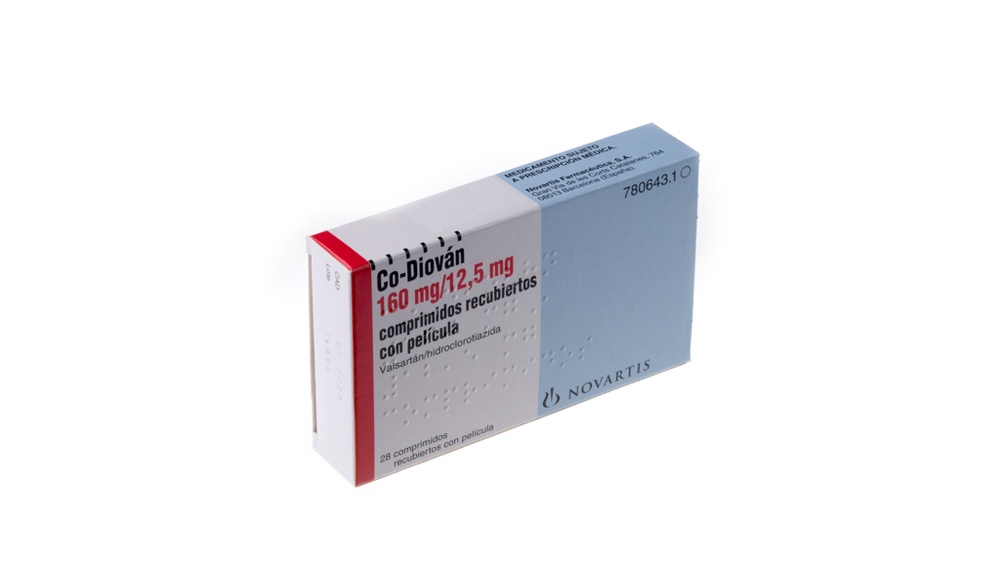
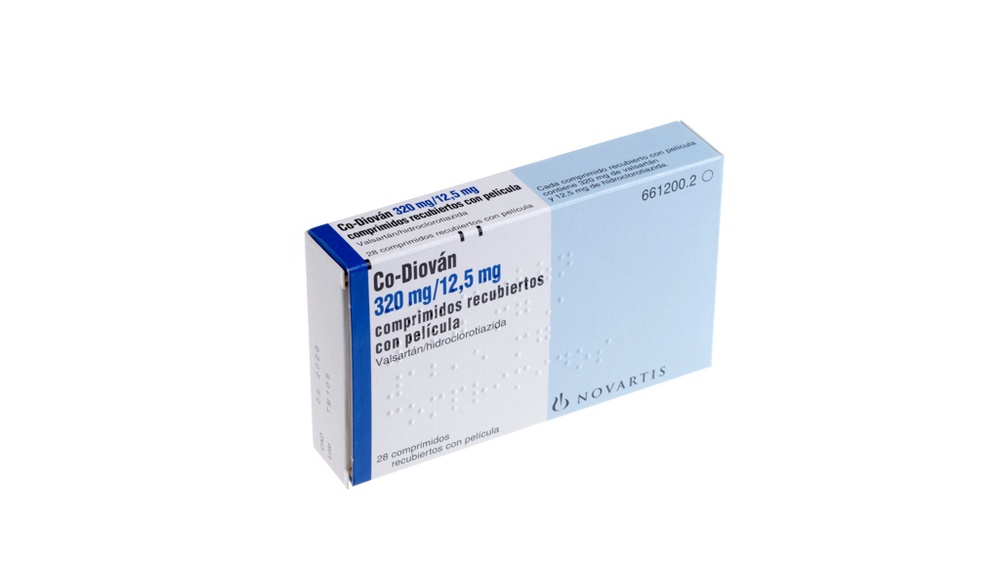
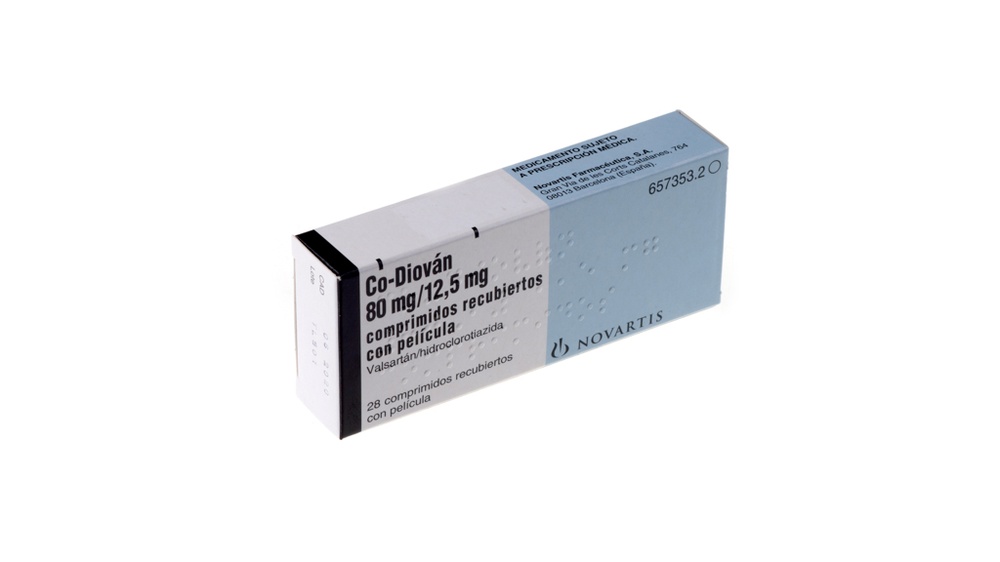
- Alternatives to VALSARTAN HYDROCHLOROTHIAZIDE VIATRIS 80 mg/12.5 mg FILM-COATED TABLETSDosage form: TABLET, 160 mg valsartan; 12.5 mg hydrochlorothiazideActive substance: valsartan and diureticsManufacturer: Novartis Farmaceutica S.A.Prescription requiredDosage form: TABLET, 320 mg valsartan / 12.5 mg hydrochlorothiazideActive substance: valsartan and diureticsManufacturer: Novartis Farmaceutica S.A.Prescription requiredDosage form: TABLET, 80 mg valsartan/12.5 mg hydrochlorothiazideActive substance: valsartan and diureticsManufacturer: Novartis Farmaceutica S.A.Prescription required
Online doctors for VALSARTAN HYDROCHLOROTHIAZIDE VIATRIS 80 mg/12.5 mg FILM-COATED TABLETS
Discuss questions about VALSARTAN HYDROCHLOROTHIAZIDE VIATRIS 80 mg/12.5 mg FILM-COATED TABLETS, including use, safety considerations and prescription review, subject to medical assessment and local regulations.







Frequently Asked Questions
