


SORAFENIB TEVA 200 mg FILM-COATED TABLETS
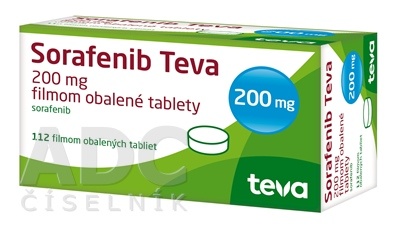



How to use SORAFENIB TEVA 200 mg FILM-COATED TABLETS
Translated with AI
This page provides general information and does not replace a doctor’s consultation. Always consult a doctor before taking any medication. Seek urgent medical care if symptoms are severe.
Show originalContents of the leaflet
Introduction
Package Leaflet: Information for the User
Sorafenib Teva 200 mg film-coated tablets EFG
Read all of this leaflet carefully before you start taking this medicine because it contains important information for you.
- Keep this leaflet, you may need to read it again.
- If you have any further questions, ask your doctor or pharmacist.
- This medicine has been prescribed for you only. Do not pass it on to others. It may harm them, even if their signs of illness are the same as yours.
- If you get any side effects, talk to your doctor or pharmacist. This includes any possible side effects not listed in this leaflet. See section 4.
Contents of the pack
- What Sorafenib Teva is and what it is used for
- What you need to know before you take Sorafenib Teva
- How to take Sorafenib Teva
- Possible side effects
- Storage of Sorafenib Teva
- Contents of the pack and other information
1. What Sorafenib Teva is and what it is used for
Sorafenib Teva is used to treat liver cancer (hepatocellular carcinoma).
Sorafenib Teva is also used to treat advanced kidney cancer (advanced renal cell carcinoma) when standard therapy has not worked to slow down the disease or is not suitable.
Sorafenib Teva is used to treat thyroid cancer (differentiated thyroid carcinoma).
Sorafenib is a so-called multikinase inhibitor. It works by slowing down the growth of cancer cells and interrupting the blood supply that allows cancer cells to grow.

2. What you need to know before you take Sorafenib Teva
Do not take Sorafenib Teva
- If you are allergicto sorafenib or any of the other ingredients of this medicine (listed in section 6).
Warnings and precautions
Talk to your doctor or pharmacist before starting sorafenib.
Be careful with Sorafenib Teva
- If you have skin problems. Sorafenib can cause rashes and skin reactions, especially on the hands and feet. Your doctor can usually treat these conditions. If not, your doctor may interrupt treatment temporarily or completely.
- If you have high blood pressure. Sorafenib can increase blood pressure, and your doctor will usually check your blood pressure and may give you a medicine to treat your high blood pressure.
- If you have or have had an aneurysm(enlargement and weakening of the wall of a blood vessel) or a tear in the wall of a blood vessel.
- If you have diabetes. Blood sugar levels should be regularly checked in diabetic patients in order to assess whether the dose of the anti-diabetic medicine needs to be adjusted to minimize the risk of low blood sugar.
- If you have bleeding problems or are taking warfarin or phenprocoumon. Treatment with sorafenib may lead to an increased risk of bleeding. If you are taking warfarin or phenprocoumon, medicines that thin the blood to prevent blood clots, you may have a higher risk of bleeding.
- If you have chest pain or heart problems. Your doctor may decide to interrupt treatment temporarily or completely.
- If you have a heart disorder, such as an abnormal electrical signal called “prolonged QT interval”.
- If you are going to have surgery, or have recently had an operation. Sorafenib could affect wound healing. If you are going to have an operation, treatment with sorafenib will usually be stopped. Your doctor will decide when to restart treatment with sorafenib.
- If you are taking irinotecan or docetaxel, which are also cancer medicines. Sorafenib may increase the effects, and in particular the side effects, of these medicines.
- If you are taking neomycin or other antibiotics. The effect of sorafenib may be reduced.
- If you have severe liver problems. You may experience more serious side effects when taking this medicine.
- If you have kidney problems. Your doctor will check your fluid and electrolyte balance.
- Fertility. Sorafenib may reduce fertility in both men and women. If this is relevant to you, discuss with your doctor.
- During treatment, holes in the wall of the intestine (gastrointestinal perforation) may occur (see section 4: Possible side effects). In this case, your doctor will interrupt treatment.
- If you have thyroid cancer. Your doctor will check your blood calcium and thyroid hormone levels.
- If you experience the following symptoms, contact your doctor immediately, as it may be a life-threatening situation: nausea, difficulty breathing, irregular heartbeat, muscle cramps, seizures, cloudy urine, and fatigue. The cause may be a set of metabolic complications that can occur during cancer treatment as a result of the breakdown products of dying cancer cells [tumor lysis syndrome (TLS)] and can cause changes in kidney function and acute kidney failure (see also section 4: Possible side effects).
Tell your doctor if any of these affect you. You may need treatment for them, or your doctor may decide to change your dose of sorafenib, or interrupt treatment completely (see also section 4: Possible side effects).
Children and adolescents
Sorafenib has not yet been studied in children and adolescents.
Other medicines and Sorafenib Teva
Some medicines may affect sorafenib, or may be affected by it. Tell your doctor or pharmacist if you are taking, have recently taken, or might take any other medicines, including those obtained without a prescription.
- Rifampicin, neomycin, or other medicines used to treat infections (antibiotics)
- St. John's Wort, a herbal treatment for depression
- Phenytoin, carbamazepine, or phenobarbital, treatments for epilepsyand other conditions
- Dexamethasone, a corticosteroidused for various conditions
- Warfarin or phenprocoumon, anticoagulants used to prevent blood clots
- Doxorubicin, capecitabine, docetaxel, paclitaxel, and irinotecan, for cancer treatment
- Digoxin, a treatment for mild to moderate heart failure
Pregnancy and breast-feeding
Avoid becoming pregnant while being treated with sorafenib. If you can become pregnant, use a suitable contraceptive method during treatment. If you become pregnant while being treated with sorafenib, inform your doctor immediately, who will decide whether you should continue treatment.
Do not breast-feed during treatment with sorafenib, as this medicine may interfere with the growth and development of your baby.
Driving and using machines
There is no evidence that sorafenib can affect your ability to drive or use machines.
Sorafenib Teva contains sodium
This medicine contains less than 1 mmol of sodium (23 mg) per tablet, which is essentially “sodium-free”.
3. How to take Sorafenib Teva
The recommended dose of Sorafenib Teva in adults is 2 tablets of 200 mg, twice a day.
This is equivalent to a daily dose of 800 mg or four tablets per day.
Swallow Sorafenib Teva tablets with a glass of water, without food or with a low- or moderate-fat meal. Do not take this medicine with a high-fat meal, as this reduces the effectiveness of sorafenib. If you intend to take a high-fat meal, take the tablets at least 1 hour before or 2 hours after the meal.
Follow the instructions for administration of this medicine exactly as told by your doctor. If you are unsure, consult your doctor or pharmacist again.
It is important to take this medicine at the same time each day, so that there is a constant amount in the bloodstream.
Normally, you will continue to take this medicine while it provides clinical benefit and you do not experience unacceptable side effects.
If you take more Sorafenib Teva than you should
Tell your doctor immediatelyif you (or someone else) have taken more than the prescribed dose. Taking too much sorafenib increases the likelihood of side effects or makes them more severe, especially diarrhea and skin reactions. Your doctor may tell you to stop taking this medicine.
If you accidentally take too many sorafenib tablets (more than your usual daily dose), consult your doctor or the nearest hospital or call the Toxicology Information Service, telephone 91 562 04 20, stating the medicine and the amount taken.
If you forget to take Sorafenib Teva
If you miss a dose, take it as soon as you remember. If it is near the time of the next dose, do not take the missed dose and continue as normal. Do not take a double dose to make up for missed doses.

4. Possible side effects
Like all medicines, this medicine can cause side effects, although not everybody gets them. This medicine may also affect the results of some blood tests.
Very common:
may affect more than 1 in 10 people
- diarrhea
- feeling sick (nausea)
- feeling weak or tired (fatigue)
- pain (including pain in the mouth, abdominal pain, headache, bone pain, tumor pain)
- hair loss (alopecia)
- redness and pain on the palms of the hands and soles of the feet (palmar-plantar erythrodysesthesia syndrome)
- itching or rash
- vomiting
- bleeding (including bleeding in the brain, intestinal wall, and respiratory tract, hemorrhage)
- high blood pressure or increased blood pressure (hypertension)
- infections
- loss of appetite (anorexia)
- constipation
- joint pain (arthralgia)
- fever
- weight gain
- dry skin
Common:
may affect up to 1 in 10 people
- flu-like illness
- indigestion (dyspepsia)
- difficulty swallowing (dysphagia)
- dry or inflamed mouth, pain in the tongue (stomatitis and mucosal inflammation)
- low calcium levels in the blood (hypocalcemia)
- low potassium levels in the blood (hypokalemia)
- low blood sugar (hypoglycemia)
- muscle pain (myalgia)
- nerve damage (peripheral sensory neuropathy)
- depression
- erectile dysfunction (impotence)
- voice changes (dysphonia)
- acne
- inflamed, dry, or scaly skin that peels (dermatitis, skin peeling)
- heart failure
- heart attack (myocardial infarction) and chest pain
- ringing in the ears (tinnitus)
- kidney failure
- high levels of protein in the urine (proteinuria)
- general weakness or loss of strength (asthenia)
- low white blood cell count (leukopenia and neutropenia)
- low red blood cell count (anemia)
- low platelet count (thrombocytopenia)
- inflammation of the hair follicles (folliculitis)
- underactive thyroid gland (hypothyroidism)
- low sodium levels in the blood (hyponatremia)
- taste changes (dysgeusia)
- redness of the face and often other parts of the skin (flushing)
- runny nose (rhinorrhea)
- acid reflux (gastroesophageal reflux disease)
- skin cancer (keratoacanthoma/squamous cell carcinoma of the skin)
- thickening of the outer layer of the skin (hyperkeratosis)
- muscle spasms
Uncommon:
may affect up to 1 in 100 people
- inflammation of the stomach lining (gastritis)
- abdominal pain caused by pancreatitis, inflammation of the gallbladder, and/or bile ducts
- yellowing of the skin or eyes (jaundice) caused by high levels of bile pigments (hyperbilirubinemia)
- allergic reactions (including skin reactions and hives)
- dehydration
- breast enlargement (gynecomastia)
- breathing difficulties (pulmonary disease)
- eczema
- overactive thyroid gland (hyperthyroidism)
- multiple skin rashes (erythema multiforme)
- abnormally high blood pressure
- holes in the wall of the intestine (gastrointestinal perforation)
- reversible inflammation in the back of the brain that can be associated with headache, altered consciousness, seizures, and visual symptoms including loss of vision (posterior reversible leukoencephalopathy syndrome)
- sudden and severe allergic reactions (anaphylactic reaction)
Rare:
may affect up to 1 in 1,000 people
- allergic reaction with swelling of the skin (e.g. face, tongue) that can cause difficulty breathing or swallowing (angioedema)
- abnormal heart rhythm (prolonged QT interval)
- inflammation of the liver, which can cause nausea, vomiting, abdominal pain, and yellowing of the skin (drug-induced hepatitis)
- a rash similar to sunburn on the skin that has been previously exposed to radiation and can be severe (radiation recall dermatitis)
- severe skin reactions and/or mucous membranes that can include painful blisters and fever, including widespread skin peeling (Stevens-Johnson syndrome and toxic epidermal necrolysis)
- abnormal muscle breakdown that can lead to kidney problems (rhabdomyolysis)
- kidney damage that causes loss of large amounts of protein (nephrotic syndrome)
- inflammation of the blood vessels in the skin that can cause a rash (leukocytoclastic vasculitis)
Frequency not known:
frequency cannot be estimated from the available data
- brain damage that can be associated with, for example, drowsiness, changes in behavior, or confusion (encephalopathy)
- enlargement and weakening of the wall of a blood vessel or tear in the wall of a blood vessel (aneurysms and arterial dissections)
- nausea, difficulty breathing, irregular heartbeat, muscle cramps, seizures, cloudy urine, and fatigue (tumor lysis syndrome [TLS] (see section 2)
Reporting of side effects
If you experience any side effects, talk to your doctor or pharmacist. This includes any possible side effects not listed in this leaflet. You can also report side effects directly via the Spanish Pharmacovigilance System for Human Use Medicines: https://www.notificaram.es. By reporting side effects, you can help provide more information on the safety of this medicine.
5. Storage of Sorafenib Teva
Keep this medicine out of the sight and reach of children.
Do not use this medicine after the expiry datestated on the carton and blister after EXP. The expiry date is the last day of the month stated.
This medicine does not require any special storage conditions. Store in the original package to protect from moisture.
Medicines should not be disposed of via wastewater or household waste. Return the containers and any unused medicines to the pharmacy. If you are unsure, ask your pharmacist how to dispose of the containers and any unused medicines. This will help protect the environment.
6. Container Content and Additional Information
Composition ofSorafenib Teva
- The activeingredient is sorafenib. Each film-coated tablet contains 200 mg (as tosylate).
- The otherexcipients are:
- Core of the tablet:microcrystalline cellulose, sodium lauryl sulfate, sodium croscarmellose, hypromellose, magnesium stearate (vegetable)
- Coating of the tablet: hypromellose, macrogol, titanium dioxide (E171), red iron oxide (E172)
Appearance of the Product and Container Content
Sorafenib Teva 200 mg film-coated tablets are pink, round, biconvex tablets, engraved with "TV" on one side and "S3·" on the other. The tablets are approximately 11 mm in diameter.
Sorafenib Teva is available in blister packs containing 28, 30, 56, and 112 film-coated tablets, and in perforated unit-dose blisters containing 112 x 1 film-coated tablets.
Only some pack sizes may be marketed.
Marketing Authorization Holder
Teva Pharma, S.L.U.
C/ Anabael Segura, 11 Edificio Albatros B, 1ª planta
28108 Alcobendas (Madrid),
Spain
Manufacturer
PLIVA Hrvatska d.o.o.
Prilaz baruna Filipovica 25,
10000 Zagreb,
Croatia
or
Merckle GmbH
Ludwig-Merckle Strasse 3
Blaubeuren, 89143
Germany
or
Teva Operations Poland Sp. z.o.o,
ul. Mogilska 80,
Krakow, 31-546,
Poland
or
Actavis Group PTC ehf.
Dalshraun 1,
220 Hafnarfjordur
Iceland
This medicinal product is authorized in the Member States of the European Economic Area and in the United Kingdom (Northern Ireland) under the following names:
Germany: Sorafenib-AbZ 200 mg Filmtabletten
Belgium: Sorafenib Teva 200 mg filmomhulde tabletten/comprimés pelliculés/Filmtabletten
Bulgaria: ????????? ???? 200 mg ????????? ???????? Sorafenib Teva 200 mg film-coated tablets
Croatia: Sorafenib Teva 200 mg filmom obložene tablete
Denmark: Sorafenib Teva
Slovakia: Sorafenib Teva
Slovenia: Sorafenib Teva 200 mg filmsko obložene tablete
Spain: Sorafenib Teva 200 mg comprimidos recubiertos con película EFG
Estonia: Sorafenib Teva
Finland: Sorafenib ratiopharm 200 mg tabletti, kalvopäällysteinen
France: SORAFENIB TEVA 200 mg, comprimé pelliculé
Greece: Sorafenib/Teva 200 mg επικαλυμμ?να με λεπτ? υμ?νιο δισκ?α
Hungary: Sorafenib Teva 200 mg filmtabletta
Italy: Sorafenib Teva
Lithuania: Sorafenib Teva 200 mg plevele dengtos tabletes
Latvia: Sorafenib Teva 200 mg apvalkotas tabletes
Luxembourg: Sorafenib Teva 200 mg comprimés pelliculés
Netherlands: Sorafenib Teva 200 mg, filmomhulde tabletten
Poland: Sorafenib Teva
Portugal: Sorafenib Teva
Czech Republic: Sorafenib Teva
United Kingdom (Northern Ireland): Sorafenib Teva 200 mg film-coated tablets
Sweden: Sorafenib Teva
Date of the last revision of this leaflet:July 2025
Detailed information on this medicinal product is available on the website of the Spanish Agency for Medicines and Health Products (AEMPS) http://www.aemps.gob.es
- Country of registration
- Dosage formTABLET, 200 mg
- ATC codeL01EX02
- Active substance
- Prescription requiredYes
- Manufacturer
- This information is for reference only and does not constitute medical advice. Always consult a doctor before taking any medication. Oladoctor is not responsible for medical decisions based on this content.
- Alternatives to SORAFENIB TEVA 200 mg FILM-COATED TABLETSDosage form: TABLET, 200 mgActive substance: sorafenibManufacturer: Accord Healthcare S.L.U.Prescription requiredDosage form: TABLET, 200 mgActive substance: sorafenibManufacturer: Reddy Pharma Iberia S.A.Prescription required
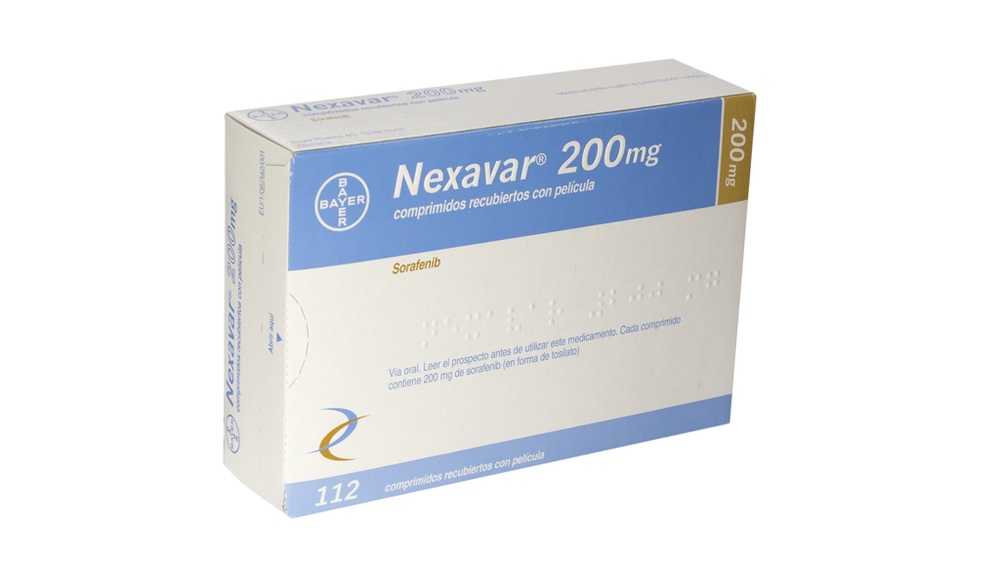
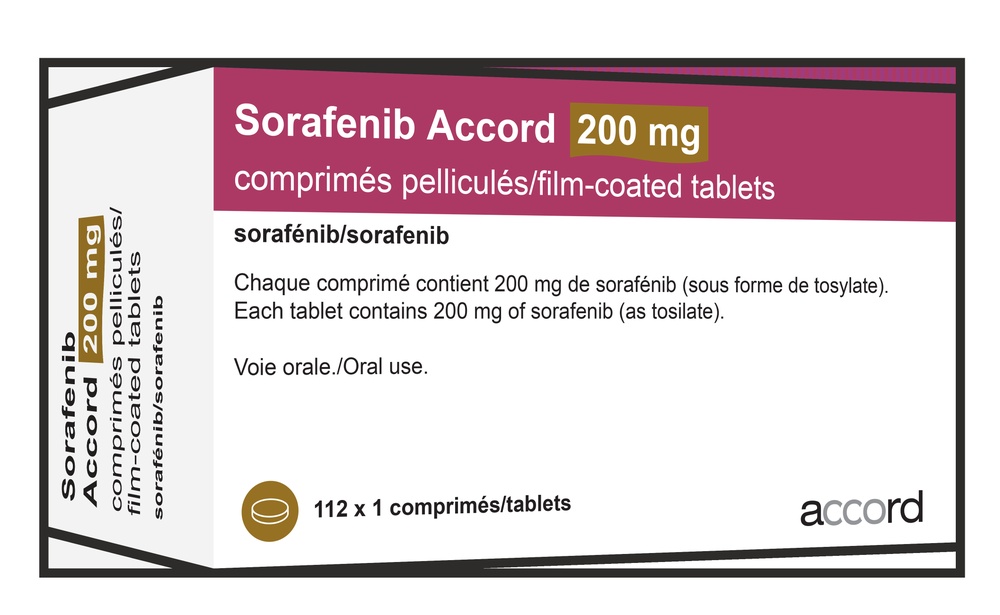
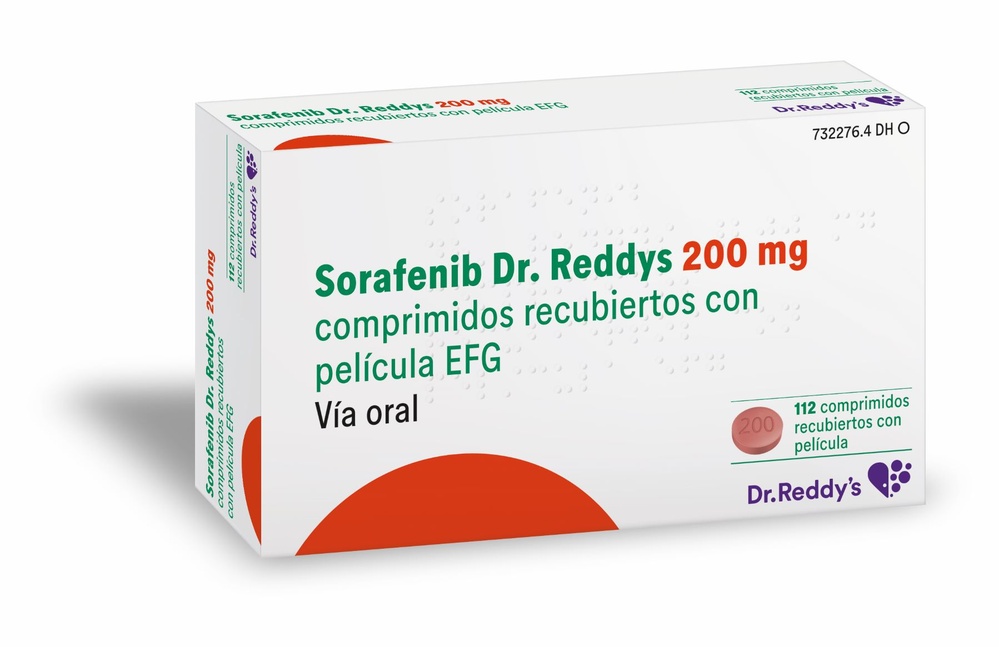
Online doctors for SORAFENIB TEVA 200 mg FILM-COATED TABLETS
Discuss questions about SORAFENIB TEVA 200 mg FILM-COATED TABLETS, including use, safety considerations and prescription review, subject to medical assessment and local regulations.



Frequently Asked Questions
