


SCANLUX 300 mg/ml INJECTABLE SOLUTION




How to use SCANLUX 300 mg/ml INJECTABLE SOLUTION
Translated with AI
This page provides general information and does not replace a doctor’s consultation. Always consult a doctor before taking any medication. Seek urgent medical care if symptoms are severe.
Show originalContents of the leaflet
Introduction
Package Leaflet: Information for the User
SCANLUX 300 mg/ml, injectable solution EFG
Iopamidol
Read the entire package leaflet carefully before starting to use the medicine.
- Keep this package leaflet, as you may need to read it again.
- If you have any questions, consult your doctor or pharmacist.
- This medicine has been prescribed to you and should not be given to others, even if they have the same symptoms, as it may harm them.
- If you consider that any of the side effects you are suffering from is serious or if you notice any side effect not mentioned in this package leaflet, inform your doctor or pharmacist.
Contents of the package leaflet:
- What is SCANLUX 300 mg/ml, injectable solution EFG and what is it used for
- Before using SCANLUX 300 mg/ml, injectable solution EFG
- How to use SCANLUX 300 mg/ml, injectable solution EFG
- Possible side effects
- Storage of SCANLUX 300 mg/ml, injectable solution EFG
- Additional information
1. What is SCANLUX 300 mg/ml INJECTABLE SOLUTION EFG and what is it used for
This medicine is for diagnostic use only.
It belongs to the group of medicines called X-ray contrast media, iodinated.
Iopamidol Juste 300 mg/ml is indicated as a radiological contrast medium for the following indications:
Adults:
- Lumbar, thoracic, and cervical myelography.
- Cerebral angiography.
- Peripheral arteriography and phlebography.
- Angiocardiography, left ventriculography.
- Coronary arteriography.
- Selective renal arteriography.
- Retrograde aortography.
- Selective visceral angiography: hepatic, celiac, superior mesenteric, and inferior mesenteric.
- Computed Tomography (CT) with contrast.
- Intravenous urography.
- Arthrography.
Children:
- Cerebral angiography.
- Peripheral arteriography and phlebography.
- Angiocardiography and left ventriculography.
- Selective renal arteriography.
- Intravenous urography.

2. BEFORE USING SCANLUX 300 mg/ml INJECTABLE SOLUTION EFG
Do not use SCANLUX 300 mg/ml if:
- You are allergic (hypersensitive) to the active ingredient or any of the other components.
- You have Waldenström's paraproteinemia.
- You have multiple myeloma.
- You have severe hepato-renal disease.
- You have a history of epileptic disease.
- Blood has been detected in your cerebrospinal fluid.
- You have a history of severe adverse reactions to contrast media.
- You are allergic (hypersensitive) to iodine.
Be particularly careful with SCANLUX 300 mg/ml:
- If you have previously presented allergy, asthma, or mild or moderate adverse reactions to iodinated contrast media. Your doctor may consider administering corticosteroids or histamine H1 and H2 antagonists in these cases.
- If you have severe heart disease and pulmonary hypertension, as you may develop hemodynamic changes or arrhythmias.
- If you have acute cerebral pathology, tumors, or a history of epilepsy, as you may suffer new seizures. Also, if you are an alcoholic or drug addict, as you may have a higher risk of suffering seizures and neurological reactions. Some patients have experienced hearing loss or even temporary deafness after myelography, probably due to a decrease in spinal fluid pressure.
- If you have renal insufficiency, diabetes mellitus, and paraproteinemias (diseases that involve excessive production of certain proteins, such as myelomatosis and Waldenström's macroglobulinemia), as you may suffer a decompensation or worsening of your renal insufficiency, which can lead to acute renal failure after administration of the contrast medium.
- If you are diabetic and are being treated with metformin, as the administration of iodinated contrast media may cause lactic acidosis.
- If you have severe liver function disorders, as there is a potential risk of transient liver dysfunction.
- If you have severe kidney function disorders, as you may have a significant delay in the elimination of the contrast medium. If you are a hemodialysis patient, you may receive the contrast medium for radiological procedures when it is ensured that dialysis will be performed immediately after.
- If you have myasthenia gravis (a disease in which muscles weaken and fatigue easily), as the symptoms of this disease may worsen.
- If you have hyperthyroidism or multinodular goiter, as you have a risk of developing hyperthyroidism.
- There is a possibility that transient hypothyroidism may occur in premature infants who receive contrast media.
- Before starting treatment with SCANLUX 300 mg/ml, adequate hydration should be ensured before and after administration, especially in patients with multiple myeloma, diabetes mellitus, renal failure, as well as in infants, young children, and the elderly.
- If you are going to undergo analytical tests, keep in mind that high concentrations of the contrast medium in serum and urine may interfere with the analysis of bilirubin, proteins, or inorganic substances (e.g., iron, copper, calcium, and phosphate). These substances should not be analyzed on the day of the examination.
Consult your doctor, even if any of the above circumstances have occurred to you at some point.
Taking other medicines:
Inform your doctor or pharmacist if you are using or have recently used other medicines, including those purchased without a prescription.
If you are diabetic and are being treated with metformin, the administration of iodinated contrast media may cause lactic acidosis.
If you have been treated with interleukin-2 during the two weeks prior to the examination, you have a higher risk of suffering late reactions (symptoms similar to flu or skin reactions).
Neuroleptics should be absolutely avoided, as they lower the epileptogenic threshold, as well as analgesics, antiemetics, antihistamines, and sedatives of the phenothiazine group.
Pregnancy and breastfeeding
Consult your doctor or pharmacist before using any medicine.
If you are pregnant, you should know that radiological procedures should only be performed during pregnancy when they are strictly necessary, and when the benefit to the mother outweighs the risk to the fetus, taking into account that it is not certain whether the use of SCANLUX 300 mg/ml is safe in pregnant women.
Contrast media are excreted in small amounts in breast milk and are minimally absorbed by the intestine. Harm to breastfed infants is therefore unlikely.
Driving and using machines:
Do not drive or operate tools or machines during the first 24 hours after an intrathecal examination.
Important information about some of the components of SCANLUX 300 mg/ml, injectable solution EFG.
This medicine contains less than 23 mg (1 mmol) of sodium per dose, so it is considered essentially "sodium-free".
3. HOW TO USE SCANLUX 300 mg/ml INJECTABLE SOLUTION EFG
Follow the administration instructions of SCANLUX exactly as indicated by your doctor.
Consult your doctor or pharmacist if you have any doubts.
SCANLUX 300 mg/ml is a medicine used for a diagnostic test, which should be performed by qualified personnel or preferably under the supervision of a doctor who will indicate the instructions to follow at all times.
You should drink plenty of water before and after the administration of SCANLUX 300 mg/ml. This is especially important if you have multiple myeloma (a type of blood cell cancer of the bone marrow), diabetes mellitus, renal dysfunction, as well as in infants, young children, and the elderly. Small children (age <1 year) and especially neonates are susceptible to suffering from electrolyte disorders in the blood alterations dynamics.< p>
You can maintain a normal diet until two hours before the test. During the two hours prior to the test, you should abstain from eating and drinking.
The dose that will be administered to you will vary depending on the type of examination, age, weight, cardiac output, and general condition you present, as well as the technique used.
After the administration of the contrast medium, you should remain under observation for at least 30 minutes, as most adverse reactions occur during this time. However, late reactions can occur.
After myelography, you should rest with your head and thorax elevated 20° for one hour. Afterward, you should walk carefully but avoid bending down. Your head and thorax should remain elevated during the first 6 hours if you remain in bed. If you are at higher risk of suffering from epilepsy, you should be observed during this period. If you do not remain in the hospital after the examination, you should not be alone during the first 24 hours.
If you use more SCANLUX 300mg/ml injectable solution EFG than you should
Symptoms of overdose are unlikely if you have normal renal function, unless you have received more than 2000 mgI/kg of body weight during a limited period.
The reactions that may occur due to the side effects described above and those that may occur due to overdose can be treated with antihistamines and corticosteroids and with possible oxygen therapy. In the case of cardiovascular disorders, it may be necessary, in addition to the above treatment, to administer vasopressors, plasma, and electrolytes.
Convulsive crises can be controlled with Diazepam, and tetanic crises that may occur can be controlled with calcium gluconate injection.
In case of overdose or accidental ingestion, consult the Toxicology Information Service; Telephone 91 562 04 20

4. Possible Adverse Effects
Like all medicines, SCANLUX 300 mg/ml can cause adverse effects, although not all people suffer from them.
To provide an approximate indication of the frequency of possible effects, the following definitions are applied:
Very frequent:means that it is likely to affect more than 1 in 10 people.
Frequent: it is likely to affect more than 1 in 100 people, but less than 1 in 10 people.
Uncommon: it is likely to affect more than 1 in 1,000 people, but less than 1 in 100 people.
Rare: it is likely to affect more than 1 in 10,000 people, but less than 1 in 1,000 people.
Very rare: it is likely to affect less than 1 in 10,000 people.
General (applicable to all uses of iodinated contrast media)
The following are possible general adverse reactions in relation to radiological procedures that include the use of non-ionic, monomeric contrast media.
Adverse reactions associated with the use of iodinated contrast media are normally mild to moderate and transient in nature, and less frequent with non-ionic contrast media than with ionic ones. Both severe reactions and deaths have only been observed in very rare cases.
Frequency | Possible Adverse Effects |
Very frequent | General Disorders and Administration Site Conditions Unspecific mild sensation such as a feeling of heat or a temporary metallic taste. |
Frequent | General Disorders and Administration Site Conditions Headache and fever. |
Uncommon | Immune System Disorders Hypersensitivity reactions, which normally present as mild cutaneous or respiratory symptoms such as dyspnea (difficulty breathing), rash, erythema (redness of the skin), urticaria, pruritus (itching), and angioedema (hives), may appear immediately after injection or up to a few days later. Gastrointestinal Disorders Gastrointestinal reactions such as nausea and vomiting that disappear at the end of administration. General Disorders and Administration Site Conditions Pyrexia (fever) |
Rare | Immune System Disorders Laryngeal edema, bronchospasm, or pulmonary edema. Serious and even toxic cutaneous reactions have been reported. Endocrine Disorders Iodism or "Iodine Parotitis" is a complication of iodinated contrast media that produces swelling and softening of the salivary glands up to 10 days after the examination. Vascular Disorders Hypertensive episodes (high blood pressure). Gastrointestinal Disorders Abdominal discomfort. General Disorders and Administration Site Conditions Vagal reactions that produce hypotension (low blood pressure) and bradycardia (slow heart rate) |
Intraarterial and Intravenous Use
Please first read the section called "General". The following only describes adverse reactions that occur during the intravascular use of non-ionic, monomeric contrast media.
The nature of the adverse effects specifically observed during intraarterial use depends on the injection site and the administered dose. In selective arteriographies and other procedures in which the contrast medium reaches a particular organ at high concentrations, they may be accompanied by complications in that particular organ.
Frequency | Possible Adverse Effects |
Very frequent | Renal and Urinary Disorders Temporary increase in blood indicators (creatinine). General Disorders and Administration Site Conditions Pain or feeling of heat. |
Rare | Nervous System Disorders Neurological reactions. These may include seizures (convulsions) or transient sensory or motor disturbances (loss of sensitivity, incoordination). Temporary disorientation or cortical blindness (loss of vision due to a lesion in the so-called cortical visual center). Cardiac Disorders Cardiac arrest, arrhythmias (irregular heart rhythm), depression of cardiac function, or signs of ischemia (lack of blood flow). Vascular Disorders Arterial spasm that can cause temporary ischemia. Thrombosis (blood clot formation) or post-phlebographic thrombophlebitis (inflammation of the veins). Renal and Urinary Disorders Renal failure (kidney failure). In high-risk patients, renal dysfunction may occur, and deaths have been reported among these patients. |
Very rare | Musculoskeletal and Connective Tissue Disorders Some cases of arthralgia (joint pain) have been reported. |
Intrathecal Use
Please first read the section called "General". The following only describes adverse reactions that occur during the intrathecal use of non-ionic, monomeric contrast media.
Adverse reactions that follow intrathecal use may be delayed and present several hours or even days after the procedure. The frequency is similar to that of lumbar puncture alone.
Frequency | Possible Adverse Effects |
Very frequent | Gastrointestinal Disorders Nausea and vomiting. General Disorders and Administration Site Conditions Headache and disorientation. Some of these patients may experience severe headache that lasts for several days. |
Frequent | Nervous System Disorders Meningeal irritation that produces photophobia (intolerance to light) and meningitis (inflammation of the brain membranes). General Disorders and Administration Site Conditions Mild local pain, radicular pain (pain in the nerve root), and paresthesia (loss of sensitivity) at the injection site. |
Rare | Nervous System Disorders Chemical meningitis, infectious meningitis, manifestations of temporary cerebral disturbance. These include seizures (convulsions), temporary disorientation, or temporary alteration of sensory or motor function. Changes in the electrocardiogram may be observed in some of these patients. General Disorders and Administration Site Conditions Cramps and pain in the lower limbs. |
Use in Body Cavities
Please first read the section called "General". The following only describes adverse reactions that occur during the use of non-ionic, monomeric contrast media in Body Cavities.
Frequency | Possible Adverse Effects |
Very frequent | Endocrine Disorders Elevation of the levels of an enzyme called amylase. Gastrointestinal Disorders Diarrhea, in case of oral ingestion. General Disorders and Administration Site Conditions Temporary pain in the lower abdomen. Pain after the examination. |
Uncommon | Immune System Disorders Systemic hypersensitivity reactions. Endocrine Disorders Necrotizing pancreatitis (inflammation of the pancreas). Musculoskeletal and Connective Tissue Disorders Arthritis (inflammation of the joints), infectious arthritis. Renal and Urinary Disorders Renal opacification (the kidneys do not allow the passage of radiation), which is associated with an increased risk of pancreatitis. |
Extravasation of the contrast medium, in rare cases, can cause local pain and edema (swelling), which normally resolves without sequelae. However, inflammation and even tissue necrosis have been seen.
If you consider that any of the adverse effects you are suffering from is serious or if you notice any adverse effect not mentioned in this prospectus, inform your doctor or pharmacist.
5. Storage of SCANLUX 300 mg/ml INJECTABLE SOLUTION EFG
Keep SCANLUX 300 mg/ml out of the reach and sight of children.
Store in the original packaging to protect it from light.
Do not store at a temperature above 25°C.
Do not use SCANLUX 300 mg/ml after the expiration date that appears on the packaging. The expiration date is the last day of the month indicated.
Medicines should not be disposed of through wastewater or household waste. Ask your pharmacist how to dispose of the packaging and medicines you no longer need. This will help protect the environment.
6. ADDITIONAL INFORMATION
Composition of SCANLUX 300 mg/ml:
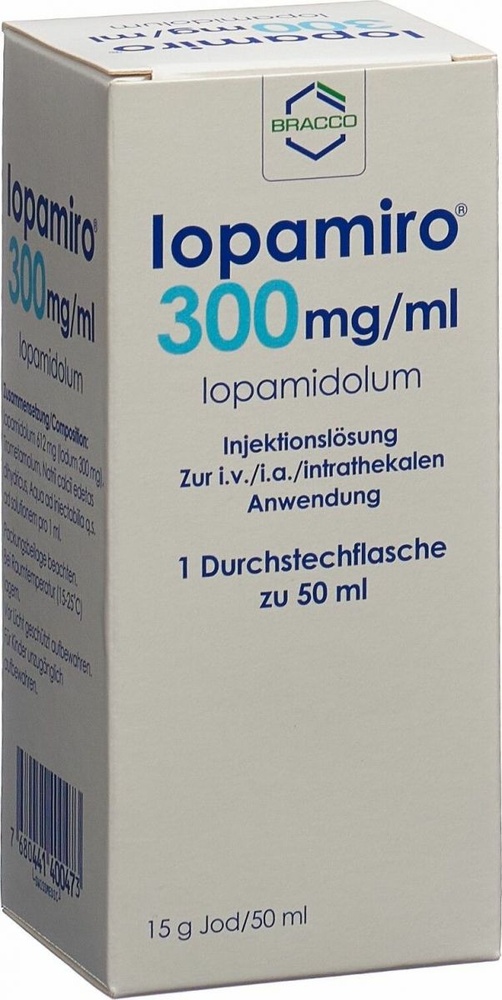
- The active ingredient is Iopamidol. 1 ml of injectable solution contains 612 mg of Iopamidol (equivalent to 300 mg of iodine).
- The other components are: trometamol, calcium and sodium edetate, water for injectable preparations.
Appearance of the product and packaging content
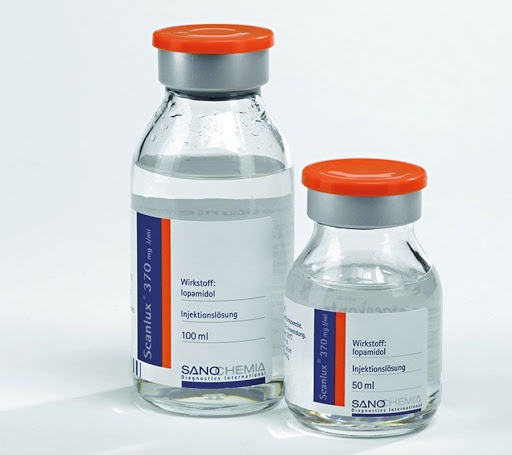
SCANLUX 300 mg/ml is a sterile, transparent, colorless to pale yellow injectable solution, ready to use, packaged in transparent glass bottles.
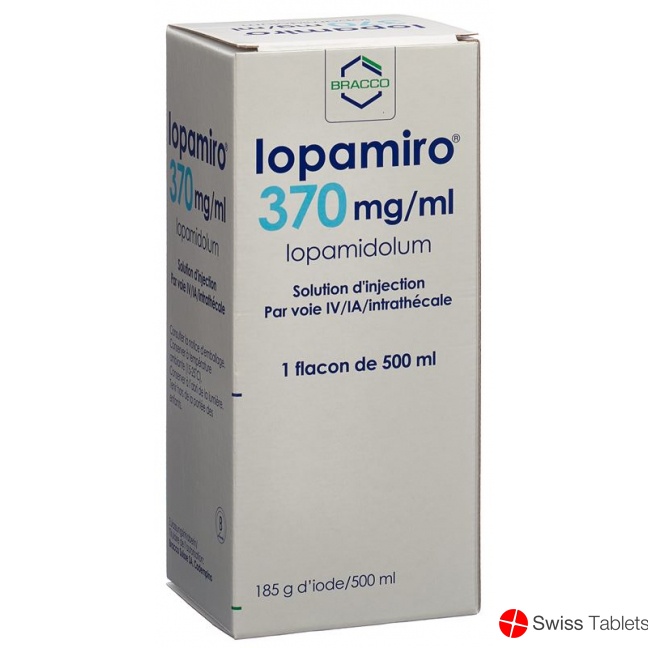
Each package contains: 50, 100, or 200 ml bottles.
Marketing authorization holder:
IBEROINVESA PHARMA, S.L.
C/ Zurbarán 18, 6th floor
28010 Madrid
Spain
Manufacturer:
Sanochemia Pharmazeutika AG
Langeggerstrasse 7; A-2491 Neufeld/Leitha
Austria
This leaflet was approved in:
January 2010
INFORMATION FOR HEALTHCARE PROFESSIONALS
This medication should be administered exclusively by authorized personnel.
For intravenous use.
Auto-injectors/pumps should not be used in small children.
Dosage and administration
The dose varies depending on the type of examination, age, weight, cardiac output, and general condition of the patient, as well as the technique used. Normally, the same concentration of iodine and the same volume as other radiological contrast media currently in use are used. As with other contrast media, adequate hydration should be ensured before and after administration.
The following doses can serve as a guide.
Adults:
Guidelines for intravenous use
Indication | Concentration | Volume |
Phlebography | 300 mg/ml | 20 – 50 ml |
Selective visceral angiography:
| 370 mg/ml | 30 – 70 ml 40 – 70 ml 25 – 70 ml 5 – 30 ml |
Computed Tomography (CT) with contrast. | 300 mg/ml | Whole body CT 40 – 100 ml |
Intravenous urography | 300 mg/ml 370 mg/ml | 40 – 80 ml In patients with severe renal insufficiency, administer the dose according to the method used up to a maximum of 1.5 ml/kg. |
Guidelines for intraarterial use
Indication | Concentration | Volume |
Cerebral angiography | 300 mg/ml | 5 – 10 ml |
Peripheral arteriography | 300 mg/ml | 10 – 15 ml |
Cardioangiography and left ventriculography | 370 mg/ml | 30 – 80 ml |
Coronary arteriography | 370 mg/ml | 4 – 8 ml Per artery* |
Retrograde aortography | 370 mg/ml | 30 – 80 ml |
Selective renal arteriography | 370 mg/ml | 5 – 10 ml |
- Repeat if necessary
Guidelines for intrathecal use
Indication | Concentration | Volume |
Lumbar myelography | 300 mg/ml | 5 – 10 ml |
Thoracic-cervical myelography | 300 mg/ml | 5 – 10 ml |
Guidelines for intraarticular use
Indication | Concentration | Volume |
Arthrography | 300 mg/ml | 1 – 10 ml Depending on the joint to be examined. |
Children:
Guidelines for intraarterial use
Indication | Concentration | Volume |
Cerebral angiography | 300 mg/ml | 5 – 7 ml, depending on the size and age of the individual |
Peripheral arteriography | 370 mg/ml | Depending on the size and age of the individual |
Cardioangiography and left ventriculography | 370 mg/ml | Depending on the size and age of the individual |
Selective renal arteriography | 370 mg/ml | Depending on the size and age of the individual |
Guidelines for intravenous use
Indication | Concentration | Volume |
Phlebography | 300 mg/ml | Depending on the size and age of the individual |
Intravenous urography | 370 mg/ml | 1 to 2.5 ml/kg, depending on the size and age of the individual |
Special warnings and precautions for use
Special precautions for the use of non-ionic monomeric contrast media in general
A positive history of allergy, asthma, or mild or moderate adverse reactions to iodinated contrast media indicates the need for special care. Premedication with corticosteroids or histamine H1 and H2 antagonists may be considered in these cases. The benefit must clearly outweigh the risk in such patients.
Iodinated contrast media can cause anaphylactic/anaphylactoid reactions or other hypersensitivity manifestations. Therefore, the course of action should be planned in advance, with the necessary medications and equipment available for immediate treatment if a severe reaction occurs. It is recommended to use a catheter or cannula for intravenous administrations of the contrast medium as well as for arterial use.
Anaphylactic/anaphylactoid reactions can occur regardless of the dose and mode of administration, and mild symptoms of hypersensitivity may represent the first signs of a severe reaction (see section 4.8). Administration of the contrast medium should be interrupted immediately, and specific therapy should be initiated via the vascular route if necessary. Patients taking beta-blockers may present atypical symptoms of anaphylaxis, which may be misinterpreted as a vagal reaction.
Adequate hydration should be ensured before and after administration of the contrast medium.
This applies especially to patients with multiple myeloma, diabetes mellitus, renal dysfunction, as well as infants, small children, and the elderly. Small infants (age <1 year) and especially neonates are susceptible to electrolyte disorders hemodynamic changes.< p>
Special care should be taken in patients with severe cardiac disease and pulmonary hypertension, as they may develop hemodynamic changes or arrhythmias.
Patients with acute cerebral pathology, tumors, or a history of epilepsy are prone to new seizures and deserve special care. Alcoholics and drug addicts may also have a higher risk of seizures and neurological reactions. Some patients have experienced hearing loss or even temporary deafness after myelography, which is believed to be due to a decrease in spinal fluid pressure due to the lumbar puncture itself.
To prevent decompensation or worsening of renal insufficiency that may lead to acute renal failure after administration of the contrast medium, special care should be taken in patients with renal insufficiency and diabetes mellitus, as they are at high risk. Patients with paraproteinemias (myelomatosis and Waldenström's macroglobulinemia) are also a risk group.
Preventive measures include:
- Identification of high-risk patients.
- Ensuring adequate hydration. If necessary, maintaining an intravenous infusion from before the procedure until the contrast medium has been eliminated by the kidneys.
- Avoiding additional kidney damage in the form of nephrotoxic drugs, cholecystographic agents, arterial obstruction, renal artery angioplasty, or major surgery until the contrast medium has been eliminated.
- Postponing a contrast medium examination until renal function returns to pre-examination levels.
To prevent lactic acidosis, serum creatinine levels should be measured in diabetic patients treated with metformin before intravascular administration of an iodinated contrast medium.
Normal serum creatinine / renal function: Metformin administration should be suspended at the time of contrast medium administration and not resumed until 48 hours later, or until renal function / serum creatinine is normal. Altered serum creatinine / renal function: Metformin administration should be suspended, and the contrast medium examination should be postponed for 48 hours. Metformin administration will only be resumed if renal function / serum creatinine is unaltered. In emergency cases where renal function is altered or unknown, the physician should evaluate the risk/benefit of the contrast medium examination and take these precautions into account: metformin medication will be suspended, the patient will be kept hydrated, renal function will be monitored, and possible symptoms of lactic acidosis will be observed.
There is a potential risk of transient hepatic dysfunction. Special care is required in patients with severe hepatic and renal impairment, as they may have a significant delay in the clearance of the contrast medium. Patients on hemodialysis may receive the contrast medium for radiological procedures when dialysis is ensured immediately after.
Administration of iodinated contrast media may exacerbate symptoms of myasthenia gravis. In patients with pheochromocytoma who are undergoing interventional procedures, alpha-blockers should be administered as prophylaxis to prevent a hypertensive crisis. Special care should be taken in patients with hyperthyroidism. Patients with multinodular goiter may have a risk of developing hyperthyroidism after injection of iodinated contrast media. There is also a risk of inducing transient hypothyroidism in premature infants who receive contrast media.
Extravasation of the contrast medium can, in rare cases, cause local pain and edema, which usually resolves without sequelae. However, inflammation and even tissue necrosis have been observed. It is recommended to elevate and cool the affected area as routine measures. Surgical decompression may be necessary in cases of compartment syndrome.
The normal diet can be maintained until two hours before the examination. During the last two hours, the patient should abstain from eating and drinking.
Observation time
After administration of the contrast medium, the patient should be observed for at least 30 minutes, as most adverse reactions occur during this time. However, late reactions can occur.
Patients with severe hepato-renal insufficiency should not be examined unless it is absolutely indicated. The second administration should be delayed by 5 to 7 days.
Intrathecal use
After myelography, the patient should rest with the head and thorax elevated 20° for one hour. Then, they should walk carefully but avoid bending down. The head and thorax should be kept elevated during the first 6 hours if they remain in bed. Patients with suspected low seizure threshold should be observed during this period. Ambulatory patients should not be alone during the first 24 hours.
Angiography
In pediatrics, right heart cardioangiography requires special caution in cyanotic newborns with pulmonary hypertension and cardiac function impairment.
In angiography of the supraortic trunks, particular attention should be paid to the placement of the catheter tip. Excessive pressures transmitted by the automatic pump can also cause renal infarction, spinal cord lesions, retroperitoneal hemorrhages, intestinal infarction, and necrosis.
It is convenient to determine renal function once the test is finished.
Radiological examination in women should be performed, if possible, during the pre-ovulatory phase of the menstrual cycle.
Nature and content of the container
SCANLUX 300 mg/ml is presented in transparent glass bottles Type II of the Ph. Eur. of 50, 100, 200, or 500 ml.
Special precautions for use and disposal
Disposal of unused medication and all materials that have come into contact with it will be carried out in accordance with local regulations.
Like all parenteral products, SCANLUX 300 mg/ml should be visually inspected for particles, discoloration, and container integrity before use.
The product should be introduced into the syringe immediately before use.
After disinfecting the stopper, the solution should be extracted through the stopper using a single-use syringe and sterile single-use needles.
Any unused contrast medium remaining in the monodose bottle should be discarded after each examination.
- Country of registration
- Active substance
- Prescription requiredYes
- Manufacturer
- This information is for reference only and does not constitute medical advice. Always consult a doctor before taking any medication. Oladoctor is not responsible for medical decisions based on this content.
- Alternatives to SCANLUX 300 mg/ml INJECTABLE SOLUTIONDosage form: INJECTABLE, 61.24 g iopamidol / 100 mlActive substance: iopamidolManufacturer: Bracco Imaging S.P.A.Prescription requiredDosage form: INJECTABLE, 75.53 g iopamidol / 100 mlActive substance: iopamidolManufacturer: Bracco Imaging S.P.A.Prescription requiredDosage form: INJECTABLE, 370 mg/mlActive substance: iopamidolManufacturer: Iberoinvesa Pharma S.L.Prescription required
Online doctors for SCANLUX 300 mg/ml INJECTABLE SOLUTION
Discuss questions about SCANLUX 300 mg/ml INJECTABLE SOLUTION, including use, safety considerations and prescription review, subject to medical assessment and local regulations.











Frequently Asked Questions
