


RIFINAH 300 MG/150 MG FILM-COATED TABLETS




How to use RIFINAH 300 MG/150 MG FILM-COATED TABLETS
Translated with AI
This page provides general information and does not replace a doctor’s consultation. Always consult a doctor before taking any medication. Seek urgent medical care if symptoms are severe.
Show originalContents of the leaflet
- Introduction
- What is Rifinah and what is it used for
- What you need to know before you take Rifinah
- Consult your doctor or pharmacist before starting to take Rifinah:
- - If the symptoms of tuberculosis return or worsen (see 4. Possible side effects).
- If you are pregnant or breastfeeding, think you may be pregnant, or plan to become pregnant, consult your doctor before using this medication.
- Rifampicin and isoniazid are excreted in breast milk, so you should not breastfeed your child during treatment.
- Consult your doctor or pharmacist before taking a medication.
- How to take Rifinah
- Possible side effects
- Storage of Rifinah
- Package contents and additional information
Introduction
PACKAGE LEAFLET: INFORMATION FOR THE USER
Rifinah 300 mg/150 mg film-coated tablets
Rifampicin/Isoniazid
Read all of this leaflet carefully before you start taking this medicine because it contains important information for you.
- Keep this leaflet, you may need to read it again.
- If you have any further questions, ask your doctor or pharmacist.
- This medicine has been prescribed for you only. Do not pass it on to others. It may harm them, even if their signs of illness are the same as yours.
- If you get any side effects, talk to your doctor or pharmacist. This includes any possible side effects not listed in this leaflet. See section 4.
Contents of the pack and other information
- What is Rifinah and what is it used for
- What you need to know before you take Rifinah
- How to take Rifinah film-coated tablets
- Possible side effects
- Storage of Rifinah film-coated tablets
Contents of the pack and further information
1. What is Rifinah and what is it used for
Rifinah 300 mg/150 mg film-coated tablets come in blister packs of 60 film-coated tablets and are an antibiotic belonging to the group of antitubercular associations. Antibiotics stop the growth of the bacteria that cause infections.
Antibiotics are used to treat bacterial infections and do not work fortreating viral infections such as flu or the common cold.
It is essential that you follow the instructions regarding the dose, administration interval, and durationoftreatment indicated by your doctor.
Do not store or reuse this medication. If you have any leftover antibiotic after finishing treatment, return it to the pharmacy for proper disposal.Do not throw away medications down the drain or in the trash.
It is used for the treatment of tuberculosis in all its forms.

2. What you need to know before you take Rifinah
Do not takeRifinah
- If you are allergic to rifamycins, isoniazid, or any of the other components of this medication (see section 6).
- If you have liver disease or are suffering from jaundice (yellowing of the skin and/or the whites of the eyes).
- If you are pregnant or breastfeeding.
- If you are under 12 years old.
- If you are taking medications that contain:
- Combinations of saquinavir/ritonavir or elvitegravir/cobicistat (antiretroviral medications).
- Atazanavir, darunavir, fosamprenavir, tipranavir, rilpivirine, or dolutegravir/rilpivirine (antiretroviral medications).
- Nifedipine, nimodipine, nisoldipine, or nitrendipine (antihypertensive medications).
- Glecaprevir/pibrentasvir or elbasvir/grazoprevir (medications for hepatitis C).
- Voriconazole (antifungal medication).
- Artemether/lumefantrine (antimalarial medication).
- BCG live attenuated vaccine (interferon).

Warnings and precautions
Consult your doctor or pharmacist before starting to take Rifinah:
- If the symptoms of tuberculosis return or worsen (see 4. Possible side effects).
- If you are diabetic. Treatment with rifampicin may make it difficult to manage diabetic patients.
- This medication is an association of two drugs (rifampicin and isoniazid), each of which has been associated with liver function alteration. Therefore, your doctor will periodically check your liver by performing blood tests before treatment and every 2-4 weeks during treatment. If any liver cell damage appears, your doctor will suspend treatment.
- If you experience itching, weakness, loss of appetite, nausea, vomiting, abdominal pain, yellowing of the eyes or skin, or dark urine, inform your doctor immediately. These symptoms may be related to severe liver damage.
- During treatment, severe skin reactions such as drug reaction with eosinophilia and systemic symptoms (DRESS), Stevens-Johnson syndrome (SSJ), and toxic epidermal necrolysis (NET) may occur, some of which can be fatal (see section 4. Possible side effects). If you present symptoms of hypersensitivity to Rifinah such as fever, lymphadenopathy (swelling of the lymph nodes), biological alterations (eosinophilia - increase of a certain group of white blood cells -, liver disorders), with or without skin rash, blisters, and lesions on the mucous membranes, contact your doctor immediately.
Rifinah should be discontinued if a different origin for these symptoms cannot be established.
- If you present a severe, generalized, blistering skin rash with blister formation or skin peeling, as well as flu-like symptoms and fever (Stevens-Johnson syndrome), general malaise, fever, chills, and muscle pain (toxic epidermal necrolysis) or a red, scaly rash with bumps under the skin and blisters (acute generalized exanthematous pustulosis), consult your doctor as soon as possible, as treatment with rifampicin should be suspended immediately.
- If you are elderly, an adolescent, malnourished, or have a predisposition to neuropathy (e.g., if you are diabetic), you may need to take a supplementary intake of vitamin B6.
- Due to rifampicin, discoloration (yellow, orange, red, brown) may appear in your teeth, urine, sweat, sputum, tears, and feces without clinical importance. Similarly, it can cause permanent discoloration of soft contact lenses.
- Rifampicin may compete with several medications at the level of absorption, biochemical change, and metabolism and, therefore, could decrease or increase the exposure, safety, and efficacy of these medications (see “Use of Rifinah with other medications”).
- If you have a bleeding problem or tend to bruise easily. Rifampicin can cause vitamin K-dependent coagulopathy (this means it can decrease the blood's ability to clot) and severe bleeding (see section “Possible side effects”).
- If you are taking other antibiotics at the same time.
- If you have a history of lung inflammation (interstitial lung disease/pneumonitis).
- If you experience a new or sudden worsening of breathing difficulties, possibly with dry cough or fever that does not respond to antibiotic treatment. These may be symptoms of lung inflammation (interstitial lung disease/pneumonitis) and can cause serious respiratory problems and interfere with normal breathing due to fluid accumulation in the lungs, which can lead to life-threatening conditions.
- If you notice any of the symptoms related to cerebellar syndrome described in section 4 - Possible side effects. This syndrome has been reported mainly in patients with chronic kidney disease. Your healthcare professional may reduce the dose or ask you to suspend treatment.
Use of Rifinah with other medications
Rifinah may modify the effects of many medications, so it is crucial that you inform your doctor or pharmacist if you are using, have recently used, or may need to use any other medication, including those purchased without a prescription.
Rifampicin increases the elimination of many medications from the body, which may produce a decrease in their activity. These medications include:
- medications for the treatment of epilepsy: phenytoin, phenobarbital
- medications for treating heart rhythm disorders (arrhythmias): disopyramide, mexiletine, quinidine, propafenone, tocainide
- medications for other heart problems: beta-blockers and losartan (for the treatment of high blood pressure), medications called calcium channel blockers such as diltiazem, nifedipine, or verapamil, cardiac glycosides such as digoxin (for the treatment of heart failure)
Medications for the treatment of blood clotting problems: warfarin
- medications for the treatment of mental disorders: haloperidol
- medications for the treatment of fungal infections: caspofungin, fluconazole, itraconazole, ketoconazole
- medications for HIV infection: zidovudine, saquinavir, indinavir, efavirenz
- medications used as anesthetics: thiopental
- certain antibiotics: chloramphenicol, clarithromycin, doxycycline, fluoroquinolones, telithromycin
- corticosteroids (e.g., prednisolone)
- medications to prevent transplant rejection: cyclosporine, tacrolimus, sirolimus
- systemic hormonal contraceptives (including estrogens and progestogens)
- other medications for the treatment of infections: dapsone (for the treatment of leprosy and/or malaria) and quinine (for the treatment of malaria)
- medications for the treatment of diabetes: sulfonylureas (glipizide, glyburide), rosiglitazone
- medications for the treatment of depression: nortriptyline
- medications for the treatment of anxiety and/or insomnia: diazepam, zopiclone, zolpidem
- medications for the treatment of pain: opioid analgesics (oxycodone, morphine)
- medications for treating high cholesterol: clofibrate, statins (e.g., simvastatin)
- medications for the treatment of nausea and vomiting: ondansetron
- medications for the treatment of cancer: irinotecan
- medications for the treatment of degenerative nerve diseases such as amyotrophic lateral sclerosis: riluzole
- medications with estrogenic and antiestrogenic activity (tamoxifen, toremifene)
- antiviral medications for the treatment of hepatitis C (daclatasvir, simeprevir, sofosbuvir, telaprevir, velpatasvir, voxilaprevir)
- Other medications: hexobarbital (barbiturate), levothyroxine (for the treatment of hypothyroidism), methadone, theophylline (for the treatment of asthma), praziquantel (for the treatment of helminthic parasites)
- certain medications used to thin the blood, such as clopidogrel
- dapsone: if you are taking dapsone (an antibiotic) with rifampicin, hematologic toxicity, including a decrease in blood cells and bone marrow, and methemoglobinemia (decrease in oxygen in the blood caused by changes in red blood cells) may occur.
In the case that you are taking any of these medications, it may be necessary for your doctor to modify the dose.
If you are taking paracetamol and rifampicin, the risk of liver damage may increase.
The combination of rifampicin with isoniazid increases the potential for liver toxicity. There is a high frequency of association between this combination and hepatitis in people over 35 years old, so your doctor will periodically check your liver function (see section 2. Warnings and precautions).
When atovaquone and Rifinah are used simultaneously, a decrease in atovaquone concentrations and an increase in rifampicin concentrations are observed.
The simultaneous use of ketoconazole and rifampicin decreases the serum levels of both drugs.
If you are taking enalapril (a medication for the treatment of high blood pressure) at the same time as Rifinah, your doctor will adjust the dose of enalapril since rifampicin decreases its concentration in the blood and, therefore, its activity.
If you are taking systemic hormonal contraceptives, your doctor will indicate that you should replace them with a non-hormonal contraceptive method during treatment with Rifinah, since it decreases their contraceptive effect.
Antacids reduce the absorption of rifampicin, so you should take your daily dose of Rifinah at least one hour before taking antacids.
The concomitant use of rifampicin with other antibiotics that cause vitamin K-dependent coagulopathy (decrease in blood clotting ability), such as cefazolin (or other cephalosporins of the same group), should be avoided, as it can cause severe coagulation disorders (when the blood loses its liquidity and becomes a gel to form a clot) that can lead to a fatal outcome (especially with high doses).
The concomitant use with a group of medications, non-nucleoside reverse transcriptase inhibitors such as etravirine, nevirapine, or any protease inhibitor (alone or combined with an antiretroviral called ritonavir), is not recommended.
It is also not recommended to use concomitantly with maraviroc, another antiretroviral medication; if clinically justified, a dose adjustment is required.
When Rifinah is taken with the combination saquinavir/ritonavir, the possibility of hepatotoxicity increases. Therefore, the concomitant use of Rifinah with the combination saquinavir/ritonavir is contraindicated.
Isoniazid inhibits the metabolism of carbamazepine and phenytoin (medications for the treatment of epilepsy), so a dose adjustment will be required for these medications.
Para-aminosalicylic acid increases the blood concentration of isoniazid and decreases that of rifampicin.
Interference with laboratory tests
This medication alters the results of some laboratory tests, such as:
- the determination of folates and vitamin B12 in blood,
- the bromosulfophthalein test (transient elevations),
- bilirubin levels in blood,
- it may interfere with the elimination of contrast media used to examine your gallbladder.
Therefore, if necessary, these tests will be performed in the morning and before you have taken your dose of Rifinah.
In patients treated with rifampicin, cases of false-positive results for the presence of opiates in urine have been reported when the analysis was performed with a test called ICMS (Kinetic Interaction of Microparticles in Solution). For this reason, it is recommended to use other techniques in these patients, such as gas chromatography and mass spectrometry.
Inform your doctor or pharmacist if you are pregnant and if you are planning or need to undergo abortion with mifepristone.
Taking Rifinah with food, drinks, and alcohol
Isoniazid interacts with foods that contain a substance called tyramine, which is present in foods such as cheese and red wine. Similarly, if you take foods that contain a substance called histamine (e.g., tuna or other tropical fish), an exaggerated response with headache, sweating, palpitations, flushing, and decreased blood pressure may occur. Due to this, your doctor will indicate that you should not take foods that contain tyramine or histamine during your treatment with Rifinah.
Pregnancy, breastfeeding, and fertility
If you are pregnant or breastfeeding, think you may be pregnant, or plan to become pregnant, consult your doctor before using this medication.
This medication should not be taken during pregnancy.
Rifampicin and isoniazid are excreted in breast milk, so you should not breastfeed your child during treatment.
Consult your doctor or pharmacist before taking a medication.
No data are available in humans on the long-term ability of Rifinah to alter fertility.
Driving and using machines
Rifampicin may produce certain side effects that can interfere with your ability to drive and use machines. If you experience these side effects (difficulty breathing, nausea, vomiting, muscle weakness), you should not drive or use machines.
Important information about some of the components of Rifinah
This medication contains sucrose. If your doctor has told you that you have an intolerance to certain sugars, consult with them before taking this medication.
Patients with diabetes mellitus should note that this medication contains 181 mg of sucrose per film-coated tablet.
This medication may cause allergic reactions because it contains Orange Yellow S (E-110). It can cause asthma, especially in patients allergic to acetylsalicylic acid.
This medication contains less than 23 mg of sodium (1 mmol) per film-coated tablet, which is essentially “sodium-free”.
3. How to take Rifinah
Follow the administration instructions of the medication contained in this leaflet or as indicated by your doctor or pharmacist. If in doubt, ask your doctor or pharmacist. Remember to take your medication.
Your doctor will indicate your daily dose and the duration of your treatment. Do not suspend your treatment before. The dosage is individual for you and may be modified by your doctor based on your response to treatment.
Swallow the tablets with a sufficient amount of liquid (a glass of water).
The absorption of Rifinah is affected by food, so to ensure adequate absorption, you should take Rifinah on an empty stomach, i.e.:
- at least 30 minutes before a meal, or
- at least 2 hours after a meal.
If you think the action of Rifinah is too strong or too weak, inform your doctor or pharmacist.
The dose for adults over 50 kg in weight and with normal liver function is 2 tablets (600 mg of rifampicin and 300 mg of isoniazid) in a single daily dose, in the morning, and on an empty stomach.
This medication is not recommended for use in children due to different dosage needs.
If you take more Rifinah than you should
Consult your doctor immediately or go to the emergency department of the nearest hospital, accompanied by this leaflet.
After taking a large amount of this medication, you may expect the appearance of nausea, vomiting, stomach pain, itching, headache, and progressive drowsiness; in case of having a severe liver disease, loss of consciousness may occur. You may also experience dizziness, difficulty speaking, blurred vision, and visual hallucinations (bright colors and strange shapes), and even serious breathing difficulties and severe convulsions.
Also, due to rifampicin, a reddish color may appear on: skin, urine, sweat, saliva, tears, and feces; the intensity of this color will vary depending on the amount of medication taken. It can also cause permanent discoloration of soft contact lenses.
Your doctor will treat the symptoms as deemed appropriate, such as gastric lavage and/or induced vomiting, and administration of medications for your symptoms, as well as monitoring your liver and kidney functions.
In case of overdose or accidental ingestion, consult the Toxicology Information Service. Phone: 91 5620420.
If you forget to take Rifinah
Do not take a double dose to make up for forgotten doses.
If you interrupt treatment with Rifinah
It is essential that you follow your doctor's instructions, as taking the treatment intermittently (less than 2 or 3 times a week) may cause severe allergic reactions. If you interrupt treatment and restart it, you will do so with small doses that will be progressively increased.
4. Possible side effects
Like all medications, this medication can cause side effects, although not all people experience them.
Due to Rifinah
Frequent side effects (may affect up to 1 in 10 patients):
- Paradoxical reaction to the medication: during treatment, the symptoms of tuberculosis may reappear or new symptoms may appear after initial improvement. Paradoxical reactions have been reported 2 weeks to 18 months after starting antitubercular treatment. Paradoxical reactions are usually associated with fever, lymph node inflammation (lymphadenitis), difficulty breathing, and cough. Patients with a paradoxical reaction to the medication may also experience headaches, loss of appetite, and weight loss.
Due to rifampicin:
Like all medications, this medication can cause side effects, although not all people experience them.
If any of the following serious side effects occur, stop taking Rifinah and consult your doctor immediately (see section 2 - Warnings and precautions):
- Kidney failure (the kidneys are unable to filter toxins properly).
- Thrombocytopenia (decrease in the number of platelets in the blood).
- Hemolytic anemia (destruction of red blood cells in the blood, before normal).
Your doctor will indicate that you should immediately stop treatment with rifampicin and not take this medication again.
Very frequent side effects (may affect more than 1 in 10 patients):
- Fever, chills.
Frequent side effects (may affect up to 1 in 10 patients):
- Thrombocytopenia (reduction in the number of platelets), with or without the appearance of red spots on the skin formed by small subcutaneous hemorrhages (purpura).
- Headache, dizziness.
- Nausea, vomiting.
- Elevation of bilirubin in the blood, elevation of transaminases [aspartate aminotransferase (AST), alanine aminotransferase (ALT)].
Uncommon side effects (may affect up to 1 in 100 patients):
- Leukopenia (decrease in the number of white blood cells).
- Diarrhea.
Other side effects with unknown frequency (cannot be estimated from available data) that may occur with rifampicin are:
- Pseudomembranous colitis (severe inflammation of the intestine that may appear after antibiotic treatment).
- Flu.
- Disseminated intravascular coagulation (coagulation problems within blood vessels in a generalized manner).
- Eosinophilia (increase in a certain group of white blood cells).
- Agranulocytosis (decrease in a type of white blood cell, granulocytes).
- Hemolytic anemia (decrease in the number of red blood cells produced by their destruction).
- Vitamin K-dependent coagulation disorders.
- Anaphylactic reaction (severe allergic reaction that causes respiratory difficulty and even loss of consciousness).
- Adrenal insufficiency (alteration of adrenal gland function in patients with renal impairment).
- Loss of appetite.
- Psychotic disorder (mental state that consists of a loss of contact with reality).
- Cerebral hemorrhage and death, in cases where, after the appearance of purpura (purple spots on the skin), treatment with rifampicin has been continued or resumed.
- Change in the color of tears.
- Shock (cardiocirculatory failure syndrome), flushing (redness of the skin), vasculitis (inflammation of blood vessels), severe bleeding.
- Dyspnea (shortness of breath or difficulty breathing), wheezing (sounds during breathing), change in the color of sputum.
- Gastrointestinal disorder, abdominal discomfort, discoloration of teeth (which can be permanent).
- Hepatitis (inflammation of the liver), hyperbilirubinemia (elevation of bilirubin in the blood), cholestasis (reduction of bile flow) (see section 2. Warnings and precautions).
- Erythema multiforme.
- Severe skin reactions such as acute generalized exanthematous pustulosis (red and scaly rash with bumps under the skin and blisters), Stevens-Johnson syndrome (generalized rash with blisters and peeling of the skin, particularly around the mouth, nose, eyes, and genitals), and toxic epidermal necrolysis [generalized rash with blisters and peeling of the skin, particularly around the mouth, nose, eyes, and genitals, causing generalized peeling of the skin (more than 30% of the body surface)], drug reaction with eosinophilia and systemic symptoms [(DRESS) flu-like symptoms with skin rash, fever, gland inflammation, and abnormal blood test results such as increased leukocytes (eosinophilia) and elevated liver enzymes] (see section 2. Warnings and precautions).
- Skin reactions, itching, pruriginous rash, urticaria, allergic dermatitis, blistering skin lesions (pemphigus).
- Change in the color of sweat.
- Muscle weakness, myopathy (muscle disorder).
- Bone pain.
- Acute kidney damage, usually due to death of kidney cells (tubular necrosis) or kidney inflammation (tubulointerstitial nephritis).
- Chromaturia (abnormal urine color).
- Postpartum hemorrhage.
- Feto-maternal hemorrhage (entry of fetal blood into the mother).
- Menstrual disorder.
- Porphyria.
- Edema (swelling of the skin due to fluid accumulation).
- Decrease in blood pressure.
- Increased creatinine in the blood.
- Increased liver enzymes.
- Inflammation of the lungs (interstitial lung disease/pneumonitis): inform your doctor immediately if you develop new or sudden worsening of breathing difficulties, possibly with cough or fever.
Due to isoniazid:
Uncommon side effects (may affect up to 1 in 100 patients):
- Seizures, toxic encephalopathy (brain disorder caused by a neurological disorder caused by toxic substances), optic neuritis (inflammation of the optic nerve that can cause partial or complete sudden loss of vision, although in many cases visual acuity is recovered), optic nerve atrophy, memory alteration, and toxic psychosis (psychotic disorder caused by substance abuse).
- Nausea, vomiting, stomach pain.
- Hepatitis: symptoms such as yellowing of the skin and the whites of the eyes (jaundice), dark urine, and pale stools, fatigue, weakness, discomfort, loss of appetite, nausea, or vomiting, which can be severe and sometimes fatal.
Rare side effects (may affect up to 1 in 1,000 patients):
- Generalized rash with blisters and peeling of the skin, particularly around the mouth, nose, eyes, and genitals, causing generalized peeling of the skin (more than 30% of the body surface) (toxic epidermal necrolysis or TEN).
- Flu-like symptoms with skin rash, fever, gland inflammation, and abnormal blood test results such as increased leukocytes (eosinophilia) and elevated liver enzymes [drug reaction with eosinophilia and systemic symptoms (DRESS)].
- Anemia (decrease in the number of red blood cells in the blood).
Very rare side effects (may affect up to 1 in 10,000 patients):
- Thrombocytopenia (reduction in the number of platelets), eosinophilia (increase in white blood cells), agranulocytosis (decrease in a type of white blood cell, granulocytes).
- Anaphylactic reactions (severe allergic reaction that causes respiratory difficulty and even loss of consciousness).
- Pellagra (digestive disorders, pain in the limbs, weakness, and redness with peeling of the skin and nervous disorders).
- Polyneuritis (inflammation of multiple nerves) that presents as paresthesia (tingling sensation), muscle weakness, and loss of reflexes at the junction of tendons and bones.
- Rash (skin rash), acne, exfoliative dermatitis (skin inflammation with peeling), Stevens-Johnson syndrome (SSJ) (generalized rash with blisters and peeling of the skin, particularly around the mouth, nose, eyes, and genitals), pemphigus (skin disorder with blisters).
- Systemic lupus erythematosus-like syndrome (severe skin and mucous membrane disease of unknown origin that sometimes causes fatigue and weight loss, fever, arthritis, kidney involvement, seizures, mental disorders, and gastrointestinal disorders).
- Fever.
Side effects with unknown frequency (cannot be estimated from available data):
- Pancreatitis (inflammation of the pancreas that causes severe abdominal and back pain).
- Gynecomastia (pathological enlargement of one or both mammary glands).
- Vasculitis (inflammation of blood vessels).
- Cerebellar syndrome that includes: poor coordination of movements, lack of balance, changes in speech, involuntary eye movements.
If you observe any other reaction not described in this leaflet, consult your doctor or pharmacist.
Reporting of side effects
If you experience any type of side effect, consult your doctor or pharmacist, even if it is a possible side effect that does not appear in this leaflet. You can also report them directly through the Spanish Pharmacovigilance System for Human Use Medicines: https://www.notificaram.es. By reporting side effects, you can contribute to providing more information on the safety of this medication.
5. Storage of Rifinah
Keep this medication out of the sight and reach of children.
Do not store at a temperature above 25°C.
Do not use Rifinah after the expiration date that appears on the packaging after CAD. The expiration date is the last day of the month indicated.
Medications should not be thrown down the drain or into the trash. Deposit the packaging and medications you no longer need in the SIGRE Point of the pharmacy. In case of doubt, ask your pharmacist how to dispose of the packaging and medications you no longer need. This way, you will help protect the environment.
6. Package contents and additional information
Rifinah composition300 mg/150 mg film-coated tablets
The active ingredients are rifampicin and isoniazid. Each film-coated tablet contains 300 mg of rifampicin and 150 mg of isoniazid.
The other components are: sodium lauryl sulfate, magnesium stearate, calcium stearate, sodium carmellose, microcrystalline cellulose.
Coating: arabic gum, povidone K30, sucrose, talc, magnesium carbonate, titanium dioxide, kaolin, gelatin, aerosil 200, yellow FDC dye No. 6, aluminum lacquer 17% (Orange Yellow S (E-110)).
Product appearance and package contents
Rifinah is presented in the form of film-coated tablets of oblong shape, orange-pink in color, with a smooth and shiny surface.
Each package contains 60 tablets in blisters.
The marketing authorization holder is:
sanofi-aventis, S.A.
C/ Rosselló i Porcel, 21
08016 Barcelona
Spain
The manufacturer is:
Sanofi S.r.l.
Via Valcanello, 4
03012 Anagni (FR) Italy
Date of the last revision of this leaflet: August2024
Detailed and updated information on this medication is available on the website of the Spanish Agency for Medicines and Health Products (AEMPS) http://www.aemps.gob.es/.
- Country of registration
- Average pharmacy price23.84 EUR
- Availability in pharmacies
Supply issue reported
Data from the Spanish Agency of Medicines (AEMPS) indicates a supply issue affecting this medicine.<br><br>Availability may be limited in some pharmacies.<br><br>For updates or alternatives, consult your pharmacist. - Active substance
- Prescription requiredYes
- Manufacturer
- This information is for reference only and does not constitute medical advice. Always consult a doctor before taking any medication. Oladoctor is not responsible for medical decisions based on this content.
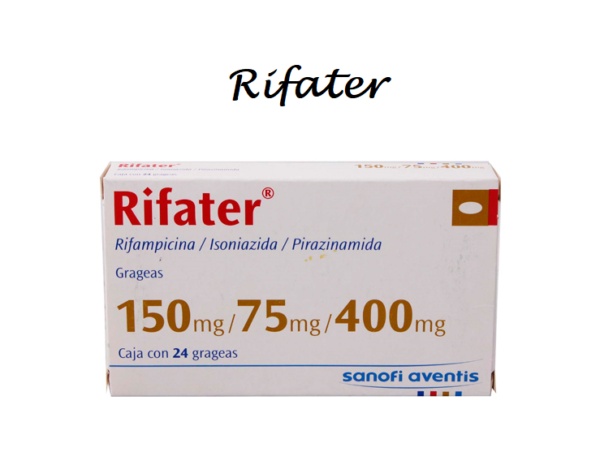
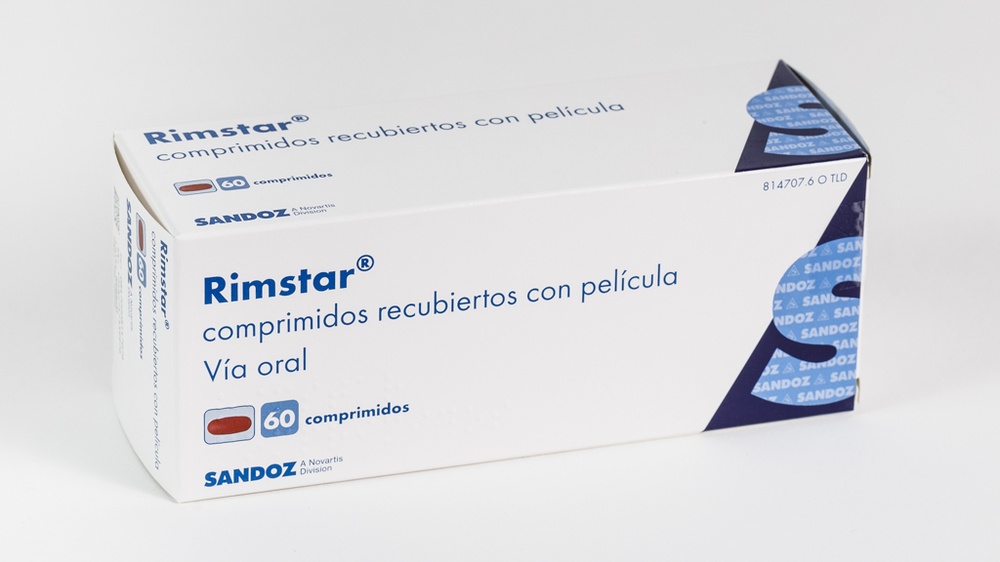
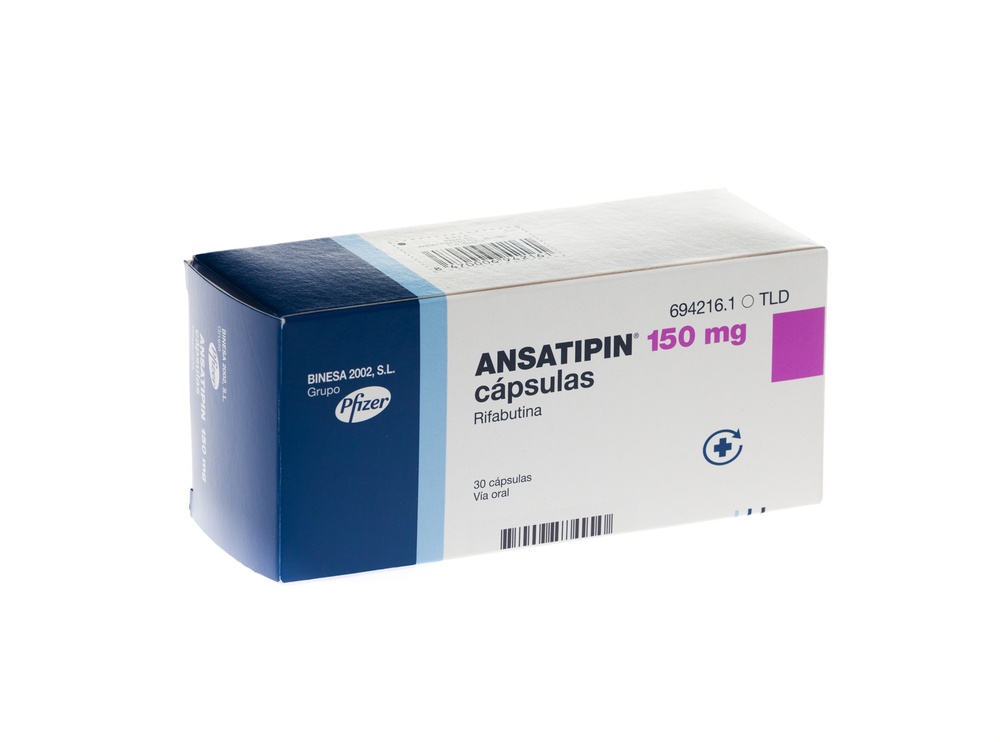
- Alternatives to RIFINAH 300 MG/150 MG FILM-COATED TABLETSDosage form: TABLET, 120/50/300 mg/mg/mgActive substance: rifampicin, pyrazinamide and isoniazidManufacturer: Sanofi Aventis S.A.Prescription requiredDosage form: TABLET, 150 mg / 75 mg / 400 mg / 275 mgActive substance: rifampicin, pyrazinamide, ethambutol and isoniazidManufacturer: Sandoz GmbhPrescription requiredDosage form: CAPSULE, 150 mgActive substance: rifabutinManufacturer: Binesa 2002 S.L.Prescription required
Online doctors for RIFINAH 300 MG/150 MG FILM-COATED TABLETS
Discuss questions about RIFINAH 300 MG/150 MG FILM-COATED TABLETS, including use, safety considerations and prescription review, subject to medical assessment and local regulations.











Frequently Asked Questions
