


POTELIGEO 4 mg/ml CONCENTRATE FOR INFUSION SOLUTION



How to use POTELIGEO 4 mg/ml CONCENTRATE FOR INFUSION SOLUTION
Translated with AI
This page provides general information and does not replace a doctor’s consultation. Always consult a doctor before taking any medication. Seek urgent medical care if symptoms are severe.
Show originalContents of the leaflet
Introduction
Package Leaflet: Information for the Patient
POTELIGEO 4mg/ml concentrate for solution for infusion.
Mogamulizumab
Read all of this leaflet carefully before you start using this medicine because it contains important information for you.
- Keep this leaflet, you may need to read it again.
- If you have any further questions, ask your doctor or nurse.
- If you experience side effects, ask your doctor or nurse, even if they are not listed in this leaflet. See section 4.
Contents of the pack
- What is POTELIGEO and what is it used for
- What you need to know before you start using POTELIGEO
- How POTELIGEO is administered
- Possible side effects
- Storage of POTELIGEO
- Contents of the pack and further information
1. What is POTELIGEO and what is it used for
POTELIGEO contains the active substance mogamulizumab, which belongs to a group of medicines called monoclonal antibodies. Mogamulizumab attacks cancer cells, which are then destroyed by the immune system (the body's defenses).
This medicine is used to treat adults with mycosis fungoides and Sézary syndrome, which are types of cancers called cutaneous T-cell lymphomas. This medicine is used in patients who have received at least one medicine given orally or by injection.

2. What you need to know before you start using POTELIGEO
Do not use POTELIGEO:
- if you are allergic to mogamulizumab or any of the other ingredients of this medicine (listed in section 6).
Warnings and precautions
Consult your doctor or nurse before starting treatment with POTELIGEO if:
- you have ever had a severe skin reaction with this medicine.
- you have ever had an infusion reaction with this medicine (possible symptoms of an infusion reaction are listed in section 4).
- you have human immunodeficiency virus (HIV), herpes, cytomegalovirus (CMV), or hepatitis B or C infection, or other ongoing infections.
- you have undergone or plan to undergo a stem cell transplant, either using your own cells or a donor's.
- you have had tumor lysis syndrome (a complication involving the destruction of cancer cells) after previous treatment.
- you have heart problems.
Tell the person administering the infusion or seek medical attention immediately if you experience a reaction during or after any infusion with POTELIGEO.
Tell your doctor immediately if you experience any of the side effects listed in section 4 after starting treatment with POTELIGEO.
Other medicines and POTELIGEO
Tell your doctor if you are taking, have recently taken, or might take any other medicines.
Children and adolescents
This medicine must not be used in children and adolescents under 18 years of age.
Pregnancy and breastfeeding
The effects of POTELIGEO during pregnancy and breastfeeding are not known. Due to the mechanism of action of this medicine, it could affect your child if you are given it while pregnant or breastfeeding.
If you can become pregnant, you must use an effective contraceptive method during treatment and for at least 6 months after treatment.
If you are breastfeeding, you should discuss with your doctor whether you can breastfeed during or after treatment with POTELIGEO.
If you are pregnant or breastfeeding, think you may be pregnant, or plan to become pregnant, consult your doctor or nurse.
Driving and using machines
It is unlikely that POTELIGEO will affect your ability to drive and use machines. However, the medicine may cause fatigue in some people, so you should be careful when driving and using machines until you are sure that this medicine does not affect you.
POTELIGEO contains sodium
This medicine contains less than 1 mmol (23 mg) of sodium per vial, which is essentially 'sodium-free'.
POTELIGEO contains polysorbate
This medicine contains 1 mg of polysorbate 80 per vial, which is equivalent to 0.2 mg/ml. Polysorbates may cause allergic reactions. Tell your doctor if you have any known allergies.
3. How POTELIGEO is administered
Your doctor will calculate the amount of POTELIGEO you will receive based on your body weight. The recommended dose is 1 mg of POTELIGEO per kilogram of body weight.
POTELIGEO will be given to you through a vein (intravenous infusion) over a minimum of 60 minutes. Initially, infusions will be given once a week for the first 5 doses, and then once every 2 weeks. Treatment should continue unless you experience severe side effects or your cutaneous T-cell lymphoma starts to worsen.

4. Possible side effects
Like all medicines, this medicine can cause side effects, although not everybody gets them.
Serious side effects
Tell your doctor or nurse or seek medical attention immediately if you have any of the following signs and symptoms after starting POTELIGEO:
Very common side effects (may affect more than 1 in 10 people):
- chills, nausea or vomiting, headache, wheezing, itching, flushing (redness), rash, dizziness or feeling of fainting, difficulty breathing, and fever, which may be signs of an infusion reaction. If this happens, the infusion may need to be interrupted and you may need additional treatment. When the symptoms disappear, POTELIGEO administration can continue normally, but more slowly. Your doctor may stop treatment with POTELIGEO if your reaction is severe.
- signs of infection, which may include fever, sweating or chills, flu-like symptoms, sore throat or difficulty swallowing, cough, shortness of breath, stomach pain, nausea or vomiting, diarrhea, or severe discomfort.
- skin rash (which may worsen) or mouth pain. In some people who received POTELIGEO for other types of cancer, there was pain/burning sensation in the skin, itching, blisters/peeling of the skin, or ulcers in the mouth, lips, or genitals, which are possible signs of a severe skin reaction, such as Stevens-Johnson syndrome or toxic epidermal necrolysis (which affected up to 1 in 100 people).
Common side effects (may affect up to 1 in 10 people):
- watery diarrhea, more bowel movements than usual, severe abdominal pain, or tenderness to the touch, which are possible signs of inflammation of the large intestine (colitis).
Uncommon side effects (may affect up to 1 in 100 people):
- fever, chills, nausea, vomiting, confusion, shortness of breath, seizures, irregular heartbeat, dark or cloudy urine, unusual tiredness, and/or muscle or joint pain. The destruction of cancer cells and the body's reaction to it can, very occasionally, lead to a problem called tumor lysis syndrome.
- chest pain, shortness of breath, rapid or slow heartbeat, sweating, dizziness, nausea or vomiting, weakness, feeling of fainting, and discomfort. Although it is unlikely to be caused by this medicine, these may be signs of a heart disorder.
Frequency not known (cannot be estimated from the available data):
- If you are going to have a stem cell transplant, it is possible that you may develop complications (graft-versus-host disease) that are difficult to manage. The symptoms may include skin rash or blisters, nausea or diarrhea that does not go away, stomach pain or vomiting, pain or stiffness in the joints, dry or irritated eyes or blurred vision, ulcers, irritation, or pain in the mouth, persistent cough or difficulty breathing, genital sensitivity, jaundice (turning yellow), dark urine, and any type of swelling.
Other side effects
Ask your doctor if you have any other side effects. These may include:
Very common side effects (may affect more than 1 in 10 people):
- Lack of energy (fatigue)
- Constipation
- Swelling of legs or ankles
- Headache
Common side effects (may affect up to 1 in 10 people)
- Anemia (reduction in red blood cell count)
- Low platelet count (thrombocytopenia)
- Low white blood cell count (neutropenia and leucopenia) or low lymphocyte count
- Blood tests showing increased liver enzyme levels
- Underactive thyroid
Uncommon side effects (may affect up to 1 in 100 people):
- Liver inflammation (hepatitis)
Reporting of side effects
If you experience any side effects, ask your doctor or nurse, even if they are not listed in this leaflet. You can also report them directly through the national reporting system listed in Appendix V. By reporting side effects, you can help provide more information on the safety of this medicine.
5. Storage of POTELIGEO
Keep this medicine out of the sight and reach of children.
Do not use this medicine after the expiry date which is stated on the carton and vial after EXP. The expiry date is the last day of the month shown.
Unopened vial: Store in a refrigerator (between 2°C and 8°C). Do not freeze.
Store in the original package to protect from light.
Reconstituted/diluted solution: Use immediately or store in a refrigerator (between 2°C and 8°C) and use within 24 hours.
Do not use this medicine if you notice signs of deterioration, such as particulate matter or discoloration.
Medicines should not be disposed of via wastewater or household waste. This will help protect the environment.
6. Contents of the pack and further information
Composition of POTELIGEO
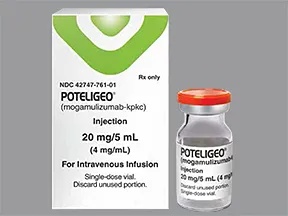
- Each vial contains 20 mg of mogamulizumab in 5 ml of concentrate, corresponding to 4 mg/ml.
- The other excipients are citric acid monohydrate, glycine, polysorbate 80, sodium hydroxide, hydrochloric acid, and water for injections. See section 2, 'POTELIGEO contains sodium'.
Appearance and pack contents
POTELIGEO is a clear and colorless solution. The pack contains a glass vial with 5 ml of concentrate for solution for infusion.
Marketing authorisation holder
Kyowa Kirin Holdings B.V.
Bloemlaan 2
2132 NP Hoofddorp
Netherlands
Manufacturer
allphamed PHARBIL Arzneimittel GmbH
Hildebrandstr. 10-12
37081 Göttingen
Germany
Kyowa Kirin Holdings B.V.
Bloemlaan 2
2132 NP Hoofddorp
Netherlands
Date of last revision of this leaflet:<{MM/YYYY}> <{Month YYYY}.>
Other sources of information
Detailed information on this medicine is available on the European Medicines Agency website: http://www.ema.europa.eu. There are also links to other websites on rare diseases and orphan medicines.
- Country of registration
- Active substance
- Prescription requiredYes
- Manufacturer
- This information is for reference only and does not constitute medical advice. Always consult a doctor before taking any medication. Oladoctor is not responsible for medical decisions based on this content.
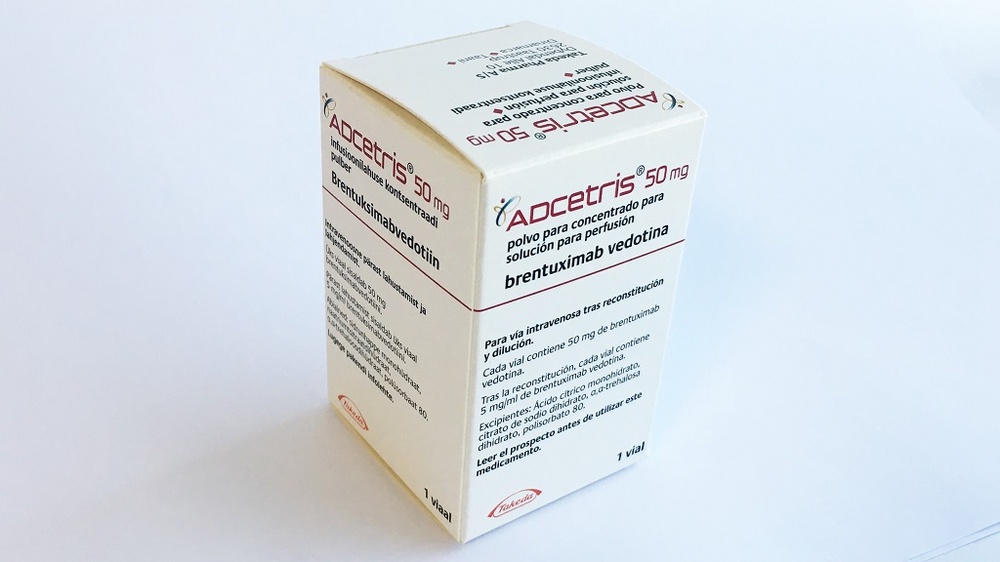
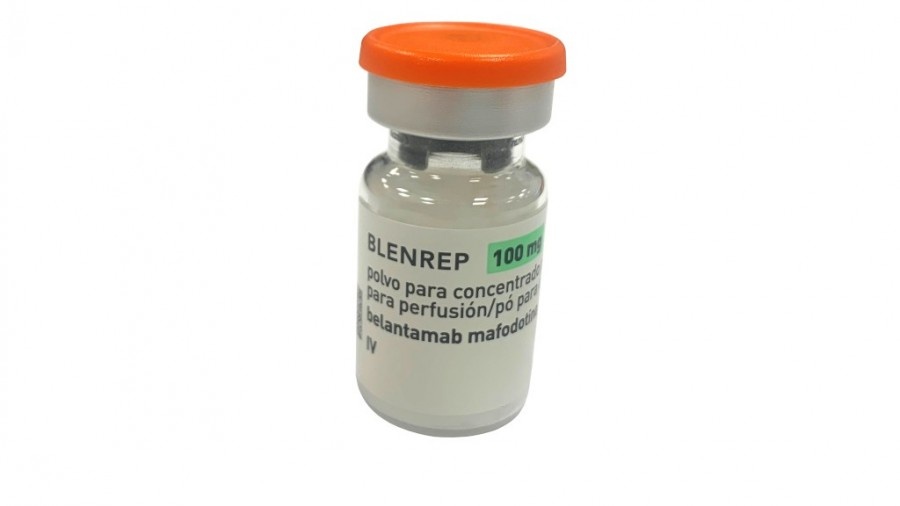
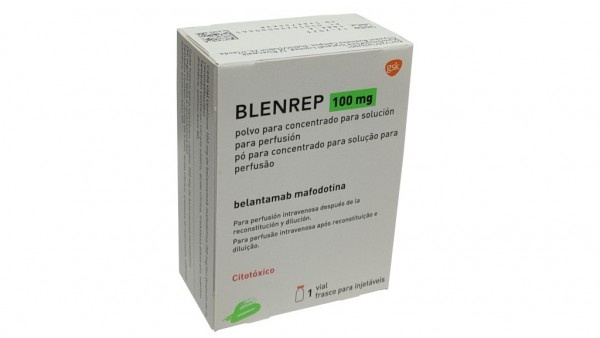
- Alternatives to POTELIGEO 4 mg/ml CONCENTRATE FOR INFUSION SOLUTIONDosage form: INJECTABLE INFUSION, 50 mgActive substance: brentuximab vedotinManufacturer: Takeda Pharma A/SPrescription requiredDosage form: INJECTABLE PERFUSION, 100 mgActive substance: belantamab mafodotinManufacturer: Glaxosmithkline Trading Services LimitedPrescription requiredDosage form: INJECTABLE PERFUSION, 70 mgActive substance: belantamab mafodotinManufacturer: Glaxosmithkline Trading Services LimitedPrescription required
Online doctors for POTELIGEO 4 mg/ml CONCENTRATE FOR INFUSION SOLUTION
Discuss questions about POTELIGEO 4 mg/ml CONCENTRATE FOR INFUSION SOLUTION, including use, safety considerations and prescription review, subject to medical assessment and local regulations.


Frequently Asked Questions
