


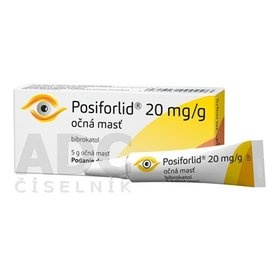
POSIFORLID 20 MG/G OPHTHALMIC OINTMENT



How to use POSIFORLID 20 MG/G OPHTHALMIC OINTMENT
Translated with AI
This page provides general information and does not replace a doctor’s consultation. Always consult a doctor before taking any medication. Seek urgent medical care if symptoms are severe.
Show originalContents of the leaflet
Introduction
Package Leaflet: Information for the User
Posiforlid 20 mg/geye ointment
Bibrocatol
Read this package leaflet carefully before you start using this medicine because it contains important information for you.
- Keep this package leaflet, you may need to read it again.
- If you have any further questions, ask your doctor or pharmacist.
- This medicine has been prescribed for you only. Do not pass it on to others. It may harm them, even if their symptoms are the same as yours.
- If you experience any side effects, talk to your doctor or pharmacist. This includes any possible side effects not listed in this package leaflet. See section 4.
Contents of the package leaflet
- What is Posiforlid 20 mg/g and what is it used for
- What you need to know before you use Posiforlid 20 mg/g
- How to use Posiforlid 20 mg/g
- Possible side effects
- Storage of Posiforlid 20 mg/g
- Contents of the pack and further information
1. What is Posiforlid 20 mg/g and what is it used for
Posiforlid 20 mg/g is an eye ointment with disinfectant, astringent, and secretion-inhibiting properties.
This medicine is used for chronic (long-term) inflammation of the eyelid edge that is not caused by bacteria.
You should consult a doctor if it gets worse or does not improve after seven days.

2. What you need to know before you use Posiforlid 20 mg/g
Do not usePosiforlid 20 mg/g
- if you are allergic to the active substance or any of the other ingredients of this medicine (listed in section 6).
Warnings and precautions
Consult your doctor or pharmacist before you start using Posiforlid 20 mg/g.
This medicine may cause local skin reactions (such as contact dermatitis) because it contains lanolin.
You should not wear contact lenses during the use of this medicine.
Children and adolescents
This medicine is recommended for adolescents and children from 6 years of age.
Other medicines andPosiforlid 20 mg/g
No interaction studies have been performed.
Tell your doctor or pharmacist if you are using, have recently used, or might use any other medicines, including those obtained without a prescription.
Note: If you are applying other eye drops or ointments, leave an interval of approximately 1 hour between the two applications. Eye ointments should always be applied last.
Pregnancy and breastfeeding
If you are pregnant or breastfeeding, think you may be pregnant, or plan to become pregnant, consult your doctor or pharmacist before using this medicine.
There are no data on the use of bibrocatol in pregnant women. This medicine should not be used during pregnancy unless clearly necessary.
It is also unknown whether bibrocatol is excreted in breast milk. A risk to the breastfed child cannot be excluded. Your doctor will decide whether you should stop breastfeeding or stop treatment with Posiforlid 20 mg/g eye ointment.
Driving and using machines
After applying Posiforlid 20 mg/g, the eye ointment will form a greasy film on the surface of the eye that will affect your vision temporarily. Therefore, your ability to drive and use machines will be affected. Do not drive or use machines until your vision is clear.
Posiforlid 20 mg/g contains lanolin
This medicine may cause local skin reactions (such as contact dermatitis) because it contains lanolin.
3. How to use Posiforlid 20 mg/g
Follow exactly the administration instructions of this medicine given by your doctor. In case of doubt, consult your doctor again.
The recommended dose in adults is an amount of approximately 0.5 cm in the conjunctival sac of the affected eye 3 to 5 times a day.
Use in children and adolescents
The recommended dose in children from 6 years of age is to apply an amount of approximately 0.5 cm in the conjunctival sac of the affected eye 3 times a day for a maximum of 10 days.
Instructions for use:
- Wash your hands
- Remove the cap
- Avoid touching the eye or skin with the tip of the tube.
- Remove the cap.
- Tilt your head slightly backwards, gently pull the lower eyelid of the eye and apply a small amount of eye ointment to the conjunctival sac, gently pressing the tube.
- Close your eyes slowly.
- Close the tube after use.
The eye ointment can be easily applied by gently pressing the tube without bending or rolling it.
Apply the eye ointment at regular intervals throughout the day.
This medicine can be used until the symptoms disappear.
If the discomfort persists or the symptoms worsen after 7 days, consult your doctor.
In case of chronic eye irritation, you should always consult an ophthalmologist. You should avoid long-term use without control.
Consult your doctor if you think the effect of this medicine is too strong or too weak.
If you use morePosiforlid 20 mg/g than you should
No specific measures are necessary. A short-term overdose of this medicine does not cause known side effects.
In case of overdose or accidental ingestion, consult your doctor or pharmacist immediately or call the Toxicology Information Service, phone: 91 562 04 20, indicating the medicine and the amount ingested.
If you forget to usePosiforlid 20 mg/g
Do not use a double dose to make up for forgotten doses. Apply the next dose as soon as possible and then continue with the same dose and intervals described above or as prescribed by your doctor.
If you stop treatment with Posiforlid 20 mg/g
If you have any further questions on the use of this medicine, ask your doctor or pharmacist.

4. Possible side effects
Like all medicines, this medicine can cause side effects, although not everybody gets them.
The following convention has been used for the classification of adverse reactions in terms of frequency:
Very common: (≥ 1/10)
Common: (≥ 1/100 to <1>
Uncommon: (≥ 1/1,000 to <1>
Rare: (≥ 1/10,000 to <1>
Very rare: (<1>
Frequency not known: (cannot be estimated from the available data).
Eye disorders
Rare | The following symptoms of eye and eyelid irritation have been reported: eye itching, eye swelling, eye pain, eye hyperemia, burning sensation, tearing |
Immune system disorders
Rare | Hypersensitivity, allergy (e.g. facial swelling, facial redness) to bibrocatol |
Skin and subcutaneous tissue disorders
Rare | erythema, pruritus, rash |
Additional side effects in children and adolescents
The same side effects that can occur in adults can also occur in children and adolescents.
Reporting of side effects
If you experience any side effects, talk to your doctor or pharmacist. This includes any possible side effects not listed in this package leaflet. You can also report side effects directly through the Spanish Medicines Monitoring System: https://www.notificaram.es. By reporting side effects, you can help provide more information on the safety of this medicine.
5. Storage of Posiforlid 20 mg/g
Keep this medicine out of the sight and reach of children.
Do not use this medicine after the expiry date which is stated on the packaging after “EXP”. The expiry date is the last day of the month stated.
Do not store above 30°C.
Once opened: Do not use for more than 4 weeks after first opening.
Medicines should not be disposed of via wastewater or household waste. Ask your pharmacist how to dispose of medicines no longer required. These measures will help protect the environment.
6. Contents of the pack and further information
Composition of Posiforlid 20 mg/g
The active substance is bibrocatol 20 mg/g.
The other ingredients are white petrolatum, liquid paraffin, and lanolin.
Appearance of the product and pack contents
Posiforlid 20 mg/g is an ointment with an ochre color packaged in aluminum tubes with a screw cap.
Each carton contains one tube with 5 g of eye ointment.
Marketing authorisation holder
BRILL PHARMA, S.L.
C/ Munner, 8
08022 Barcelona
Spain
Manufacturer
URSAPHARM Arzneimittel GmbH
Industriestraße 35
66129 Saarbrücken
GERMANY
This medicine is authorised in the Member States of the European Economic Area under the following names:
Austria: Bibrocathol-POS 2 % Augensalbe
Belgium: Bibrocathol-POS 20 mg/g pommade ophtalmique
Czech Republic: Posiforlid
Spain: Posiforlid 20 mg/g pomada oftálmica
France: Posiforlid 20 mg/g pommade ophtalmique
Germany: Posiforlid 20 mg/g Augensalbe
Luxembourg: Bibrocathol-POS 20 mg/g pommade ophtalmique
Malta: Posiforlid 20 mg/g, eye ointment
Poland: Posiforlid
Netherlands: Posiforlid 20 mg/g, oogzalf
Slovakia: Posiforlid 20 mg/g, Ocná mast
Date of last revision of this package leaflet:September 2021
Detailed information on this medicine is available on the website of the Spanish Agency for Medicines and Health Products (AEMPS) http://www.aemps.gob.es/
- Country of registration
- Active substance
- Prescription requiredYes
- Manufacturer
- This information is for reference only and does not constitute medical advice. Always consult a doctor before taking any medication. Oladoctor is not responsible for medical decisions based on this content.
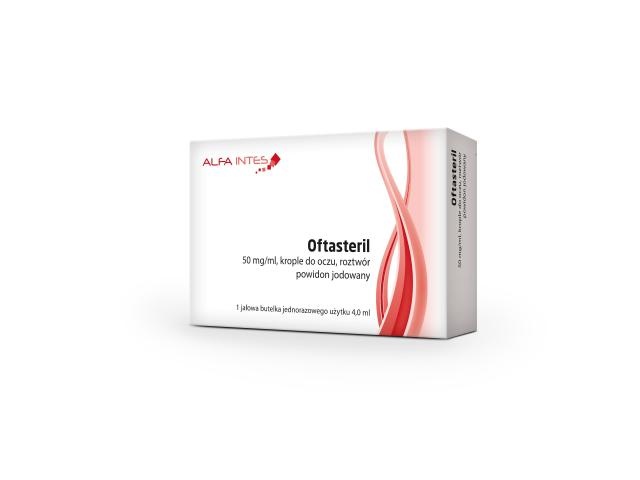
- Alternatives to POSIFORLID 20 MG/G OPHTHALMIC OINTMENTDosage form: EYE DROP, 0.8 mg/mlActive substance: polihexanideManufacturer: Sifi S.P.A.Prescription requiredDosage form: EYE DROP, 50 mg/mlActive substance: povidone-iodineManufacturer: Alfa Intes Industria Terapeutica Splendore S.R.L.Prescription requiredDosage form: EYEDROP, 5 mg/mlActive substance: moxifloxacinManufacturer: Tiedra Farmaceutica S.L.Prescription required
Online doctors for POSIFORLID 20 MG/G OPHTHALMIC OINTMENT
Discuss questions about POSIFORLID 20 MG/G OPHTHALMIC OINTMENT, including use, safety considerations and prescription review, subject to medical assessment and local regulations.





Frequently Asked Questions
