Background pattern
PALEXIA 4 mg/ml ORAL SOLUTION
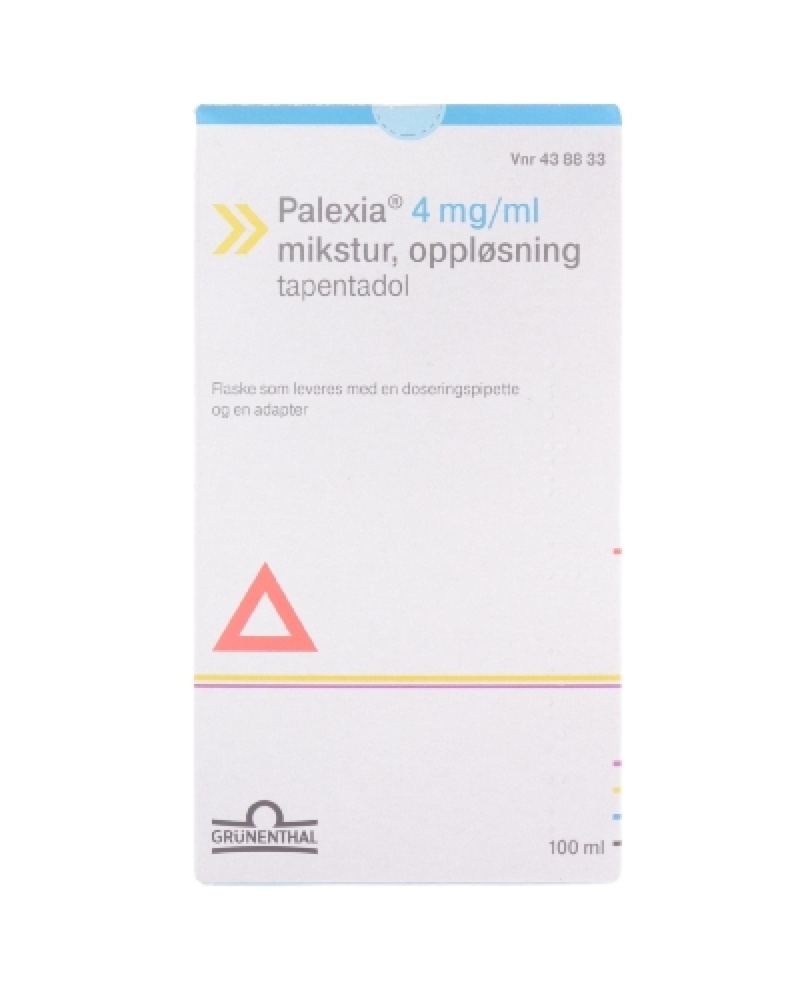
PALEXIA 4 mg/ml ORAL SOLUTION

Ask a doctor about a prescription for PALEXIA 4 mg/ml ORAL SOLUTION

5.0(2)
Doctor

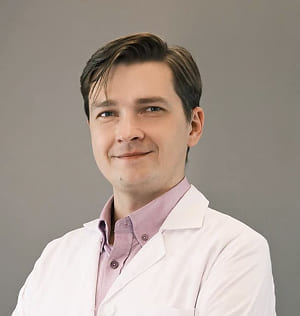
Tomasz Grzelewski

Dermatology21 years of experience

Dr Tomasz Grzelewski is an MD, PhD specialist in allergy, paediatrics, general practice and sports medicine, with a clinical focus on dermatology, endocrinology, allergology and sports-related health. He has more than 20 years of clinical experience and completed his medical training at the Medical University of Łódź, where he defended his PhD thesis with distinction. His doctoral research was recognised by the Polish Society of Allergology for its innovative contribution to the field. Throughout his career, he has gained extensive expertise in diagnosing and managing a wide range of allergic and paediatric conditions, including modern allergen desensitisation techniques.

For five years, Dr Grzelewski served as the Head of two paediatric departments in Poland, managing complex clinical cases and leading multidisciplinary teams. He also worked in medical centres in the United Kingdom, gaining experience across both primary care and specialist environments. With over a decade of telemedicine experience, he has provided online consultations across Europe and is valued for his clear, structured and evidence-based medical guidance.

Dr Grzelewski is actively involved in clinical programmes focused on modern anti-allergic therapies. As a Principal Investigator, he leads research projects on sublingual and oral allergen desensitisation, supporting evidence-based progress in allergy treatment for both children and adults.

In addition to his background in allergology and paediatrics, he completed dermatology studies through the Cambridge Education Group (Royal College of Physicians of Ireland) and a Clinical Endocrinology course at Harvard Medical School. This advanced training enhances his ability to manage skin manifestations of allergies, atopic conditions, urticaria, endocrine-related symptoms and complex immunological reactions.

Patients commonly seek his care for:

  • seasonal and perennial allergies
  • allergic rhinitis and chronic nasal symptoms
  • asthma and breathing difficulties
  • food and medication allergies
  • urticaria, atopic dermatitis and skin reactions
  • recurrent infections in children
  • sports-related health questions
  • general family medicine concerns
Dr Tomasz Grzelewski is known for his clear communication style, structured medical approach and ability to explain treatment options in a concise and accessible way. His multidisciplinary background across allergy, paediatrics, dermatology and endocrinology allows him to provide safe, up-to-date and comprehensive care for patients of all ages.
CameraBook a video appointment
€80
Today11:00
Today11:25
Today11:50
Today12:15
Today12:40
More times
5.0(40)
Doctor

Yevgen Yakovenko

General surgery12 years of experience

Dr. Yevgen Yakovenko is a licensed surgeon and general practitioner in Spain and Germany. He specialises in general, paediatric, and oncological surgery, internal medicine, and pain management. He offers online consultations for adults and children, combining surgical precision with therapeutic support. Dr Yakovenko works with patients across different countries and provides care in Ukrainian, Russian, English, and Spanish.

Areas of medical expertise:

  • Acute and chronic pain: headaches, muscle and joint pain, back pain, abdominal pain, postoperative pain. Identifying the cause, selecting treatment, and creating a care plan.
  • Internal medicine: heart, lungs, gastrointestinal tract, urinary system. Management of chronic conditions, symptom control, second opinions.
  • Pre- and postoperative care: risk assessment, decision-making support, follow-up after surgery, rehabilitation strategies.
  • General and paediatric surgery: hernias, appendicitis, congenital conditions, both planned and urgent surgeries.
  • Injuries and trauma: bruises, fractures, sprains, soft tissue damage, wound care, dressing, referral when in-person care is required.
  • Oncological surgery: diagnosis review, treatment planning, and long-term follow-up.
  • Obesity treatment and weight management: a medical approach to weight loss, including assessment of underlying causes, evaluation of comorbidities, development of a personalised plan (nutrition, physical activity, pharmacotherapy if needed), and ongoing progress monitoring.
  • Imaging interpretation: analysis of ultrasound, CT, MRI, and X-ray results, surgical planning based on imaging data.
  • Second opinions and medical navigation: clarifying diagnoses, reviewing current treatment plans, helping patients choose the best course of action.

Experience and qualifications:

  • 12+ years of clinical experience in university hospitals in Germany and Spain.
  • International education: Ukraine – Germany – Spain.
  • Member of the German Society of Surgeons (BDC).
  • Certified in radiological diagnostics and robotic surgery.
  • Active participant in international medical conferences and research.

Dr Yakovenko explains complex topics in a clear, accessible way. He works collaboratively with patients to analyse health issues and make evidence-based decisions. His approach is grounded in clinical excellence, scientific accuracy, and respect for each individual.

If you are unsure about a diagnosis, preparing for surgery, or want to discuss your test results – Dr Yakovenko will help you evaluate your options and move forward with confidence.

CameraBook a video appointment
€50
Today14:15
Today14:55
Today15:35
Today16:15
Today16:55
More times
This page is for general information. Consult a doctor for personal advice. Call emergency services if symptoms are severe.
About the medicine

How to use PALEXIA 4 mg/ml ORAL SOLUTION

Introduction

Package Leaflet: Information for the User

Palexia 4 mg/ml Oral Solution

Tapentadol

Read all of this leaflet carefully before you start taking this medicine because it contains important information for you.

  • Keep this leaflet, you may need to read it again.
  • If you have any further questions, ask your doctor or pharmacist.
  • This medicine has been prescribed for you only. Do not pass it on to others. It may harm them, even if their signs of illness are the same as yours.
  • If you get any side effects, talk to your doctor or pharmacist. This includes any possible side effects not listed in this leaflet. See section 4.

Contents of the pack

  1. What is Palexia and what is it used for
  2. What you need to know before you take Palexia
  3. How to take Palexia
  4. Possible side effects
  5. Storage of Palexia
  6. Contents of the pack and other information

1. What is Palexia and what is it used for

Tapentadol - the active substance in Palexia - is a potent analgesic belonging to the class of opioids. This medicine is used for the treatment of moderate to severe acute pain that can only be adequately managed with an opioid analgesic in children and adolescents from 2 years of age and in adults.

2. What you need to know before you take Palexia

Do not take Palexia:

  • if you are allergic to tapentadol or any of the other ingredients of this medicine (listed in section 6),
  • if you have asthma or if your breathing is slow or shallow to life-threatening levels [respiratory depression; hypercapnia (elevated carbon dioxide levels in the blood)],
  • if you have a disease in which the intestine does not function properly (paralytic ileus),
  • if you have consumed alcohol, sleeping pills, other analgesics, or other psychotropic medicines (medicines that affect mood and emotions) at high doses (see section "Taking Palexia with other medicines”).

Warnings and precautions

Consult your doctor or pharmacist before starting Palexia:

  • if your breathing is slow or shallow,
  • if you have increased intracranial pressure or altered consciousness up to coma,
  • if you have had a head injury or brain tumors,
  • if you have liver or kidney disease (see section “How to take Palexia”),
  • if you have a disease of the pancreas (such as pancreatitis) or the bile ducts,
  • if you are taking medicines called mixed opioid agonist/antagonists (e.g., pentazocine, nalbuphine) or partial agonists of the opioid μ-receptors (e.g., buprenorphine),
  • if you are prone to epilepsy or convulsive seizures, or if you are taking other medicines with a known risk of increasing seizures, as the risk of these seizures may increase,
  • if you or a family member have a history of abuse or dependence on alcohol, prescription medicines, or illicit substances (“addiction”),
  • if you smoke,
  • if you have ever had problems with your mood (depression, anxiety, or personality disorder) or have received psychiatric treatment for other mental illnesses.

This medicine contains tapentadol, which is an opioid medicine. Repeated use of opioid analgesics may reduce their effectiveness (you may get used to them). It can also lead to dependence and abuse, which can result in a potentially fatal overdose. It is essential that you inform your doctor if you think you may have developed dependence on Palexia. Its use (even at therapeutic doses) can cause physical dependence, which may lead to withdrawal symptoms and a recurrence of your problems if you stop taking this treatment suddenly.

Palexia can cause physical and psychological dependence. If you have a tendency to abuse medicines or are dependent on medicines, you should only take this medicine for short periods under strict medical supervision.

Children with obesity should be closely monitored and the maximum recommended dose should not be exceeded.

Do not give this medicine to children under 2 years of age.

Sleep-related breathing disorders

Palexia may cause sleep-related breathing disorders such as sleep apnea (pauses in breathing during sleep) and sleep-related hypoxemia (low oxygen levels in the blood). Symptoms may include pauses in breathing during sleep, nighttime awakenings due to difficulty breathing, difficulty maintaining sleep, or excessive daytime sleepiness. If you or someone else observes these symptoms, consult your doctor. Your doctor may consider reducing the dose.

Taking Palexia with other medicines

Tell your doctor or pharmacist if you are taking, have recently taken, or might take any other medicines.

  • The risk of side effects increases if you are taking medicines that can cause seizures (attacks), such as certain antidepressants or antipsychotics. The risk of seizures increases if you take Palexia at the same time as these medicines. Your doctor will tell you if Palexia is suitable for you.
  • Taking Palexia with sedative medicines such as benzodiazepines or related medicines (certain sleeping pills or tranquilizers [e.g., barbiturates] or analgesics like opioids, morphine, and codeine [also as a cough medicine], antipsychotics, antihistamines H1, alcohol) increases the risk of drowsiness, breathing difficulties (respiratory depression), coma, and can be potentially fatal. Due to this, concomitant use should only be considered when other treatment options are not possible.

However, if your doctor prescribes Palexia with sedative medicines, they will limit the dose and duration of concomitant treatment.

Taking opioids with medicines used to treat epilepsy, nerve pain, or anxiety (gabapentin and pregabalin) increases the risk of opioid overdose, respiratory depression, and can be potentially fatal.

Tell your doctor if you are taking gabapentin or pregabalin or any other sedative medicine and follow your doctor's dosage recommendation to the letter. It may be helpful to inform your friends and family about the signs and symptoms mentioned above. Tell your doctor if you experience any of these symptoms.

If you are taking a type of medicine that affects serotonin levels (e.g., certain medicines for treating depression), talk to your doctor before taking Palexia, as there have been cases of "serotonin syndrome". Serotonin syndrome is a rare but potentially life-threatening disorder. Symptoms can include involuntary muscle contractions, including muscles that control eye movement, agitation, excessive sweating, tremors, exaggerated reflexes, increased muscle tension, and body temperature above 38°C. Your doctor can provide you with additional information.

  • The concomitant administration of Palexia with other types of medicines called mixed opioid agonist/antagonists (e.g., pentazocine, nalbuphine) or partial agonists of the opioid μ-receptors (e.g., buprenorphine) has not been studied. It is possible that Palexia may not have the same efficacy if administered with one of these medicines. Inform your doctor if you are currently being treated with one of these medicines.
  • Administration of this medicine with potent inhibitors or inducers (e.g., rifampicin, phenobarbital, St. John's Wort) of certain enzymes necessary for the elimination of tapentadol from your body may affect the efficacy of tapentadol or may cause side effects, especially when starting or stopping this other type of medication. Keep your doctor informed about all the medicines you are taking.
  • Palexia must not be taken with MAO inhibitors (medicines for treating depression). Tell your doctor if you are taking MAO inhibitors or if you have taken them in the last 14 days.

Taking Palexia with food, drinks, and alcohol

Do not consume alcohol while taking this medicine, as some of its side effects, such as drowsiness, may increase. The intake of food does not affect the effect of this medicine.

Pregnancy and breastfeeding

If you are pregnant or breastfeeding, think you may be pregnant, or plan to become pregnant, consult your doctor or pharmacist before using this medicine.

Do not take this medicine:

  • if you are pregnant, unless your doctor has told you to do so. If used during prolonged periods during pregnancy, tapentadol may cause withdrawal symptoms in the newborn, which can be life-threatening if not detected and treated by a doctor.

Palexia is not recommended:

  • during labor, as it may cause slow or shallow breathing to life-threatening levels (respiratory depression) in the newborn,
  • during breastfeeding, as tapentadol may be excreted in breast milk.

Driving and using machines

Ask your doctor if you can drive or use machines during treatment with tapentadol. It is essential that before driving or using machines, you observe how this medicine affects you. Do not drive or use machines if you feel drowsy, dizzy, have blurred vision, or have difficulty concentrating. Be particularly careful when starting treatment, after a dose change, and when taking it in combination with alcohol or tranquilizers.

Palexia contains sodium

This medicine contains less than 1 mmol of sodium (23 mg) per dose unit, i.e., it is essentially “sodium-free”.

Palexia contains sodium benzoate

This medicine contains 59 mg of sodium benzoate per unit volume equivalent to 2.4 mg/ml. Sodium benzoate may increase the risk of jaundice (yellowing of the skin and eyes) in newborns (up to 4 weeks of age).

Palexia contains propylene glycol

This medicine contains 48 mg of propylene glycol in 25 ml of solution (maximum dose unit), which is equivalent to 2 mg/ml.

3. How to take Palexia

Follow exactly the administration instructions of this medication as indicated by your doctor or pharmacist. In case of doubt, consult your doctor or pharmacist again.

Your doctor will adjust the dose based on the intensity of your pain and your personal level of sensitivity to pain. Generally, you should take the minimum effective dose to relieve the pain.

Adults

The recommended dose is 50 mg of tapentadol (12.5 ml of oral solution), 75 mg of tapentadol (18.75 ml of oral solution), or 100 mg of tapentadol (25 ml of oral solution) every 4 or 6 hours.

Daily total doses above 700 mg of tapentadol on the first day of treatment or daily doses above 600 mg of tapentadol on subsequent days of treatment are not recommended.

Your doctor may prescribe a different dose or dosing regimen if necessary. If you think the effect of this medication is too strong or too weak, consult your doctor or pharmacist.

Elderly patients

In elderly patients (over 65 years of age), the dose does not usually need to be adjusted. However, the elimination of tapentadol may be delayed and slower in certain patients in this age group. If this happens to you, your doctor may prescribe a different dosing regimen.

Liver and kidney diseases (hepatic and renal insufficiency)

Patients with severe liver problems should not take this medication. If you have moderate liver problems, your doctor will prescribe a different dosing regimen. In case of mild liver problems, no dose adjustment is necessary.

Patients with severe kidney problems should not take this medication. In case of mild or moderate kidney problems, no dose adjustment is necessary.

Use in children and adolescents

This medication should only be administered to children in the hospital.

The dose of Palexia for children and adolescents from 2 to 18 years is 1.25 mg/kg every 4 hours.

Always wait 4 hours before giving the next dose. The dose can be reduced as the acute pain decreases.

The correct administration will be determined by your doctor.

Liver and kidney diseases (hepatic and renal insufficiency)

Children and adolescents with liver or kidney problems should not take this medication.

How and when to take Palexia

This medication should be taken orally.

You can take the oral solution on an empty stomach or with meals.

The package contains a dosing syringe with an adapter that must be used to extract the exact amount (volume) from the bottle that corresponds to the prescribed dose of tapentadol.

Instructions for opening the bottle and using the dosing syringe

Hand holding an auto-injector with an arrow indicating the direction of injection and number one pointing to the device

The bottle has a child-resistant screw cap. To remove the cap, press it down and turn it counterclockwise (Fig. 1). Remove the cap and peel off the security seal from the top of the bottle. If the security seal is damaged, do not use this medication and consult your pharmacist.

Fig. 1

Needle inserted into a vial with a black arrow indicating the direction of injection and letters A and B marking parts

Place the bottle on a firm and smooth surface. Open the plastic bag containing the dosing syringe and the adapter by the perforated end and remove the dosing syringe (A) and the adapter (B) both included in the same. Insert the dosing syringe into the adapter and place it firmly on the neck of the bottle (Fig. 2).

Fig. 2

Syringe with needle inserted into the skin showing the angle of injection and detail of the needle tip

To fill the dosing syringe, turn the bottle upside down. While keeping the dosing syringe in place, gently pull the plunger (C) down to the line that matches the dose prescribed by your doctor (see the section "How to take Palexia"). Do not removethe dosing syringe yet! (Fig. 3).

Fig. 3

Syringe with needle inserted into a medication vial and an arrow indicating the direction of injectionTurn the bottle back to its vertical positionand then carefully remove the dosing syringe from the bottle. Once the dosing syringe is removed, carefully check that you have extracted the correct amount of solution. The adapter (B) that was previously attached to the dosing syringe should now remain in the bottle (Fig. 4).

Fig. 4

Needle inserted into the skin at a 45-degree angle with arrows indicating the direction of insertion and extractionTo take the medication, place the dosing syringe in your mouth and press the plunger gently. Press the plunger to the end to ensure you take the entire solution. If you prefer, you can dilute the medication in a glass of water or a non-alcoholic beverage before taking it, in which case you must take the entire glass to ensure you take the correct dose of the medication (Fig. 5).

Fig. 5

Leave the adapter in the bottle, close the bottle firmly, and store it in a vertical position. Rinse the dosing syringe with water after each use and let it dry. The next time you take the medication, place the dosing syringe in the adapter that will be on the neck of the bottle and follow the instructions mentioned above.

How long to take Palexia

Do not take this medication for longer than your doctor has indicated.

If you take more Palexia than you should

After taking very high doses, you may experience some of the following effects:

  • very small pupils, vomiting, decreased blood pressure, rapid heartbeat, fainting, altered consciousness or coma (deep loss of consciousness), epileptic seizures, slow or shallow breathing to dangerous levels or respiratory arrest.

If any of these things happen to you, call a doctor immediately!

In case of overdose or accidental ingestion, consult your doctor or pharmacist immediately or call the Toxicology Information Service, phone: 91 562 04 20, indicating the medication and the amount used. It is recommended to take the package and the medication leaflet to the healthcare professional.

If you forget to take Palexia

If you forget to take this medication, you will likely feel pain again. Do not take a double dose to make up for the missed doses, but continue taking this medication as before.

If you stop taking Palexia

If you stop or discontinue treatment too soon, you will likely feel pain again. If you want to stop treatment, consult your doctor before doing so.

Generally, patients do not experience any adverse effects after stopping treatment, but in rare cases, people who have taken this medication for a long time may feel unwell if they stop taking it suddenly.

The symptoms may be:

  • restlessness, tearful eyes, runny nose, yawning, sweating, chills, muscle pain, and dilated pupils,
  • irritability, anxiety, back pain, joint pain, weakness, abdominal cramps, difficulty sleeping, nausea, loss of appetite, vomiting, diarrhea, and increased blood pressure, respiratory rate, or heart rate.

If you experience any of these symptoms after stopping treatment, consult your doctor.

You should not stop taking this medication abruptly, unless your doctor tells you to do so. If your doctor wants you to stop taking this medication, they will indicate how to do it, which may involve a gradual reduction of the dose.

If you have any other questions about the use of this medication, ask your doctor or pharmacist.

4. Possible side effects

Like all medications, this medication can cause side effects, although not everyone will experience them.

Important side effects or symptoms to be aware of and what to do if you are affected by them:

This medication can cause allergic reactions. The symptoms may include wheezing (a type of whistling when breathing), difficulty breathing, swelling of the eyelids, face, or lips, skin rash, or itching, especially if it affects the whole body.

Another serious side effect is feeling drowsy and breathing more slowly or weakly than normal. This occurs mainly in elderly or debilitated patients.

If you experience any of these important symptoms, consult your doctor immediately.

Side effects that may occur:

Very common(may affect more than 1 in 10 people): nausea, vomiting, dizziness, somnolence, headache.

Common(may affect up to 1 in 10 people): decreased appetite, anxiety, confusion, hallucinations, difficulty sleeping, sleep disturbances, tremors, hot flashes, constipation, diarrhea, indigestion, dry mouth, itching, increased sweating, skin rash, muscle cramps, feeling of weakness, fatigue, feeling of change in body temperature.

Uncommon(may affect up to 1 in 100 people): depression, disorientation, excitability (agitation), nervousness, restlessness, euphoric mood, attention disturbances, memory impairment, feeling of being about to faint, sedation, difficulty controlling movements, difficulty speaking, numbness, abnormal sensations in the skin (e.g., tingling, itching), muscle twitches, vision disturbances, rapid heartbeat, palpitations, decreased blood pressure, slow or shallow breathing to dangerous levels (respiratory depression), decreased oxygen levels in the blood, shortness of breath, abdominal discomfort, rash, feeling of heaviness, urinary retention, frequent urination, drug withdrawal syndrome (see section "If you stop taking Palexia"), water retention in the tissues (edema), feeling of discomfort, feeling of intoxication, irritability, feeling of relaxation.

Rare(may affect up to 1 in 1,000 people): allergic reaction to medications (including swelling under the skin, hives, and in severe cases difficulty breathing, decreased blood pressure, collapse, or shock), altered thinking, epileptic seizures, decreased level of consciousness, altered coordination, slow heartbeat, altered gastric emptying.

Frequency not known: delirium.

In general, the possibility of having suicidal thoughts and behaviors increases in patients with chronic pain. Additionally, some medications for treating depression (with an impact on the brain's neurotransmitter system) may increase this risk, especially at the start of treatment. Although tapentadol also affects neurotransmitters, experience in patients has not shown that it increases this risk.

No additional side effects have been observed in children and adolescents.

Reporting side effects

If you experience any type of side effect, consult your doctor or pharmacist, even if it is a possible side effect that is not listed in this leaflet. You can also report them directly through the Spanish Pharmacovigilance System for Human Use Medicines: https://www.notificaram.es. By reporting side effects, you can contribute to providing more information on the safety of this medication.

5. Storage of Palexia

Keep this medication out of the sight and reach of children.

Do not use this medication after the expiration date that appears on the box and on the bottle after CAD. The expiration date is the last day of the month indicated.

Before the first opening: this medication does not require special storage conditions.

The solution should not be used six weeks after the first opening of the bottle.

Store in a vertical position after the first opening.

Medications should not be thrown down the drain or into the trash. Deposit the packages and medications you no longer need in the SIGRE collection point at the pharmacy. If in doubt, ask your pharmacist how to dispose of the packages and medications you no longer need. This way, you will help protect the environment.

6. Package contents and additional information

Composition of Palexia

The active ingredientis tapentadol.

1 ml of oral solution contains 4 mg of tapentadol (in the form of hydrochloride).

The othercomponents are:

Sodium benzoate (E211)

Citric acid monohydrate

Sucralose (E955)

Raspberry flavor, contains propylene glycol (E1520)

Purified water

Appearance of the product and package contents

Palexia is a clear and colorless oral solution.

The oral solution is supplied in plastic bottles containing 100 milliliters of solution and includes a 5 ml dosing syringe graduated in 0.1 ml fractions and an adapter attached to the dosing syringe.

Only certain package sizes may be marketed.

Marketing authorization holder

Grünenthal Pharma, S.A.

Doctor Zamenhof, 36 – 28027 Madrid, Spain

Manufacturer

Grünenthal GmbH

Zieglerstrasse, 6 – D-52078 Aachen, Germany

This medication is authorized in the Member States of the European Economic Area and in the United Kingdom (Northern Ireland) with the following names:

Germany, Belgium, Cyprus, Croatia, Slovenia, Spain, Greece, Netherlands, Ireland, Italy, Luxembourg, Norway, Poland, Portugal, Czech Republic, Slovakia, United Kingdom (Northern Ireland): Palexia

Date of the last revision of this leaflet:July 2024

Detailed and updated information on this medication is available on the website of the Spanish Agency for Medicines and Health Products (AEMPS) http://www.aemps.gob.es/

Grünenthal logo with a stylized balance over the company name in black uppercase letters

Alternatives to PALEXIA 4 mg/ml ORAL SOLUTION in other countries

The best alternatives with the same active ingredient and therapeutic effect.

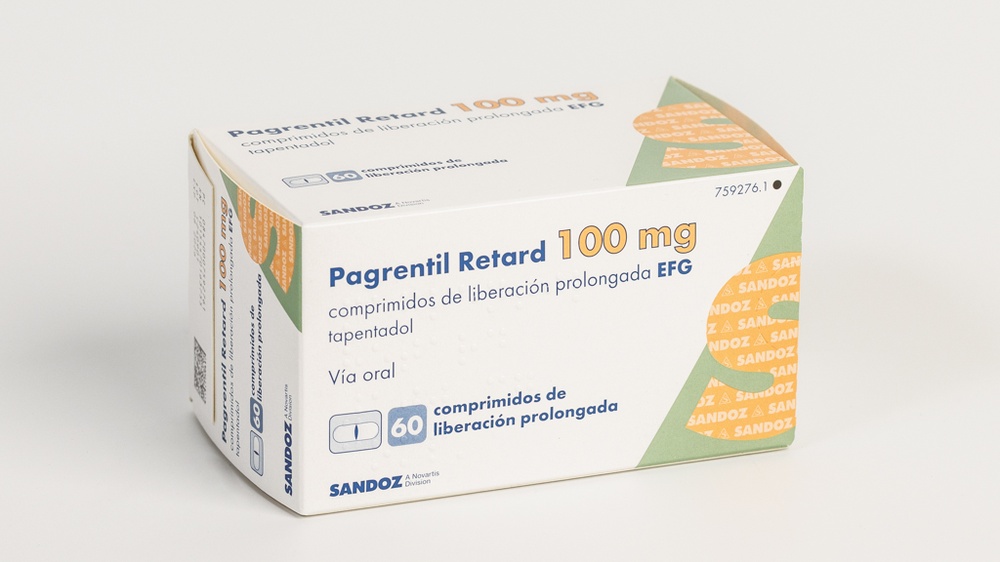
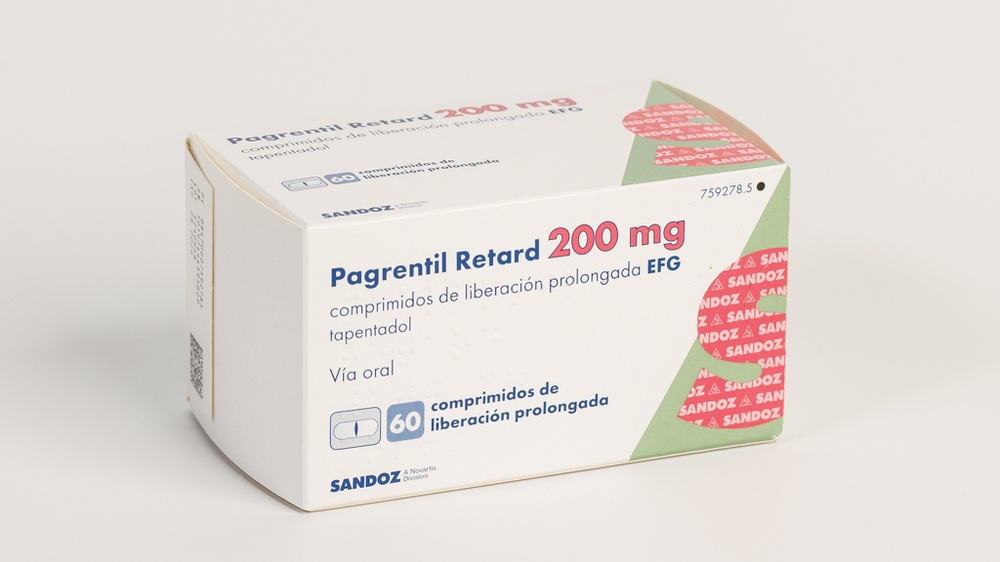
Alternative to PALEXIA 4 mg/ml ORAL SOLUTION in Poland

Dosage form: Tablets, 200 mg
Active substance: tapentadol
Prescription required
Dosage form: Tablets, 250 mg
Active substance: tapentadol
Prescription required
Dosage form: Tablets, 150 mg
Active substance: tapentadol
Prescription required
Dosage form: Tablets, 100 mg
Active substance: tapentadol
Prescription required
Dosage form: Tablets, 50 mg
Active substance: tapentadol
Prescription required
Dosage form: Tablets, 25 mg
Active substance: tapentadol
Prescription required

Alternative to PALEXIA 4 mg/ml ORAL SOLUTION in Ukraine

Dosage form: solution, 20mg/ml; 1ml in ampoule
Manufacturer: HBM Farma s.r.o.
Prescription required

Online doctors for PALEXIA 4 mg/ml ORAL SOLUTION

Discuss dosage, side effects, interactions, contraindications, and prescription renewal for PALEXIA 4 mg/ml ORAL SOLUTION – subject to medical assessment and local rules.

5.0(2)
Doctor

Tomasz Grzelewski

Dermatology21 years of experience

Dr Tomasz Grzelewski is an MD, PhD specialist in allergy, paediatrics, general practice and sports medicine, with a clinical focus on dermatology, endocrinology, allergology and sports-related health. He has more than 20 years of clinical experience and completed his medical training at the Medical University of Łódź, where he defended his PhD thesis with distinction. His doctoral research was recognised by the Polish Society of Allergology for its innovative contribution to the field. Throughout his career, he has gained extensive expertise in diagnosing and managing a wide range of allergic and paediatric conditions, including modern allergen desensitisation techniques.

For five years, Dr Grzelewski served as the Head of two paediatric departments in Poland, managing complex clinical cases and leading multidisciplinary teams. He also worked in medical centres in the United Kingdom, gaining experience across both primary care and specialist environments. With over a decade of telemedicine experience, he has provided online consultations across Europe and is valued for his clear, structured and evidence-based medical guidance.

Dr Grzelewski is actively involved in clinical programmes focused on modern anti-allergic therapies. As a Principal Investigator, he leads research projects on sublingual and oral allergen desensitisation, supporting evidence-based progress in allergy treatment for both children and adults.

In addition to his background in allergology and paediatrics, he completed dermatology studies through the Cambridge Education Group (Royal College of Physicians of Ireland) and a Clinical Endocrinology course at Harvard Medical School. This advanced training enhances his ability to manage skin manifestations of allergies, atopic conditions, urticaria, endocrine-related symptoms and complex immunological reactions.

Patients commonly seek his care for:

  • seasonal and perennial allergies
  • allergic rhinitis and chronic nasal symptoms
  • asthma and breathing difficulties
  • food and medication allergies
  • urticaria, atopic dermatitis and skin reactions
  • recurrent infections in children
  • sports-related health questions
  • general family medicine concerns
Dr Tomasz Grzelewski is known for his clear communication style, structured medical approach and ability to explain treatment options in a concise and accessible way. His multidisciplinary background across allergy, paediatrics, dermatology and endocrinology allows him to provide safe, up-to-date and comprehensive care for patients of all ages.
CameraBook a video appointment
€80
Today11:00
Today11:25
Today11:50
Today12:15
Today12:40
More times
5.0(40)
Doctor

Yevgen Yakovenko

General surgery12 years of experience

Dr. Yevgen Yakovenko is a licensed surgeon and general practitioner in Spain and Germany. He specialises in general, paediatric, and oncological surgery, internal medicine, and pain management. He offers online consultations for adults and children, combining surgical precision with therapeutic support. Dr Yakovenko works with patients across different countries and provides care in Ukrainian, Russian, English, and Spanish.

Areas of medical expertise:

  • Acute and chronic pain: headaches, muscle and joint pain, back pain, abdominal pain, postoperative pain. Identifying the cause, selecting treatment, and creating a care plan.
  • Internal medicine: heart, lungs, gastrointestinal tract, urinary system. Management of chronic conditions, symptom control, second opinions.
  • Pre- and postoperative care: risk assessment, decision-making support, follow-up after surgery, rehabilitation strategies.
  • General and paediatric surgery: hernias, appendicitis, congenital conditions, both planned and urgent surgeries.
  • Injuries and trauma: bruises, fractures, sprains, soft tissue damage, wound care, dressing, referral when in-person care is required.
  • Oncological surgery: diagnosis review, treatment planning, and long-term follow-up.
  • Obesity treatment and weight management: a medical approach to weight loss, including assessment of underlying causes, evaluation of comorbidities, development of a personalised plan (nutrition, physical activity, pharmacotherapy if needed), and ongoing progress monitoring.
  • Imaging interpretation: analysis of ultrasound, CT, MRI, and X-ray results, surgical planning based on imaging data.
  • Second opinions and medical navigation: clarifying diagnoses, reviewing current treatment plans, helping patients choose the best course of action.

Experience and qualifications:

  • 12+ years of clinical experience in university hospitals in Germany and Spain.
  • International education: Ukraine – Germany – Spain.
  • Member of the German Society of Surgeons (BDC).
  • Certified in radiological diagnostics and robotic surgery.
  • Active participant in international medical conferences and research.

Dr Yakovenko explains complex topics in a clear, accessible way. He works collaboratively with patients to analyse health issues and make evidence-based decisions. His approach is grounded in clinical excellence, scientific accuracy, and respect for each individual.

If you are unsure about a diagnosis, preparing for surgery, or want to discuss your test results – Dr Yakovenko will help you evaluate your options and move forward with confidence.

CameraBook a video appointment
€50
Today14:15
Today14:55
Today15:35
Today16:15
Today16:55
More times
0.0(1)
Doctor

Maryna Kuznetsova

Cardiology17 years of experience

Dr Marina Kuznetsova is an internal medicine doctor and cardiologist with a PhD in medicine. She provides online consultations for adults with chronic and acute conditions, with a strong focus on cardiovascular health. Her approach is based on current clinical guidelines and evidence-based treatment strategies.

Areas of expertise:

  • dyslipidaemia and lipid metabolism disorders
  • prevention and management of atherosclerosis
  • blood pressure monitoring and antihypertensive therapy
  • arrhythmias: diagnosis, follow-up, and treatment adjustment
  • cardiovascular care and recovery support after Covid-19
Dr Kuznetsova helps patients manage cardiovascular risk factors, optimise long-term treatment, and gain clarity in complex health situations – all through accessible and structured online care.
CameraBook a video appointment
€50
January 407:40
January 514:00
January 514:50
January 515:40
January 516:30
More times
0.0(2)
Doctor

Muhammad Tayyab Altaf

General medicine3 years of experience

Dr. Muhammad Tayyab Altaf is a primary care physician with extensive international experience, offering online consultations for adults and children. His background includes clinical practice in Italy, the United States and other healthcare settings, allowing him to manage a wide range of acute and chronic medical conditions with confidence and clarity.

His clinical expertise spans multi-system conditions, preventive care and long-term management of chronic diseases. Dr. Altaf combines hands-on experience with a strong research background in both medical and surgical fields, enabling him to provide accurate assessments and structured, evidence-based treatment plans. Patients value his ability to explain diagnoses clearly, outline next steps and support them in making informed healthcare decisions.

Online consultations with Dr. Altaf are suitable for many everyday and acute situations where a timely medical opinion can help determine the safest next steps. He evaluates and treats conditions affecting the cardiovascular, respiratory, gastrointestinal, neurological, haematological and endocrine systems. Common examples include:

  • hypertension and other blood pressure issues
  • ischaemic heart disease and angina
  • asthma, COPD and emphysema
  • pneumonia and lung fibrosis
  • gastroenteritis and digestive infections
  • liver conditions, including alcohol-related disease
  • epilepsy, seizures and post-stroke symptoms
  • dementia and cognitive decline
  • anaemia and other haematological changes
  • diabetes, thyroid disorders and pituitary disease
Many patients reach out when they experience new or worsening symptoms, fluctuations in blood pressure, non-severe chest discomfort, breathing symptoms, digestive issues, suspected infections, chronic fatigue or concerns that affect daily life. He also helps patients understand test results, adjust existing treatment plans and navigate long-term health strategies safely and effectively.

When clinically appropriate, Dr. Altaf can also provide health and fitness certificates, including documentation required for physical activity, sports participation or gym use, based on the patient’s health status and medical indications.

Some conditions are not suitable for online care. Severe chest pain, loss of consciousness, uncontrolled bleeding, seizures, major trauma or symptoms suggesting a stroke or heart attack require immediate attention from local emergency services. Dr. Altaf prioritises patient safety and will guide you accordingly if your situation needs urgent in-person care.

In all consultations, Dr. Muhammad Tayyab Altaf focuses on clear communication, accurate diagnosis and patient-centred decision-making. His approach ensures that individuals and families feel informed, supported and confident in their next steps, no matter where they are.

CameraBook a video appointment
€49
January 409:30
January 409:45
January 410:00
January 410:15
January 410:30
More times
0.0(0)
Doctor

Karim BenHarbi

General medicine9 years of experience

Dr. Karim Ben Harbi is a licensed general practitioner based in Italy. He provides online consultations for adults and children, combining international clinical experience with evidence-based medicine. His care approach is focused on accurate diagnosis, preventive care, and personalised health guidance.

Dr. Ben Harbi received his medical degree from Sapienza University in Rome. His training included hands-on experience in diverse settings — tropical medicine, rural healthcare, and urban outpatient practice. He also conducted clinical research in microbiology, exploring the role of the gut microbiome in chronic gastrointestinal issues.

You can consult Dr. Ben Harbi for:

  • General health concerns, prevention, and primary care.
  • Hypertension, type 1 and type 2 diabetes, metabolic issues.
  • Cold, cough, flu, respiratory infections, sore throat, fever.
  • Chronic digestive issues: bloating, gastritis, IBS, microbiome imbalance.
  • Skin rashes, mild allergic reactions, basic dermatological complaints.
  • Medication guidance, treatment adjustments, prescription review.
  • Paediatric concerns — fever, infections, general well-being.
  • Lifestyle optimisation: stress, sleep, weight, and diet counselling.

Dr. Ben Harbi offers reliable, accessible medical support through online consultations, helping patients make informed decisions about their health with a clear, structured, and compassionate approach.

CameraBook a video appointment
€79
January 411:00
January 411:30
January 412:00
January 412:30
January 413:00
More times
5.0(21)
Doctor

Ekaterina Agapova

Neurology9 years of experience

Dr. Ekaterina Agapova is a neurologist specialising in the diagnosis and treatment of neurological conditions and chronic pain. She provides online consultations for adults, combining evidence-based medicine with a personalised approach.

She offers expert care for:

  • Headaches and migraines, including tension-type and cluster headaches.
  • Neck and back pain, both acute and chronic.
  • Chronic pain syndromes – fibromyalgia, neuropathic pain, post-traumatic pain.
  • Mononeuropathies – carpal tunnel syndrome, trigeminal neuralgia, facial nerve palsy.
  • Polyneuropathies – diabetic, toxic, and other types.
  • Multiple sclerosis – diagnosis, monitoring, long-term support.
  • Dizziness and coordination disorders.
  • Sleep disturbances – insomnia, daytime sleepiness, fragmented sleep.
  • Anxiety, depression, and stress-related conditions.

Dr. Agapova helps patients manage complex neurological symptoms like pain, numbness, weakness, poor sleep, and emotional distress. Her consultations focus on accurate diagnosis, clear explanation of findings, and tailored treatment plans.

If you’re struggling with chronic pain, migraines, nerve disorders, or sleep problems, Dr. Agapova offers professional guidance to restore your well-being.

CameraBook a video appointment
€49
January 506:00
January 506:45
January 507:30
January 508:15
January 509:00
More times
5.0(2)
Doctor

Svetlana Kolomeeva

Cardiology18 years of experience

Dr. Svetlana Kolomeeva is a general practitioner and internal medicine doctor providing online consultations for adults. She helps patients manage acute symptoms, chronic conditions, and preventive care. Her clinical focus includes cardiovascular health, hypertension control, and managing symptoms like fatigue, weakness, sleep issues, and overall low energy.

Patients commonly seek her help for:

  • High blood pressure, headaches, dizziness, swelling, palpitations.
  • Diagnosis and management of hypertension, arrhythmias, and tachycardia.
  • Metabolic syndrome, excess weight, high cholesterol.
  • Chronic fatigue, insomnia, poor concentration, anxiety.
  • Respiratory symptoms: colds, flu, sore throat, cough, fever.
  • Digestive issues: heartburn, bloating, constipation, IBS symptoms.
  • Chronic conditions: diabetes, thyroid disorders.
  • Interpretation of lab tests and medical reports, therapy adjustment.
  • Second opinion and decision-making support.
  • Cardiovascular disease prevention and metabolic risk reduction.
  • Long-term follow-up and dynamic health monitoring.

Dr Kolomeeva combines clinical expertise with personalised care. She clearly explains diagnoses, guides patients through symptoms and treatment options, and provides actionable plans. Her consultations are designed not only to address current complaints but also to stabilise chronic conditions and prevent future complications. She supports patients through every stage of care – from first symptoms to ongoing health management.

CameraBook a video appointment
€50
January 509:00
January 510:05
January 511:10
January 512:15
January 513:20
More times
5.0(8)
Doctor

Mar Tabeshadze

Endocrinology11 years of experience

Dr. Mar Tabeshadze is a licensed endocrinologist and general practitioner in Spain. She provides online consultations for adults, offering medical support for a wide range of endocrine conditions and related health concerns.

  • Diagnostic consultations for suspected endocrine disorders
  • Management of thyroid conditions, including in pregnant women
  • Early detection and treatment of type 1 and type 2 diabetes, with personalised therapy plans
  • Obesity treatment: identifying underlying causes of weight gain, combining medication and non-pharmacological strategies, and long-term support
  • Diagnosis and treatment of endocrine-related skin, hair, and nail issues
  • Ongoing care for patients with osteoporosis, pituitary, and adrenal gland disorders
Dr. Tabeshadze takes a patient-centred approach based on evidence-based medicine. Her goal is to help patients achieve hormonal balance, manage chronic conditions effectively, and improve overall well-being through targeted, personalised care.
CameraBook a video appointment
€55
January 511:00
January 611:00
January 711:00
January 811:00
January 911:00
More times
5.0(26)
Doctor

Anna Biriukova

General medicine6 years of experience

Dr Anna Biriukova is an internal medicine doctor with clinical experience in cardiology, endocrinology, and gastroenterology. She provides online consultations for adults, offering expert medical support for heart health, hormonal balance, digestive issues, and general internal medicine.

Cardiology – Diagnosis and treatment of:

  • High blood pressure, blood pressure fluctuations, and cardiovascular risk prevention.
  • Chest pain, shortness of breath, arrhythmias (tachycardia, bradycardia, palpitations).
  • Leg swelling, chronic fatigue, reduced exercise tolerance.
  • EKG interpretation, lipid profile evaluation, cardiovascular risk assessment (heart attack, stroke).
  • Post-COVID-19 cardiac monitoring and care.
Endocrinology – Diabetes, thyroid, metabolism:
  • Diagnosis and management of type 1 and type 2 diabetes, and prediabetes.
  • Individual treatment plans including oral medications and insulin therapy.
  • GLP-1 therapy– modern pharmacological treatment for weight management and diabetes control, including drug selection, monitoring, and safety follow-up.
  • Thyroid disorders – hypothyroidism, hyperthyroidism, autoimmune thyroid diseases (Hashimoto’s, Graves’ disease).
  • Metabolic syndrome – obesity, lipid disorders, insulin resistance.
Gastroenterology – Digestive health:
  • Abdominal pain, nausea, heartburn, gastroesophageal reflux (GERD).
  • Stomach and intestinal conditions: gastritis, irritable bowel syndrome (IBS), indigestion.
  • Management of chronic digestive disorders and interpretation of tests (endoscopy, ultrasound, labs).
General internal medicine and preventive care:
  • Respiratory infections – cough, colds, bronchitis.
  • Lab test analysis, therapy adjustments, medication management.
  • Adult vaccinations – planning, contraindications assessment.
  • Cancer prevention – screening strategies and risk assessment.
  • Holistic approach – symptom relief, complication prevention, and quality of life improvement.
Dr Biriukova combines internal medicine with specialist insight, offering clear explanations, personalised treatment plans, and comprehensive care tailored to each patient.
CameraBook a video appointment
€60
January 513:00
January 513:50
January 514:40
January 515:30
January 516:20
More times
0.0(0)
Doctor

Antonio Cayatte

General medicine44 years of experience

Dr Antonio Cayatte is a physician in General and Acute Medicine with over 30 years of experience across clinical care, medical research, and education. He offers online consultations for adults with a wide range of symptoms, both acute and chronic.

His clinical background includes:

  • assessment of sudden or unclear symptoms
  • ongoing care for chronic conditions
  • follow-up after hospital discharge
  • interpretation of test results
  • medical support while abroad
Dr Cayatte earned his degree from the University of Lisbon and taught internal medicine at Boston University School of Medicine. He holds active medical registrations in both Portugal and the UK and is a Fellow of the American Heart Association.

Consultations are available in English and Portuguese. Patients value his clarity, professionalism, and balanced approach to evidence-based care.

CameraBook a video appointment
€60
January 515:00
January 515:30
January 516:00
January 516:30
January 517:00
More times

Get updates and exclusive offers

Be the first to know about new services, marketplace updates, and subscriber-only promos.

Follow us on social media
FacebookInstagram
Logo
Oladoctor
Find a doctor
Doctors by specialty
Services
Choose language
© 2026 Oladoctor. All rights reserved.
VisaMastercardStripe