


ORFADIN 20 mg HARD CAPSULES
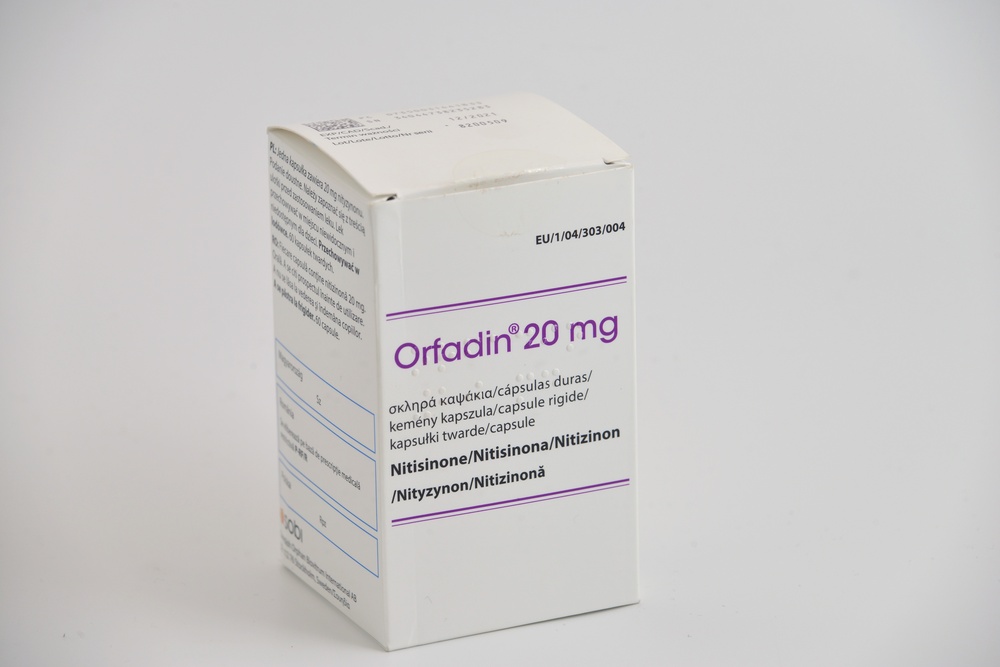



How to use ORFADIN 20 mg HARD CAPSULES
Translated with AI
This page provides general information and does not replace a doctor’s consultation. Always consult a doctor before taking any medication. Seek urgent medical care if symptoms are severe.
Show originalContents of the leaflet
Introduction
Package Leaflet: Information for the User
Orfadin 2 mg Hard Capsules
Orfadin 5 mg Hard Capsules
Orfadin 10 mg Hard Capsules
Orfadin 20 mg Hard Capsules
nitisinone
Read all of this leaflet carefully before you start taking this medicine because it contains important information for you.
- Keep this leaflet, you may need to read it again.
- If you have any further questions, ask your doctor, pharmacist, or nurse.
- This medicine has been prescribed for you only. Do not pass it on to others. It may harm them, even if their symptoms are the same as yours.
- If you get any side effects, talk to your doctor, pharmacist, or nurse. This includes any possible side effects not listed in this leaflet. See section 4.
Contents of the pack
- What is Orfadin and what is it used for
- What you need to know before you take Orfadin
- How to take Orfadin
- Possible side effects
- Storage of Orfadin
- Contents of the pack and further information
1. What is Orfadin and what is it used for
Orfadin contains the active substance nitisinone. Orfadin is used to treat:
- a rare disease called hereditary tyrosinemia type 1 in adults, adolescents, and children (of any age range).
- a rare disease called alkaptonuria (AKU) in adults
In these diseases, your body cannot fully break down the amino acid tyrosine (amino acids are the building blocks of proteins), forming toxic substances. These substances accumulate in your body. Orfadin blocks the breakdown of tyrosine, and the toxic substances are not formed.
For the treatment of hereditary tyrosinemia type 1, you must follow a special diet while taking this medicine, because tyrosine will still be in your body. This diet is based on a low content of tyrosine and phenylalanine (another amino acid).
For the treatment of AKU, your doctor may advise you to follow a special diet.

2. What you need to know before you take Orfadin
Do not take Orfadin
- if you are allergic to nitisinone or any of the other ingredients of this medicine (listed in section 6).
Do not breastfeed while taking this medicine (see section “Do not take Orfadin”).
Warnings and precautions
Talk to your doctor or pharmacist before you start taking Orfadin.
- An eye specialist will examine your eyes before treatment and regularly during treatment with nitisinone. If you notice redness of the eyes or any other effect on the eyes, contact your doctor immediately for an eye examination. Eye problems (see section 4) may be a sign of inadequate diet control.
During treatment, blood samples will be taken to check if the treatment is adequate and to ensure that there are no side effects causing blood changes.
If you receive Orfadin for the treatment of hereditary tyrosinemia type 1, you will have regular liver checks because the disease affects the liver.
Your doctor should check you every 6 months. If you experience any side effects, it is recommended to use shorter time intervals.
Other medicines and Orfadin
Tell your doctor or pharmacist if you are taking, have recently taken, or might take any other medicines.
Orfadin may interfere with the effect of other medicines, such as:
- medicines for epilepsy (such as phenytoin)
- medicines to prevent blood clot formation (such as warfarin)
Using Orfadin with food
If you start treatment taking it with food, it is recommended to follow this regimen throughout the treatment.
Pregnancy and breastfeeding
The safety of this medicine in pregnant women and breastfeeding women has not been studied.
Talk to your doctor if you plan to become pregnant. If you become pregnant, you should contact your doctor immediately.
Do not breastfeed while taking this medicine (see section “Do not take Orfadin”).
Driving and using machines
The influence of this medicine on the ability to drive and use machines is small.
However, if you experience side effects that affect your vision, do not drive or use machines until your vision has returned to normal (see section 4 “Possible side effects”).
3. How to take Orfadin
Follow exactly the administration instructions of the medicine given by your doctor. In case of doubt, ask your doctor or pharmacist.
For hereditary tyrosinemia type 1, treatment with this medicine must be started and supervised by a doctor with experience in the treatment of the disease.
For hereditary tyrosinemia type 1, the recommended daily dose is 1 mg/kg body weight administered orally. Your doctor will adjust the dose individually.
It is recommended to administer the dose once a day. However, due to limited data in patients with a body weight <20 kg, in this patient population, it is recommended to divide the total daily dose into two doses per day.< p>
For AKU, the recommended dose is 10 mg once a day.
If you have problems swallowing the capsules, you can open the capsules and mix the powder with a small amount of water or dietary supplement before taking it.
If you take more Orfadin than you should
If you have taken more of this medicine than you should, tell your doctor or pharmacist immediately.
If you forget to take Orfadin
Do not take a double dose to make up for forgotten doses. If you have forgotten to take a dose, tell your doctor or pharmacist.
If you stop taking Orfadin
If you think the effect of the medicine is too strong or too weak, talk to your doctor. Do not change the dose or stop treatment without talking to your doctor first.
If you have any further questions on the use of this product, ask your doctor or pharmacist.

4. Possible side effects
Like all medicines, this medicine can cause side effects, although not everybody gets them.
If you notice any side effect related to the eyes, tell your doctor immediately for an eye examination. Treatment with nitisinone increases tyrosine levels in the blood, which can cause eye-related symptoms. In patients with hereditary tyrosinemia type 1, frequently reported (may affect more than 1 in 100 people) eye side effects due to higher tyrosine levels are eye inflammation (conjunctivitis), corneal opacity and inflammation (keratitis), sensitivity to light (photophobia), and eye pain. Inflammation of the eyelids (blepharitis) is an uncommon side effect (may affect up to 1 in 100 people).
In patients with AKU, eye irritation (keratopathy) and eye pain are very common side effects (may affect more than 1 in 10 people).
The following are other side effects reported in patients with hereditary tyrosinemia type 1:
Other common side effects
- Decrease in platelet count (thrombocytopenia) and white blood cells (leucopenia), reduction of certain types of white blood cells (granulocytopenia).
Other uncommon side effects
- Increase in white blood cell count (leucocytosis),
- itching (pruritus), skin inflammation (exfoliative dermatitis), rash.
The following are other side effects reported in patients with AKU:
Other common side effects
- bronchitis,
- pneumonia,
- itching (pruritus), rash.
Reporting of side effects
If you experience any side effects, talk to your doctor, pharmacist, or nurse, even if it is possible side effects not listed in this leaflet. You can also report side effects directly through the national reporting system listed in Appendix V. By reporting side effects, you can help provide more information on the safety of this medicine.
5. Storage of Orfadin
Keep this medicine out of the sight and reach of children.
Do not use this medicine after the expiry date which is stated on the bottle and carton after “EXP”. The expiry date is the last day of the month shown.
Store in a refrigerator (between 2°C and 8°C).
The medicine can be stored for a single period of 2 months (for 2 mg capsules) or 3 months (for 5 mg, 10 mg, and 20 mg capsules) at a temperature not above 25°C, after which it should be discarded.
Do not forget to write the date you removed it from the refrigerator on the bottle.
Medicines should not be disposed of via wastewater or household waste. Ask your pharmacist how to dispose of medicines no longer required. This will help protect the environment.
6. Contents of the pack and further information
Composition of Orfadin
- The active substance is nitisinone.
Orfadin 2 mg:each capsule contains 2 mg of nitisinone.
Orfadin 5 mg:each capsule contains 5 mg of nitisinone.
Orfadin 10 mg:each capsule contains 10 mg of nitisinone.
Orfadin 20 mg:each capsule contains 20 mg of nitisinone.
- The other ingredients (excipients) are:
Capsule content: pregelatinized starch (from corn).
Capsule shell: gelatin, titanium dioxide (E 171).
Printing: iron oxide (E 172), shellac, propylene glycol, ammonium hydroxide.
Appearance of the product and pack contents
The capsules are hard, white, opaque, made of gelatin, and have “NTBC” and the dose “2 mg”, “5 mg”, “10 mg”, or “20 mg” printed in black. The capsule contains a powder that may be white or grayish.
The capsules are packed in plastic bottles with tamper-evident closures. Each bottle contains 60 capsules.
Marketing authorisation holder
Swedish Orphan Biovitrum International AB
SE-112 76 Stockholm
Sweden
Manufacturer
Apotek Produktion & Laboratorier AB
Prismavägen 2
SE-141 75 Kungens Kurva
Sweden
Date of last revision of this leaflet: 04/2024.
Detailed information on this medicine is available on the European Medicines Agency web site: http://www.ema.europa.eu/. There are also links to other web sites about rare diseases and orphan medicines.
- Country of registration
- Active substance
- Prescription requiredYes
- Manufacturer
- This information is for reference only and does not constitute medical advice. Always consult a doctor before taking any medication. Oladoctor is not responsible for medical decisions based on this content.
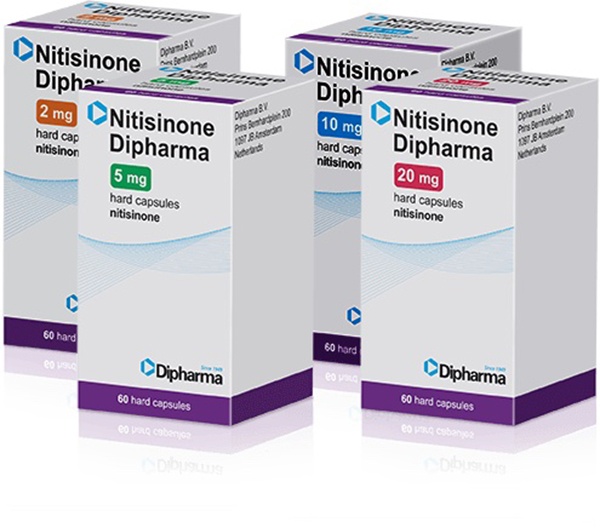
- Alternatives to ORFADIN 20 mg HARD CAPSULESDosage form: CAPSULE, 10 mgActive substance: nitisinoneManufacturer: Dipharma Arzneimittel GmbhPrescription requiredDosage form: CAPSULE, 2 mgActive substance: nitisinoneManufacturer: Dipharma Arzneimittel GmbhPrescription requiredDosage form: CAPSULE, 20 mgActive substance: nitisinoneManufacturer: Dipharma Arzneimittel GmbhPrescription required
Online doctors for ORFADIN 20 mg HARD CAPSULES
Discuss questions about ORFADIN 20 mg HARD CAPSULES, including use, safety considerations and prescription review, subject to medical assessment and local regulations.




Frequently Asked Questions
