


OPTIALERG 5 mg/mL + 0.25 mg/mL EYE DROPS SOLUTION
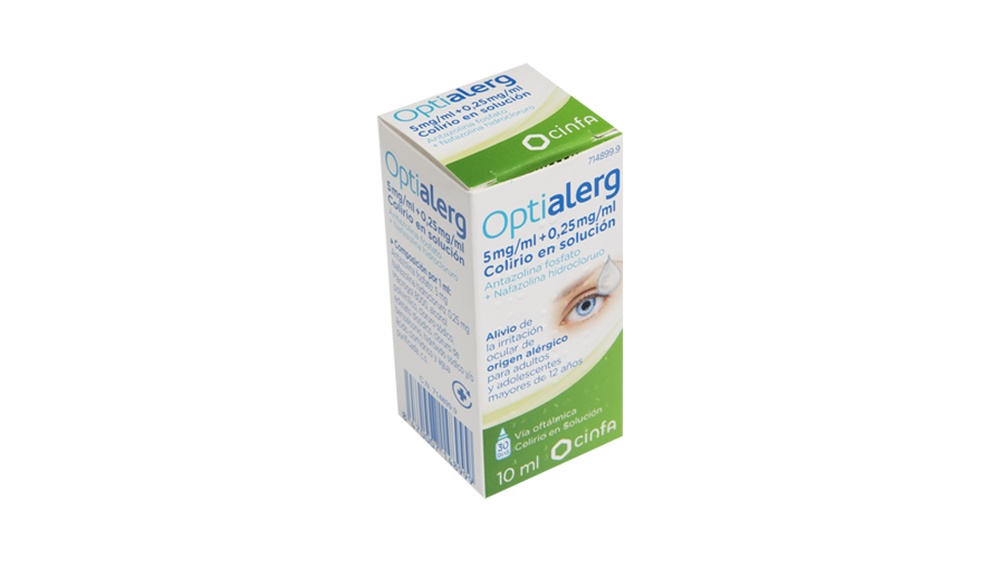



How to use OPTIALERG 5 mg/mL + 0.25 mg/mL EYE DROPS SOLUTION
Translated with AI
This page provides general information and does not replace a doctor’s consultation. Always consult a doctor before taking any medication. Seek urgent medical care if symptoms are severe.
Show originalContents of the leaflet
Introduction
Package Leaflet: Information for the User
Optialerg 5 mg/ml + 0.25 mg/ml Eye Drops Solution
Antazoline Phosphate, Naphazoline Hydrochloride
Read the entire package leaflet carefully before starting to use this medication,
as it contains important information for you.
Follow the administration instructions of the medication contained in this package leaflet or as indicated by your doctor or pharmacist.
- Keep this package leaflet, as you may need to read it again.
- If you need advice or more information, consult your pharmacist.
- If you experience side effects, consult your doctor or pharmacist, even if they are not listed in this package leaflet. See section 4.
- You should consult a doctor if your symptoms worsen or do not improve after 3 days of treatment.
Contents of the Package Leaflet
- What Optialerg is and what it is used for.
- What you need to know before using Optialerg.
- How to use Optialerg.
- Possible side effects.
- Storage of Optialerg.
- Contents of the pack and further information.
1. What Optialerg is and what it is used for
Naphazoline is a sympathomimetic substance that develops a vasoconstrictive action with a rapid decongestant effect on the inflamed conjunctiva mucosa.
Antazoline is a substance with antihistamine activity, normally capable of mitigating inflammatory processes caused by allergies. The association of these two active substances has proven to be effective compared to individual components in the treatment of symptoms caused by allergic eye diseases.
It is indicated for the temporary relief of irritation, redness, and mild ocular congestion of allergic origin for adults and adolescents over 12 years old.

2. What you need to know before using Optialerg
Do not use Optialerg
- If you are allergic to antazoline, naphazoline, or other adrenergic medications (stimulants of the sympathetic system that, among other actions, can raise blood pressure) or to any of the other components of this medication (listed in section 6).
- If you have narrow-angle glaucoma or are predisposed to it.
Warnings and Precautions
Consult your doctor or pharmacist before starting to use Optialerg.
You should be cautious if you are in any of the following situations:
- In case you are being administered certain anesthetics (e.g., halothane, which makes the heart more sensitive to medications of the naphazoline type).
- If you have bronchial asthma.
- If you have heart or circulation diseases.
- If you have cerebral arteriosclerosis.
- If you have hypertension.
- If you have thyroid disease.
- If you have diabetes.
- If you have any eye disease or infection or an injury to them.
- If you are taking monoamine oxidase inhibitor (MAOI) medications (usually antidepressants) (see "Using Optialerg with other medications").
Recommendations for the Use of Eye Drops.
Since it is a sterile preparation, it is recommended to follow these instructions:
- Each patient will use their own container.
- The application of the eye drops should be done with maximum hygiene: washing hands and avoiding any contact of the dropper with any surface (including the eye).
- After each application, keep the bottle perfectly closed.
- Once the established use is finished, the remaining preparation should be discarded, even if it has not been fully consumed.
Do not use the medication for more than 3-5 consecutive days (rebound congestion may occur). Do not wear contact lenses during the use of this medication.
Children
Do not use this medication in children; safety and efficacy have not been established in children.
Other Medications and Optialerg
Inform your doctor or pharmacist if you are using, have recently used, or may need to use any other medication.
The concomitant administration of Optialerg with monoamine oxidase inhibitors (MAOIs) (usually antidepressants) may lead to the appearance of a hypertensive crisis (blood pressure increase).
If you use any other ophthalmic product, it is recommended to wait at least 5 minutes between administrations.
Pregnancy, Breastfeeding, and Fertility
If you are pregnant or breastfeeding, think you may be pregnant, or plan to become pregnant, consult your doctor or pharmacist before using this medication.
There are no data on the ophthalmic use of the combination of the active substances of this medication in pregnant or breastfeeding women.
Pregnant or breastfeeding women should not use Optialerg.
Driving and Using Machines
The influence of Optialerg on the ability to drive or use machines is nil or insignificant.
In rare cases, blurred vision or glare may occur. In this case, do not drive or use hazardous machines.
Optialerg contains Benzalkonium Chloride
This medication contains 0.02 mg of benzalkonium chloride per ml.
Benzalkonium chloride can be absorbed by soft contact lenses, altering their color. Remove contact lenses before using this medication and wait 15 minutes before putting them back on.
Benzalkonium chloride can cause eye irritation, especially if you have dry eye or other corneal diseases (transparent layer of the front of the eye). Consult your doctor if you feel any strange sensation, itching, or pain in the eye after using this medication.
3. How to use Optialerg
Follow the administration instructions of the medication contained in this package leaflet or as indicated by your doctor or pharmacist. In case of doubt, ask your doctor or pharmacist.
The recommended dose is:
Adults and adolescents from 12 years old: Apply 1 or 2 drops in each eye up to three or four times a day, depending on the intensity of the symptoms.
The treatment duration should not exceed 3-5 days.
If the symptoms do not resolve or worsen after 3 days of use, you should consult a doctor who will examine the condition of your eyes.
Use in Children
Optialerg should not be used in children under 12 years old.
How to use Optialerg
This medication is administered via the ophthalmic route.
Before application, wash your hands and dry your eyes.
If you use contact lenses, remove them before applying the eye drops. You can put them back on 15 minutes after applying the eye drops.
With your head tilted back, while looking up, separate the lower eyelid and let the drops fall into the conjunctival sac (space between the eye and the eyelid). Close your eyes gently and keep them closed for a few seconds.
Since it is a sterile preparation, it is recommended to follow these instructions:
- The container should be used by only 1 person.
- The application of the eye drops should be done with maximum hygiene: hand cleaning and avoiding any contact of the dropper with any surface (including the eye).
- After each application, close the container well.
- Once the established use is finished, the remaining preparation should be discarded, even if it has not been fully consumed.
- Discard the container 1 month after opening or before if a change in color or turbidity is observed.
If you apply pressure on the nasolacrimal duct or close your eye for 3 minutes after application, systemic effects are reduced and local activity is increased.
Before using other ophthalmic medications, wait at least 5 minutes.
If you use more Optialerg than you should
Due to the characteristics of this medication, intoxication phenomena are not expected with topical use at the recommended doses.
The symptoms of excessive or very continuous application may be: eye irritation.
Taking a considerably larger amount of Optialerg than the recommended dose, for example, if Optialerg is accidentally ingested, may cause serious side effects affecting the heart and blood circulation. Symptoms may include: reduced heart rate (bradycardia), acute headache, nausea, vomiting, respiratory problems, increased heart rate (tachycardia), and chest pain.
In case of accidental ingestion of the contents of a container, especially in children, signs of central nervous system (CNS) affectation may appear, such as significant sedation, CNS depression, decreased body temperature, and coma.
With very high doses of naphazoline, adverse effects on the heart or circulation may occur, such as palpitations, high blood pressure that may be followed by hypotension (low blood pressure); other adverse effects may be: headache, dizziness, somnolence, and insomnia.
Other symptoms that may appear if the medication is accidentally ingested, especially by children, are: nausea, vomiting, lethargy, respiratory difficulty, etc.
In case of overdose or accidental ingestion, consult your doctor or pharmacist immediately or call the Toxicology Information Service, phone 91 562 04 20, indicating the medication and the amount ingested.
If you forget to use Optialerg
Use this medication only if you notice the symptoms. If you do not have them, do not use it.
Do not use a double dose to make up for forgotten doses.
If necessary, because you notice the symptoms again, use it as indicated in section 3. How to use Optialerg.
If you have any other doubts about the use of this medication, ask your doctor or pharmacist.

4. Possible Side Effects
Like all medications, this medication can cause side effects, although not everyone may experience them.
It has been observed that pupil dilation, increased pressure inside the eye, and general effects due to absorption may occur.
Possible appearance, with low frequency, of continuous redness and eye irritation.
With unknown frequency: conjunctivitis, eye pain, itching, and moderate and transient tearing; with excessive use, diffuse fog.
In very rare cases: opaque areas in the cornea.
In predisposed patients and with use of a greater amount or frequency than recommended, palpitations, headache, tremor, weakness, sweating, and hypertension may occur.
An allergic reaction to one of the components may also occur.
Reporting Side Effects
If you experience any type of side effect, consult your doctor or pharmacist, even if it is a possible side effect that does not appear in this package leaflet. You can also report them directly through the Spanish Pharmacovigilance System for Human Use Medications: https://www.notificaram.es. By reporting side effects, you can contribute to providing more information on the safety of this medication.
5. Storage of Optialerg
Keep this medication out of sight and reach of children.
Do not store at a temperature above 30°C.
Do not use this medication after the expiration date that appears on the container after CAD. The expiration date is the last day of the month indicated.
Discard the medication 30 days after opening the container or before if a change in color or turbidity is observed.
Medications should not be thrown down the drain or into the trash. Deposit the containers and medications you no longer need at the SIGRE point in the pharmacy. If in doubt, ask your pharmacist how to dispose of the containers and medications you no longer need. This way, you will help protect the environment.
6. Contents of the Pack and Further Information
Composition of Optialerg
- The active substances are antazoline phosphate and naphazoline hydrochloride. Each ml of eye drops solution contains 5 mg of antazoline phosphate and 0.25 mg of naphazoline hydrochloride.
- The other components (excipients) are: macrogol 8000, polyvinyl alcohol, sodium chloride, disodium edetate, benzalkonium chloride 50%, sodium hydroxide, and/or hydrochloric acid, and purified water.
Appearance of the Product and Contents of the Pack
Optialergis a clear and colorless eye drops solution presented in 10 ml low-density polyethylene containers, low-density polyethylene droppers, and high-density polyethylene caps, all white. Each container contains a bottle of eye drops solution.
Marketing Authorization Holder and Manufacturer
Marketing Authorization Holder
Laboratorios Cinfa, S.A.
Carretera Olaz-Chipi, 10 - Polígono Industrial Areta.
31620 Huarte (Navarra)-Spain
Manufacturer
Farmigea S.p.A.
Via G.B. Oliva, 8 56121 Pisa. Italy
or
Laboratorios Cinfa, S.A.
Carretera Olaz-Chipi, 10 - Polígono Industrial Areta.
31620 Huarte (Navarra)-Spain
Date of the Last Revision of this Package Leaflet:July 2025
Detailed information about this medication is available on the website of the Spanish Agency for Medicines and Health Products (AEMPS)http://www.aemps.gob.es/
- Country of registration
- Active substance
- Prescription requiredNo
- Manufacturer
- This information is for reference only and does not constitute medical advice. Always consult a doctor before taking any medication. Oladoctor is not responsible for medical decisions based on this content.
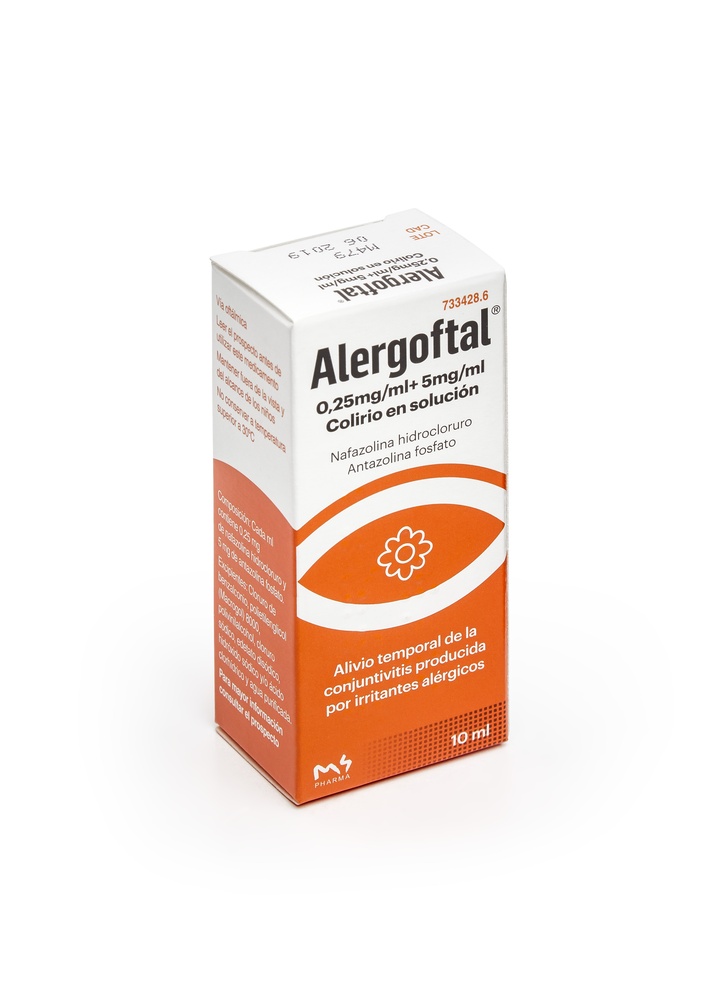
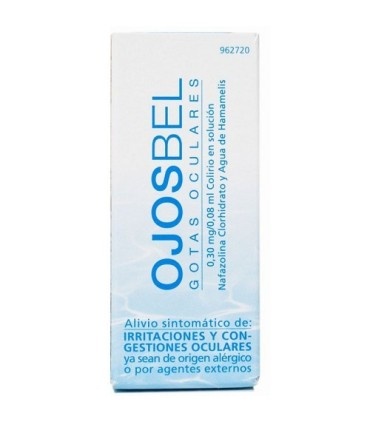
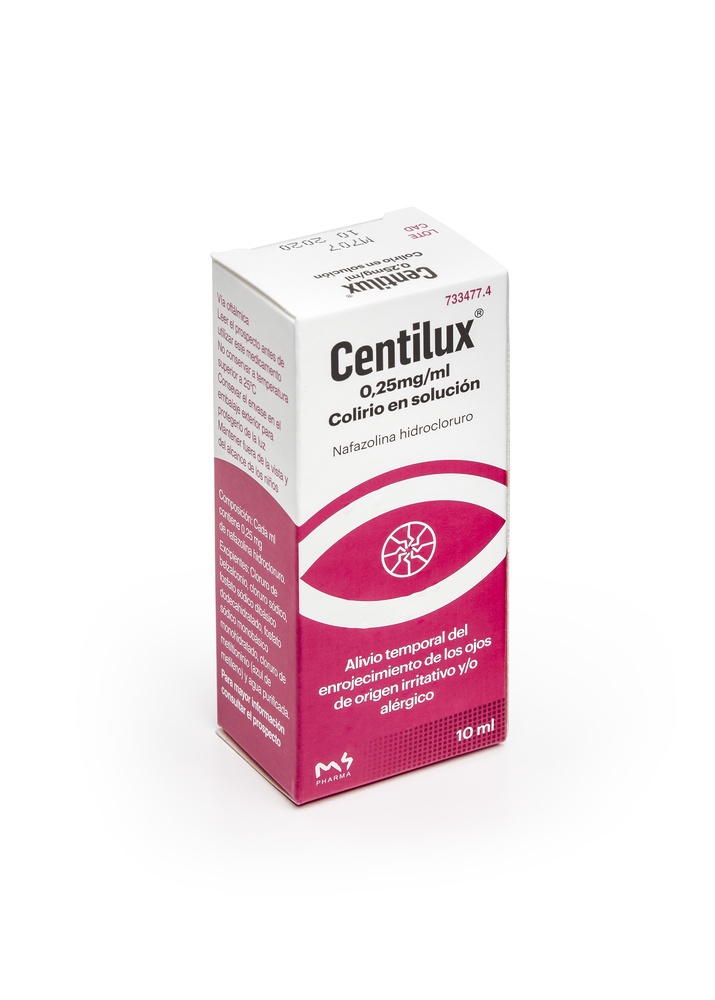
- Alternatives to OPTIALERG 5 mg/mL + 0.25 mg/mL EYE DROPS SOLUTIONDosage form: EYEDROP, 0.25 mg/ml-5 mg/mlActive substance: naphazoline, combinationsManufacturer: Reva Health Europe S.L.Prescription not requiredDosage form: EYEDROP, 0.3+0.08 mg/ml+ml/mlActive substance: naphazoline, combinationsManufacturer: Dermofarm S.A.U.Prescription not requiredDosage form: EYE DROP, 0.25 mg/mlActive substance: naphazolineManufacturer: Reva Health Europe S.L.Prescription not required
Online doctors for OPTIALERG 5 mg/mL + 0.25 mg/mL EYE DROPS SOLUTION
Discuss questions about OPTIALERG 5 mg/mL + 0.25 mg/mL EYE DROPS SOLUTION, including use, safety considerations and prescription review, subject to medical assessment and local regulations.





Frequently Asked Questions
