


OLIMEL N12 EMULSION FOR INFUSION
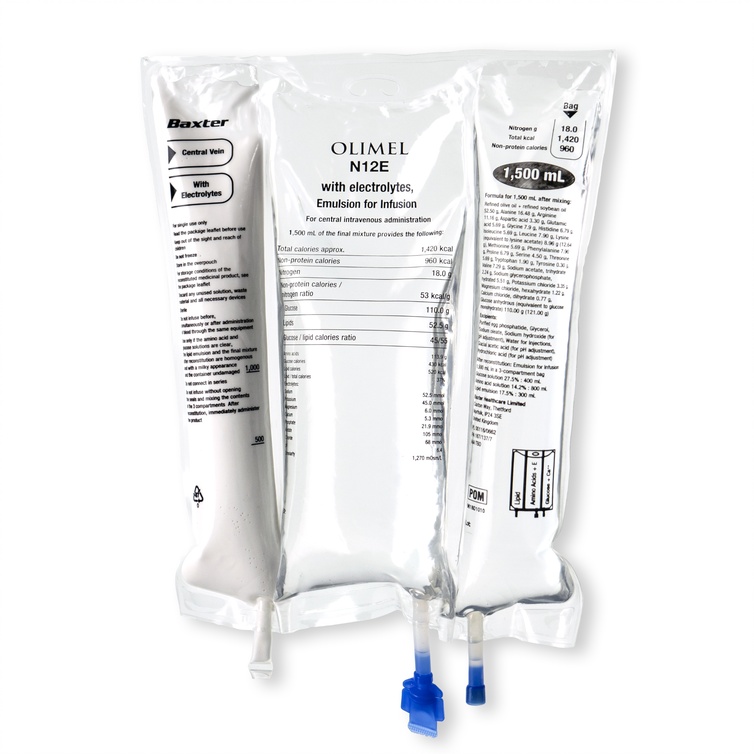



How to use OLIMEL N12 EMULSION FOR INFUSION
Translated with AI
This page provides general information and does not replace a doctor’s consultation. Always consult a doctor before taking any medication. Seek urgent medical care if symptoms are severe.
Show originalContents of the leaflet
Introduction
Package Leaflet: Information for the User
Olimel N12 emulsion for infusion
Read all of this leaflet carefully before this medicine is administered to you, as it contains important information for you.
- Keep this leaflet, as you may need to read it again.
- If you have any further questions, ask your doctor or nurse.
- If you experience any side effects, talk to your doctor or nurse. This includes any possible side effects not listed in this leaflet. See section 4.
Contents of the package leaflet
- What is Olimel N12 and what is it used for
- What you need to know before Olimel N12 is administered to you
- How Olimel N12 will be administered to you
- Possible side effects
- Storage of Olimel N12
- Contents of the pack and other information
1. What is Olimel N12 and what is it used for
Olimel N12 is an emulsion for infusion. It comes in a bag with 3 chambers.
One chamber contains a glucose solution, the second contains a lipid emulsion, and the third contains an amino acid solution.
Olimel N12 is used to feed adults and children over 2 years of age through a tube in a vein when normal feeding by mouth is not possible.
Olimel N12 should only be used under medical supervision.

2. What you need to know before Olimel N12 is administered to you
Olimel N12 must not be administered:
- To premature newborns, babies, and children under 2 years of age.
- If you are allergic to egg proteins, soybean seeds, peanuts, corn/corn products (see also the "Warnings and precautions" section below) or to any of the other components of this medicine (listed in section 6).
- If your body has problems using certain amino acids.
- If you have especially high levels of fat in the blood.
- If you have hyperglycemia (too much sugar in the blood).
In all cases, your doctor will decide whether you should be given this medicine based on factors such as your age, weight, and medical condition, along with the results of all tests performed.
Warnings and precautions
Talk to your doctor or nurse before Olimel N12 is administered to you.
Too rapid administration of total parenteral nutrition (TPN) solutions can cause injury or death.
The infusion must be stopped immediately if any abnormal signs or symptoms of an allergic reaction (such as sweating, fever, chills, headache, skin rash, or difficulty breathing) develop. This medicine contains soybean oil and egg phospholipids. Soy and egg proteins can cause hypersensitivity reactions. Cross-allergic reactions have been observed between soybean seed and peanut proteins.
Olimel N12 contains glucose derived from corn, which may cause hypersensitivity reactions if you are allergic to corn or corn products (see "Olimel N12 must not be administered" section above).
Difficulty breathing could also be a sign that small particles have formed in the lungs, blocking blood vessels (pulmonary vascular precipitates). If you experience any difficulty breathing, inform your doctor or nurse. They will decide on the course of action.
Certain medicines and diseases can increase the risk of developing infections or sepsis (bacteria in the blood). There is a risk of infection or sepsis, especially when a tube (intravenous catheter) is placed in a vein. Your doctor will closely monitor you for signs of infection. Patients who require parenteral nutrition (administration of nutrients through a tube inserted into a vein) may be more prone to infections due to their medical condition. The use of "aseptic techniques" (without germs) when placing and maintaining the catheter and preparing the nutritional formula (TPN) can reduce the risk of infection.
If you are severely malnourished and need to receive feeding through a vein, your doctor will start treatment slowly. Additionally, you will be monitored to avoid sudden changes in your fluid, vitamin, electrolyte, and mineral levels.
Before starting the infusion, any metabolic disorders and water and salt balance in your body must be corrected. Your doctor will monitor your condition while you are being given this medicine and may change the dose or add other nutrients, such as vitamins, electrolytes, and trace elements, if considered necessary.
Cases of liver disorders have been reported, including problems with bile elimination (cholestasis), fat storage (hepatic steatosis), fibrosis, which may lead to liver failure, as well as cholecystitis and cholelithiasis in patients receiving intravenous nutrition treatment. It is believed that the cause of these disorders is due to multiple factors and may differ between patients. If you experience symptoms such as nausea, vomiting, abdominal pain, yellowing of the skin or eyes, consult your doctor to identify possible causative and contributing factors and possible therapeutic and preventive measures.
Your doctor should know if you have:
- any serious kidney problems. You should also inform your doctor if you are receiving dialysis treatment (artificial kidney) or if you have any other type of treatment to clean your blood
- any serious liver problems
- any blood coagulation problems
- abnormal functioning of the adrenal glands (adrenal insufficiency). The adrenal glands are triangular in shape and are located above the kidneys
- heart failure
- lung disease
- fluid accumulation in the body (hyperhydration)
- insufficient water in the body (dehydration)
- excess sugar in the blood (diabetes mellitus) without treatment for it
- heart attack or shock due to sudden heart failure
- severe metabolic acidosis (blood too acidic)
- generalized infection (septicemia)
- coma
To check the effectiveness and safety of administration, your doctor will perform laboratory and clinical tests while you are being given this medicine. If you are given this medicine for several weeks, your blood will be regularly analyzed.
The decrease in the body's ability to eliminate the fats contained in this medicine may lead to a "fat overload syndrome" (see section 4 "Possible side effects").
If during the infusion you notice pain, burning, or swelling at the infusion site or leakage of the infusion, inform your doctor or nurse. The administration will be stopped immediately and restarted in another vein.
If your blood sugar levels rise too high, your doctor will adjust the rate of administration of Olimel N12 or provide you with medication to control blood sugar levels (insulin).
Olimel N12 can only be administered through a tube (catheter) connected to a large vein in your chest (central vein).
Children and adolescents
If your child is under 18 years of age, special attention will be paid to the administration of the correct dose. Additional precautions will also be taken due to the greater sensitivity of children to the risk of infection. Supplementation with vitamins and trace elements is always necessary. Pediatric formulations should be used.
Using Olimel N12 with other medicines
Tell your doctor if you are taking or using, have recently taken or used, or might take or use any other medicines.
Simultaneous absorption of other medicines is generally not a contraindication. If you are taking other medicines, obtained with or without a prescription, you should consult your doctor in advance so that they can check if they are compatible.
Inform your doctor if you are taking or receiving any of the following medicines:
- insulin
- heparin
Olimel N12 must not be administered simultaneously with blood through the same infusion line.
Due to the risk of precipitation, Olimel N12 must not be administered through the same infusion line or mixed with the antibiotic ampicillin or the antiepileptic fosphenytoin.
The olive and soybean oils present in Olimel N12 contain vitamin K. This usually does not affect blood-thinning medicines (anticoagulants) such as coumarin. However, if you are taking anticoagulants, you should inform your doctor.
The lipids in this emulsion may interfere with the results of certain laboratory tests if the blood sample is taken before they have been eliminated from your bloodstream (they are usually eliminated after a period of 5 to 6 hours without receiving lipids).
Pregnancy and breastfeeding
If you are pregnant or breastfeeding, think you may be pregnant, or plan to become pregnant, consult your doctor before this medicine is administered to you.
There is no adequate experience with the use of Olimel N12 in pregnant or breastfeeding women. Olimel N12 may be used during pregnancy and breastfeeding if necessary. Olimel N12 should only be administered to pregnant or breastfeeding women after careful consideration.
Fertility
No adequate data are available.
Driving and using machines
Not applicable.
3. How Olimel N12 will be administered to you
Dose
Olimel N12 should only be administered to adults and children over 2 years of age.
This is an emulsion for infusion, i.e., for administration through a tube (catheter) into a vein in your chest.
Olimel N12 should be at room temperature before use.
Olimel N12 is for single use only.
Dose – Adults
Your doctor will determine an infusion rate based on your needs and medical condition.
The prescription can continue for as long as necessary, depending on your medical condition.
Dose – Children over 2 years of age and adolescents
The doctor will decide on the dose and the duration of administration, based on age, weight, height, medical condition, and the body's ability to break down and use the ingredients of Olimel N12.
If you have been given too much Olimel N12
If the dose administered is too high or the infusion is too rapid, the amino acid content can make your blood too acidic, and signs of hypervolemia (increased circulating blood volume) may occur. Your blood and urine glucose levels may increase, a hyperosmolar syndrome may develop, and the lipid content may increase your blood triglycerides. Administration of an infusion that is too rapid or a volume that is too high may cause nausea, vomiting, chills, headache, fever, sweating (hyperhidrosis), and electrolyte disturbances. In this case, the infusion should be stopped immediately.
In some severe cases, your doctor may need to perform temporary renal dialysis to help your kidneys eliminate excess product.
To avoid these cases, your doctor will regularly monitor your condition and analyze your blood parameters.
If you have any further questions on the use of this product, ask your doctor.
In case of overdose or accidental ingestion, consult the Toxicology Information Service. Telephone 915.620.420.

4. Possible side effects
Like all medicines, this medicine can cause side effects, although not everybody gets them. If you notice that you do not feel as you did before, tell your doctor or nurse immediately.
The tests that your doctor will perform while you are taking this medicine should minimize the risk of side effects.
If any abnormal signs or symptoms of an allergic reaction (such as sweating, fever, chills, headache, skin rash, or difficulty breathing) develop, the infusion should be stopped immediately.
The following side effects have been reported with Olimel:
Frequency - Frequent: may affect up to 1 in 10 people
- Fast heart rate (tachycardia).
- Decreased appetite.
- Increased levels of fat in the blood (hypertriglyceridemia).
- Abdominal pain.
- Diarrhea.
- Nausea.
- High blood pressure (hypertension).
Frequency - Unknown: cannot be estimated from the available data
- Hypersensitivity reactions including sweating, fever, chills, headache, skin rash (erythematous, papular, pustular, macular, generalized rash), itching, flushing, difficulty breathing.
- Leakage of the infusion into the surrounding tissue (extravasation) can cause pain at the infusion site, irritation, swelling/edema, redness (erythema)/heat, skin necrosis or blisters/vesicles, inflammation, thickening, or oppression of the skin.
- Vomiting.
The following side effects have been reported with other similar products for parenteral nutrition:
Frequency - Very rare: may affect up to 1 in 10,000 people
- Reduced ability to eliminate lipids (fat overload syndrome) associated with a sudden and severe worsening of the patient's medical condition. The following symptoms of fat overload syndrome are usually reversible when the lipid emulsion infusion is stopped:
- Fever.
- Decreased red blood cells, which can cause pale skin and weakness or difficulty breathing (anemia).
- Low white blood cell count, which can increase the risk of infection (leucopenia).
- Low platelet count, which can increase the risk of bruising and/or bleeding (thrombocytopenia).
- Coagulation disorders affecting the blood's ability to clot.
- High levels of fat in the blood (hyperlipidemia).
- Fatty infiltration of the liver (hepatomegaly).
- Worsening of liver function.
- Central nervous system manifestations (e.g., coma).
Frequency - Unknown: cannot be estimated from the available data
- Allergic reactions.
- Abnormal blood tests for liver function.
- Problems with bile elimination (cholestasis).
- Increased liver size (hepatomegaly).
- Liver diseases associated with parenteral nutrition (see "Warnings and precautions" in section 2).
- Jaundice.
- Decreased platelet count (thrombocytopenia).
- Increased levels of nitrogen in the blood (azotemia).
- Increased liver enzymes.
- Formation of small particles that can lead to blockage of blood vessels in the lungs (pulmonary vascular precipitates), resulting in pulmonary vascular embolism and difficulty breathing (respiratory distress).
Reporting of side effects:
If you experience any side effects, talk to your doctor or nurse, even if it is possible side effects not listed in this leaflet. You can also report side effects directly through the Spanish Pharmacovigilance System for Human Use Medicines: https://www.notificaram.es. By reporting side effects, you can help provide more information on the safety of this medicine.
5. Storage of Olimel N12
Keep this medicine out of the sight and reach of children.
Do not use this medicine after the expiry date which is stated on the carton and the outer packaging after (MM/YYYY). The expiry date is the last day of the month stated.
Do not freeze.
Store in the overbag.
Medicines should not be disposed of via wastewater or household waste. Ask your pharmacist how to dispose of medicines no longer required. This will help protect the environment.
6. Container Contents and Additional Information
Composition of Olimel N12
The active principles of each bag of the reconstituted emulsion are a 14.2% L-amino acid solution (corresponding to 14.2 g/100 ml of alanine, arginine, glycine, histidine, isoleucine, leucine, lysine (as lysine acetate), methionine, phenylalanine, proline, serine, threonine, tryptophan, tyrosine, valine, aspartic acid, and glutamic acid), a 17.5% lipid emulsion (corresponding to 17.5 g/100 ml of refined olive oil and refined soybean oil), and a 27.5% glucose solution (corresponding to 27.5 g/100 ml as glucose monohydrate).
The other components are:
Lipid Emulsion Compartment | Amino Acid Solution Compartment | Glucose Solution Compartment |
Purified egg phospholipids, glycerol, sodium oleate, sodium hydroxide (for pH adjustment), water for injectable preparations | Glacial acetic acid (for pH adjustment), water for injectable preparations | Hydrochloric acid (for pH adjustment), water for injectable preparations |
Appearance of Olimel N12 and Container Contents
Olimel N12 is an emulsion for perfusion packaged in a 3-compartment bag. One compartment contains a lipid emulsion, another a solution of amino acids, and the third a solution of glucose. These compartments are separated by non-permanent seals. Before administration, the contents of the compartments must be mixed by rolling the bag over itself from the top of the bag until the seals are open.
Appearance before reconstitution:
- The amino acid and glucose solutions are transparent, colorless, or slightly yellowish.
- The lipid emulsion is homogeneous and has a milky appearance.
Appearance after reconstitution: Homogeneous milky emulsion.
The tricompartmental bag is a plastic bag with multiple layers. The material of the inner layer (contact) of the bag is designed to be compatible with the authorized components and additives.
To avoid contact with air oxygen, the bag is packaged in an overbag that acts as an oxygen barrier, which contains a sachet with an oxygen absorber.
Package Sizes
650 ml bag: 1 cardboard box with 10 bags
1000 ml bag: 1 cardboard box with 6 bags
1500 ml bag: 1 cardboard box with 4 bags
2000 ml bag: 1 cardboard box with 4 bags
1 bag of 650 ml, 1000 ml, 1500 ml, and 2000 ml
Only some package sizes may be marketed.
Marketing Authorization Holder
Baxter S.L.
Pouet de Camilo 2, 46394 Ribarroja del Turia (Valencia)
Manufacturer
Baxter S.A., Boulevard René Branquart, 80, 7860 Lessines, Belgium
This medicinal product is authorized in the Member States of the European Economic Area under the following names:
Belgium, Czech Republic, France, Greece, Italy, Luxembourg, Netherlands, Slovenia, Spain:
Austria:
Germany:
Denmark, Iceland, Sweden, Norway, Finland, Portugal:
Ireland, Malta, United Kingdom:
Date of the Last Revision of this LeafletApril 2020
Detailed and updated information on this medicinal product is available on the website of the Spanish Agency for Medicines and Health Products (AEMPS) http://www.aemps.gob.es/
This information is intended only for healthcare professionals
- Qualitative and quantitative composition
Olimel N12 is presented in a 3-compartment bag form.
Each bag contains a glucose solution, a lipid emulsion, and an amino acid solution
Content per Bag | ||||
650 ml | 1000 ml | 1500 ml | 2000 ml | |
Glucose solution at 27.5% (corresponding to 27.5 g/100 ml) | 173 ml | 267 ml | 400 ml | 533 ml |
Amino acid solution at 14.2% (corresponding to 14.2 g/100 ml) | 347 ml | 533 ml | 800 ml | 1.067 ml |
Lipid emulsion at 17.5% (corresponding to 17.5 g/100 ml) | 130 ml | 200 ml | 300 ml | 400 ml |
After mixing the contents of the 3 compartments, the composition of the reconstituted emulsion is indicated in the following table for each bag size.
Active Principles | 650 ml | 1000 ml | 1500 ml | 2000 ml |
Refined olive oil + refined soybean oil(a) Alanine Arginine Aspartic acid Glutamic acid Glycine Histidine Isoleucine Leucine Lysine (equivalent to Lysine acetate) Methionine Phenylalanine Proline Serine Threonine Tryptophan Tyrosine Valine Glucose (equivalent to glucose monohydrate) | 22.75 g 7.14 g 4.84 g 1.43 g 2.46 g 3.42 g 2.94 g 2.46 g 3.42 g 3.88 g (5.48 g) 2.46 g 3.42 g 2.94 g 1.95 g 2.46 g 0.82 g 0.13 g 3.16 g 47.67 g (52.43 g) | 35.00 g 10.99 g 7.44 g 2.20 g 3.79 g 5.26 g 4.53 g 3.79 g 5.26 g 5.97 g (8.43 g) 3.79 g 5.26 g 4.53 g 3.00 g 3.79 g 1.26 g 0.20 g 4.86 g 73.33 g (80.67 g) | 52.50 g 16.48 g 11.16 g 3.30 g 5.69 g 7.90 g 6.79 g 5.69 g 7.90 g 8.96 g (12.64 g) 5.69 g 7.90 g 6.79 g 4.50 g 5.69 g 1.90 g 0.30 g 7.29 g 110.00 g (121.00 g) | 70.00 g 21.97 g 14.88 g 4.39 g 7.58 g 10.53 g 9.06 g 7.58 g 10.53 g 11.95 g (16.85 g) 7.58 g 10.53 g 9.06 g 5.99 g 7.58 g 2.53 g 0.39 g 9.72 g 146.67 g (161.33 g) |
(a) Mixture of refined olive oil (approximately 80%) and refined soybean oil (approximately 20%) corresponding to a ratio of essential fatty acids / total fatty acids of 20%
The excipients are:
Lipid Emulsion Compartment | Amino Acid Solution Compartment | Glucose Solution Compartment |
Purified egg phospholipids, glycerol, sodium oleate, sodium hydroxide (for pH adjustment), water for injectable preparations | Glacial acetic acid (for pH adjustment), water for injectable preparations | Hydrochloric acid (for pH adjustment), water for injectable preparations |
The reconstituted emulsion provides the following nutritional contributions for each bag size:
650 ml | 1000 ml | 1500 ml | 2000 ml | |
Lipids | 22.8 g | 35.0 g | 52.5 g | 70.0 g |
Amino Acids | 49.4 g | 75.9 g | 113.9 g | 151.9 g |
Nitrogen | 7.8 g | 12.0 g | 18.0 g | 24.0 g |
Glucose | 47.7 g | 73.3 g | 110.0 g | 146.7 g |
Energy: | ||||
Total Calories approx. | 620 kcal | 950 kcal | 1420 kcal | 1900 kcal |
Non-Protein Calories | 420 kcal | 640 kcal | 960 kcal | 1280 kcal |
Glucose Calories | 190 kcal | 290 kcal | 430 kcal | 580 kcal |
Lipid Calories (a) | 230 kcal | 350 kcal | 520 kcal | 700 kcal |
Non-Protein Calories / Nitrogen Ratio | 53 kcal/g | 53 kcal/g | 53 kcal/g | 53 kcal/g |
Glucose Calories / Lipid Ratio | 45/55 | 45/55 | 45/55 | 45/55 |
Lipid Calories / Total | 37% | 37% | 37% | 37% |
Electrolytes: | ||||
Phosphate (b) | 1.7 mmol | 2.6 mmol | 3.9 mmol | 5.2 mmol |
Acetate | 35 mmol | 54 mmol | 80 mmol | 107 mmol |
pH | 6.4 | 6.4 | 6.4 | 6.4 |
Approximate Osmolality | 1130 mOsm/L | 1130 mOsm/L | 1130 mOsm/L | 1130 mOsm/L |
a Includes calories from purified egg phospholipids
b Includes phosphate provided by the lipid emulsion
- Dosage and Administration
Dosage
Olimel N12 is not recommended for use in children under 2 years of age, as neither the composition nor the volume is suitable (see sections 4.4, 5.1, and 5.2 of the Technical Leaflet).
The maximum daily dose mentioned below should not be exceeded. Due to the invariant composition of the multicompartimental bag, the ability to simultaneously meet all the patient's nutritional needs may not be possible. There may be clinical situations where the patient requires amounts of nutrients that vary from the composition of the bag. In this situation, consideration should be given to the impact of any volume (dose) adjustment and the resulting effect on the dosing of the other nutrients of Olimel N12. In these situations, healthcare professionals may consider adjusting the volume (dose) of Olimel N12 to meet these greater needs.
In Adults
The dose depends on the patient's energy expenditure, clinical status, body weight, and ability to metabolize the components of Olimel N12, as well as the energy or proteins administered orally or enterally. Therefore, the appropriate bag size should be chosen.
The average daily needs are:
- 0.16 to 0.35 g of nitrogen/kg of body weight (1 to 2 g of amino acids/kg), depending on the patient's nutritional status and the level of catabolic stress. Special populations may require up to 0.4 g of nitrogen/kg of body weight (2.5 g of amino acids/kg).
- 20 to 40 kcal/kg.
- 20 to 40 ml of fluid/kg, or 1 to 1.5 ml per kcal expended.
For Olimel N12, the maximum daily dose is defined by the intake of amino acids, 26 ml/kg, corresponding to 2.0 g/kg of amino acids, 1.9 g/kg of glucose, and 0.9 g/kg of lipids. For a 70 kg patient, this would be equivalent to 1820 ml of Olimel N12 per day, which would provide 138 g of amino acids, 133 g of glucose, and 64 g of lipids (i.e., 1171 non-protein kcal and 1723 total kcal).
In Continuous Renal Replacement Therapy (CRRT): For Olimel N12, the maximum daily dose is defined by the intake of amino acids, 33 ml/kg corresponding to 2.5 g/kg of amino acids, 2.4 g/kg of glucose, 1.2 g/kg of lipids. For a 70 kg patient, this would be equivalent to 2310 ml of Olimel N12 per day, which would result in an intake of 175 g of amino acids, 169 g of glucose, and 81 g of lipids (i.e., 1486 non-protein kcal and 2187 total kcal).
Patients with Morbid Obesity: The dose should be calculated based on the ideal body weight. For Olimel N12, the maximum daily dose is defined by the intake of amino acids, 33 ml/kg of ideal body weight corresponding to 2.5 g/kg of amino acids, 2.4 g/kg of glucose, 1.2 g/kg of lipids. For a 70 kg patient, this would be equivalent to 2310 ml of Olimel N12 per day, which would result in an intake of 175 g of amino acids, 169 g of glucose, and 81 g of lipids (i.e., 1486 non-protein kcal and 2187 total kcal).
Normally, the administration rate should be gradually increased during the first hour and then adjusted according to the dose being administered, the daily volume intake, and the duration of the perfusion.
For Olimel N12, the maximum perfusion rate is 1.3 ml/kg/hour (except NPID, see below), corresponding to 0.10 g/kg/hour of amino acids, 0.10 g/kg/hour of glucose, and 0.05 g/kg/hour of lipids.
Patient with Intradiolytic Parenteral Nutrition (NPID): NPID is intended for non-acute malnourished patients. The selection of the appropriate Olimel formulation and volume for use in NPID should be guided by the gap between estimated spontaneous intakes, for example, through dietary interview, and recommended intakes. Additionally, metabolic tolerance should be taken into account.
For Olimel N12, in patients with NPID, the maximum perfusion rate per hour is 2.7 ml/kg/hour, corresponding to 0.2 g/kg/hour of amino acids, 0.2 g/kg/hour of glucose, and 0.09 g/kg/hour of lipids administered over 4 hours.
In Children over 2 years and Adolescents
No studies have been conducted in the pediatric population.
The dose depends on the patient's energy expenditure, clinical status, weight, and ability to metabolize the components of Olimel N12, as well as the energy and proteins administered orally or enterally. Therefore, the appropriate bag size should be chosen.
Additionally, the daily needs for fluid, nitrogen, and energy decrease continuously with age: Two age groups are considered, one between 2 and 11 years, and another between 12 and 18 years.
For Olimel N12, in the 2 to 11-year-old group, the amino acid concentration is the limiting factor for the daily dose and for the hourly rate. In the 12 to 18-year-old group, the amino acid concentration is the limiting factor for the daily dose and for the hourly rate. The resulting intakes are as follows:
Constituent | 2 to 11 years | 12 to 18 years | ||
Recommended(a) | Olimel N12 Vol. Max | Recommended(a) | Olimel N12 Vol. Max | |
Maximum Daily Dose | ||||
Fluid (ml/kg/day) | 60 – 120 | 33 | 50 – 80 | 26 |
Amino Acids (g/kg/day) | 1 – 2 (up to 2.5) | 2.5 | 1 – 2 | 2 |
Glucose (g/kg/day) | 1.4 – 8.6 | 2.4 | 0.7 – 5.8 | 1.9 |
Lipids (g/kg/day) | 0.5 – 3 | 1.2 | 0.5 – 2 (up to 3) | 0.9 |
Total Energy (kcal/kg/day) | 30 – 75 | 31.4 | 20 – 55 | 24.7 |
Maximum Hourly Rate | ||||
Olimel N12 (ml/kg/h) | 2.6 | 1.6 | ||
Amino Acids (g/kg/h) | 0.20 | 0.20 | 0.12 | 0.12 |
Glucose (g/kg/h) | 0.36 | 0.19 | 0.24 | 0.12 |
Lipids (g/kg/h) | 0.13 | 0.09 | 0.13 | 0.06 |
a: Values recommended in the 2018 ESPGHAN/ESPEN/ESPR Guidelines
Normally, the administration rate should be gradually increased during the first hour and then adjusted according to the dose being administered, the daily volume intake, and the duration of the perfusion.
In general, in the case of small children, it is recommended to start perfusion with a reduced daily dose and gradually increase it to the maximum dose (see above).
The maximum perfusion rate is 2.6 ml/kg/hour in children between 2 and 11 years of age and 1.6 ml/kg/hour in children between 12 and 18 years of age.
Form and Duration of Administration
For single use.
Once the bag is opened, it is recommended to use its contents immediately and not store them for subsequent perfusions.
The appearance of the mixture after reconstitution is a homogeneous emulsion similar to milk.
For instructions on the preparation and handling of the emulsion for perfusion, see section 6.6 of the Technical Leaflet.
Due to its high osmolality, Olimel N12 can only be administered through a central vein.
The recommended duration of perfusion of a parenteral nutrition bag is between 12 and 24 hours.
Treatment with parenteral nutrition can continue for as long as the patient's clinical condition requires.
- Incompatibilities
No other medication or component should be added to the bag or the reconstituted emulsion without first confirming the compatibility and stability of the resulting preparation (in particular the stability of the lipid emulsion).
Incompatibilities may occur due to, for example, excessive acidity (low pH) or inadequate content of divalent cations (Ca2+ and Mg2+), which can destabilize the lipid emulsion.
As with any parenteral nutrition mixture, the calcium and phosphate ratios should be taken into account. Excessive addition of calcium and phosphate, especially in the form of mineral salts, can cause the formation of calcium phosphate precipitates.
Due to the risk of precipitation, Olimel N12 should not be administered through the same infusion line or mixed with ampicillin or fosphenytoin.
Check the compatibility with solutions administered simultaneously through the same administration equipment, catheter, or cannula.
It should not be administered before, simultaneously, or after blood through the same equipment due to the risk of pseudoagglutination.
Agglutination.
- Special precautions for disposal and other handling
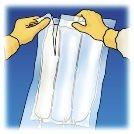
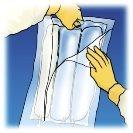
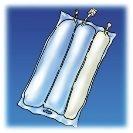
Table 1 provides an overview of the preparation steps for the administration of Olimel N12.
To Open
Remove the protective overbag.
Discard the oxygen absorber packet.
Confirm the integrity of the bag and the non-permanent seals. Use it only if the bag is not damaged, the non-permanent seals are intact (i.e., the contents of the three compartments have not been mixed), if the amino acid solution and the glucose solution are transparent, colorless or slightly yellowish, practically free of visible particles, and if the lipid emulsion is a homogeneous liquid with a milky appearance.
Mixing of the solutions and the emulsion
Make sure the product is at room temperature when the non-permanent seals are broken.
Manually roll the bag over itself, starting from the top of the bag (hanger end). The non-permanent seals will disappear from the side close to the entrances. Continue rolling until the seals are open approximately halfway.
Mix the bag by inverting it at least 3 times.
The appearance after reconstitution is a homogeneous emulsion similar to milk.
Additions
The bag has sufficient capacity for the addition of vitamins, electrolytes, and trace elements.
Any addition (including vitamins) must be made to the reconstituted mixture (after breaking the non-permanent seals and mixing the contents of the three compartments).
Vitamins can also be added to the glucose compartment before reconstituting the mixture (before breaking the non-permanent seals and mixing the contents of the three compartments).
Additions must be carried out by qualified personnel under aseptic conditions.
The formulation of Olimel N12 can be supplemented with electrolytes, inorganic/organic phosphate, and commercially available multivitamin preparations (such as Cernevit) and multiple trace element products (such as Nutryelt). The maximum total levels for the additions listed in the table below were demonstrated with stability data and should not be considered dosage recommendations. The addition should be dictated by the patient's clinical needs and should not exceed nutritional guidelines. The electrolytes already present in the bag should be taken into account when reaching the maximum total level.
Compatibility may vary between products from different sources, so healthcare professionals are recommended to perform the necessary checks when mixing Olimel N12 with other parenteral solutions.
Possible supplements for 1000 ml of Olimel N12 (for pediatric patients)
Level included | Maximum addition | Maximum total level | |
Sodium | 0 mmol | 150 mmol | 150 mmol |
Potassium | 0 mmol | 150 mmol | 150 mmol |
Magnesium | 0 mmol | 5.6 mmol | 5.6 mmol |
Calcium | 0 mmol | 5.0 mmol | 5.0 mmol |
Inorganic phosphate | 0 mmol | 10 mmol Pi + 12 mmol Po or 22 mmol Po b | 10 mmol Pi + 15 mmol Po or 25 mmol Po a,b 25/15 mmol a,b |
Organic phosphate | 3 mmol a | ||
Other supplements (trace elements, vitamins, selenium, and zinc)c | |||
Trace elements – junyelt d | 1 vial per bag (10 ml concentrated solution) | ||
Vitamins e | 1 vial (lyophilized) | ||
Selenium | 60 µg per bag | ||
Zinc | 3 mg per bag |
- Phosphate provided by the lipid emulsion.
- Pi: inorganic phosphate; Po: organic phosphate
- For all formats, the trace elements, vitamins, selenium, and zinc supplements can be the same as for 1L bags.
- Junyelt (Composition per vial: Zinc 15.30 µmol; Copper 3.15 µmol; Manganese 0.091 µmol; Iodine 0.079 µmol; Selenium 0.253 µmol)
- Multivitamins 1 vial in combination (Composition per vial: Vit. B1 (thiamine) 2.5 mg, Vit. B2 (riboflavin) 3.6 mg, Vit. B6 (pyridoxine) 4.00 mg, Vit. B5 (pantothenic acid) 15.0 mg, Vit. C (ascorbic acid) 100 mg, Vit. B8 (biotin) 0.06 mg, Vit. B9 (folic acid) 0.4 mg, Vit. B12 (cyanocobalamin) 0.005 mg, Vit. PP (nicotinamide) 40 mg) and 1 vial multivitamin (Composition per vial: Vit. A (as retinol palmitate) 2300 IU, Vit. D (as ergocalciferol) 400 IU, Vit. E (alpha-tocopherol) 6.4 mg, Vit. K (phytomenadione) 200 µg)
Possible supplements for 1000 ml of Olimel N12 (for adult patients)
Level included | Maximum addition | Maximum total level | |
Sodium | 0 mmol | 150 mmol | 150 mmol |
Potassium | 0 mmol | 150 mmol | 150 mmol |
Magnesium | 0 mmol | 5.6 mmol | 5.6 mmol |
Calcium | 0 mmol | 5.0 mmol | 5.0 mmol |
Inorganic phosphate | 0 mmol | 10 mmol Pi + 12 mmol Po or 22 mmol Po b | 10 mmol Pi + 15 mmol Po or 25 mmol Po ,a,b |
Organic phosphate | 3 mmol a | ||
Other supplements (trace elements, vitamins, selenium, and zinc)c | |||
Trace elements – Nutryelt d | 2 vials per bag (10 ml concentrated solution) | ||
Vitamins – Cernevit e | 1 vial (5 ml lyophilized) | ||
Selenium | 500 µg per bag | ||
Zinc | 20 mg per bag |
- Phosphate provided by the lipid emulsion.
- Pi: inorganic phosphate; Po: organic phosphate
- For all formats, the trace elements, vitamins, selenium, and zinc supplements can be the same as for 1L bags. The addition of vitamins is per liter of emulsion.
- Nutryelt (Composition per vial: Zinc 153 µmol; Copper 4.7 µmol; Manganese 1.0 µmol; Fluoride 50 µmol; Iodine 1.0 µmol; Selenium 0.9 µmol; Molybdenum 0.21 µmol; Chromium 0.19 µmol; Iron 18 µmol)
- Cernevit (Composition per vial: Vit. A (as retinol palmitate) 3500 IU, Vit. D3 (cholecalciferol) 220 IU, Vit. E (alpha-tocopherol) 11.2 IU, Vit. C (ascorbic acid) 125 mg, Vit. B1 (thiamine) 3.51 mg, Vit. B2 (riboflavin) 4.14 mg, Vit. B6 (pyridoxine) 4.53 mg, Vit. B12 (cyanocobalamin) 6 µg, Vit. B9 (folic acid) 414 µg, Vit. B5 (pantothenic acid) 17.25 mg, Vit. B8 (biotin) 69 µg, Vit. PP (nicotinamide) 46 mg)
To make an addition:
- It must be carried out under aseptic conditions.
- Prepare the injection point of the bag.
- Puncture the injection point and inject the additives using a syringe or a reconstitution device.
- Mix the contents of the bag and the additives.
Validity period after reconstitution:
The chemical and physical stability of use has been demonstrated for 7 days (between 2 °C and 8 °C) followed by 48 hours at a temperature not exceeding 30 °C.
From a microbiological point of view, after reconstitution, the product must be used immediately. If it is not used immediately, the conditions and times of conservation in use, after reconstitution and before use, are the responsibility of the user and normally will not exceed 24 hours at 2 °C to 8 °C, unless the reconstitution has been carried out in controlled and validated aseptic conditions.
Validity period after addition of supplements
For certain mixtures, the chemical and physical stability of use has been demonstrated for 7 days (between 2 °C and 8 °C) followed by 48 hours at a temperature not exceeding 30 °C.
From a microbiological point of view, any mixture must be used immediately. If it is not used immediately, the conditions and times of conservation in use, after mixing and before use, are the responsibility of the user and normally will not exceed 24 hours at 2 °C to 8 °C, unless the addition of supplements has been carried out in controlled and validated aseptic conditions.
Preparation for infusion
It must be carried out under aseptic conditions.
Hang the bag.
Remove the plastic protector from the administration outlet.
Firmly insert the tip of the infusion equipment into the administration outlet.
Table 1: Preparation steps for the administration of Olimel N12
1. |
| 2. |
| 3. |
|
Break from the top to open the overbag. | Remove the front of the overbag to access the Olimel N12 bag. Discard the overbag and the oxygen packet. | Place the bag on a horizontal and clean surface with the handle facing you. | |||
4. |
| 5. |
| 6. |
|
Lift the hanger area to remove the solution from the top of the bag. Roll the top of the bag firmly until the seals are completely open (approximately halfway). | Mix the contents by inverting the bag at least 3 times. | Hang the bag. Turn the protector to remove it from the administration outlet. Firmly connect the spike connector. |
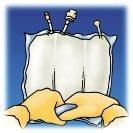
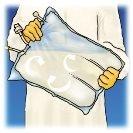
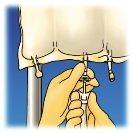
Administration
For single use only.
Administer the product only after the non-permanent seals between the three compartments have been broken and the contents of the three compartments have been mixed.
Make sure the final emulsion for infusion does not show any phase separation.
After opening the bag, the contents must be used immediately. The opened bag should never be stored for later infusion. Do not reconnect a partially used bag.
Do not connect bags in series to avoid gas embolism due to the gas present in the first bag.
All unused medication, materials that have come into contact with it, and all necessary devices must be discarded.
Extravasation
The catheter area should be regularly inspected to identify signs of extravasation.
If extravasation occurs, administration should be stopped immediately, keeping the cannula or catheter in place for immediate patient treatment. If possible, aspiration should be performed through the inserted cannula/catheter to reduce the amount of fluid present in the tissues before removing the cannula/catheter.
Specific measures should be taken depending on the stage or extent of any injury caused by the extravasated product (including the products mixed with Olimel N12).
Treatment options may include pharmacological, non-pharmacological methods, and/or surgical intervention. In the case of significant extravasation, a plastic surgeon should be consulted within the first 72 hours.
The extravasation area should be inspected at least every 4 hours during the first 24 hours and then once a day.
Infusion should not be resumed in the same central vein.
- Country of registration
- Active substance
- Prescription requiredYes
- Manufacturer
- This information is for reference only and does not constitute medical advice. Always consult a doctor before taking any medication. Oladoctor is not responsible for medical decisions based on this content.
- Alternatives to OLIMEL N12 EMULSION FOR INFUSIONDosage form: INJECTABLE PERFUSION, 3.92 g / 1.26 g / 7.21 g / 3.36 g / 4.2 g / 5.11 g / 2.94 g / 2.8 g / 4.76 g / 5.07 g / 4.06 g / 14.49 g / 0.28 g / 8.05 g / 3.5 g / 200 gActive substance: combinationsManufacturer: Baxter S.L.Prescription requiredDosage form: INJECTABLE INFUSION, 3.5 g / 200 g / 5.22 g / 1.88 g / 3.92 g / 1.26 g / 7.21 g / 3.36 g / 4.2 g / 5.11 g / 2.94 g / 2.8 g / 662 mg / 1.02 g / 4.76 g / 5.15 g / 5.07 g / 4.06 g / 14.49 g / 0.28 g / 8.05 gActive substance: combinationsManufacturer: Baxter S.L.Prescription requiredDosage form: INJECTABLE PERFUSION, 4.25 g / 300 g / 5.22 g / 1.54 g / 4.76 g / 1.53 g / 8.76 g / 4.08 g / 5.1 g / 6.2 g / 3.57 g / 3.4 g / 662 mg / 1.02 g / 5.78 g / 5.94 g / 6.16 g / 4.93 g / 17.6 g / 0.34 g / 9.78 gActive substance: combinationsManufacturer: Baxter S.L.Prescription required
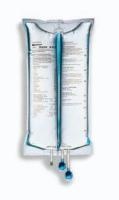
Online doctors for OLIMEL N12 EMULSION FOR INFUSION
Discuss questions about OLIMEL N12 EMULSION FOR INFUSION, including use, safety considerations and prescription review, subject to medical assessment and local regulations.











Frequently Asked Questions
