


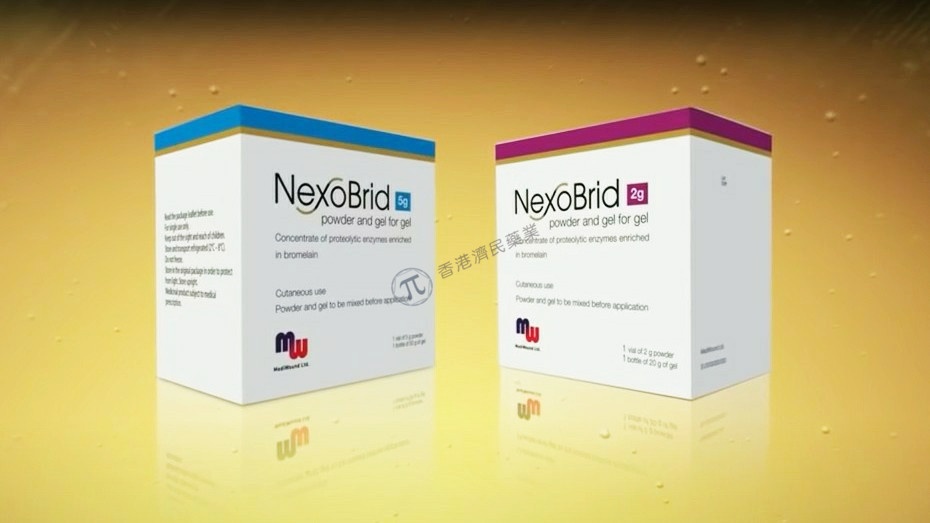
NEXOBRID 2 g powder and gel for gel
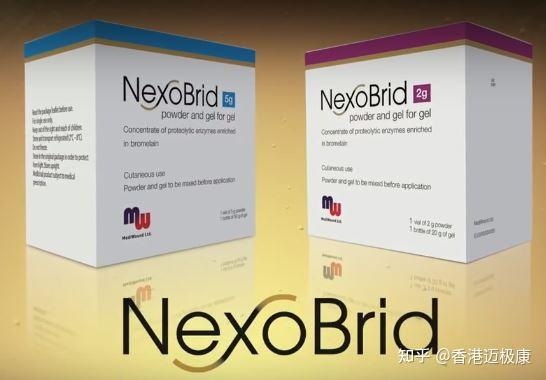



How to use NEXOBRID 2 g powder and gel for gel
Translated with AI
This page provides general information and does not replace a doctor’s consultation. Always consult a doctor before taking any medication. Seek urgent medical care if symptoms are severe.
Show originalContents of the leaflet
Introduction
Package Leaflet: Information for the User
NexoBrid 2 g powder and gel for gel
concentrate of proteolytic enzymes enriched with bromelain
Read all of this leaflet carefully before you start using this medicine because it contains important information for you.
- Keep this leaflet, you may need to read it again.
- If you have any further questions, ask your doctor or pharmacist.
- If you or your child experience any side effects, talk to your doctor or pharmacist, even if it is not listed in this leaflet. See section 4.
Contents of the pack
- What is NexoBrid and what is it used for
- What you need to know before you use NexoBrid
- How to use NexoBrid
- Possible side effects
- Storing NexoBrid
- Contents of the pack and other information
1. What is NexoBrid and what is it used for
What is NexoBrid
NexoBrid contains a mixture of enzymes called "concentrate of proteolytic enzymes enriched with bromelain", which is produced from an extract of the stem of the pineapple plant.
What is NexoBrid used for
NexoBrid is used to remove dead tissue from deep or partial-thickness burns in adults, adolescents, and children of all ages.
The use of NexoBrid may reduce the need for or extent of surgical removal of dead tissue and/or skin grafts.

2. What you need to know before you use NexoBrid
Do not use NexoBrid:
- if you or your child are allergic to bromelain
- if you or your child are allergic to pineapple
- if you or your child are allergic to papaya/papain
- if you or your child are allergic to any of the other components of the powder or gel (listed in section 6).
Warnings and precautions
Talk to your doctor or nurse before starting to use NexoBrid if:
- you or your child have heart disease;
- you or your child have diabetes;
- you or your child have an active stomach ulcer;
- you or your child have a vascular disease (with vascular occlusion);
- you or your child have enlarged veins in the area near the burn;
- you or your child have implants or pacemakers or a vascular shunt;
- you or your child have bleeding problems or are taking anticoagulant medications;
- your or your child's wound has been in contact with chemicals and other hazardous substances;
- you or your child have lung disease;
- you or your child have or may have lung damage due to smoke inhalation;
- you or your child are allergic to latex, bee stings, or olive pollen. In this case, you or your child may also experience allergic reactions to NexoBrid.
Allergic reactions can cause, for example, breathing difficulties, skin swelling, hives, other skin reactions, skin redness, low blood pressure, increased heart rate, and abdominal discomfort, or a combination of these effects. If you or your child notice any of these signs or symptoms, inform your doctor or caregiver immediately.
Allergic reactions can be severe and may require medical treatment.
In case of skin contact, remove NexoBrid by rinsing with water. This is intended to reduce the likelihood of an allergic reaction to NexoBrid.
The use of NexoBrid to remove dead tissue may cause fever and inflammation or infection of the wound and possibly a general infection. You and your child may be examined periodically for these potential problems and may receive medications to prevent or treat infections.
NexoBrid may reduce the ability of the blood to form clots, which increases the risk of bleeding. NexoBrid should be used with caution if you or your child are taking medications that reduce the ability of the blood to form clots (called anticoagulants) or if you or your child have a general tendency to bleed, a stomach ulcer, blood poisoning, or another problem that could cause bleeding. After treatment with NexoBrid, your doctor may check your blood clotting levels.
Direct contact between NexoBrid and the eyes should be avoided. If NexoBrid gets into the eyes, rinse them with plenty of water for at least 15 minutes.
To prevent wound healing problems, the treated burn will be covered with dressings or temporary or permanent skin substitutes as soon as possible.
NexoBrid should not be used on chemical burns, electrical burns, burns on the foot in patients with diabetes or with occlusive arterial disease, contaminated burns, or burns that may come into contact with foreign materials (e.g., implants, pacemakers, and shunts) or with large blood vessels, eyes, or other important parts of the body. NexoBrid should be used with caution in areas with varicose veins (twisted and enlarged veins) to prevent the risk of bleeding from them.
Using NexoBrid with other medicines
Tell your doctor if you or your child are using, have recently used, or may need to use any other medicines.
Your doctor will exercise caution and monitor for signs of decreased blood clotting or bleeding when prescribing other medicines that affect blood clotting, as NexoBrid may reduce it.
NexoBrid may:
- increase the effects of certain medicines whose inactivation is carried out by liver enzymes called CYP2C8 and CYP2C9. This is because NexoBrid may be absorbed from the burn wound into the bloodstream. Examples of such medicines include:
- amiodarone (used to treat certain types of irregular heartbeat),
- amodiaquine and chloroquine (used to treat malaria and some types of inflammation),
- fluvastatin (used to treat high cholesterol),
- pioglitazone, repaglinide, tolbutamide, and glipizide (used to treat diabetes),
- paclitaxel (used to treat cancer),
- torasemide (used to increase urine flow),
- ibuprofen (used to treat fever, pain, and some types of inflammation),
- losartan (used to treat high blood pressure),
- celecoxib (used to treat some types of inflammation),
- warfarin (used to reduce blood clotting),
- phenytoin (used to treat epilepsy).
- increase your or your child's reaction to anticancer medicines fluorouracil and vincristine.
- cause an undesirable drop in blood pressure when you or your child are treated with medicines called ACE inhibitors, which are used to treat high blood pressure and other problems.
- increase drowsiness when used in combination with medicines that can cause drowsiness. These medicines include, for example, sleeping pills, tranquilizers, some painkillers, and antidepressants.
- Sulfadiazine silver or povidone-iodine at the wound site may decrease the effectiveness of the medicine.
If you are unsure whether you or your child are taking any of the above-mentioned medicines, talk to your doctor before using NexoBrid.
Pregnancy and breastfeeding
NexoBrid is not recommended during pregnancy.
As a precaution, you should not breastfeed for at least 4 days after application of NexoBrid.
If you are pregnant or breastfeeding, think you may be pregnant, or plan to become pregnant, consult your doctor or pharmacist before this medicine is used.
3. How to use NexoBrid
Application of NexoBrid is performed only by specialists in burn clinics. It should be prepared immediately before use and applied by a doctor or other healthcare professional.
2 g of NexoBrid powder mixed with 20 g of gel with a thickness of 1.5 to 3 millimeters per 1% of the patient's body surface area is applied.
It should be left on for 4 hours, then removed. A second subsequent application is not recommended.
- NexoBrid should not be applied to more than 15% of the total body surface area in adults and children/adolescents from 4 to 18 years.
- This medicine should not be applied to more than 10% of the total body surface area in children from 0 to 3 years.
At the end of this leaflet, in the section intended for medical professionals, instructions for preparing NexoBrid gel are included.
Before application to a burn, NexoBrid powder is mixed to form a gel. It should be used within 15 minutes of mixing.
- NexoBrid will be applied to a clean, moist, and blister-free wound area.
- Other medicines (such as sulfadiazine silver or povidone-iodine) will be removed from the wound before application of NexoBrid.
- A dressing impregnated with an antibacterial solution will be applied for 2 hours before application of NexoBrid.
- You and your child will be given a suitable medicine to prevent and treat pain at least 15 minutes before applying NexoBrid and before debridement.
- After removal of NexoBrid and dead tissue from the wound, a dressing impregnated with an antibacterial solution will be applied for another 2 hours.
- The vial containing the powder, the gel bottle, and the prepared mixed gel should be used for single use only.
If too much NexoBrid is used
If too much NexoBrid gel is applied to a burn, the excess gel should be cleaned off.
If you have any further questions on the use of this medicine, ask your doctor.

4. Possible side effects
Like all medicines, NexoBrid can cause side effects, although not everybody gets them.
Allergic reactions to NexoBrid may occur, which can cause, for example, breathing difficulties, skin swelling, hives, skin redness, low blood pressure, increased heart rate, and nausea/vomiting/stomach cramps, or a combination of these effects. If you or your child notice any of these symptoms or signs, inform your doctor or caregiver immediately.
Very common(may affect more than 1 in 10 people)
- Fever
Common(may affect up to 1 in 10 people)
- Pain in the treated burn area (even if pain-relieving medicines are used to prevent or reduce pain caused by debridement)
- Burn infection, including skin infection around the wound (cellulitis)
- Wound complications, including wound deepening, wound opening, wound drying, or wound dehiscence, failure of skin grafts to heal properly
- Rash or redness in the area around the burn
- Mild allergic reactions such as rash
- Fast heart rate
- Itching in the burned area, which is very common as part of the normal burn healing process
Uncommon
- Bruising in the wound area
Frequency not known(frequency cannot be estimated from the available data)
- Severe allergic reactions, including anaphylaxis
Reporting of side effects
If you or your child experience any side effects, talk to your doctor or pharmacist, even if it is not listed in this leaflet. You can also report side effects directly through the national reporting system listed in Appendix V. By reporting side effects, you can help provide more information on the safety of this medicine.
5. Storing NexoBrid
Keep this medicine out of the sight and reach of children.
Do not use NexoBrid after the expiry date which is stated on the label of the vial, bottle, and carton after "EXP/CAD". The expiry date is the last day of the month stated.
Store and transport refrigerated (between 2°C and 8°C).
NexoBrid should be stored upright to keep the gel at the bottom of the bottle and in the original packaging to protect it from light.
Do not freeze.
NexoBrid should be used within 15 minutes of mixing the powder with the gel.
Medicines should not be disposed of via wastewater or household waste. Ask your pharmacist how to dispose of medicines no longer required. This will help protect the environment.
6. Container Content and Additional Information
NexoBrid Composition
- The active principle (of the vial powder) is a concentrate of proteolytic enzymes enriched with bromelain: one vial contains 2 g, corresponding to 0.09 g/g of concentrate of proteolytic enzymes enriched with bromelain after mixing.
- The other components are:
- for the powder, ammonium sulfate and acetic acid
- and for the gel, carbomer 980, anhydrous disodium phosphate, sodium hydroxide, and water for injectable preparations.
Product Appearance and Container Content
This medication is supplied in the form of powder and gel for gel (powder in a vial [2 g] and gel in a bottle [20 g]), package size of 1 (one package contains one vial of powder and one bottle of gel).
The powder varies between whitish and light cinnamon, and the gel is clear and colorless.
More information about this medication can be requested from the marketing authorization holder.
Marketing Authorization Holder
MediWound Germany GmbH
Hans-Sachs-Strasse 100
65428 Rüsselsheim
Germany
e-mail: [email protected]
Manufacturer
Diapharm GmbH & Co. KG
Am Mittelhafen 56
48155 Münster
Germany
Date of Last Revision of this Prospectus:
Other Sources of Information:
Detailed information about this medication is available on the European Medicines Agency website: http://www.ema.europa.eu. There are also links to other websites about rare diseases and orphan medicines.
------------------------------------------------------------------------------------------------------------------------------
This information is intended only for healthcare professionals:
Preparation and Administration
From a microbiological point of view and given that the enzymatic activity of the product decreases progressively after mixing, the reconstituted product must be used immediately after preparation (within a maximum of 15 minutes).
NexoBrid must be applied to a humid, clean, and dekeratinized (after blister removal) lesion area.
Topical medications (such as silver sulfadiazine or povidone-iodine) must be removed from the lesion area, and the wound must be cleaned before applying NexoBrid.
Patient and Lesion Area Preparation
- A total lesion area greater than 15% of the TBSA cannot be treated with NexoBrid in adults and children/adolescents >3 years; in children from 0 to 3 years, no more than 10% of the TBSA can be treated.
- Enzymatic debridement is a painful procedure and requires adequate analgesia or anesthesia. Pain treatment should be administered according to usual practices for large dressing changes; this should be started at least 15 minutes before applying NexoBrid.
- The wound must be carefully cleaned, and the superficial layer of keratin or blisters from the lesion area must be removed, as keratin will isolate the eschar from direct contact with NexoBrid and prevent its removal by NexoBrid.
- A dressing impregnated with an antibacterial solution must be applied for 2 hours.
- All topical antibacterial medications must be removed before applying NexoBrid. Residues of antibacterial medications can reduce the activity of NexoBrid, reducing its efficacy.
- The area from which the eschar is to be removed must be surrounded with a sterile paraffin ointment adhesive barrier applied a few centimeters outside the treatment area (using a dispenser). The paraffin layer must not come into contact with the area to be treated to avoid covering the eschar, as this would isolate it from direct contact with NexoBrid.
To prevent possible irritation of the abradedskin by accidental contact with NexoBrid and possible bleeding from the wound, acute lesion areas such as lacerations or escharotomies (tears in skin eschars) must be protected with a layer of sterile greasy ointment or a greasy dressing (e.g., Vaseline gauze).
This medication should be used with caution in areas with varices to avoid erosion of the venous wall and the risk of bleeding.
- A sterile isotonic solution of 9 mg/ml (0.9%) sodium chloride must be sprayed over the burn. The wound must be kept humid during the application procedure.
NexoBrid Gel Preparation (Mixing Powder with Gel)
- NexoBrid powder and gel are sterile. An aseptic technique must be used when mixing NexoBrid powder with the gel. The powder must not be inhaled. The use of gloves and protective equipment, as well as protective glasses and a surgical mask, is necessary.
- The NexoBrid powder vial must be opened by carefully removing the aluminum closure cap and removing the rubber stopper.
- When opening the gel bottle, it must be confirmed that the tamper-evident ring is separating from the bottle closure cap. If the tamper-evident ring was already separated from the bottle closure cap before opening, the gel bottle must be discarded, and a new gel bottle must be used.
- NexoBrid powder is then transferred to the corresponding gel bottle.
- NexoBrid powder and gel must be mixed thoroughly until a uniform mixture of light cinnamon to light brown color is obtained. This usually requires mixing NexoBrid powder and gel for 1 to 2 minutes.
- NexoBrid gel must be prepared at the patient's bedside.
NexoBrid Application
- The area to be treated must be humidified by spraying a sterile saline solution over the area surrounded by the greasy ointment adhesive barrier.
- NexoBrid must be applied topically to the burn within a maximum of 15 minutes after mixing, with a thickness of 1.5 to 3 millimeters.
- Then, the burn must be covered with a sterile occlusive dressing that adheres to the sterile adhesive barrier material applied according to the previous instructions (see Patient and Lesion Area Preparation). The NexoBrid gel must fill the entire occlusive dressing, and special care must be taken not to leave air under this occlusive dressing. By exerting gentle pressure on the contact area of the occlusive dressing with the adhesive barrier, the adherence between the occlusive film and the barrier, as well as the complete confinement of NexoBrid in the treatment area, is ensured.
- The prepared wound must be covered with a thick, loose, and padded dressing, secured with a bandage.
- The dressing must remain on the wound for 4 hours.
NexoBrid Removal
- NexoBrid removal is a painful procedure and requires adequate analgesia or anesthesia. Preventive analgesic medications must be administered at least 15 minutes before applying NexoBrid.
- After 4 hours of treatment with NexoBrid, the occlusive dressing must be removed using aseptic techniques.
- The adhesive barrier must be removed using a sterile instrument with blunt edges (e.g., a tongue depressor).
- The dissolved eschar must be removed from the wound by eliminating it with a sterile instrument with blunt edges.
- The wound must be carefully cleaned first with a large sterile dry gauze or towel and then with a sterile gauze or towel impregnated with a sterile isotonic solution of 9 mg/ml (0.9%) sodium chloride. The treated area must be rubbed until a pink surface with hemorrhagic points or a whitish tissue appears. This rubbing maneuver will not remove the adherent eschar without dissolving it from the areas where it persists.
- A dressing impregnated with an antibacterial solution must be applied for another 2 hours.
Wound Care after Debridement
- The debrided area must be immediately covered with dressings or temporary or permanent skin substitutes to prevent desiccation and/or the formation of pseudo-eschars and/or infections.
- Before applying a permanent skin cover or a temporary skin substitute to an area recently debrided by enzymatic methods, a wet-to-dry impregnated dressing must be applied.
- Before applying grafts or primary dressings, the debrided bed must be cleaned and refreshed by, for example, brushing or scraping to allow the adherence of dressings.
- In wounds with full-thickness areas and deep burns, auto-grafts should be implanted as soon as possible after debridement with NexoBrid. The implantation of permanent skin covers (e.g., auto-grafts) should also be carefully evaluated in deep partial-thickness wounds shortly after debridement with NexoBrid.
Recommendations for Safe Handling
Each vial, bottle, or reconstituted gel of NexoBrid must be used for a single patient.
There have been reports of occupational exposure to bromelain that led to sensitization. Sensitization may have occurred due to inhalation of bromelain powder. Among the allergic reactions to bromelain are anaphylactic reactions and other immediate-type reactions with manifestations such as bronchospasm, angioedema, urticaria, and mucous and gastrointestinal reactions. When mixing NexoBrid powder with the gel, adequate handling is necessary, including the use of gloves and protective equipment, as well as protective glasses and a surgical mask. The powder must not be inhaled.
Avoid accidental eye exposure. In case of eye exposure, irrigate the exposed eyes with a large amount of water for at least 15 minutes. In case of skin exposure, remove NexoBrid by rinsing with water.
Disposal
Disposal of unused medication and all materials that have come into contact with it will be carried out in accordance with local regulations.
- Country of registration
- Availability in pharmacies
Supply issue reported
Data from the Spanish Agency of Medicines (AEMPS) indicates a supply issue affecting this medicine.<br><br>Availability may be limited in some pharmacies.<br><br>For updates or alternatives, consult your pharmacist. - Active substance
- Prescription requiredYes
- Manufacturer
- This information is for reference only and does not constitute medical advice. Always consult a doctor before taking any medication. Oladoctor is not responsible for medical decisions based on this content.
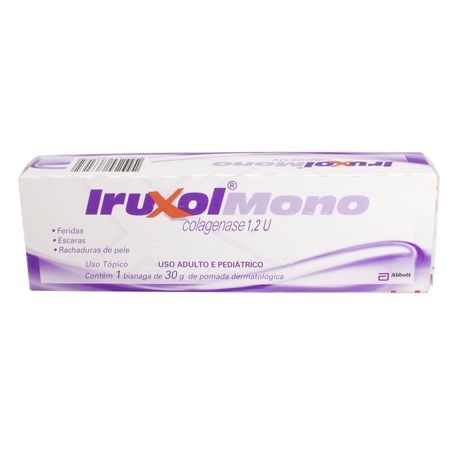
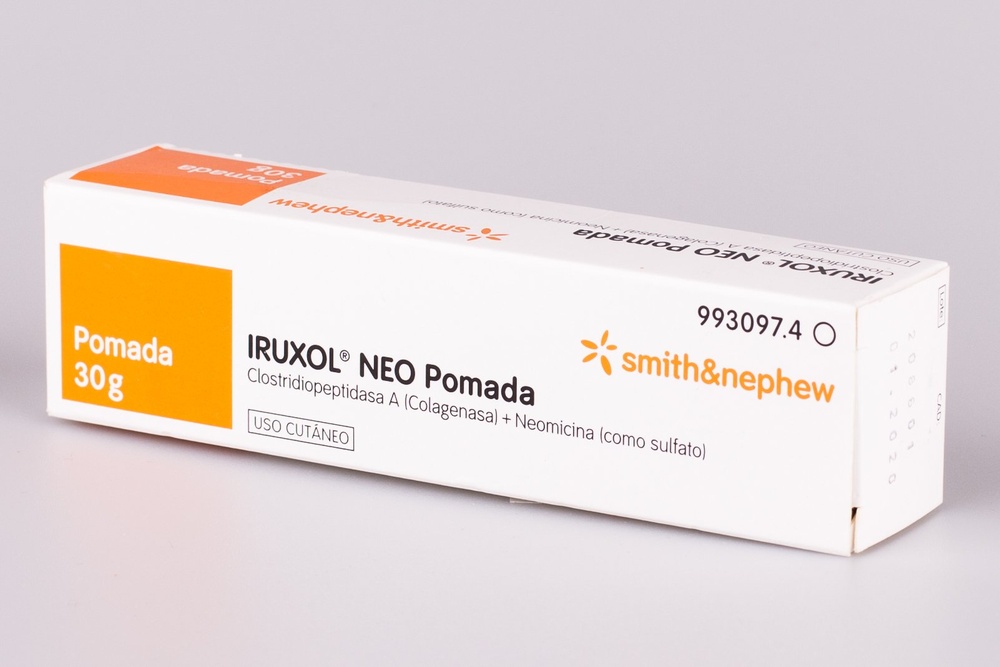
- Alternatives to NEXOBRID 2 g powder and gel for gelDosage form: GEL, 5 gramsActive substance: bromelainsManufacturer: Mediwound Germany GmbhPrescription requiredDosage form: OINTMENT, 1 GActive substance: collagenase, combinationsManufacturer: Smith & Nephew GmbhPrescription requiredDosage form: OINTMENT, 0.6 IU / 3.5 mgActive substance: collagenase, combinationsManufacturer: Smith & Nephew GmbhPrescription required
Online doctors for NEXOBRID 2 g powder and gel for gel
Discuss questions about NEXOBRID 2 g powder and gel for gel, including use, safety considerations and prescription review, subject to medical assessment and local regulations.











Frequently Asked Questions
