


MOXIFLOXACINE REIWA HEALTHCARE 400 MG/250 ML SOLUTION FOR INFUSION



How to use MOXIFLOXACINE REIWA HEALTHCARE 400 MG/250 ML SOLUTION FOR INFUSION
Translated with AI
This page provides general information and does not replace a doctor’s consultation. Always consult a doctor before taking any medication. Seek urgent medical care if symptoms are severe.
Show originalContents of the leaflet
Introduction
Package Leaflet: Information for the User
Moxifloxacin Reiwa Healthcare 400 mg/250 ml solution for infusion EFG
Read all of this leaflet carefully before you start using this medicine because it contains important information for you.
- Keep this leaflet, you may need to read it again.
- If you have any further questions, ask your doctor or pharmacist.
- If you get any side effects, talk to your doctor or pharmacist. This includes any possible side effects not listed in this leaflet. See section 4.
Contents of the pack
- What is Moxifloxacin Reiwa Healthcare and what is it used for
- What you need to know before you use Moxifloxacin Reiwa Healthcare
- How to use Moxifloxacin Reiwa Healthcare
- Possible side effects
- Storage of Moxifloxacin Reiwa Healthcare
- Contents of the pack and other information
1. What is Moxifloxacin Reiwa Healthcare and what is it used for
Moxifloxacin Reiwa Healthcare contains moxifloxacin as the active substance, which belongs to the group of antibiotics called fluoroquinolones. Moxifloxacin works by killing bacteria that cause infections, provided that these bacteria are sensitive to moxifloxacin.
Moxifloxacin is indicated in adults for the treatment of the following bacterial infections:
- Lung infection (pneumonia) acquired outside the hospital.
- Skin and soft tissue infections

2. What you need to know before you use Moxifloxacin Reiwa Healthcare
Consult your doctor if you are not sure if you belong to one of the patient groups described below.
Do not use Moxifloxacin Reiwa Healthcare
- If you are allergic to the active substance moxifloxacin, to other quinolones, or to any of the other components of this medicine (listed in section 6).
- If you are pregnant or breastfeeding.
- If you are under 18 years old.
- If you have a history of tendon disorders or injuries related to treatment with quinolone antibiotics (see sections Warnings and precautionsand 4. Possible side effects).
- If you have been born with or have had any heart condition with an abnormal heart rhythm (observed on an ECG, heart electrical record), have an imbalance of salts in the blood (especially low potassium or magnesium levels in the blood), have a very slow heart rate (called 'bradycardia'), have a weak heart (heart failure), have a history of abnormal heart rhythms, or are taking other medicines that produce abnormal changes in the ECG (see section Other medicines and Moxifloxacin Reiwa Healthcare). This is because moxifloxacin can cause changes in the ECG, i.e., a prolongation of the QT interval, i.e., a delay in the conduction of electrical signals.
- If you have severe liver disease or have liver enzymes (transaminases) more than 5 times the upper limit of normal.
Warnings and Precautions
Before you start taking this medicine
You must not take bactericidal medicines that contain fluoroquinolones or quinolones, including Moxifloxacin Reiwa Healthcare 400 mg/250 ml solution for infusion EFG, if you have experienced any serious adverse reaction in the past when taking a quinolone or fluoroquinolone. If this is the case, you must inform your doctor as soon as possible.
Consult your doctor before Moxifloxacin Reiwa Healthcare is administered to you for the first time. It is important that you know:
- Moxifloxacin may modify the ECG of the heart, especially if you are a woman or an elderly patient. If you are currently taking any medication that leads to a decrease in potassium levels in the blood, consult your doctor before Moxifloxacin is administered to you (see also sections Do not use Moxifloxacin Reiwa Healthcareand Other medicines and Moxifloxacin Reiwa Healthcare).
- If you have ever developed a severe skin rash or peeling of the skin, blisters, and/or sores in the mouthafter taking moxifloxacin.
- If you suffer from epilepsyor any other condition that may cause you to have seizures, inform your doctor before Moxifloxacin is administered to you.
- If you have or have ever had any mental health problems, consult your doctor before Moxifloxacin is administered to you.
- If you suffer from myasthenia gravis, the use of moxifloxacin may worsen the symptoms of your disease. If you think you are affected, consult your doctor immediately.
- If you have been diagnosed with an enlargement or 'lump' of a large blood vessel(aortic aneurysm or large peripheral vessel aneurysm).
- If you have suffered a previous episode of aortic dissection(tear of the aortic wall).
- If you have been diagnosed with heart valve insufficiency(regurgitation of the heart valves).
- If you have a family history of aortic aneurysm or aortic dissection, congenital heart valve diseaseor other risk factors or predisposing disorders (e.g., connective tissue disorders such as Marfan syndrome or Ehlers-Danlos vascular syndrome, Turner syndrome, or Sjögren's syndrome (an autoimmune inflammatory disease) or vascular disorders such as Takayasu arteritis, giant cell arteritis, Behçet's disease, arterial hypertension, or atherosclerosis), rheumatoid arthritis (a joint disease), or endocarditis (a heart infection).
- If you are diabeticbecause you may experience a risk of change in blood sugar levelswith moxifloxacin.
- If you or a family member suffers from glucose-6-phosphate dehydrogenase deficiency(a rare hereditary disease), inform your doctor, who will indicate whether moxifloxacin is suitable for you.
- Moxifloxacino should only be administered intravenously (in a vein) and should not be injected into arteries.
During treatment with Moxifloxacin
- If you notice palpitations or irregular heartbeatsduring the treatment period, you must inform your doctor immediately. Your doctor may perform an ECG to measure your heart rate.
- The risk of heart problemsmay increase with the increase in dose and infusion rate into your veins.
- In rare cases, you may experience a sudden severe allergic reaction(anaphylactic shock) even with the first dose, with symptoms that may include chest tightness, dizziness, nausea, or fainting, or feeling dizzy when standing up. If this occurs, treatment with Moxifloxacin solution for infusion must be discontinued immediately.
- Moxifloxacin may cause rapid and severe liver inflammation, which can lead to life-threatening liver failure (including fatal cases, see section 4. Possible side effects). Please consult your doctor before continuing treatment if you suddenly feel unwell or notice that the whites of your eyes turn yellow, dark urine, itching of the skin, tendency to bleed, or alterations in thoughts or insomnia.
-
Severe skin reactions have been reported, including Stevens-Johnson syndrome, toxic epidermal necrolysis (TEN), and acute generalized exanthematous pustulosis (AGEP) and drug reaction with eosinophilia and systemic symptoms (DRESS or drug hypersensitivity syndrome) with the use of moxifloxacin.
- SSJ/TEN may initially appear on the trunk as reddish target-like patches or circular spots, often with central blisters. Ulcers may also appear in the mouth, throat, nose, genitals, and eyes (red and swollen eyes). These severe skin rashes are often preceded by fever and/or flu-like symptoms. The rashes may progress to widespread skin peeling and life-threatening or fatal complications.
- AGEP appears at the start of treatment as a red, scaly, and widespread rash with bumps under the skin and blisters, accompanied by fever. The most common location: mainly localized in skin folds, trunk, and upper limbs.
- Drug reaction with eosinophilia and systemic symptoms (DRESS) appears initially with flu-like symptoms and a rash on the face, later a widespread rash with high body temperature, increased liver enzyme levels in blood tests, and increased eosinophilia and swelling of the lymph nodes.
If you develop a severe rash or any of these skin symptoms, stop taking moxifloxacin and contact your doctor or seek medical attention immediately.
- Quinolone antibiotics, including Moxifloxacin, may cause seizures. If this occurs, treatment with Moxifloxacin must be discontinued.
- Severe, disabling, and potentially irreversible side effects. Antibacterial medicines that contain fluoroquinolones or quinolones, including Moxifloxacin, have been associated with very rare but serious side effects, some of which were long-lasting (persistent for months or years), disabling, or potentially irreversible. This includes pain in the tendons, muscles, and joints of the upper and lower limbs, difficulty walking, abnormal sensations such as pinching, tingling, prickling, numbness, or burning (paresthesia), sensory disorders such as decreased vision, taste, smell, and hearing, depression, decreased memory, intense fatigue, and severe sleep disorders.
If you experience any of these side effects after taking Moxifloxacin, contact your doctor immediately before continuing treatment. You and your doctor will decide whether to continue or not, also considering the use of an antibiotic of another class.
- In rare cases, you may experience nerve damage symptoms (neuropathy)such as pain, burning, tingling, numbness, and/or weakness, especially in feet and legs or hands and arms. If this happens, stop taking Moxifloxacin and inform your doctor immediately to prevent the development of a potentially irreversible disorder.
- You may experience mental health problemseven after the first administration of quinolone antibiotics, including Moxifloxacin. In very rare cases, mental health problems and depression have evolved into suicidal thoughts and self-harming behaviors such as attempted suicide (see section 4. Possible side effects). If you develop these reactions, treatment with Moxifloxacin must be discontinued.
- You may develop diarrheaduring or after taking antibiotics, including Moxifloxacin. If the diarrhea is severe or persistent, or if you notice blood or mucus in your stool, stop using Moxifloxacin immediately and consult your doctor. In these situations, do not take medicines that interrupt or slow down bowel movements.
- In rare cases, pain and swelling in the joints and inflammation or rupture of the tendonsmay occur (see sections Do not use Moxifloxacinand 4. Possible side effects). The risk is higher if you are an elderly person (over 60 years old), have received an organ transplant, have kidney problems, or are being treated with corticosteroids. Tendon inflammation and rupture can occur within the first 48 hours of treatment and even several months after discontinuing treatment with Moxifloxacin. At the first sign of pain or inflammation of a tendon (e.g., in the ankle, wrist, elbow, shoulder, or knee), stop taking Moxifloxacin, contact your doctor, and rest the affected area. Avoid any unnecessary exercise, as this could increase the risk of tendon rupture.
- If you feel a sudden severe pain in the chest, abdomen, or back, which can be symptoms of aortic dissection or aneurysm, go to the emergency room immediately. The risk may increase if you are receiving systemic corticosteroid treatment.
- If you start experiencing sudden shortness of breath, especially when lying down, or if you notice swelling in your ankles, feet, or abdomen, or the appearance of heart palpitations (feeling of rapid or irregular heartbeat), you must inform your doctor immediately.
- If you are elderly and have kidney problems, be careful to drink enough fluids, as dehydration can increase the risk of kidney failure.
- If your vision worsensor if your eyes seem to be affected in any way, consult an ophthalmologist immediately (see sections Driving and using machinesand 4. Possible side effects).
- Fluoroquinolones may cause an increase in your blood sugar levels above normal levels (hyperglycemia) or a decrease in your blood sugar levels below normal levels (hypoglycemia), which in severe cases can cause loss of consciousness (hypoglycemic coma) (see section 4. Possible side effects). If you have diabetes, your blood sugar levels must be carefully controlled.
- Quinolone antibiotics may increase the sensitivity of the skin to sunlight or UV. You should avoid prolonged exposure to sunlight or direct sunlight and should not use sunbeds or any type of UV lamp during treatment with Moxifloxacin (see section 4. Possible side effects).
- There is limited experience with the use of intravenous/oral sequential Moxifloxacin in the treatment of lung infections (pneumonia) acquired outside the hospital.
- The efficacy of Moxifloxacin has not been established in the treatment of severe burns, deep tissue infections, and diabetic foot infections with osteomyelitis (bone marrow infections).
Children and adolescents
Do not give this medicine to children and adolescents under 18 years old because the efficacy and safety have not been established for this age group (see section Do not use Moxifloxacin).
Other medicines and Moxifloxacin Reiwa Healthcare
Tell your doctor or pharmacist if you are using, have recently used, or might use other medicines besides Moxifloxacin.
With Moxifloxacin, you should consider the following:
- If you are using Moxifloxacin and other medicines that affect the heart, there is a greater risk that heart rhythm disturbances may occur. Therefore, you should not use Moxifloxacin at the same time as the following drugs: medicines that belong to the class of antiarrhythmics (e.g., quinidine, hydroquinidine, disopyramide, amiodarone, sotalol, dofetilide, ibutilide), antipsychotics (e.g., phenothiazines, pimozide, sertindole, haloperidol, sultopride), tricyclic antidepressants, some antimicrobials (e.g., saquinavir, sparfloxacin, intravenous erythromycin, pentamidine, antimalarials, particularly halofantrine), some antihistamines (e.g., terfenadine, astemizole, mizolastine), and other drugs (e.g., cisapride, intravenous vincamine, bepridil, and difemanil).
- While you are using Moxifloxacin, you must inform your doctor if you are taking other medicines that may decrease potassium levels in the blood (e.g., loop and thiazide diuretics, laxatives, and enemas (high doses) or corticosteroids (anti-inflammatory medicines), amphotericin B) or cause a decrease in heart rate, as these may also increase the risk of serious heart rhythm disturbances.
- If you are currently taking oral anticoagulants (e.g., warfarin), your doctor may need to monitor your blood coagulation time.
Moxifloxacin Reiwa Healthcare with food and drinks
The effect of moxifloxacin is not altered by food, including dairy products.
Pregnancy, breastfeeding, and fertility
Do not use moxifloxacin during pregnancy or breastfeeding.
If you are pregnant or breastfeeding, think you may be pregnant, or plan to become pregnant, consult your doctor or pharmacist before using this medicine.
Animal studies do not indicate that fertility may be affected by taking this medicine.
Driving and using machines
Moxifloxacin may cause dizziness or vertigo; you may experience a sudden transient loss of vision or you may faint for a moment. If you experience these symptoms, do not drive vehicles or operate machinery.
Moxifloxacin Reiwa Healthcare contains sodium
This medicine contains 787 mg (approximately 34 mmol) of sodium (the main component of table/cooking salt) in each 250 ml vial of solution for infusion. This is equivalent to 39.35% of the maximum recommended daily sodium intake for an adult.
Consult your doctor or pharmacist if you need to use 1 or more vials per day for a prolonged period, especially if you have been advised to follow a low-salt (sodium) diet.

3. How to use Moxifloxacino Reiwa Healthcare
Moxifloxacino will always be administered by a doctor or healthcare professional.
The recommended dose in adults is one vial, once a day.
Moxifloxacino is for intravenous use. Your doctor must ensure that the infusion is administered at a constant flow rate over 60 minutes.
No dose adjustment is necessary in elderly patients, in patients with low body weight, or in patients with kidney problems.
Your doctor will decide the duration of treatment with moxifloxacino. In some cases, your doctor may start treatment with moxifloxacino infusion solution and then continue treatment with tablets.
The duration of treatment depends on the type of infection and how you respond to treatment, but the recommended treatment durations are as follows:
Lung infections (pneumonia) acquired outside the hospital Most patients with pneumonia switch to oral treatment with tablets after 4 days. | 7 - 14 days |
Skin and soft tissue infections In patients with severe skin and soft tissue infections, the average duration of intravenous treatment is around 6 days, and the average total treatment duration (infusion followed by tablets) is 13 days. | 7 – 21 days |
It is essential to complete the full treatment, even if you start to feel better after a few days. If you interrupt treatment too early, the infection may not be completely cured, the infection may return, or your condition may worsen, and you may also develop bacterial resistance to the antibiotic.
Do not exceed the recommended dose and treatment duration (see section 2 What you need to know before taking Moxifloxacino Reiwa Healthcare, Warnings and precautions).
If you use more Moxifloxacino Reiwa Healthcare than you should
If you are concerned about receiving too much moxifloxacino, consult your doctor immediately.
If you forget to use Moxifloxacino Reiwa Healthcare
If you are concerned about missing a dose of moxifloxacino, consult your doctor immediately.
If you stop treatment with Moxifloxacino Reiwa Healthcare
If you stop taking this medication too early, your infection may not be completely cured. Consult your doctor if you intend to stop treatment with moxifloxacino before completing the full treatment.
If you have any other questions about using this medication, ask your doctor or pharmacist.
4. Possible side effects
Like all medicines, this medicine can cause side effects, although not everyone gets them.
The most serious side effectsobserved during treatment with Moxifloxacino are listed below:
If you notice
- an abnormally fast heart rate (rare side effect)
- a sudden feeling of discomfort or notice a yellowish color of the whites of the eyes, dark urine, itching of the skin, tendency to bleed, or alterations in thinking or wakefulness (these can be signs and symptoms of a severe liver inflammation that can potentially lead to fatal liver failure (very rare side effect, with reported fatal cases)
- severe skin rashes, including Stevens-Johnson syndrome and toxic epidermal necrolysis. These can appear on the trunk as reddish spots in a target shape or circular patches, often with blisters in the center, skin peeling, ulcers in the mouth, throat, nose, genitals, and eyes, and can be preceded by fever and flu-like symptoms (very rare side effects, potentially life-threatening)
- a red, scaly, and widespread rash with bumps under the skin and blisters, accompanied by fever at the start of treatment (acute generalized exanthematous pustulosis) (the frequency of this side effect is "unknown")
- a widespread rash, high body temperature, elevated liver enzymes, blood abnormalities (eosinophilia), enlarged lymph nodes, and involvement of other body organs (drug reaction with eosinophilia and systemic symptoms, also known as DRESS or drug hypersensitivity syndrome) (the frequency of this side effect is "unknown")
- syndrome associated with alterations in water elimination and low sodium levels (SIADH) (very rare side effect)
- loss of consciousness due to a severe decrease in blood sugar levels (hypoglycemic coma) (very rare side effect)
- inflammation of blood vessels (signs can be red spots on the skin, usually on the legs, or effects such as joint pain)
- severe allergic reaction, sudden and widespread, including very rare life-threatening shock (e.g., difficulty breathing, decreased blood pressure, rapid pulse)
- swelling, including swelling of the airways (rare side effect, potentially fatal)
- seizures (rare side effect)
- problems associated with the nervous system, such as pain, burning, tingling, numbness, and/or weakness in the limbs (rare side effect)
- depression (in very rare cases, evolved into self-harm, suicidal thoughts, or suicide attempts) (rare side effect)
- madness (which can lead to self-harming behaviors, such as suicidal thoughts or attempts) (very rare side effect)
- severe diarrhea with blood and/or mucus (antibiotic-associated colitis, including pseudomembranous colitis), which, in very rare circumstances, can lead to life-threatening complications
- pain and inflammation of the tendons (tendinitis) (rare side effect) or tendon rupture (very rare side effect)
- muscle weakness, sensitivity, or pain, particularly if you also feel discomfort, have a fever, or your urine is dark. These symptoms can be caused by abnormal muscle breakdown, which can be life-threatening and cause kidney problems (a condition called rhabdomyolysis) (the frequency of this side effect is "unknown")
Stop taking Moxifloxacino and contact your doctor immediatelyas you may need urgent medical attention.
Additionally, if you notice
- transient loss of vision (very rare side effect),
- discomfort or pain in the eyes, especially due to light exposure (very rare to rare side effect),
Contact an ophthalmologist immediately.
If you have experienced potentially life-threatening irregular heartbeats (Torsade de Pointes) or cardiac arrest while taking Moxifloxacino (very rare side effects), inform your doctor immediately that you have been taking Moxifloxacino and do not restart treatment.
In very rare cases, it has been observed that myasthenia gravis symptoms can worsen. If this occurs, consult your doctor immediately.
If you have diabetes and notice that your blood sugar level increases or decreases (rare or very rare side effect), inform your doctor immediately.
If you are elderly with kidney problems and observe a decrease in urine production, swelling in the legs, ankles, or feet, fatigue, nausea, drowsiness, shortness of breath, or confusion (these can be signs and symptoms of kidney failure, a rare side effect), consult your doctor immediately.
The following other side effectshave been observed during treatment with Moxifloxacino, according to their probability:
Common(may affect up to 1 in 10 people)
- nausea
- diarrhea
- dizziness
- abdominal and stomach pain
- vomiting
- headache
- increase in a specific liver enzyme in the blood (transaminases)
- infections caused by resistant bacteria or fungi, e.g., oral and vaginal infections caused by Candida.
- pain or inflammation at the injection site
- change in heart rhythm (ECG), in patients with low potassium levels in the blood
Uncommon(may affect up to 1 in 100 people)
- rash
- gastric discomfort (indigestion/acid reflux)
- alteration of taste (in very rare cases, loss of taste)
- sleep disorders (predominantly insomnia)
- increase in a liver enzyme in the blood (gamma-glutamyl-transferase and/or alkaline phosphatase)
- low levels of certain white blood cells (leukocytes, neutrophils)
- constipation
- itching
- feeling of vertigo (that everything is spinning or that you are falling)
- drowsiness
- flatulence
- change in heart rhythm (ECG)
- alteration of liver function (including increase in liver enzyme in the blood, LDH)
- decrease in appetite and food intake
- low white blood cell count
- discomfort and pain, such as back, limb, pelvis, and thorax pain
- increase in certain blood cells necessary for blood coagulation
- sweating
- increase in certain white blood cells (eosinophils)
- anxiety
- discomfort (mainly weakness or fatigue)
- tremors
- joint pain
- palpitations
- irregular and rapid heartbeat
- breathing difficulties, including asthma
- increase in a digestive enzyme in the blood (amylase)
- restlessness/agitation
- tingling sensation (pins and needles) and/or numbness
- skin rash
- dilation of blood vessels
- confusion and disorientation
- decrease in blood cells necessary for blood coagulation
- vision disorders, including double vision and blurred vision
- decrease in blood coagulation
- increase in blood lipids (fats)
- low red blood cell count
- muscle pain
- allergic reactions
- increase in bilirubin in the blood
- inflammation of a vein
- inflammation of the stomach
- dehydration
- severe alterations in heart rhythm
- dry skin
- chest pain
Rare(may affect up to 1 in 1,000 people)
- muscle cramps
- muscle contractures
- hallucinations
- increase in blood pressure
- swelling (of hands, feet, ankles, lips, mouth, and throat)
- decrease in blood pressure
- alterations in kidney function (including increase in laboratory test results for the kidneys, such as urea and creatinine)
- liver inflammation
- mouth inflammation
- ringing/ noises in the ears
- jaundice (yellowish color of the whites of the eyes or skin)
- alterations in skin sensitivity
- abnormal dreams
- concentration disorders
- difficulty swallowing
- alterations in smell (including loss of smell)
- balance and coordination disorders (due to dizziness)
- total or partial memory loss
- hearing impairments, including deafness (usually reversible)
- increase in uric acid in the blood
- emotional instability
- speech disorders
- fainting
- muscle weakness
Very rare(may affect up to 1 in 10,000 people)
- decrease in the number of red and white blood cells and platelets (pancytopenia)
- joint inflammation
- irregular heart rhythm
- increase in skin sensitivity
- depersonalization disorder (feeling that one is not oneself)
- increase in blood coagulation
- muscle stiffness
- significant decrease in certain white blood cells (agranulocytosis)
Frequency not known(cannot be estimated from available data)
- increase in skin sensitivity to sunlight or UV radiation (see also section 2, Warnings and precautions)
spots with clear boundaries and/or blisters that appear in the hours following administration of moxifloxacino and disappear with residual post-inflammatory hyperpigmentation; they usually reappear in the same place on the skin or mucous membranes with subsequent exposure to moxifloxacino
The administration of quinolone and fluoroquinolone antibiotics has been associated with very rare cases of long-lasting (even months or years) or permanent adverse reactions, such as tendon inflammation, tendon rupture, joint pain, limb pain, difficulty walking, abnormal sensations such as pins and needles, tingling, burning, numbness, or pain (neuropathy), fatigue, decreased memory and concentration, effects on mental health (which can include sleep disorders, anxiety, panic attacks, depression, and suicidal thoughts), and decreased hearing, vision, taste, and smell, in some cases regardless of the presence of pre-existing risk factors.
There have been reports of increased size and weakening or tearing of the aortic wall (aneurysms and dissections), which could lead to rupture and be fatal, and cardiac valve insufficiency in patients who have received fluoroquinolones (see also section 2, Warnings and precautions).
The following symptoms have been observed more frequently in patients treated intravenously:
Common(may affect up to 1 in 10 people):
- increase in a specific liver enzyme in the blood (gamma-glutamyl-transferase)
Uncommon(may affect up to 1 in 100 people):
- severe diarrhea with blood and/or mucus (antibiotic-associated colitis), which, in very rare circumstances, can lead to life-threatening complications
- abnormal acceleration of heart rhythm
- hallucinations
- low blood pressure
- alterations in kidney function (including increase in laboratory test results for the kidneys, such as urea and creatinine),
- kidney failure
- swelling (of hands, feet, ankles, lips, mouth, and throat)
- seizures
Additionally, very rare cases of the following adverse effects have been reported after treatment with other quinolone antibiotics and may also occur during treatment with Moxifloxacino: increased pressure in the skull (symptoms include headache, visual problems such as blurred vision, blind spots, double vision, loss of vision), increased sodium and calcium levels in the blood, reduced count of a specific type of red blood cell (hemolytic anemia), increased skin sensitivity to sunlight or UV radiation.
Reporting of side effects
If you experience any side effects, consult your doctor, pharmacist, or nurse, even if it is a possible side effect not listed in this leaflet. You can also report them directly through the Spanish Pharmacovigilance System for Human Use Medicines: https://www.notificaram.es. By reporting side effects, you can help provide more information on the safety of this medicine.
5. Storage of Moxifloxacino Reiwa Healthcare
Keep this medicine out of the sight and reach of children.
Do not use this medicine after the expiration date stated on the label of the vial and on the carton after EXP. The expiration date is the last day of the month indicated.
Do not store below 15°C.
After the first opening:
The chemical and physical stability of the medicine has been demonstrated with co-administered infusions for 24 hours at 15°C - 25°C.
From a microbiological point of view, the medicine should be used immediately.
If not used immediately, the storage times and conditions prior to use are the responsibility of the user.
For the complete list of compatible diluents, see the information intended only for healthcare professionals.
This product is for single use. Any unused solution should be discarded.
At low storage temperatures, precipitation may occur, which will dissolve at room temperature. Therefore, it is recommended not to store the infusion solution below 15°C.
Do not use this medicine if you notice visible particles or if the solution is cloudy.
Medicines should not be disposed of via wastewater or household waste. If in doubt, ask your pharmacist how to dispose of the packaging and any unused medicines. This will help protect the environment.
6. Container Content and Additional Information
Composition of Moxifloxacino Reiwa Healthcare vials:
- The active ingredient is moxifloxacino. One vial contains 400 milligrams of moxifloxacino (in the form of hydrochloride). 1 milliliter contains 1.6 milligrams of moxifloxacino (in the form of hydrochloride).
- The other components are sodium chloride, hydrochloric acid 10% (for pH adjustment), sodium hydroxide (for pH adjustment), and water for injectable preparations (see section 2).
Appearance of Moxifloxacino Reiwa Healthcare and Container Content
Moxifloxacino Reiwa Healthcare is a clear yellow perfusion solution.
Moxifloxacino Reiwa Healthcare is presented in bags containing a 250-milliliter plastic vial with a stopper. Moxifloxacino Reiwa Healthcare is presented in cardboard boxes of 1, 5, 10, 12, 20, 25, and 40 bags, each containing 1 vial.
Only some package sizes may be marketed.
Marketing Authorization Holder and Manufacturer
Netpharmalab Consulting Services S.L.
Carretera de Fuencarral, 22
28108 – Alcobendas
Madrid
Spain
This medicinal product is authorized in the EEA Member States under the following names
Hungary: Moxifloxacin Reiwa Healthcare 400 mg/250 ml oldatos infúzió
Date of the last revision of this leaflet: February 2025
Detailed information on this medicinal product is available on the website of the Spanish Agency for Medicines and Health Products (AEMPS) http://www.aemps.gob.es/
This information is intended exclusively for healthcare professionals:
Moxifloxacino Reiwa Healthcare can be administered through a T-tube along with the following solutions:
water for injectable preparations, sodium chloride solution 9 mg/ml (0.9%), glucose solution 50 mg/ml (5%), and Ringer-Lactate solution.
Moxifloxacino Reiwa Healthcare should not be co-infused with other medicinal products.
Moxifloxacino Reiwa Healthcare should not be mixed with other medicinal products except those mentioned above.
The following solutions are incompatible with Moxifloxacino Reiwa Healthcare:
Sodium chloride solutions at 10% and 20%,
Sodium bicarbonate solutions at 4.2% and 8.4%.
- Country of registration
- Active substance
- Prescription requiredYes
- Manufacturer
- This information is for reference only and does not constitute medical advice. Always consult a doctor before taking any medication. Oladoctor is not responsible for medical decisions based on this content.
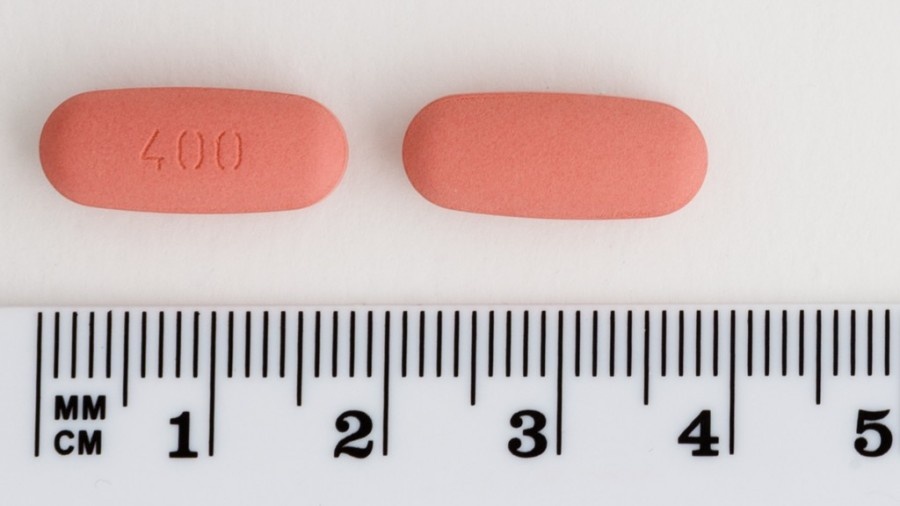
- Alternatives to MOXIFLOXACINE REIWA HEALTHCARE 400 MG/250 ML SOLUTION FOR INFUSIONDosage form: INJECTABLE INFUSION, 400 mg/250 mlActive substance: moxifloxacinManufacturer: Bayer Hispania S.L.Prescription requiredDosage form: TABLET, 400 mgActive substance: moxifloxacinManufacturer: Medochemie LimitedPrescription requiredDosage form: TABLET, 400 mgActive substance: moxifloxacinManufacturer: Aurovitas Spain, S.A.U.Prescription required
Online doctors for MOXIFLOXACINE REIWA HEALTHCARE 400 MG/250 ML SOLUTION FOR INFUSION
Discuss questions about MOXIFLOXACINE REIWA HEALTHCARE 400 MG/250 ML SOLUTION FOR INFUSION, including use, safety considerations and prescription review, subject to medical assessment and local regulations.











Frequently Asked Questions
