


Mabron 100 mg/2 ml solucion inyectable y para perfusion efg



How to use Mabron 100 mg/2 ml solucion inyectable y para perfusion efg
Translated with AI
This page provides general information and does not replace a doctor’s consultation. Always consult a doctor before taking any medication. Seek urgent medical care if symptoms are severe.
Show originalContents of the leaflet
Introduction
Leaflet: information for the user
Mabron 100 mg/2ml injectable solution and for infusion
Tramadol, hydrochloride
Read this leaflet carefully before you start using this medicine, because it contains important information for you.
- Keep this leaflet, as you may need to read it again.
- If you have any questions, consult your doctor, pharmacist or nurse.
- If you experience any side effects, consult your doctor, pharmacist or nurse, even if they are not listed in this leaflet. See section 4.
1. What is Mabron and what is it used for
Tramadol - the active ingredient of this medication - is an analgesic belonging to the group of opioids that acts on the central nervous system (CNS). It relieves pain by acting on specific nerve cells in the spinal cord and brain.
Mabron is used for the treatment of moderate to severe pain in adults, adolescents, and children over 1 year old.

2. What you need to know before starting to use Mabron
Do not use Mabron
- If you are allergic to tramadol or any of the other ingredients in this medication (listed in section 6).
- If you experience an acute overdose with alcohol, sleeping pills, painkillers, or other psychoactive medications (medications that affect mood and emotions).
- If you are also taking MAO inhibitors (certain medications used to treat depression) or have taken them in the last 14 days before starting tramadol treatment (see section “Using Mabron with other medications”).
- If you have epilepsy and your seizures are not adequately controlled with treatment.
- For the treatment of withdrawal syndrome.
Warnings and precautions
Consult your doctor before starting to use Mabron.
- If you think you are dependent on other painkillers (opioids).
- If you experience consciousness disorders (if you think you are going to faint).
- If you are in a state of shock (cold sweat may be a symptom of this state).
- If you have increased intracranial pressure (possibly after a head injury or brain disease).
- If you have difficulty breathing.
- If you have a tendency to epilepsy or seizures, as the risk of seizures may increase.
- If you have liver or kidney disease.
- If you have extreme fatigue (tiredness), loss of appetite, severe abdominal pain, nausea (urge to vomit), vomiting, or low blood pressure. This may indicate adrenal insufficiency (low cortisol levels). If you have these symptoms, consult your doctor, who will decide if you need to take a hormone supplement.
- If you have depression and are taking antidepressants, as some of them may interact with tramadol (see section “Using Mabron with other medications”).
There is a small risk that you may experience a serotonin syndrome that can occur after taking tramadol in combination with certain antidepressants or tramadol monotherapy. Consult your doctor immediately if you experience any of the symptoms associated with this serious syndrome (see section 4 “Possible side effects”).
Seizures have been reported in patients taking tramadol at the recommended dose. The risk may increase when tramadol doses exceed the recommended maximum daily dose (400 mg).
Be aware that this medication may cause physical and psychological dependence. When used for a prolonged period, its effect may decrease, requiring higher doses (development of tolerance). In patients with a tendency to abuse medications or those with medication dependence, tramadol treatment should only be carried out for short periods of time and under strict medical supervision.
Also inform your doctor if any of these problems occur during treatment with this medication or if they have ever occurred.
Tramadol is metabolized in the liver by an enzyme. Some people have a variation of this enzyme, and this can affect each person differently. In some people, it may not be possible to achieve sufficient pain relief, while others may be more likely to experience severe adverse effects. If you notice any of the following adverse effects, stop using this medication and consult a doctor immediately: slow or shallow breathing, confusion, drowsiness, constricted pupils, general discomfort or vomiting, constipation, loss of appetite.
Respiratory disorders related to sleep
Tramadol may cause respiratory disorders related to sleep, such as sleep apnea (pauses in breathing during sleep) and sleep-related hypoxemia (low oxygen levels in the blood). Symptoms may include pauses in breathing during sleep, nocturnal awakenings due to difficulty breathing, difficulty maintaining sleep, or excessive daytime somnolence. If you or someone else observes these symptoms, contact your doctor. Your doctor may consider reducing the dose.
You should also inform your doctor if any of these problems occur during treatment with tramadol injectable or have occurred in previous treatments.
Children and adolescents
Tramadol is not recommended for use in children with respiratory problems, as the symptoms of tramadol toxicity may worsen in these children.
Using Mabron with other medications
Inform your doctor or pharmacist if you are using, have used recently, or may need to use any other medication.
Concurrent treatment with this medication and MAO inhibitors (a certain type of medication used to treat depression) should be avoided.
The effect and duration of pain relief produced by this medication may be reduced if you take medications containing:
- Carbamazepine (for epilepsy);
- Ondansetron (to prevent nausea).
Your doctor will indicate if you should use this medication and at what dose.
The risk of adverse effects increases:
- If you are taking tranquilizers, sleeping pills, other painkillers such as morphine and codeine (also used to treat cough), and alcohol while taking tramadol. You may feel more drowsy or think you may faint. If this happens, consult your nurse or doctor.
- The use of tramadol and sedatives such as benzodiazepines or related medications at the same time increases the risk of somnolence, difficulty breathing (respiratory depression), coma, and may be potentially fatal. Therefore, concomitant use should only be considered when other treatment options are not possible.
- However, if your doctor prescribes tramadol along with sedatives, your doctor should limit the dose and duration of concomitant treatment.
- Inform your doctor about all sedatives you are taking and strictly follow your doctor's dosage recommendations. It may be helpful to inform friends or family members about the symptoms mentioned above. Contact your doctor if you experience any of these symptoms.
- If you are taking medications that can cause seizures (crises), such as certain antidepressants or antipsychotics. The risk of having a seizure may increase if you take tramadol at the same time. Your doctor will tell you if this medication is suitable for you.
- If you are taking certain antidepressants. Tramadol may interact with these medications and you may experience serotonin syndrome (see section 4 “Possible side effects”).
- If you are taking anticoagulant coumarins (medications to thin the blood), such as warfarin, during tramadol treatment. The effect of these medications on blood coagulation may be affected, and bleeding may occur.
Using Mabron with food, drinks, and alcohol
Do not consume alcohol during treatment with this medication, as its effect may be intensified. Food does not affect the effect of the medication.
Pregnancy, breastfeeding, and fertility
If you are pregnant or breastfeeding, think you may be pregnant, or intend to become pregnant, consult your doctor or pharmacist before using this medication.
There is very little information available on the safety of tramadol in pregnant women. Therefore, do not use this medication if you are pregnant.
Chronic treatment during pregnancy may cause withdrawal syndrome in newborns.
Tramadol is excreted in breast milk. Therefore, do not receive tramadol more than once during breastfeeding or, alternatively, if you receive this medication more than once, stop breastfeeding.
Based on human experience, it is not suggested that tramadol affects the fertility of men and women.
Driving and operating machines
This medication may cause drowsiness, dizziness, and blurred vision and, therefore, may affect your reactions. If you feel that your reactions are affected, do not drive a car or other vehicle, do not use electrical tools, or operate machines.
Mabron contains sodium
This medication contains less than 1 mmol of sodium (23 mg) per ml; it is essentially “sodium-free”.
3. How to use Mabron
This medication will be administered in the hospital by healthcare professionals.
The dose should be adjusted according to the intensity of your pain and your individual sensitivity to pain. You should receive the lowest dose to relieve pain.
Normally, daily doses of up to 8 ml of this medication (equivalent to 400 mg of tramadol) will be sufficient. In exceptional cases, if it is clinically necessary, your doctor may instruct you to use a higher daily dose.
Unless your doctor tells you otherwise, the recommended dose is:
Adults and adolescents over 12 years old
You will receive 1-2 ml of Mabron (equivalent to 50-100 mg of hydrochloride tramadol) depending on your pain.
The effect may last between 4 and 8 hours depending on your pain.
Use in children from 1 year old
The recommended single dose is 1-2 mg of hydrochloride tramadol per kg of body weight. Generally, the lowest analgesic dose should be selected. Daily doses should not exceed 8 mg of hydrochloride tramadol per kg of body weight or 400 mg of hydrochloride tramadol, whichever is less.
Use in elderly patients
In elderly patients (over 75 years old), the elimination of tramadol may be delayed. If this applies to you, your doctor may recommend prolonging the dosing intervals.
Severe liver or kidney disease (insufficiency)/patients on dialysis
Patients with severe liver and/or kidney insufficiency should not take tramadol.
If your insufficiency is mild or moderate, your doctor may prolong the dosing intervals.
Administration
Mabron will be injected slowly, usually into a vein under the surface of the arm, or injected into a muscle (usually the buttocks) or under the skin. Alternatively, Mabron will be diluted and administered by infusion into a vein.
For doctors and healthcare professionals, more information on administration is provided in a separate leaflet "Prospect - Information for healthcare professionals".
Duration of treatment
You should not receive Mabron for longer than necessary. If you need to be treated for a longer period, your doctor will check you at regular short intervals (if necessary, with interruptions in treatment) to see if you should continue receiving tramadol and at what dose.
If you estimate that the effect of tramadol is too strong or too weak, consult your doctor or pharmacist.
If you use more Mabron than you should
If you have received an additional dose by mistake, you will generally not have any negative effects. You should continue with the next dose as prescribed.
If you (or someone else) receive a very high dose of this medication, you should go to the hospital or call a doctor immediately. Signs of an overdose include very small pupils, nausea, low blood pressure, rapid heartbeats, collapse, loss of consciousness, seizures, and difficulty breathing or shallow breathing.
In case of an overdose or accidental ingestion, consult your doctor, pharmacist, or call the Toxicological Information Service, phone 91 562 04 20, indicating the medication and the amount used. It is recommended to bring the medication leaflet to the healthcare professional.
If you forgot to use Mabron
If you forgot to use the medication, it is likely that the pain will return. Do not use a double dose to compensate for the missed individual doses, simply continue receiving Mabron as before.
If you interrupt treatment with Mabron
You should not stop using this medication suddenly unless your doctor tells you to. If you want to stop using your medication, talk to your doctor first, especially if you have been using it for a long time. Your doctor will inform you when and how to stop it, which can be done by gradually reducing the dose to reduce the likelihood of unnecessary adverse effects (withdrawal symptoms).
Generally, no adverse effects occur when treatment with tramadol is interrupted. However, in rare cases, people who have been using this medication for some time may feel unwell if they interrupt treatment abruptly. They may feel agitated, anxious, nervous, or shaky. They may be hyperactive, have difficulty sleeping, or experience digestive and intestinal transit problems. Very few people may experience panic attacks, hallucinations, unusual perceptions such as itching, numbness, and tingling, and ringing in the ears (tinnitus). Very rarely, more unusual symptoms of the central nervous system have been detected, such as confusion, delirium, change in perception of personality (derealization), and change in perception of reality (depersonalization) and delusions of persecution (paranoia). If you experience any of these symptoms after interrupting treatment with this medication, consult your doctor.
If you have any other questions about the use of this medication, ask your doctor, pharmacist, or nurse.

4. Possible Adverse Effects
Like all medicines, this medicine may cause side effects, although not everyone will experience them.
You should consult your doctor immediately if you experience symptoms of an allergic reaction such as swelling of the face, tongue, and/or throat and/or difficulty swallowing and hives along with difficulty breathing.
Other side effects:
Very common:may affect more than 1 in 10 people
- Dizziness
- Nausea
Common:may affect 1 in 10 people
- Headache, numbness
- Fatigue (tiredness)
- Constipation, dry mouth, nausea (vomiting)
- Sweating (hyperhidrosis)
Uncommon:may affect 1 in 100 people
- Effects on the heart and blood circulation (strong heartbeats and rapid heartbeats, sensation of dizziness or collapse). These side effects may occur particularly in patients who are lying down or who are engaging in physical effort.
- Desire to vomit (retching), gastrointestinal discomfort (e.g. feeling of pressure in the stomach, swelling), diarrhea
- Dermatological reactions (e.g. itching, skin rash)
Rare:may affect 1 in 1,000 people
- Allergic reactions (e.g. difficulty breathing, wheezing, skin swelling) and shock (sudden circulatory failure) have occurred in very rare cases.
- Slow heart rate.
- Increased blood pressure.
- Abnormal sensations (e.g. itching, tingling, numbness), tremor, seizures, muscle spasms, uncoordinated movements, transient loss of consciousness (syncope), speech disorders.
- Seizures mainly occur after high doses of tramadol or when taken simultaneously with another medication that may induce them.
- Changes in appetite.
- Hallucinations, confusion, alterations in sleep, delirium, anxiety, and nightmares.
- Psychological changes may occur after treatment with tramadol. Their intensity and nature may vary (depending on the patient's personality and the duration of treatment). These may appear in the form of changes in mood (usually euphoria, occasionally irritability), changes in activity (usually decreased and occasionally increased) and decreased cognitive and sensory perception (alterations of the senses and perception that may lead to judgment errors).
- It may cause dependence on the medication. When treatment is stopped abruptly, withdrawal syndrome (see "If you stop taking Mabron") may occur.
- Blurred vision, pupil constriction (miosis), excessive pupil dilation (midriasis).
- Slow breathing, shortness of breath (dyspnea).
- Cases of asthma worsening have been reported, however it has not been established if they were caused by tramadol. Exceeding the recommended doses or taking it concomitantly with other medications that depress brain function may cause a decrease in respiratory frequency.
- Muscle weakness.
- Difficulty or pain urinating, less urine than normal (dysuria).
Very rare:may affect 1 in 10,000 people
- Increased liver enzymes
Frequency not known:frequency that cannot be estimated from available data
- Decreased blood sugar levels.
- Hypotension.
- Serotonin syndrome, which may manifest as changes in mental state (e.g. agitation, hallucinations, coma), and other effects, such as fever, increased heart rate, unstable blood pressure, involuntary muscle contractions, muscle rigidity, lack of coordination, and/or gastrointestinal symptoms (e.g. nausea, vomiting, diarrhea) (see section 2 "What you need to know before starting to use Mabron").
Reporting of side effects
If you experience any type of side effect, consult your doctor or pharmacist, even if it is a possible side effect that does not appear in this leaflet. You can also report them directly through the Spanish System for Pharmacovigilance of Medicines for Human Use: https://www.notificaram.es. By reporting side effects, you can contribute to providing more information on the safety of this medicine.
5. Mabron Storage
Keep this medication out of the sight and reach of children.
Do not use this medication after the expiration date that appears on the packaging after CAD. The expiration date is the last day of the month indicated.
This medication does not require special storage conditions.
Medicines should not be disposed of through drains or in the trash. Dispose of the packaging and themedicines you no longer need at the SIGRE collection pointof the pharmacy. If in doubt, ask yourpharmacist how to dispose of the packaging and the medicines you no longer need.This will help protect the environment.
6. Contents of the packaging and additional information
Composition of Mabron
- The active ingredient is tramadol. 1 ml of solution contains 50 mg of tramadol hydrochloride. Each ampoule contains 100 mg of tramadol hydrochloride in 2 ml of injectable aqueous solution.
- The other components are sodium acetate trihydrate, water for injection, and nitrogen.
Aspect of the product and contents of the package
Amber glass vials with a brown color that contain a transparent, colorless, or almost colorless solution for injection or infusion.
This medicine is presented in an amber type I glass vial containing 2 ml of a tramadol 100 mg/2ml solution. It is available in boxes of 5, 10, or 100 vials.
Only some package sizes may be commercially available.
Holder of the marketing authorization and responsible for manufacturing
Medochemie Ltd,
1-10 Constantinoupoleos street,
3011 Limassol,
Cyprus
For further information about this medicine, please contact the local representative of the marketing authorization holder:
Local Representative:
Medochemie Iberia S.A., Sucursal en España
Avenida de las Águilas, nº 2 B; planta 5 oficina 6,
28044 Madrid
SPAIN
Last review date of this leaflet: June 2022.
The detailed and updated information about this medicine is available on the website of the Spanish Agency for Medicines and Medical Devices (AEMPS) http://www.aemps.gob.es
------------------------------------------------------------------------------------------------------------------------
This information is intended solely for healthcare professionals:
Mabron injectable solution is supplied in vials. The vials have a breaking line and can be easily opened:
1) Turn the vial so that the tip is upwards.
2) Break the vial downwards.
Administration information
For moderate pain, administer 1 ml of Mabron (corresponding to 50 mg of tramadol hydrochloride). If there is no analgesic effect after 30-60 minutes, an additional 1 ml of Mabron can be administered. If a higher dose is required for intense pain, 2 ml of Mabron (equivalent to 100 mg of tramadol hydrochloride) can be administered.
In the treatment of intense pain in the first hours after surgery, a higher dose may be necessary (pain treatment according to needs).
After 24 hours, the required doses are generally not higher than those normally administered.
Mabron is administered intravenously (usually in the veins under the skin of the arm), intramuscularly (usually in the buttocks), or subcutaneously (under the skin). Intravenous administration should be slow with 1 ml of Mabron (equivalent to 50 mg of tramadol hydrochloride) per minute.
Alternatively, Mabron can be diluted in a suitable solution for infusion for administration by intravenous infusion or controlled analgesia of the patient.
Incompatibilities
Tramadol has been shown to be incompatible (immiscible) with diazepam injection solutions, diclofenac, indomethacin, phenylbutazone, midazolam, piroxicam, and isoxicam.
This medicine must be opened in aseptic conditions. It must be used immediately and any unused content discarded.
If administered intravenously, it must be administered by slow intravenous injection, or it can be diluted with an intravenous infusion solution and administered by infusion.
Handling instructions
Calculation of injection volume
1) Calculate the total dose of tramadol hydrochloride (mg) required: body weight (Kg) × dose (mg/Kg).
2) Calculate the volume (ml) of the diluted solution to be injected: divide the total dose (mg) by an appropriate concentration of diluted solution (mg/ml; see table below).
Table: Dilution of injectable solution
50 mg injectable solution + added solvent | 100 mg injectable solution + added solvent | Concentration of diluted injectable solution (mg of tramadol hydrochloride/ml) |
1 ml + 1 ml | 2 ml + 2 ml | 25.0 mg/ml |
1 ml + 2 ml | 2 ml + 4 ml | 16.7 mg/ml |
1 ml + 3 ml | 2 ml + 6 ml | 12.5 mg/ml |
1 ml + 4 ml | 2 ml + 8 ml | 10.0 mg/ml |
1 ml + 5 ml | 2 ml + 10 ml | 8.3 mg/ml |
1 ml + 6 ml | 2 ml + 12 ml | 7.1 mg/ml |
1 ml + 7 ml | 2 ml + 14 ml | 6.3 mg/ml |
1 ml + 8 ml | 2 ml + 16 ml | 5.6 mg/ml |
1 ml + 9 ml | 2 ml + 18 ml | 5.0 mg/ml |
According to your calculations, dilute the contents of the vial by adding an appropriate solvent, mix, and administer the calculated volume of diluted solution. Discard the remaining injectable solution.
This medicine is physically and chemically compatible for up to 24 hours with sodium bicarbonate 4.2% and Ringer's solution, and for up to 5 days with the following infusion solutions:
- Sodium chloride 0.9%
- Sodium chloride 0.18% and glucose 4%
- Sodium lactate compound
- 5% glucose
- Hemaccel
Disposal of unused medicine and all materials that have come into contact with it will be carried out in accordance with local regulations.
- Country of registration
- Active substance
- Prescription requiredYes
- Manufacturer
- This information is for reference only and does not constitute medical advice. Always consult a doctor before taking any medication. Oladoctor is not responsible for medical decisions based on this content.
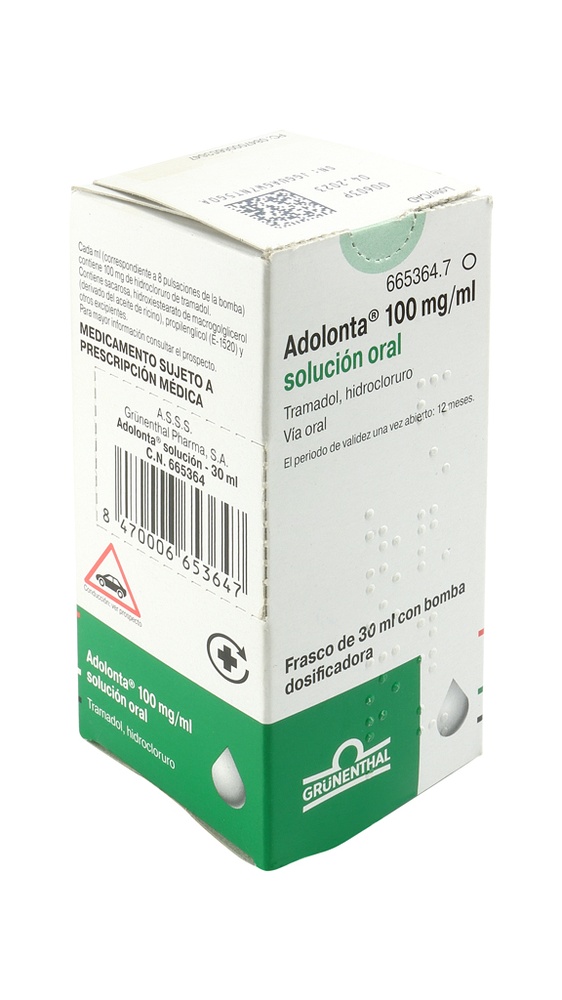
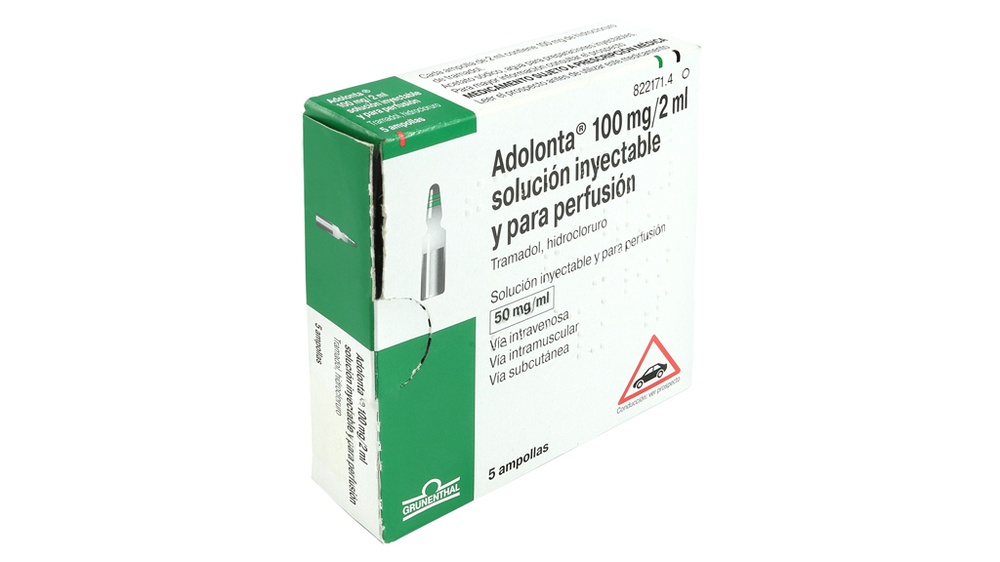
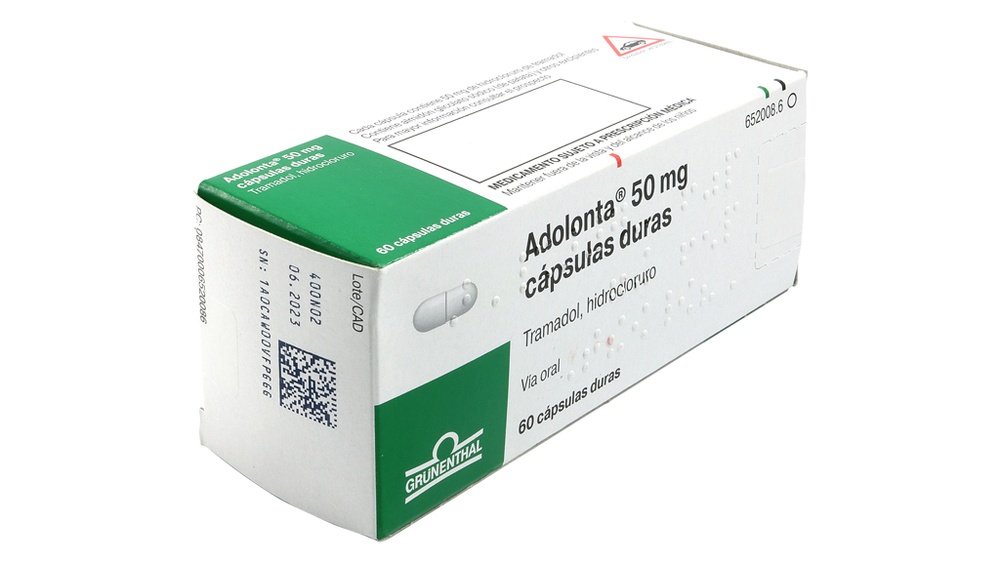
- Alternatives to Mabron 100 mg/2 ml solucion inyectable y para perfusion efgDosage form: ORAL SOLUTION/SUSPENSION, 100 mg/mlActive substance: tramadolManufacturer: Grünenthal Pharma S.A.Prescription requiredDosage form: INJECTABLE, 100 mgActive substance: tramadolManufacturer: Grünenthal Pharma S.A.Prescription requiredDosage form: CAPSULE, 50 mgActive substance: tramadolManufacturer: Grünenthal Pharma S.A.Prescription required
Online doctors for Mabron 100 mg/2 ml solucion inyectable y para perfusion efg
Discuss questions about Mabron 100 mg/2 ml solucion inyectable y para perfusion efg, including use, safety considerations and prescription review, subject to medical assessment and local regulations.











Frequently Asked Questions
