


LURASIDONE TEVA 18.5 mg FILM-COATED TABLETS



How to use LURASIDONE TEVA 18.5 mg FILM-COATED TABLETS
Translated with AI
This page provides general information and does not replace a doctor’s consultation. Always consult a doctor before taking any medication. Seek urgent medical care if symptoms are severe.
Show originalContents of the leaflet
Introduction
Package Leaflet: Information for the Patient
Lurasidona Teva 18.5 mg film-coated tablets EFG
Lurasidona Teva 37 mg film-coated tablets EFG
Lurasidona Teva 74 mg film-coated tablets EFG
Read all of this leaflet carefully before you start taking this medicine because it contains important information for you.
- Keep this leaflet, you may need to read it again.
- If you have any further questions, ask your doctor or pharmacist.
- This medicine has been prescribed for you only. Do not pass it on to others. It may harm them, even if their signs of illness are the same as yours.
- If you get any side effects, talk to your doctor or pharmacist. This includes any possible side effects not listed in this leaflet. See section 4.
Contents of the pack
- What is Lurasidona Teva and what is it used for
- What you need to know before you take Lurasidona Teva
- How to take Lurasidona Teva
- Possible side effects
- Storage of Lurasidona Teva
- Contents of the pack and other information
1. What is Lurasidona Teva and what is it used for
Lurasidona Teva contains the active substance lurasidone and belongs to a group of medicines called antipsychotics. It is used to treat the symptoms of schizophrenia in adults (18 years and older) and adolescents from 13 to 17 years. Lurasidone works by blocking brain receptors that dopamine and serotonin act on. Dopamine and serotonin are neurotransmitters (substances that allow nerve cells to communicate with each other) that are involved in the symptoms of schizophrenia. By blocking these receptors, lurasidone helps to normalize brain activity, reducing the symptoms of schizophrenia.
Schizophrenia is a disorder with symptoms such as hearing, seeing, or feeling things that do not exist, having false beliefs, excessive suspicion, withdrawal, incoherent speech and behavior, and lack of emotions. People suffering from this disorder may feel depressed, anxious, guilty, or tense. This medicine is used to improve their schizophrenia symptoms.

2. What you need to know before you take Lurasidona Teva
Do not take Lurasidona Teva
- if you are allergic to lurasidone or any of the other ingredients of this medicine (listed in section 6).
- if you are taking medicines that may affect the concentration of lurasidone in your blood, such as:
- medicines for fungal infections such as itraconazole, ketoconazole (except in shampoo), posaconazole, or voriconazole
- medicines for infections, such as the antibiotic clarithromycin or telithromycin
- medicines for HIV infection such as cobicistat, indinavir, nelfinavir, ritonavir, and saquinavir
- medicines for chronic hepatitis such as boceprevir and telaprevir
- nefazodone, a medicine for depression
- rifampicin, a medicine for tuberculosis
- medicines for seizures such as carbamazepine, phenobarbital, and phenytoin
- St. John's Wort (Hypericum perforatum), a herbal medicine for treating depression
Warnings and precautions
The full effect of this medicine may take several days or even weeks to appear.
Consult your doctor if you have any questions about this medicine.
Consult your doctor or pharmacist before taking lurasidone or during treatment, especially if:
- you have suicidal thoughts or behaviors
- you suffer from Parkinson's disease or dementia
- you have been diagnosed with a disease whose symptoms are high fever and muscle stiffness (also called malignant neuroleptic syndrome) or have ever suffered from stiffness, tremors, or mobility problems (extrapyramidal symptoms) or abnormal movements of the tongue or face (tardive dyskinesia). You should be aware that these conditions may be caused by this medicine
- you suffer from heart disease or are being treated for heart disease that makes you prone to low blood pressure or have a family history of irregular heartbeats (including QT prolongation)
- you have a history of seizures (attacks) or epilepsy
- you have a history of blood clots, or any other family member has a history of blood clots, as schizophrenia medicines have been associated with blood clot formation
- increase in breast size in men (gynecomastia), milky secretion from the nipples (galactorrhea), absence of menstruation (amenorrhea), or erectile dysfunction
- you suffer from diabetes or are prone to it
- you have reduced kidney function
- you have reduced liver function
- you gain weight
- your blood pressure drops when you stand up, which can cause you to faint
- you are dependent on opioids (treated with buprenorphine) or severe pain (treated with opioids) or depression or other diseases treated with antidepressants. The use of these medicines in combination with lurasidone may cause serotonin syndrome, a potentially fatal disease (see "Other medicines and Lurasidona Teva").
If you meet any of these conditions, consult your doctor, as it is possible that they may want to adjust your dose, monitor you more closely, or interrupt treatment with lurasidone.
Children and adolescents
Do not give this medicine to children under 13 years of age.
Other medicines and Lurasidona Teva
Tell your doctor or pharmacist if you are taking, have recently taken, or might take any other medicines. This is especially important if you are taking:
- any medicine that also acts on the brain, as their effects may be negatively additive to those of lurasidone in your brain
- medicines that lower blood pressure, as this medicine may also lower blood pressure
- medicines for Parkinson's disease and restless legs syndrome (such as levodopa), as this medicine may reduce their effects
- medicines that contain ergot alkaloid derivatives (used to treat migraines), and other medicines such as terfenadine and astemizole (used to treat hay fever or allergic rhinitis and other allergic processes), cisapride (used to treat digestive problems), pimozide (used to treat psychiatric diseases), quinidine (used to treat heart diseases), bepridil (used to treat chest pain)
- medicines that contain buprenorphine (used to treat opioid dependence) or opioids (used to treat severe pain) or antidepressants such as moclobemide, tranylcypromine, citalopram, escitalopram, fluoxetine, fluvoxamine, paroxetine, sertraline, duloxetine, venlafaxine, amitriptyline, doxepin, or trimipramine. These medicines may interact with lurasidone, and you may experience symptoms such as involuntary and rhythmic muscle contractions, including the muscles that control eye movement, agitation, hallucinations, coma, excessive sweating, tremors, exaggerated reflexes, increased muscle tension, body temperature above 38°C. If you experience these symptoms, consult your doctor.
Tell your doctor if you are taking any of these medicines, as it is possible that they may need to change the dose of this medicine during treatment with lurasidone.
The following medicines may increase the concentration of lurasidone in your blood:
- diltiazem (for high blood pressure)
- erythromycin (for infections)
- fluconazole (for fungal infections)
- verapamil (for high blood pressure or chest pain)
The following medicines may decrease the concentration of lurasidone in your blood:
- amprenavir, efavirenz, etravirine (for HIV infection)
- aprepitant (for nausea and vomiting)
- armodafinil, modafinil (for sleepiness)
- bosentan (for high blood pressure or finger ulcers)
- nafcillin (for infections)
- prednisone (for inflammatory diseases)
- rufinamide (for seizures)
Tell your doctor if you are taking any of these medicines, as it is possible that they may change your dose of lurasidone.
Taking Lurasidona Teva with food, drinks, and alcohol
Alcohol consumption should be avoided when taking this medicine, as it will have a negative additive effect.
Do not drink grapefruit juice while taking this medicine. Grapefruit can affect the action of this medicine.
Pregnancy and breastfeeding
If you are pregnant or breastfeeding, think you may be pregnant, or are planning to have a baby, ask your doctor or pharmacist for advice before taking this medicine.
Do not take this medicine during pregnancy unless your doctor has decided that the potential benefits outweigh the potential risks.
If your doctor decides that the potential benefits of treatment during pregnancy outweigh the potential risks, your doctor will closely monitor your child after birth. The reason is that in newborns of mothers who have used lurasidone in the last trimester (last three months) of pregnancy, the following symptoms may appear:
- tremors, stiffness, or muscle weakness, drowsiness, agitation, breathing problems, and difficulty feeding.
If your child develops any of these symptoms, you should consult your doctor.
It is not known whether lurasidone passes into breast milk. Inform your doctor if you are breastfeeding or plan to breastfeed.
Driving and using machines
During treatment with this medicine, drowsiness, dizziness, and vision problems (see section 4, Possible side effects) may occur. Do not drive, do not ride a bike, or do not use tools or machines until you know that this medicine does not affect you negatively.
Lurasidona Teva contains sodium
This medicine contains less than 1 mmol of sodium (23 mg) per tablet, i.e., it is essentially "sodium-free".
3. How to take Lurasidona Teva
Always take this medicine exactly as your doctor or pharmacist has told you. If you are not sure, consult your doctor or pharmacist again.
Your dose will be decided by your doctor and may depend on:
- how well you respond to a dose
- if you are taking other medicines (see section 2 "Other medicines and Lurasidona Teva")
- if you have kidney or liver problems
Adults (18 years and older)
The recommended initial dose is 37 mg once a day.
Your doctor may increase or decrease the dose within the range of 18.5 mg to 148 mg once a day. The maximum dose should not exceed 148 mg once a day.
Adolescents (13 to 17 years)
The recommended initial dose is 37 mg of lurasidone once a day.
The dose may be increased or decreased by your doctor within the dose range of 37 to 74 mg once a day. The maximum daily dose should not exceed 74 mg.
How to take Lurasidona Teva
Swallow the tablet(s) whole with water, in order to mask the bitter taste. You should take your dose regularly every day at the same time, so it will be easier to remember. You should take this medicine with food or immediately after eating, as this helps the body absorb the medicine and allows it to work better.
If you take more Lurasidona Teva than you should
If you take more of this medicine than you should, consult your doctor immediately. You may experience drowsiness, fatigue, abnormal body movements, problems standing and walking, dizziness due to low blood pressure, and abnormal heartbeats.
In case of overdose or accidental ingestion, consult your doctor, pharmacist, or call the Toxicology Information Service, phone 91 562 04 20, indicating the medicine and the amount taken.
If you forget to take Lurasidona Teva
Do not take a double dose to make up for forgotten doses. If you forget to take a dose, take the next dose the day after the missed dose. If you forget two or more doses, consult your doctor.
If you stop taking Lurasidona Teva
If you stop taking this medicine, you will lose its effects. Do not stop taking the medicine unless your doctor tells you to, as the symptoms may reappear.
If you have any further questions on the use of this medicine, ask your doctor or pharmacist.

4. Possible Adverse Effects
Like all medications, this medication can produce adverse effects, although not all people suffer from them.
Seek immediate medical attentionif you notice any of the following symptoms:
- a severe allergic reaction consisting of fever, swelling of the mouth, face, lips, or tongue, difficulty breathing, itching, skin rash, and sometimes a drop in blood pressure (hypersensitivity). These reactions are frequent (may affect 1 in 10 people)
- a severe rash with blisters that affects the skin, mouth, eyes, and genitals (Stevens-Johnson syndrome). The frequency of this reaction is unknown
- fever, sweating, muscle stiffness, and decreased level of consciousness. These could be symptoms of a condition known as malignant neuroleptic syndrome. These reactions are rare (may affect 1 in 1000 people)
- blood clots in the veins, especially in the legs (symptoms are swelling, pain, and redness of the leg), which can move through the blood vessels to the lungs and cause chest pain and difficulty breathing. If you notice any of these symptoms, seek medical attention immediately.
Adults may also experience the following adverse effects:
Very common (may affect more than 1 in 10 people):
- feeling of agitation and inability to remain still
- nausea (vomiting)
- insomnia
Common (may affect up to 1 in 10 people):
- Parkinsonism: this medical term describes numerous symptoms, including increased saliva secretion or very moist mouth, drooling, spasms when flexing the limbs, slow, reduced, or impaired body movements, facial expressiveness, muscle tension, neck stiffness, muscle stiffness, short, shuffling, and hurried steps, and lack of normal arm movements when walking, persistent eye blinking when hitting the forehead (abnormal reflex)
- speech problems, unusual muscle movements; a series of symptoms called extrapyramidal symptoms (EPS) that will typically include unusual and unnecessary involuntary muscle movements
- rapid heart rate
- increased blood pressure
- dizziness
- muscle spasms and stiffness
- vomiting (nausea)
- diarrhea
- back pain
- rash and itching
- indigestion
- dry mouth or excessive saliva
- abdominal pain
- drowsiness, fatigue, agitation, and anxiety
- weight gain
- increased creatine phosphokinase concentrations (a muscle enzyme) seen in blood tests
- increased creatinine concentration (a kidney function marker) seen in blood tests
- decreased appetite
Uncommon (may affect up to 1 in 100 people):
- slow and difficult speech
- nightmares
- difficulty swallowing
- stomach mucosa irritation
- sudden feeling of anxiety
- seizures (attacks)
- chest pain
- muscle pain
- temporary loss of consciousness
- feeling that everything is spinning
- abnormal nervous impulses in the heart
- slow heart rate
- joint pain
- walking problems
- stiff posture
- increased prolactin and glucose in the blood (blood sugar), increased liver enzymes, observed in blood tests
- drop in blood pressure when standing up, which can cause fainting
- common cold
- hot flashes
- blurred vision
- sweating
- pain when urinating
- involuntary movements of the mouth, tongue, and limbs (tardive dyskinesia)
- low sodium levels in the blood that can cause fatigue and confusion, muscle spasms, seizures, and coma (hyponatremia)
- lack of energy (lethargy)
- gas (flatulence)
- neck pain
- erection problems
- painful or absent menstrual period
- reduced number of red blood cells (which carry oxygen throughout the body)
Rare (may affect up to 1 in 1000 people):
- rhabdomyolysis, which is the breakdown of muscle fibers, releasing muscle fiber content (myoglobin) into the bloodstream, causing muscle pain, nausea, confusion, abnormal heart rate and rhythm, and possibly dark urine
- increased eosinophils (a type of white blood cell)
- swelling under the skin surface (angioedema)
- deliberate self-harm
- stroke
- kidney failure
- reduced number of white blood cells (which fight infection)
- breast pain, breast milk secretion
- sudden death
Frequency not known (cannot be estimated from available data):
- reduced number of a subgroup of white blood cells (neutrophils)
- sleep disorder
- newborns may show the following: agitation, increased or decreased muscle tone, tremors, drowsiness, respiratory or feeding problems
- abnormal breast enlargement
In elderly patients with dementia, a small increase in the number of deaths has been reported in patients taking schizophrenia medications compared to those not taking them.
Adolescents may experience the following adverse effects:
Very common (may affect more than 1 in 10 people):
- feeling of agitation and inability to remain still
- headache
- drowsiness
- nausea (discomfort)
Common (may affect up to 1 in 10 people):
- decreased or increased appetite
- abnormal dreams
- difficulty sleeping, tension, agitation, anxiety, and irritability
- physical weakness, fatigue
- depression
- psychotic disorder: this medical term describes many mental illnesses that cause abnormal thoughts and perceptions; people with psychosis lose contact with reality
- schizophrenia symptoms
- difficulty paying attention
- feeling that everything is spinning
- abnormal involuntary movements (dyskinesia)
- abnormal muscle tone, including torticollis and involuntary upward deviation of the eyes
- Parkinsonism: this medical term describes numerous symptoms, including increased saliva secretion or very moist mouth, drooling, spasms when flexing the limbs, slow, reduced, or impaired body movements, facial expressiveness, muscle tension, neck stiffness, muscle stiffness, short, shuffling, and hurried steps, and lack of normal arm movements when walking, persistent eye blinking when hitting the forehead (abnormal reflex)
- rapid heart rate
- difficulty emptying the intestines (constipation)
- dry mouth or excessive saliva
- vomiting (nausea)
- sweating
- muscle stiffness
- erection problems
- increased creatine phosphokinase concentrations (a muscle enzyme) seen in blood tests
- increased prolactin (a hormone) in the blood, seen in blood tests
- weight gain or loss
Uncommon (may affect up to 1 in 100 people):
- hypersensitivity
- common cold, throat and nose infection
- decreased thyroid activity, thyroid inflammation
- aggressive behavior, impulsive behavior
- apathy
- confusion
- depressed mood
- separation from normal mental processes (dissociation)
- hallucination (auditory or visual)
- homicidal thoughts
- difficulty sleeping
- increased or decreased sexual desire
- lack of energy
- altered mental state
- obsessive thoughts
- feeling of acute and disabling anxiety (panic attack)
- performing unnecessary and uncontrolled movements (psychomotor hyperactivity)
- muscle hyperactivity (hyperkinesia), inability to rest (restlessness)
- uncontrollable urge to move the legs (restless legs syndrome), uncontrolled movements of the mouth, tongue, and limbs (tardive dyskinesia)
- sleep disorder
- deliberate suicidal thoughts
- abnormal thoughts
- instability (feeling that everything is spinning)
- altered sense of taste
- memory impairment
- abnormal skin sensation (paresthesia)
- feeling of a tight band around the head (tension headache), migraine
- difficulty focusing the eyes, blurred vision
- increased hearing sensitivity
- palpitations, heart rhythm disorders
- blood pressure drops when standing up, which can cause fainting
- increased blood pressure
- abdominal pain or discomfort
- absence or deficiency of saliva secretion
- diarrhea
- indigestion
- dry lips
- toothache
- partial or complete hair loss, abnormal hair growth
- rash, hives
- muscle spasms and stiffness, muscle pain
- joint pain, pain in arms and legs, jaw pain
- presence of bilirubin in the urine, presence of proteins in the urine, a kidney function marker
- pain or difficulty urinating, frequent urination, kidney disorder
- sexual dysfunction
- difficulty ejaculating
- abnormal breast enlargement, breast pain, breast milk secretion
- absent or irregular menstrual period
- making uncontrolled noises and movements (Tourette's syndrome)
- chills
- walking problems
- discomfort
- chest pain
- fever
- intentional overdose
- effects on thyroid function, seen in blood tests, increased cholesterol in the blood, increased triglycerides in the blood, decreased high-density lipoproteins, decreased low-density lipoproteins, seen in blood tests
- increased glucose in the blood (blood sugar), increased insulin in the blood, increased liver enzymes (a liver function marker), seen in blood tests
- increased or decreased testosterone in the blood, increased thyroid-stimulating hormone in the blood, seen in blood tests
- electrocardiogram alterations
- decreased hemoglobin, reduced number of white blood cells (which fight infection), seen in blood tests
Reporting Adverse Effects
If you experience any type of adverse effect, consult your doctor or pharmacist, even if it is a possible adverse effect that is not listed in this leaflet. You can also report them directly through the Spanish Medicines Surveillance System for Human Use: https://www.notificaram.es. By reporting adverse effects, you can contribute to providing more information on the safety of this medication.
5. Storage of Lurasidona Teva
Keep this medication out of sight and reach of children.
Do not use this medication after the expiration date shown on the packaging and blister after CAD. The expiration date is the last day of the month indicated.
This medication does not require special storage conditions.
Medications should not be thrown down the drain or into the trash. Deposit the packaging and medications you no longer need in the SIGRE Point of the pharmacy. In case of doubt, ask your pharmacist how to dispose of the packaging and medications you no longer need. This will help protect the environment.
6. Package Contents and Additional Information
Composition of Lurasidona Teva
- The active ingredient is lurasidone.
Lurasidona Teva 18.5 mg:
Each tablet contains 18.5 mg of lurasidone hydrochloride equivalent to 18.6 mg of lurasidone.
Lurasidona Teva 37 mg:
Each tablet contains 37 mg of lurasidone hydrochloride equivalent to 37.2 mg of lurasidone.
Lurasidona Teva 74 mg:
Each tablet contains 74 mg of lurasidone hydrochloride equivalent to 74.5 mg of lurasidone.
- The other ingredients are microcrystalline cellulose (E460), mannitol (E421), hypromellose 2910 (E464), sodium croscarmellose (E468) (see section 2, "Lurasidona Teva contains sodium"). Additionally, present only in the 74 mg tablet: yellow iron oxide (E172), indigo carmine (E132).
Appearance of the Product and Package Contents
Lurasidona Teva 18.5 mg film-coated tablets
Round tablets, white to off-white in color, marked with "LL" on one side, flat on the other, with a diameter of 6.1 mm.
Lurasidona Teva 37 mg film-coated tablets
Round tablets, white to off-white in color, marked with "LI" on one side, flat on the other, with a diameter of 8.1 mm.
Lurasidona Teva 74 mg film-coated tablets
Oval tablets, green to light green in color, marked with "LH" on one side, flat on the other, with dimensions of 12.1 x 7.1 mm.
OPA/Al/PVC//Al and single-dose perforated blisters packaged in cardboard boxes.
Package sizes of 28 or 28 x 1 film-coated tablets.
Only some package sizes may be marketed.
Marketing Authorization Holder and Manufacturer
Marketing Authorization Holder
Teva B.V.
Swensweg 5,
2031GA Haarlem,
Netherlands
Manufacturer
ELPEN Pharmaceutical Co. Inc.
Marathonos Avenue 95, Pikermi,
Attiki, 190 09, Greece
or
Teva Operations Poland Sp. z.o.o,
ul. Mogilska 80
31-546, Krakow, Poland
You can request more information about this medication by contacting the local representative of the marketing authorization holder:
Teva Pharma, S.L.U.
C/ Anabel Segura, 11 Edificio Albatros B, 1ª planta
28108 Alcobendas (Madrid)
Spain
This medication is authorized in the member states of the European Economic Area and in the United Kingdom (Northern Ireland) with the following names:
Bulgaria Lurasidone Teva 37 mg film-coated tablets
Czech Republic Lurasidon Teva
Spain Lurasidona Teva 18.5 mg film-coated tablets EFG
Lurasidona Teva 37 mg film-coated tablets EFG
Lurasidona Teva 74 mg film-coated tablets EFG
Croatia Lurasidon Teva 18.5 mg film-coated tablets
Lurasidon Teva 37 mg film-coated tablets
Lurasidon Teva 74 mg film-coated tablets
Italy LURASIDONE TEVA
Netherlands Lurasidon Teva 18.5 mg film-coated tablets
Lurasidon Teva 37 mg film-coated tablets
Lurasidon Teva 74 mg film-coated tablets
Poland Lurasidone Teva B.V.
Slovenia Lurasidon Teva 18.5 mg film-coated tablets
Lurasidon Teva 37 mg film-coated tablets
Lurasidon Teva 74 mg film-coated tablets
Date of the last revision of this leaflet:May 2024
Other Sources of Information
Detailed information about this medication is available on the website of the Spanish Agency for Medicines and Health Products (AEMPS) (http://www.aemps.gob.es/).
You can access detailed and updated information about this medication by scanning the QR code included in the packaging with your smartphone. You can also access this information at the following internet address: https://cima.aemps.es/cima/dochtml/p/XXXXX/P_XXXXX.html
- Country of registration
- Average pharmacy price37.84 EUR
- Active substance
- Prescription requiredYes
- Manufacturer
- This information is for reference only and does not constitute medical advice. Always consult a doctor before taking any medication. Oladoctor is not responsible for medical decisions based on this content.
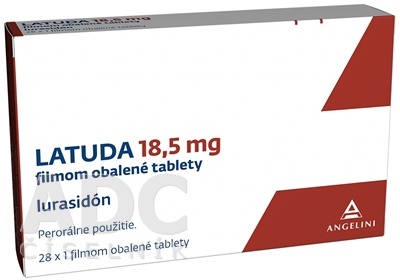
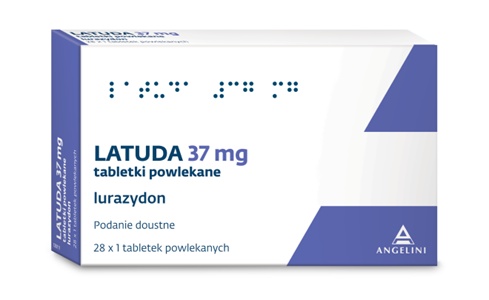
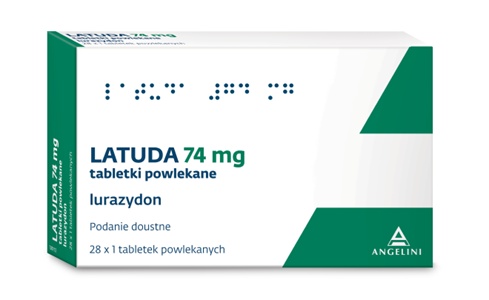
- Alternatives to LURASIDONE TEVA 18.5 mg FILM-COATED TABLETSDosage form: TABLET, 20 mgActive substance: lurasidoneManufacturer: Angelini Pharma Italia Aziende Chimiche Riunite Angelini Francesc O A.C.R.A.F. S.P.A. Enunciabile AnPrescription requiredDosage form: TABLET, 40 mgActive substance: lurasidoneManufacturer: Angelini Pharma Italia Aziende Chimiche Riunite Angelini Francesc O A.C.R.A.F. S.P.A. Enunciabile AnPrescription requiredDosage form: TABLET, 80 mgActive substance: lurasidoneManufacturer: Angelini Pharma Italia Aziende Chimiche Riunite Angelini Francesc O A.C.R.A.F. S.P.A. Enunciabile AnPrescription required
Online doctors for LURASIDONE TEVA 18.5 mg FILM-COATED TABLETS
Discuss questions about LURASIDONE TEVA 18.5 mg FILM-COATED TABLETS, including use, safety considerations and prescription review, subject to medical assessment and local regulations.







Frequently Asked Questions
