


LAMICTAL 5 mg CHEWABLE/DISPERSIBLE TABLETS




How to use LAMICTAL 5 mg CHEWABLE/DISPERSIBLE TABLETS
Translated with AI
This page provides general information and does not replace a doctor’s consultation. Always consult a doctor before taking any medication. Seek urgent medical care if symptoms are severe.
Show originalContents of the leaflet
Introduction
Package Leaflet: Information for the User
LAMICTAL 5 mg Chewable/Dispersible Tablets
lamotrigine
Read all of this leaflet carefully before you start taking this medicine because it contains important information for you.
- Keep this leaflet.You may need to read it again.
- If you have any further questions, ask your doctor or pharmacist.
- This medicine has been prescribed for you only.Do not pass it on to others. It may harm them, even if their signs of illness are the same as yours.
- If you get any side effects, talk to your doctor or pharmacist.This includes any possible side effects not listed in this leaflet. See section 4.
What is in this leaflet:
- What Lamictal is and what it is used for
- What you need to know before you take Lamictal
- How to take Lamictal
- Possible side effects
- How to store Lamictal
- Contents of the pack and other information
1. What Lamictal is and what it is used for
Lamictal belongs to a group of medicines called antiepileptics. It is used for the treatment of two conditions: epilepsyand bipolar disorder.
Lamictal is used to treat epilepsybecause it blocks the signals in the brain that trigger epileptic seizures (fits).
- In adults and children aged 13 years and over, Lamictal can be used on its own or with other medicines to treat epilepsy.Lamictal can also be used with other medicines to treat seizures that occur in a condition called Lennox-Gastaut syndrome.
- In children between 2 and 12 years of age, Lamictal can be used with other medicines to treat epilepsy.It can be used on its own in this age group to treat a type of epilepsy called typical absence seizures.
Lamictal is also used to treat bipolar disorder.
People with bipolar disorder (previously called manic depression) have extreme mood swings, with periods of mania (excitement or euphoria) alternating with periods of depression (deep sadness or despair). In adults aged 18 years and over, Lamictal can be used to prevent the periods of depression that occur in bipolar disorder, either on its own or in combination with other medicines. It is not known how Lamictal works in the brain to have this effect.

2. What you need to know before you take Lamictal
Do not take Lamictal:
- if you are allergic (hypersensitive) to lamotrigine or any of the other ingredients of this medicine (listed in section 6).
If this applies to you:
? Tell your doctorand do not take Lamictal.
Warnings and precautions
Be especially careful with Lamictal
Tell your doctor or pharmacist before you start taking Lamictal:
- if you have any kidney problems
- if you have ever developed a rash after taking lamotrigine or other medicines for bipolar disorder or epilepsy
- if you get a rash or blisters after taking lamotrigine and being exposed to sunlight or artificial light (such as in a sunbed). Your doctor will check your treatment and may advise you to avoid sunlight or use a sunscreen and/or protective clothing.
- if you have ever had meningitis after taking lamotrigine(read the description of these symptoms in section 4 of this leaflet: Rare side effects)
- if you are already taking a medicine that contains lamotrigine
- if you have a condition called Brugada syndrome or other heart problems.Brugada syndrome is a genetic condition that affects the electrical activity of the heart. Lamotrigine can cause changes in the electrocardiogram (ECG) that can lead to abnormal heart rhythms.
If any of these apply to you:
? Tell your doctor, who will decide whether you should take a lower dose or whether Lamictal is suitable for you.
Important information about potentially life-threatening reactions
A small number of people taking Lamictal have had allergic reactions or serious skin reactions that can be life-threatening, leading to more serious problems if not treated. These reactions can include Stevens-Johnson syndrome (SJS), toxic epidermal necrolysis (TEN), and drug reaction with eosinophilia and systemic symptoms (DRESS). You need to know the symptoms of these reactions and be watchful for them while taking Lamictal. This risk may be higher in people of Asian descent, particularly Han Chinese and Thai people, who have been shown to have a genetic factor that makes them more likely to develop these reactions. If you are of Asian descent and have been shown to have this genetic factor (HLA-B*1502), talk to your doctor before taking Lamictal.
? Read the description of these symptoms in section 4 of this leaflet“Life-threatening reactions: see a doctor immediately”.
Hemophagocytic lymphohistiocytosis (HLH)
There have been reports of a rare but very serious reaction of the immune system in patients taking lamotrigine.
- Contact your doctor or pharmacist immediatelyif you get any of the following symptoms while taking lamotrigine: fever, rash, neurological symptoms (such as spasms or tremors, confusion, changes in brain function).
Thoughts of self-harm or suicide
Antiepileptic medicines like Lamictal are used to treat different conditions, including epilepsy and bipolar disorder. People with bipolar disorder may sometimes have thoughts of self-harm or suicide. If you have bipolar disorder, you may be more likely to have these thoughts:
- when you first start treatment
- if you have had thoughts of self-harm or suicide before
- if you are under 25 years old.
If you have thoughts or experiences that worry you, or if you notice that you feel worse or develop new symptoms while taking Lamictal:
? See a doctor as soon as possible or go to the nearest hospital.
It may be helpful for you to tell a relative or close friend that you are taking Lamictal and ask them to read this leaflet.You can ask them to tell you if they are worried about your depression or other changes in your behavior.
A small number of people taking antiepileptics like Lamictal have also had thoughts of self-harm or suicide. If you experience such thoughts at any time, contact your doctor immediately.
If you are taking Lamictal for epilepsy
Seizures in some types of epilepsy may occasionally become worse or more frequent while you are taking Lamictal.Some patients may experience severe seizures, which can cause serious health problems. If your seizures become more frequent or if you experience severe seizures while taking Lamictal:
? See a doctor immediately.
Lamictal should not be given to children under 18 years for the treatment of bipolar disorder.Medicines for the treatment of depression and other mental health conditions can increase the risk of suicidal thoughts and behavior in children and adolescents under 18 years.
Other medicines and Lamictal
Tell your doctor or pharmacist if you are taking, have recently taken, or might take any other medicines, including those you have bought without a prescription.
Your doctor needs to know if you are taking other medicines to treat epilepsy or mental health conditions. This is to make sure you take the correct dose of Lamictal. These medicines include:
- oxcarbazepine, felbamate, gabapentin, levetiracetam, pregabalin, topiramateor zonisamide, used to treat epilepsy
- lithium, olanzapine or aripiprazole, used to treat mental health conditions
- bupropion, used to treat mental health conditionsor to help you stop smoking
- paracetamol, used to treat painand fever.
? Tell your doctorif you are taking any of these medicines.
Some medicines interact with Lamictal or may make it more likely that you will get side effects. These include:
- valproate, used to treat epilepsyand mental health conditions
- carbamazepine, used to treat epilepsyand mental health conditions
- phenytoin, primidoneor phenobarbital, used to treat epilepsy
- risperidone, used to treat mental health conditions
- rifampicin, an antibiotic
- medicines used to treat HIV infection(a combination of lopinavir and ritonavir or atazanavir and ritonavir)
- hormonal contraceptives, such as the pill(see below).
? Tell your doctorif you are taking any of these medicines, or if you start or stop taking any of these medicines.
Hormonal contraceptives (such as the pill) may affect how Lamictal works.
Your doctor may recommend that you use a specific hormonal contraceptive or another method of contraception, such as condoms, a diaphragm, or an intrauterine device (IUD). If you are taking a hormonal contraceptive, such as the pill, your doctor may do a blood test to check the levels of Lamictal in your blood. If you are using a hormonal contraceptive or plan to start using one:
? Consult your doctor, as they will advise you on the most suitable contraceptive methods for you.
Lamictal may also affect how hormonal contraceptives work, although this is unlikely to affect their effectiveness. If you are using a hormonal contraceptive and you notice changes in your menstrual cycle, such as irregular bleeding or spotting:
? Tell your doctor. These may be signs that Lamictal is affecting how your contraceptive is working.
Pregnancy and breastfeeding
? If you are pregnant, think you may be pregnant or are planning to have a baby, ask your doctor or pharmacist for advice before taking this medicine.
- Do not stop your treatment without consulting your doctor. This is particularly important if you have epilepsy.
- Pregnancy may affect how well Lamictal works, so you may need to have a blood test and have your dose adjusted.
- If you take Lamictal during the first 3 months of pregnancy, there may be a small increased risk of birth defects, including cleft lip or cleft palate.
- Your doctor may advise you to take folic acid supplements if you are planning to become pregnant and during pregnancy.
? If you are breastfeeding or planning to breastfeed, ask your doctor or pharmacist for advice before taking this medicine.The active ingredient of Lamictal passes into breast milk and may affect your baby. Your doctor will discuss the risks and benefits of breastfeeding while taking Lamictal and will perform regular checks on your baby if you decide to breastfeed, as they may become sleepy, develop a rash, or have a low weight gain. Tell your doctor if you notice any of these symptoms in your baby.
Driving and using machines
Lamictal may cause dizziness and double vision.
? Do not drive or use machines unless you are sure that you are not affected by these side effects.
If you have epilepsy, ask your doctor about driving or using machines.
Important information about some of the ingredients of Lamictal
This medicine contains less than 1 mmol sodium (23 mg) per tablet, which is essentially “sodium-free”.
3. How to take Lamictal
Always take this medicine exactly as your doctor or pharmacist has told you.Check with your doctor or pharmacist if you are not sure.
What dose of Lamictal to take
It may take a while to find the best dose of Lamictal for you. The dose you take will depend on:
- your age
- whether you are taking Lamictal with other medicines
- whether you have any kidney or liver problems.
Your doctor will start you on a low dose and gradually increase the dose over a few weeks until you reach a dose that is effective for you (called the effective dose). Never take more Lamictal than your doctor has told you to take.
The effective dose of Lamictal for adults and children aged 13 years and over is between 100 mg and 400 mg each day.
For children between 2 and 12 years of age, the effective dose depends on their body weight, which is usually between 1 mg and 15 mg per kilogram of the child’s weight, up to a maximum maintenance dose of 200 mg per day.
Lamictal is not recommended for children under 2 years of age.
How to take your dose of Lamictal
Take your dose of Lamictal once or twice a day, depending on what your doctor has told you. You can take it with or without food.
- Always take the full dose that your doctor has prescribed for you.Never take only part of a tablet.
Your doctor may advise you to start or stop taking other medicines, depending on the condition you are being treated for and how you respond to treatment.
The chewable/dispersible tablets of Lamictal can be swallowed whole, chewed, or mixed with water to dissolve them. Never take only part of the liquid.
Chewing the tablet:
You may need to drink a little water to help the tablet dissolve in your mouth. After swallowing, drink a little more water to make sure you have taken all the medicine.
To dissolve the tablet:
- put the tablet in a glass that contains enough water to cover the tablet
- stir to dissolve or wait until the tablet is fully dissolved
- drink all the liquid
- add a little more water to the glass and drink it to make sure you have taken all the medicine.
If you take more Lamictal than you should
? In case of overdose or accidental intake, contact your doctor, pharmacist, or call the Toxicology Information Service, telephone: 91 562 04 20, indicating the medicine and the amount taken.
If you take more Lamictal than you should, you may be more likely to have serious side effects that can be life-threatening.
Someone who has taken too much Lamictal may have some of the following symptoms:
- rapid, uncontrolled eye movements (nystagmus)
- clumsiness and loss of coordination, affecting balance (ataxia)
- changes in heart rhythm (usually detected with an ECG)
- loss of consciousness, seizures, or coma.
If you forget to take a dose of Lamictal
? Do not take a double dose to make up for a forgotten dose.Take your next dose at the usual time.
If you forget to take several doses of Lamictal
? Ask your doctor for advice on how to start taking it again.It is important that you do this.
Do not stop taking Lamictal without consulting your doctor
You should take Lamictal for as long as your doctor recommends. Do not stop taking it unless your doctor advises you to.
If you are taking Lamictal for epilepsy
To stop taking Lamictal, it is important that the dose is reduced gradually over approximately 2 weeks.If you stop taking Lamictal suddenly, you may get seizures again or your epilepsy may get worse.
If you are taking Lamictal for bipolar disorder
Lamictal may take some time to work, so you may not feel better immediately. If you stop taking Lamictal, you do not need to reduce your dose gradually. However, you should talk to your doctor before stopping treatment with Lamictal.

4. Possible Adverse Effects
Like all medicines, this medicine can cause adverse effects, although not all people suffer from them.
Reactions that can potentially threaten life: consult your doctor immediately.
A small number of people taking Lamictal have allergic reactions or skin reactions that can potentially threaten their life, which can lead to more serious problems if left untreated.
It is more likely that these symptoms appear during the first few months of treatment with Lamictal, especially if the initial dose is very high or if the dose increase is very rapid, or if you are taking Lamictal with another medicine called valproate. Some of these symptoms are more frequent in children, so parents should pay special attention to them.
The symptoms of these reactions include:
- skin rash or redness, which can lead to skin reactions that can be serious or, on occasion, potentially life-threatening, including rash with target-like lesions (erythema multiforme), widespread rash with blisters and skin peeling, which occurs especially around the mouth, nose, eyes, and genitals (Stevens-Johnson syndrome), peeling over a large area of the skin (more than 30% of the body surface - toxic epidermal necrolysis) or widespread skin rash with liver, blood, and other organ involvement (drug reaction with eosinophilia and systemic symptoms also known as DRESS syndrome)
- mouth ulcers, throat, nose, or genital ulcers
- mouth pain or red or swollen eyes(conjunctivitis)
- high temperature(fever), flu-like symptoms or drowsiness (somnolence)
- swelling around the faceor inflammation of the lymph nodesin the neck, armpits, or groin
- bleeding or unexpected bruising, or fingers turning blue
- sore throator having more infections than usual (such as colds)
- increase in liver enzyme levels in blood tests
- increase in a type of white blood cell (eosinophils)
- enlarged lymph nodes
- involvement of body organs including the liver and kidneys.
In many cases, these symptoms can be signs of less serious adverse effects. But you should be aware that they can potentially threaten lifeand can lead to more serious problems,such as organ failure, if left untreated. If you notice any of these symptoms:
?Contact your doctor immediately. Your doctor will decide if you need to undergo tests to assess liver, kidney, or blood function and may indicate that you should interrupt treatment with Lamictal. If you have developed Stevens-Johnson syndrome or toxic epidermal necrolysis, your doctor will indicate that you should never take lamotrigine again.
Hemophagocytic Lymphohistiocytosis (HLH)(see section 2. What you need to know before taking Lamictal).
Very Common Adverse Effects
These affect more than 1 in 10people:
- headache
- skin rash.
Common Adverse Effects
These affect up to 1 in 10people:
- aggressiveness or irritability
- feeling sleepy or somnolent
- feeling dizzy
- spasms or tremors
- difficulty sleeping (insomnia)
- feeling agitated
- diarrhea
- dry mouth
- nausea or vomiting
- feeling tired
- back pain, joint pain, or pain in other areas.
Uncommon Adverse Effects
These can affect up to 1 in 100people:
- clumsiness and loss of coordination (ataxia)
- double vision or blurred vision
- decrease in hair density or unusual hair loss (alopecia)
- skin rash or sunburn after exposure to sun or artificial light (photosensitivity).
Rare Adverse Effects
These affect up to 1 in 1,000people:
- skin reaction characterized by reddish spots on the skin, which can look like a "target"; i.e., with a dark red center surrounded by lighter red rings (erythema multiforme)
- life-threatening skin reaction (Stevens-Johnson syndrome) (see also the information at the beginning of section 4)
- a set of symptoms including: fever, nausea, vomiting, headache, neck stiffness, and extreme sensitivity to bright light.
This can be caused by inflammation of the membranes covering the brain and spinal cord (meningitis). These symptoms usually disappear when treatment is discontinued. However, if the symptoms continue or worsen, contact your doctor
- rapid, uncontrollable eye movements (nystagmus)
- eye itching, with discharge and crusts on the eyelids (conjunctivitis).
Very Rare Adverse Effects
These affect up to 1 in 10,000people:
- a life-threatening skin reaction (toxic epidermal necrolysis) (see also the information at the beginning of section 4)
- drug reaction with eosinophilia and systemic symptoms (DRESS) (see also the information at the beginning of section 4)
- high temperature (fever) (see also the information at the beginning of section 4)
- swelling around the face (edema) or inflammation of the lymph nodes in the neck, groin, or armpits (lymphadenopathy) (see also the information at the beginning of section 4)
- changes in liver function, which can be observed in blood tests, or liver failure (see also the information at the beginning of section 4)
- severe blood clotting disorder, which can cause bleeding or unexpected bruising (disseminated intravascular coagulation) (see also the information at the beginning of section 4)
- Hemophagocytic Lymphohistiocytosis (HLH) (see section 2. What you need to know before taking Lamictal)
- changes that can be observed in blood tests, including low red blood cell count (anemia), low white blood cell count (leukopenia, neutropenia, agranulocytosis), low platelet count (thrombocytopenia), low count of all types of blood cells (pancytopenia), and a bone marrow disorder called aplastic anemia
- hallucinations (hearing or seeing things that are not really there)
- confusion
- feeling unsteady or unstable when moving
- repetitive body movements and/or sounds or words (tics), uncontrolled muscle spasms that affect the eyes, head, and torso (choreoathetosis), or other unusual movements such as jerks, spasms, or stiffness
- in people with epilepsy, more frequent seizures
- in people with Parkinson's disease, worsening of symptoms
- lupus-like reaction (symptoms may include: back or joint pain which may sometimes be accompanied by fever and/or generalized disease).
Other Adverse Effects
Other adverse effects have appeared in a small number of people, but their exact frequency is unknown:
- bone disorders have been reported, including osteopenia and osteoporosis (decrease in bone thickness) and fractures. Consult your doctor or pharmacist if you have taken antiepileptics for a long time, if you have a history of osteoporosis, or if you take steroids
- kidney inflammation (tubulointerstitial nephritis) or kidney and eye inflammation (acute tubulointerstitial nephritis and uveitis syndrome)
- nightmares
- decreased immunity due to reduced levels of antibodies called immunoglobulins in the blood that help protect against infection
- nodules or reddish spots on the skin (pseudolymphoma).
Reporting Adverse Effects
If you experience any adverse effect, consult your doctor or pharmacist, even if it is a possible adverse effect not listed in this leaflet. You can also report them directly through the Spanish Medicines and Health Products Agency's pharmacovigilance system: www.notificaRAM.es. By reporting adverse effects, you can help provide more information on the safety of this medicine.
5. Storage of Lamictal
Keep this medicine out of sight and reach of children.
Do not use this medicine after the expiration date shown on the blister, carton, or bottle. The expiration date is the last day of the month indicated.
Lamictal does not require special storage conditions.
Medicines should not be disposed of via wastewater or household waste. Deposit the packaging and any unused medicines in the pharmacy's SIGRE collection point. If in doubt, ask your pharmacist how to dispose of the packaging and any unused medicines. This will help protect the environment.
6. Package Contents and Additional Information
Composition of Lamictal 5 mg chewable/dispersible tablets
The active ingredient is lamotrigine. Each chewable/dispersible tablet contains 5 mg of lamotrigine.
The other ingredients are: calcium carbonate, low-substituted hydroxypropylcellulose, aluminum and magnesium silicate, sodium carboxymethyl starch (Type A) potato, povidone K30, sodium saccharin, magnesium stearate, blackcurrant flavor.
Appearance and Package Contents of Lamictal chewable/dispersible tablets
Lamictal chewable/dispersible tablets are white to off-white and may be slightly speckled. The tablets have a blackcurrant flavor.
Lamictal 5 mg chewable/dispersible tablets are elongated with curved faces. The tablets are marked with "GS CL2" on one face and "5" on the other. Each package contains blisters of 10, 14, 28, 30, 42, 50, or 56 tablets or bottles containing 14, 28, 30, 42, 56, or 60 tablets.
Not all pack sizes may be marketed.
Marketing Authorization Holder and Manufacturer
Marketing Authorization Holder:
GlaxoSmithKline, S.A.
P.T.M. C/ Severo Ochoa, 2
28760 Tres Cantos (Madrid)
Tel: +34 900 202 700
Manufacturer:
Delpharm Poznan Spólka Akcyjna ul. Grunwaldzka 189 60-322 Poznan Poland
This medicine is authorized in the Member States of the European Economic Area under the following names:
Austria Lamictal | Belgium Lamictal | Bulgaria Lamictal |
Croatia Lamictal | Cyprus Lamictal | Czech Republic Lamictal |
Denmark Lamictal | Estonia Lamictal | Finland Lamictal |
France Lamictal | Germany Lamictal | Greece Lamictal |
Hungary Lamictal | Iceland Lamictal | Ireland Lamictal |
Italy Lamictal | Latvia Lamictal | Lithuania Lamictal |
Luxembourg Lamictal | Malta Lamictal | Netherlands Lamictal |
Norway Lamictal | Poland Lamitrin Lamitrin S | Portugal Lamictal |
Romania Lamictal | Slovakia Lamictal | Slovenia Lamictal |
Spain Lamictal | Sweden Lamictal |
Date of last revision of this leaflet:April 2024.
Detailed and updated information on this medicine is available on the website of the Spanish Agency for Medicines and Health Products (AEMPS) http://www.aemps.gob.es/
- Country of registration
- Average pharmacy price2.5 EUR
- Active substance
- Prescription requiredYes
- Manufacturer
- This information is for reference only and does not constitute medical advice. Always consult a doctor before taking any medication. Oladoctor is not responsible for medical decisions based on this content.
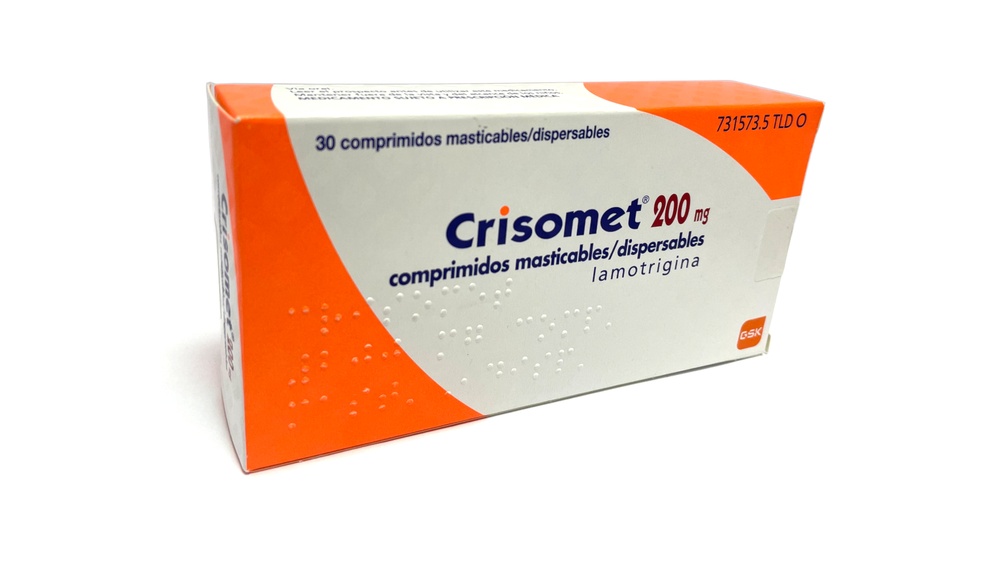
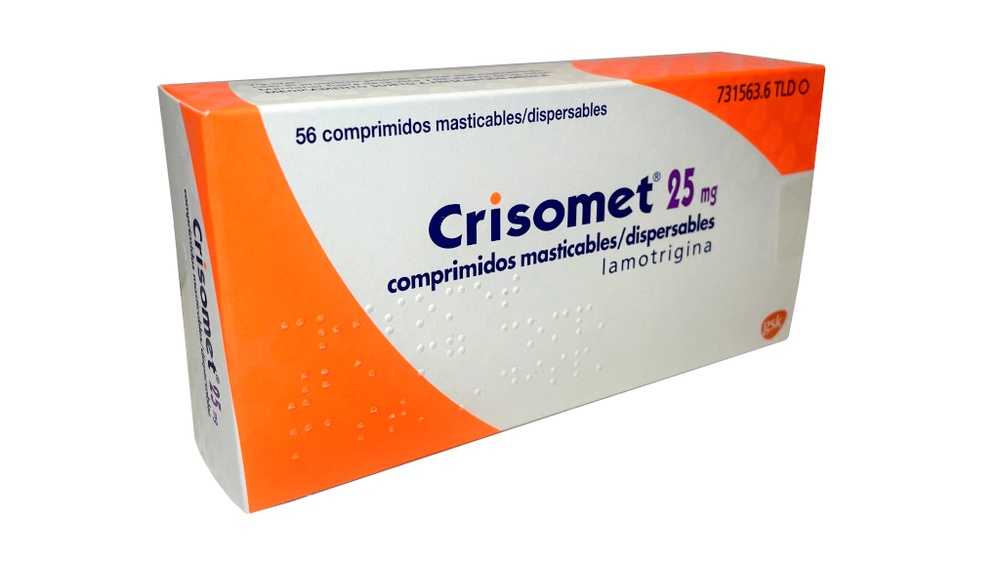
- Alternatives to LAMICTAL 5 mg CHEWABLE/DISPERSIBLE TABLETSDosage form: CHEWABLE TABLET, 100 mg lamotrigineActive substance: lamotrigineManufacturer: Glaxosmithkline S.A.Prescription requiredDosage form: CHEWABLE TABLET, 200 mg lamotrigineActive substance: lamotrigineManufacturer: Glaxosmithkline S.A.Prescription requiredDosage form: CHEWABLE TABLET, 25 mg lamotrigineActive substance: lamotrigineManufacturer: Glaxosmithkline S.A.Prescription required

Online doctors for LAMICTAL 5 mg CHEWABLE/DISPERSIBLE TABLETS
Discuss questions about LAMICTAL 5 mg CHEWABLE/DISPERSIBLE TABLETS, including use, safety considerations and prescription review, subject to medical assessment and local regulations.




Frequently Asked Questions
