


KANUMA 2 mg/ml CONCENTRATE FOR INFUSION SOLUTION
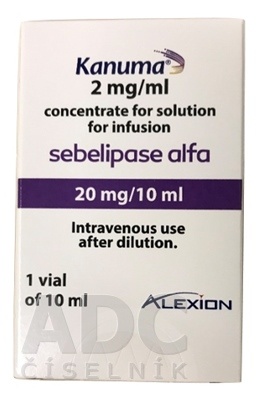



How to use KANUMA 2 mg/ml CONCENTRATE FOR INFUSION SOLUTION
Translated with AI
This page provides general information and does not replace a doctor’s consultation. Always consult a doctor before taking any medication. Seek urgent medical care if symptoms are severe.
Show originalContents of the leaflet
Introduction
Package Leaflet: Information for the User
KANUMA 2mg/ml concentrate for solution for infusion
sebelipase alfa (sebelipase alfa)
This medicine is subject to additional monitoring, which will allow for quick identification of new safety information. You can help by reporting any side effects you may get. The last section of this leaflet includes information on how to report side effects.
Read all of this leaflet carefully before you start using this medicine because it contains important information for you.
- Keep this leaflet, you may need to read it again.
- If you have any further questions, ask your doctor or pharmacist.
- If you get any side effects, talk to your doctor or pharmacist. This includes any possible side effects not listed in this leaflet. See section 4.
Contents of the pack and other information
- What is KANUMA and what is it used for
- What you need to know before you are given KANUMA
- How KANUMA is given
- Possible side effects
- Storing KANUMA
- Contents of the pack and other information
1. What is KANUMA and what is it used for
KANUMA contains the active substance sebelipase alfa. Sebelipase alfa is similar to the naturally produced enzyme, lysosomal acid lipase (LAL), which the body uses to break down fats. It is used to treat patients of all ages with lysosomal acid lipase deficiency (LAL deficiency).
LAL deficiency is a genetic disease that causes liver damage, increased blood levels of cholesterol, and other complications due to the buildup of certain types of fat (cholesterol esters and triglycerides).
How KANUMA works
This medicine is an enzyme replacement therapy, which means it replaces the defective or missing LAL enzyme in patients with LAL deficiency. It works by reducing the buildup of fat that causes medical complications, including developmental disorders, liver damage, and heart complications. It also improves blood levels of fats, including high levels of LDL (bad) cholesterol and triglycerides.

2. What you need to know before you are given KANUMA
You must not be given Kanuma
- If you or your child have had potentially life-threatening allergic reactions to sebelipase alfa that cannot be managed when you or your child are re-exposed to the medicine, to egg, or to any of the other ingredients of this medicine (listed in section 6).
Warnings and precautions
- If you or your child are given KANUMA, you may experience some side effects during the infusion to administer the medicine or over the following hours (see section 4). This is known as an infusion reaction and in some cases can be severe. It can include an allergic reaction that could be life-threatening and require medical treatment. The first time you or your child are given KANUMA, a healthcare professional will keep you under observation for 1 hour to monitor for any signs of an infusion reaction. Seek medical help immediately if you or your child experience a severe infusion reaction of this type.If you or your child experience an infusion reaction, you may be given additional medicines to treat or help prevent further reactions. These medicines include antihistamines, fever-reducing medicines, and/or corticosteroids (a type of anti-inflammatory). If the infusion reaction is severe, your doctor may stop the KANUMA infusion and start you or your child on appropriate medical treatment.
In case of a severe infusion reaction, your doctor may stop the infusion of KANUMA and start you or your child on appropriate medical treatment.
- During treatment, proteins in the blood (antibodies) against KANUMA may develop. Tell your doctor if you experience a decrease in the effectiveness of KANUMA.
- This medicine may contain egg proteins. If you or your child have a history of egg allergy, you must inform your doctor or nurse (see You must not be given Kanuma).
Using KANUMA with other medicines
Tell your doctor if you or your child are taking, have recently taken, or might take any other medicines.
Pregnancy
There are no data on the use of sebelipase alfa in pregnant women. As a precaution, you must not be given KANUMA if you are pregnant.
Breast-feeding
It is not known whether sebelipase alfa is excreted in breast milk. If you are breast-feeding or plan to breast-feed, ask your doctor for advice before being given this medicine. Your doctor will then help you decide whether to stop breast-feeding or stop the treatment with KANUMA, taking into account the benefit of breast-feeding for the child and the benefit of the treatment with KANUMA for the mother.
If you are pregnant or breast-feeding, think you may be pregnant, or are planning to have a baby, ask your doctor for advice before being given this medicine.
Driving and using machines
KANUMA has a minor influence on the ability to drive and use machines. The side effects of sebelipase alfa include dizziness, which may affect the ability to drive or use machines.
KANUMA contains sodium
This medicine, when diluted with a 9 mg/ml (0.9%) sodium chloride solution for intravenous infusion, contains 33 mg of sodium (a major component of table salt/cooking salt) per recommended dose. This is equivalent to 1.7% of the maximum recommended daily intake of sodium for an adult. Tell your doctor if you or your child are on a low-sodium diet.
3. How KANUMA is given
The dose you or your child will receive will be based on body weight.
Infants (<6months)
In the case of patients who show signs and symptoms of the disease when they are infants, the recommended initial dose is 1 mg/kg or 3 mg/kg once a week. Dose adjustments may be considered based on how well your child responds to treatment.
Children and adults
The recommended dose is 1 mg per kg of body weight once every 2 weeks through an intravenous infusion system. The dose may be adjusted based on how well you or your child respond to treatment.
Each infusion will take approximately 1-2 hours. You or your child may be kept under observation by your doctor or nurse for an additional hour after the infusion. Treatment with KANUMA should be started as early as possible and is designed for long-term use.
Your doctor or nurse will give you or your child KANUMA through an infusion into a vein. The medicine must be diluted before it is given to you or your child.

4. Possible side effects
Like all medicines, this medicine can cause side effects, although not everybody gets them.
Side effects have been seen in patients during or shortly after administration (infusion reactions). The most serious side effects can include an allergic reaction (seen very frequently [may affect more than 1 in 10 people] in infants under 6 months or frequently [may affect up to 1 in 10 people] in children and adults). Symptoms include difficulty breathing, rapid breathing, rapid heart rate, chest discomfort, mild swelling of the eyelids, redness of the eyes, runny nose, flushing, hives, itching, diarrhea, paleness, wheezing, low oxygen levels in the blood, redness of the skin, and irritability. Seek medical help immediately if you or your child experience symptoms of this type.If you or your child experience an infusion reaction, you may be given additional medicines to treat or help prevent further reactions. In case of a severe infusion reaction, your doctor may stop the KANUMA infusion and start you or your child on appropriate medical treatment.
Very common side effects (may affect more than 1 in 10people) seen in infants (1 to 6months of age):
Hypersensitivity (irritability, agitation, vomiting, hives, eczema, itching, paleness, and drug hypersensitivity), severe allergic reactions (anaphylactic reactions)
Mild swelling of the eyelids
Rapid heart rate
Difficulty breathing
Diarrhea, vomiting
Rash, rash with raised lesions
Fever
Low oxygen levels in the blood, high blood pressure, rapid breathing, development of blood proteins
Very common side effects (may affect 1 in 10people or more) seen in children and adolescents (4 to 18years of age) and in adults:
Hypersensitivity (chills, eczema, laryngeal edema, nausea, itching, and hives)
Dizziness
Stomach pain, diarrhea
Fatigue, fever
Common side effects (may affect up to 1 in 10people) seen in children and adolescents (4 to 18years of age) and in adults:
Severe allergic reaction (anaphylactic reaction)
Rapid heart rate
Redness of the skin, low blood pressure
Difficulty breathing
Abdominal swelling
Rash, redness of the skin
Chest discomfort, reaction at the infusion site
The frequency, type, and intensity of side effects in children are similar to those seen in adults.
Reporting of side effects
If you or your child experience any side effects, talk to your doctor, even if they are not listed in this leaflet. You can also report side effects directly via the national reporting system listed in Appendix V. By reporting side effects, you can help provide more information on the safety of this medicine.
5. Storing KANUMA
Keep this medicine out of the sight and reach of children.
Do not use this medicine after the expiry date which is stated on the label and carton after EXP/CAD. The expiry date refers to the last day of the month shown.
Store in a refrigerator (2°C to 8°C). Do not freeze. Do not shake. Keep the container in the outer carton in order to protect from light.
The diluted solution should be used immediately. If not used immediately, the diluted solution can be stored for up to 24 hours at a temperature of 2°C to 8°C, or up to 12 hours below 25°C.
Medicines should not be disposed of via wastewater or household waste. Ask your pharmacist how to dispose of medicines no longer required. These measures will help protect the environment.
6. Contents of the pack and other information
What KANUMA contains
- The active substance is sebelipase alfa. Each ml of concentrate contains 2 mg of sebelipase alfa. Each vial contains 20 mg of sebelipase alfa in 10 ml of solution.
- The other ingredients are sodium citrate (see the section ‘KANUMA contains sodium’ in section 2), citric acid monohydrate, human serum albumin, and water for injections.
Appearance and pack size of KANUMA
KANUMA is a concentrate for solution for infusion (sterile concentrate). It is a clear to slightly opalescent, colorless to slightly colored solution.
Pack size: 1 vial with 10 ml of concentrate.
Marketing authorisation holder and manufacturer
Marketing authorisation holder
Alexion Europe SAS
103-105 rue Anatole France
92300 Levallois-Perret
France
Manufacturer
Almac Pharma Services
Seagoe Industrial Estate
Craigavon BT63 5UA
United Kingdom
Alexion Pharma International Operations Limited
College Business and Technology Park
Blanchardstown Road North
Dublin 15
D15 R925
Ireland
You can ask for more information about this medicine from the representative of the marketing authorisation holder in your country:
Spain
Alexion Pharma Spain, S.L.
Tel: +34 93 272 30 05
Date of last revision of this leaflet:
Other sources of information
Detailed information on this medicine is available on the European Medicines Agency web site: http://www.ema.europa.eu. There are also links to other web sites about rare diseases and orphan medicines.
---------------------------------------------------------------------------------------------------------------------------
This information is intended only for healthcare professionals:
In the absence of compatibility studies, this medicine must not be mixed with other medicines.
Each vial of KANUMA is intended for single use only. KANUMA must be diluted in a 9 mg/ml (0.9%) sodium chloride solution for infusion using an aseptic technique.
The diluted solution must be administered to patients using an infusion set with low protein binding and a 0.2 μm low protein binding in-line filter, and with a surface area greater than 4.5 cm2 as available to avoid filter occlusion.
Preparation of sebelipase alfa infusion
KANUMA must be prepared and used as follows. An aseptic technique must be used.
- The number of vials to be diluted for the infusion will be determined based on the patient’s weight and prescribed dose.
- It is recommended to allow the vials of KANUMA to reach a temperature between 15°C and 25°C before dilution to minimize the possibility of sebelipase alfa protein particles forming in the solution. Vials must not be left out of the refrigerator for more than 24 hours before dilution for infusion. Vials must not be frozen or heated (including in a microwave) and must be protected from light.
- The vials must not be shaken. Before dilution, the concentrate in the vials must be inspected visually; the concentrate must be clear to slightly opalescent, colorless to slightly colored (yellowish). Due to the protein nature of the medicine, fine particles (e.g., thin translucent fibers) may be observed in the vial concentrate, which is considered acceptable for use.
- The concentrate must not be used if it appears turbid or contains foreign particles.
- Up to 10 ml of concentrate must be slowly withdrawn from each vial and diluted in a 9 mg/ml (0.9%) sodium chloride solution for infusion. The recommended total infusion volumes are shown in Table 1. The solution must be mixed carefully without shaking.
Table1: Recommended infusion volumes* | |||
Dose of 1mg/kg | Dose of 3mg/kg | Dose of 5mg/kg** | |
Weight range (kg) | Total infusion volume (ml) | Total infusion volume (ml) | Total infusion volume (ml) |
1-2.9 | 4 | 8 | 12 |
3-5.9 | 6 | 12 | 20 |
6-10.9 | 10 | 25 | 50 |
11-24.9 | 25 | 50 | 150 |
25-49.9 | 50 | 100 | 250 |
50-99.9 | 100 | 250 | 500 |
100-120.9 | 250 | 500 | 600 |
- The infusion volume must be based on the prescribed dose and prepared to achieve a final concentration of sebelipase alfa of 0.1-1.5 mg/ml.
** For patients with LAL deficiency in the first 6 months of life who do not achieve an optimal clinical response with a dose of 3 mg/kg.
Disposal of unused medicine and all materials that have come into contact with it must be done according to local regulations.
- Country of registration
- Active substance
- Prescription requiredYes
- Manufacturer
- This information is for reference only and does not constitute medical advice. Always consult a doctor before taking any medication. Oladoctor is not responsible for medical decisions based on this content.
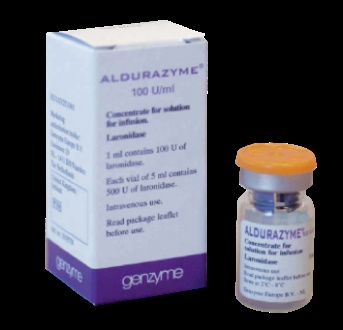
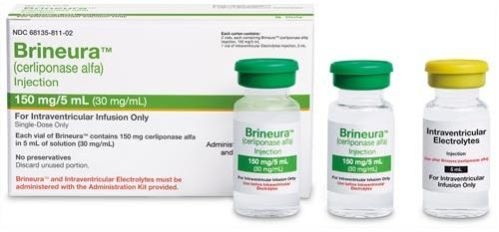
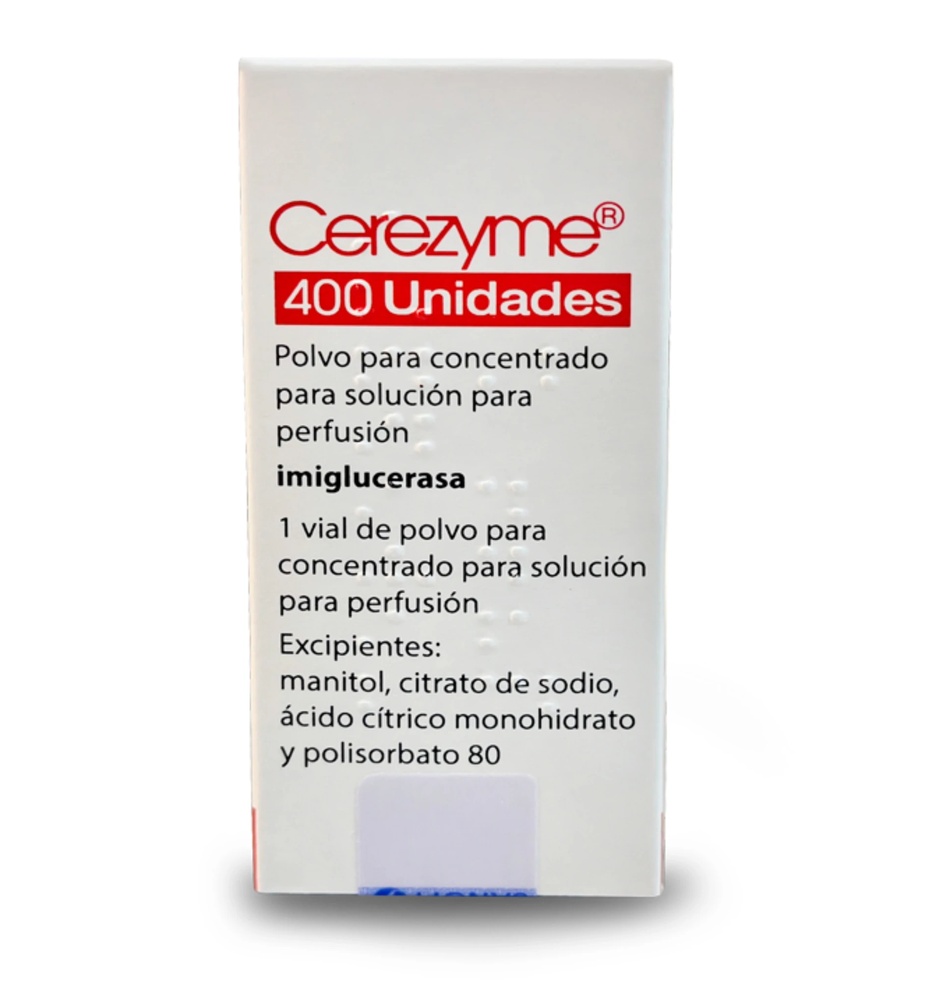
- Alternatives to KANUMA 2 mg/ml CONCENTRATE FOR INFUSION SOLUTIONDosage form: INJECTABLE INFUSION, 100 UActive substance: laronidaseManufacturer: Sanofi B.V.Prescription requiredDosage form: INJECTABLE PERFUSION, 30 mg/mlActive substance: cerliponase alfaManufacturer: Biomarin International LimitedPrescription requiredDosage form: INJECTABLE INFUSION, UnknownActive substance: imigluceraseManufacturer: Sanofi B.V.Prescription required
Online doctors for KANUMA 2 mg/ml CONCENTRATE FOR INFUSION SOLUTION
Discuss questions about KANUMA 2 mg/ml CONCENTRATE FOR INFUSION SOLUTION, including use, safety considerations and prescription review, subject to medical assessment and local regulations.





Frequently Asked Questions
