


IRBESARTAN/HYDROCHLOROTHIAZIDE PENSA 150 mg/12.5 mg TABLETS
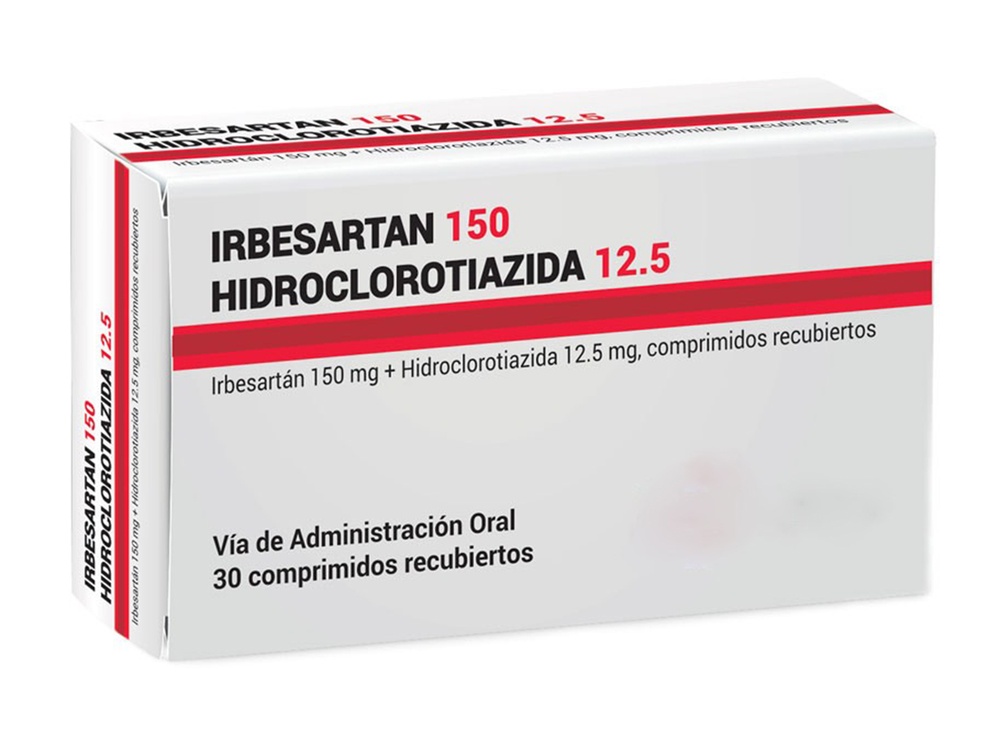



How to use IRBESARTAN/HYDROCHLOROTHIAZIDE PENSA 150 mg/12.5 mg TABLETS
Translated with AI
This page provides general information and does not replace a doctor’s consultation. Always consult a doctor before taking any medication. Seek urgent medical care if symptoms are severe.
Show originalContents of the leaflet
- Introduction
- What is Irbesartan/Hydrochlorothiazide Pensa and what is it used for
- What you need to know before taking Irbesartan/Hydrochlorothiazide Pensa
- How to take Irbesartan/Hydrochlorothiazide Pensa
- Possible Adverse Effects
- Conservation of Irbesartan/Hydrochlorothiazide Pensa
- Package Contents and Additional Information
Introduction
Leaflet: Information for the user
Irbesartan/Hydrochlorothiazide Pensa 150 mg/12.5 mg tabletEFG
Read the entire leaflet carefully before starting to take the medicine, as it contains important information for you.
- Keep this leaflet, as you may need to read it again.
- If you have any questions, ask your doctor or pharmacist.
- This medicine has been prescribed to you only, and you should not give it to others, even if they have the same symptoms as you, as it may harm them.
- If you experience side effects, consult your doctor or pharmacist, even if they are not listed in this leaflet. See section 4.
Contents of the leaflet
- What is Irbesartan/Hydrochlorothiazide Pensa and what is it used for
- What you need to know before taking Irbesartan/Hydrochlorothiazide Pensa
- How to take Irbesartan/Hydrochlorothiazide Pensa
- Possible side effects
- Storage of Irbesartan/Hydrochlorothiazide
- Package contents and additional information
1. What is Irbesartan/Hydrochlorothiazide Pensa and what is it used for
Irbesartan/Hydrochlorothiazide Pensa is a combination of two active substances, irbesartan and hydrochlorothiazide.
Irbesartan belongs to a group of medicines known as angiotensin-II receptor antagonists. Angiotensin-II is a substance produced in the body that binds to blood vessel receptors, causing them to contract. This leads to an increase in blood pressure. Irbesartan prevents angiotensin-II from binding to these receptors, relaxing blood vessels and reducing blood pressure.
Hydrochlorothiazide belongs to a group of medicines called thiazide diuretics, which increase the amount of urine eliminated, reducing blood pressure.
The two active substances in irbesartan/hydrochlorothiazide work together to achieve a greater reduction in blood pressure than either substance alone.
Irbesartan/Hydrochlorothiazide is used to treat high blood pressure, when treatment with only irbesartan or only hydrochlorothiazide does not provide adequate control of blood pressure.

2. What you need to know before taking Irbesartan/Hydrochlorothiazide Pensa
Do not take Irbesartan/Hydrochlorothiazide Pensa
- if you are allergic to irbesartan or any of the other ingredients of this medicine (listed in section 6)
- if you are allergic to hydrochlorothiazide or any other chemically related sulfonamide (for more information, ask your doctor or pharmacist)
- if you are pregnant for more than 3 months. (In any case, it is best to avoid taking this medicine during the start of your pregnancy - see section Pregnancy)
- if you have severe liver or kidney problems
- if you have difficulty urinating
- if your doctor detects that you have persistently elevated calcium or low potassium levels in your blood.
- if you have diabetes or kidney failure and are being treated with a blood pressure-lowering medicine that contains aliskiren.
Warnings and precautions
Consult your doctor or pharmacist before starting to take Irbesartan/Hydrochlorothiazide Pensa and in any of the following cases:
- if you have excessive vomiting or diarrhea
- if you have kidney problems or have had a kidney transplant
- if you have heart problems
- if you have liver problems
- if you have diabetes
- if you experience low blood sugar levels (symptoms may include sweating, weakness, hunger, dizziness, tremors, headache, flushing or pallor, numbness, rapid heartbeat), especially if you are being treated for diabetes
- if you have lupus erythematosus (also known as lupus or LES)
- if you have primary aldosteronism (a condition related to excessive production of the hormone aldosterone, leading to sodium retention and increased blood pressure).
- if you are taking any of the following medicines used to treat high blood pressure (hypertension):
- an angiotensin-converting enzyme inhibitor (ACE inhibitor) (e.g., enalapril, lisinopril, ramipril), particularly if you have kidney problems related to diabetes
- aliskiren
- if you have had skin cancer or if you develop an unexpected skin lesion during treatment. Treatment with hydrochlorothiazide, especially long-term use at high doses, may increase the risk of certain types of skin and lip cancer (non-melanoma skin cancer). Protect your skin from sun and UV exposure while taking Irbesartan/Hydrochlorothiazide Pensa
- if you have had respiratory or lung problems (such as inflammation or fluid in the lungs) after taking hydrochlorothiazide in the past. If you experience shortness of breath or severe difficulty breathing after taking Irbesartan/Hydrochlorothiazide Pensa, seek medical attention immediately.
Consult your doctor if you experience abdominal pain, nausea, vomiting, or diarrhea after taking Irbesartan/Hydrochlorothiazide Pensa. Your doctor will decide whether to continue treatment. Do not stop taking Irbesartan/Hydrochlorothiazide Pensa on your own.
Your doctor may monitor your kidney function, blood pressure, and blood electrolyte levels (e.g., potassium) at regular intervals.
See also the information under the heading "Do not take Irbesartan/Hydrochlorothiazide Pensa"
If you are pregnant, think you may be pregnant, or plan to become pregnant, inform your doctor. Irbesartan/Hydrochlorothiazide is not recommended during the first trimester of pregnancy (first 3 months) and should not be taken after the third month of pregnancy, as it may cause serious harm to your baby (see section Pregnancy)
You must also inform your doctor:
- if you are on a low-salt diet
- if you experience any of the following signs: feeling of thirst, dry mouth, general weakness, feeling of sleepiness, muscle pain or cramps, nausea, vomiting, or rapid heartbeat, as they may indicate an excessive effect of hydrochlorothiazide (contained in Irbesartan/Hydrochlorothiazide Pensa)
- if you experience increased skin sensitivity to the sun with symptoms of sunburn (such as redness, itching, swelling, blisters) that occurs more quickly than usual,
- if you are going to have surgery (surgical intervention) or if you are going to be given anesthetics.
- if you experience vision loss or eye pain when taking Irbesartan/Hydrochlorothiazide Pensa. These could be symptoms of fluid accumulation in the vascular layer of the eye (choroidal effusion) or increased pressure in the eye (glaucoma) and can occur within hours to weeks after taking Irbesartan/Hydrochlorothiazide Pensa. This can lead to permanent vision loss if not treated. If you have previously had an allergy to penicillin or sulfonamide, you may be at higher risk of developing it. You should stop treatment with Irbesartan/Hydrochlorothiazide Pensa and seek immediate medical attention.
Hydrochlorothiazide in this medicine may cause positive results in doping tests.
Children and adolescents
Irbesartan Hydrochlorothiazide Zentiva should not be given to children and adolescents (under 18 years of age).
Other medicines and Irbesartan/Hydrochlorothiazide Pensa
Tell your doctor or pharmacist if you are using, have recently used, or might use any other medicines, including those obtained without a prescription.
Diuretics, such as hydrochlorothiazide in Irbesartan/Hydrochlorothiazide Pensa, may interact with other medicines. You should not take preparations containing lithium with Irbesartan/Hydrochlorothiazide Pensa without your doctor's supervision.
Your doctor may need to adjust your dose and/or take other precautions.
If you are taking an angiotensin-converting enzyme inhibitor (ACE inhibitor) or aliskiren (see also the information under the headings "Do not take Irbesartan/Hydrochlorothiazide Pensa" and "Warnings and precautions").
You may need to haveblood testsif you take:
- potassium supplements,
- potassium-containing salt substitutes,
- potassium-sparing diuretics or other diuretics (tablets that increase urine production),
- certain laxatives,
- medicines used to treat gout,
- vitamin D supplements,
- medicines to control heart rhythm,
- medicines for diabetes (oral agents such as repaglinide or insulins).
- carbamazepine (a medicine for treating epilepsy).
It is also important to inform your doctor if you are taking other medicines to lower your blood pressure, steroids, cancer treatments, painkillers, medicines for arthritis, or cholestyramine or colestipol resins to reduce blood cholesterol levels.
Taking Irbesartan/Hydrochlorothiazide Pensa with food, drinks, and alcohol
Irbesartan/Hydrochlorothiazide can be taken with or without food.
Due to the hydrochlorothiazide in Irbesartan/Hydrochlorothiazide Pensa, if you drink alcohol while taking this medicine, you may experience increased dizziness when standing up, especially when getting up from a seated position.
Pregnancy and breastfeeding
Pregnancy
If you are pregnant or breastfeeding, think you may be pregnant, or plan to become pregnant, consult your doctor before using this medicine. Your doctor will usually advise you to stop taking irbesartan/hydrochlorothiazide before becoming pregnant or as soon as you become pregnant and recommend taking another anti-hypertensive medicine instead. Irbesartan/hydrochlorothiazide is not recommended during the first trimester of pregnancy (first 3 months) and should not be taken after the third month of pregnancy, as it may cause serious harm to your baby.
Breastfeeding
Tell your doctor if you are about to start or are breastfeeding, as irbesartan/hydrochlorothiazide is not recommended for women during this period. Your doctor may decide to prescribe a treatment that is more suitable if you want to breastfeed, especially for newborns or premature babies.
Driving and using machines
It is unlikely that irbesartan/hydrochlorothiazide will affect your ability to drive or use machines. However, during treatment for high blood pressure, dizziness or fatigue may occasionally occur. If you experience these symptoms, talk to your doctor before driving or using machines.
Irbesartan/Hydrochlorothiazide Pensa contains castor oil, lactose, and sodium
This medicine may cause stomach upset and diarrhea because it contains hydrogenated castor oil.
This medicine contains lactose. If your doctor has told you that you have an intolerance to certain sugars, consult with them before taking this medicine.
This medicine contains less than 1 mmol of sodium (23 mg) per tablet; it is essentially "sodium-free".
3. How to take Irbesartan/Hydrochlorothiazide Pensa
Follow the instructions for taking this medicine exactly as indicated by your doctor. If you are unsure, consult your doctor or pharmacist again.
Dose
The recommended dose of irbesartan/hydrochlorothiazide is one or two tablets per day. In general, your doctor will prescribe irbesartan/hydrochlorothiazide when previous treatments you received did not sufficiently reduce your blood pressure. Your doctor will advise you on how to switch from previous treatments to Irbesartan/Hydrochlorothiazide Pensa.
Method of administration
Irbesartan/Hydrochlorothiazide is taken orally. The tablets should be swallowed with a sufficient amount of liquid (e.g., a glass of water). You can take irbesartan/hydrochlorothiazide with or without food. Try to take your daily dose at the same time each day. It is important that you continue taking irbesartan/hydrochlorothiazide until your doctor advises you to stop.
The maximum blood pressure-lowering effect should be achieved within 6-8 weeks after starting treatment.
Use in children and adolescents
Children should not take Irbesartan/Hydrochlorothiazide Pensa.
Irbesartan/Hydrochlorothiazide should not be given to children under 18 years of age. If a child swallows some tablets, contact your doctor immediately.
If you take more Irbesartan/Hydrochlorothiazide Pensa than you should
If you accidentally take too many tablets, contact your doctor immediately.
In case of overdose or accidental ingestion, go to a Medical Center or call the Toxicology Information Service, phone 91 562 04 20, indicating the medicine and the amount used. It is recommended to bring the packaging and leaflet of the medicine.
If you forget to take Irbesartan/Hydrochlorothiazide Pensa
If you accidentally miss a dose, simply take your normal dose when it is due next. Do not take a double dose to make up for missed doses.
If you have any further questions about the use of this medicine, ask your doctor or pharmacist.

4. Possible Adverse Effects
Like all medicines, this medicine can cause adverse effects, although not all people suffer from them.
Some of these effects can be serious and may require medical attention.
Rarely, cases of allergic skin reactions (skin rash, hives) have been reported in patients treated with irbesartan, as well as localized inflammation in the face, lips, and/or tongue. If you have any of the above symptoms or experience shortness of breath, stop taking irbesartan/hydrochlorothiazide and contact your doctor immediately.
The frequency of the adverse effects listed below is defined using the following convention:
Frequent: may affect up to 1 in 10 people
Infrequent: may affect up to 1 in 100 people
Very rare: may affect up to 1 in 10,000 people. The adverse effects reported in clinical studies for patients treated with irbesartan/hydrochlorothiazide were:
Frequent Adverse Effects(may affect up to 1 in 10 people)
- nausea/vomiting
- urination anomalies
- fatigue
- dizziness (including that which occurs when standing up from a lying or sitting position)
- blood tests may show elevated levels of an enzyme that measures muscle and heart function (creatine kinase) or elevated levels of substances that measure kidney function (urea nitrogen in the blood, creatinine).
If any of these adverse effects cause you problems, consult your doctor.
Infrequent Adverse Effects(may affect up to 1 in 100 people)
- diarrhea
- low blood pressure
- fainting
- tachycardia
- flushing
- fluid retention (edema)
- sexual dysfunction (sexual function disorders)
- blood tests may show low levels of sodium and potassium in your blood
If any of these adverse effects cause you problems, consult your doctor.
Adverse Effects Since the Marketing of Irbesartan/Hydrochlorothiazide Pensa
Since the marketing of irbesartan/hydrochlorothiazide, some adverse effects have been reported. The adverse effects observed with unknown frequency are: headache, ringing in the ears, cough, altered taste, indigestion, joint and muscle pain, liver function disorders, and kidney failure, high levels of potassium in the blood, and allergic reactions such as skin rash, hives, swelling of the face, lips, mouth, tongue, or throat.
Also, rare cases of jaundice (yellowing of the skin and/or whites of the eyes) have been observed.
As with all combinations of two active principles, the adverse effects associated with each component cannot be excluded.
Adverse Effects Associated Only with Irbesartan
In addition to the adverse effects described above, chest pain, severe allergic reactions (anaphylactic shock), and decreased red blood cell count (anemia - symptoms may include fatigue, headaches, difficulty breathing when exercising, dizziness, and paleness) and decreased platelet count (a blood cell essential for blood clotting) and low blood sugar levels have also been observed.
Rare adverse effects (may affect at least 1 in 1,000 people): intestinal angioedema: swelling in the intestine that presents symptoms such as abdominal pain, nausea, vomiting, and diarrhea.
Adverse Effects Associated with Hydrochlorothiazide in Monotherapy
Lack of appetite, stomach irritation; stomach cramps; constipation; jaundice (yellowing of the skin and/or whites of the eyes); pancreatitis characterized by severe upper stomach pain, often with nausea and vomiting; sleep disorders; depression; blurred vision; lack of white blood cells, which can lead to frequent infections, fever; decreased platelet count (blood cells essential for blood clotting), decreased red blood cell count (anemia) characterized by fatigue, headaches, shortness of breath when exercising, dizziness, and paleness; kidney disease; pulmonary disorders including pneumonia or fluid accumulation in the lungs; increased skin sensitivity to the sun; inflammation of blood vessels; a skin disease characterized by peeling of the skin all over the body; cutaneous lupus erythematosus, which is identified by a rash that can appear on the face, neck, and scalp; allergic reactions; weakness and muscle spasms; alteration of heart rhythm; reduction of blood pressure after a change in body position; swelling of the salivary glands; high blood sugar levels; sugar in the urine; increases in some types of blood fats; high levels of uric acid in the blood, which can cause gout.
Very Rare Adverse Effects(may affect up to 1 in 10,000 people):
- Acute respiratory distress (signs include severe respiratory distress, fever, weakness, and confusion).
Unknown Frequency(cannot be estimated from the available data): skin and lip cancer (non-melanoma skin cancer); decreased vision or eye pain due to high pressure [possible signs of fluid accumulation in the vascular layer of the eye (choroidal effusion) or acute angle-closure glaucoma].
It is known that the adverse effects associated with hydrochlorothiazide can increase with higher doses of hydrochlorothiazide.
Reporting of Adverse Effects:
If you experience any type of adverse effect, consult your doctor or pharmacist, even if it is a possible adverse effect that does not appear in this prospectus. You can also report them directly through the Spanish Pharmacovigilance System for Human Use Medicines: https://www.notificaram.es. By reporting adverse effects, you can contribute to providing more information on the safety of this medicine.
5. Conservation of Irbesartan/Hydrochlorothiazide Pensa
Keep this medicine out of sight and reach of children.
Do not use Irbesartan/Hydrochlorothiazide Pensa after the expiration date that appears on the packaging after "CAD". The expiration date is the last day of the month indicated.
No special storage conditions are required.
Medicines should not be thrown away through wastewater or household waste. Deposit the packaging and medicines you no longer need at the SIGRE point in the pharmacy. In case of doubt, ask your pharmacist how to dispose of the packaging and medicines you no longer need. This way, you will help protect the environment.
6. Package Contents and Additional Information
Composition of Irbesartan/Hydrochlorothiazide Pensa
- The active ingredients are irbesartan and hydrochlorothiazide.
- The other components (excipients) are povidone (E-1201), microcrystalline cellulose (E-460), sodium croscarmellose, lactose monohydrate, magnesium stearate (E-470B), anhydrous colloidal silica, gluten-free cornstarch, and hydrogenated castor oil.
Appearance of the Product and Package Contents
Irbesartan/Hydrochlorothiazide Pensa 150 mg/12.5 mg tablets are presented in the form of cylindrical, biconvex, and white tablets, marked with the code "IH1" on one side, which contain 150 mg of irbesartan and 12.5 mg of hydrochlorothiazide.
Irbesartan/Hydrochlorothiazide Pensa 150 mg/12.5 mg tablets are presented in packages containing 28 tablets.
Marketing Authorization Holder
Towa Pharmaceutical, S.A.
C/ de Sant Martí, 75-97
08107 Martorelles (Barcelona)
Spain
Manufacturer
Laboratorios Cinfa, S.A.
C/ Olaz-Chipi 10, Polígono Industrial Areta
31620 Huarte-Pamplona (Navarra) – Spain
Date of the Last Revision of this Prospectus:December 2024
Detailed information about this medicine is available on the website of the Spanish Agency for Medicines and Health Products (AEMPS) http://www.aemps.gob.es/
- Country of registration
- Average pharmacy price9.65 EUR
- Active substance
- Prescription requiredYes
- Manufacturer
- This information is for reference only and does not constitute medical advice. Always consult a doctor before taking any medication. Oladoctor is not responsible for medical decisions based on this content.
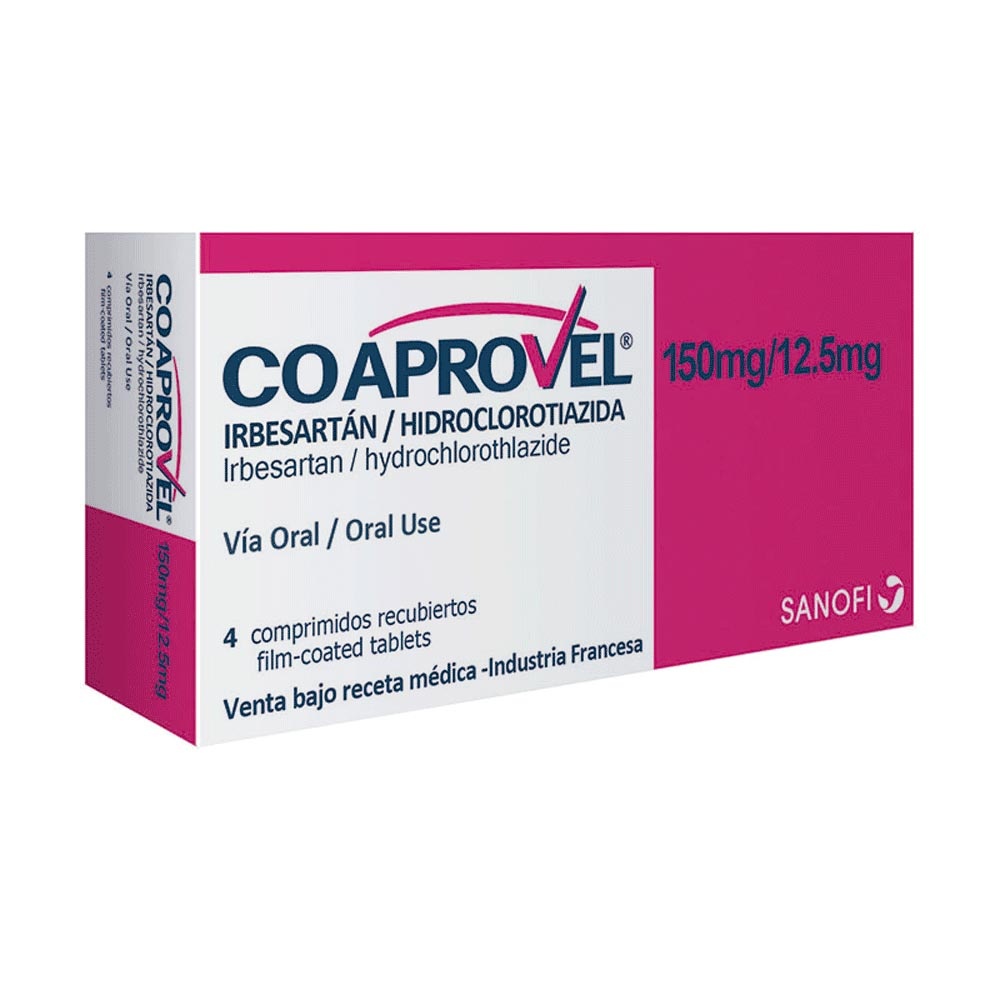
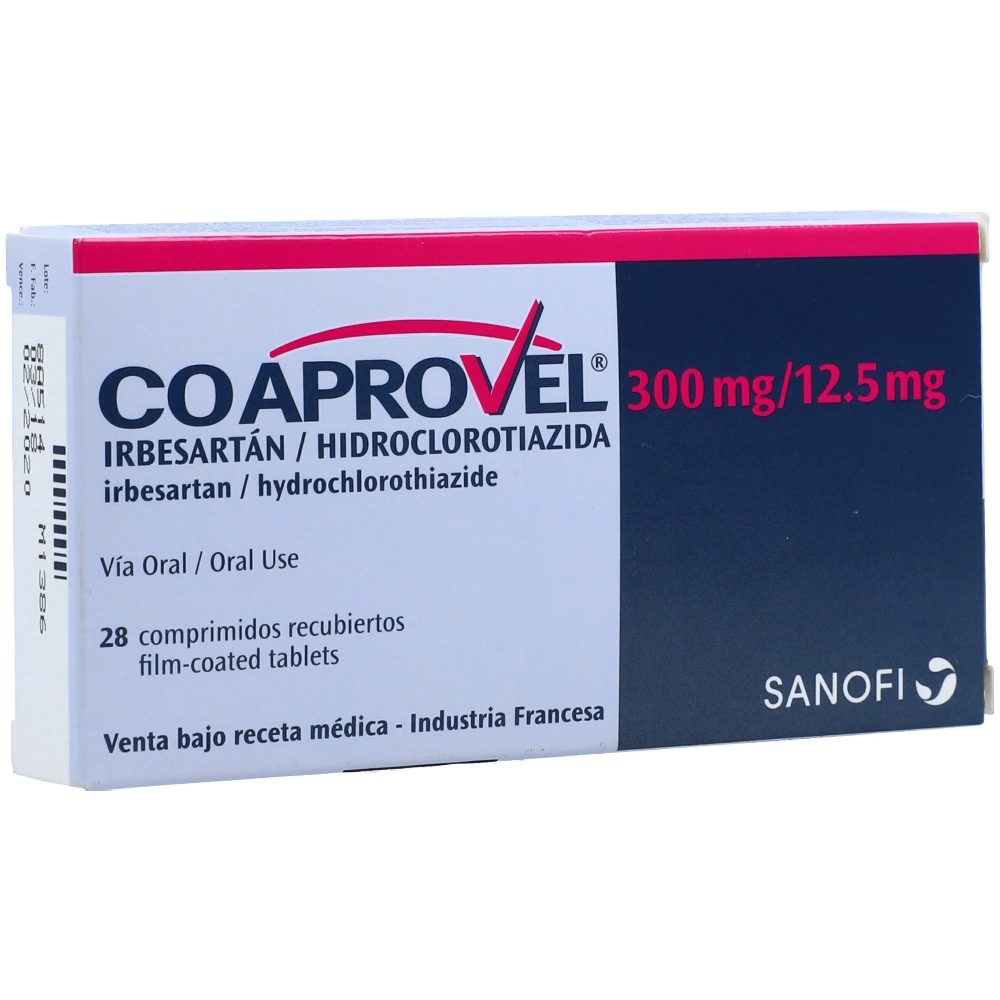
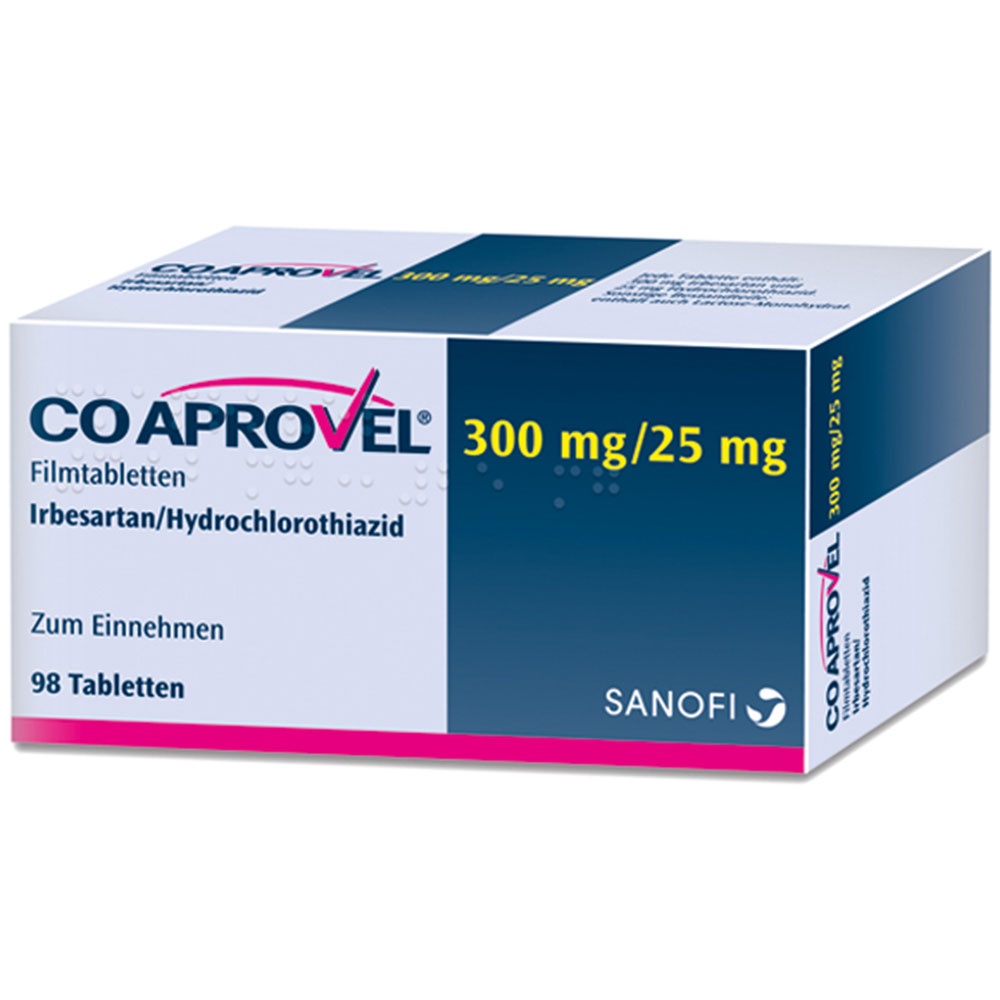
- Alternatives to IRBESARTAN/HYDROCHLOROTHIAZIDE PENSA 150 mg/12.5 mg TABLETSDosage form: TABLET, 150 mgActive substance: irbesartan and diureticsManufacturer: Sanofi Winthrop IndustriePrescription requiredDosage form: TABLET, 300 mgActive substance: irbesartan and diureticsManufacturer: Sanofi Winthrop IndustriePrescription requiredDosage form: TABLET, 300 mgActive substance: irbesartan and diureticsManufacturer: Sanofi Winthrop IndustriePrescription required
Online doctors for IRBESARTAN/HYDROCHLOROTHIAZIDE PENSA 150 mg/12.5 mg TABLETS
Discuss questions about IRBESARTAN/HYDROCHLOROTHIAZIDE PENSA 150 mg/12.5 mg TABLETS, including use, safety considerations and prescription review, subject to medical assessment and local regulations.







Frequently Asked Questions
