


ERYTHROMYCIN PANPHARMA 1 g POWDER FOR SOLUTION FOR INFUSION



How to use ERYTHROMYCIN PANPHARMA 1 g POWDER FOR SOLUTION FOR INFUSION
Translated with AI
This page provides general information and does not replace a doctor’s consultation. Always consult a doctor before taking any medication. Seek urgent medical care if symptoms are severe.
Show originalContents of the leaflet
Introduction
Package Leaflet: Information for the User
Erythromycin Panpharma 1 g, Powder for Solution for Infusion EFG
Erythromycin (in the form of erythromycin lactobionate)
Read all of this leaflet carefully before you start using this medicine because it contains important information for you.
- Keep this leaflet, you may need to read it again.
- If you have any further questions, ask your doctor or pharmacist.
- This medicine has been prescribed for you only. Do not pass it on to others. It may harm them, even if their signs of illness are the same as yours.
- If you get any side effects, talk to your doctor or pharmacist. This includes any possible side effects not listed in this leaflet. See section 4.
Contents of the pack
- What is Erythromycin Panpharma and what is it used for
- What you need to know before you use Erythromycin Panpharma
- How to use Erythromycin Panpharma
- Possible side effects
- Storage of Erythromycin Panpharma
- Contents of the pack and other information
The name of this medicine is “Erythromycin Panpharma 1 g, powder for solution for infusion EFG”, but in this leaflet we will refer to it as «Erythromycin Panpharma».
1. What is Erythromycin Panpharma and what is it used for
Erythromycin Panpharma is an antibiotic that contains erythromycin (in the form of erythromycin lactobionate), which belongs to the group of antibiotics called «macrolides», and acts by preventing the growth and multiplication of bacteria.
Erythromycin Panpharma is indicated for the treatment of severe bacterial infections in adult and pediatric patients, when oral administration of erythromycin is not possible or sufficient or in those patients who require higher concentrations of erythromycin due to the severity of the infection or when patients are allergic or hypersensitive to beta-lactam antibiotics (a class of antibiotics) or when these antibiotics are not suitable for other reasons.
When your doctor has controlled the acute phase of the infection, he will replace the intravenous administration of erythromycin with an oral pharmaceutical form.
Erythromycin Panpharma is indicated for the treatment of infections, such as:
- Respiratory tract infections: pneumonia, whooping cough.
- Ear infections.
- Eye infections (conjunctivitis).
- Infections of the skin and soft tissues (such as muscles, blood vessels, tendons, fat).
- Gastrointestinal infections.
- Urogenital infections (relating to infections of the reproductive and urinary organs).
- Lymphogranuloma venereum (a sexually transmitted disease).
- Diphtheria (a disease of the upper respiratory tract).

2. What you need to know before you use Erythromycin Panpharma
Do not use Erythromycin Panpharma:
- if you are allergic to erythromycin or to any of the other components of this medicine (listed in section 6).
- if you are allergic (or hypersensitive) to other macrolide antibiotics.
- if you are taking any of the following medicines:
- Astemizole, terfenadine (medicines used to treat allergic reactions).
- Disopyramide (an antiarrhythmic used to treat ventricular tachycardia).
- Cisapride (used to treat gastroesophageal reflux disease).
- Pimozide (used to treat psychiatric disorders).
- Ergotamine or dihydroergotamine (for migraine).
- Lovastatin, simvastatin, and atorvastatin (medicines to lower blood cholesterol).
- Class Ia and III antiarrhythmics (used to treat ventricular arrhythmias, to prevent recurrent paroxysmal atrial fibrillation, to treat Wolff-Parkinson-White syndrome, ventricular tachycardia, atrial fibrillation, and atrial flutter).
- Neuroleptics (used to treat psychosis [including delusions, hallucinations, or thought disorders]).
- Tricyclic and tetracyclic antidepressants (used to treat depression).
- Fluoroquinolones (antibiotics used to treat certain infections).
- Arsenic trioxide (used to treat cancer).
- Methadone (used to treat opioid dependence, such as heroin addiction).
- Budipine (an antiparkinsonian).
- Antifungals and antimalarials.
- if you have liver problems. This is because erythromycin is mainly excreted through the liver (see section 3 «How to use Erythromycin Panpharma»).
- if you have any heart problems.
- if you have any electrolyte imbalance disorder (e.g., potassium or magnesium deficiency).
Warnings and precautions
Consult your doctor, pharmacist, or nurse before starting to use Erythromycin Panpharma:
- If you have any heart problems, problems with your heartbeat, such as a prolonged «QT interval» or «ventricular arrhythmia», may occur, so you should consult your doctor, pharmacist, or nurse before using Erythromycin Panpharma.
- Severe allergic reactions may occur. Do not use Erythromycin Panpharma if you are allergic or hypersensitive to erythromycin or to other macrolide antibiotics. Consult your doctor, pharmacist, or nurse before using Erythromycin Panpharma.
- If you have myasthenia gravis, erythromycin may worsen the symptoms, which could cause serious respiratory problems.
- If you are elderly, as you have a higher risk of developing kidney disease. Your doctor will adjust the dose and take into account your renal function (see section 3 «How to use Erythromycin Panpharma»).
It is generally not recommended to use erythromycin in combination with:
- Alfuzosin (used to treat benign prostatic hyperplasia).
- Buspirone (used to treat generalized anxiety disorders).
- Cyclosporine and tacrolimus (used in organ transplantation to prevent rejection).
- Colchicine (used to treat gout).
- Ebastine (an antihistamine).
- Tolterodine (used to treat urinary incontinence).
- Triazolam (used as a sedative to treat severe insomnia).
This medicine will be administered to you continuously or slowly to avoid pain.
Neonates and children
Contact your doctor immediately if your child vomits (non-bilious explosive vomiting) or has problems eating during treatment with this medicine. Your doctor will decide the dose for your child (see section 3 «How to use Erythromycin Panpharma»).
Using Erythromycin Panpharma with other medicines
If you need to have a urine test, tell your doctor that you are using erythromycin, as it may alter the results of some tests.
Tell your doctor or pharmacist if you are taking, have recently taken, or might take any other medicines.
It is not recommended to administer erythromycin simultaneously with:
- Warfarin and coumarin derivatives (anticoagulants).
- Zopiclone (to induce sleep).
- Theophylline (to facilitate breathing).
- Sildenafil (used to treat erectile dysfunction and pulmonary arterial hypertension).
- Certain cytostatics and vinblastine (used to treat cancer).
- Digoxin (used to treat heart problems).
- Carbamazepine (used to treat epilepsy and neuropathic pain).
- Alfentanil (an anesthetic).
- Bromocriptine (used to treat Parkinson's disease and hyperprolactinemia).
- Cilostazol (used to treat intermittent claudication).
- Methylprednisolone (a corticosteroid used for its anti-inflammatory effects).
- Midazolam (used to induce anesthesia or treat moderate to severe insomnia).
- Omeprazole (used to decrease gastric acid secretion).
- Valproate (an anticonvulsant and mood stabilizer).
- Cimetidine (inhibits gastric acid production).
- Rifampicin (an antibiotic).
- Phenytoin (used as an anticonvulsant).
- Phenobarbital (an anticonvulsant).
- Benzodiazepines (anxiolytic, anticonvulsant, muscle relaxant, sedative, etc. medicines).
- Fexofenadine (used to treat allergic reactions).
- St. John's Wort (Hypericum perforatum) (a medicinal herb used to treat moderate depression).
Pregnancy and breastfeeding
If you are pregnant or breastfeeding, think you may be pregnant, or are planning to have a baby, ask your doctor for advice before taking this medicine.
It has been reported that erythromycin crosses the placenta and reaches the fetus.
Erythromycin is excreted in breast milk.
A decision must be made whether to discontinue breastfeeding or discontinue treatment, taking into account the benefit of breastfeeding for the child and the benefit of treatment for the mother.
Driving and using machines
The appearance of side effects of Erythromycin Panpharma may affect your ability to drive and use machines.
Experience to date indicates that the effect of erythromycin on the ability to concentrate and react is insignificant.
3. How to use Erythromycin Panpharma
Follow exactly the administration instructions of this medicine as indicated by your doctor or pharmacist. If you are in doubt, consult your doctor or pharmacist again. This medicine will always be administered by a doctor or healthcare professional intravenously (in a vein) over 60 minutes.
Use in adults and children over 12 years or weighing more than 40 kg
The recommended dose is 1-2 g per day, which is equivalent to 25 mg/kg/day in divided doses (usually 3-4 doses).
This dose may be increased to 4 g per day in case the infection is very severe.
It is important that you complete the full treatment. Do not stop receiving your treatment prematurely, even if you feel better.
Use in children between 1 month and 12 years or weighing ≤ 40 kg
The recommended dose is 15-20 mg/kg body weight, divided into 3-4 doses.
Your doctor will calculate the exact dose that your child should receive, based on their body weight.
Newborns to 1 month of age
The recommended dose is 10-15 mg/kg, divided into 3 doses.
Your doctor will calculate the exact dose that your child should receive, based on their body weight.
Use in patients with severe kidney disease
Your doctor will calculate the exact dose, according to your renal function.
Use in elderly patients
Your doctor will carefully decide your dose and take into account your renal and hepatic function, as you have a higher risk of developing kidney disease.
If you use more Erythromycin Panpharma than you should
If you think you or your child have been given too much of this medicine, contact your doctor. Symptoms of overdose include ototoxicity (ear damage), hearing loss, severe nausea, vomiting, and diarrhea.
If you forget to use Erythromycin Panpharma
In case of overdose or accidental ingestion, consult your doctor or pharmacist immediately or call the Toxicology Information Service, telephone 915 620 420, indicating the medicine and the amount ingested.
If you think you have missed a dose of this medicine, contact your doctor or any other healthcare professional immediately.
If you stop using Erythromycin Panpharma
Do not stop using this medicine until your doctor tells you to.
If you have any further questions on the use of this medicine, ask your doctor, pharmacist, or nurse.

4. Possible side effects
Like all medicines, this medicine can cause side effects, although not everybody gets them.
If you experience an allergic reaction, a rash and swelling of certain parts of the body, such as the face and neck, accompanied by difficulty breathing, may appear. In this case, you must stop using this medicine and go to the emergency department immediately.
Contact a doctor as soon as possible if you experience a severe skin reaction: a red and scaly rash with bumps under the skin and blisters (pustular exanthematous eruption). The frequency of this side effect is considered unknown (cannot be estimated from the available data).
The most common side effects are anorexia (loss of appetite), nausea, vomiting, abdominal pain, nausea, flatulence, discomfort, cramps, soft stools, or diarrhea.
The following side effects have been reported:
Uncommon(may affect up to 1 in 100 people)
- Fungal infections (candidiasis) of the mouth, accompanied by white patches
- Vaginal inflammation
- Vulvar itching in women
- Allergic reactions
- Widespread skin rash (urticaria)
- Itching
- Redness of the skin, accompanied by increased blood flow (hyperemia)
- Alteration of liver and biliary tract function, detected by blood tests
- Pain or irritation at the injection site
- Swelling and redness of a vein, which will be extremely sensitive to the touch
Rare(may affect up to 1 in 1,000 people):
- Swelling of certain parts of the body, such as the face and neck (edema or allergic angioedema, anaphylaxis)
- Symptoms of loss of appetite (anorexia)
- Epigastric pain that radiates to the back, accompanied by nausea, vomiting, diarrhea, and loss of appetite (pancreatitis)
- Itching accompanied by yellowing of the skin (jaundice), pale stools (cholestasis and cholestatic jaundice)
- Swollen joints
- Fever
- Hubbles
- Skin rashes
- Inflammation of the colon, accompanied by severe diarrhea
Very rare(may affect up to 1 in 10,000 people)
- Unmasking or worsening of a rare disease, with associated muscle weakness (myasthenia gravis)
- Ringing in the ears (tinnitus) and hearing loss, usually transient
- Liver failure to perform its normal activity
- Kidney failure to perform its normal activity
- Severe skin reactions (Stevens-Johnson syndrome and erythema multiforme)
- Peeling of the skin (toxic epidermal necrolysis)
Frequency not known(cannot be estimated from the available data):
- Chest pain, general discomfort
- Irregular heartbeat, strong or rapid heartbeats
- Chest discomfort, difficulty breathing, abnormally rapid and shallow breathing, pain in the upper part of the spine
- Dyspnea (including asthmatic symptoms)
- Visual disturbances, including diplopia and blurred vision
- Psychiatric disturbances (such as mood changes and altered sense of reality)
- Confusion, hallucinations
- Feeling of dizziness, drowsiness, vertigo
- Seizures, convulsions
- Low blood pressure (hypotension)
- Blood disorders that affect blood cells and are usually detected by blood tests
- Headaches
Other side effects in neonates and children
Vomiting (non-bilious explosive vomiting) or problems eating and loss of appetite (infantile hypertrophic pyloric stenosis)
Reporting of side effects
If you experience any side effects, talk to your doctor, pharmacist, or nurse. This includes any possible side effects not listed in this leaflet. You can also report them directly through the Spanish Pharmacovigilance System for Human Use www.notificaram.es. By reporting side effects, you can help provide more information on the safety of this medicine.
5. Storage of Erythromycin Panpharma
Keep this medicine out of the sight and reach of children.
Do not use this medicine after the expiry date which is stated on the vial and carton after EXP. The expiry date is the last day of the month stated.
After reconstitution:
The diluted solutions should be used immediately.
Do not freeze the reconstituted solution.
Reconstituted solution: Physical-chemical stability has been demonstrated for 24 hours in the refrigerator (2-8°C).
Diluted solution: Physical-chemical stability has been demonstrated for 24 hours in the refrigerator (2-8°C).
From a microbiological point of view, the product should be used immediately.
If it is not used immediately, the time and conditions of storage prior to use are the responsibility of the user and should not exceed 24 hours in the refrigerator, unless the reconstitution or dilution has been carried out under controlled and validated sterile conditions.
Medicines should not be disposed of via wastewater or household waste. Place the empty container and unused medicine in the SIGRE collection point at the pharmacy or in any other medicine waste collection system. If you are in doubt, ask your pharmacist how to dispose of the empty container and any unused medicine. This will help protect the environment.
6. Container Content and Additional Information
Composition of Eritromicina Panpharma
- The active ingredient is erythromycin lactobionate.
Each vial contains 1 gram of erythromycin.
This medication does not contain any other components.
Appearance of the Product and Container Content
Before its reconstitution, Eritromicina Panpharma is a hygroscopic powder for solution for infusion, with a color ranging from white to light yellow, contained in a glass vial. After reconstitution, the solution is transparent and colorless.
Eritromicina Panpharma is marketed in packs of 1, 10 or 25 glass vials. Only some pack sizes may be marketed.
Marketing Authorization Holder and Manufacturer
Marketing Authorization Holder
PANPHARMA
Z.I. DU CLAIRAY
35133 LUITRE
FRANCE
Manufacturer:
PANPHARMA
10 RUE DU CHÊNOT
PARC D’ACTIVITÉ DU CHÊNOT
56380 BEIGNON
FRANCE
or
PANPHARMA
Z.I du Clairay - Fougeres - F-35133 – France
You can request more information about this medication by contacting the local representative of the marketing authorization holder:
Pharmavic Ibérica S.L.
C/Compositor Lehmberg Ruiz, 6
Edificio Ibiza, Oficina 7
29007 Málaga, Spain
This medication is authorized in the Member States of the European Economic Area under the following names:
Germany | ERYTHROMYCIN PANPHARMA 1 g powder for solution for infusion |
Denmark | ERYTHROMYCIN PANPHARMA 1 g, powder for infusion solution |
Spain | ERITROMICINA PANPHARMA 1 g, powder for solution for infusion EFG |
Finland | Erythromycin Panpharma 1 g, powder for infusion solution |
Norway | Erythromycin Panpharma 1 g, powder for infusion solution |
Sweden | Erythromycin Panpharma 1 g, powder for infusion solution |
Date of the last revision of this prospectus: July 2020
Detailed and updated information on this medication is available on the website of the Spanish Agency for Medicines and Health Products (AEMPS) http://www.aemps.gob.es/
This information is intended only for healthcare professionals:
If you want more information about resistance data, consult the technical sheet of erythromycin or Eritromicina Panpharma.
Posology
Use in adults and children over 12 years or over 40 kg in weight
The recommended dose is 1-2 g per day, which is equivalent to 25 mg/kg/day in divided doses (usually 3-4 doses).
Severe infections
In the case of severe infections, the dosage regimen can be increased up to 4 g per day, equivalent to 50 mg/kg/day.
The maximum daily dose is 4 g.
Use in children up to 12 years or weighing ≤40 kg
From 1 month to 12 years: The daily dose for infants and children up to 12 years of age to treat most infections is 15-20 mg of erythromycin/kg of body weight, divided into 3-4 doses. This dose may be doubled depending on the indication.
Full-term newborns (from birth to 1 month of age)
10-15 mg/kg/day, divided into 3 doses.
Impaired renal or hepatic function
Patients with hepatic insufficiency:
When hepatic function is normal, erythromycin is concentrated in the liver and excreted in the bile. Although the effect of impaired hepatic function on the excretion of erythromycin and its half-life in this patient population is unknown, caution should be exercised when administering the antibiotic in these cases, especially in those patients who suffer from acute hepatic insufficiency and receive high doses of erythromycin. In this case, monitoring of serum concentrations and a reduction in dose are required.
Patients with renal insufficiency:
The low percentage of renal excretion would indicate that it is not necessary to modify the dosage regimen in patients with renal insufficiency (mild to moderate renal insufficiency, with a creatinine clearance greater than 10 ml/min).
However, cases of toxicity have been reported in patients with moderate to severe renal insufficiency, and in these cases, a dose adjustment is recommended.
- Administration of doses ≥4 g/day could increase the risk of erythromycin-induced hearing loss in elderly patients, especially those with renal or hepatic insufficiency.
- When there is moderate to severe renal insufficiency (with serum creatinine levels of 2.0 mg/dl, renal failure accompanied by anuria), the maximum daily dose in the case of adolescents over 14 years and adults (with a weight over 50 kg) is 2 g of erythromycin per day.
- In the case of patients with severe renal insufficiency (creatinine clearance levels below 10 ml/min), the dose of erythromycin should be reduced to 50-75% of the usual dose, with administration according to the usual treatment regimen. The maximum daily dose should not exceed 2 g.
Erythromycin is not eliminated by hemodialysis or peritoneal dialysis. Therefore, in the case of patients undergoing regular dialysis, an additional dose is not recommended.
Elderly population
The adult dose should be administered with caution. Elderly patients, especially those with decreased renal or hepatic function, may have a higher risk of erythromycin-induced hearing loss if they receive doses of erythromycin of 4 g/day or higher.
Method of administration
Precautions to be taken before handling or administering the medication
To consult the instructions for reconstituting the medication before administration, see section 6.6.
Erythromycin can be administered by continuous or intermittent intravenous infusion.
The infusion should be administered over 60 minutes, as rapid infusion can cause local irritation and prolongation of the QT interval, arrhythmias, or hypotension. In the case of patients with risk factors or a history of arrhythmias, the infusion should be administered over a longer period.
To prepare intravenous solutions for intermittent infusion, a minimum of 200 ml of diluent should be used to minimize the appearance of venous irritation.
The concentration of erythromycin should not exceed 5 mg per milliliter, and a concentration of erythromycin of 1 mg/ml (0.1% solution) is recommended.
Erythromycin should only be administered intravenously. Intra-arterial injection is absolutely contraindicated, as it could cause vasospasm, accompanied by ischemia. Intramuscular administration and intravenous bolus injection are also contraindicated.
Intravenous treatment should be replaced by oral administration after 2 to 7 days. Once symptoms have disappeared, treatment with erythromycin should be continued for another 2-3 days to be fully effective.
Warnings and precautions
Neonates and children
If your child vomits or appears irritable related to feeding, contact your doctor immediately, as there is a risk of hypertrophic pyloric stenosis (HPS), which causes severe non-bilious vomiting. If the potential benefits of this medication are not greater than the potential risks, it should not be administered to the pediatric population.
Reconstitution
Each vial is intended for single use.
Two steps are required: reconstitution anddilution.
- Reconstitution:in this step, do not use a 0.9% sodium chloride solution.
- To ensure proper dissolution, gently shake the vial to eliminate the powder content before reconstitution.
- Prepare an initial solution, corresponding to 50 mg/ml of erythromycin base, by adding 20 ml of water for injectable preparations to the contents of the Eritromicina Panpharma vial. When adding the solvent, make sure it comes into contact with the entire wall of the vials (e.g., by holding the vial horizontally).
- Shake vigorously until completely dissolved. Dissolution may be difficult to obtain and may take a few minutes.
The reconstituted solution can be stored in the refrigerator for 24 hours.
- Dilution
Only a 0.9% sodium chloride solution or a 5% glucose solution should be used.
- In the case of intermittent infusion: the solution is prepared by mixing the contents of the reconstituted Eritromicina Panpharma vial (20 ml) up to 200 ml or 500 ml of one of the dilution solvents, obtaining a final concentration of the diluted solution of 5 mg/ml or 2 mg/ml, respectively.
- In the case of continuous infusion: the solution is prepared by mixing the contents of the reconstituted Eritromicina Panpharma vial (20 ml) up to 500 ml or 1000 ml of one of the dilution solvents, obtaining a final concentration of the diluted solution of 2 mg/ml or 1 mg/ml, respectively.
The diluted solution can be stored in the refrigerator for 24 hours. The diluted solution is administered without adding any other substance.
In the case of the pediatric population, the amount of the initial solution to be diluted and the volume of infusion should be adjusted according to the chosen dosage regimen based on the child's weight.
After reconstitution
Diluted solutions should be used immediately.
Disposal of unused medication and all materials that have come into contact with it will be carried out in accordance with local regulations.
Incompatibilities
This medication should not be mixed with others, except those used in reconstitution.
The erythromycin lactobionate solution should not be mixed with β-lactam antibiotics, aminoglycosides, tetracyclines, chloramphenicol, colistin, aminophylline, barbiturates, phenytoin, heparin, phenothiazine, riboflavin (vitamin B2), vitamin B6, and vitamin C due to changes in pH. Therefore, intravenous administration of erythromycin should not be mixed with the listed drugs in an intravenous infusion solution.
The addition of other solutions that alter the pH range of 6-8 decreases the stability of erythromycin lactobionate.
Warning:Sodium chloride solutions or other solutions containing inorganic salts should not be used to prepare the initial solution (see "Reconstitution" section), as precipitates may appear.
- Country of registration
- Availability in pharmacies
Supply issue reported
Data from the Spanish Agency of Medicines (AEMPS) indicates a supply issue affecting this medicine.<br><br>Availability may be limited in some pharmacies.<br><br>For updates or alternatives, consult your pharmacist. - Active substance
- Prescription requiredYes
- Manufacturer
- This information is for reference only and does not constitute medical advice. Always consult a doctor before taking any medication. Oladoctor is not responsible for medical decisions based on this content.
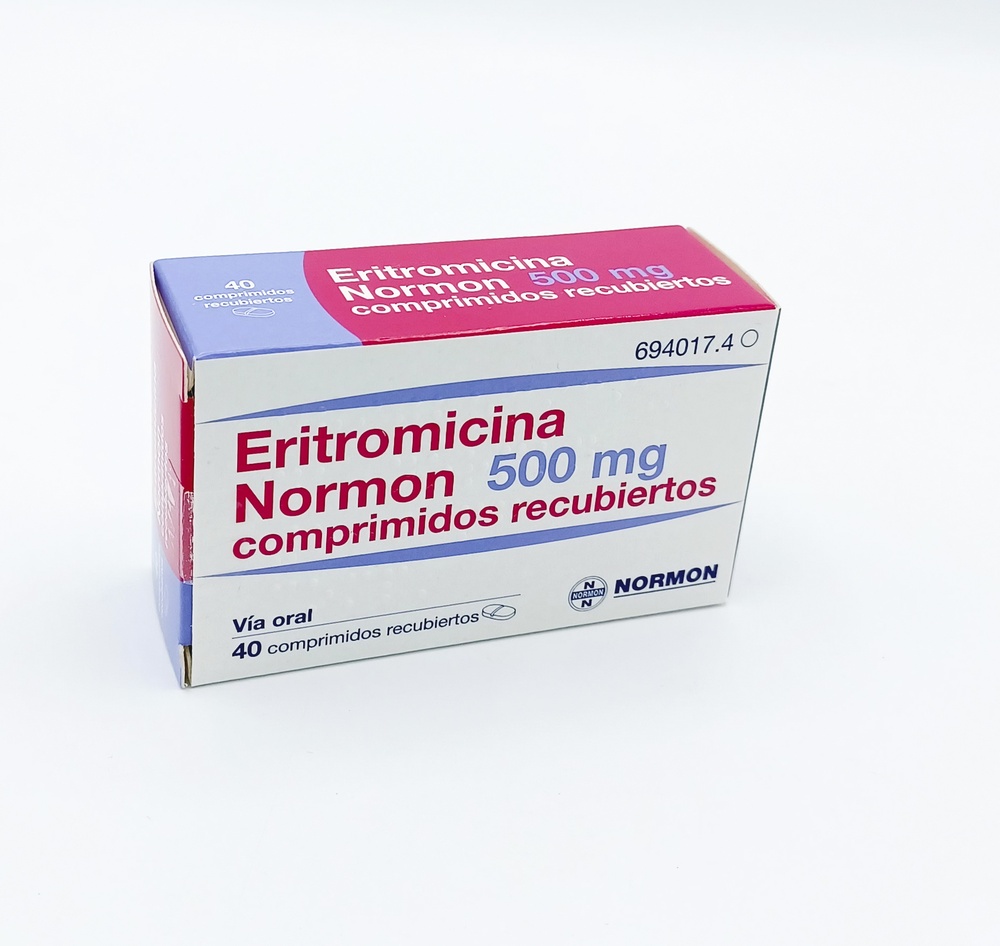
- Alternatives to ERYTHROMYCIN PANPHARMA 1 g POWDER FOR SOLUTION FOR INFUSIONDosage form: TABLET, Erythromycin Ethylsuccinate 500 mgActive substance: erythromycinManufacturer: Laboratorios Normon S.A.Prescription requiredDosage form: ORAL SOLUTION/SUSPENSION, 500 mg erythromycin ethylsuccinate/5 mlActive substance: erythromycinManufacturer: Amdipharm LimitedPrescription requiredDosage form: INJECTABLE PERFUSION, 1 g erythromycinActive substance: erythromycinManufacturer: Amdipharm LimitedPrescription required


Online doctors for ERYTHROMYCIN PANPHARMA 1 g POWDER FOR SOLUTION FOR INFUSION
Discuss questions about ERYTHROMYCIN PANPHARMA 1 g POWDER FOR SOLUTION FOR INFUSION, including use, safety considerations and prescription review, subject to medical assessment and local regulations.











Frequently Asked Questions
