


DUPLAXIL 400 MG FILM-COATED TABLETS
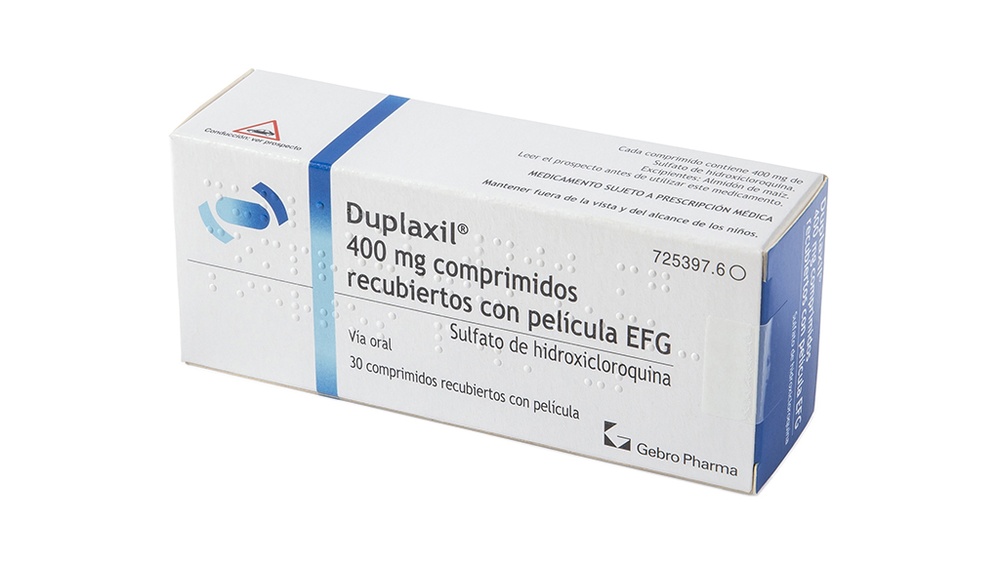



How to use DUPLAXIL 400 MG FILM-COATED TABLETS
Translated with AI
This page provides general information and does not replace a doctor’s consultation. Always consult a doctor before taking any medication. Seek urgent medical care if symptoms are severe.
Show originalContents of the leaflet
Introduction
Package Leaflet: Information for the User
Duplaxil 400 mg film-coated tablets EFG
Hydroxychloroquine sulfate
Read all of this leaflet carefully before you start taking this medicine because it contains important information for you.
- Keep this leaflet, you may need to read it again.
- If you have any further questions, ask your doctor, pharmacist, or nurse.
- This medicine has been prescribed for you only. Do not pass it on to others. It may harm them, even if their signs of illness are the same as yours.
- If you get any side effects, talk to your doctor, pharmacist, or nurse. This includes any possible side effects not listed in this leaflet. See section 4.
Contents of the pack
- What is Duplaxil and what is it used for
- What you need to know before you take Duplaxil
- How to take Duplaxil
- Possible side effects
- Storing Duplaxil
- Contents of the pack and other information
1. What is Duplaxil and what is it used for
Each film-coated tablet of Duplaxil contains 400 mg of hydroxychloroquine sulfate.
Hydroxychloroquine is an antimalarial drug of the 4-hydroxychloroquine family that combines rapid blood schizonticidal activity with gametocytocidal activity and is also classified as a slow-acting antirheumatic drug.
Duplaxil is indicated in adults for:
- The prevention and treatment of uncomplicated malaria caused by sensitive species of Plasmodium, as an alternative to chloroquine (if first-line treatments are not suitable or not available).
- The symptomatic treatment of rheumatoid arthritis.
- The treatment of discoid lupus erythematosus and systemic lupus erythematosus.
- The treatment of skin problems sensitive to sunlight (photodermatosis).
Duplaxil is indicated in adolescents (from 12 years of age) and children from 6 to 11 years (ideal body weight ≥ 31 kg) for:
- The treatment of discoid lupus erythematosus.
- The treatment of systemic lupus erythematosus.
- The prevention and treatment of uncomplicated malaria caused by sensitive species of Plasmodium, as an alternative to chloroquine (when first-line treatments are not suitable or not available).
- The treatment of juvenile rheumatism in combination with other treatments (juvenile idiopathic arthritis).
Hydroxychloroquine is not effective against chloroquine-resistant strains of P. falciparum and is not active against the pre-erythrocytic forms of P. vivax and P. ovale. Therefore, it does not prevent infection caused by these organisms when administered prophylactically, nor does it prevent the recurrence of infection due to these organisms.

2. What you need to know before you take Duplaxil
Do not take Duplaxil:
- if you are allergic to hydroxychloroquine or any of the other ingredients of this medicine (listed in section 6);
- if you have retinopathy, maculopathy;
- if you are allergic to other 4-aminoquinoline compounds (antimalarial agents);
Do not administer hydroxychloroquine to a child under 6 years of age (ideal body weight <31 kg).< p>
Warnings and precautions
Consult your doctor or pharmacist before starting to take hydroxychloroquine, in case of:
- Liver or kidney disorders, or if you are taking medications that may affect the liver and/or kidneys (a dose change may be necessary);
- Gastrointestinal disorders;
- Nervous system disorders;
- Blood disorders;
- Metabolic disorders;
- Conduction disorders;
- Hypersensitivity to quinine;
- Deficiency of an enzyme called glucose-6-phosphate dehydrogenase (the enzyme found in red blood cells);
- Porphyria (a hereditary metabolic disease);
- Chronic inactive hepatitis B virus infection;
- Epilepsy;
- Concomitant use of potentially nephrotoxic or hepatotoxic drugs;
- Pre-existing psoriasis;
- Pregnancy and breastfeeding.
Hydroxychloroquine may cause a decrease in blood glucose levels. Ask your doctor to inform you about the signs and symptoms of low blood glucose. It may be necessary to check your blood glucose level.
When using hydroxychloroquine, you should protect yourself from direct sunlight.
You should not take medications containing gold salts or phenylbutazone (agents for rheumatoid arthritis and gout) at the same time.
Before starting long-term treatment with hydroxychloroquine, it is recommended to perform an eye examination (to assess visual acuity, central visual field, color vision, and fundus) and maintain regular vision checks at least every 3 months during treatment. These checks should be individualized in the following cases:
- for patients where the daily dose exceeds 6.5 mg/kg ideal body weight (lean body mass, see section 3 "How to take Duplaxil");
- in patients with renal insufficiency;
- in patients with cumulative doses of more than 200 g;
- in elderly patients;
- in patients with vision disorders.
If visual problems arise (e.g., reduced visual acuity or loss of color vision), you should discontinue treatment with hydroxychloroquine and consult your doctor for a new eye examination. The risk of retinal diseases depends mainly on the dose. At daily doses of up to 6.5 mg/kg body weight, the risk is low. If this dose is exceeded, the risk of retinal diseases increases significantly.
During long-term treatment, you should also have regular blood tests, as well as muscle and tendon function tests. If abnormalities arise (e.g., changes in blood or muscle weakness), your doctor will decide whether to suspend or not your treatment with hydroxychloroquine.
There have been reports of cardiomyopathy, some of which were fatal, in patients treated with hydroxychloroquine. Your doctor will monitor you for signs and symptoms of cardiomyopathy. Treatment with hydroxychloroquine should be discontinued if cardiomyopathy develops.
In case of conduction disorders (branch block, AV block) and biventricular hypertrophy, chronic toxicity should be suspected.
Hydroxychloroquine may cause cardiac rhythm disorders in some patients: caution should be exercised when using hydroxychloroquine if you were born with or have a family history of prolonged QT interval, if you have developed prolonged QT interval (according to ECG, an electrical recording of the heart), if you have heart disease or a history of heart attack (myocardial infarction), if you have an imbalance of salts in the blood (especially low levels of potassium and magnesium, see section "Other medicines and Duplaxil"). If you experience palpitations or irregular heartbeats during treatment, you should inform your doctor immediately. The risk of heart problems may increase with increasing dose. Therefore, the recommended dose should be followed.
Treatment should not exceed 3 years.
Patients with seizures should be monitored regularly by their doctor.
Hydroxychloroquine has a cumulative effect and may take several weeks to produce a therapeutic effect in the treatment of rheumatoid arthritis or systemic lupus erythematosus. Therefore, side effects may appear rapidly. The efficacy of treatment will be evaluated after 4 to 12 weeks at least.
If there is no improvement after 6 months, treatment should be discontinued.
In the treatment of malaria, it should be taken into account that hydroxychloroquine should be used in combination with other medications in countries with known resistance to chloroquine.
During treatment with hydroxychloroquine, movement disorders (extrapyramidal disorders) may occur.
Some people treated with hydroxychloroquine may experience mental health problems such as irrational thoughts, anxiety, hallucinations, confusion, or depression, including thoughts of self-harm or suicide, even if they have never had similar problems before. If you or others around you notice any of these side effects (see section 4), consult a doctor immediately.
Severe skin reactions have been reported with the use of hydroxychloroquine (see section 4 possible side effects). Often, the rash can consist of ulcers in the mouth, throat, nose, genitals, and conjunctivitis (red and inflamed eyes). These severe skin reactions are often preceded by flu-like symptoms such as fever, headache, and body aches. The skin rash can progress to generalized blisters and skin peeling. If you experience these skin symptoms, stop taking hydroxychloroquine and contact your doctor immediately.
Renal and hepatic impairment
Patients with hepatic or renal impairment, as well as those taking medications that affect these organs, may need a dose reduction of the drug.
Pediatric population
Children are very sensitive to the group of medications to which hydroxychloroquine belongs. Therefore, you should be very careful and keep the product out of sight and reach of children to avoid intoxication.
Elderly
There is no specific information on the comparison of the use of hydroxychloroquine between elderly patients and other age groups.
Other medicines and Duplaxil
Tell your doctor or pharmacist if you are taking, have recently taken, or might take any other medicines.
Some medicines may interact with hydroxychloroquine. It is important that you inform your doctor if you are taking the following medicines:
- Basic therapeutic agents (medicines for the treatment of rheumatoid arthritis). When used at the same time as hydroxychloroquine, these medicines may increase side effects, so they should be avoided with hydroxychloroquine.
- Digoxin (medicine for heart failure). If used at the same time as hydroxychloroquine, it may increase the effect of digoxin. Your doctor should monitor your treatment carefully.
- Antacids (medicines used to treat excessive stomach acid) may reduce the absorption of hydroxychloroquine. There should be at least 4 hours between taking hydroxychloroquine and antacids.
- Cimetidine (gastric acid inhibitor) may delay the excretion of hydroxychloroquine.
- Neostigmine or pyridostigmine (medicines used to treat unwanted muscle relaxation). If used at the same time as hydroxychloroquine, the effect of neostigmine or pyridostigmine may be reduced.
- Aminoglycosides (medicines for the treatment of infections). If used at the same time as hydroxychloroquine, it may increase neuromuscular inhibition.
- Pyrimenthamine/sulfadoxine (antimalarial medicines): The combination of hydroxychloroquine with pyrimenthamine/sulfadoxine significantly increases the risk of skin reactions.
- Insulin: If you have diabetes, hydroxychloroquine may increase the effect of diabetes medications (e.g., insulin), and it may be necessary to reduce the dose of insulin or other antidiabetic medications.
- Tell your doctor if you are taking any medicine that may affect your heart rhythm. This includes medicines used for abnormal heart rhythm (antiarrhythmics), for depression (tricyclic antidepressants), for psychiatric disorders (antipsychotics), for bacterial infections or against malaria (e.g., halofantrine).
- Cyclosporin (medicine used after organ transplantation). If used at the same time as hydroxychloroquine, the blood level of cyclosporin may increase.
- Mefloquine, bupropion (medicines that may reduce the seizure threshold): hydroxychloroquine may decrease the seizure threshold. If used at the same time as hydroxychloroquine, the risk of seizures may increase.
- Anticonvulsants: The efficacy of certain anticonvulsants may be reduced by concomitant administration of hydroxychloroquine.
- Agalsidase (treatment for α-galactosidase). If used at the same time as hydroxychloroquine, the effect of agalsidase may be reduced.
- Praziquantel (antihelmintic medicine). If used at the same time as hydroxychloroquine, the blood level of praziquantel may be reduced.
- Phenylbutazone (an analgesic). If used at the same time as hydroxychloroquine, the probability of exfoliative dermatitis (inflammatory skin disease with scales on the skin) may increase.
- Hepatotoxic substances (avoid drinking large amounts of alcohol) and MAO inhibitors (medicines used for depression) should not be used with hydroxychloroquine.
- Tamoxifen (a medicine used to treat breast cancer): if used at the same time as hydroxychloroquine, it is known to induce retinal toxicity.
- Probenecid (a medicine that prevents an increase in uric acid levels) and indomethacin (an inflammation inhibitor). If used at the same time as hydroxychloroquine, the risk of sensitization and retinopathy may increase.
- Corticosteroid derivatives (medicines for treating allergies and inflammation). If used at the same time as hydroxychloroquine, they may increase myopathy (muscle disease) or cardiomyopathy (heart muscle disease).
- Folic acid antagonists, such as methotrexate (used to treat cancer). If used at the same time as hydroxychloroquine, the effect of folic acid antagonists may be increased.
- Ampicillin (medicine against infections). If used at the same time as hydroxychloroquine, the absorption of ampicillin may be reduced.
- Chloroquine phosphate (antimalarial medicine). When used at the same time as hydroxychloroquine, interactions were observed, as this substance has a similar structure to hydroxychloroquine. Therefore, these side effects cannot be excluded.
- Metronidazole (medicine for the treatment of infections). After ingestion of metronidazole, an acute dystonic reaction (change in muscle tension and alteration in movement) was observed.
- Penicillamine (antirheumatic medicine) may increase the risk of hematological and/or renal side effects, as well as skin reactions.
- Vaccination. Antibody production may be reduced by vaccination against rabies with HDC vaccines (intramuscular vaccination is recommended for rabies prophylaxis). No effect was monitored on routine vaccination (tetanus, diphtheria, measles, poliomyelitis, typhus, and tuberculosis).
Hydroxychloroquine inhibits the CYP2D6 enzyme. Therefore, medicines that inhibit CYP2D6 should not be administered concomitantly with hydroxychloroquine.
Duplaxil with alcohol
Avoid consuming large amounts of alcohol.
Pregnancy, breastfeeding, and fertility
If you are pregnant or breastfeeding, think you may be pregnant, or are planning to have a baby, ask your doctor or pharmacist for advice before taking this medicine. Your doctor will tell you if this medicine is suitable for you.
Pregnancy
Do not use hydroxychloroquine during pregnancy in high daily doses unless your doctor tells you it is necessary because the risk of stopping treatment is greater than the potential risk to the fetus. Hydroxychloroquine may be associated with a small increased risk of major malformations.
Breastfeeding
Hydroxychloroquine passes into breast milk. There is not enough information on the effects of hydroxychloroquine on newborns/infants. Depending on the disease and duration of treatment, your doctor will decide whether you can use this medicine during breastfeeding. If you take this medicine once a week, as in the use for preventing malaria, you do not need to interrupt breastfeeding.
However, this amount is insufficient to prevent malaria in the infant.
Rheumatoid arthritis, lupus erythematosus:
Due to the long half-life and high daily dose of hydroxychloroquine, accumulation should be expected.
Fertility
There are no data on hydroxychloroquine regarding human fertility. In rat studies, chloroquine, a substance related to hydroxychloroquine, reduced testosterone secretion, testicular weight, and epididymal weight and caused abnormal sperm.
Driving and using machines
Do not drive or use tools or machines until you know how this medicine affects you. Side effects such as dizziness and visual disturbances may occur.
In some people, hydroxychloroquine may cause side effects that affect their ability to drive or use machines. Caution is recommended as hydroxychloroquine may reduce vision and cause blurred vision. These side effects may occur especially at the start of treatment.
The ability to drive or use machines may be affected if hydroxychloroquine is taken in combination with alcohol or sedatives.
3. How to take Duplaxil
Follow the administration instructions for this medication exactly as indicated by your doctor or pharmacist. In case of doubt, consult your doctor or pharmacist again.
For oral administration only. The tablets should be taken with food or with a glass of milk. The tablet can be divided into equal doses.
The dose should be applied according to body weight. In people with overweight, the dose should not be based on actual weight, but on ideal weight. If the dose is based on the patient's actual weight, it could cause an overdose in people with overweight.
Rheumatoid Arthritis
Adults:
Initially 400-600 mg per day. Maintenance dose of 200-400 mg per day.
Juvenile Idiopathic Arthritis
Pediatric population:
The minimum effective dose should be used and should not exceed 6.5 mg/kg/day, based on ideal body weight or 400 mg per day (whichever is lower).
Systemic and Discoid Lupus Erythematosus
Adults and adolescents:
Initially 400-600 mg per day. Maintenance dose: 200-400 mg per day.
Maintenance dose:
Weight Hydroxychloroquine mg/day
31-49 kg 200 mg
50-64 kg 200 mg one day - the next day 400 mg, then again 200 mg the next day, etc.
≥ 65 kg 400 mg
Pediatric population:
The minimum effective dose should be used and should not exceed 6.5 mg/kg/day, based on ideal body weight.
Photodermatosis
Adults:
400 mg per day in a single dose.
Treatment should only be administered during periods of maximum exposure to light.
Malaria Prophylaxis
The medication should be administered on the same day of the week every week.
In endemic areas of Plasmodium ovaleand/or Plasmodium vivax, concomitant prophylaxis with primaquine phosphate during the last two weeks or immediately after finishing hydroxychloroquine prophylaxis would be advisable.
Adults:
400 mg (1 tablet) per week.
Prophylaxis should be started one week before arrival and continued for at least 4 weeks after leaving the malaria area.
Pediatric population:
Prophylaxis should be started two weeks before arrival and continued for at least 4 weeks after leaving the malaria area. Prolonged use as malaria prophylaxis should be avoided in children.
The prophylactic weekly dose is 6.5 mg per kg of body weight, but should not exceed the maximum adult dose regardless of body weight.
Treatment of Uncomplicated Malaria
In case of malaria caused by Plasmodium ovale and/or Plasmodium vivax, primaquine phosphate may be added for complete radical treatment.
Adults:
Initially 800 mg (2 tablets), 6 hours later 400 mg (1 tablet) and then 400 mg (1 tablet) per day for 2 or 3 days for people who weigh more than 60 kg.
Pediatric population
Adolescents (from 12 years) and children ≥ 6 years (≥ 31 kg):
A maximum treatment dose of 30 mg/kg based on ideal body weight should be administered over 2 days of treatment, following these guidelines:
Initial dose: 13 mg/kg (not exceeding 800 mg)
Second dose: 6.5 mg/kg (not exceeding 400 mg), 6 hours later.
Third dose: 6.5 mg/kg (not exceeding 400 mg), 24 hours after the first dose.
Fourth dose: 6.5 mg/kg (not exceeding 400 mg), 48 hours after the first dose.
Special population
Patients with reduced renal and hepatic function
The dose may need to be adjusted during treatment in patients with renal or hepatic insufficiency.
Pediatric population
The minimum effective dose should be used and should not exceed the maximum dose for adults regardless of body weight. Hydroxychloroquine is contraindicated in children <6 years (ideal body weight < 31 kg) (see section 2).< p>
If you take more Duplaxil than you should:
If you take more hydroxychloroquine than you should, inform a doctor or go to the hospital emergency department immediately.
Overdose with 4-aminoquinolines is particularly dangerous in babies, as only 1-2g have been fatal.
Symptoms of overdose may include headaches, visual disturbances, cardiovascular collapse, seizures, and alterations in rhythm and conduction, followed by sudden and early cardiopulmonary arrest. Since these effects can occur after massive intake, treatment should be immediate.
If you forget to take Duplaxil
Do not take a double dose to make up for forgotten doses.
If you stop treatment with Duplaxil
Continue taking hydroxychloroquine until your doctor tells you to stop. Do not stop taking hydroxychloroquine even if you feel better. If you do, your disease may worsen.

4. Possible side effects
Like all medicines, this medicine can cause side effects, although not everybody gets them.
Gastrointestinal disorders are the most common side effects, observed in 10-20% of patients. Side effects may disappear spontaneously or by reducing the dose and can usually be prevented with recommended checks.
Side effects are generally reversible, but irreversible side effects have been observed (such as deafness, visual field defects).
Patients with psoriasis seem to have a higher risk of severe skin reactions.
Stop taking Duplaxil and go to a doctor immediately if you notice any of the following serious side effects; you may need urgent medical treatment:
- Severe skin reactions (see section 2, Warnings and precautions) such as:
- rash with fever and flu-like symptoms and lymph node enlargement. It could be a disease called drug reaction with eosinophilia and systemic symptoms (DRESS).
- blisters, widespread scaly skin, spots with pus along with fever. It could be a disease called acute generalized exanthematous pustulosis (AGEP).
- blisters or peeling of the skin around the lips, eyes, mouth, nose, and genitals, flu-like symptoms, and fever. It could be a disease called Stevens-Johnson syndrome (SJS).
- multiple skin lesions, itching, joint pain, fever, and general feeling of discomfort. It could be a disease called toxic epidermal necrolysis (TEN).
- skin reaction, including purple-colored, raised, and painful ulcers, especially on the arms, hands, fingers, face, and neck, which may also be accompanied by fever. It could be a disease called Sweet's syndrome.
- Liver problems. Symptoms may include general feeling of discomfort, with or without jaundice (yellowing of the skin and eyes), dark urine, nausea, vomiting, and/or abdominal pain. Rare cases of liver failure (including fatal cases) have been observed.
Very common side effects(may affect more than 1 in 10 people):
- Nausea
- Abdominal pain
Common side effects(may affect up to 1 in 10 people):
- Decreased appetite
- Emotional instability, such as irritability, nervousness, and agitation.
- Headache
- Visual disturbances such as halos, blurred vision, sensitivity to light, visual acuity problems, and double vision
- Diarrhea with weight loss
- Flatulence
- Vomiting
- Skin rash
- Itching (seen in approximately 40% of patients with systemic lupus erythematosus)
- Disorders of sensory motor function
Uncommon side effects(may affect up to 1 in 100 people):
- Nervousness, insomnia or drowsiness, confusion or paresthesia
- Dizziness
- Changes in the retina causing decreased vision, changes in the visual field, irregular pigmentation, and retinal detachment
- Ringing in the ears
- Abnormal liver function tests
- Activation or increased liver function
- Alopecia
- Changes in skin and mucous membrane pigmentation
- Discoloration of hair and hair loss
Rare side effects(may affect up to 1 in 1,000 people)
- Inhibition of blood vessel formation (bone marrow)
- Changes in blood, such as a reduced number of white blood cells (leukopenia and agranulocytosis), decreased platelet count (thrombocytopenia), and anemia (anemia and aplastic anemia)
- Heart diseases (cardiomyopathy)
- Inflammation of the skin and/or mucous membranes
- Blistering rash
- Hives
Very rare side effects(may affect up to 1 in 10,000 people)
- Reversible phospholipidosis (increase in intracellular phospholipid accumulation)
- Liver failure
Side effects of unknown frequency(cannot be estimated from the available data)
- Bronchospasm leading to shortness of breath
- Metabolic disorder (porphyria)
- Decreased blood sugar levels
- Depression or thoughts of self-harm or suicide, hallucinations, nervousness or anxiety, confusion, agitation, difficulty sleeping, euphoria or overexcitement.
- Seizures, epileptic fits, extrapyramidal disorders such as altered muscle tension, spontaneous gestures, inability to sit still due to tremors
- Corneal opacity, corneal edema, poor visual fields, blurred vision, sensitivity to light
- Maculopathy and macular degeneration
- Hearing loss
- Liver effects and liver failure
- Psoriasis flare-up
- Decreased nerve or muscle function (myopathy or neuromyopathy), which may disappear when treatment is discontinued
- Dulling of reflexes
- Alteration of nerve conduction
- Changes in heart rhythm (your doctor may observe the electrical activity of your heart using an electrocardiogram).
- Light sensitivity reaction
- Skin peeling (exfoliative dermatitis)
- Erythema multiforme (fever, rash on the face, arms, and legs)
Reporting side effects
If you experience any side effects, consult your doctor, pharmacist, or nurse, even if it is a possible side effect not listed in this leaflet. You can also report them directly through the Spanish Pharmacovigilance System for Human Use Medicines: https://www.notificaram.es. By reporting side effects, you can help provide more information on the safety of this medicine.
5. Storage of Duplaxil
Keep this medicine out of the sight and reach of children.
Do not use this medicine after the expiration date stated on the packaging after CAD. The expiration date is the last day of the month indicated.
This medicine does not require special storage conditions.
Medicines should not be disposed of via wastewater or household waste. Place the packaging and any unused medicines in the SIGRE collection point at the pharmacy. If in doubt, ask your pharmacist how to dispose of the packaging and any unused medicines. This will help protect the environment.
6. Package contents and additional information
Duplaxil composition
The active ingredient is hydroxychloroquine sulfate. Each film-coated tablet contains 400 mg of hydroxychloroquine sulfate (equivalent to 310 mg of hydroxychloroquine base).
The other excipients are:
Excipients, core:
Calcium hydrogen phosphate (E 341)
Corn starch
Povidone (E 1201)
Magnesium stearate (E 572)
Excipients, coating (Opadry 85F18422 White):
Polyvinyl alcohol (E 1203)
Titanium dioxide (E 171)
Macrogol (E 1521)
Talc (E 553b)
Product appearance and packaging contents
Duplaxil 400 mg film-coated tablets are white, oblong, and have a score line.
Length: approximately 14 mm
Width: approximately 7 mm
Height: approximately 6 mm
Duplaxil 400 mg film-coated tablets are presented in PVC-aluminum blisters inside a printed cardboard box.
Package sizes: 10, 30, 60, 100 tablets. Some package sizes may not be marketed.
Marketing authorization holder and manufacturer
Marketing authorization holder
Laboratorios Gebro Pharma, S.A.
Avenida Tibidabo, 29
08022 Barcelona, Spain
Manufacturer
Recipharm Parets, S.L.U.
C/ Ramón y Cajal, 2
08150 Parets del Vallès (Barcelona)
Date of the last revision of this leaflet:May 2023
Other sources of information
Detailed information on this medicine is available on the website of the Spanish Agency for Medicines and Health Products (AEMPS) (http://www.aemps.gob.es/)
- Country of registration
- Dosage formTABLET, 400 mg
- ATC codeP01BA02
- Average pharmacy price24.32 EUR
- Availability in pharmacies
Supply issue reported
Data from the Spanish Agency of Medicines (AEMPS) indicates a supply issue affecting this medicine.<br><br>Availability may be limited in some pharmacies.<br><br>For updates or alternatives, consult your pharmacist. - Active substance
- Prescription requiredYes
- Manufacturer
- This information is for reference only and does not constitute medical advice. Always consult a doctor before taking any medication. Oladoctor is not responsible for medical decisions based on this content.
- Alternatives to DUPLAXIL 400 MG FILM-COATED TABLETSDosage form: TABLET, 200 mgActive substance: hydroxychloroquineManufacturer: Products And Technology S.L.Prescription requiredDosage form: TABLET, 300 mgActive substance: hydroxychloroquineManufacturer: Products And Technology S.L.Prescription requiredDosage form: TABLET, 200 mgActive substance: hydroxychloroquineManufacturer: Laboratorios Gebro Pharma S.A.Prescription required
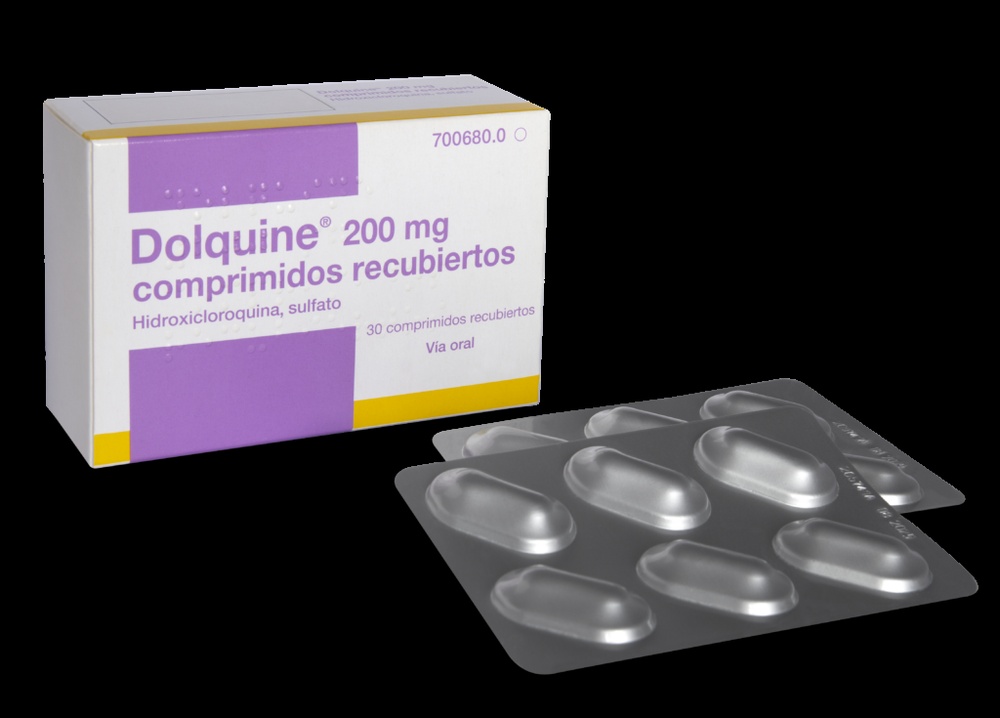


Online doctors for DUPLAXIL 400 MG FILM-COATED TABLETS
Discuss questions about DUPLAXIL 400 MG FILM-COATED TABLETS, including use, safety considerations and prescription review, subject to medical assessment and local regulations.











Frequently Asked Questions
