Background pattern

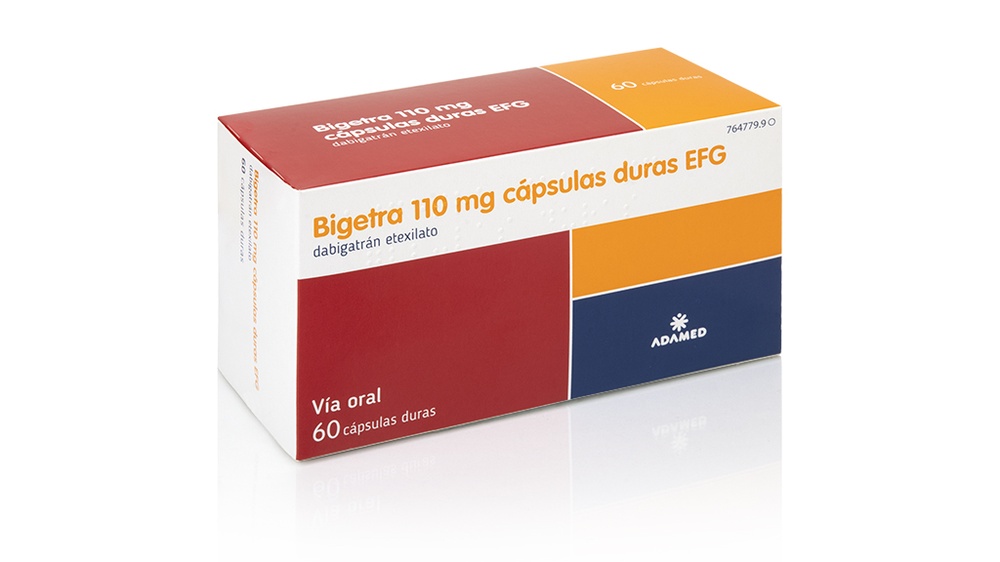
DABIPRAX 150 mg HARD CAPSULES

Ask a doctor about a prescription for DABIPRAX 150 mg HARD CAPSULES

0.0(0)
Doctor

Tomasz Grzelewski

Dermatology20 years of experience

Dr Tomasz Grzelewski is an MD, PhD specialist in allergy, paediatrics, general practice and sports medicine, with a clinical focus on dermatology, endocrinology, allergology and sports-related health. He has more than 20 years of clinical experience and completed his medical training at the Medical University of Łódź, where he defended his PhD thesis with distinction. His doctoral research was recognised by the Polish Society of Allergology for its innovative contribution to the field. Throughout his career, he has gained extensive expertise in diagnosing and managing a wide range of allergic and paediatric conditions, including modern allergen desensitisation techniques.

For five years, Dr Grzelewski served as the Head of two paediatric departments in Poland, managing complex clinical cases and leading multidisciplinary teams. He also worked in medical centres in the United Kingdom, gaining experience across both primary care and specialist environments. With over a decade of telemedicine experience, he has provided online consultations across Europe and is valued for his clear, structured and evidence-based medical guidance.

Dr Grzelewski is actively involved in clinical programmes focused on modern anti-allergic therapies. As a Principal Investigator, he leads research projects on sublingual and oral allergen desensitisation, supporting evidence-based progress in allergy treatment for both children and adults.

In addition to his background in allergology and paediatrics, he completed dermatology studies through the Cambridge Education Group (Royal College of Physicians of Ireland) and a Clinical Endocrinology course at Harvard Medical School. This advanced training enhances his ability to manage skin manifestations of allergies, atopic conditions, urticaria, endocrine-related symptoms and complex immunological reactions.

Patients commonly seek his care for:

  • seasonal and perennial allergies
  • allergic rhinitis and chronic nasal symptoms
  • asthma and breathing difficulties
  • food and medication allergies
  • urticaria, atopic dermatitis and skin reactions
  • recurrent infections in children
  • sports-related health questions
  • general family medicine concerns
Dr Tomasz Grzelewski is known for his clear communication style, structured medical approach and ability to explain treatment options in a concise and accessible way. His multidisciplinary background across allergy, paediatrics, dermatology and endocrinology allows him to provide safe, up-to-date and comprehensive care for patients of all ages.
CameraBook a video appointment
€80
December 1011:00
December 1011:25
December 1011:50
December 1012:15
December 1012:40
More times
This page is for general information. Consult a doctor for personal advice. Call emergency services if symptoms are severe.
About the medicine

How to use DABIPRAX 150 mg HARD CAPSULES

Introduction

Package Leaflet: Information for the User

Dabiprax 150 mg Hard Capsules EFG

dabigatran etexilate

Read all of this leaflet carefully before you start taking this medicine because it contains important information for you.

  • Keep this leaflet, you may need to read it again.
  • If you have any further questions, ask your doctor or pharmacist.
  • This medicine has been prescribed for you only. Do not pass it on to others. It may harm them, even if their signs of illness are the same as yours.

If you experience any side effects, talk to your doctor or pharmacist. This includes any possible side effects not listed in this leaflet. See section 4.

Contents of the pack

  1. What Dabiprax is and what it is used for
  2. What you need to know before you take Dabiprax
  3. How to take Dabiprax
  4. Possible side effects
  5. Storing Dabiprax
  6. Contents of the pack and other information

1. What Dabiprax is and what it is used for

Dabiprax is a medicine that contains the active substance dabigatran etexilate and belongs to a group of medicines called anticoagulants. It works by blocking a substance in the body involved in the formation of blood clots.

Dabiprax is used in adults to:

  • prevent the formation of blood clots in the brain (stroke) and in other blood vessels of the body if you have a type of irregular heartbeat called non-valvular atrial fibrillation and have at least one additional risk factor.
  • treat blood clots in the veins of your legs and lungs and to prevent blood clots from forming again in the veins of your legs and lungs.

2. What you need to know before you take Dabiprax

Do not take Dabiprax

  • if you are allergic to dabigatran etexilate or any of the other ingredients of this medicine (listed in section 6).
  • if your kidney function is severely reduced.
  • if you are currently bleeding.
  • if you have a disease in an organ of the body that increases the risk of severe bleeding (e.g. stomach ulcer, injury or bleeding in the brain, recent brain or eye surgery).
  • if you are prone to bleeding. This tendency may be congenital, of unknown cause, or caused by other medicines.
  • if you are taking medicines to prevent blood clotting (e.g. warfarin, rivaroxaban, apixaban or heparin), except when switching from one anticoagulant treatment to another or while you have a venous or arterial catheter and are given heparin through the catheter to keep it open or while your normal heartbeat is being restored through a procedure called catheter ablation for atrial fibrillation.
  • if your liver function is severely reduced or you have a liver disease that can be life-threatening.
  • if you are taking oral ketoconazole or itraconazole, medicines used to treat fungal infections.
  • if you are taking ciclosporin, a medicine used to prevent organ rejection after a transplant.
  • if you are taking dronedarone, a medicine used to treat irregular heartbeat.
  • if you are taking a combination product of glecaprevir and pibrentasvir, an antiviral medicine used to treat hepatitis C.
  • if you have been implanted with an artificial heart valve that requires permanent anticoagulant treatment.

Warnings and precautions

Talk to your doctor before you start taking Dabiprax. During treatment with Dabiprax, you may also need to talk to your doctor if you experience any symptoms or if you need to have surgery. Tell your doctor if you have or have had any disorder or disease, especially any of the following:

  • If you have an increased risk of bleeding, for example:
  • - if you have recently had bleeding.
  • - if you have had surgical tissue removal (biopsy) in the last month.
  • - if you have had a severe injury (e.g. a bone fracture, a head injury or any injury that required surgical treatment).
  • - if you have inflammation of the esophagus or stomach.
  • - if you have problems with acid reflux in the esophagus.
  • - if you are taking medicines that may increase the risk of bleeding. See "Other medicines and Dabiprax" below.
  • - if you are using anti-inflammatory medicines such as diclofenac, ibuprofen or piroxicam.
  • - if you have a heart infection (bacterial endocarditis).
  • - if you know you have impaired kidney function or if you are dehydrated (symptoms include feeling thirsty and passing small amounts of dark-colored urine [concentrated]).
  • - if you are over 75 years old.
  • if you weigh 50 kg or less.
  • If you have had a heart attack or if you have been diagnosed with diseases that increase the risk of having a heart attack.
  • If you have a liver disease associated with changes in blood tests. The use of Dabiprax is not recommended in this case.

Be careful with Dabiprax

  • If you need to have surgery: In this case, Dabiprax should be temporarily stopped due to an increased risk of bleeding during and after surgery. It is very important that you take Dabiprax before and after surgery exactly at the times indicated by your doctor.
  • If surgery requires the placement of a catheter or injection into the spinal column (e.g. for epidural or spinal anesthesia or for pain relief):
  • It is very important that you take Dabiprax before and after surgery exactly at the times indicated by your doctor.
  • Tell your doctor immediately if you experience numbness or weakness in your legs or bowel or bladder problems after the anesthesia has ended, as this situation requires urgent attention.
  • If you fall or injure yourself during treatment, especially if you hit your head, seek medical help immediately. You may need a doctor to examine you, as you may have an increased risk of bleeding.
  • If you know you have a disease called antiphospholipid syndrome (an immune system disorder that increases the risk of blood clots), tell your doctor so that they can decide if it is necessary to modify the treatment.

Children and adolescents

Dabiprax should not be used in children and adolescents under 18 years of age.

Other medicines and Dabiprax

Tell your doctor or pharmacist if you are using, have recently used or might use any other medicines. In particular, you must tell your doctor before taking Dabiprax if you are taking any of the following medicines:

  • Medicines used to reduce blood clotting (e.g. warfarin, phenprocoumon, acenocoumarol, heparin, clopidogrel, prasugrel, ticagrelor, rivaroxaban, acetylsalicylic acid)
  • Medicines for the treatment of fungal infections (e.g. ketoconazole, itraconazole), unless they are only applied to the skin.
  • Medicines used to treat irregular heartbeat (e.g. amiodarone, dronedarone, quinidine, verapamil) If you are using medicines that contain verapamil, your doctor will tell you to use a reduced dose of Dabiprax. See section 3.
  • Medicines for the prevention of organ rejection after a transplant (e.g. tacrolimus, ciclosporin).
  • A combination product of glecaprevir and pibrentasvir (an antiviral medicine used to treat hepatitis C)
  • Pain-relieving and anti-inflammatory medicines (e.g. acetylsalicylic acid, ibuprofen, diclofenac)
  • St. John's Wort, a herbal medicine for depression
  • Antidepressant medicines called selective serotonin reuptake inhibitors or selective serotonin and norepinephrine reuptake inhibitors
  • Rifampicin or clarithromycin, two antibiotics
  • Antiviral medicines for HIV (e.g. ritonavir)
  • Medicines for the treatment of epilepsy (e.g. carbamazepine, phenytoin)

Pregnancy and breastfeeding

The effects of Dabiprax on pregnancy and the fetus are not known. You should not use Dabiprax if you are pregnant unless your doctor tells you it is safe to do so. If you are of childbearing age, you should avoid becoming pregnant during treatment with Dabiprax.

Breastfeeding is not recommended during treatment with Dabiprax.

Driving and using machines

Dabiprax has no known effects on the ability to drive and use machines.

Dabiprax contains sodium

This medicine contains less than 1 mmol of sodium (23 mg) per capsule; this is essentially "sodium-free".

3. How to take Dabiprax

Follow exactly the instructions of administration of this medicine given to you by your doctor. If you are not sure, talk to your doctor or pharmacist.

The recommended dose is 300 mg given as one 150 mg capsule twice daily.

If you are 80 years of age or older, the recommended dose of Dabiprax is 220 mg given as one 110 mg capsule twice daily.

If you are using medicines that contain verapamil, you will be told to use a reduced dose of Dabiprax of 220 mg, taken as one 110 mg capsule twice daily, as your risk of bleeding may increase.

If you have a potentially higher risk of bleeding, your doctor may decide to prescribe you a dose of Dabiprax of 220 mg given as one 110 mg capsule twice daily.

You can continue to take Dabiprax if you need to have your normal heartbeat restored through a procedure called cardioversion or through a procedure called catheter ablation for atrial fibrillation. Take Dabiprax exactly as your doctor has told you.

If you have been implanted with a medical device (vascular endoprosthesis) in a blood vessel to keep it open in a procedure called percutaneous coronary intervention with vascular endoprosthesis, you may receive treatment with Dabiprax once your doctor has decided that normal blood clotting control has been achieved. Take Dabiprax exactly as your doctor has told you.

How to take Dabiprax

Dabiprax can be taken with or without food. The capsule should be swallowed whole with a glass of water, to ensure release in the stomach. Do not break, chew or open the capsule to take only its contents, as this may increase the risk of bleeding.

Follow these instructions to remove the Dabiprax capsules from their blister pack:

The following images illustrate how to remove the Dabiprax capsules from the blister pack
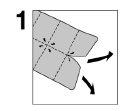
Open the package by peeling off the top tab and pulling to expose the contents, arrows indicate direction

Separate a single blister from the blister strip through the perforated line.
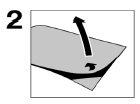
Needle entering the skin at an angle with a black arrow indicating the direction of insertion and a small circle showing the point of entry

    • peel off the backing of the blister and remove the capsule.
  • do not push the capsules through the blister backing.
  • do not peel off the blister backing until the capsule is needed.

Follow these instructions to remove the Dabiprax capsules from their bottle:

  • press and turn to open
  • after removing the capsule, put the cap back on the bottle and close the bottle tightly immediately after taking your dose.

Changing anticoagulant treatment

Do not change your anticoagulant treatment without specific instructions from your doctor.

If you take more Dabiprax than you should

If you take more Dabiprax than recommended, you may have an increased risk of bleeding. Tell your doctor immediately if you take more than the prescribed dose of Dabiprax. There are specific treatment options available.

In case of overdose or accidental ingestion, contact your doctor or call the Toxicology Information Service, telephone 91 562 04 20, indicating the medicine and the amount taken.

If you forget to take Dabiprax

A forgotten dose can be taken up to 6 hours before the next dose.

A forgotten dose should be omitted if the time before the next dose is less than 6 hours.

Do not take a double dose to make up for forgotten doses.

If you stop taking Dabiprax

Take Dabiprax exactly as prescribed by your doctor. Do not stop your treatment without talking to your doctor first. Stopping treatment with Dabiprax may increase the risk of developing a blood clot if treatment is stopped too soon. Contact your doctor if you have any further questions on the use of this medicine.

4. Possible Adverse Effects

Like all medicines, this medicine can cause adverse effects, although not all people suffer from them.

Dabiprax acts on blood coagulation; therefore, most adverse effects are related to signs such as bruising or bleeding.

Episodes of major or severe bleeding may occur, which are the most serious adverse effects and, regardless of their location, can cause disability, be potentially life-threatening, or even cause death. In some cases, these bleedings may not be apparent.

If you experience any episode of bleeding that does not stop by itself or if you experience signs of excessive bleeding, exceptional weakness, fatigue, paleness, dizziness, headache, or unexplained swelling, consult your doctor immediately. Your doctor may decide to keep you under close observation or change your medication.

Inform your doctor immediately if you experience a severe allergic reaction that causes difficulty breathing or dizziness.

Adverse effects are detailed below, grouped according to their frequency of occurrence.

Prevention of cerebral or systemic vascular obstruction due to blood clot formation developed after abnormal heart rhythm

Frequent (may affect up to 1 in 10 people):

  • Bleeding may be from the nose, stomach, or intestine, penis/vagina, or urinary tract (including blood in the urine that stains the urine pink or red), or under the skin
  • Decrease in the number of red blood cells in the blood
  • Abdominal pain or stomach pain
  • Indigestion
  • Frequent loose or liquid stools
  • Feeling like vomiting

Uncommon (may affect up to 1 in 100 people):

  • Bleeding
  • Bleeding may be from hemorrhoids, rectum, or brain
  • Formation of hematomas
  • Coughing up blood or sputum with blood spots
  • Decrease in the number of platelets in the blood
  • Decrease in the amount of hemoglobin in the blood (the substance in red blood cells)
  • Allergic reaction
  • Sudden change in skin color and physical appearance
  • Itching
  • Ulcer in the stomach or intestine (including esophageal ulcer)
  • Inflammation of the esophagus and stomach
  • Reflux of gastric juice into the esophagus
  • Vomiting
  • Difficulty swallowing
  • Abnormalities in liver function tests

Rare (may affect up to 1 in 1,000 people):

  • Bleeding may be in a joint, at the site of a surgical incision, in a wound, at the site of an injection, or at the site of a catheter in a vein
  • Severe allergic reaction that causes difficulty breathing or dizziness
  • Severe allergic reaction that causes swelling of the face or throat
  • Skin rash with dark red, prominent, and itchy bumps, caused by an allergic reaction
  • Decrease in the proportion of red blood cells in the blood
  • Increased liver enzymes
  • Yellowish discoloration of the skin or whites of the eyes, caused by liver or blood problems

Frequency not known (frequency cannot be estimated from available data):

  • Difficulty breathing or wheezing
  • Decrease in the number or even absence of white blood cells (which help fight infections)
  • Hair loss

In a clinical trial, the rate of heart attacks with Dabigatran was numerically higher than with warfarin. The overall incidence was low.

Treatment of blood clots in the veins of your legs and lungs, including prevention of these blood clots from reappearing in the veins of your legs and/or lungs

Frequent (may affect up to 1 in 10 people):

  • Bleeding may be from the nose, stomach, or intestine, rectum, penis/vagina, or urinary tract (including blood in the urine that stains the urine pink or red), or under the skin
  • Indigestion

Uncommon (may affect up to 1 in 100 people):

  • Bleeding
  • Bleeding may be in a joint or in a wound
  • Bleeding may be from hemorrhoids
  • Decrease in the number of red blood cells in the blood
  • Formation of hematomas
  • Coughing up blood or sputum with blood spots
  • Allergic reaction
  • Sudden change in skin color and physical appearance
  • Itching
  • Ulcer in the stomach or intestine
  • Inflammation of the esophagus and stomach
  • Reflux of gastric juice into the esophagus
  • Feeling like vomiting
  • Vomiting
  • Abdominal pain or stomach pain
  • Frequent loose or liquid stools
  • Abnormalities in liver function tests
  • Increased liver enzymes

Rare (may affect up to 1 in 1,000 people):

  • Bleeding may be at the site of a surgical incision, or at the site of an injection, or at the site of a catheter in a vein or from the brain
  • Decrease in the number of platelets in the blood
  • Severe allergic reaction that causes difficulty breathing or dizziness
  • Severe allergic reaction that causes swelling of the face or throat
  • Skin rash with dark red, prominent, and itchy bumps, caused by an allergic reaction
  • Difficulty swallowing
  • Decrease in the proportion of red blood cells in the blood

Frequency not known (frequency cannot be estimated from available data):

  • Difficulty breathing or wheezing
  • Decrease in the amount of hemoglobin in the blood (the substance present in red blood cells)
  • Decrease in the number of red blood cells in the blood
  • Decrease in the number or even absence of white blood cells (which help fight infections)
  • Yellowish discoloration of the skin or whites of the eyes, caused by liver or blood problems
  • Hair loss

In the clinical trial program, the rate of heart attacks with Dabigatran was higher than with warfarin. The overall incidence was low. No imbalance in the rate of heart attacks was observed in patients treated with dabigatran compared to patients treated with placebo.

Reporting of Adverse Effects

If you experience any type of adverse effect, consult your doctor or pharmacist, even if it is a possible adverse effect that is not listed in this prospectus. You can also report them directly through the Spanish Pharmacovigilance System for Human Use Medicines: www.notificaRAM.es

By reporting adverse effects, you can contribute to providing more information on the safety of this medicine.

5. Storage of Dabiprax

Keep this medicine out of the sight and reach of children.

Do not use this medicine after the expiration date stated on the packaging, blister, or bottle after "EXP". The expiration date is the last day of the month indicated.

Blister: Store in the original packaging to protect it from moisture.

Bottle: Once the bottle is opened, the medicine must be used within the next 4 months. Keep the bottle tightly closed. Store in the original packaging to protect it from moisture.

Medicines should not be thrown away through wastewater or household waste. Deposit the packaging and medicines you no longer need at the SIGRE point in the pharmacy. In case of doubt, ask your pharmacist how to dispose of the packaging and medicines you no longer need. This way, you will help protect the environment.

6. Package Contents and Additional Information

1.

  • The active ingredient is dabigatran. Each hard capsule contains 150 mg of dabigatran etexilate (in the form of mesilate).
  • The other components are microcrystalline cellulose, sodium croscarmellose, crospovidone, tartaric acid pellets, hydroxypropylcellulose, mannitol, talc, and magnesium stearate.
  • The capsule shell contains red iron oxide (E-172), titanium dioxide (E-171), and hypromellose.
  • The black printing ink contains shellac, propylene glycol, strong ammonia solution, black iron oxide (E-172), and potassium hydroxide.

Product Appearance and Package Contents

Dabiprax is a hard capsule.

Dabiprax 150 mg hard capsules have a pink, opaque cap and body, size 0, containing a mixture of tartaric acid pellets and a granulate that contains dabigatran etexilate and excipients. The capsules are printed with the inscription "D150".

Dabiprax 150 mg hard capsules are available in packages containing 60 hard capsules, in perforated aluminum unit-dose blisters.

Dabiprax 150 mg hard capsules are also available in polyethylene (plastic) bottles with a desiccant and filler, with a polypropylene cap, containing 60 hard capsules.

Only some package sizes may be marketed.

Marketing Authorization Holder

PTR Pharma Consulting, Lda.

Rua Brito Pais, 8C, 1495-028 Algés, Portugal

Manufacturer

TOWA PHARMACEUTICAL EUROPE S.L.

C/Sant Martí, 75-97, Martorelles, 08107, Barcelona, Spain.

Pharmadox Healthcare Ltd.

Address:

KW20A Kordin Industrial Park Paola

PLA3000, Malta

Date of the last revision of this prospectus: January 2021

Detailed and updated information on this medicine is available on the website of the Spanish Agency for Medicines and Health Products (AEMPS) http://www.aemps.gob.es

Alternatives to DABIPRAX 150 mg HARD CAPSULES in other countries

The best alternatives with the same active ingredient and therapeutic effect.

Alternative to DABIPRAX 150 mg HARD CAPSULES in Polska

Dosage form: Kapsułki, 150 mg
Active substance: dabigatran etexilate
Importer: Galenicum Health S.L.U. SAG Manufacturing S.L.U.
Prescription required
Dosage form: Kapsułki, 110 mg
Active substance: dabigatran etexilate
Importer: Galenicum Health S.L.U. SAG Manufacturing S.L.U.
Prescription required
Dosage form: Kapsułki, 75 mg
Active substance: dabigatran etexilate
Importer: Galenicum Health S.L.U. SAG Manufacturing S.L.U.
Prescription required
Dosage form: Kapsułki, 150 mg
Active substance: dabigatran etexilate
Importer: Mylan Germany GmbH Mylan Hungary Kft.
Prescription required
Dosage form: Kapsułki, 110 mg
Active substance: dabigatran etexilate
Importer: Mylan Germany GmbH Mylan Hungary Kft.
Prescription required
Dosage form: Kapsułki, 75 mg
Active substance: dabigatran etexilate
Importer: Mylan Germany GmbH Mylan Hungary Kft.
Prescription required

Alternative to DABIPRAX 150 mg HARD CAPSULES in Ukraina

Dosage form: capsules, 75 mg capsules in blister
Active substance: dabigatran etexilate
Prescription required
Dosage form: capsules, 110 mg capsules in blister
Active substance: dabigatran etexilate
Prescription required
Dosage form: capsules, 75mg
Active substance: dabigatran etexilate
Prescription required
Dosage form: capsules, 150mg
Active substance: dabigatran etexilate
Prescription required
Dosage form: capsules, 110mg
Active substance: dabigatran etexilate
Prescription required

Online doctors for DABIPRAX 150 mg HARD CAPSULES

Discuss dosage, side effects, interactions, contraindications, and prescription renewal for DABIPRAX 150 mg HARD CAPSULES – subject to medical assessment and local rules.

0.0(0)
Doctor

Tomasz Grzelewski

Dermatology20 years of experience

Dr Tomasz Grzelewski is an MD, PhD specialist in allergy, paediatrics, general practice and sports medicine, with a clinical focus on dermatology, endocrinology, allergology and sports-related health. He has more than 20 years of clinical experience and completed his medical training at the Medical University of Łódź, where he defended his PhD thesis with distinction. His doctoral research was recognised by the Polish Society of Allergology for its innovative contribution to the field. Throughout his career, he has gained extensive expertise in diagnosing and managing a wide range of allergic and paediatric conditions, including modern allergen desensitisation techniques.

For five years, Dr Grzelewski served as the Head of two paediatric departments in Poland, managing complex clinical cases and leading multidisciplinary teams. He also worked in medical centres in the United Kingdom, gaining experience across both primary care and specialist environments. With over a decade of telemedicine experience, he has provided online consultations across Europe and is valued for his clear, structured and evidence-based medical guidance.

Dr Grzelewski is actively involved in clinical programmes focused on modern anti-allergic therapies. As a Principal Investigator, he leads research projects on sublingual and oral allergen desensitisation, supporting evidence-based progress in allergy treatment for both children and adults.

In addition to his background in allergology and paediatrics, he completed dermatology studies through the Cambridge Education Group (Royal College of Physicians of Ireland) and a Clinical Endocrinology course at Harvard Medical School. This advanced training enhances his ability to manage skin manifestations of allergies, atopic conditions, urticaria, endocrine-related symptoms and complex immunological reactions.

Patients commonly seek his care for:

  • seasonal and perennial allergies
  • allergic rhinitis and chronic nasal symptoms
  • asthma and breathing difficulties
  • food and medication allergies
  • urticaria, atopic dermatitis and skin reactions
  • recurrent infections in children
  • sports-related health questions
  • general family medicine concerns
Dr Tomasz Grzelewski is known for his clear communication style, structured medical approach and ability to explain treatment options in a concise and accessible way. His multidisciplinary background across allergy, paediatrics, dermatology and endocrinology allows him to provide safe, up-to-date and comprehensive care for patients of all ages.
CameraBook a video appointment
€80
December 1011:00
December 1011:25
December 1011:50
December 1012:15
December 1012:40
More times
0.0(0)
Doctor

Antonio Cayatte

General medicine43 years of experience

Dr Antonio Cayatte is a physician in General and Acute Medicine with over 30 years of experience across clinical care, medical research, and education. He offers online consultations for adults with a wide range of symptoms, both acute and chronic.

His clinical background includes:

  • assessment of sudden or unclear symptoms
  • ongoing care for chronic conditions
  • follow-up after hospital discharge
  • interpretation of test results
  • medical support while abroad
Dr Cayatte earned his degree from the University of Lisbon and taught internal medicine at Boston University School of Medicine. He holds active medical registrations in both Portugal and the UK and is a Fellow of the American Heart Association.

Consultations are available in English and Portuguese. Patients value his clarity, professionalism, and balanced approach to evidence-based care.

CameraBook a video appointment
€60
December 1015:00
December 1015:30
December 1016:00
December 1016:30
December 1017:00
More times
5.0(142)
Doctor

Andrei Popov

General medicine6 years of experience

Dr. Andrei Popov is a licensed pain management specialist and general practitioner based in Spain. He provides expert online care for adults dealing with both chronic and acute pain, as well as a wide range of everyday health concerns.

He specialises in diagnosing and treating pain conditions that affect quality of life, including:

  • Chronic pain lasting more than 3 months.
  • Migraines and recurring headaches.
  • Neck, back, lower back, and joint pain.
  • Post-traumatic pain following injury or surgery.
  • Nerve-related pain, fibromyalgia, and neuralgia.
In addition to pain management, Dr. Popov helps patients with:
  • Respiratory infections (colds, bronchitis, pneumonia).
  • High blood pressure and metabolic conditions such as diabetes.
  • Preventive care and routine health check-ups.

Online consultations last up to 30 minutes and include a detailed symptom review, personalised treatment planning, and medical follow-up when needed.

Dr. Popov’s approach is rooted in evidence-based medicine, combined with individualised care tailored to each patient’s history, lifestyle, and clinical needs.

CameraBook a video appointment
€80
December 1016:00
December 1016:30
December 1017:00
December 1017:30
December 1018:00
More times
5.0(38)
Doctor

Yevgen Yakovenko

General surgery11 years of experience

Dr. Yevgen Yakovenko is a licensed surgeon and general practitioner in Spain and Germany. He specialises in general, paediatric, and oncological surgery, internal medicine, and pain management. He offers online consultations for adults and children, combining surgical precision with therapeutic support. Dr Yakovenko works with patients across different countries and provides care in Ukrainian, Russian, English, and Spanish.

Areas of medical expertise:

  • Acute and chronic pain: headaches, muscle and joint pain, back pain, abdominal pain, postoperative pain. Identifying the cause, selecting treatment, and creating a care plan.
  • Internal medicine: heart, lungs, gastrointestinal tract, urinary system. Management of chronic conditions, symptom control, second opinions.
  • Pre- and postoperative care: risk assessment, decision-making support, follow-up after surgery, rehabilitation strategies.
  • General and paediatric surgery: hernias, appendicitis, congenital conditions, both planned and urgent surgeries.
  • Injuries and trauma: bruises, fractures, sprains, soft tissue damage, wound care, dressing, referral when in-person care is required.
  • Oncological surgery: diagnosis review, treatment planning, and long-term follow-up.
  • Obesity treatment and weight management: a medical approach to weight loss, including assessment of underlying causes, evaluation of comorbidities, development of a personalised plan (nutrition, physical activity, pharmacotherapy if needed), and ongoing progress monitoring.
  • Imaging interpretation: analysis of ultrasound, CT, MRI, and X-ray results, surgical planning based on imaging data.
  • Second opinions and medical navigation: clarifying diagnoses, reviewing current treatment plans, helping patients choose the best course of action.

Experience and qualifications:

  • 12+ years of clinical experience in university hospitals in Germany and Spain.
  • International education: Ukraine – Germany – Spain.
  • Member of the German Society of Surgeons (BDC).
  • Certified in radiological diagnostics and robotic surgery.
  • Active participant in international medical conferences and research.

Dr Yakovenko explains complex topics in a clear, accessible way. He works collaboratively with patients to analyse health issues and make evidence-based decisions. His approach is grounded in clinical excellence, scientific accuracy, and respect for each individual.

If you are unsure about a diagnosis, preparing for surgery, or want to discuss your test results – Dr Yakovenko will help you evaluate your options and move forward with confidence.

CameraBook a video appointment
€50
December 1016:00
December 1116:00
December 1116:40
December 1117:20
December 1118:00
More times
5.0(25)
Doctor

Anna Biriukova

General medicine5 years of experience

Dr Anna Biriukova is an internal medicine doctor with clinical experience in cardiology, endocrinology, and gastroenterology. She provides online consultations for adults, offering expert medical support for heart health, hormonal balance, digestive issues, and general internal medicine.

Cardiology – Diagnosis and treatment of:

  • High blood pressure, blood pressure fluctuations, and cardiovascular risk prevention.
  • Chest pain, shortness of breath, arrhythmias (tachycardia, bradycardia, palpitations).
  • Leg swelling, chronic fatigue, reduced exercise tolerance.
  • EKG interpretation, lipid profile evaluation, cardiovascular risk assessment (heart attack, stroke).
  • Post-COVID-19 cardiac monitoring and care.
Endocrinology – Diabetes, thyroid, metabolism:
  • Diagnosis and management of type 1 and type 2 diabetes, and prediabetes.
  • Individual treatment plans including oral medications and insulin therapy.
  • GLP-1 therapy– modern pharmacological treatment for weight management and diabetes control, including drug selection, monitoring, and safety follow-up.
  • Thyroid disorders – hypothyroidism, hyperthyroidism, autoimmune thyroid diseases (Hashimoto’s, Graves’ disease).
  • Metabolic syndrome – obesity, lipid disorders, insulin resistance.
Gastroenterology – Digestive health:
  • Abdominal pain, nausea, heartburn, gastroesophageal reflux (GERD).
  • Stomach and intestinal conditions: gastritis, irritable bowel syndrome (IBS), indigestion.
  • Management of chronic digestive disorders and interpretation of tests (endoscopy, ultrasound, labs).
General internal medicine and preventive care:
  • Respiratory infections – cough, colds, bronchitis.
  • Lab test analysis, therapy adjustments, medication management.
  • Adult vaccinations – planning, contraindications assessment.
  • Cancer prevention – screening strategies and risk assessment.
  • Holistic approach – symptom relief, complication prevention, and quality of life improvement.
Dr Biriukova combines internal medicine with specialist insight, offering clear explanations, personalised treatment plans, and comprehensive care tailored to each patient.
CameraBook a video appointment
€60
December 1107:00
December 1107:50
December 1108:40
December 1109:30
December 1213:00
More times
0.0(3)
Doctor

Alexandra Alexandrova

General medicine8 years of experience

Dr Alexandra Alexandrova is a licensed general medicine doctor in Spain, specialising in trichology, nutrition, and aesthetic medicine. She offers online consultations for adults, combining a therapeutic approach with personalised care for hair, scalp, and overall health.

Areas of expertise:

  • Hair loss in women and men, postpartum hair loss, androgenetic and telogen effluvium.
  • Scalp conditions: seborrheic dermatitis, psoriasis, scalp irritation, dandruff.
  • Chronic conditions: hypertension, diabetes, metabolic disorders.
  • Online trichology consultation: customised treatment plans, nutritional support, hair growth stimulation.
  • Hair loss prevention: hormonal imbalance, stress factors, haircare strategies.
  • Routine health check-ups, prevention of cardiovascular and metabolic diseases.
  • Personalised nutritional advice to improve hair strength, skin health, and hormonal balance.
  • Aesthetic medicine: non-invasive strategies to enhance skin quality, tone, and metabolic wellness.

Dr Alexandrova follows an evidence-based and holistic approach: online consultations with a therapist and trichologist on Oladoctor provide professional support for hair, scalp, and overall health — all from the comfort of your home.

CameraBook a video appointment
€59
December 1109:00
December 1109:30
December 1110:00
December 1110:30
December 1111:00
More times
0.0(0)
Doctor

Eteri Tabeshadze

Cardiology32 years of experience

Dr. Eteri Tabeshadze is a cardiologist with the highest qualification category and over 32 years of clinical experience. She also practises functional diagnostics, offering a comprehensive approach to cardiovascular care. Dr. Tabeshadze provides online consultations for adults with a wide range of heart-related conditions, from preventive screenings to acute and chronic disease management.

Areas of expertise include:

  • Diagnosis and treatment of hypertension, coronary artery disease, and chronic heart failure
  • Management of arrhythmias and conduction disorders, including paroxysmal events
  • Emergency care: myocardial infarction, acute left ventricular failure, acute pulmonary heart disease
  • Post-thromboembolism care and evaluation of cardiomyopathies
  • Treatment of vegetative dysfunction and autonomic disorders
  • Interpretation of cardiovascular tests: ECG, Holter monitoring, ambulatory blood pressure monitoring (ABPM), echocardiography (including transesophageal echo), stress echocardiography, exercise testing (VEM, treadmill test)
Dr. Tabeshadze combines extensive diagnostic experience with personalised care. She helps patients understand their cardiovascular health, navigate symptoms and diagnoses, and create tailored treatment plans to improve quality of life and reduce long-term risks.
CameraBook a video appointment
€50
December 1111:00
December 1112:00
December 1113:00
December 1114:00
December 1115:00
More times
5.0(7)
Doctor

Mar Tabeshadze

Endocrinology10 years of experience

Dr. Mar Tabeshadze is a licensed endocrinologist and general practitioner in Spain. She provides online consultations for adults, offering medical support for a wide range of endocrine conditions and related health concerns.

  • Diagnostic consultations for suspected endocrine disorders
  • Management of thyroid conditions, including in pregnant women
  • Early detection and treatment of type 1 and type 2 diabetes, with personalised therapy plans
  • Obesity treatment: identifying underlying causes of weight gain, combining medication and non-pharmacological strategies, and long-term support
  • Diagnosis and treatment of endocrine-related skin, hair, and nail issues
  • Ongoing care for patients with osteoporosis, pituitary, and adrenal gland disorders
Dr. Tabeshadze takes a patient-centred approach based on evidence-based medicine. Her goal is to help patients achieve hormonal balance, manage chronic conditions effectively, and improve overall well-being through targeted, personalised care.
CameraBook a video appointment
€55
December 1111:00
December 1211:00
December 1511:00
December 1611:00
December 1711:00
More times
0.0(0)
Doctor

Nataliia Lifantieva

Cardiology21 years of experience

Dr. Nataliia Lifantieva is a cardiologist and cardiac electrophysiologist with extensive experience in the diagnosis and treatment of arrhythmias. She offers online consultations for patients with chronic cardiovascular conditions, including medication management and post-operative follow-up.

Main areas of expertise:

  • Diagnosis and treatment of arrhythmias: extrasystole, atrial fibrillation and flutter, supraventricular and ventricular tachycardia
  • Conduction disorders: AV blocks, sinoatrial block, bradyarrhythmias
  • ECG and Holter monitor interpretation, including data from smartwatches
  • Evaluation for interventional treatment: stenting, bypass surgery, valve replacement
  • Anticoagulant management (e.g., warfarin, DOACs) based on kidney function and clinical context
  • Perioperative advice on anticoagulant/antiplatelet therapy before dental procedures
CameraBook a video appointment
€85
December 1113:00
December 1113:55
December 1114:50
December 1408:00
December 1408:55
More times
0.0(1)
Doctor

Maryna Kuznetsova

Cardiology16 years of experience

Dr Marina Kuznetsova is an internal medicine doctor and cardiologist with a PhD in medicine. She provides online consultations for adults with chronic and acute conditions, with a strong focus on cardiovascular health. Her approach is based on current clinical guidelines and evidence-based treatment strategies.

Areas of expertise:

  • dyslipidaemia and lipid metabolism disorders
  • prevention and management of atherosclerosis
  • blood pressure monitoring and antihypertensive therapy
  • arrhythmias: diagnosis, follow-up, and treatment adjustment
  • cardiovascular care and recovery support after Covid-19
Dr Kuznetsova helps patients manage cardiovascular risk factors, optimise long-term treatment, and gain clarity in complex health situations – all through accessible and structured online care.
CameraBook a video appointment
€50
December 1114:00
December 1114:50
December 1115:40
December 1116:30
December 1117:20
More times

Get updates and exclusive offers

Be the first to know about new services, marketplace updates, and subscriber-only promos.

Follow us on social media
FacebookInstagram
Logo
Oladoctor
Find a doctor
Doctors by specialty
Services
Choose language
© 2025 Oladoctor. All rights reserved.
VisaMastercardStripe